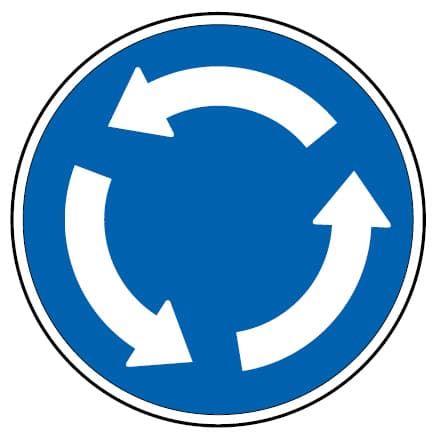
Mandatory signs, typically displayed on a blue background, tell you what you *must* do rather than what you should avoid. These circular or rectangular signs dictate specific actions, such as the direction you must take, the lane you must use, a minimum speed, or dedicated routes for certain vehicles. Understanding these directives is crucial for navigating traffic safely and successfully passing your theory test.
An explanation of how Mandatory Signs road signs apply in real traffic situations in Portugal. Learn where these signs are typically placed, what drivers are expected to do when they appear, and how correct reactions help you stay safe, avoid fines, and succeed in your Portuguese driving theory exam.
Mandatory signs are encountered in various traffic scenarios where specific actions are required from drivers. You'll see 'Mandatory Direction' signs (D1a-D1e) at junctions, indicating precisely which way you must proceed, often to manage traffic flow or direct vehicles away from specific areas. 'Possible Mandatory Directions' signs (D2a-D2c) offer a choice of mandatory routes. 'Mandatory Lane Usage' signs (D5a-D5c, D6, D6a, D7a-D7f) are common on multi-lane roads, highways, or dedicated paths, specifying lanes for certain vehicles like trucks, buses, bikes, or pedestrians, or indicating mandatory speeds (D8) or the need for snow chains (D9) in specific conditions. They also inform you about required headlight usage (D10). Signs indicating the 'end' of a mandatory requirement (D11a-D17) are crucial for signalling that the restriction or requirement no longer applies.
An overview of the key learning outcomes when studying the Mandatory Signs road sign category. Understand the main concepts, sign meanings, and traffic situations covered here so you can recognise patterns, answer theory questions more confidently, and build a solid foundation for safe driving in Portugal.
Study Portugal's mandatory signs, crucial for understanding required actions like directions, lane usage, and minimum speeds. Mastering these traffic signs ensures compliance with the Código da Estrada and aids in theory test revision. Learn to recognize these instructional signs for safer driving.
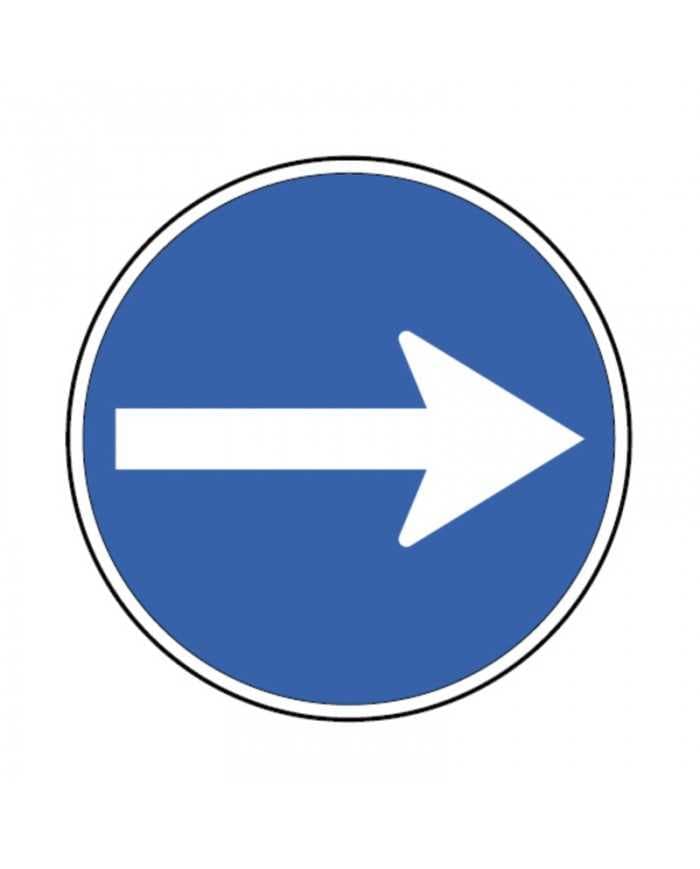
Follow the Arrow: The D1a Mandatory Direction Road Sign
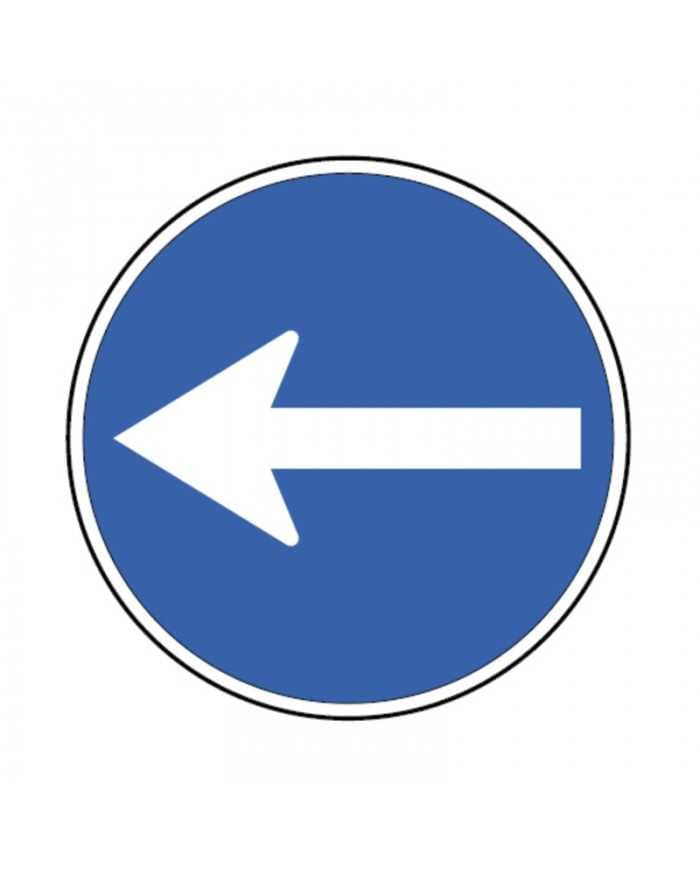
D1b: You Must Follow the Indicated Direction
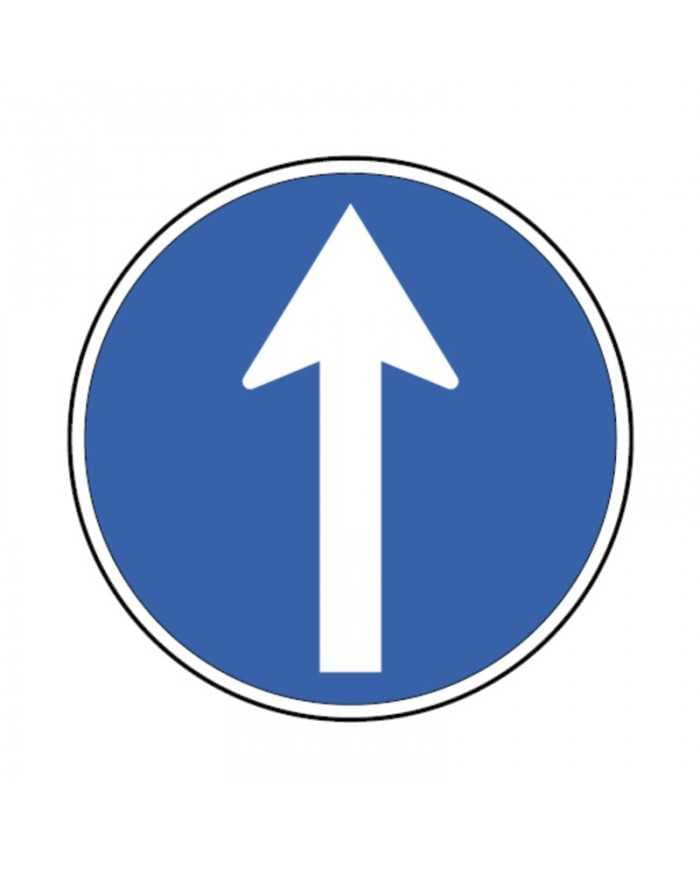
D1c: You MUST Follow the Indicated Direction
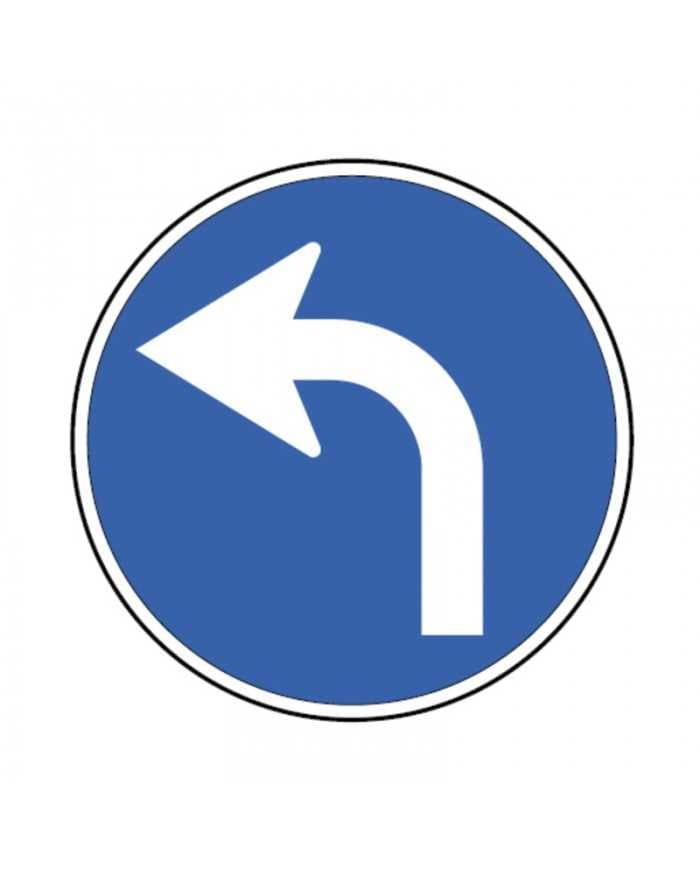
D1d: You Must Follow the Indicated Direction
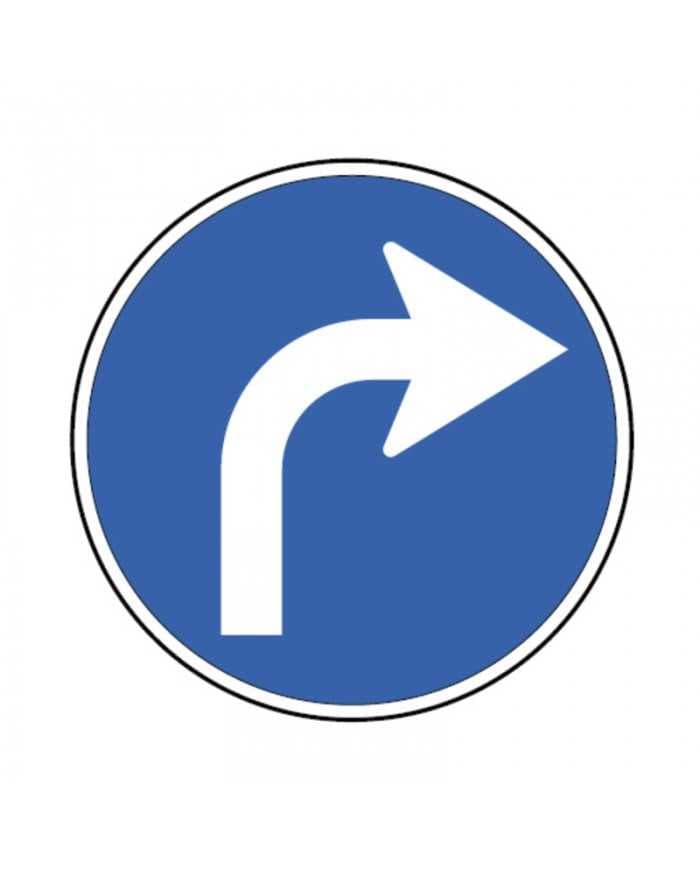
D1e Mandatory Direction: You Must Follow the Indicated Way
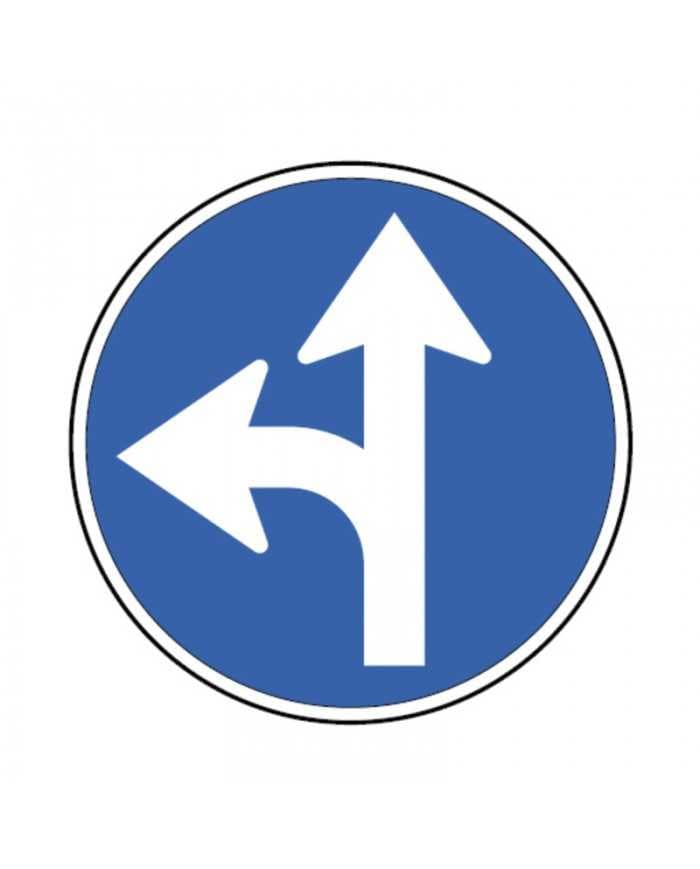
D2a: Follow Only the Indicated Directions – Mandatory Sign
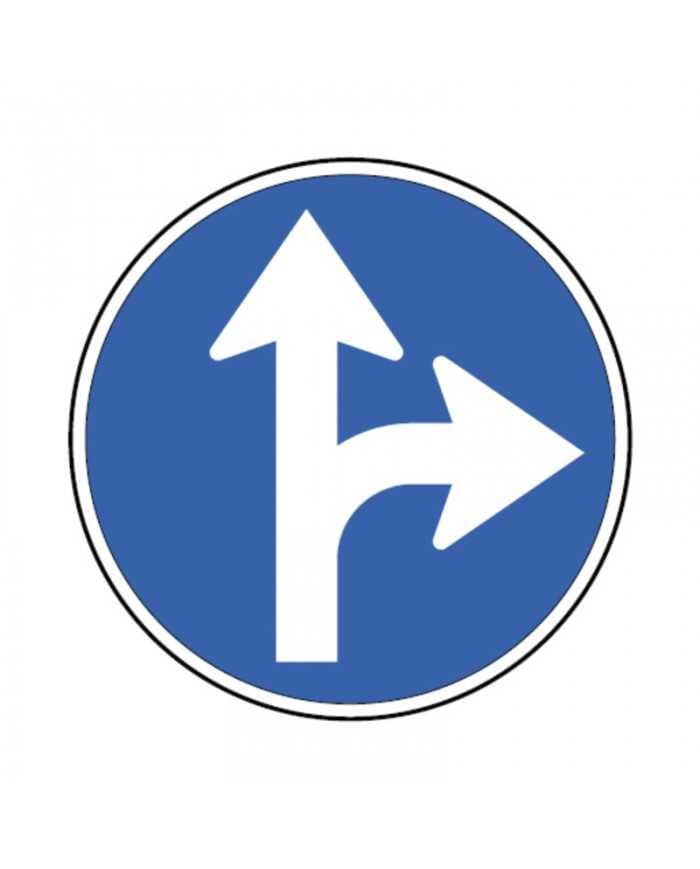
D2b: Mandatory Possible Directions - You MUST follow one of the indicated routes.
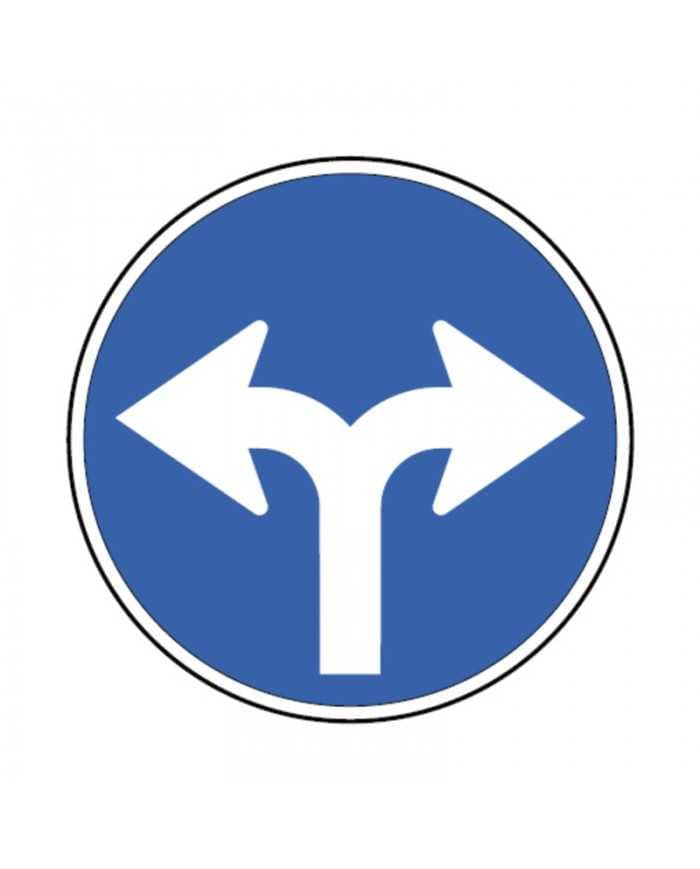
D2c: Follow the Mandatory Directions Indicated by the Arrows
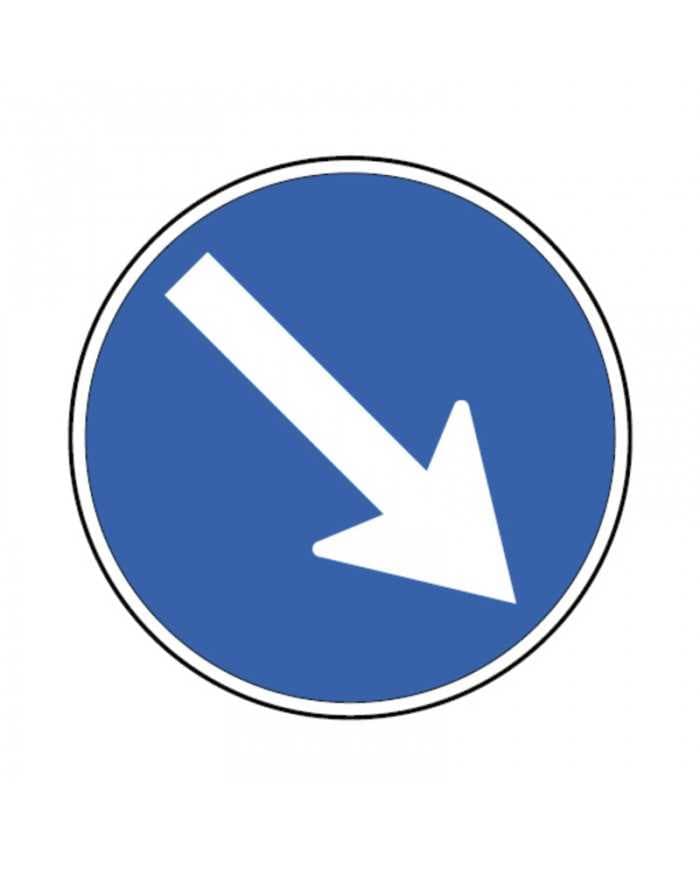
D3a: Mandatory Instruction to Go Around Obstacles
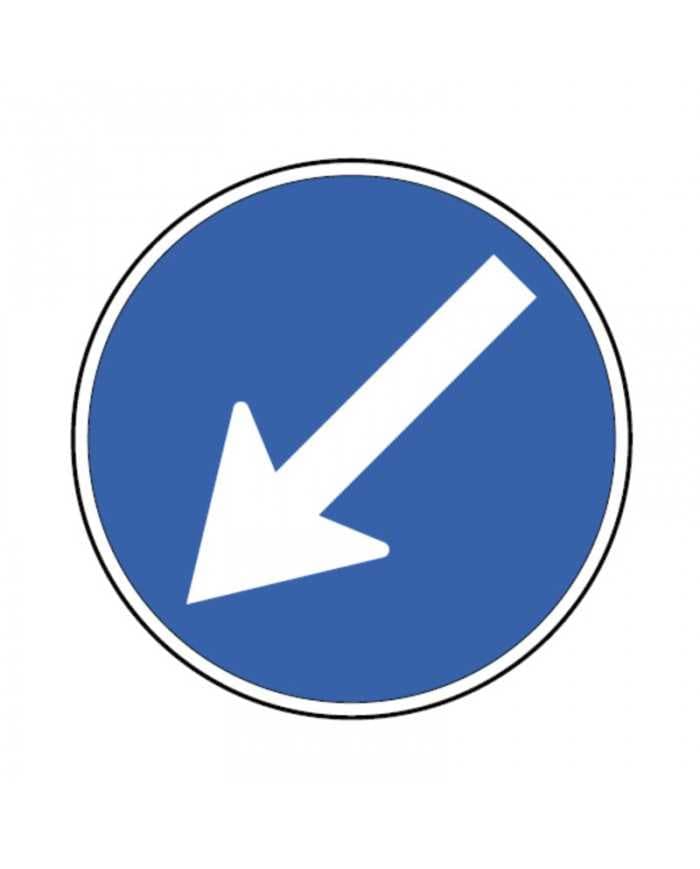
D3b: You MUST Go Around This Obstacle or Sign
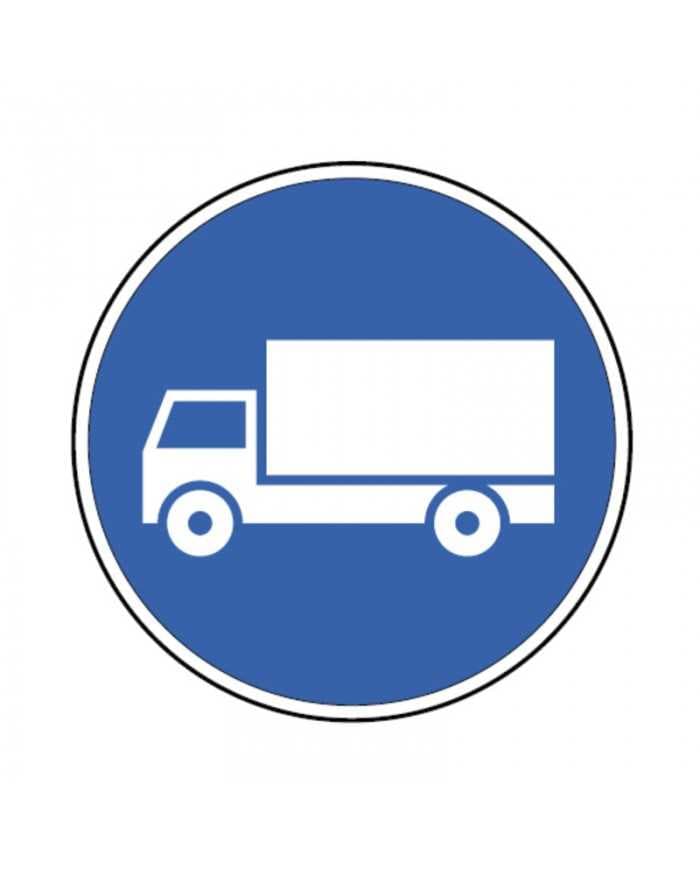
D5a: Mandatory Lane for Goods Vehicles
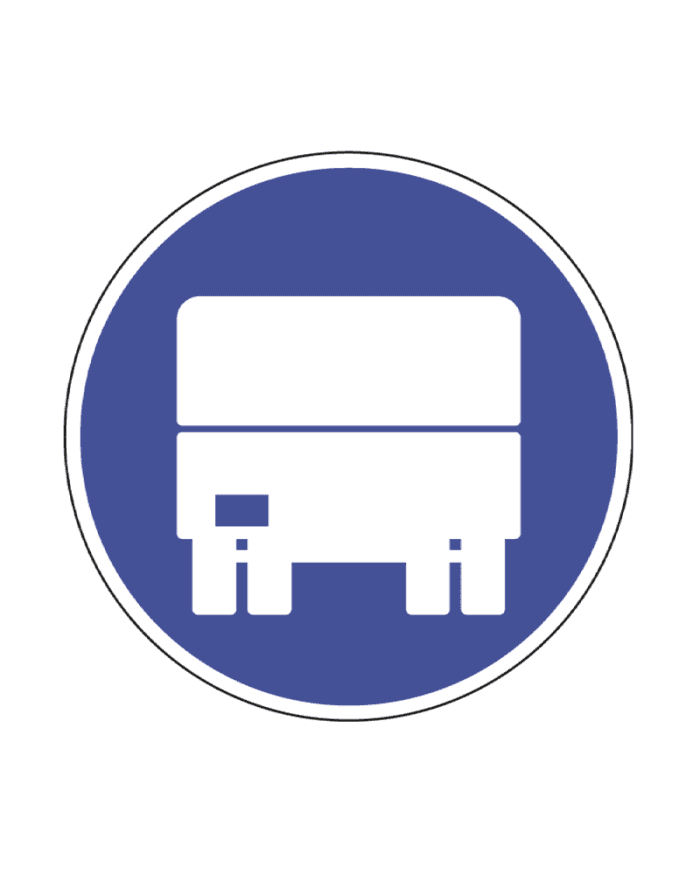
D5b: Mandatory Lane for Heavy Vehicles Ahead
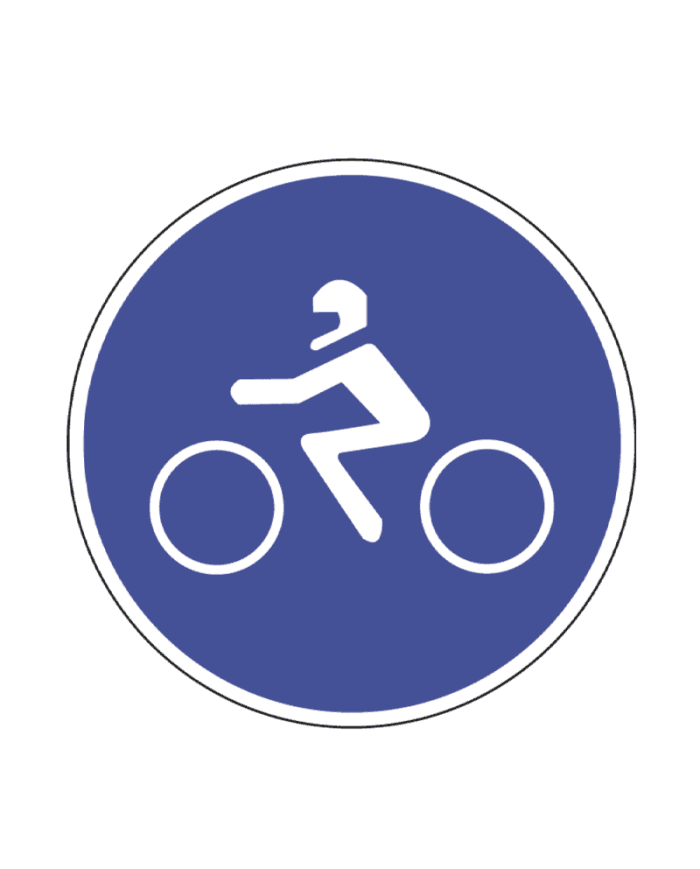
D5c: You Must Use This Road if You're Riding a Motorcycle
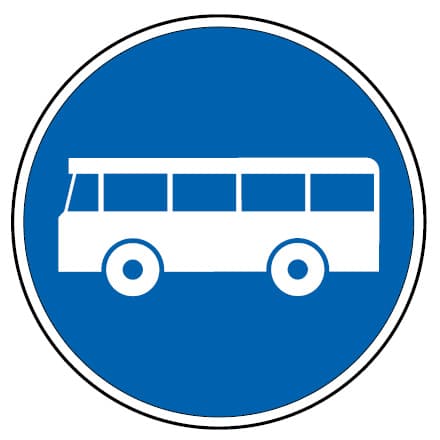
D6: This Road is Reserved Exclusively for Public Transport
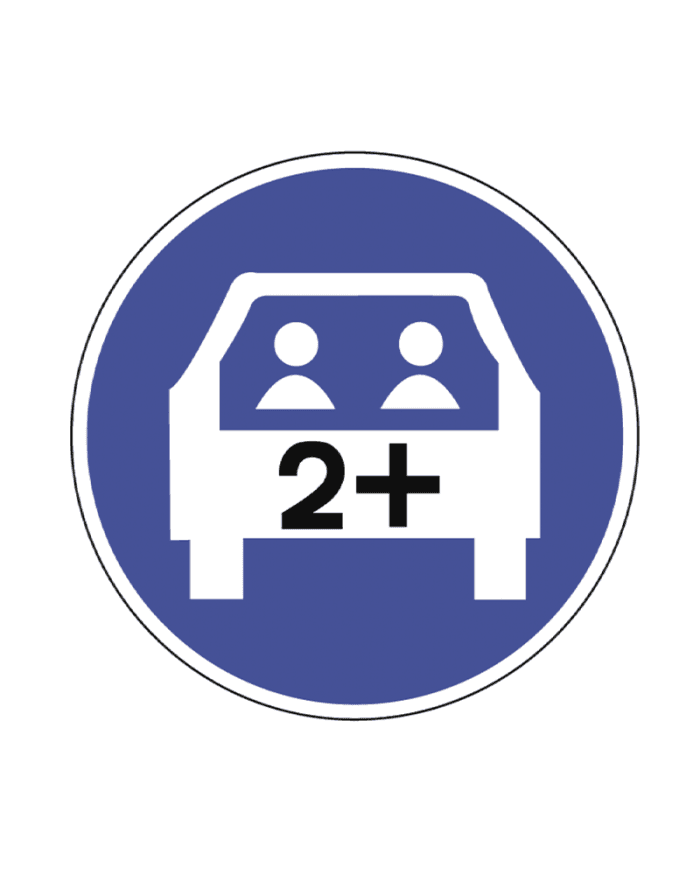
D6a: Mandatory Lane for High Occupancy Vehicles (HOV)
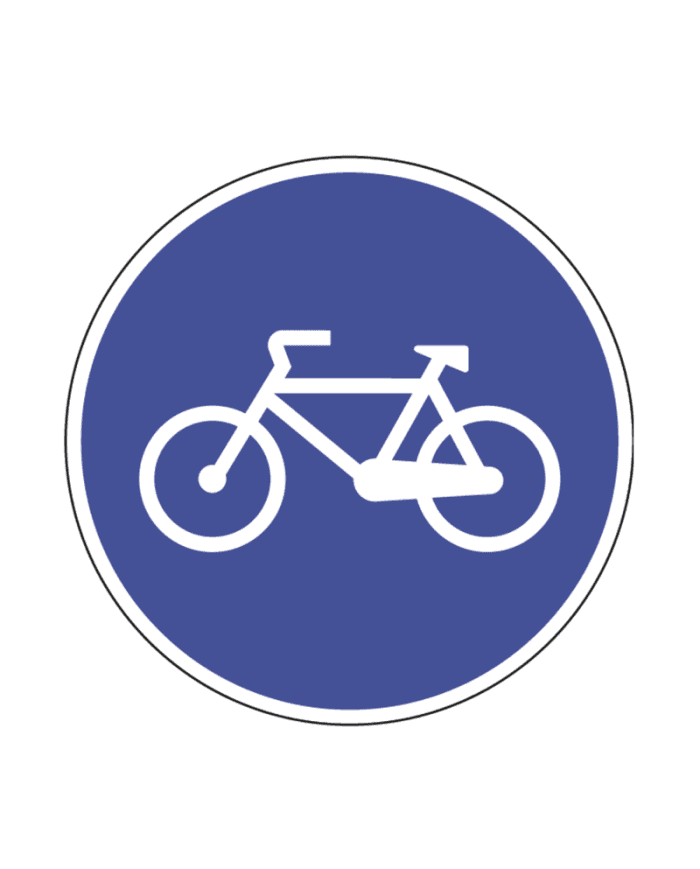
D7a: You Must Use the Mandatory Cycle Lane
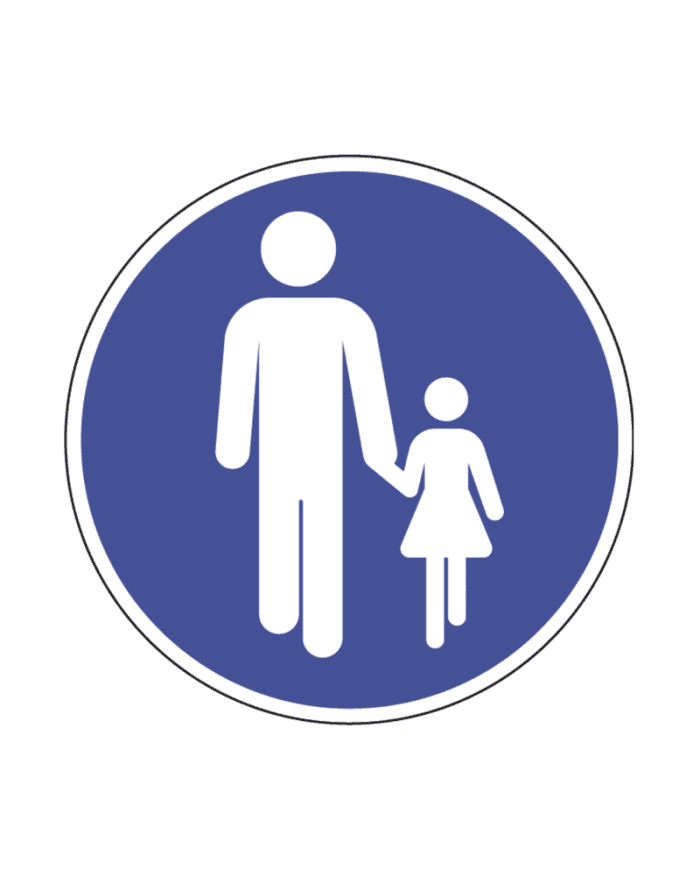
D7b: You must use this path for pedestrians
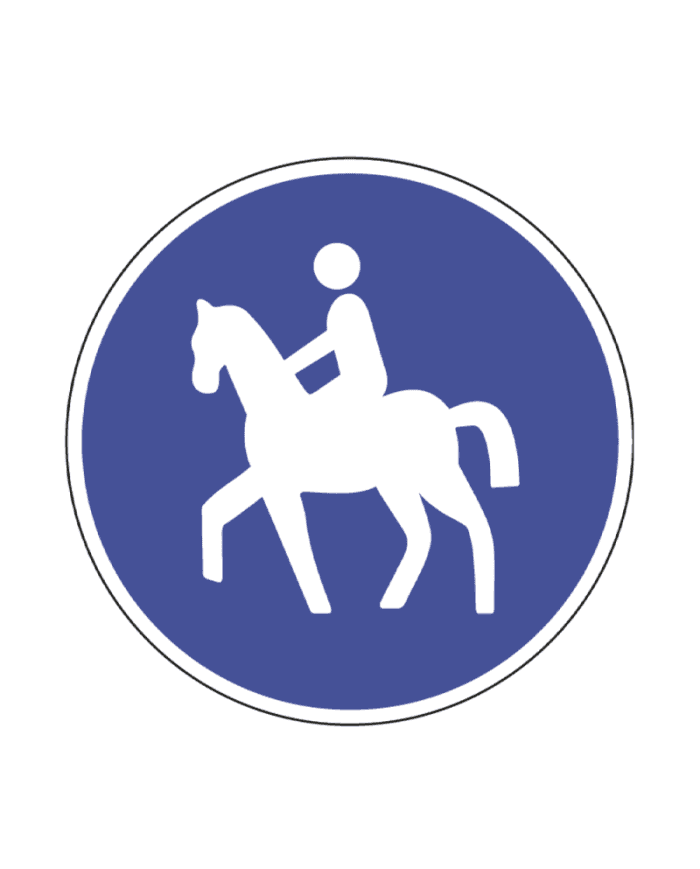
Understand the D7c: Mandatory Lane for Horse Riders Sign
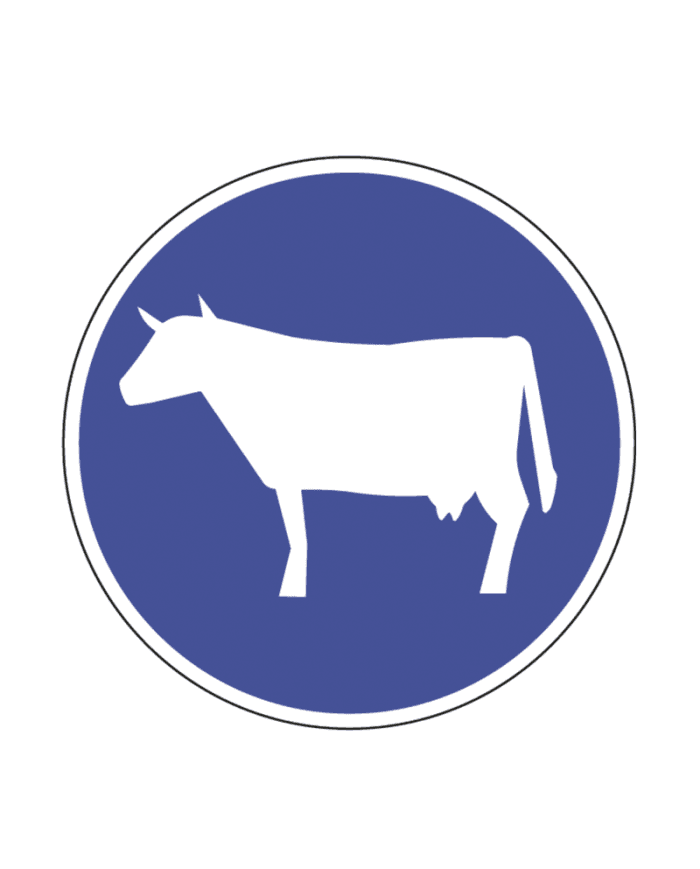
Mandatory Lane for Herded Livestock - D7d
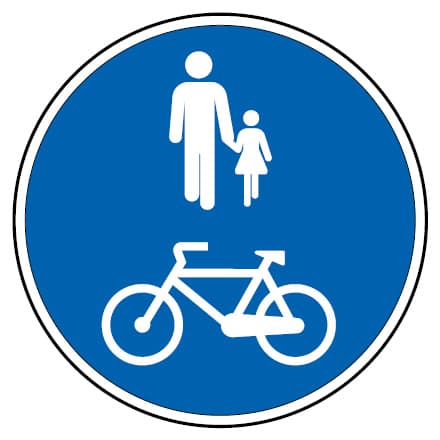
D7e: Use This Mandatory Lane for Pedestrians and Cyclists
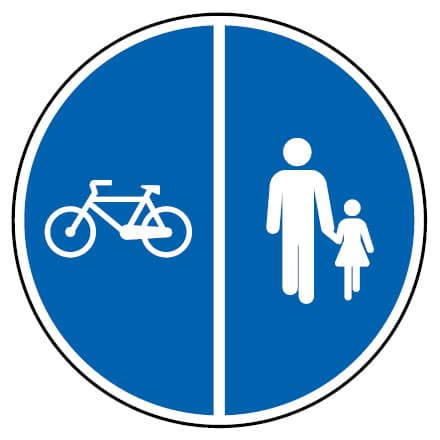
Mandatory Lane for Pedestrians and Cyclists Road Sign (D7f)
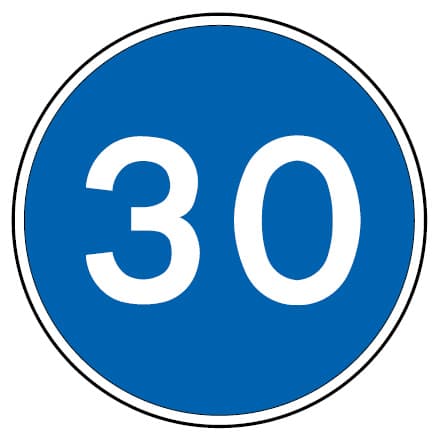
D8: You Must Maintain This Minimum Speed
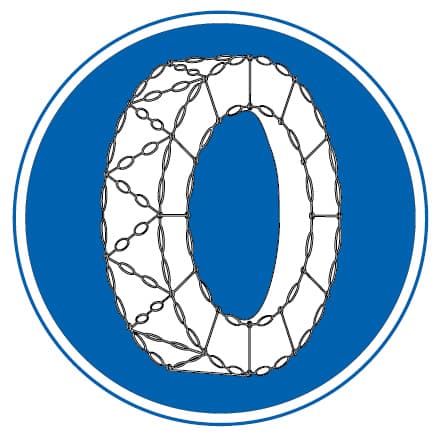
D9 Sign: You MUST Use Snow Chains Now
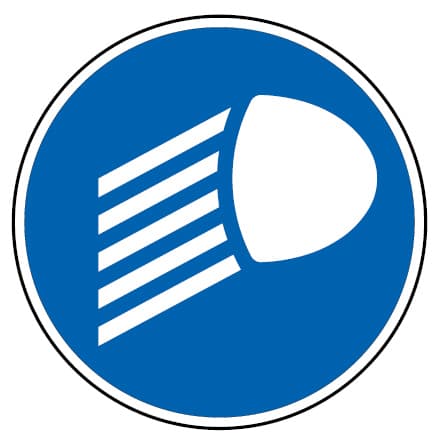
D10: You Must Use Your Dipped Headlights (Médios)
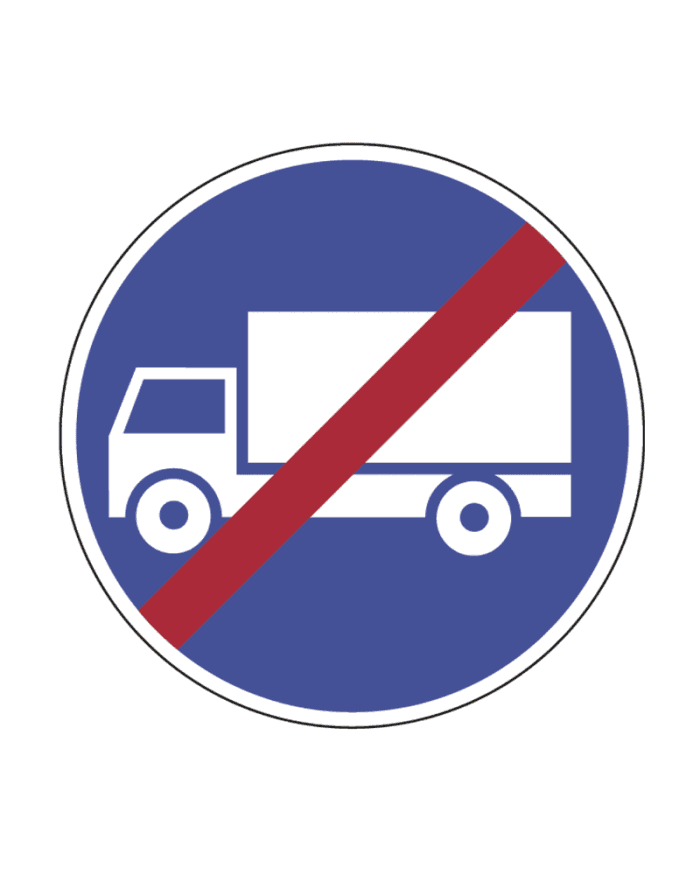
D11a: Mandatory Lane for Goods Vehicles Ends Here
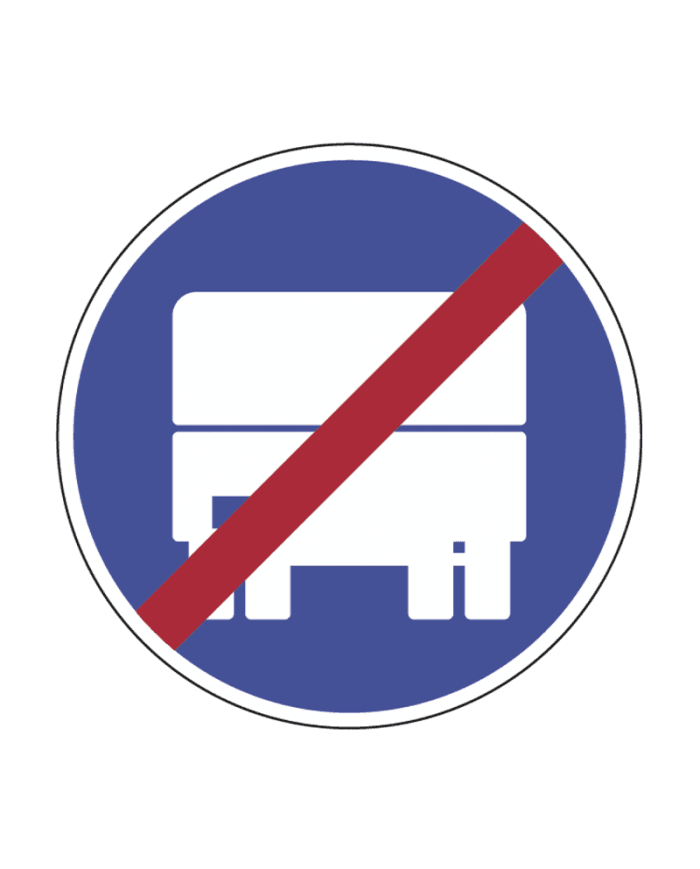
D11b: Mandatory Lane for Heavy Vehicles Ends Here
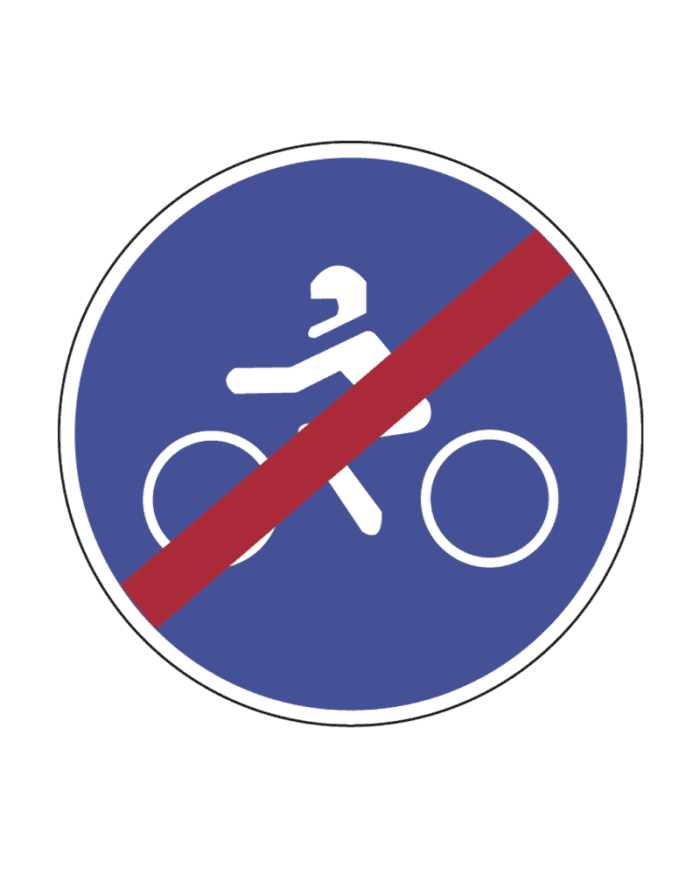
D11c: Mandatory Lane for Motorcycles Has Ended
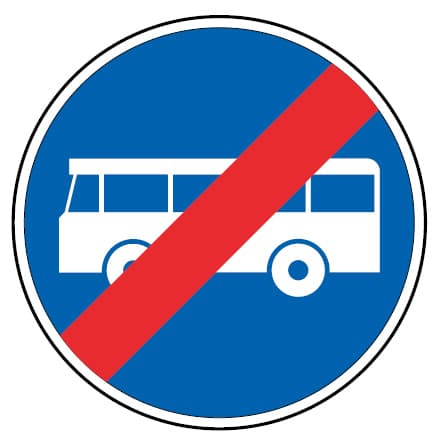
D12: Fim da via reservada a veículos de transporte público - End of the bus lane ahead!
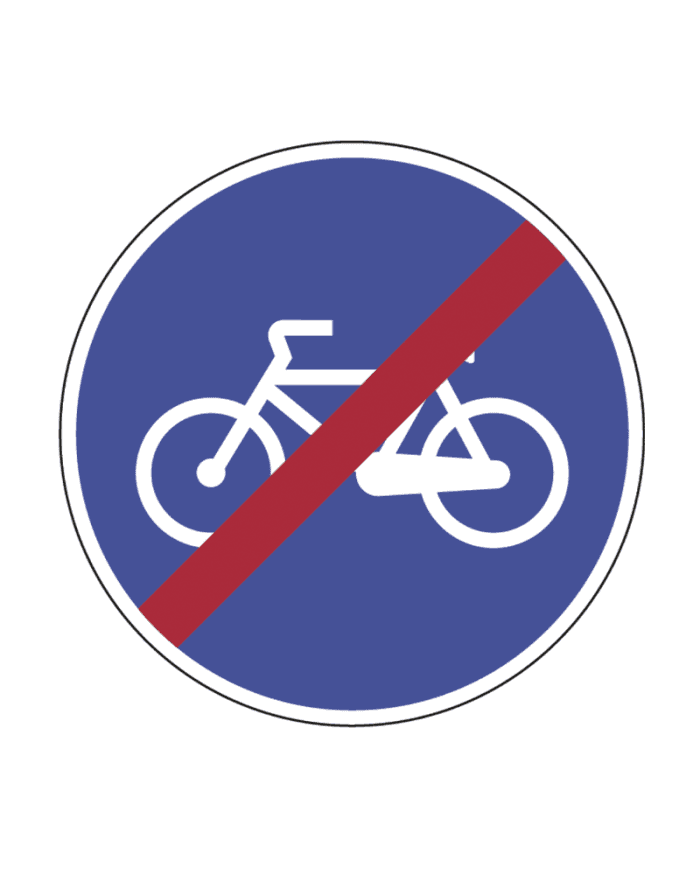
You've Reached the End of the Mandatory Cycle Path: D13a Sign
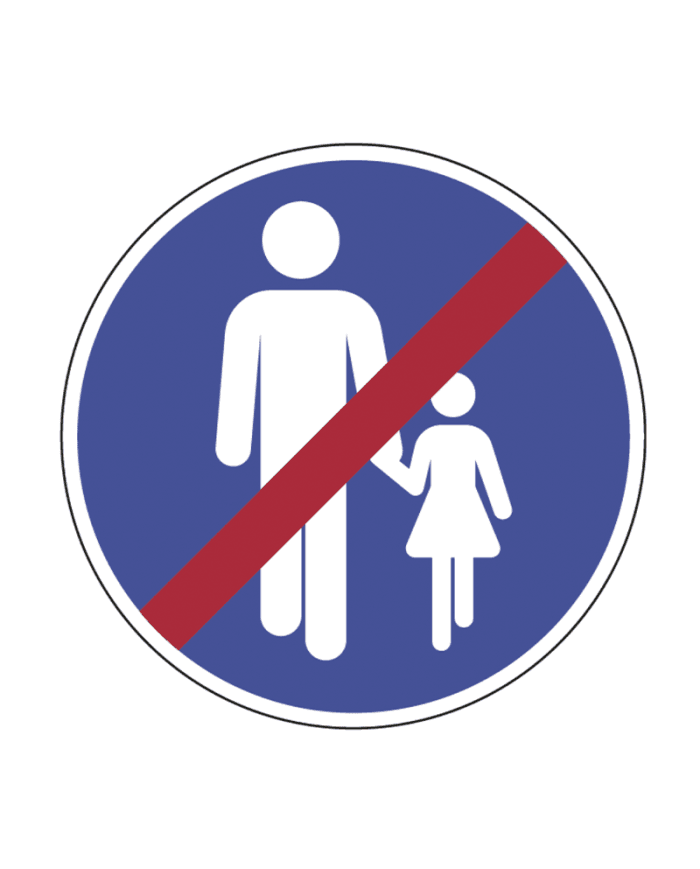
D13b: Mandatory Footpath for Pedestrians Ends Here
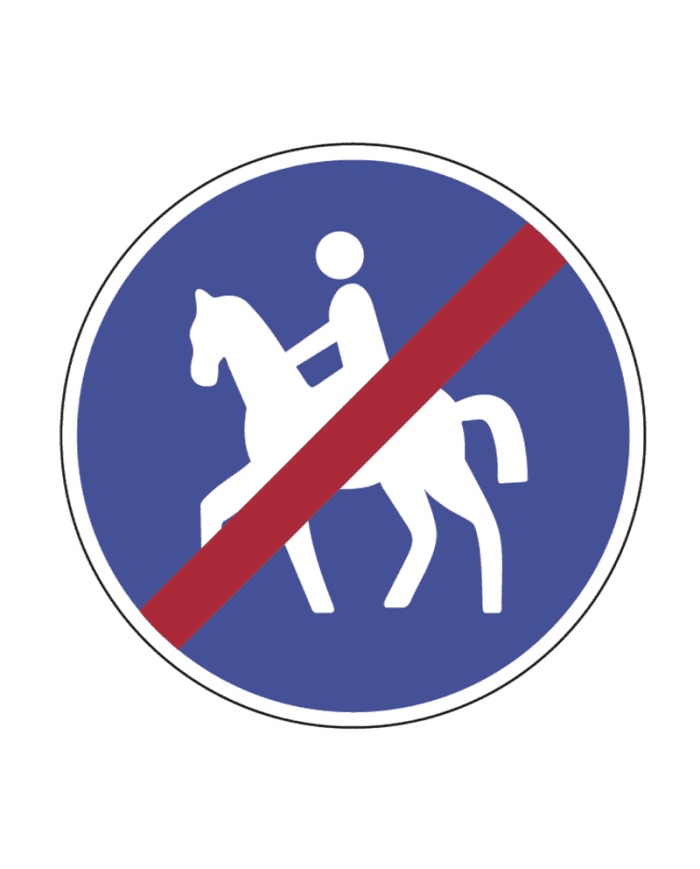
D13c: The Mandatory Lane for Horse Riders Has Ended
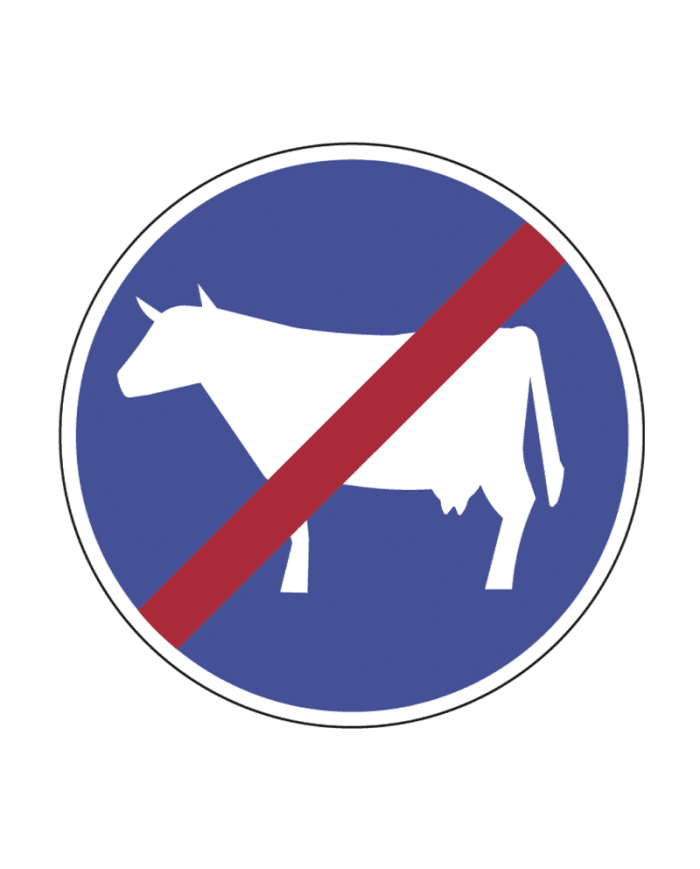
D13d Sign: End of Mandatory Cattle Track
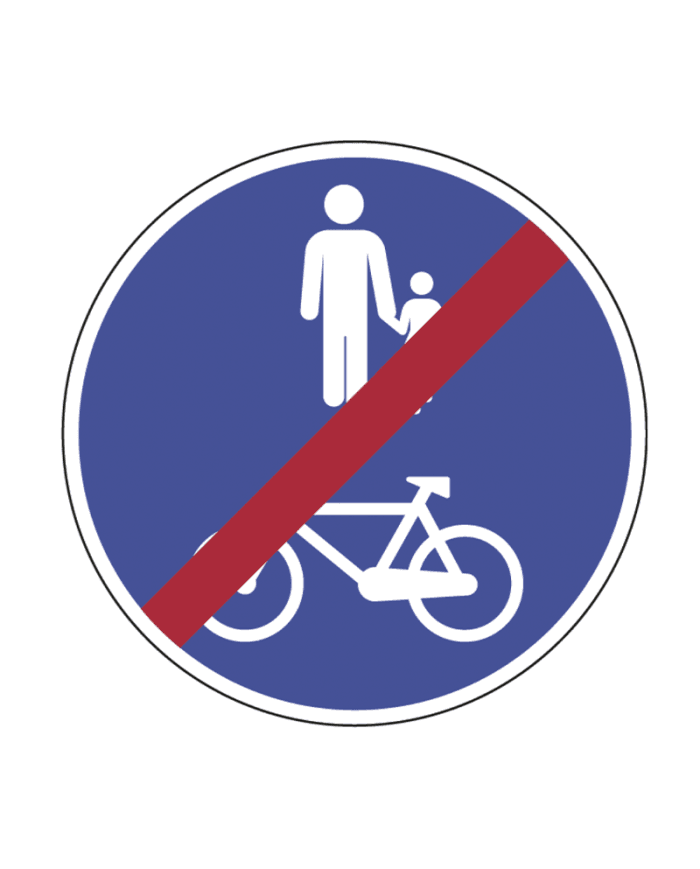
D13e: Mandatory Pedestrian and Cyclist Lane Ends Here
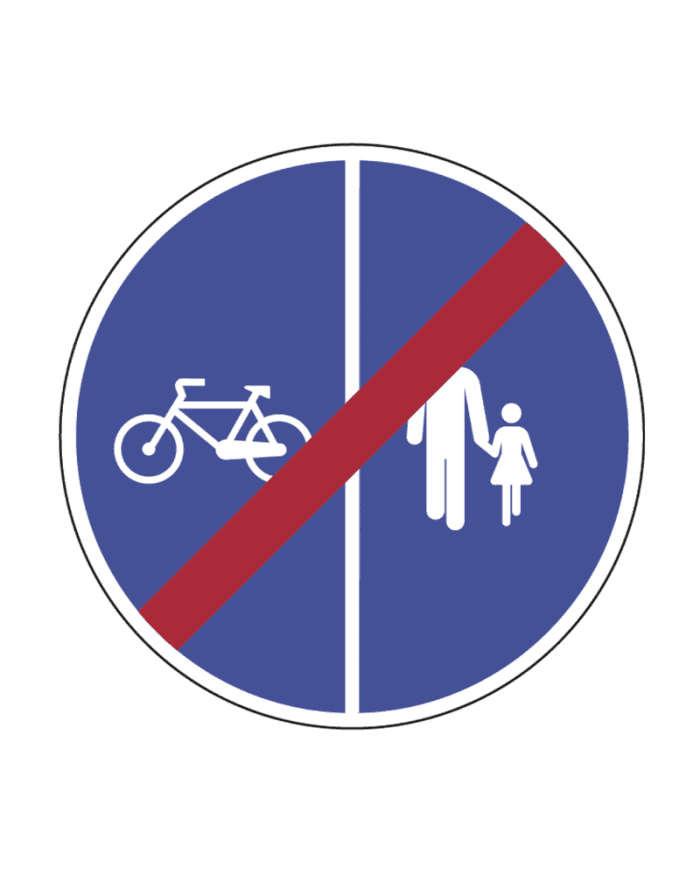
D13f: End of the Mandatory Path for Pedestrians and Cyclists
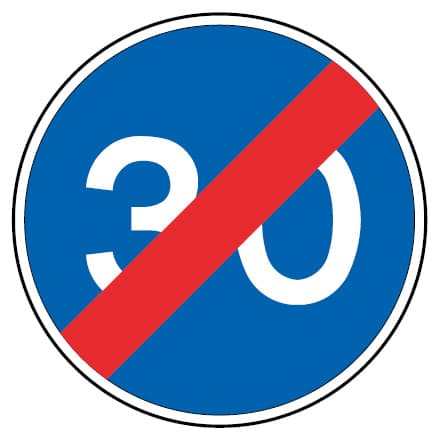
The D14 Sign: Ending the Minimum Speed Obligation
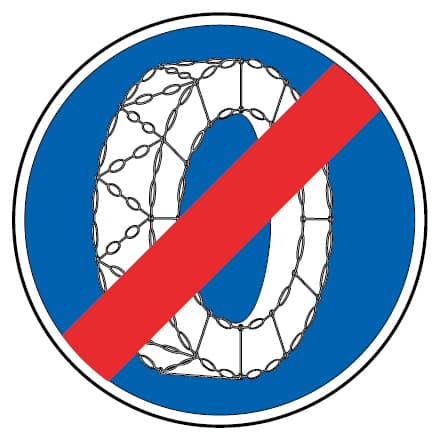
The D15 Sign Means You Can Now Remove Your Snow Chains
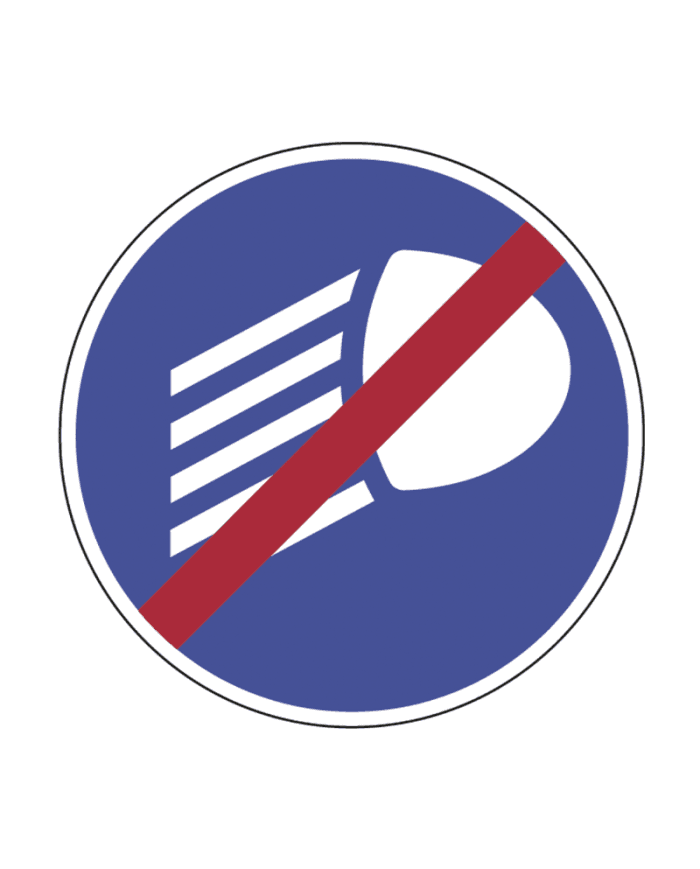
D16 Sign: You No Longer Need to Use Dipped Headlights
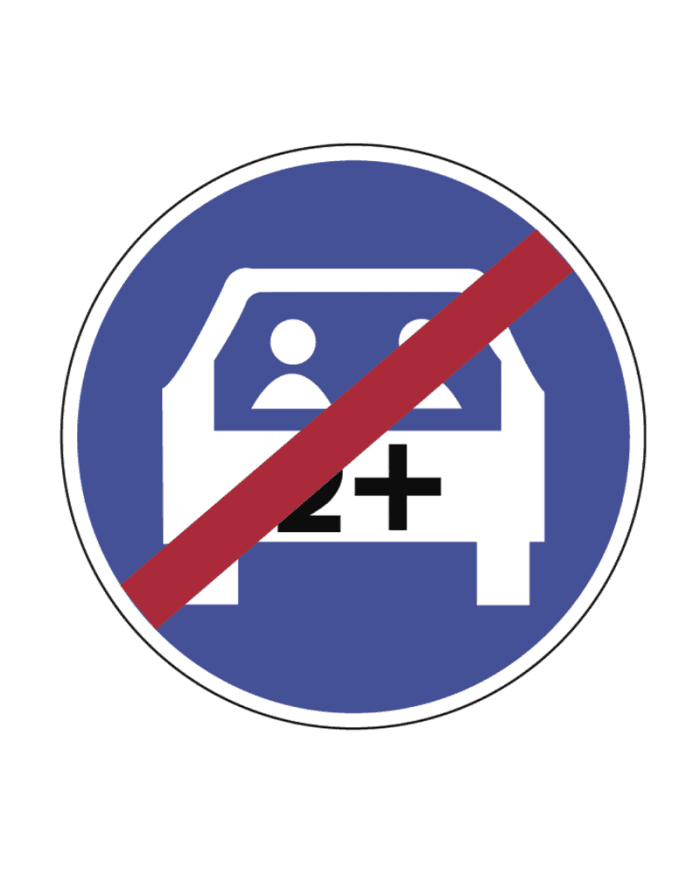
D17 Mandatory Sign: End of High Occupancy Lane
Clear answers to common questions about the Mandatory Signs road sign category. Use this FAQ to review tricky rules, understand how these signs appear in exam scenarios, and remove confusion that often leads to mistakes in the Portuguese driving theory exam in Portugal.
Prohibition signs, often red and white, tell you what you *cannot* do (e.g., no entry, speed limit). Mandatory signs, typically blue, tell you what you *must* do, such as go in a specific direction, use a certain lane, or maintain a minimum speed. Both are critical for safe driving, but they communicate opposite types of rules.
Yes, the purpose of mandatory direction signs is to enforce a specific route or direction. Unless another sign or traffic signal permits an alternative manoeuvre, you must follow the direction indicated by the mandatory sign to avoid contravening traffic regulations and potentially causing danger.
When you see a mandatory lane sign, it means you must use that specific lane for the indicated purpose. For example, a sign might show a truck, meaning only trucks can use that lane. If you are driving a car and the sign indicates a lane for buses or bikes, you cannot use that lane unless it's explicitly permitted by another sign or if you are at a point where the lane ends.
Yes, 'end of mandatory' signs are very important. They signal that a previous restriction or requirement no longer applies. For instance, after a mandatory lane for trucks ends, cars may be able to merge into that lane again. Similarly, when a minimum speed requirement ends, you are no longer obligated to maintain that speed, though you must still drive at a safe speed for the conditions.
Yes, mandatory signs often appear alongside other traffic signs. For example, a mandatory direction sign might be placed near a warning sign for a sharp curve. It's essential to understand and obey both. Sometimes, a mandatory sign might also indicate the end of a previous prohibition or warning.
Deepen your understanding of Portuguese road signs by exploring each category. This structured approach helps reinforce knowledge of specific sign types and their implications on the road, crucial for effective preparation for the IMT driving theory exam. Systematically review sign groups.
Browse Road Sign Categories