Zone signs create a regulated area where a specific rule applies until a corresponding end sign is encountered. Understanding these 'zone' directives is crucial for both passing your theory exam and driving safely. This section will clarify what rule begins when you enter a zone, which drivers or vehicles it affects, and how the restriction is lifted, helping you avoid common exam traps and navigate traffic with confidence.
An explanation of how Zone Signs road signs apply in real traffic situations in Portugal. Learn where these signs are typically placed, what drivers are expected to do when they appear, and how correct reactions help you stay safe, avoid fines, and succeed in your Portuguese driving theory exam.
Zone signs are frequently encountered in urban and suburban environments where traffic management and parking regulations are complex. You'll see them at the entrance to residential areas, business districts, or specific streets where parking is controlled (like G1, G2a, G2b, G3), speed limits are imposed (like G4, G4a), or general traffic is restricted (like G5a, G5b). Some zones may also have environmental restrictions, such as Low Emission Zones (G5c). It's vital to understand that the rule begins at the zone sign and continues until you see the corresponding 'End Zone' sign (like G6, G7a, G7b, G8, G9, G10, G11). Failing to recognise the end of a zone can lead to violations, especially concerning parking or speed limits, making these signs a significant focus in theory tests.
An overview of the key learning outcomes when studying the Zone Signs road sign category. Understand the main concepts, sign meanings, and traffic situations covered here so you can recognise patterns, answer theory questions more confidently, and build a solid foundation for safe driving in Portugal.
Master Portuguese zone signs to grasp area-wide traffic rules affecting speed, parking, and more. Studying these signs as a group is crucial for the theory test, as they define conditions that persist until an end-zone sign appears, preventing common exam mistakes. Learn to identify these signs and their corresponding termination indicators for confident driving.
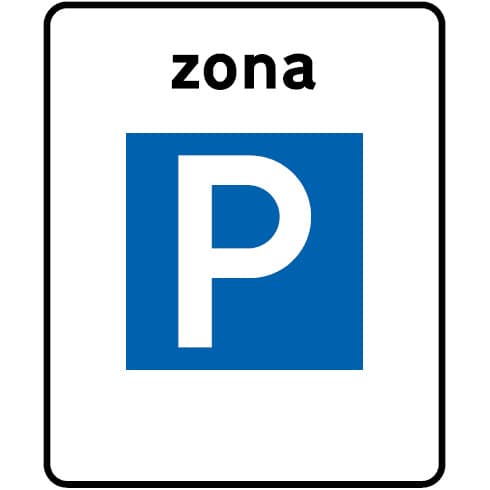
G1 Zona de estacionamento autorizado: Entrance to Permitted Parking Area
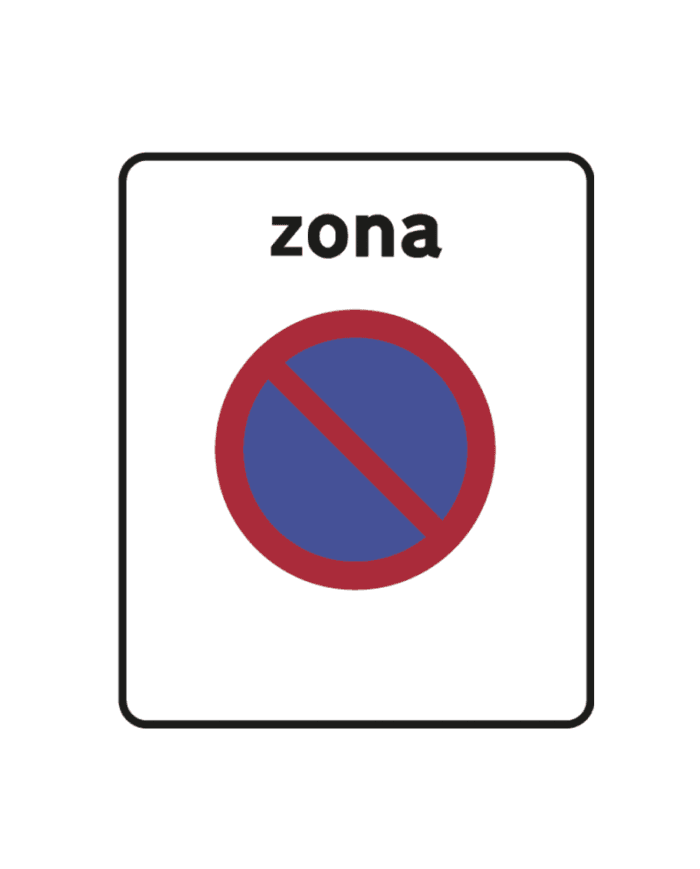
G2a Sign: Entering a No Parking Zone in Portugal
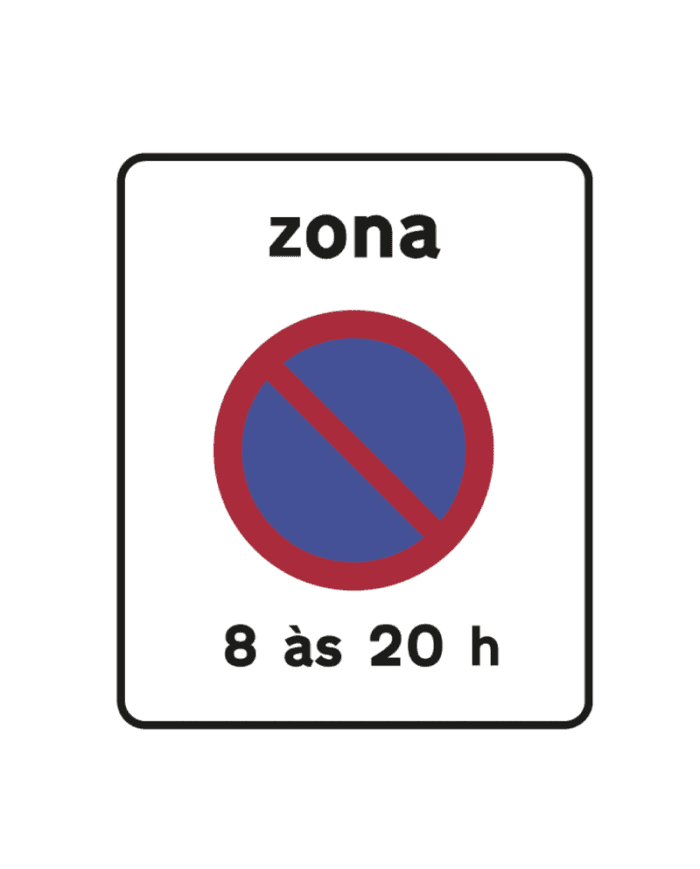
The G2b sign indicates the start of a zone where parking is prohibited.
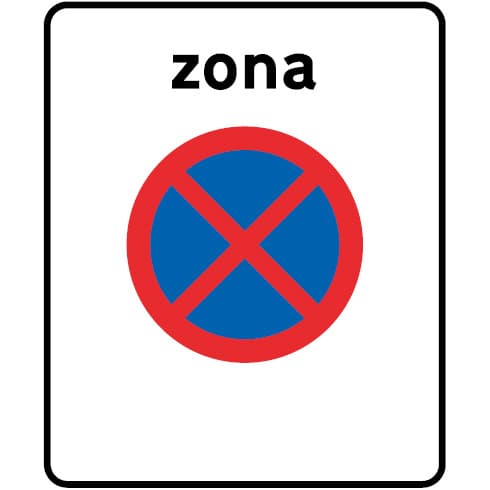
G3: Entering a Zone Where Stopping and Parking Are Prohibited
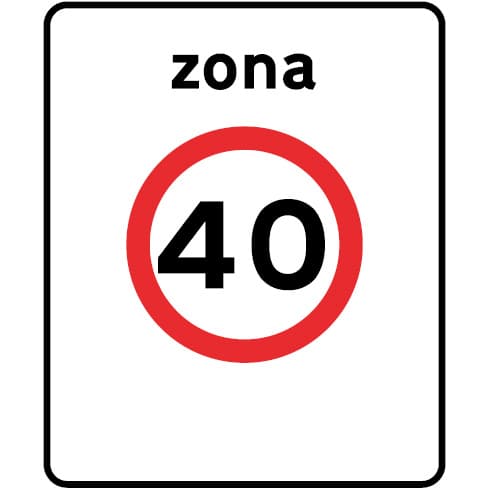
G4 Zona de Velocidade Limitada: Enter a Designated Speed Zone
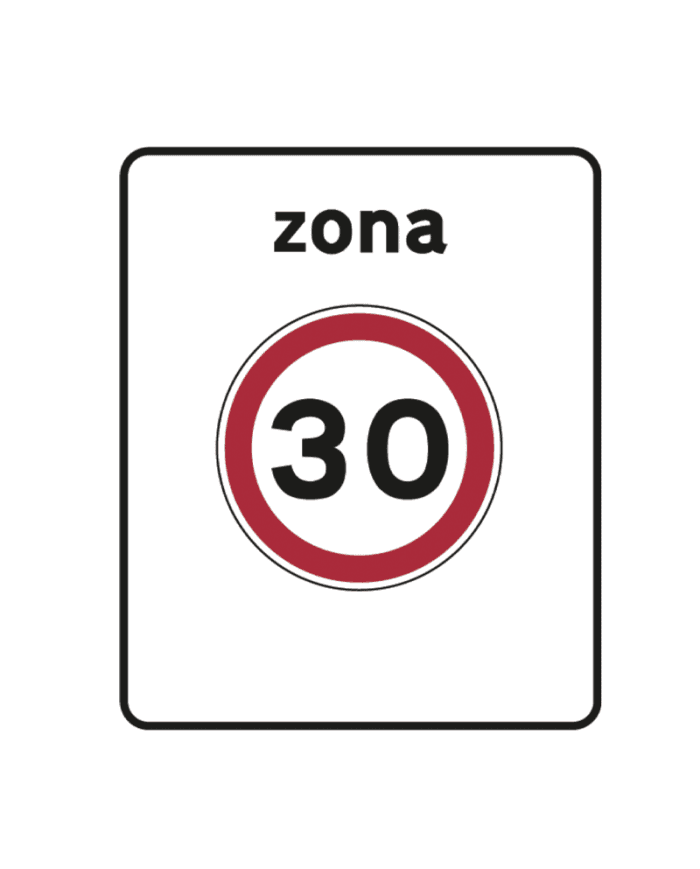
Understand the G4a 'Zona 30 km/h' sign and enter a 30 km/h speed limit zone.
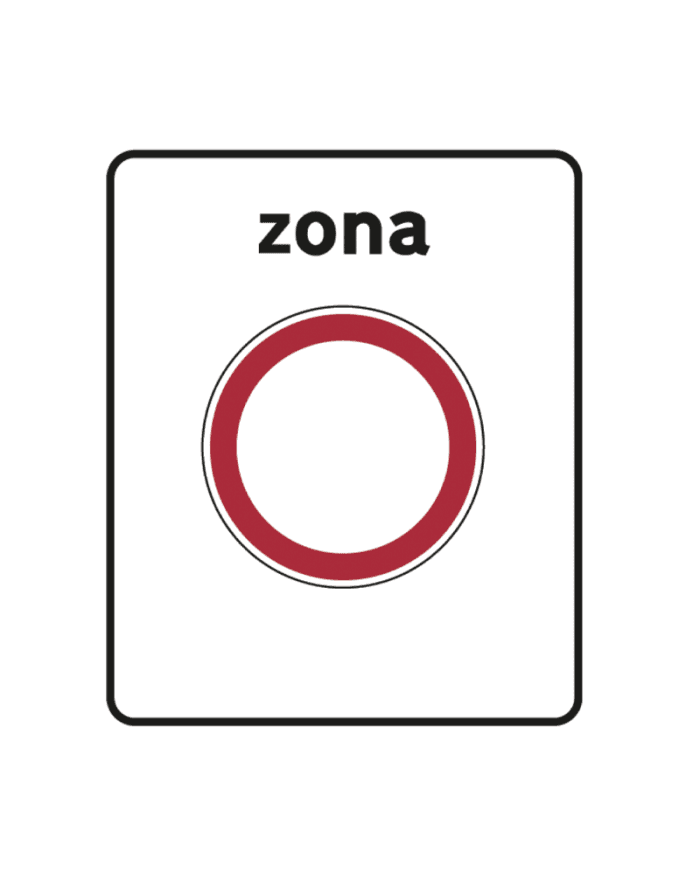
G5a 'Zona de Trânsito Proibido' Road Sign: Entering a Restricted Traffic Area
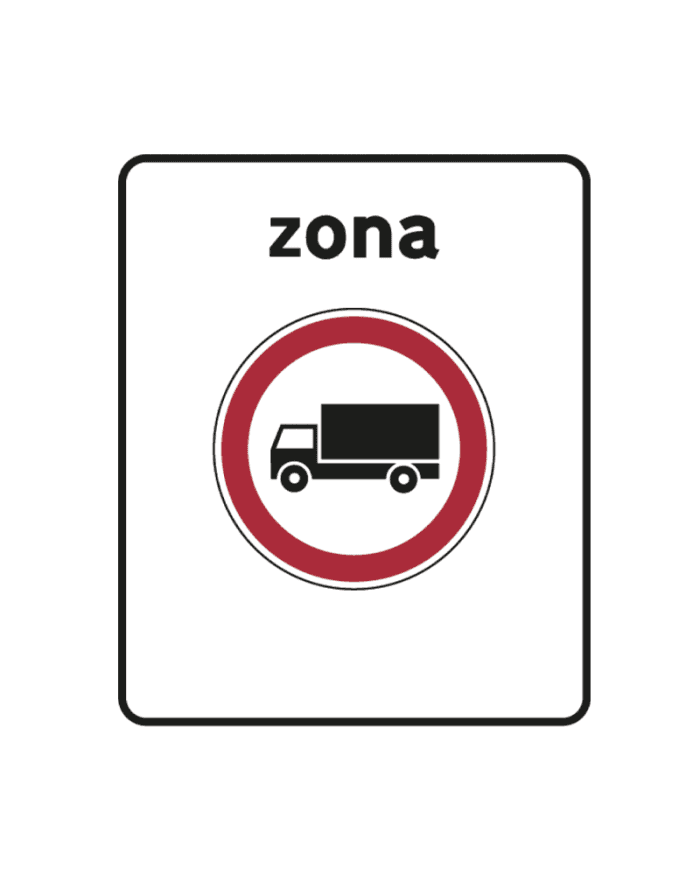
G5b 'Zona de trânsito proibido' Sign: Entering a Restricted Traffic Area
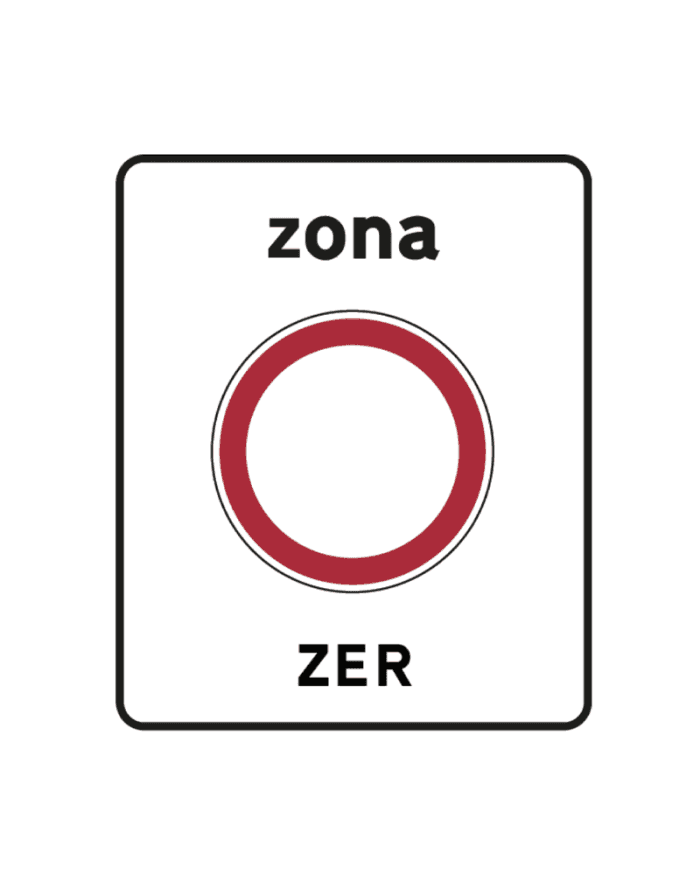
G5c Reduced Emission Zone (ZER) Sign: Understanding Entry Restrictions in Portugal
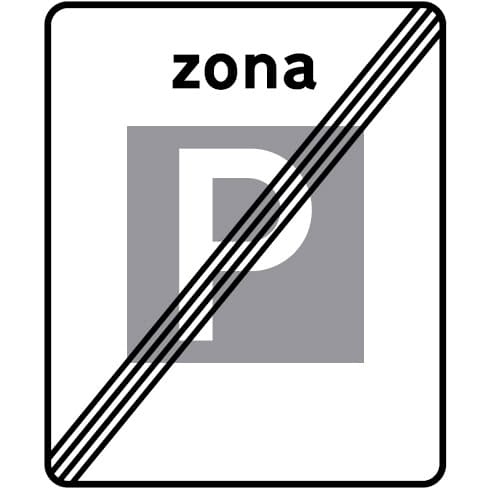
The G6 sign marks the end of an authorized parking zone, signaling a change in parking rules.
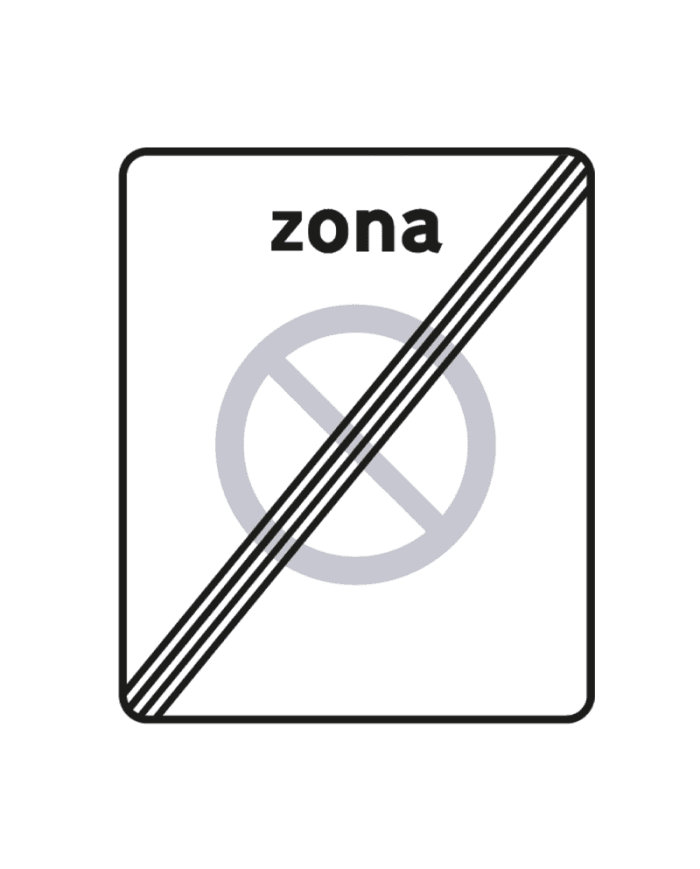
G7a: End of the No Stopping and Parking Zone Area
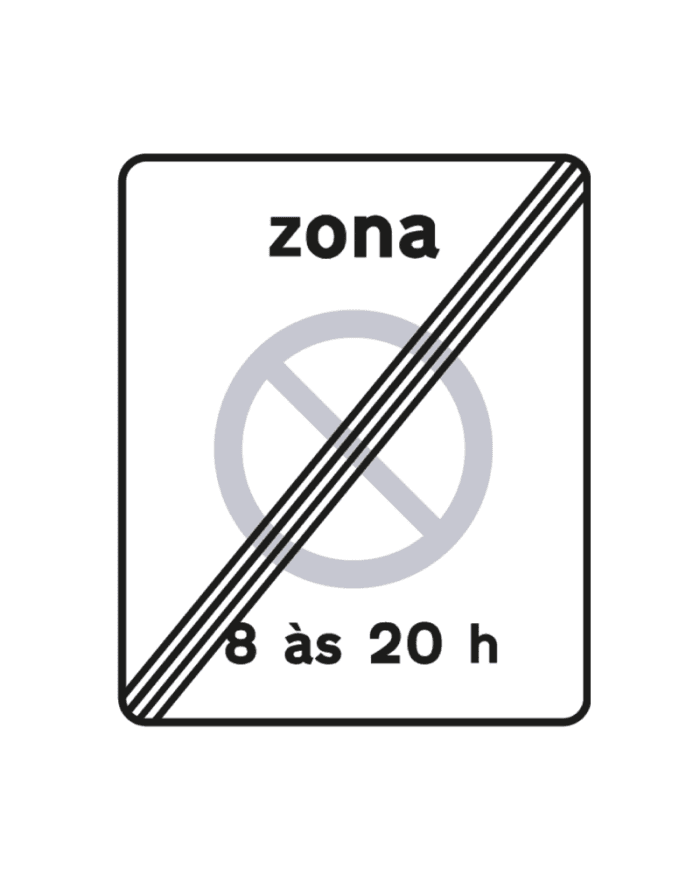
You've Reached the End of the No Stopping and Parking Zone with the G7b Sign
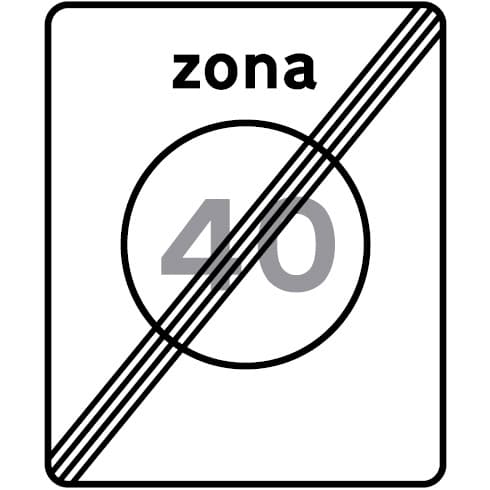
G8 Sign: You've Reached the End of the Limited Speed Zone
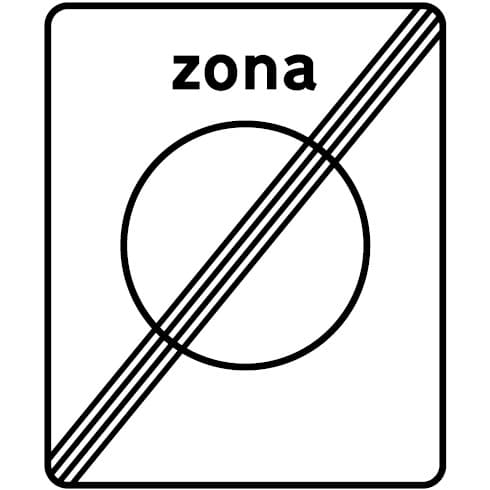
G9 Sign: End of All Prohibitions in a Zone
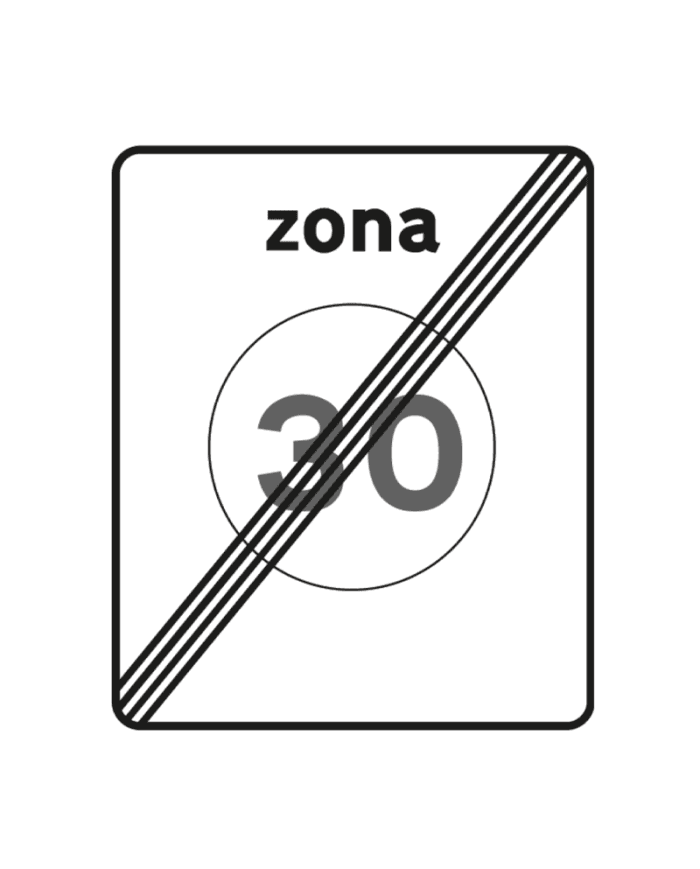
The G10 sign marks the end of a 30 km/h speed limit zone.
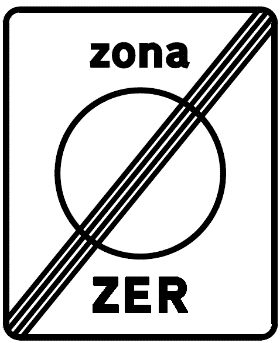
End of Reduced Emissions Zone (ZER) Sign (G11)
Clear answers to common questions about the Zone Signs road sign category. Use this FAQ to review tricky rules, understand how these signs appear in exam scenarios, and remove confusion that often leads to mistakes in the Portuguese driving theory exam in Portugal.
A regular sign, like a 'no parking' sign, applies only to the immediate spot where it's displayed. A zone sign, however, indicates that a specific rule or restriction applies to an entire defined area. This rule remains in effect until you reach a sign that signifies the end of that zone.
You will see a specific 'End of Zone' sign that corresponds to the type of zone you entered. For example, an 'End of restricted parking zone' sign (G7a/G7b) cancels a parking prohibition zone, and a general 'End of all zone prohibitions' sign (G9) lifts all restrictions that were put in place for that zone.
Yes, zone signs are very common in theory exams because they test your understanding of how rules can apply over a larger area rather than just a single point. Many questions focus on correctly identifying the start and end of these zones and understanding the specific rules within them, especially regarding parking and speed limits.
A 'Zone 30' sign (G4a) means that within the designated area, the maximum speed limit is 30 km/h. You must reduce your speed to 30 km/h or less and maintain this speed until you encounter the 'End of Zone 30' sign (G10), which indicates that the special speed limit no longer applies.
A Low Emission Zone, or ZER (Zona de emissões reduzidas), is an area where certain vehicles that produce high emissions are restricted from entering. The specific criteria for which vehicles are allowed or prohibited are usually detailed elsewhere, but the ZER sign (G5c) alerts you that you are entering such a zone and must comply with its rules.
Deepen your understanding of Portuguese road signs by exploring each category. This structured approach helps reinforce knowledge of specific sign types and their implications on the road, crucial for effective preparation for the IMT driving theory exam. Systematically review sign groups.
Browse Road Sign Categories