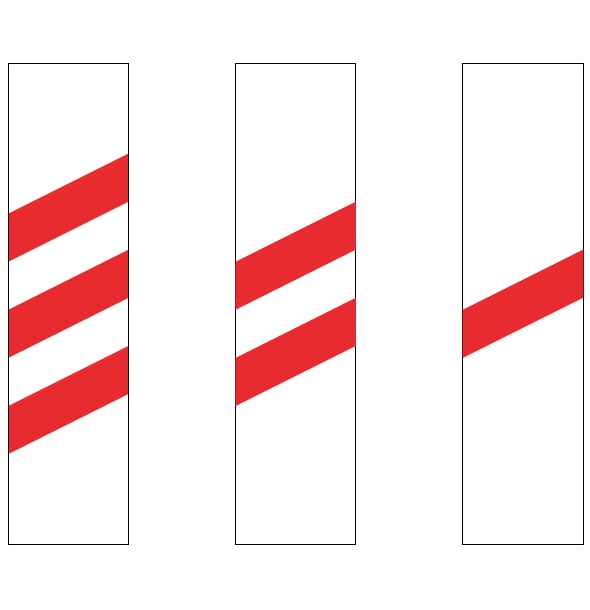
The I9d sign, officially 'Aproximação de passagem de nível', warns you about an approaching railway level crossing. These signs, featuring downward-pointing arrows, indicate your proximity to the crossing, with each arrow segment representing 100 metres. Pay close attention to this directional information well in advance to safely select your lane and adjust your speed, ensuring you are prepared to stop if necessary. Understanding this sign is crucial for safe navigation and for passing your Portuguese driving theory exam.
Master the I9d sign for approaching level crossings, crucial for your Portuguese driving theory test revision. This sign's angled bars indicate proximity and help you make informed decisions about speed and lane selection before reaching the crossing, enhancing your road safety.
I9d - Aproximação de passagem de nível (Aproximação de passagem de nível) belongs to the Portuguese advance direction signs category in the Regulamento de Sinalização do Trânsito. It uses arrows, panels, destinations, route numbers, lanes, or place names to guide the driver before the actual decision point. The official wording is: aproximação de passagem de nível: indicação da proximidade de uma passagem de nível dada pelas barras inclinadas, que representam a distância que separa o sinal A26 ou A27 da passagem de nível; cada barra corresponde a uma distância de 100 m. It supports route and lane decisions before the decision point, reducing late braking, hesitation, and unsafe lane changes. For theory preparation, connect the sign to a concrete driving decision: where to look, when to slow, whether to stop or yield, which route or lane to choose, and whether any panel changes the scope of the rule. On the road, interpret it together with markings, traffic lights, police directions, temporary works signs, and any additional panel placed with it. A strong exam answer explains both recognition and behaviour: not only what the sign is called, but what a safe and lawful driver must do next.
I9d - Aproximação de passagem de nível (Aproximação de passagem de nível) means that the driver must understand and apply this official Portuguese instruction: aproximação de passagem de nível: indicação da proximidade de uma passagem de nível dada pelas barras inclinadas, que representam a distância que separa o sinal A26 ou A27 da passagem de nível; cada barra corresponde a uma distância de 100 m. In practical terms, you should read the arrows, destinations, lane allocation, and route information early enough to choose a safe and predictable lane.
Get clear, practical answers to the most common questions about the I9d - I9d - Aproximação de passagem de nível (Aproximação de passagem de nível) road sign. Learn how the sign works, what rules it represents, and how it affects real driving situations. This FAQ strengthens your understanding and supports accurate decision making for the Portuguese driving theory exam in Portugal.
The I9d sign means you are approaching a railway level crossing. The series of downward-pointing arrows indicate how close you are, with each bar representing 100 metres to the crossing. It's an advance warning to help you prepare and make informed decisions.
When you see the I9d sign, you should read its directional information early. This helps you choose the correct lane for your intended route and adjust your speed accordingly. Be prepared to slow down or stop completely if a train is approaching or if signals indicate you should.
A common exam trap is not understanding the progressive nature of the arrows; learners might miss that they indicate increasing proximity. Another is failing to plan lane changes or speed adjustments early enough, leading to sudden manoeuvres which are penalised in the theory test.
No, the I9d sign is an advance warning and direction sign. It tells you that a level crossing is approaching and provides directional guidance. You should only stop if the crossing barriers are down, lights are flashing, or a signal indicates you must stop.
Yes, the I9d sign is often accompanied by other signs, such as the A26 or A27 warning signs specifically for level crossings, or supplementary panels. Always consider these in conjunction with road markings and any traffic lights or police directions at the crossing itself.
A clear reference image of the I9d - I9d - Aproximação de passagem de nível (Aproximação de passagem de nível) road sign used in Portugal.
The I9d - I9d - Aproximação de passagem de nível (Aproximação de passagem de nível) road sign may also be known by these alternative names or terms.
The I9d - I9d - Aproximação de passagem de nível (Aproximação de passagem de nível) road sign is part of the Advance Direction Signs category, which groups together signs with similar rules and functions.
Studying related road signs side-by-side sharpens recognition and reduces confusion, crucial for your Portuguese theory test revision. Compare similar road signs to master sign recognition and improve traffic sign comparison for a confident exam preparation.
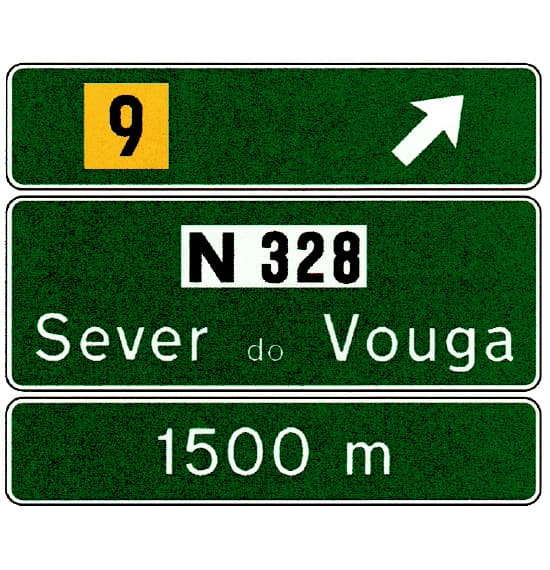
I1 Simplified Advance Warning: Prepare for Your Route Decisions
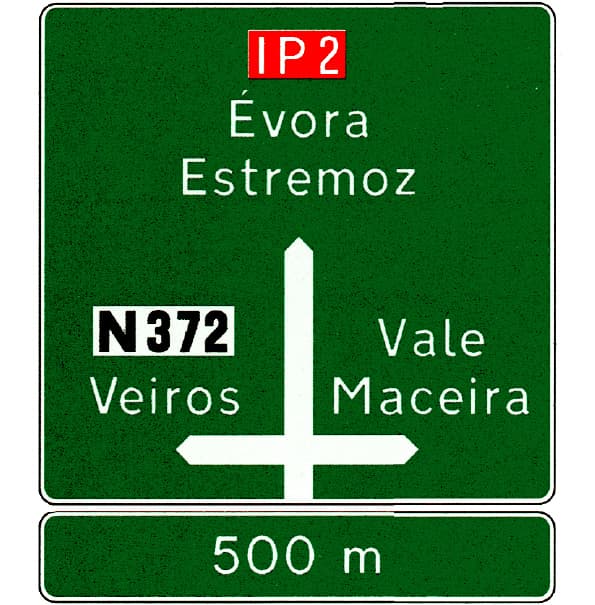
Understand the I2a Pré-aviso Gráfico: Your Graphic Advance Direction Sign
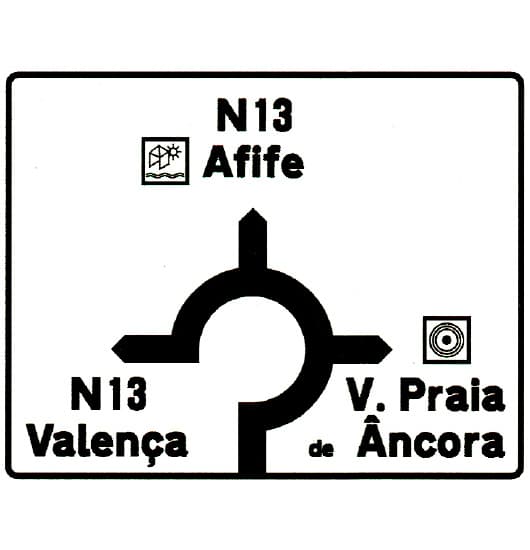
I2b: Understand Portuguese Graphical Advance Warning Signs for Route Planning
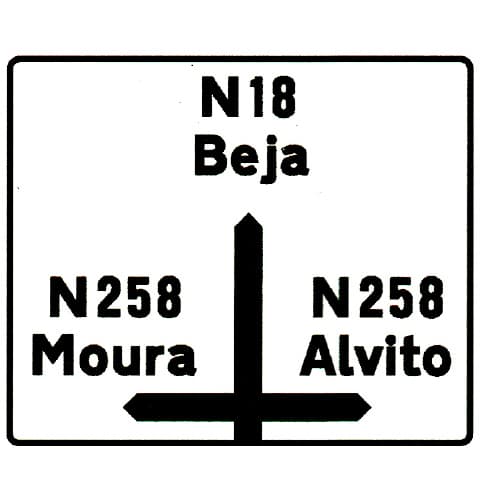
Prepare for the I2c Advance Graphic Warning Sign with Portuguese Driving Rules
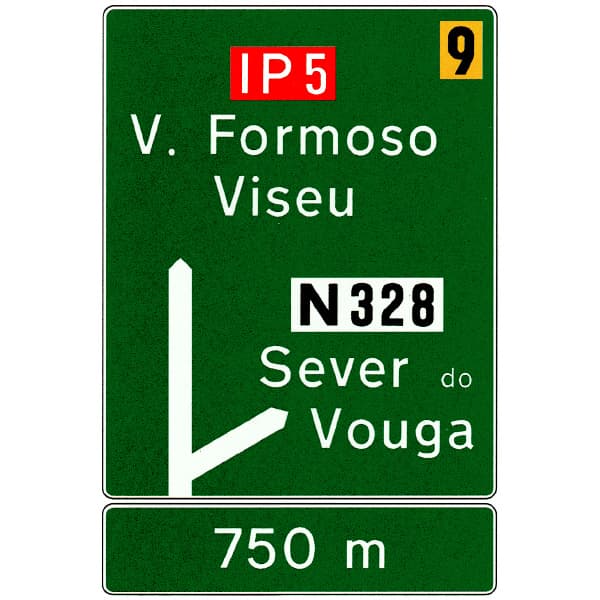
Prepare for your route with the I2d graphic advance warning sign.
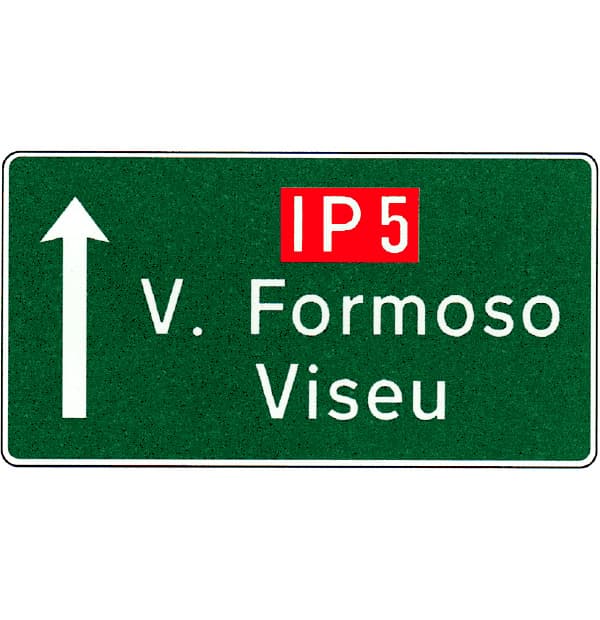
Understand the I2e Advance Graphic Pre-warning Sign for Route Planning
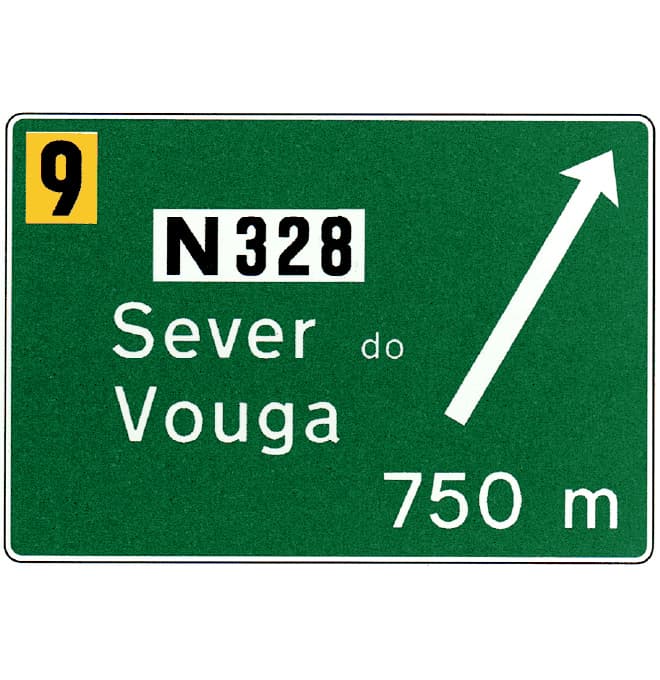
I2f Pré-aviso gráfico: Graphical Advance Direction Sign
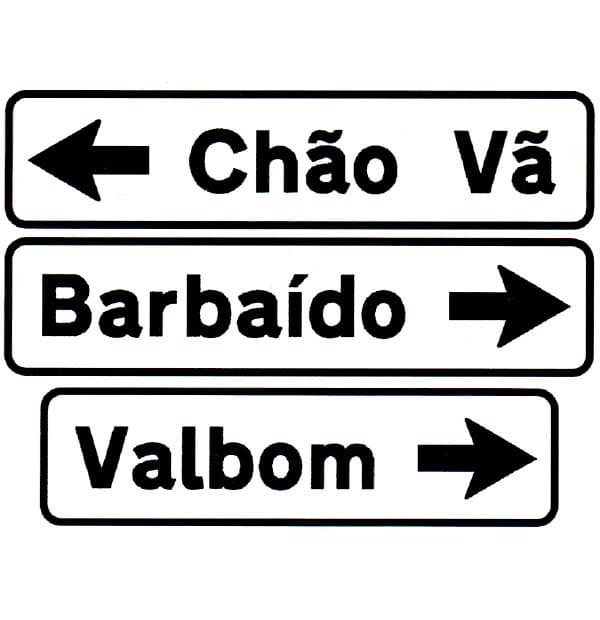
I3a Reduced Advance Warning: Plan Your Route Early
After reviewing the full list, explore signs by specific categories such as warning, regulatory, or informational to deepen your understanding. Practise recognizing signs in context and prepare effectively for your Portuguese driving licence theory test.
All Portuguese Road Signs List