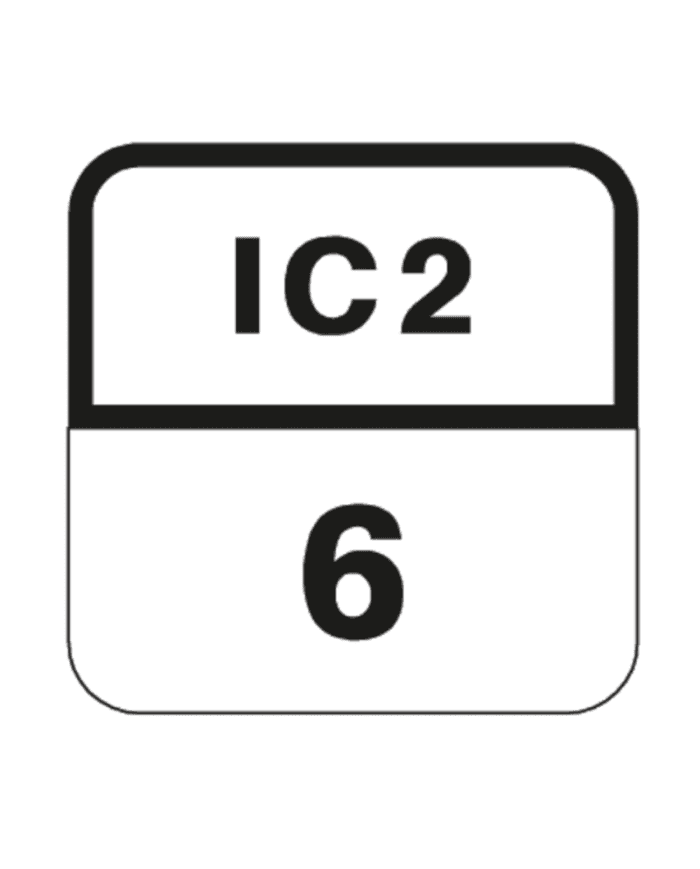
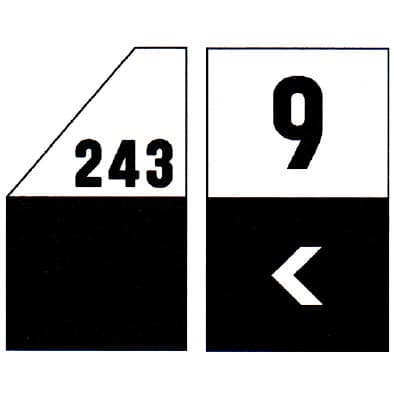
The O2c sign, known in Portuguese as 'Demarcação quilométrica da via', is a complementary road sign providing essential information about your journey. It displays the road's identification and the distance in kilometres to its starting point. While it doesn't dictate immediate actions like stopping or yielding, it's crucial for planning your speed, lane position, route choices, and observation. Always use this information to inform your driving decisions, but never at the expense of general traffic rules and safety.
This sign provides crucial information about the road, indicating the distance to your route's origin, vital for effective planning and safe driving. Master its road sign meaning and interpretation for your theory test revision and real-world navigation.
O2c - Demarcação quilométrica da via (Demarcação quilométrica da via) belongs to the Portuguese complementary signs category in the Regulamento de Sinalização do Trânsito. It uses the official information-sign format for its function, often a rectangular or square panel with a symbol, word, route, or facility indication. The official wording is: demarcação quilométrica da via: devem conter a identificação da via e indicam a distância quilométrica ao seu ponto de origem. It gives official information about the road environment, services, restrictions, facilities, or conditions that should influence safe planning. For theory preparation, connect the sign to a concrete driving decision: where to look, when to slow, whether to stop or yield, which route or lane to choose, and whether any panel changes the scope of the rule. On the road, interpret it together with markings, traffic lights, police directions, temporary works signs, and any additional panel placed with it. A strong exam answer explains both recognition and behaviour: not only what the sign is called, but what a safe and lawful driver must do next.
O2c - Demarcação quilométrica da via (Demarcação quilométrica da via) means that the driver must understand and apply this official Portuguese instruction: demarcação quilométrica da via: devem conter a identificação da via e indicam a distância quilométrica ao seu ponto de origem. In practical terms, you should use the information to plan speed, lane position, route choice, stopping, parking, or observation without treating it as permission to ignore other traffic rules.
Get clear, practical answers to the most common questions about the O2c - O2c - Demarcação quilométrica da via (Demarcação quilométrica da via) road sign. Learn how the sign works, what rules it represents, and how it affects real driving situations. This FAQ strengthens your understanding and supports accurate decision making for the Portuguese driving theory exam in Portugal.
The O2c sign's primary purpose is to provide drivers with information about their location on a specific road and the distance remaining to its origin. This helps in planning your journey, including speed adjustments, route selection, and estimating arrival times, but it does not override general traffic regulations.
No, the O2c sign is an informational sign. You don't need to perform an immediate manoeuvre like braking or stopping. However, you should use the information to plan your driving strategy proactively, making gradual adjustments to your speed, lane, or route as needed.
A common mistake is to misunderstand the sign's purpose and either ignore it completely or treat it as a command to change behaviour abruptly. Learners might also forget that this sign is purely informational and does not grant any special permissions to disregard other traffic rules, priority, or speed limits.
Yes, absolutely. The O2c sign is often seen alongside other road signs, traffic lights, and road markings. You must interpret the O2c information in conjunction with all other traffic control devices and general traffic laws to ensure safe driving and compliance.
This sign directly aids route planning by telling you how far along the road you are and, by extension, how much further you have to go to reach a specific point or the road's origin. This information is vital for estimating travel time, deciding when to prepare for an exit, or understanding your position relative to upcoming services or junctions.
A clear reference image of the O2c - O2c - Demarcação quilométrica da via (Demarcação quilométrica da via) road sign used in Portugal.
The O2c - O2c - Demarcação quilométrica da via (Demarcação quilométrica da via) road sign may also be known by these alternative names or terms.
The O2c - O2c - Demarcação quilométrica da via (Demarcação quilométrica da via) road sign is part of the Complementary Signs category, which groups together signs with similar rules and functions.
Reviewing related road signs helps cement your understanding of Portugal's traffic rules and improve theory test revision. Comparing similar signs aids sign recognition and reduces errors, crucial for passing your exam.
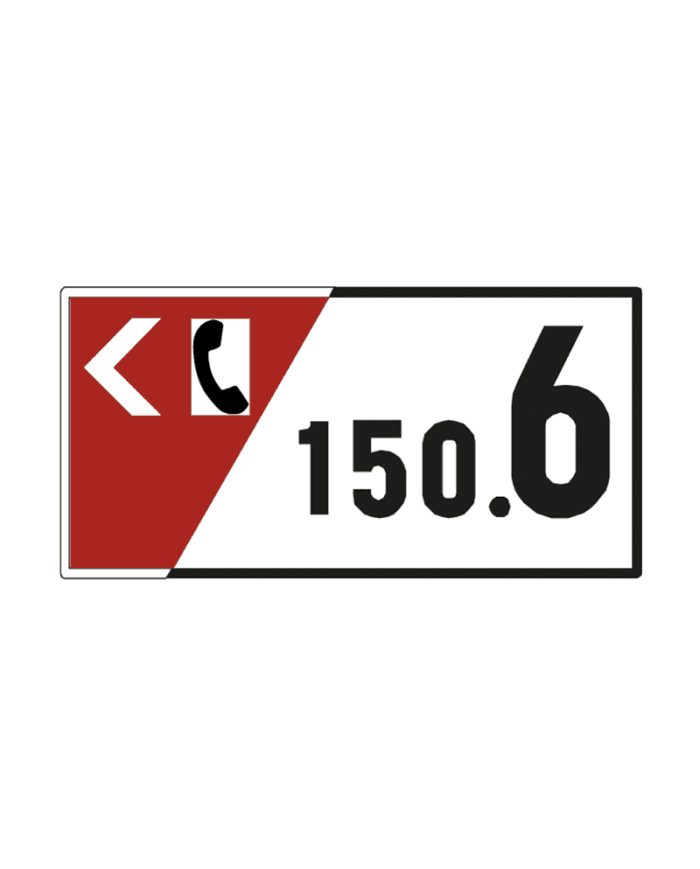
O1a Hectometer Road Marker: Your Guide to Roadside Distances
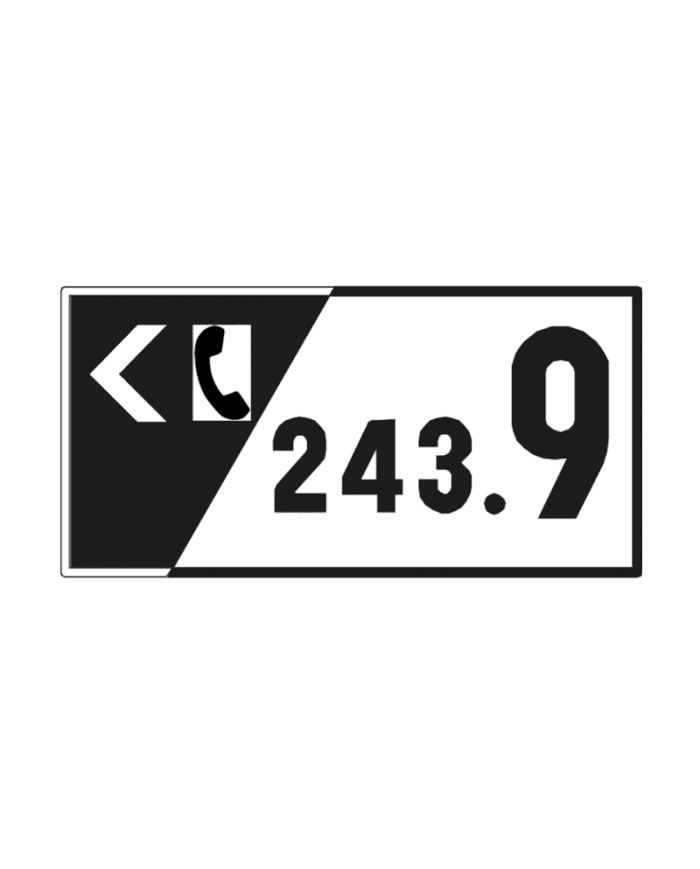
O1b Hectometre Marker: Your Guide to Roadside Information
O1c: Understanding Portugal's Road Hectometre Markers
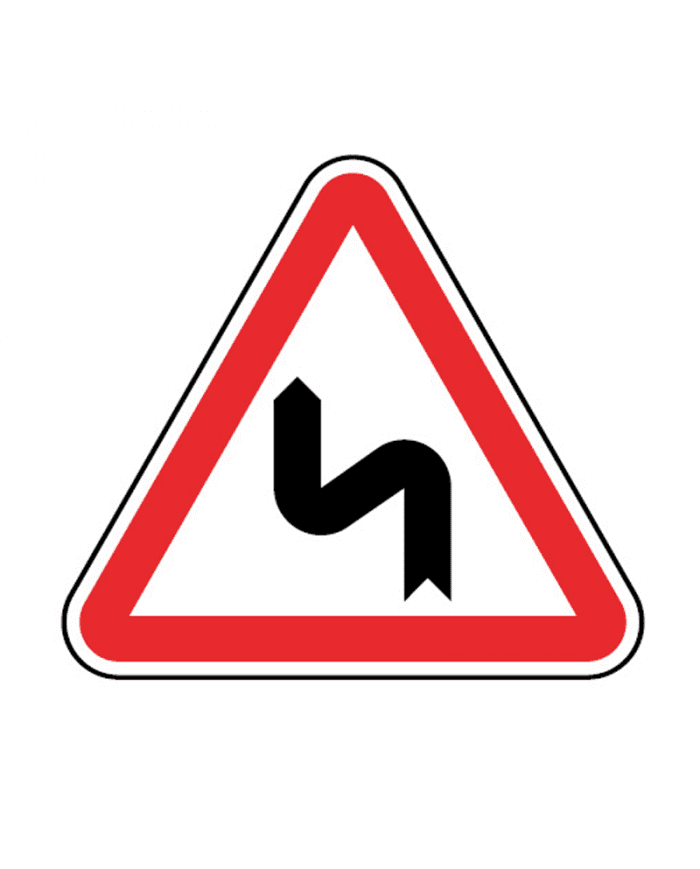
O1d Hectometre Marker: Use Roadside Markers for Safe Planning in Portugal
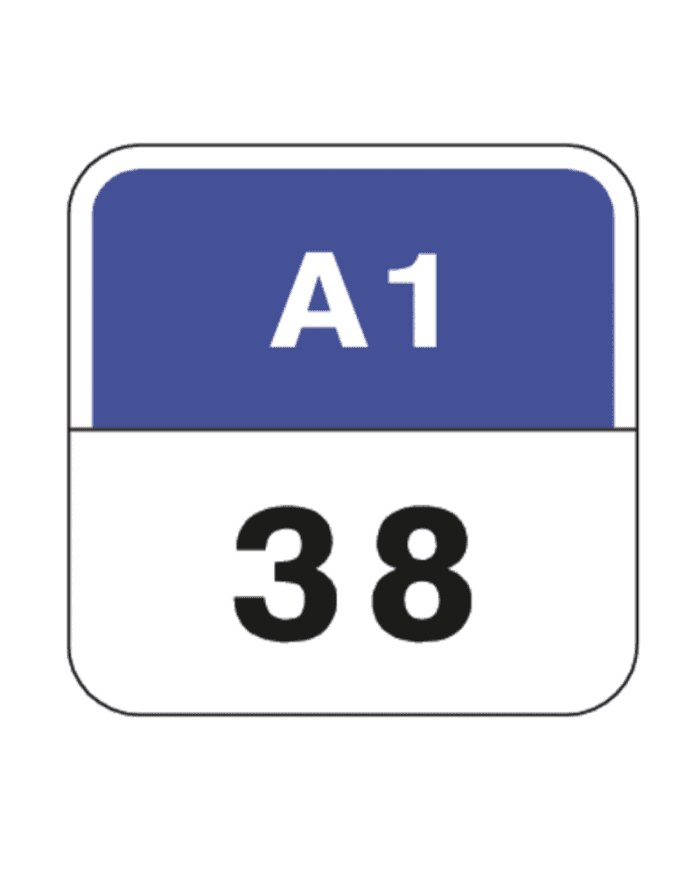
O2a Kilometric Marker Sign: Your Guide to Road Distance Information
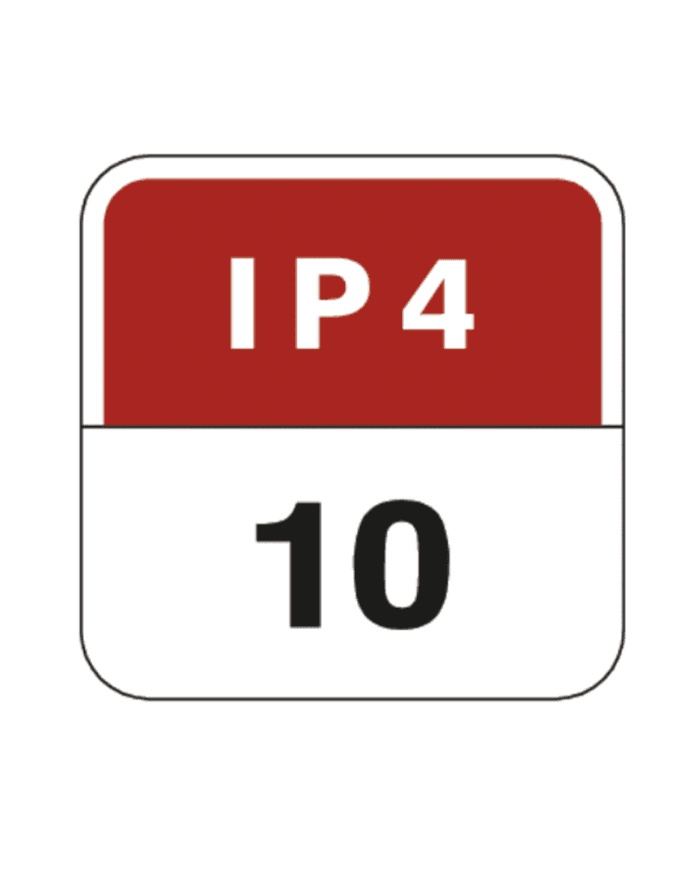
Understand the O2b Kilometric Marker Road Sign in Portugal
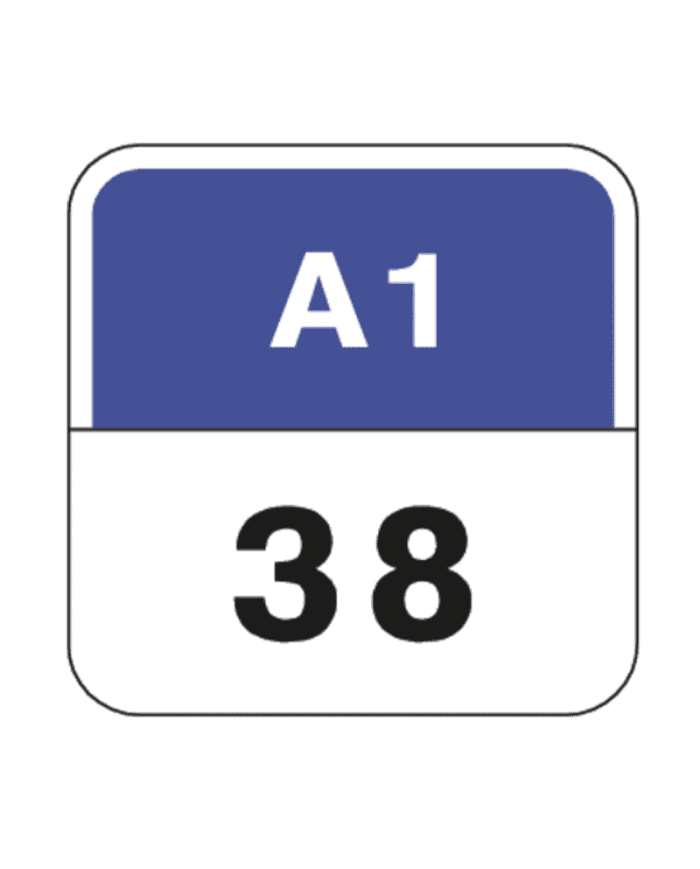
Understand the O2d Road Sign: Your Kilometer Marker
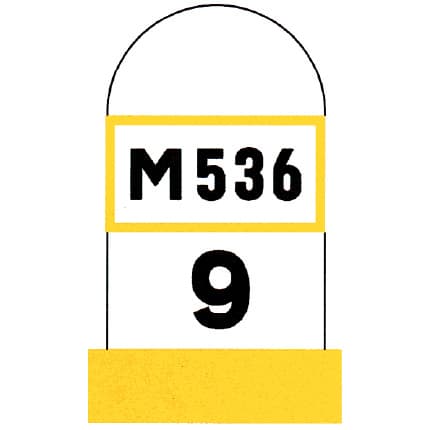
The O2e Sign: Understanding Portugal's Kilometre Markers on the Road
After reviewing the full list, explore signs by specific categories such as warning, regulatory, or informational to deepen your understanding. Practise recognizing signs in context and prepare effectively for your Portuguese driving licence theory test.
All Portuguese Road Signs List