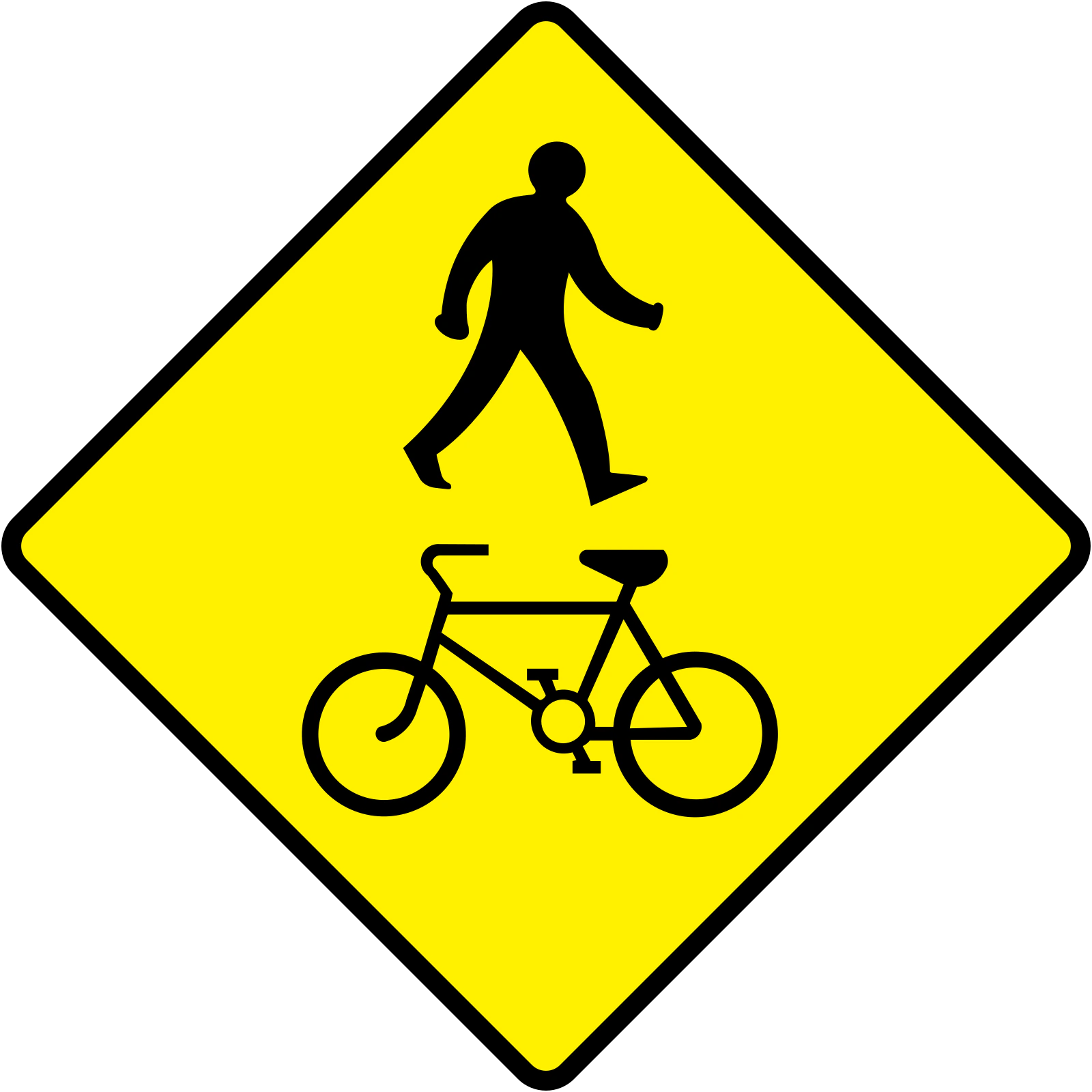
The W-146 warning sign alerts you to an upcoming pedestrian and cycle crossing. As an Irish warning sign, it has a diamond shape with a yellow background and a black symbol. This sign is crucial for anticipating potential hazards, so you must reduce your speed, increase your observation, and be ready to yield to pedestrians or cyclists. Understanding this sign is key for safe driving and for passing your theory test.
Master the W-146 warning sign, crucial for your Irish Driver Theory Test revision, by understanding its meaning and the required driver actions. This essential road sign interpretation helps you anticipate shared routes and prepare for safe interaction with pedestrians and cyclists, enhancing your overall driving knowledge.
Irish warning signs are generally diamond-shaped and use a yellow background with a black symbol or wording. This sign draws attention to pedestrian/cycle Crossing, so the driver can anticipate the risk before reaching it. In a theory-test context, the correct response is normally to slow down, increase observation, and be ready to yield, stop, or change position if the hazard develops.
Pedestrian/cycle Crossing warns that this hazard, road layout, or traffic condition may appear ahead. The sign gives drivers time to reduce speed, improve observation, and prepare for a controlled response.
Get clear, practical answers to the most common questions about the W-146 - Pedestrian/cycle Crossing road sign. Learn how the sign works, what rules it represents, and how it affects real driving situations. This FAQ strengthens your understanding and supports accurate decision making for the Irish driving theory exam in Ireland.
The W-146 sign's purpose is to warn drivers in advance that they are approaching a crossing area designated for both pedestrians and cyclists. This early warning allows drivers to adjust their speed and observation levels to safely navigate the potential presence of vulnerable road users.
Upon seeing the W-146 sign, you should immediately prepare to slow down. It's important to increase your observation, scanning for pedestrians or cyclists who may be using or about to use the crossing. You must be ready to yield, stop, or adjust your position if the situation requires it.
Yes, you must not maintain your normal speed as if the crossing were not there. Overtaking or changing lanes is also strongly discouraged unless you have thoroughly checked that it won't compromise your visibility or space regarding the crossing. Avoid delaying your decisions about braking or steering until the last possible moment.
In the Irish theory test, correctly interpreting the W-146 sign demonstrates your understanding of hazard perception and yielding to vulnerable road users. Failing to respond appropriately by not slowing down or increasing observation can lead to incorrect answers and penalty points, so be sure to anticipate the hazard.
The W-146 sign warns of a pedestrian AND cycle crossing. While it doesn't explicitly prohibit overtaking in all circumstances, you must be extremely cautious. You should not overtake if it compromises safety or if cyclists are present or about to cross. It's safer to be ready to stop or yield.
A clear reference image of the W-146 - Pedestrian/cycle Crossing road sign used in Ireland.
The W-146 - Pedestrian/cycle Crossing road sign may also be known by these alternative names or terms.
The W-146 - Pedestrian/cycle Crossing road sign is part of the Warning Signs category, which groups together signs with similar rules and functions.
Understanding the subtle differences between similar road signs, like the Pedestrian/cycle Crossing (W-146), is key for theory test revision. Comparing these signs helps improve recognition and reduces errors in your Irish driving theory exam preparation.
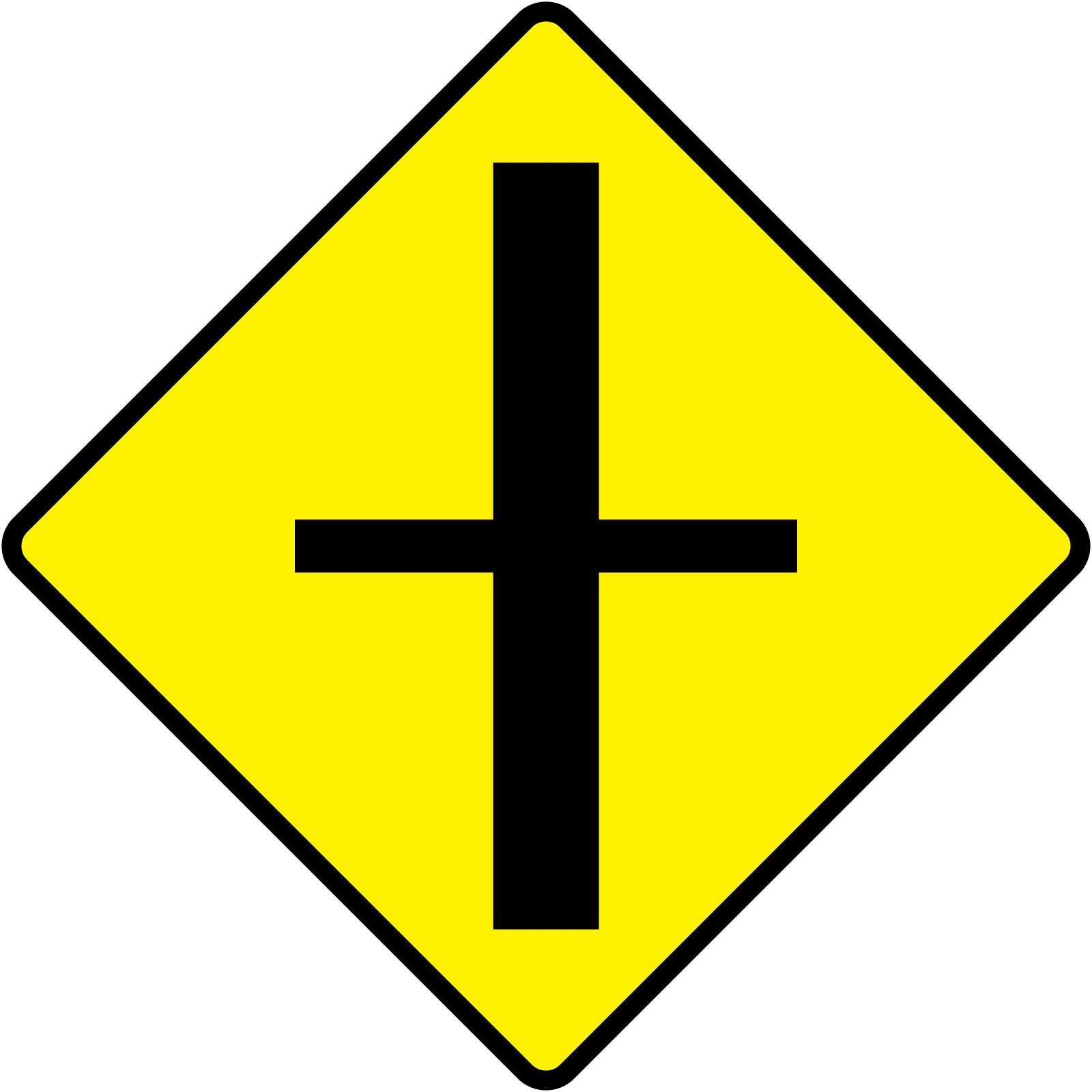
Prepare for Crossroads with the W-001 Warning Sign
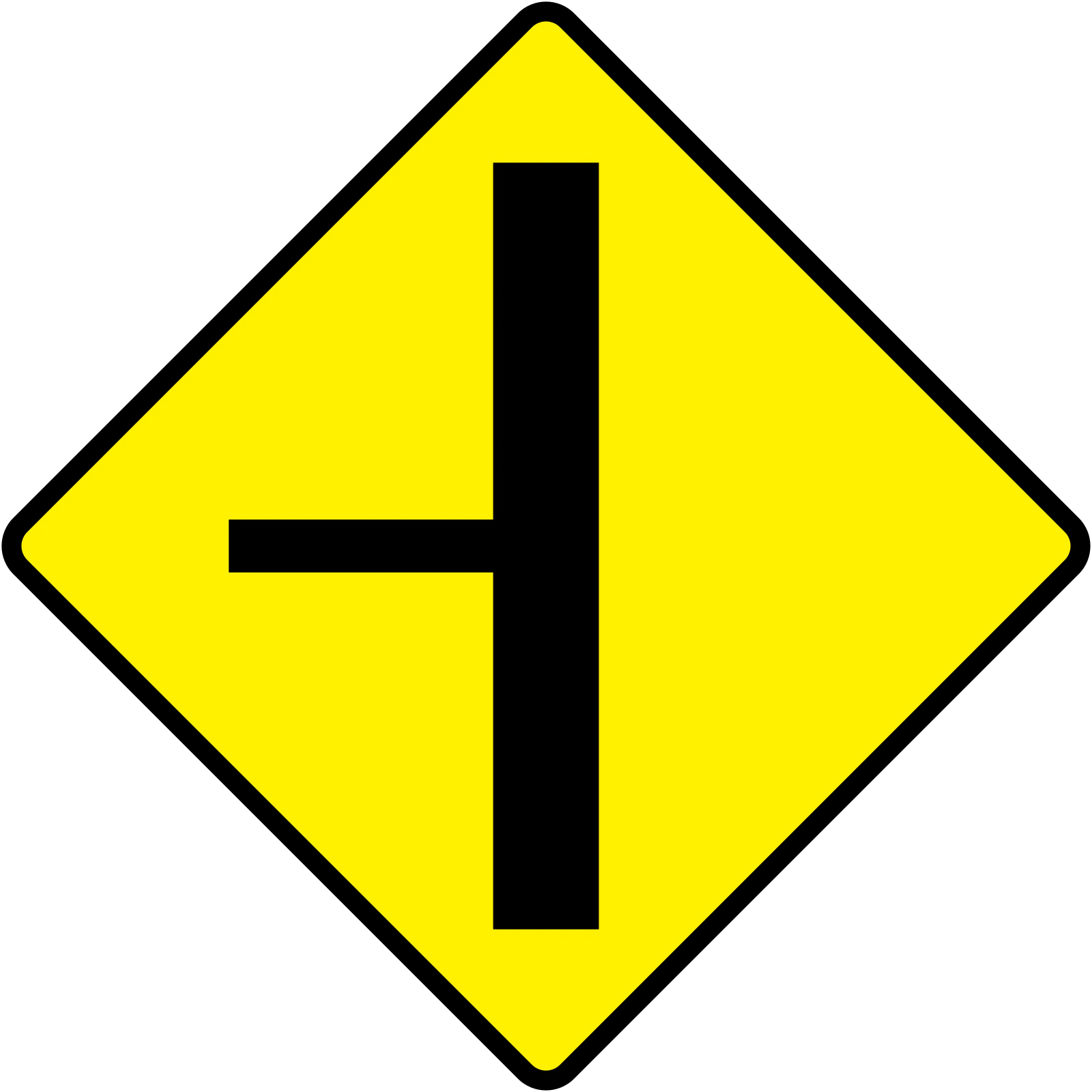
Prepare for a Side Road Joining from the Left with the W-002L Warning Sign.
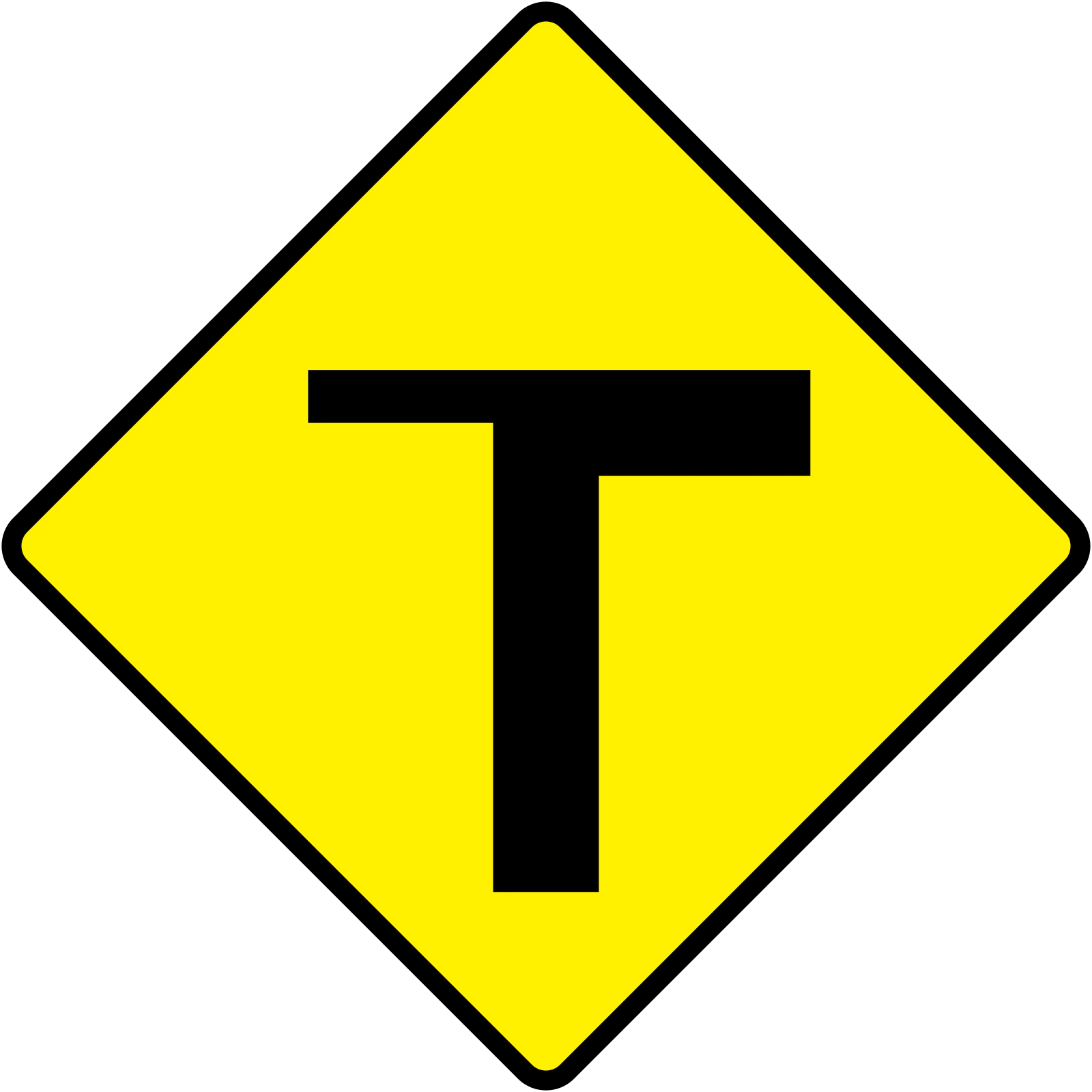
Prepare for T - Junction (type 1) - Left ahead
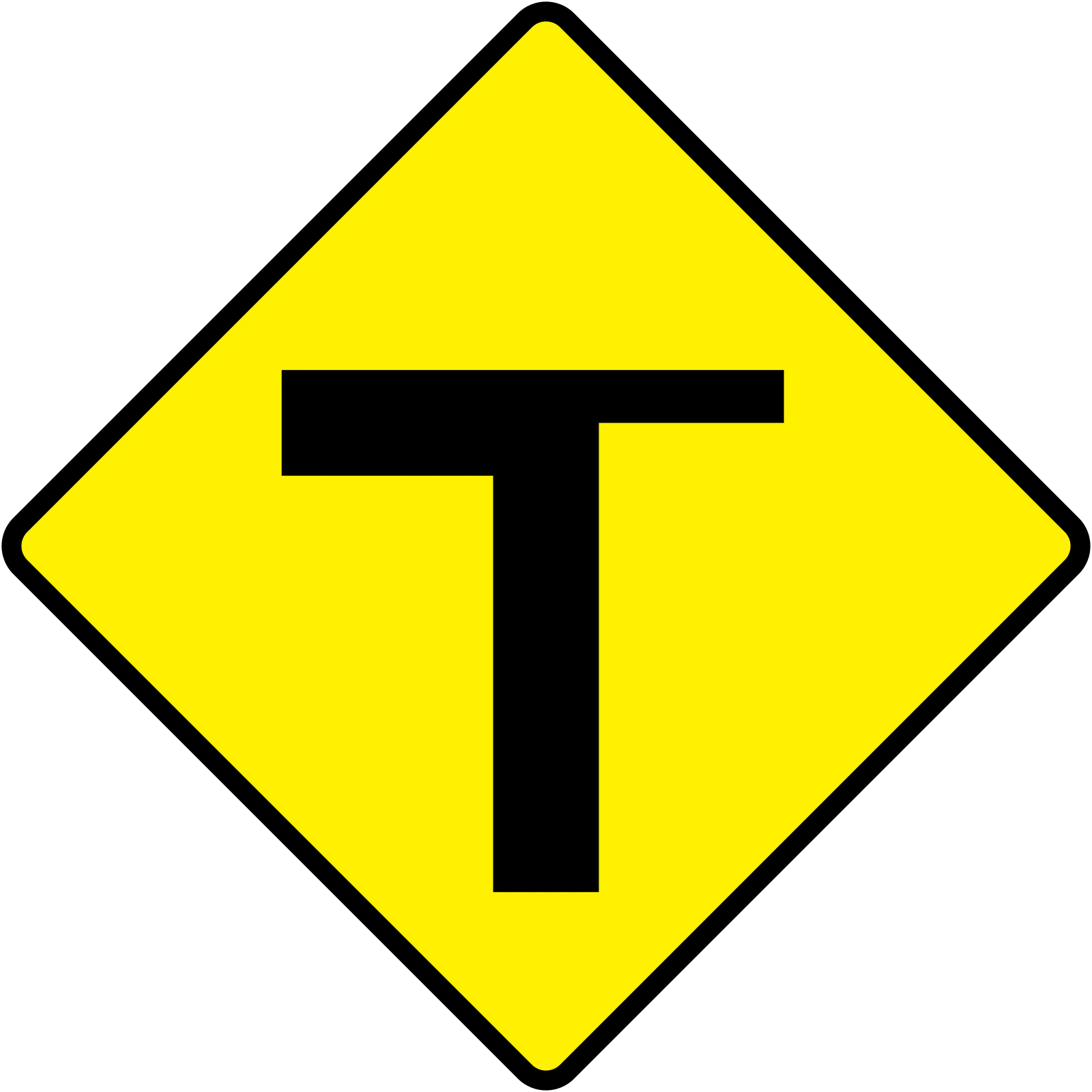
Prepare for a T-Junction on your right with this warning sign.
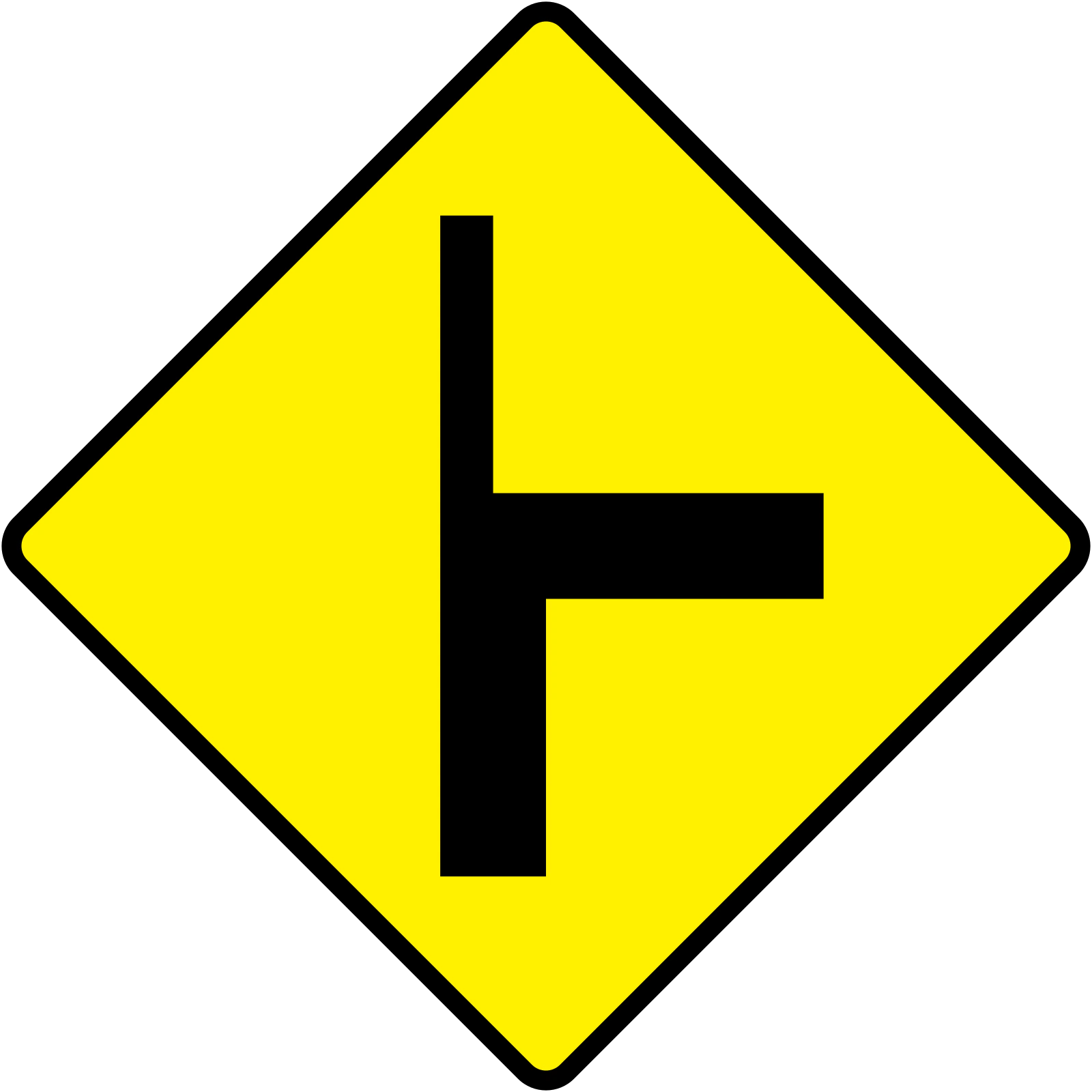
Prepare for a T-Junction to your left with this warning sign.
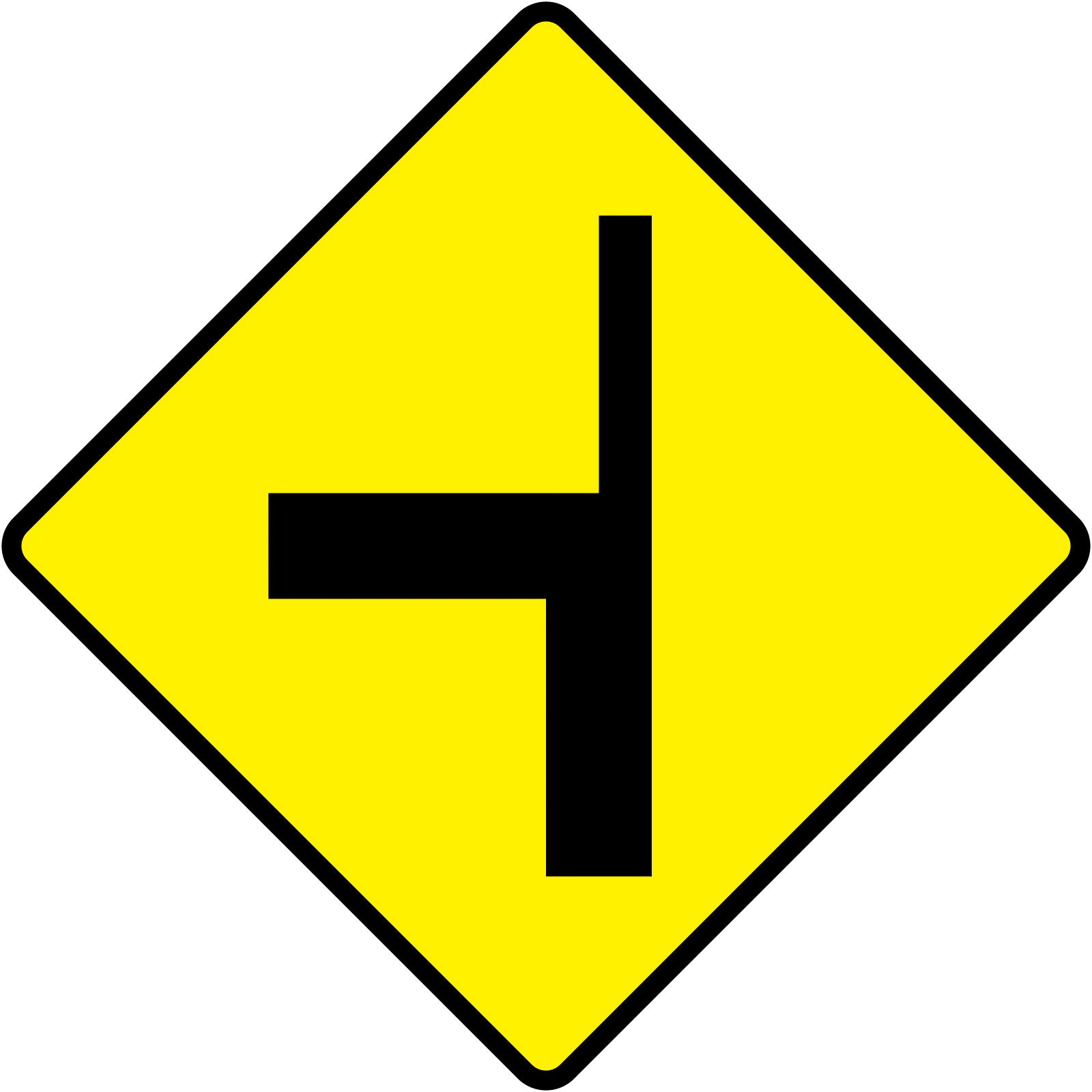
Prepare for a T-Junction ahead with the 'Junction (Type 2) - Right' warning sign.
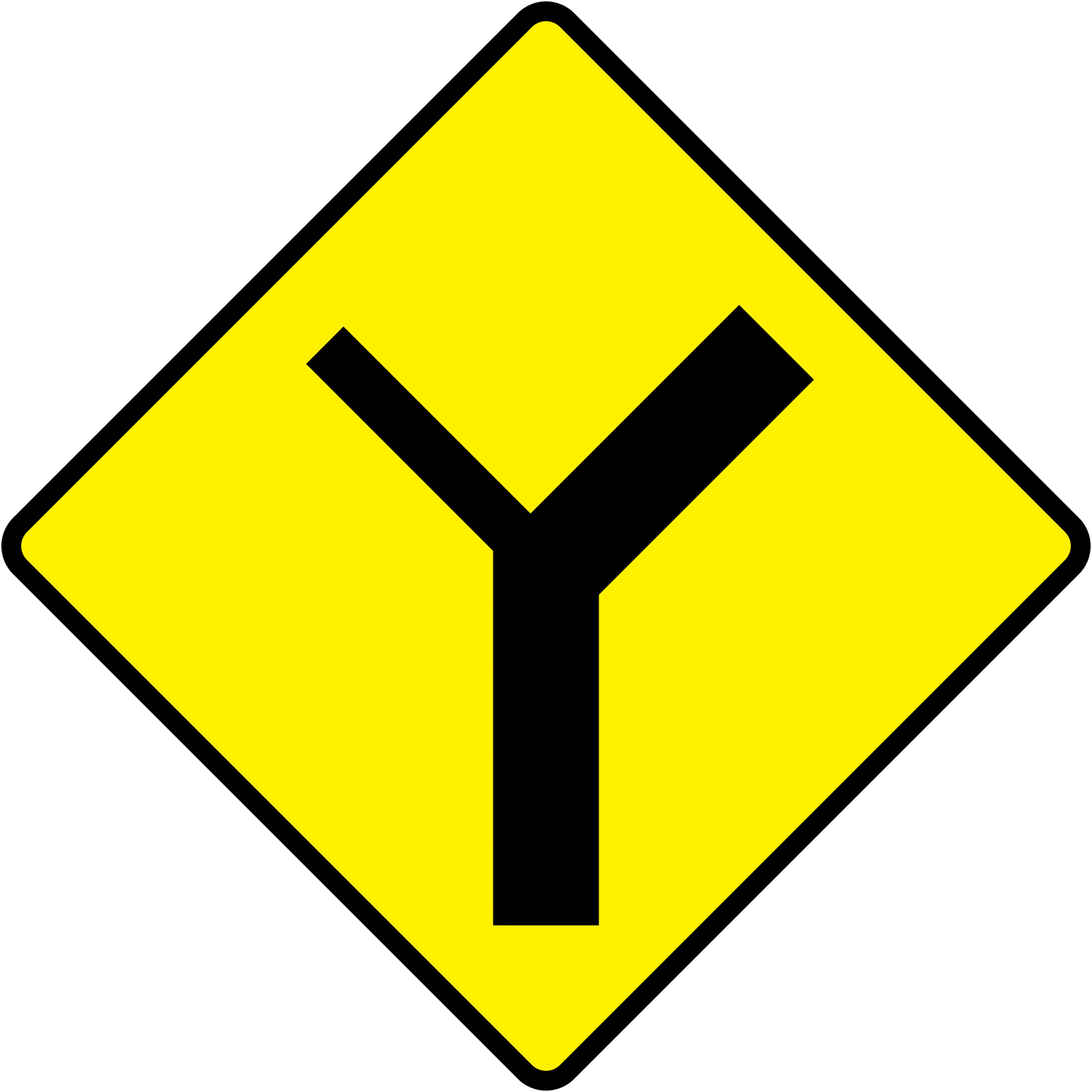
Prepare for a Y-Junction ahead with the Left Warning Sign (W-005L)
Learn to interpret essential traffic signs and markings by exploring related Road Safety Authority guidelines and practical theory test scenarios. Linking visual recognition to active road usage ensures you are fully prepared for your official exam.
Master undivided attention for safer Irish roads and a successful Driver Theory Test.
Master essential visibility rules for a safe drive and to pass your Irish theory test.
Preparing for the Irish Driver Theory Test requires a thorough understanding of official road safety regulations and traffic laws. This article explains how to effectively organize your study time, prioritize the Rules of the Road, and avoid common pitfalls associated with outdated, unofficial study materials. You will learn how to align your preparation with the official RSA standards to ensure you are fully ready for your test day.
Delivery vans are a common sight in Irish towns, but they can significantly reduce your visibility and create unexpected dangers. This article will equip you with the knowledge to anticipate these hazards, understand how parked or moving vans can block your view of pedestrians, cyclists, or other vehicles, and apply essential defensive driving strategies to navigate these situations safely. Mastering this aspect of hazard awareness is vital for your theory test preparation and everyday driving.
Irish warning signs are generally diamond-shaped and use a yellow background with a black symbol or wording. This sign draws attention to crossroads (major Road) Ahead, so the driver can anticipate the risk before reaching it. In a theory-test context, the correct response is normally to slow down, increase observation, and be ready to yield, stop, or change position if the hazard develops.
Irish warning signs are generally diamond-shaped and use a yellow background with a black symbol or wording. This sign draws attention to t Junction (major Road) Ahead, so the driver can anticipate the risk before reaching it. In a theory-test context, the correct response is normally to slow down, increase observation, and be ready to yield, stop, or change position if the hazard develops.
After reviewing all Irish road signs, strengthen your knowledge further by exploring specific categories or taking dedicated practice questions. This targeted approach helps solidify your recognition and recall skills, ensuring you are fully prepared for the visual sections of your Driver Theory Test.
All Irish Road Signs List