
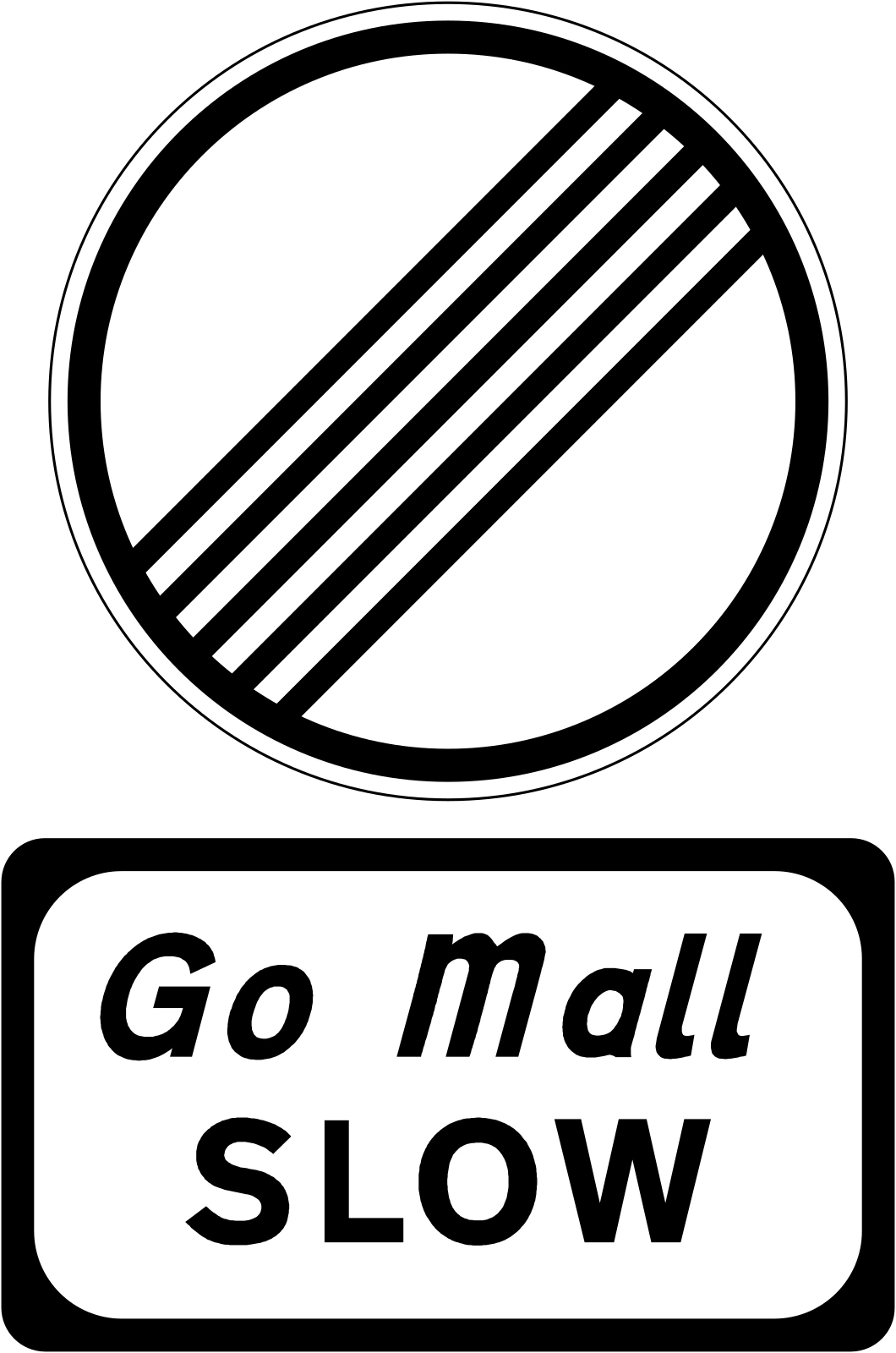
This regulatory sign assembly, featuring the rural speed limit symbol alongside a bilingual Go Mall/SLOW plate, sets the current rural local-road speed rule in Ireland. It indicates a maximum speed of 60 km/h, reminding drivers that the safe speed may be lower on narrow or rural local roads, especially since the rule change in February 2025. You must treat the 60 km/h as a legal limit, not a target speed, and always drive according to prevailing conditions.
This assembly, RUS-042A-P-080, sets a 60 km/h limit for rural roads while urging caution for safe driving, crucial for your Driver Theory Test revision. Understanding this sign's context is vital for navigating Irish traffic rules and ensuring road safety.
This regulatory sign assembly combines Ireland's rural speed-limit symbol with the bilingual Go Mall/SLOW plate. Since 7 February 2025 it indicates a maximum speed of 60 km/h while also reminding drivers that the safe speed may be lower on narrow or rural local roads. Drivers should treat it as a legal limit, not as a target speed.
Rural Speed Limit with Go Mall/SLOW Plate indicates the current rural local-road speed rule in Ireland: drive to the conditions and do not exceed 60 km/h where the sign applies.
Get clear, practical answers to the most common questions about the RUS-042A-P-080 - Rural Speed Limit with Go Mall/SLOW Plate road sign. Learn how the sign works, what rules it represents, and how it affects real driving situations. This FAQ strengthens your understanding and supports accurate decision making for the Irish driving theory exam in Ireland.
This sign assembly indicates a maximum speed limit of 60 km/h on rural local roads in Ireland. The 'Go Mall/SLOW' plate reinforces that you must reduce your speed further if conditions, such as narrow roads or poor visibility, require it. Always drive to the conditions.
Yes, the general rural speed limit for local roads changed from 80 km/h to 60 km/h on 7 February 2025. For your Irish theory test and in real driving, you must now adhere to the 60 km/h limit indicated by this sign assembly.
The 60 km/h is the absolute legal maximum speed allowed on that road segment, as per this regulatory sign. The 'Go Mall/SLOW' plate is an advisory reminder that, even though 60 km/h is the limit, you might need to drive slower than that to do so safely, depending on road width, bends, or weather.
A common trap is assuming the 60 km/h is always the correct speed to travel at. Remember, it's the maximum allowed. Another trap is not knowing about the recent rule change to 60 km/h; always answer theory questions using the current 60 km/h limit for this sign.
No, the sign indicates a maximum legal speed of 60 km/h. Even if the road conditions appear good, you must not exceed this limit. The 'Go Mall/SLOW' plate also serves as a reminder that you should be prepared to reduce your speed further if conditions demand it, for safety.
A clear reference image of the RUS-042A-P-080 - Rural Speed Limit with Go Mall/SLOW Plate road sign used in Ireland.
The RUS-042A-P-080 - Rural Speed Limit with Go Mall/SLOW Plate road sign may also be known by these alternative names or terms.
The RUS-042A-P-080 - Rural Speed Limit with Go Mall/SLOW Plate road sign is part of the Regulatory Signs category, which groups together signs with similar rules and functions.
Master Irish road signs by reviewing this sign alongside similar regulatory examples. Comparing signs helps reduce confusion, aids memory retention, and is crucial for effective theory test revision and overall traffic sign recognition.
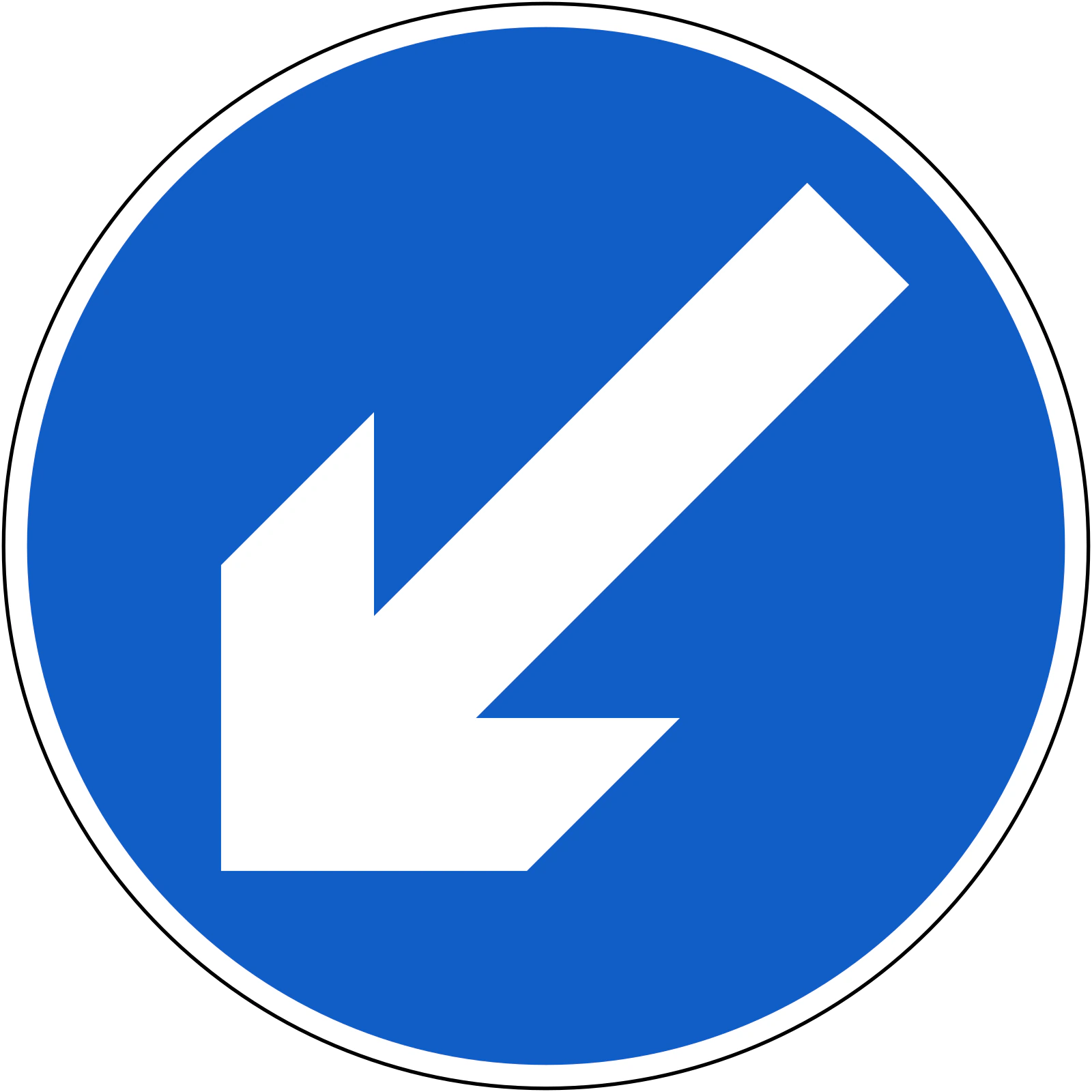
What the 'Keep Left' RUS-001 Regulatory Sign Means for Your Drive
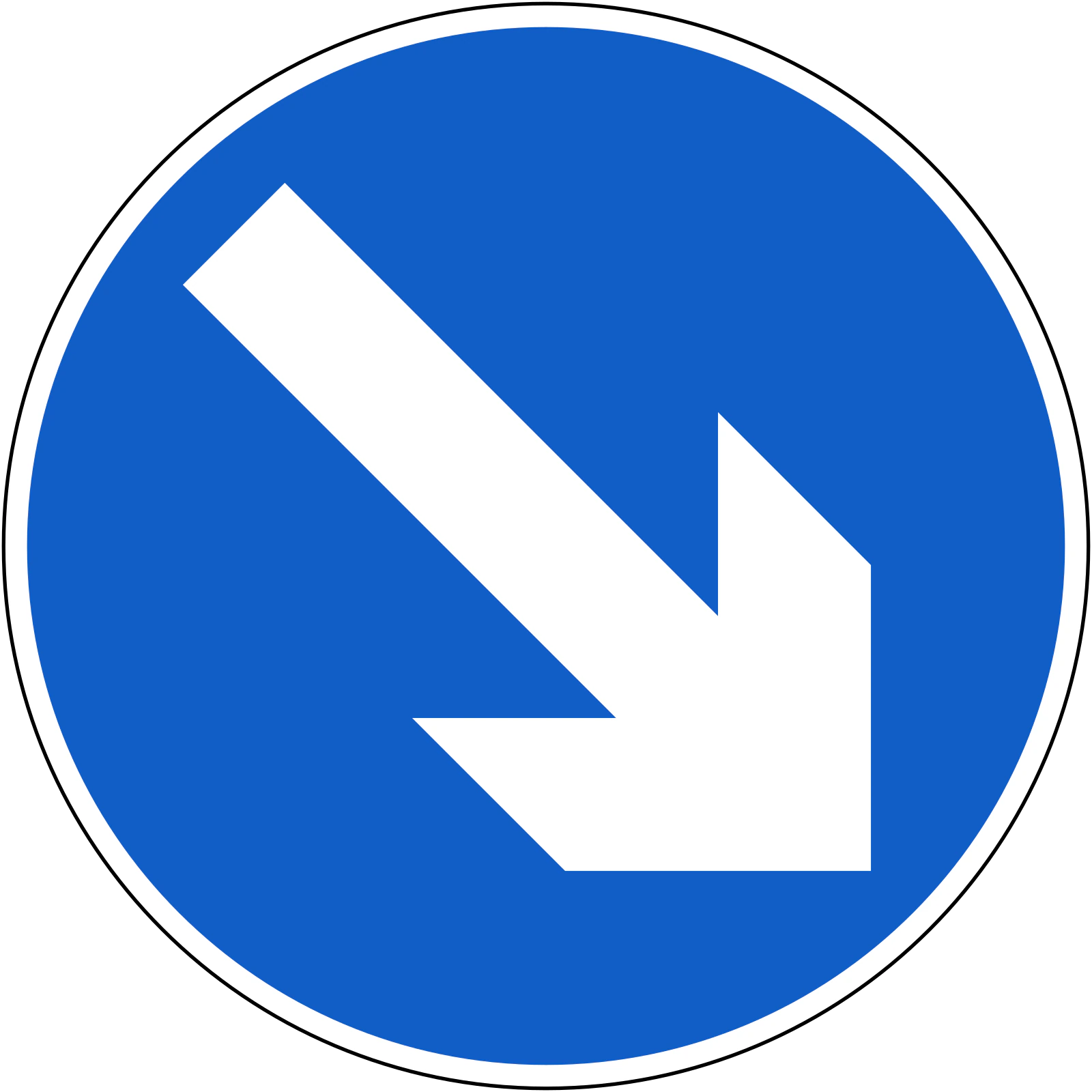
Understand the 'Keep Right' Regulatory Sign (RUS-002) in Ireland
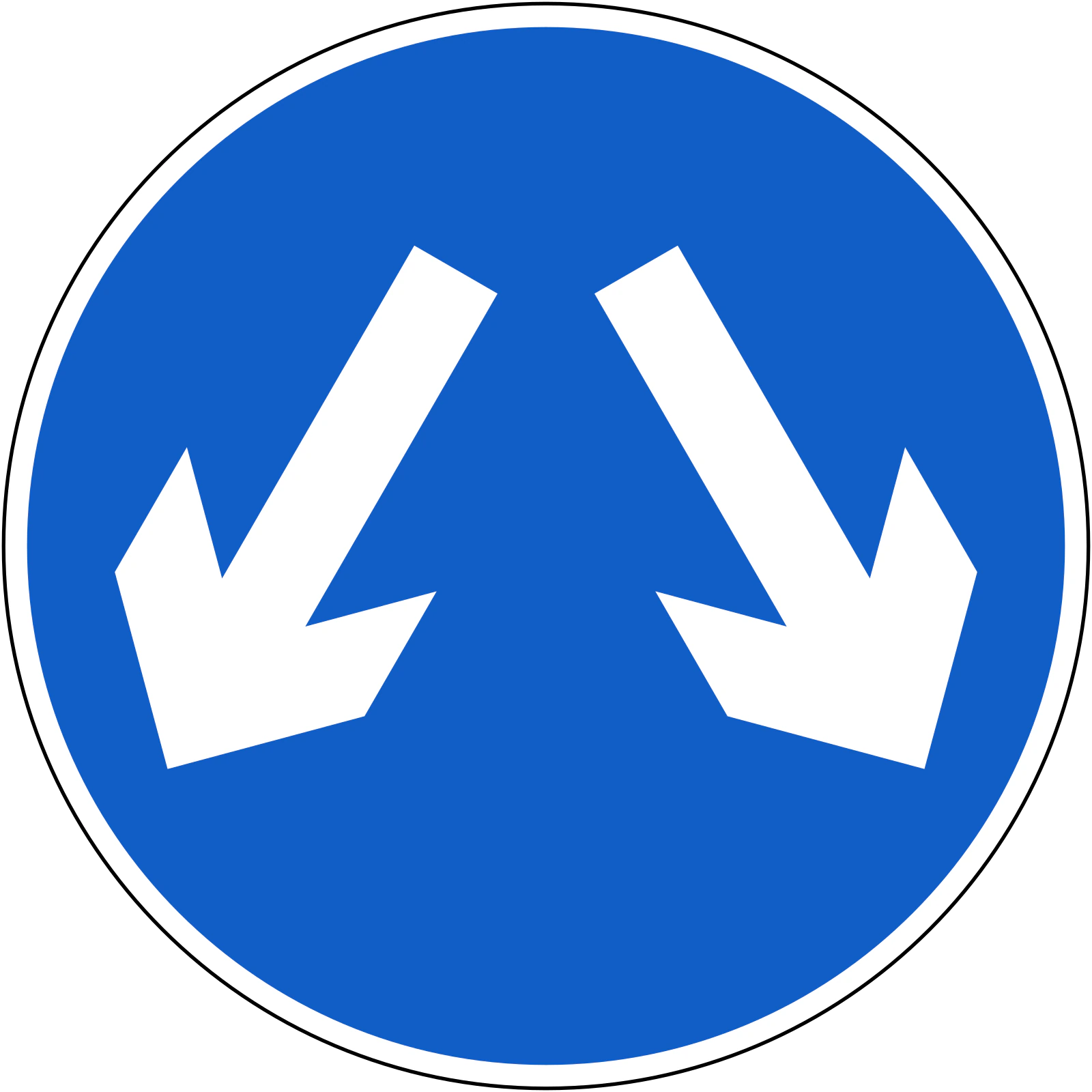
The 'Pass Either Side' sign means you can pass the obstruction or traffic island from either the left or the right.
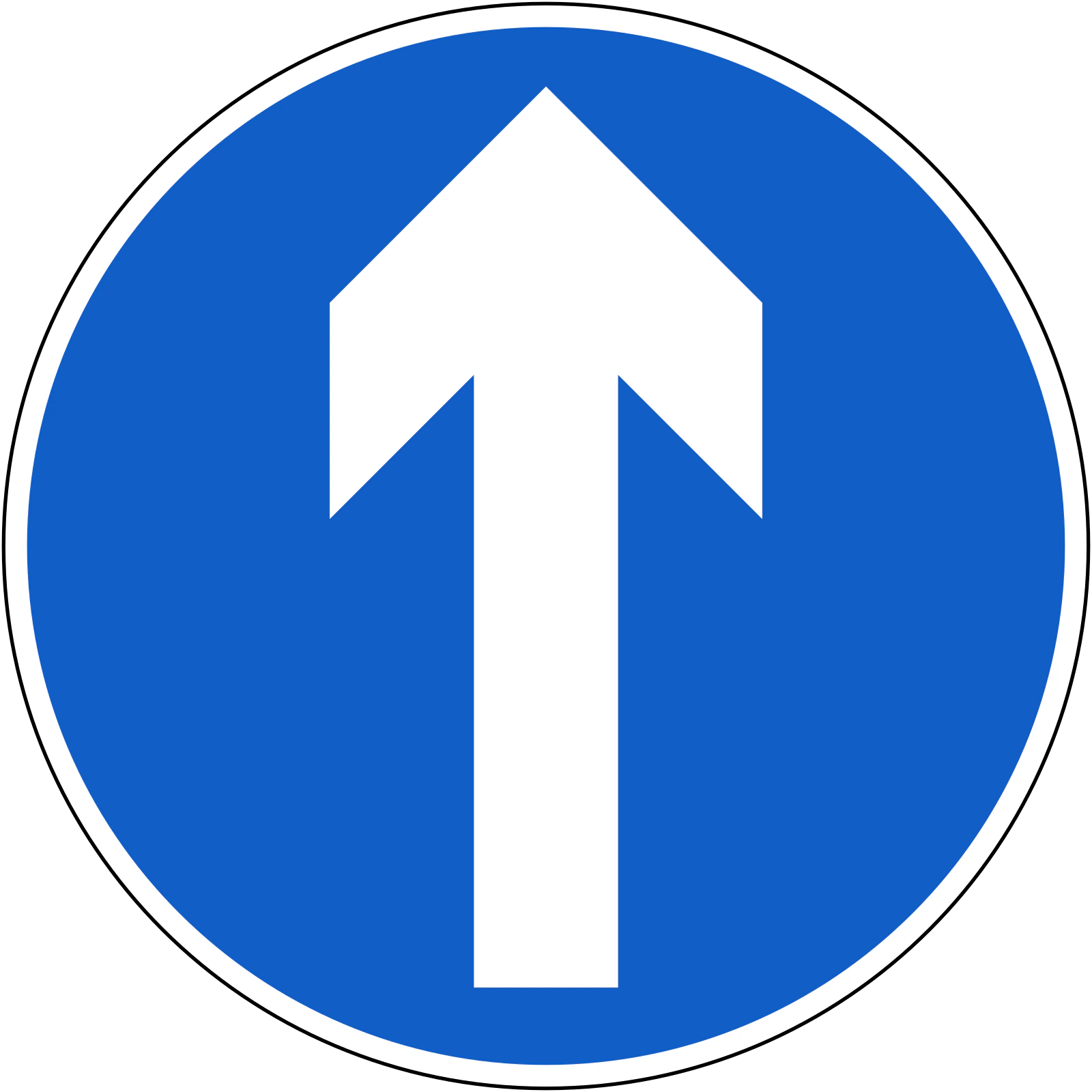
Obey the 'Keep Straight Ahead' Regulatory Sign (RUS-004) for Mandatory Direction
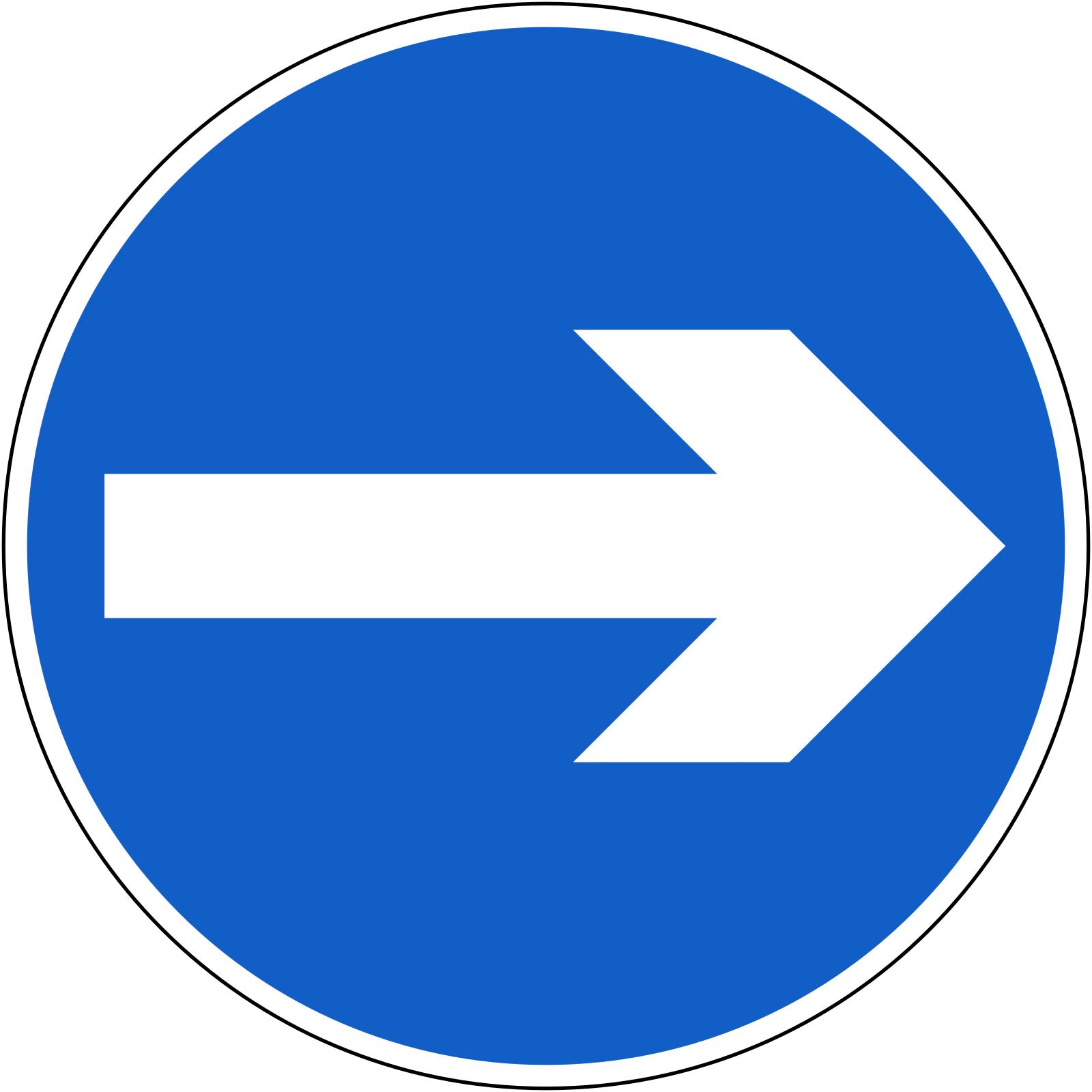
The 'Turn Right' sign (RUS-005) is a mandatory regulatory sign giving a direct instruction.
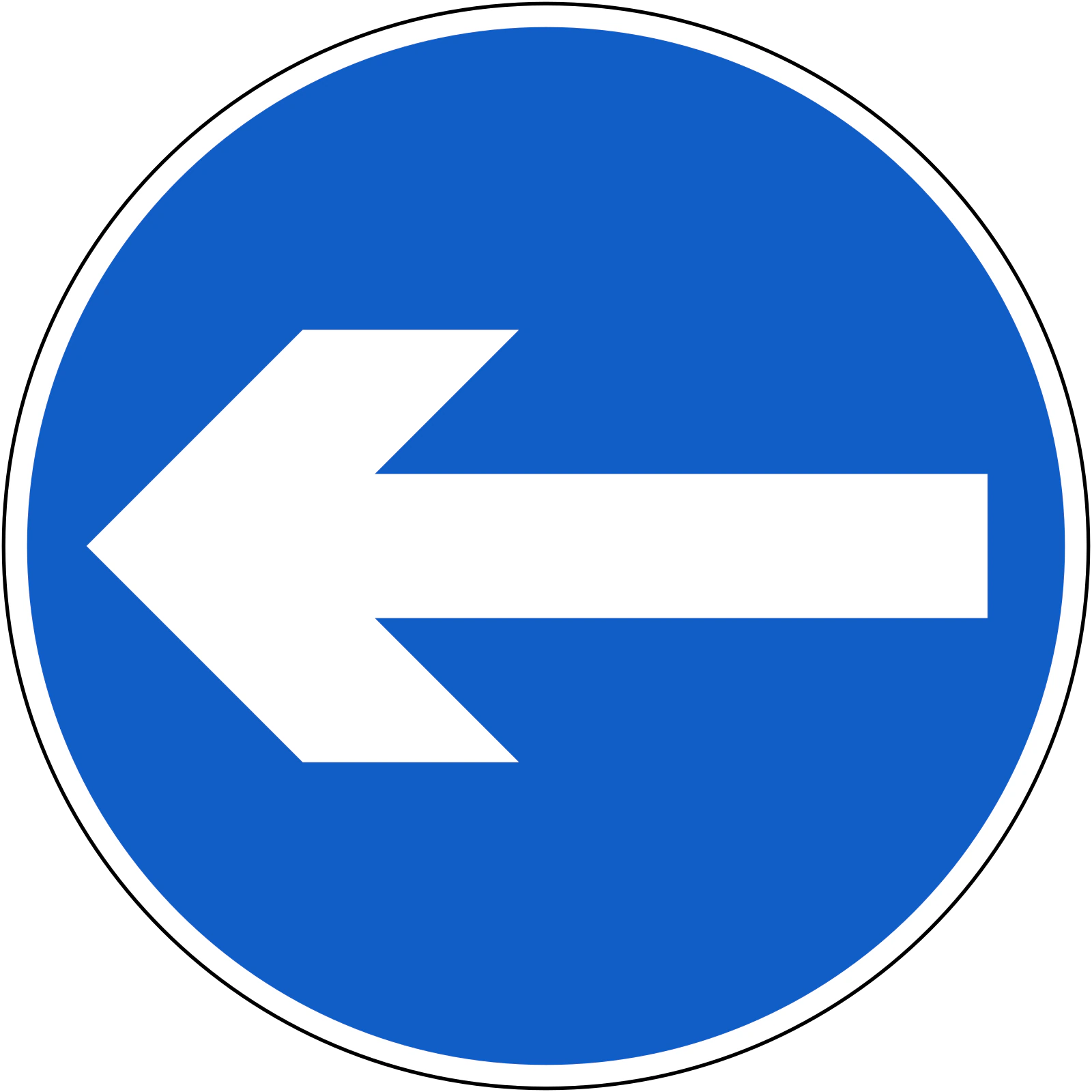
Understand the 'Turn Left' Regulatory Sign (RUS-006) for Mandatory Directions
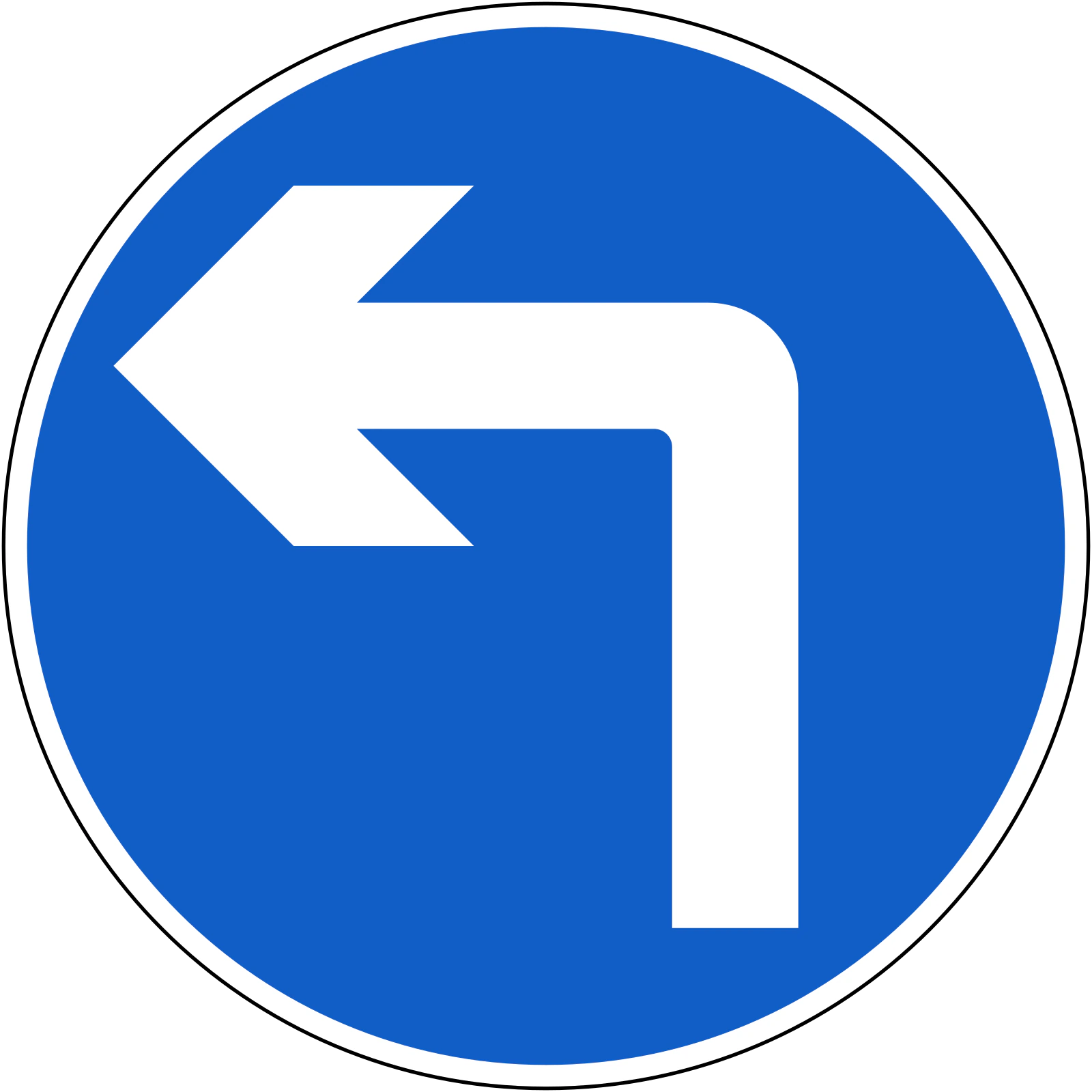
The RUS-007 'Turn Left Ahead' sign is a mandatory regulatory instruction.
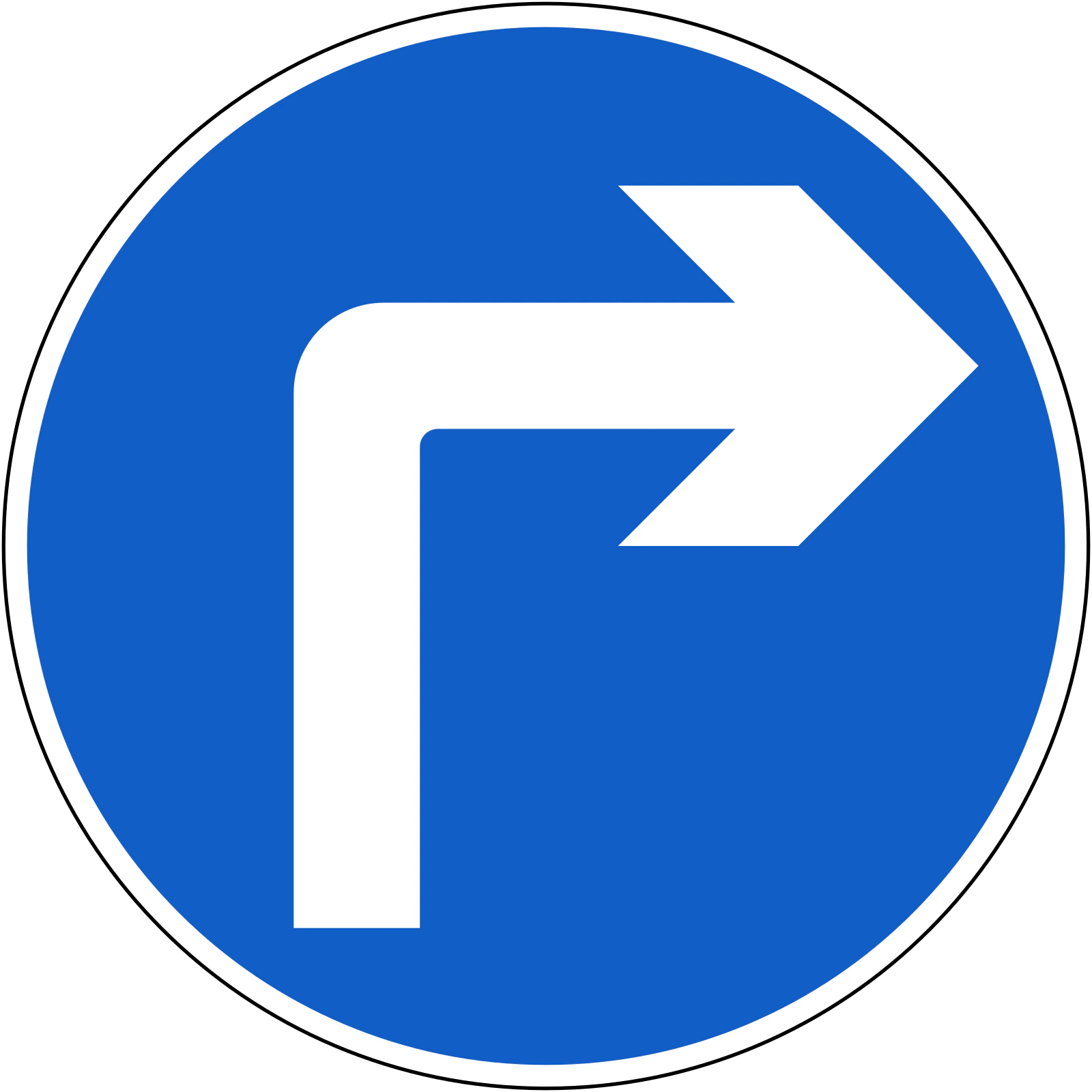
obey the 'Turn Right Ahead' regulatory sign in Ireland
Learn to interpret essential traffic signs and markings by exploring related Road Safety Authority guidelines and practical theory test scenarios. Linking visual recognition to active road usage ensures you are fully prepared for your official exam.
Transitioning from a learner to a novice driver in Ireland requires not just vehicle control, but the mental discipline to remain in charge of your own safety environment. This guide examines how social dynamics inside the car can impact your hazard perception and decision-making, emphasizing why you must uphold RSA standards regardless of passenger influence. Understanding these psychological barriers is essential for passing the test and developing long-term, safe driving habits.
As a learner driver in Ireland, operating a vehicle without valid insurance is a serious offence with substantial consequences. This article explains the penalties, including significant fines and penalty points, that the Gardaí can impose. It underscores the importance of adhering to insurance laws to protect your driving future and comply with Road Safety Authority (RSA) requirements.
Navigate Irish road legalities with confidence as a learner or novice driver.
Understand Your Responsibilities as a Learner or Novice Driver on Irish Roads
This regulatory sign is Ireland's rural speed-limit symbol, used with the Go Mall/SLOW plate on selected local roads. Since 7 February 2025 it indicates a maximum speed of 60 km/h while also reminding drivers that the safe speed may be lower on narrow or rural roads. Drivers should treat it as a legal limit, not as a target speed.
This information sign communicates useful context about the road environment in Ireland. It may identify a boundary, facility, parking arrangement, toll layout, bus or cycle facility, or other feature that drivers need to understand before acting. Treat it as part of the decision-making picture: read it early, check surrounding signs and markings, and make any lane or speed adjustment smoothly.
After reviewing all Irish road signs, strengthen your knowledge further by exploring specific categories or taking dedicated practice questions. This targeted approach helps solidify your recognition and recall skills, ensuring you are fully prepared for the visual sections of your Driver Theory Test.
All Irish Road Signs List