The 3 Aspect Standard Traffic Signal, also known as a traffic light, is a fundamental traffic control device used across Ireland to manage the flow of vehicles and pedestrians. These signals regulate priority at junctions, crossings, or specific lanes, ensuring conflicting movements can proceed safely. You must always obey the signal that applies to your lane and vehicle type, proceeding only when it permits and the path ahead is clear.
Mastering the 3 Aspect Standard Traffic Signal is crucial for safe driving and passing your Irish Driver Theory Test. This explanation covers its specific meaning and recognition value to ensure you obey its directives correctly in real-world traffic situations.
Traffic signals regulate priority where conflicting movements cannot safely proceed together. This signal display may apply to general traffic, turning traffic, buses, cyclists, pedestrians, or railway crossings depending on its symbol and position. Always match the signal to your lane and road-user type, then proceed only when the signal permits it and the way ahead is clear.
3 Aspect Standard Traffic Signal controls a specific traffic movement, crossing, lane, vehicle type, or signal sequence. Drivers must obey the aspect that applies to them and wait when the signal does not permit movement.
Get clear, practical answers to the most common questions about the RTS-001 - 3 Aspect Standard Traffic Signal road sign. Learn how the sign works, what rules it represents, and how it affects real driving situations. This FAQ strengthens your understanding and supports accurate decision making for the Irish driving theory exam in Ireland.
This traffic signal uses red, amber, and green lights to control traffic flow. A green light indicates you may proceed if the way is clear. Amber warns you that the signal is about to change to red, and you should prepare to stop unless it is unsafe to do so. Red means stop completely behind the stop line and wait until the signal turns green.
You must match the signal aspect to your lane, vehicle type, and intended movement. Sometimes, specific lanes have their own signals, or filter arrows are used to indicate permitted movements. Always check the symbol and position of the signal relative to your position on the road.
You must never pass a red signal. Additionally, do not proceed on a signal, including filter arrows, bus signals, or cycle signals, if it does not apply to your specific lane or movement. It is also prohibited to block the junction or crossing while waiting, so ensure you can clear it before entering.
A flashing amber light on a standard traffic signal generally means proceed with caution. It often indicates that the signal is not fully in operation or that you should be aware of other traffic or potential hazards, such as a pedestrian crossing or a railway crossing, which may require you to yield.
Yes, the RTS-001 signal can include dedicated signals for buses or cyclists, often indicated by specific symbols. You should only proceed if the main signal or any applicable filter arrow permits your movement. If you are driving a car, you must still obey the general traffic signals unless a specific arrow clearly indicates otherwise for your lane.
A common trap is assuming you can proceed just because the light is green. You must always check that the way ahead is clear before moving off, especially at busy junctions. Another trap is not paying attention to filter arrows or signals specific to other road users like buses or cyclists, which can change priority.
A clear reference image of the RTS-001 - 3 Aspect Standard Traffic Signal road sign used in Ireland.

The RTS-001 - 3 Aspect Standard Traffic Signal road sign may also be known by these alternative names or terms.
The RTS-001 - 3 Aspect Standard Traffic Signal road sign is part of the Traffic Signals category, which groups together signs with similar rules and functions.
Comparing the 3 Aspect Standard Traffic Signal with other traffic signals used in Ireland helps build your sign recognition skills. This focused revision for your Driver Theory Test ensures you can distinguish them on the road and in exam scenarios.
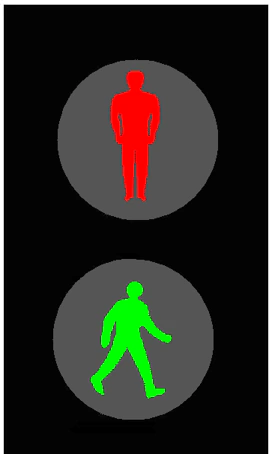
Obey the 2 Aspect Pedestrian Signal to safely navigate junctions and crossings.
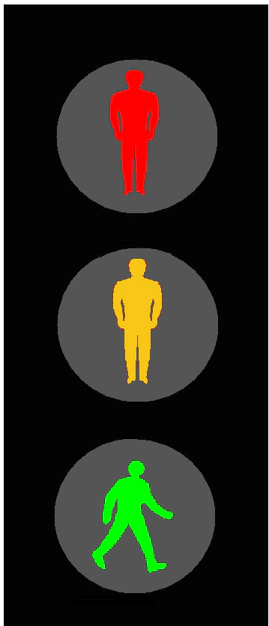
Obey the 3 Aspect Pedestrian Signal (RPC-004) to safely navigate junctions and crossings.
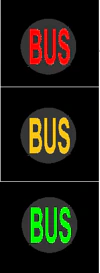
Understand the 3 Aspect Bus Traffic Signal (RTS-002) and what it means for your driving.

Obey the Green Go Straight 3 Aspect Traffic Signal for safe passage.

Know Your Green Left Turn Signal: What RTS-002 Means for Your Drive

Master the Green Right Turn 3 Aspect Traffic Signal for safe driving in Ireland.
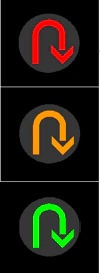
Understand the 3 Aspect U-Turn Traffic Signal for Safe Driving in Ireland
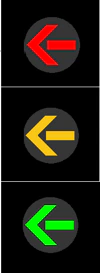
Obey the 3 Aspect Left Turn Traffic Signal to safely navigate junctions in Ireland.
Learn to interpret essential traffic signs and markings by exploring related Road Safety Authority guidelines and practical theory test scenarios. Linking visual recognition to active road usage ensures you are fully prepared for your official exam.
Master essential visibility rules for a safe drive and to pass your Irish theory test.
Learn how to safely navigate wide turns at junctions when driving a lorry or bus in Ireland, as guided by the RSA's Rules of the Road. This essential knowledge helps you understand the required space, anticipate hazards from other road users, and fulfil your legal obligation to ensure safety before turning, crucial for both road safety and your theory exam.
Navigate Pedestrian Crossings and School Zones Like an Irish Pro, Not a Novice.
Learners will discover how to apply eco-driving techniques to minimize their environmental impact while ensuring their vehicle remains safe and roadworthy. This article bridges the gap between official Rules of the Road requirements and practical, everyday driving habits that help you prepare for theory test questions on vehicle safety and responsible operation.
Traffic signals regulate priority where conflicting movements cannot safely proceed together. This signal display may apply to general traffic, turning traffic, buses, cyclists, pedestrians, or railway crossings depending on its symbol and position. Always match the signal to your lane and road-user type, then proceed only when the signal permits it and the way ahead is clear.
Traffic signals regulate priority where conflicting movements cannot safely proceed together. This signal display may apply to general traffic, turning traffic, buses, cyclists, pedestrians, or railway crossings depending on its symbol and position. Always match the signal to your lane and road-user type, then proceed only when the signal permits it and the way ahead is clear.
After reviewing all Irish road signs, strengthen your knowledge further by exploring specific categories or taking dedicated practice questions. This targeted approach helps solidify your recognition and recall skills, ensuring you are fully prepared for the visual sections of your Driver Theory Test.
All Irish Road Signs List