
The C3o road sign, part of Portugal's prohibitory signs group, clearly indicates that vehicles with trailers having two or more axles are forbidden to proceed. This regulatory sign, marked with a red border, imposes a strict restriction from the point it is displayed. Drivers operating vehicles with such trailers must understand this prohibition and seek an alternative route. Always pay attention to any additional panels that might specify weight limits or further conditions for the restriction.
This section details the C3o sign, explaining its specific meaning and why understanding this prohibition is crucial for your Portuguese theory test revision. Master road sign interpretation to ensure safe and legal driving choices.
C3o - Trânsito proibido a veículos com reboque de dois ou mais eixos (Trânsito proibido a veículos com reboque de dois ou mais eixos) belongs to the Portuguese prohibitory signs category in the Regulamento de Sinalização do Trânsito. It normally uses the red-bordered regulatory style associated with restrictions, limits, bans, or cancellation of a previous restriction. The official wording is: trânsito proibido a veículos com reboque de dois ou mais eixos: indicação de acesso interdito a veículos a motor com reboque de dois ou mais eixos; esta proibição pode restringir-se aos veículos cujo reboque tenha um peso total superior ao que se indicar, a cor branca, sobre o símbolo ou em painel adicional. It creates a binding restriction from the point where it applies and normally continues until it is ended, replaced, or limited. For theory preparation, connect the sign to a concrete driving decision: where to look, when to slow, whether to stop or yield, which route or lane to choose, and whether any panel changes the scope of the rule. On the road, interpret it together with markings, traffic lights, police directions, temporary works signs, and any additional panel placed with it. A strong exam answer explains both recognition and behaviour: not only what the sign is called, but what a safe and lawful driver must do next.
C3o - Trânsito proibido a veículos com reboque de dois ou mais eixos (Trânsito proibido a veículos com reboque de dois ou mais eixos) means that the driver must understand and apply this official Portuguese instruction: trânsito proibido a veículos com reboque de dois ou mais eixos: indicação de acesso interdito a veículos a motor com reboque de dois ou mais eixos; esta proibição pode restringir-se aos veículos cujo reboque tenha um peso total superior ao que se indicar, a cor branca, sobre o símbolo ou em painel adicional. In practical terms, you should not enter or use the road with the vehicle or road-user category covered by the prohibition, and choose a lawful alternative route.
Get clear, practical answers to the most common questions about the C3o - C3o - Trânsito proibido a veículos com reboque de dois ou mais eixos (Trânsito proibido a veículos com reboque de dois ou mais eixos) road sign. Learn how the sign works, what rules it represents, and how it affects real driving situations. This FAQ strengthens your understanding and supports accurate decision making for the Portuguese driving theory exam in Portugal.
The C3o road sign means that vehicles with trailers that have two or more axles are prohibited from entering or using the road where the sign is displayed. This is a mandatory instruction for drivers with these specific vehicle configurations.
If you are driving a vehicle towing a trailer with two or more axles, you must not proceed past the C3o sign. You are required to find a different, lawful route that does not involve this prohibition.
The C3o sign itself indicates a general prohibition. However, an additional panel may be attached to the sign, specifying exceptions such as a maximum total weight for the trailer. If no such panel is present, the prohibition applies to all trailers with two or more axles.
The C3o sign is a prohibitory sign. It uses the typical red-bordered regulatory style to indicate a restriction or ban. This means it requires a mandatory change in behaviour, unlike a warning sign which alerts you to a potential hazard.
A common exam trap is confusing this sign with signs that might prohibit all trailers or only single-axle trailers. Another trap is failing to consider any additional panels that might modify the restriction, such as weight limits, which would change the applicability of the sign.
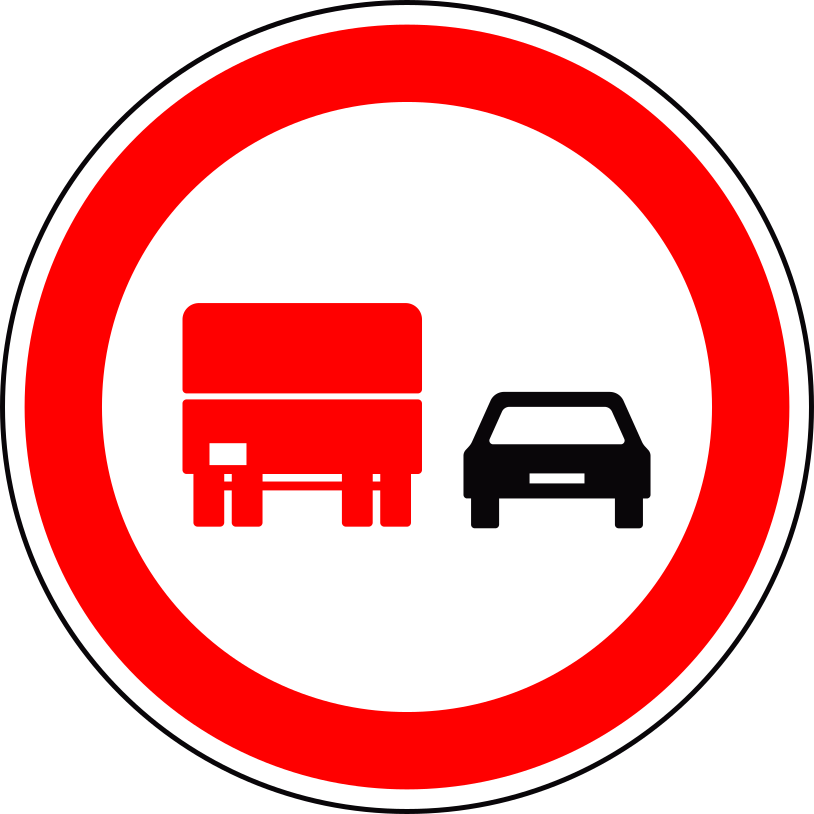
A clear reference image of the C3o - C3o - Trânsito proibido a veículos com reboque de dois ou mais eixos (Trânsito proibido a veículos com reboque de dois ou mais eixos) road sign used in Portugal.
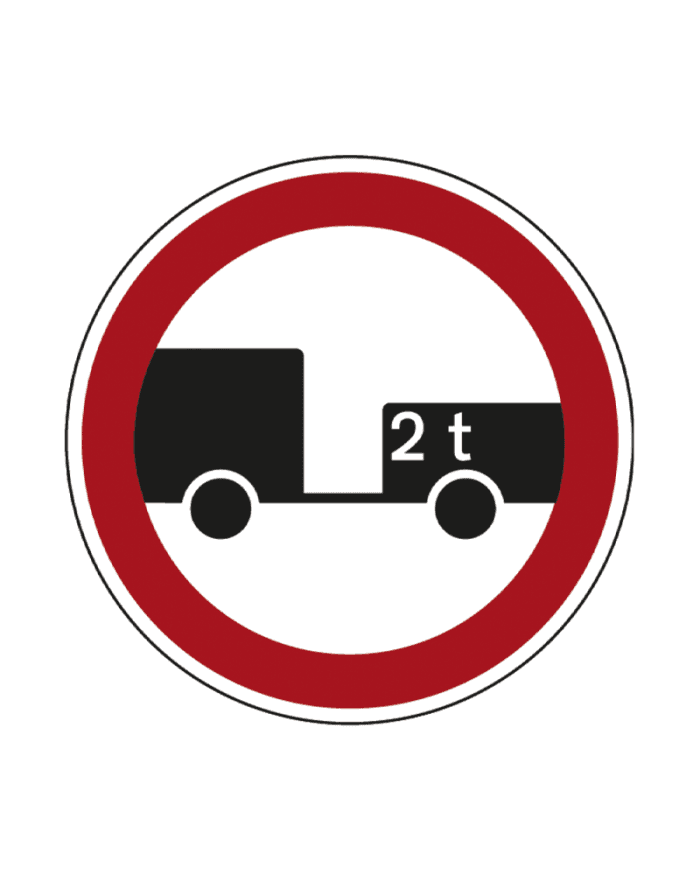
The C3o - C3o - Trânsito proibido a veículos com reboque de dois ou mais eixos (Trânsito proibido a veículos com reboque de dois ou mais eixos) road sign may also be known by these alternative names or terms.
The C3o - C3o - Trânsito proibido a veículos com reboque de dois ou mais eixos (Trânsito proibido a veículos com reboque de dois ou mais eixos) road sign is part of the Prohibitory Signs category, which groups together signs with similar rules and functions.
Reviewing related road signs like this one helps solidify your understanding and reduces confusion for your theory test revision. Comparing similar signs and understanding their distinctions is key for accurate sign recognition and theory test preparation.
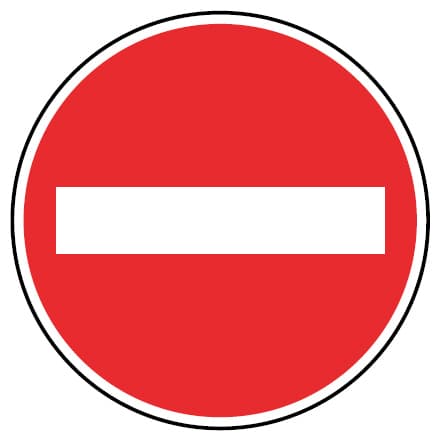
Understand the C1 'Sentido Proibido' (No Entry) Road Sign
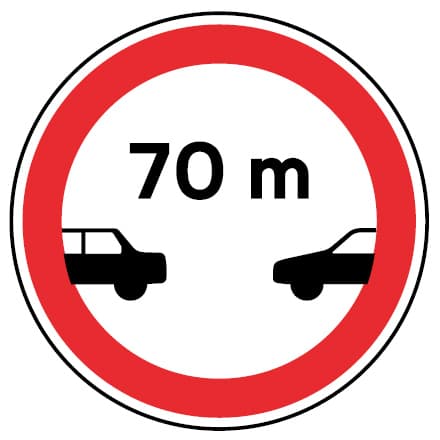
C10: Maintain Minimum Distance from Vehicle Ahead
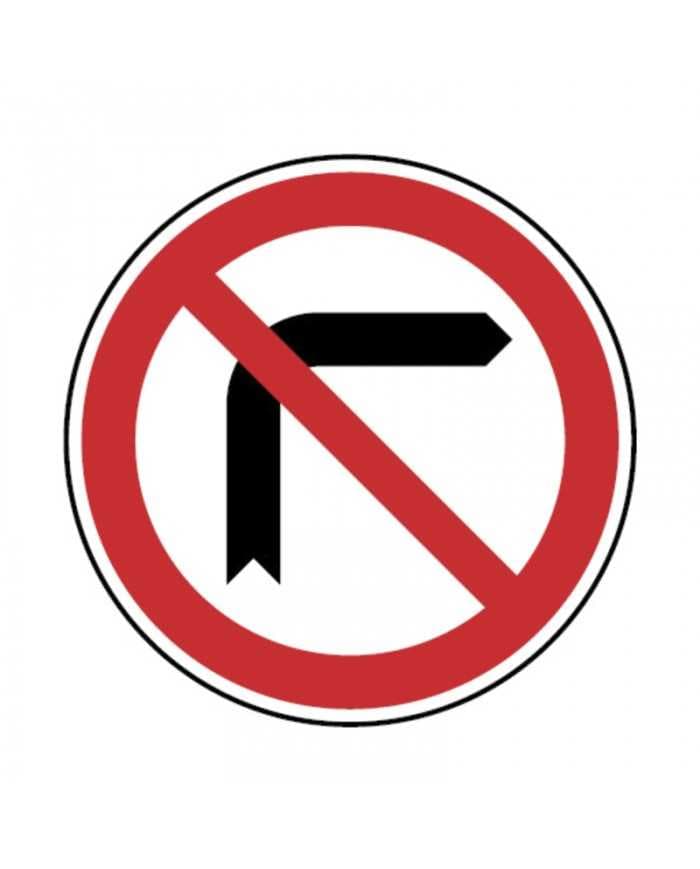
No Right Turn Ahead: Understanding Portugal's C11a Prohibition Sign
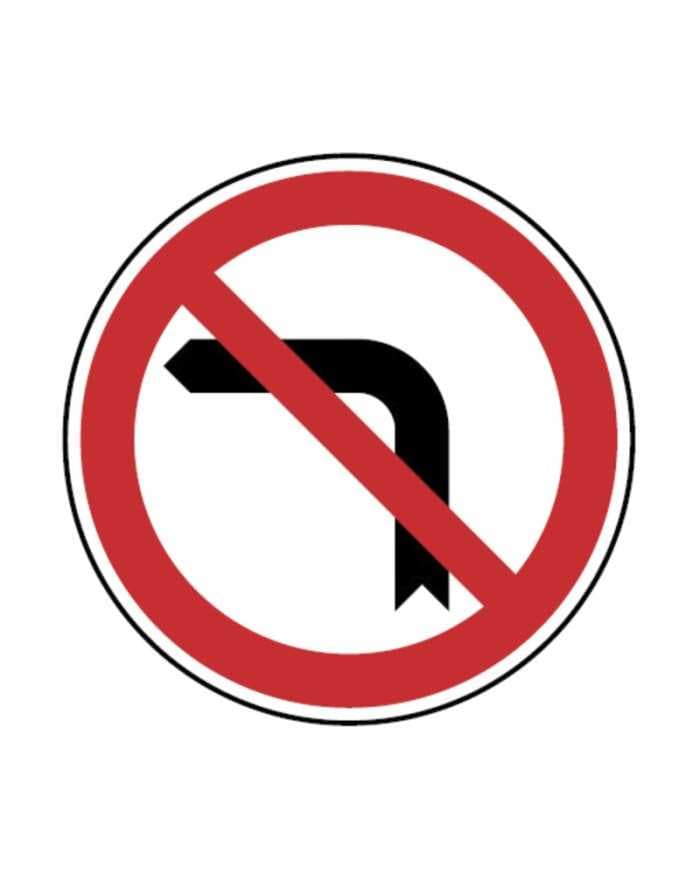
Understand the C11b 'No Left Turn' Road Sign in Portugal
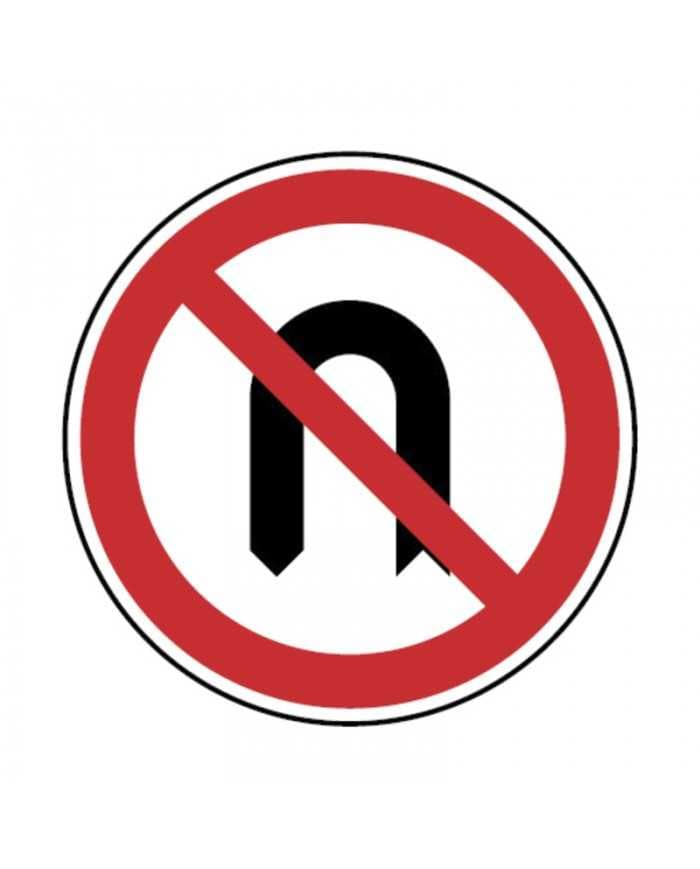
C12 Sign: No U-Turns Allowed Ahead
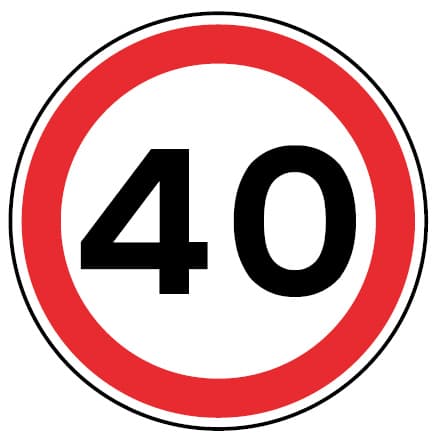
Obey the Maximum Speed Limit Indicated by the C13 Sign
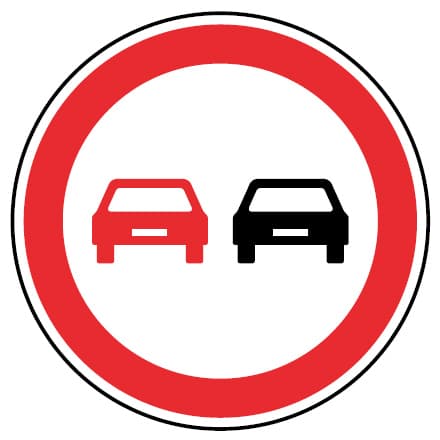
The C14a 'No Overtaking' Sign Means You Must Not Overtake Most Vehicles
Learn the C14b Road Sign: No Overtaking for Heavy Vehicles
After reviewing the full list, explore signs by specific categories such as warning, regulatory, or informational to deepen your understanding. Practise recognizing signs in context and prepare effectively for your Portuguese driving licence theory test.
All Portuguese Road Signs List