The D16 traffic sign in Portugal signals the end of the mandatory requirement to use dipped headlights (luzes de cruzamento). This sign indicates the exact point where the obligation imposed by sign D10 ceases. Drivers should understand that their headlights are no longer required for daytime running, though they must still be used when conditions demand it. This is a mandatory sign from the Portuguese Regulamento de Sinalização do Trânsito, requiring a positive adherence to its instruction.
This D16 sign indicates the precise point where the requirement to use dipped headlights ends. Knowing this symbol is crucial for proper theory test revision and understanding Portuguese traffic rules, ensuring you comply with legal requirements after passing mandatory sections.
D16 - Fim da obrigação de utilizar as luzes de cruzamento acesas (Fim da obrigação de utilizar as luzes de cruzamento acesas) belongs to the Portuguese mandatory signs category in the Regulamento de Sinalização do Trânsito. It normally uses the blue mandatory style, meaning the driver must perform the indicated positive action rather than merely avoid something. The official wording is: fim da obrigação de utilizar as luzes de cruzamento acesas: indicação do local a partir do qual termina a obrigação imposta pelo sinal D10. It creates a positive duty to follow the indicated route, direction, lane, track, equipment requirement, or road-user rule. For theory preparation, connect the sign to a concrete driving decision: where to look, when to slow, whether to stop or yield, which route or lane to choose, and whether any panel changes the scope of the rule. On the road, interpret it together with markings, traffic lights, police directions, temporary works signs, and any additional panel placed with it. A strong exam answer explains both recognition and behaviour: not only what the sign is called, but what a safe and lawful driver must do next.
D16 - Fim da obrigação de utilizar as luzes de cruzamento acesas (Fim da obrigação de utilizar as luzes de cruzamento acesas) means that the driver must understand and apply this official Portuguese instruction: fim da obrigação de utilizar as luzes de cruzamento acesas: indicação do local a partir do qual termina a obrigação imposta pelo sinal D10. In practical terms, you should position early and follow the indicated direction, route, lane, track, or road-user obligation without improvising a different movement.
Get clear, practical answers to the most common questions about the D16 - D16 - Fim da obrigação de utilizar as luzes de cruzamento acesas (Fim da obrigação de utilizar as luzes de cruzamento acesas) road sign. Learn how the sign works, what rules it represents, and how it affects real driving situations. This FAQ strengthens your understanding and supports accurate decision making for the Portuguese driving theory exam in Portugal.
The D16 sign signifies the end of the obligation to use dipped headlights. You can now turn off your headlights if they were mandatory during the day, according to sign D10 or other regulations.
Yes, you need to recognise that the requirement to use dipped headlights during the day has ended at this point. You should position yourself appropriately for the road ahead and follow the indicated route or lane if applicable, but the obligation for dipped headlights is lifted.
The D16 is a mandatory sign, indicated by its blue colour and its purpose. While it ends an obligation, it instructs drivers to acknowledge this change and continue driving lawfully. It's about understanding when a specific requirement is no longer in force.
A common trap is confusing this sign with a general information sign. Learners might also mistakenly think they should turn off all lights immediately, even if visibility is poor. Remember, the D16 only ends the specific daytime obligation imposed by D10; other lighting rules still apply based on conditions.
No, absolutely not. The D16 sign specifically refers to the end of the obligation to use dipped headlights *during the day*, as often required by signs like D10. At night, or in poor visibility conditions (rain, fog, dusk), you must always use appropriate headlights.
A clear reference image of the D16 - D16 - Fim da obrigação de utilizar as luzes de cruzamento acesas (Fim da obrigação de utilizar as luzes de cruzamento acesas) road sign used in Portugal.
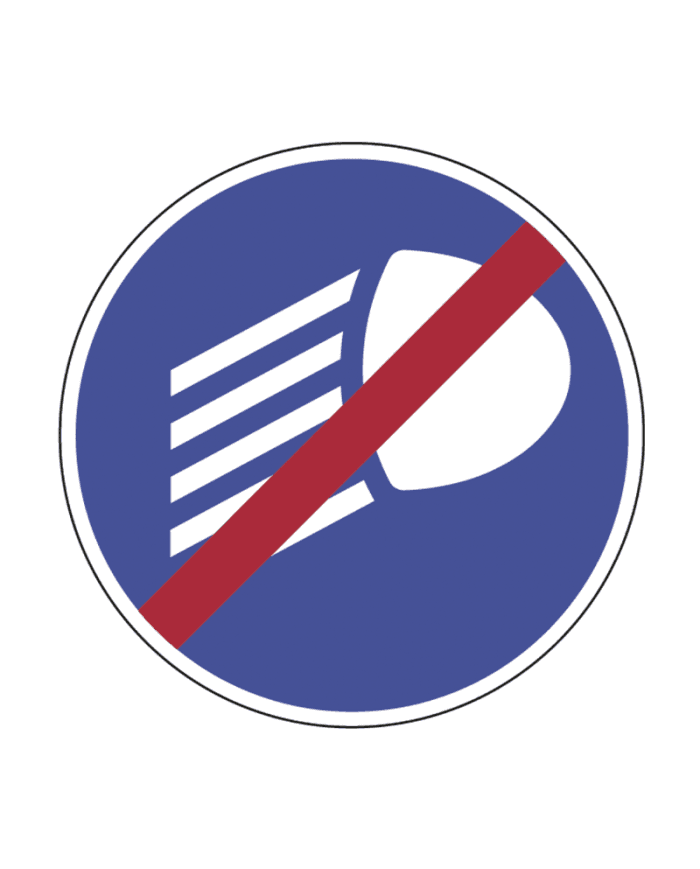
The D16 - D16 - Fim da obrigação de utilizar as luzes de cruzamento acesas (Fim da obrigação de utilizar as luzes de cruzamento acesas) road sign may also be known by these alternative names or terms.
The D16 - D16 - Fim da obrigação de utilizar as luzes de cruzamento acesas (Fim da obrigação de utilizar as luzes de cruzamento acesas) road sign is part of the Mandatory Signs category, which groups together signs with similar rules and functions.
Comparing adjacent or similar road signs, like the D16 and related D10, sharpens your recall for the Portuguese theory test. Effective traffic sign comparison aids sign recognition and reduces errors during your exam preparation.
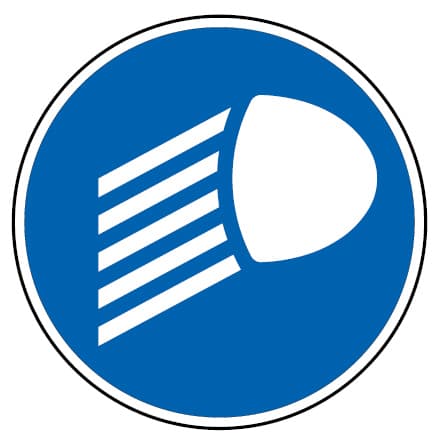
D10: You Must Use Your Dipped Headlights (Médios)
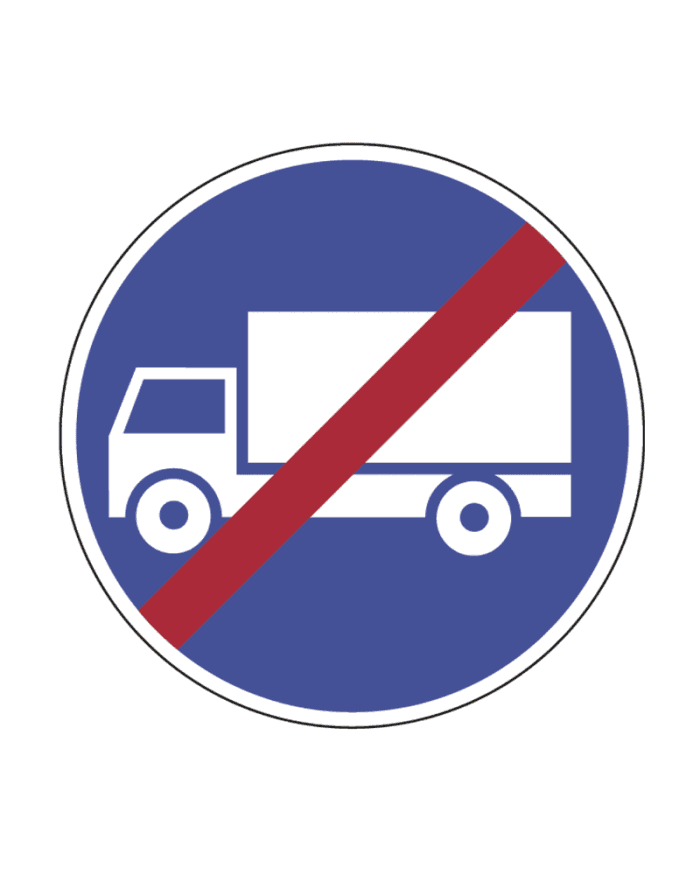
D11a: Mandatory Lane for Goods Vehicles Ends Here
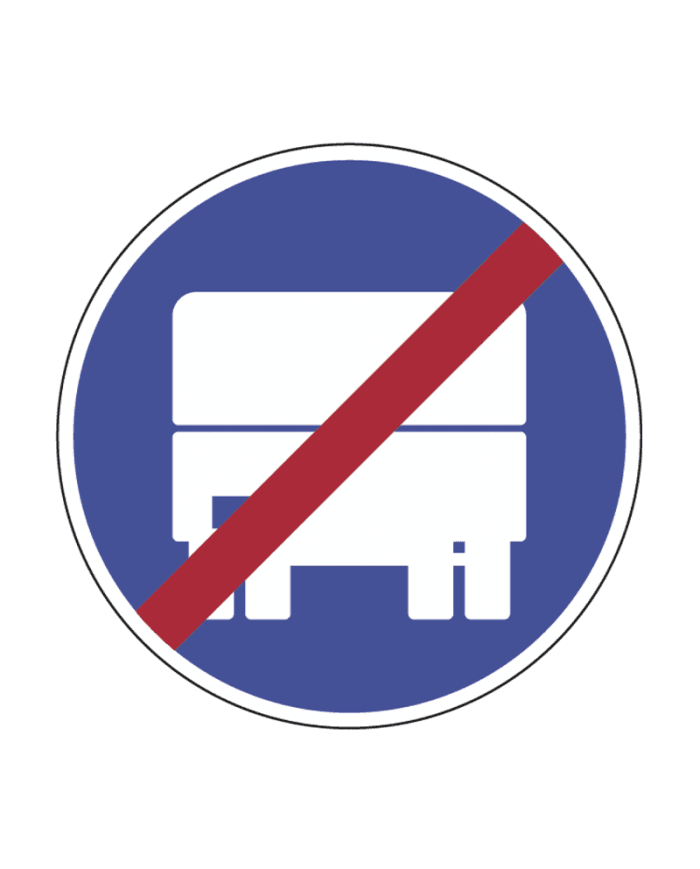
D11b: Mandatory Lane for Heavy Vehicles Ends Here
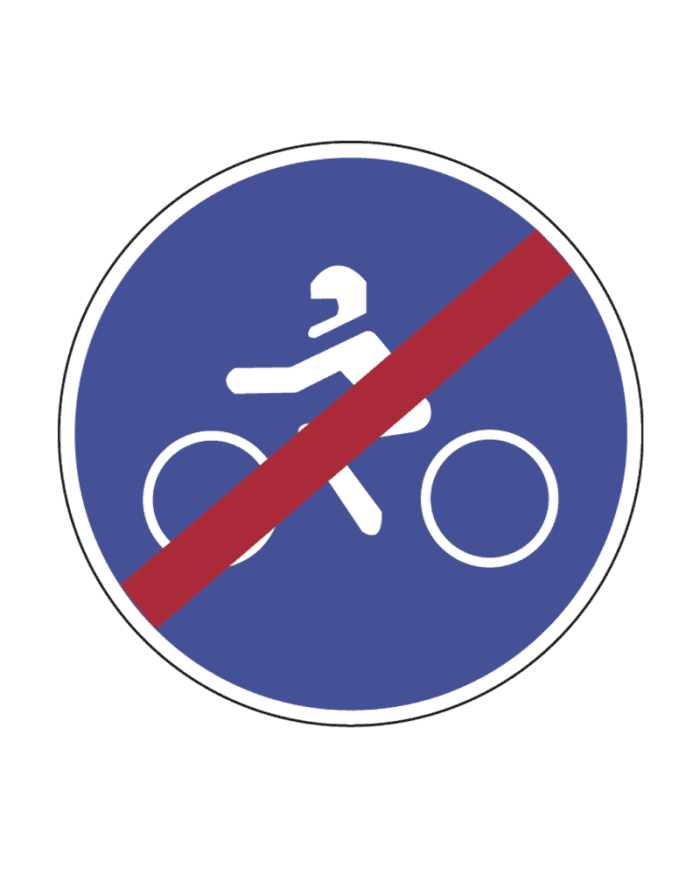
D11c: Mandatory Lane for Motorcycles Has Ended
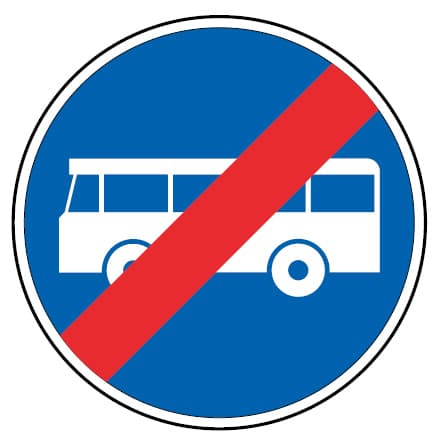
D12: Fim da via reservada a veículos de transporte público - End of the bus lane ahead!
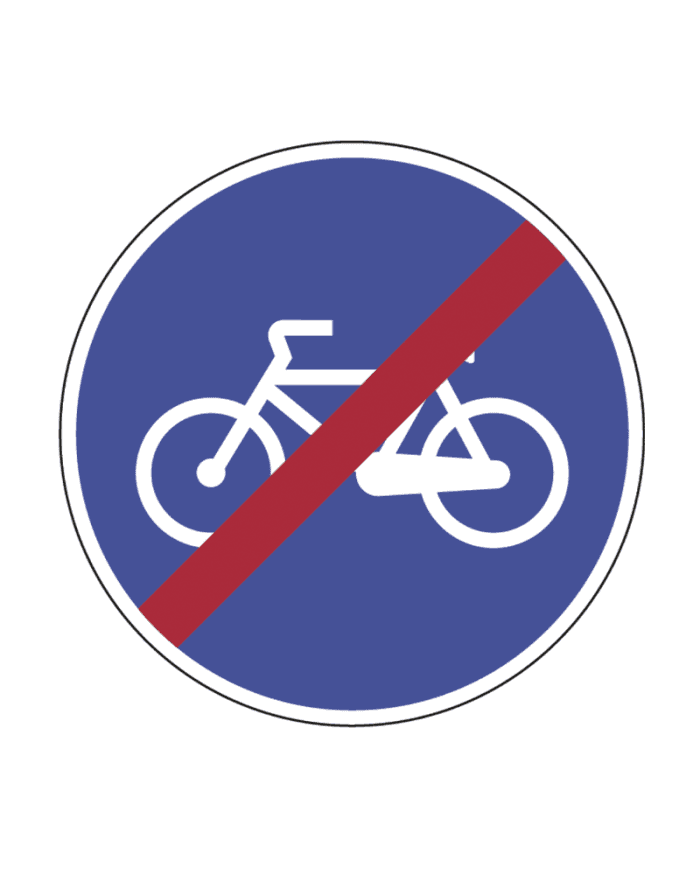
You've Reached the End of the Mandatory Cycle Path: D13a Sign
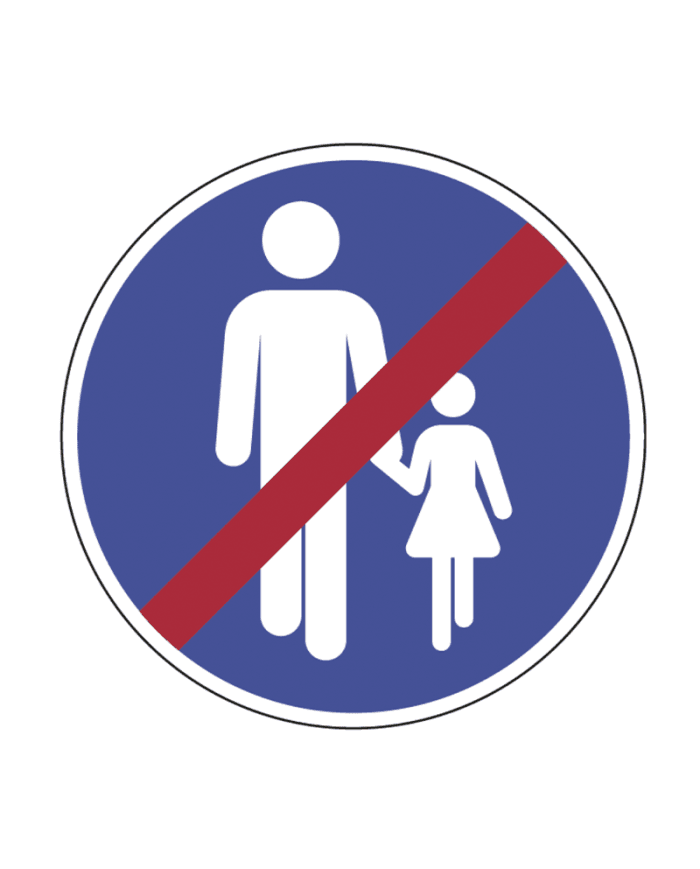
D13b: Mandatory Footpath for Pedestrians Ends Here
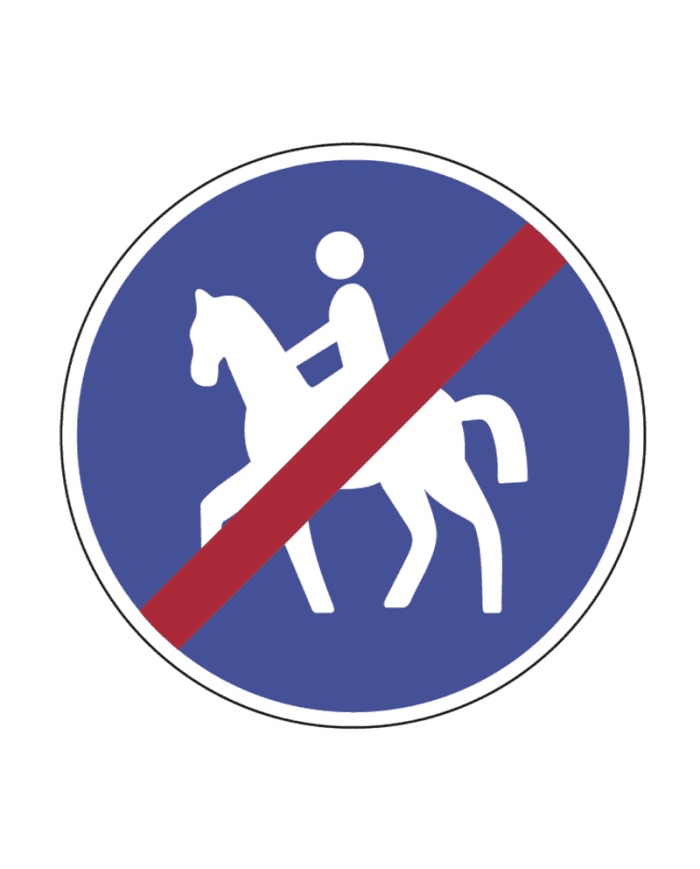
D13c: The Mandatory Lane for Horse Riders Has Ended
After reviewing the full list, explore signs by specific categories such as warning, regulatory, or informational to deepen your understanding. Practise recognizing signs in context and prepare effectively for your Portuguese driving licence theory test.
All Portuguese Road Signs List