The D1e Mandatory Direction sign, officially 'Sentido obrigatório' in Portuguese, is a crucial mandatory sign from Portugal's traffic regulations. It uses a blue background with a white arrow, indicating a clear obligation for drivers to follow the direction shown. This sign demands a positive action – you must proceed in the indicated direction, lane, or route without deviating.
This D1e mandatory sign dictates that you must follow the direction indicated by the arrow, a crucial element for passing your Portuguese theory test. Mastering road sign meaning and traffic sign explanation is key to safe driving and exam success.
D1e - Sentido obrigatório (Sentido obrigatório) belongs to the Portuguese mandatory signs category in the Regulamento de Sinalização do Trânsito. It normally uses the blue mandatory style, meaning the driver must perform the indicated positive action rather than merely avoid something. The official wording is: sentido obrigatório: indicação da obrigação de seguir no sentido indicado pela seta inscrita no sinal. It creates a positive duty to follow the indicated route, direction, lane, track, equipment requirement, or road-user rule. For theory preparation, connect the sign to a concrete driving decision: where to look, when to slow, whether to stop or yield, which route or lane to choose, and whether any panel changes the scope of the rule. On the road, interpret it together with markings, traffic lights, police directions, temporary works signs, and any additional panel placed with it. A strong exam answer explains both recognition and behaviour: not only what the sign is called, but what a safe and lawful driver must do next.
D1e - Sentido obrigatório (Sentido obrigatório) means that the driver must understand and apply this official Portuguese instruction: sentido obrigatório: indicação da obrigação de seguir no sentido indicado pela seta inscrita no sinal. In practical terms, you should position early and follow the indicated direction, route, lane, track, or road-user obligation without improvising a different movement.
Get clear, practical answers to the most common questions about the D1e - D1e - Sentido obrigatório (Sentido obrigatório) road sign. Learn how the sign works, what rules it represents, and how it affects real driving situations. This FAQ strengthens your understanding and supports accurate decision making for the Portuguese driving theory exam in Portugal.
The D1e sign, meaning 'Mandatory Direction' or 'Sentido obrigatório', legally requires you to follow the direction indicated by the arrow on the sign. You cannot improvise or choose a different manoeuvre; you must comply with the specified route or lane.
Your obligation is to follow the exact direction shown by the arrow on the D1e sign. This applies to your lane, route, or track. You should prepare to follow it in advance and proceed as indicated until another sign modifies the rule.
A common exam trap is confusing mandatory signs with information signs. The D1e sign enforces an obligation, meaning you *must* follow the indicated direction. Failing to do so or attempting a different manoeuvre is a violation, unlike with advisory signs.
No, convenience is not a factor. The D1e sign signifies a mandatory instruction. You must follow the direction indicated by the arrow. Choosing a different direction would be ignoring a traffic order and could lead to an accident or penalty.
Learners sometimes misunderstand that this sign might be optional or merely suggestive. However, its blue mandatory style clearly indicates a positive duty to follow the arrow. It's also important not to confuse it with signs that only prohibit certain movements; this sign dictates a required one.
You must interpret the D1e sign in conjunction with road markings, traffic lights, police instructions, and any additional panels beneath it. These elements can further specify the obligation or its scope. Always follow the hierarchy of traffic control, with direct instructions from police or emergency personnel taking precedence.
A clear reference image of the D1e - D1e - Sentido obrigatório (Sentido obrigatório) road sign used in Portugal.
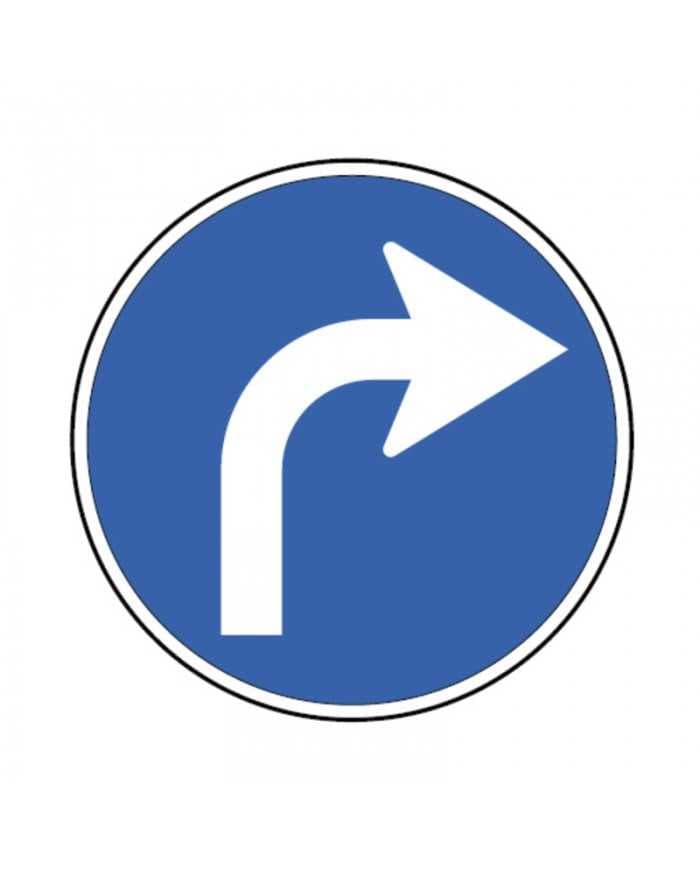
The D1e - D1e - Sentido obrigatório (Sentido obrigatório) road sign may also be known by these alternative names or terms.
The D1e - D1e - Sentido obrigatório (Sentido obrigatório) road sign is part of the Mandatory Signs category, which groups together signs with similar rules and functions.
Reviewing related road signs, like D1e, helps solidify your knowledge and reduces confusion for your Portuguese driving theory exam. Mastering sign recognition and traffic sign comparison is crucial for theory test revision and safe driving.
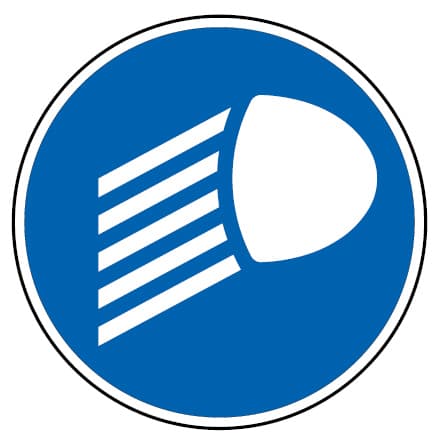
D10: You Must Use Your Dipped Headlights (Médios)
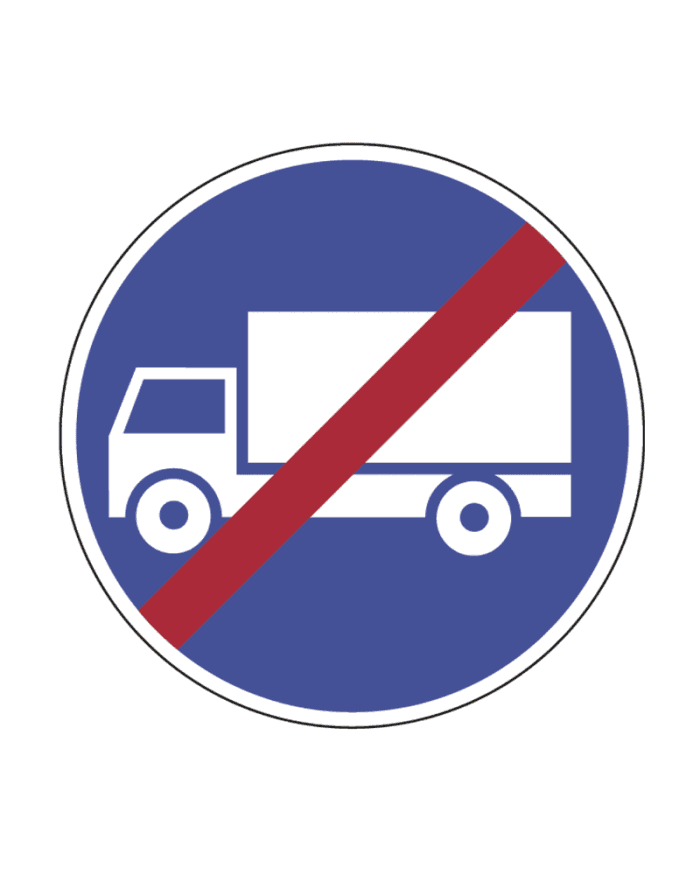
D11a: Mandatory Lane for Goods Vehicles Ends Here
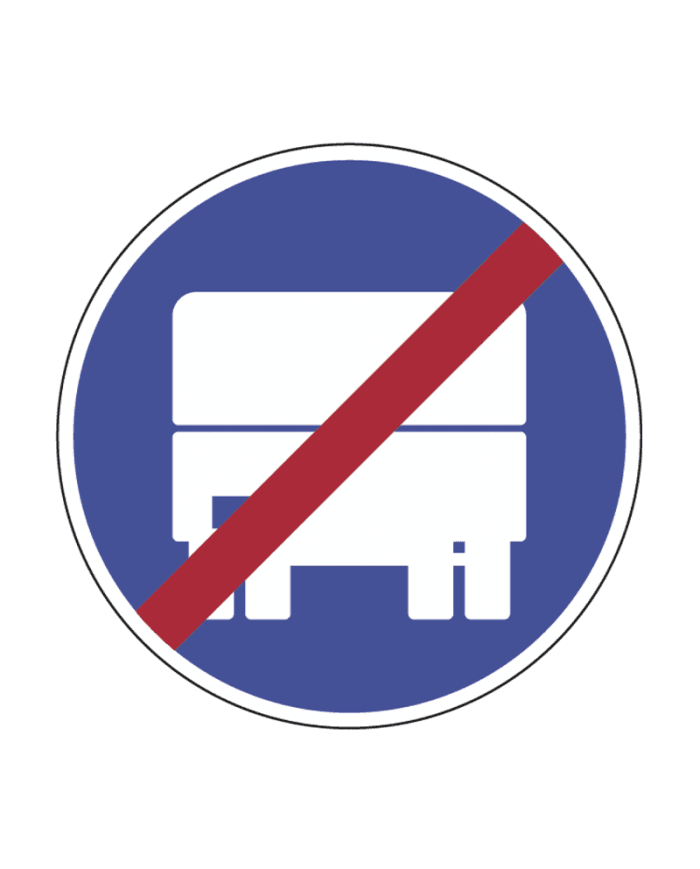
D11b: Mandatory Lane for Heavy Vehicles Ends Here
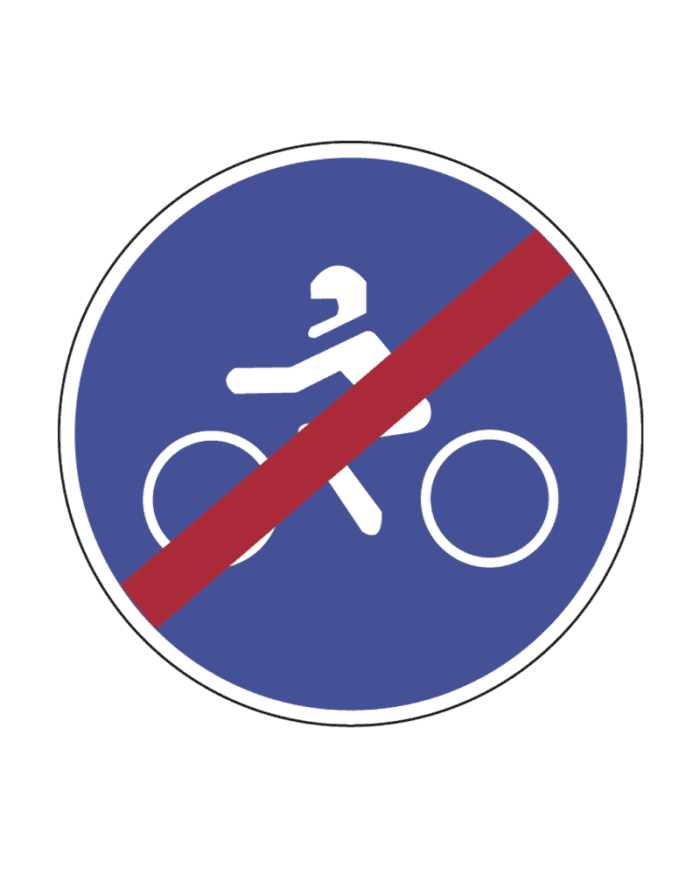
D11c: Mandatory Lane for Motorcycles Has Ended
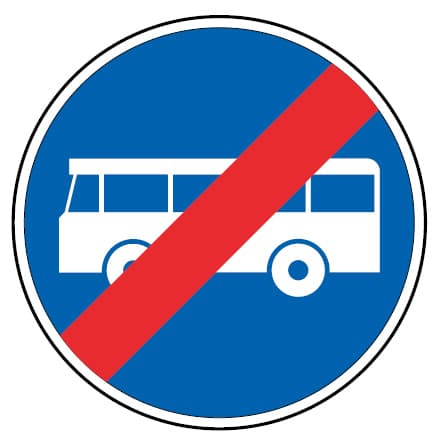
D12: Fim da via reservada a veículos de transporte público - End of the bus lane ahead!
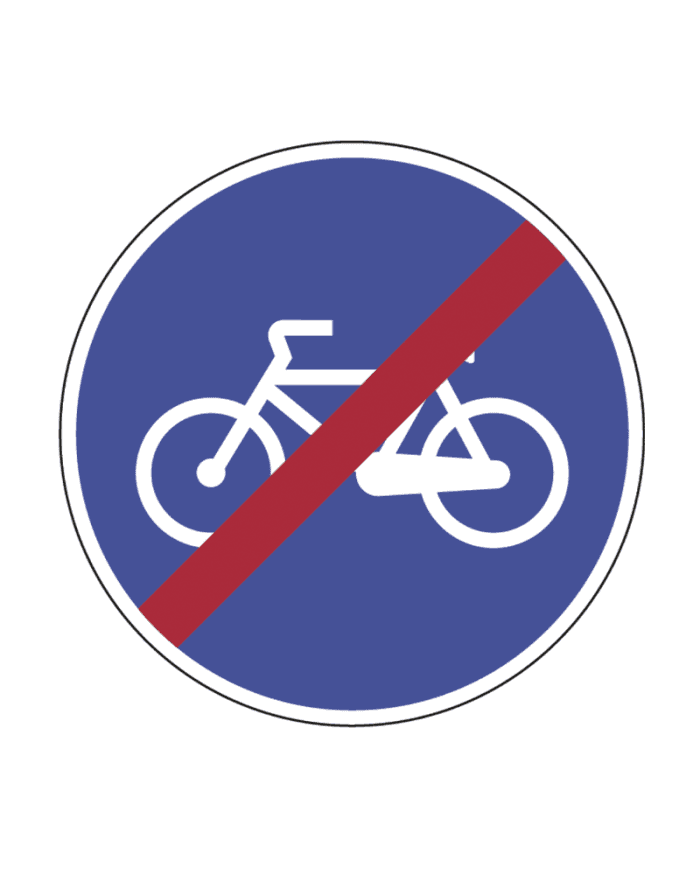
You've Reached the End of the Mandatory Cycle Path: D13a Sign
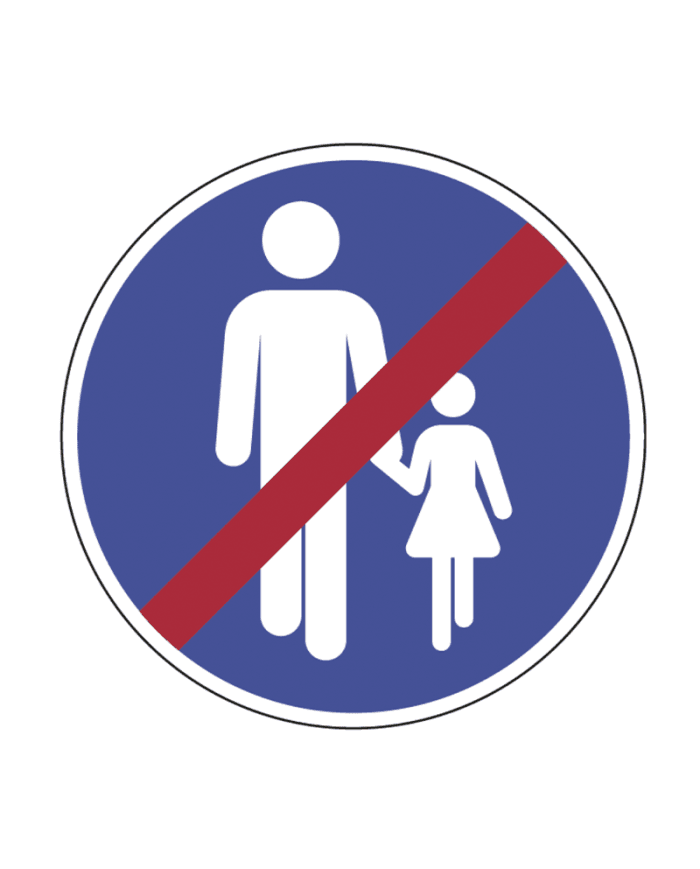
D13b: Mandatory Footpath for Pedestrians Ends Here
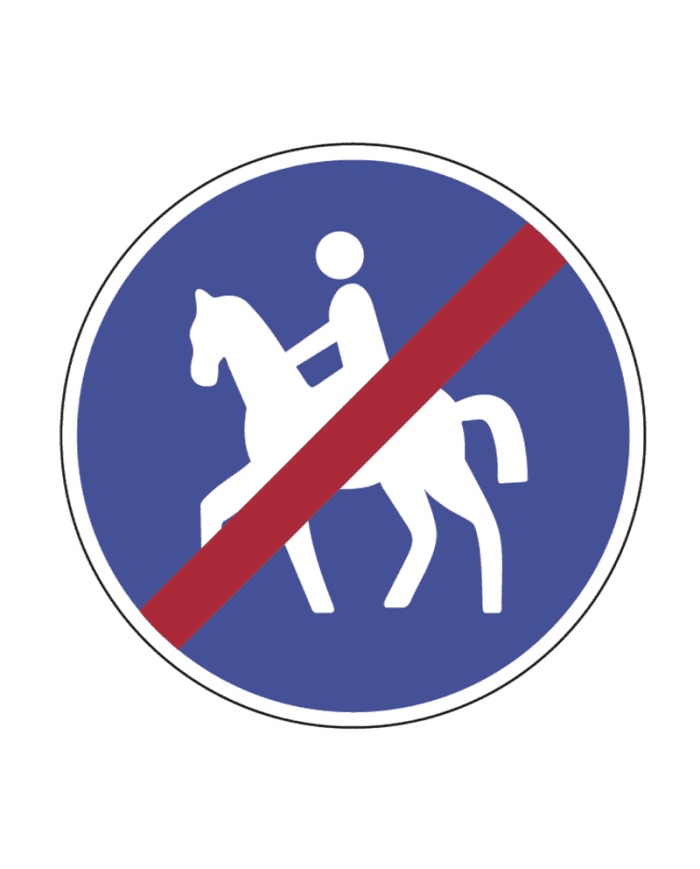
D13c: The Mandatory Lane for Horse Riders Has Ended
After reviewing the full list, explore signs by specific categories such as warning, regulatory, or informational to deepen your understanding. Practise recognizing signs in context and prepare effectively for your Portuguese driving licence theory test.
All Portuguese Road Signs List