
The D5a sign is a mandatory traffic sign in Portugal, indicating a specific lane or route that must be used by goods vehicles (automóveis de mercadorias). This sign, typically blue with white symbols, dictates a positive action for drivers of such vehicles, meaning they are required to use the designated lane. Any additional panel indicating a weight limit will specify that this obligation only applies to vehicles exceeding that specified gross weight.
This essential road sign explanation clarifies the D5a 'Mandatory Lane for Goods Vehicles' rule, crucial for theory test revision. Grasping its specific meaning helps drivers comply with Portuguese traffic law and enhances road safety.
D5a - Via obrigatória para automóveis de mercadorias (Via obrigatória para automóveis de mercadorias) belongs to the Portuguese mandatory signs category in the Regulamento de Sinalização do Trânsito. It normally uses the blue mandatory style, meaning the driver must perform the indicated positive action rather than merely avoid something. The official wording is: via obrigatória para automóveis de mercadorias: indicação da obrigação para todos os automóveis de mercadorias de circularem pela via de trânsito a que se refere o sinal; a inscrição do peso, em toneladas, em painel adicional, indica que a obrigação só se aplica quando o peso bruto do veículo ou conjunto de veículos for superior ao peso referido. It creates a positive duty to follow the indicated route, direction, lane, track, equipment requirement, or road-user rule. For theory preparation, connect the sign to a concrete driving decision: where to look, when to slow, whether to stop or yield, which route or lane to choose, and whether any panel changes the scope of the rule. On the road, interpret it together with markings, traffic lights, police directions, temporary works signs, and any additional panel placed with it. A strong exam answer explains both recognition and behaviour: not only what the sign is called, but what a safe and lawful driver must do next.
D5a - Via obrigatória para automóveis de mercadorias (Via obrigatória para automóveis de mercadorias) means that the driver must understand and apply this official Portuguese instruction: via obrigatória para automóveis de mercadorias: indicação da obrigação para todos os automóveis de mercadorias de circularem pela via de trânsito a que se refere o sinal; a inscrição do peso, em toneladas, em painel adicional, indica que a obrigação só se aplica quando o peso bruto do veículo ou conjunto de veículos for superior ao peso referido. In practical terms, you should position early and follow the indicated direction, route, lane, track, or road-user obligation without improvising a different movement.
Get clear, practical answers to the most common questions about the D5a - D5a - Via obrigatória para automóveis de mercadorias (Via obrigatória para automóveis de mercadorias) road sign. Learn how the sign works, what rules it represents, and how it affects real driving situations. This FAQ strengthens your understanding and supports accurate decision making for the Portuguese driving theory exam in Portugal.
The D5a sign means that all goods vehicles, or those exceeding a specific weight if indicated on an additional panel, must use the lane or route indicated by the sign. You cannot choose another lane or route; this is a mandatory instruction for your vehicle category.
If the D5a sign has a supplementary panel showing a weight in tonnes, this means the mandatory lane obligation only applies to goods vehicles whose gross vehicle weight (or combined weight if towing) is greater than the weight shown on the panel.
Yes, drivers of goods vehicles to whom the sign applies are prohibited from ignoring the designated lane or route, making a different manoeuvre without permission, or using a route reserved for other road user categories. You must follow the instruction.
As a goods vehicle driver subject to the D5a sign, you should position your vehicle early, signal predictably if changing lanes to enter the designated one, and follow the indicated direction or lane. Continue following this obligation until another sign or road layout permits otherwise.
No, the D5a sign is a mandatory sign, typically blue, which means it requires a positive action from the driver. It's not an informational sign suggesting a route; it's an instruction that must be followed by the specified vehicles.
You are likely to see the D5a sign on approach to junctions, complex road layouts, or sections of road where traffic management is necessary to ensure smooth flow, particularly for heavy goods vehicles. It helps to separate traffic or guide heavy vehicles onto specific routes.
A clear reference image of the D5a - D5a - Via obrigatória para automóveis de mercadorias (Via obrigatória para automóveis de mercadorias) road sign used in Portugal.
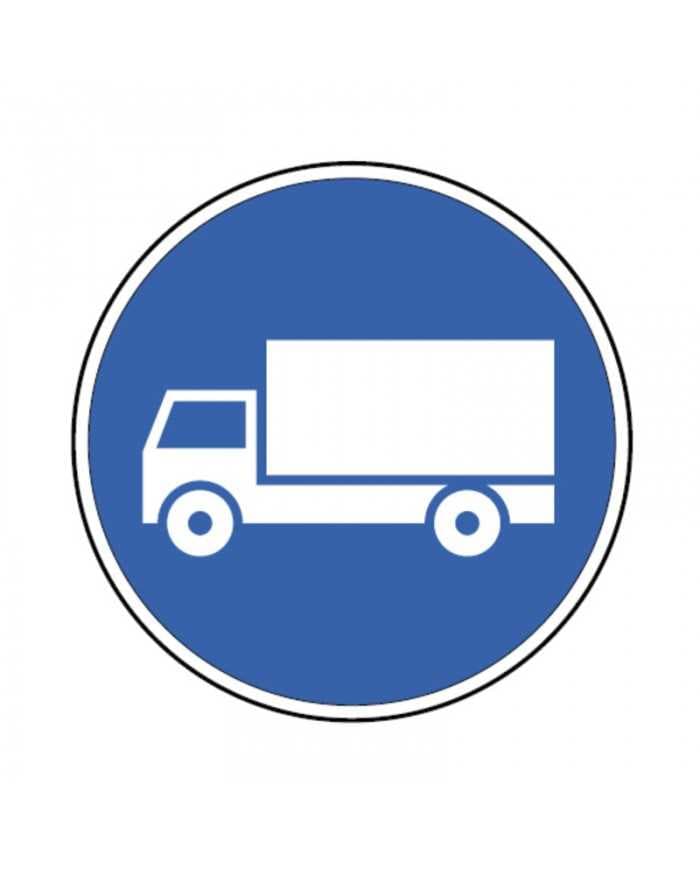
The D5a - D5a - Via obrigatória para automóveis de mercadorias (Via obrigatória para automóveis de mercadorias) road sign may also be known by these alternative names or terms.
The D5a - D5a - Via obrigatória para automóveis de mercadorias (Via obrigatória para automóveis de mercadorias) road sign is part of the Mandatory Signs category, which groups together signs with similar rules and functions.
Understanding distinctions between similar road signs is key for theory test revision. Comparing these signs aids recognition and reduces errors, crucial for your driving knowledge. Explore more similar road signs to master traffic sign comparison.
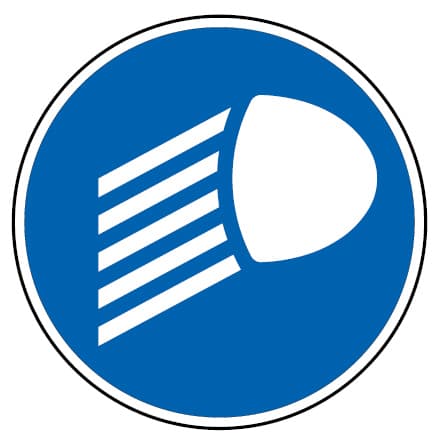
D10: You Must Use Your Dipped Headlights (Médios)
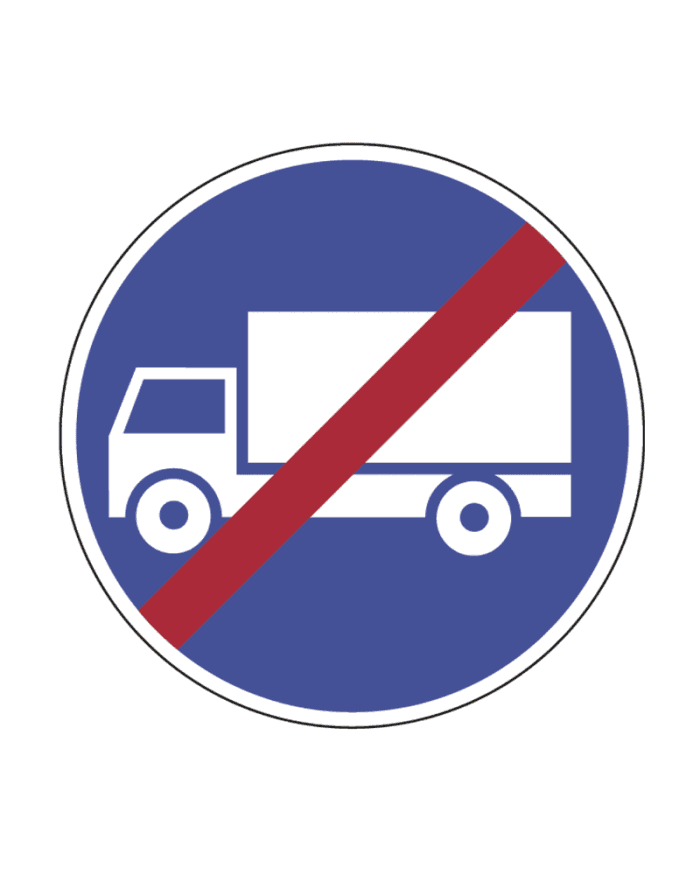
D11a: Mandatory Lane for Goods Vehicles Ends Here
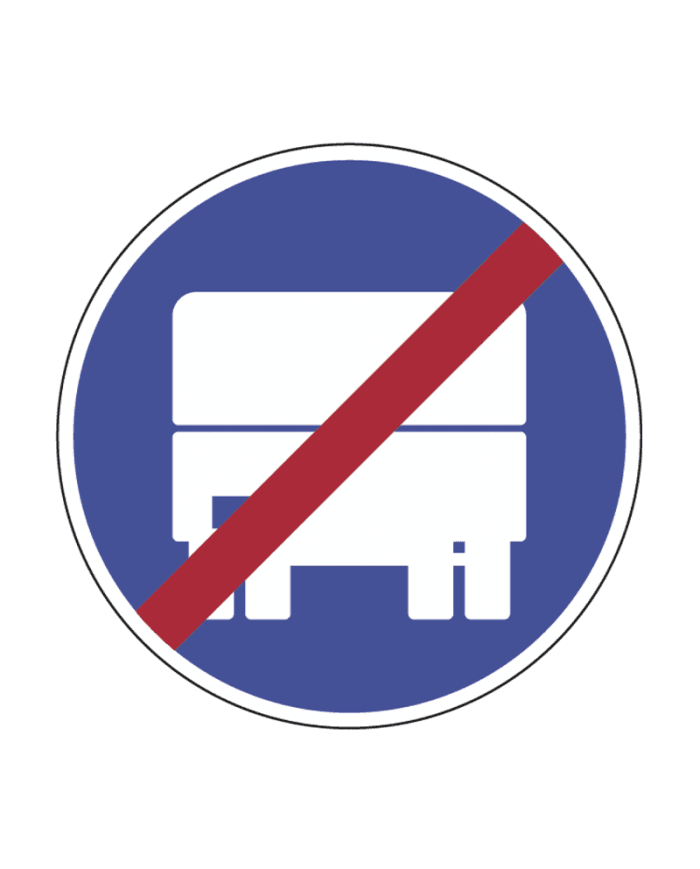
D11b: Mandatory Lane for Heavy Vehicles Ends Here
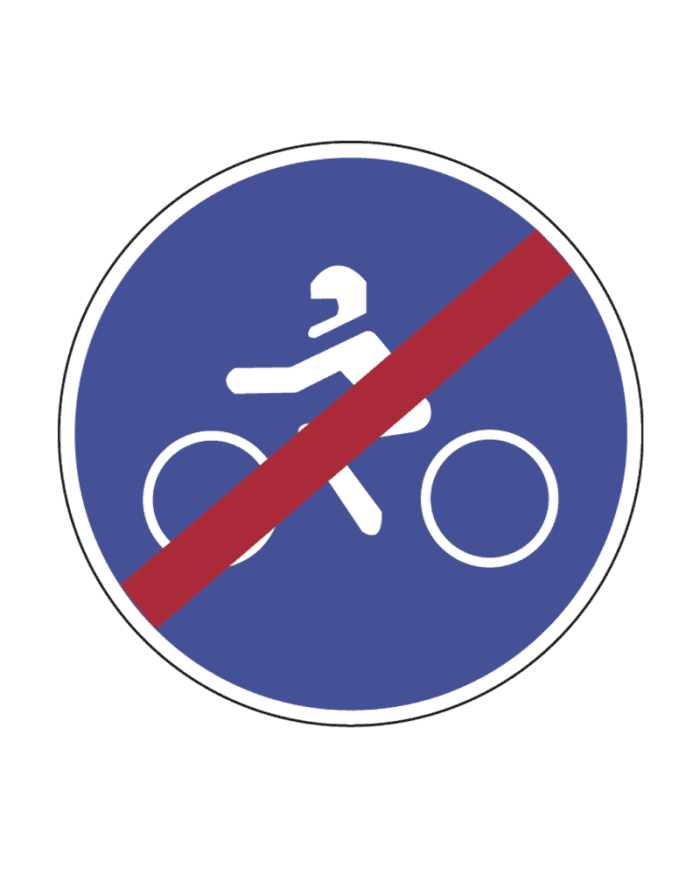
D11c: Mandatory Lane for Motorcycles Has Ended
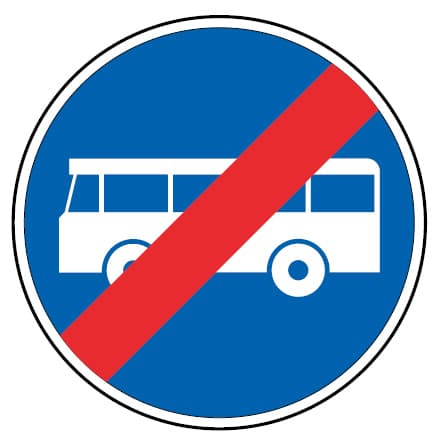
D12: Fim da via reservada a veículos de transporte público - End of the bus lane ahead!
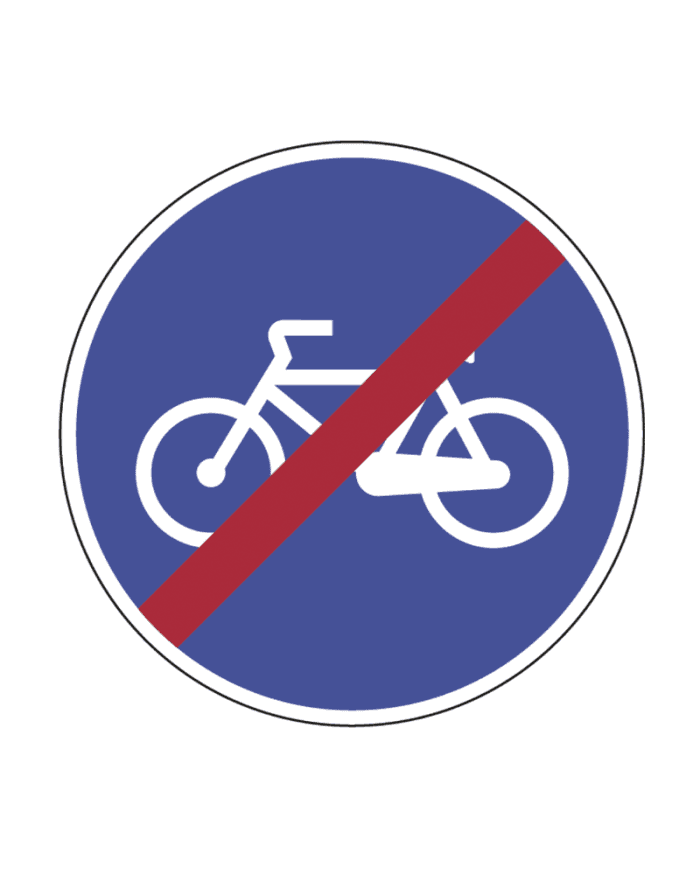
You've Reached the End of the Mandatory Cycle Path: D13a Sign
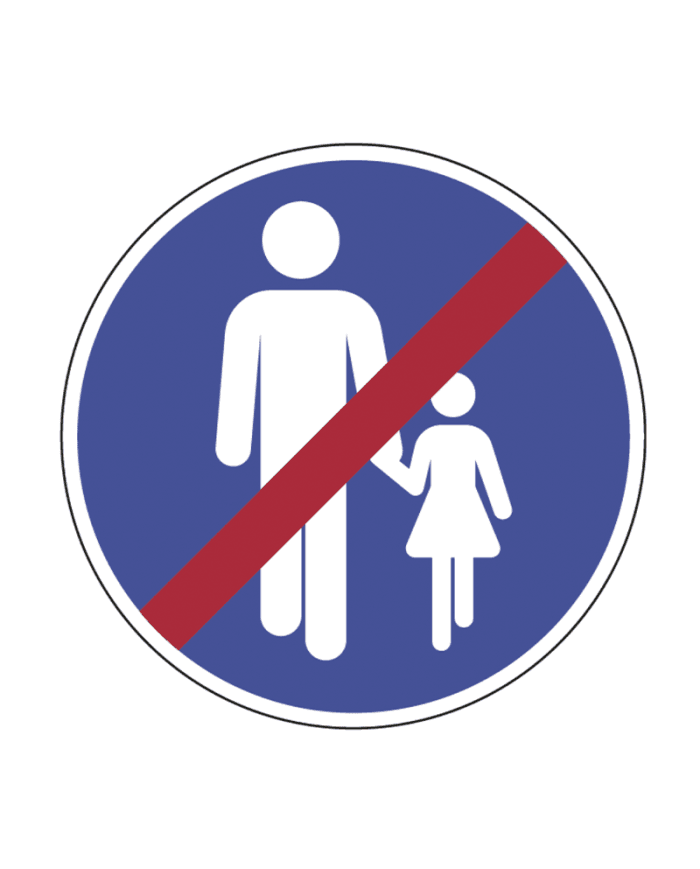
D13b: Mandatory Footpath for Pedestrians Ends Here
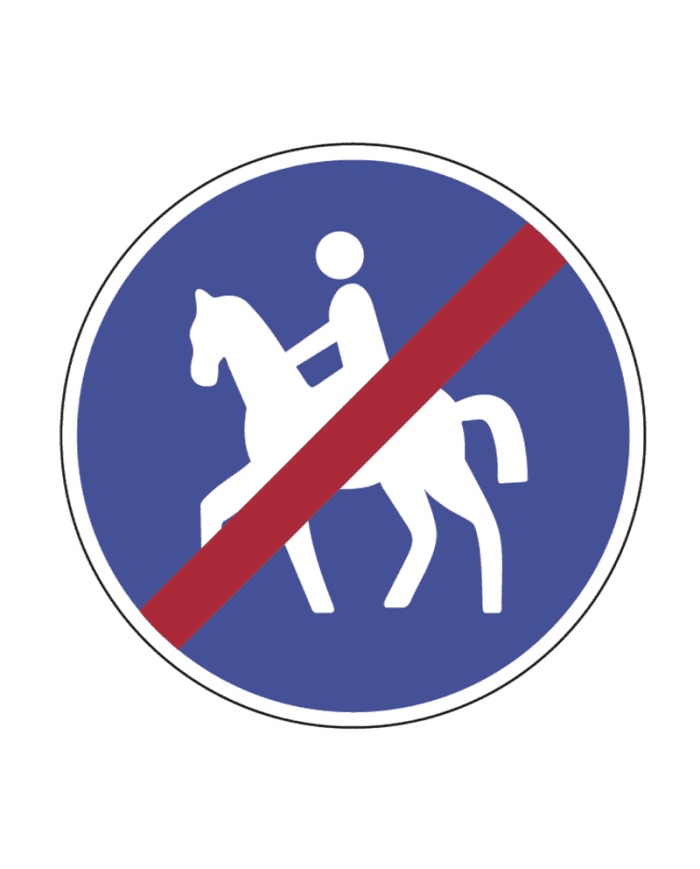
D13c: The Mandatory Lane for Horse Riders Has Ended
After reviewing the full list, explore signs by specific categories such as warning, regulatory, or informational to deepen your understanding. Practise recognizing signs in context and prepare effectively for your Portuguese driving licence theory test.
All Portuguese Road Signs List