
The G7b road sign in Portugal signifies the end of an area where stopping and parking were prohibited. As you approach this sign, you can understand that the previous restriction no longer applies, and normal parking rules for the area are now in effect. Always check for any additional panels that might have specified days, times, or vehicle types for the original restriction. This sign is crucial for understanding when and where you can legally stop or park your vehicle.
This sign marks the end of a restricted area, signaling that stopping and parking are now permitted. Understanding its precise meaning is crucial for your Portuguese theory test revision, aiding in correct traffic sign interpretation.
G7b - Fim de zona de paragem e estacionamento proibidos (Fim de zona de paragem e estacionamento proibidos) belongs to the Portuguese zone signs category in the Regulamento de Sinalização do Trânsito. It is designed as a start/end area sign, reminding drivers that the rule continues beyond the sign location. The official wording is: fim de zona de paragem e estacionamento proibidos: indicação de que terminou a zona em que a paragem e o estacionamento eram proibidos. It starts or ends an area-wide rule that continues beyond the sign itself. For theory preparation, connect the sign to a concrete driving decision: where to look, when to slow, whether to stop or yield, which route or lane to choose, and whether any panel changes the scope of the rule. On the road, interpret it together with markings, traffic lights, police directions, temporary works signs, and any additional panel placed with it. A strong exam answer explains both recognition and behaviour: not only what the sign is called, but what a safe and lawful driver must do next.
G7b - Fim de zona de paragem e estacionamento proibidos (Fim de zona de paragem e estacionamento proibidos) means that the driver must understand and apply this official Portuguese instruction: fim de zona de paragem e estacionamento proibidos: indicação de que terminou a zona em que a paragem e o estacionamento eram proibidos. In practical terms, you should avoid parking in the signed area and check any additional panel for days, hours, vehicle classes, or the length of the restriction.
Get clear, practical answers to the most common questions about the G7b - G7b - Fim de zona de paragem e estacionamento proibidos (Fim de zona de paragem e estacionamento proibidos) road sign. Learn how the sign works, what rules it represents, and how it affects real driving situations. This FAQ strengthens your understanding and supports accurate decision making for the Portuguese driving theory exam in Portugal.
The G7b sign, officially 'Fim de zona de paragem e estacionamento proibidos', indicates that the zone where stopping and parking were previously forbidden has now ended. You can now stop or park according to the general rules applicable to the area, unless other signs or markings indicate otherwise.
Upon seeing the G7b sign, you should recognise that the restriction on stopping and parking no longer applies from this point onwards. You can now plan to stop or park here if it is otherwise permitted by road markings and general traffic rules.
A common exam trap with the G7b sign is assuming that just because the restriction has ended, any stopping or parking is permissible. Always remember to consider other road markings, such as yellow lines or bay markings, and general rules about where parking is allowed or disallowed. Also, drivers might forget to check if an additional panel defined a specific duration for the previous restriction.
No, the G7b sign only indicates the end of a specific prohibition zone. You must still adhere to all other traffic signs, road markings, and general traffic laws that regulate stopping and parking in Portugal. For instance, you cannot stop on a pedestrian crossing or park in a way that obstructs traffic, even after seeing this sign.
The additional panel accompanying the original 'no stopping/parking zone' sign (e.g., G7a) might have specified days, times, or types of vehicles affected. The G7b sign signifies the end of that entire restricted zone, regardless of the details on any additional panel that may have been present.
A clear reference image of the G7b - G7b - Fim de zona de paragem e estacionamento proibidos (Fim de zona de paragem e estacionamento proibidos) road sign used in Portugal.
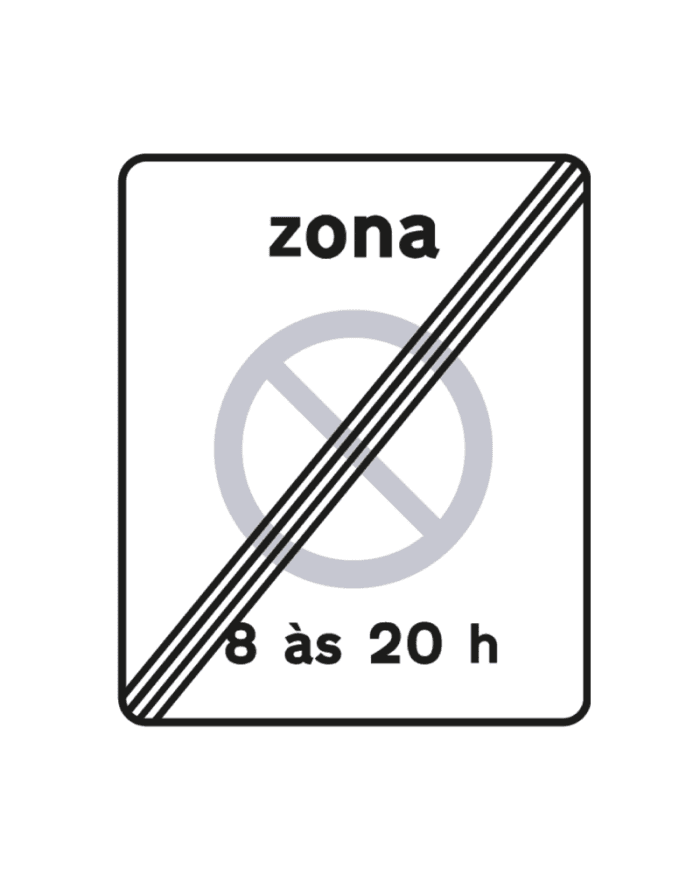
The G7b - G7b - Fim de zona de paragem e estacionamento proibidos (Fim de zona de paragem e estacionamento proibidos) road sign may also be known by these alternative names or terms.
The G7b - G7b - Fim de zona de paragem e estacionamento proibidos (Fim de zona de paragem e estacionamento proibidos) road sign is part of the Zone Signs category, which groups together signs with similar rules and functions.
Comparing signs like 'G7b - Fim de zona de paragem e estacionamento proibidos' with related zone signs aids theory test revision by highlighting subtle differences. Sharpen your sign recognition skills and avoid common mistakes with targeted traffic sign comparison.
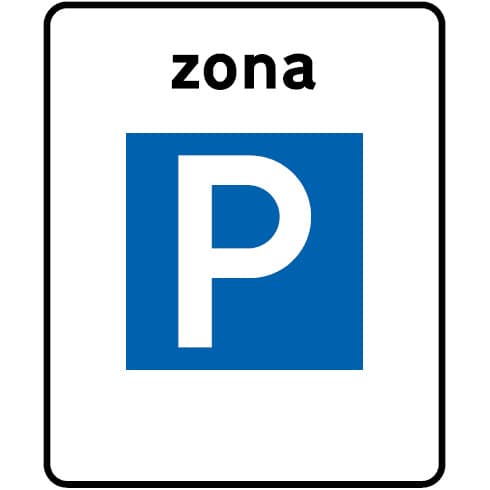
G1 Zona de estacionamento autorizado: Entrance to Permitted Parking Area
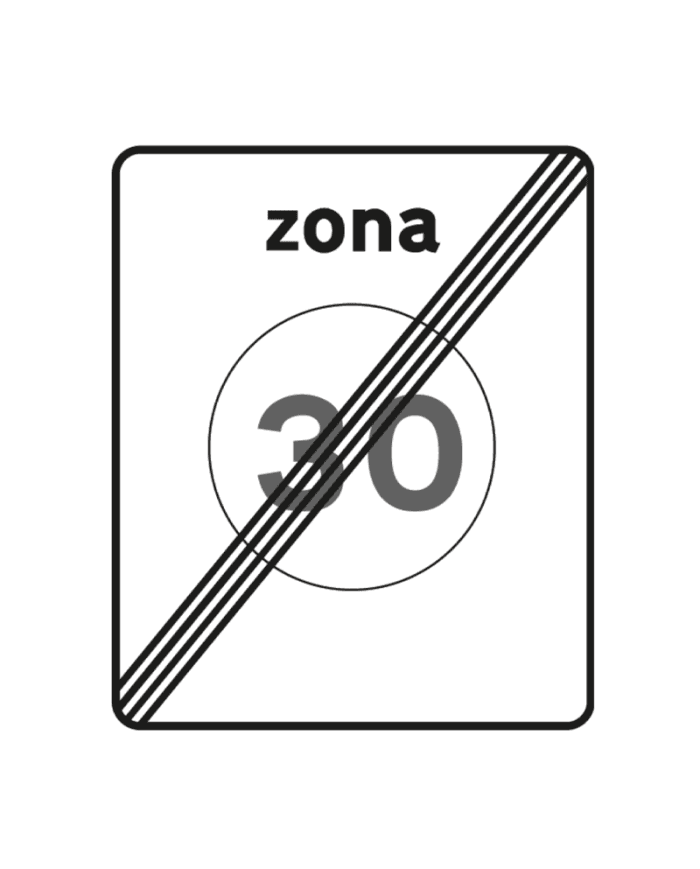
The G10 sign marks the end of a 30 km/h speed limit zone.
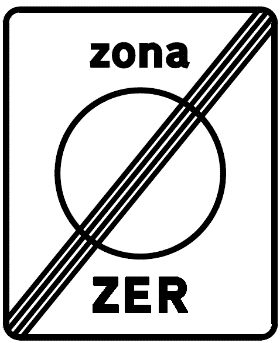
End of Reduced Emissions Zone (ZER) Sign (G11)
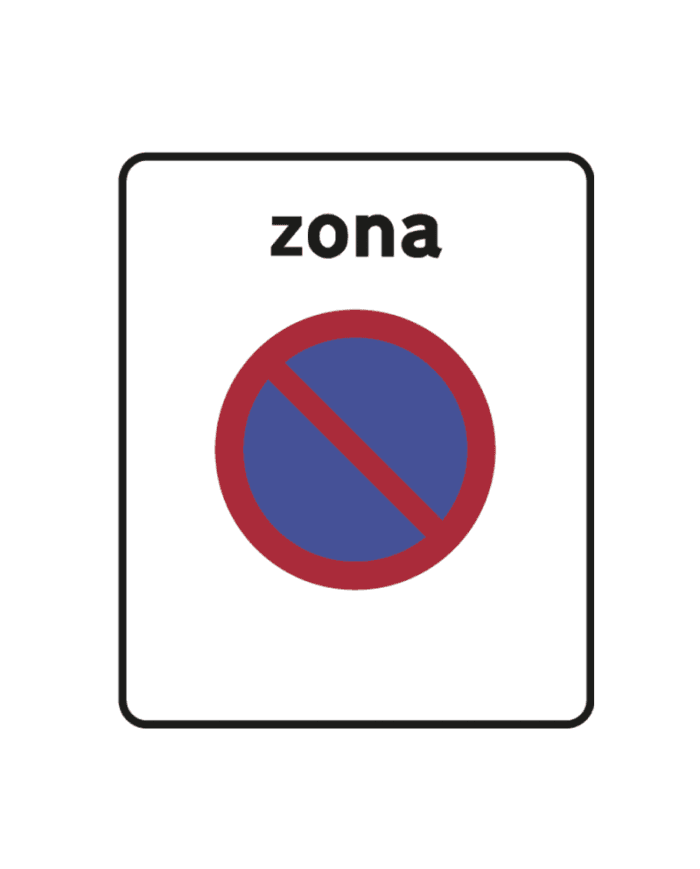
G2a Sign: Entering a No Parking Zone in Portugal
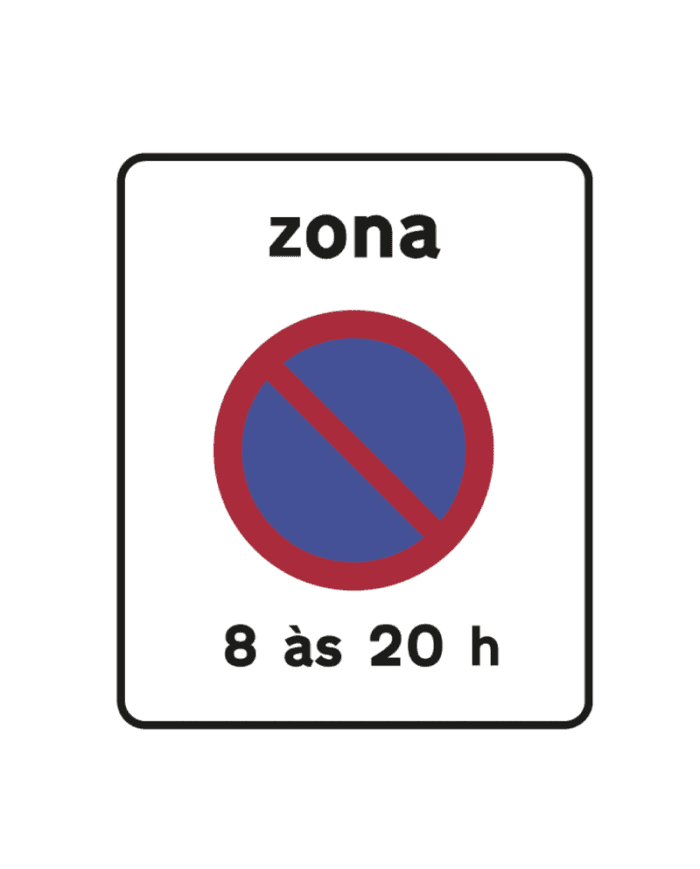
The G2b sign indicates the start of a zone where parking is prohibited.
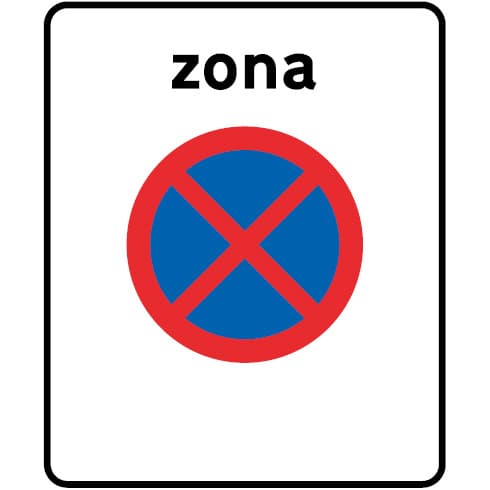
G3: Entering a Zone Where Stopping and Parking Are Prohibited
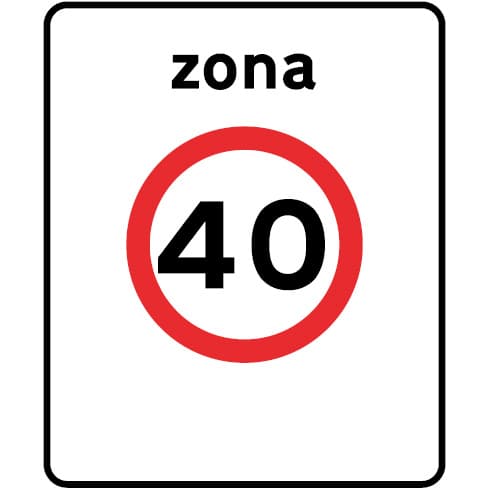
G4 Zona de Velocidade Limitada: Enter a Designated Speed Zone
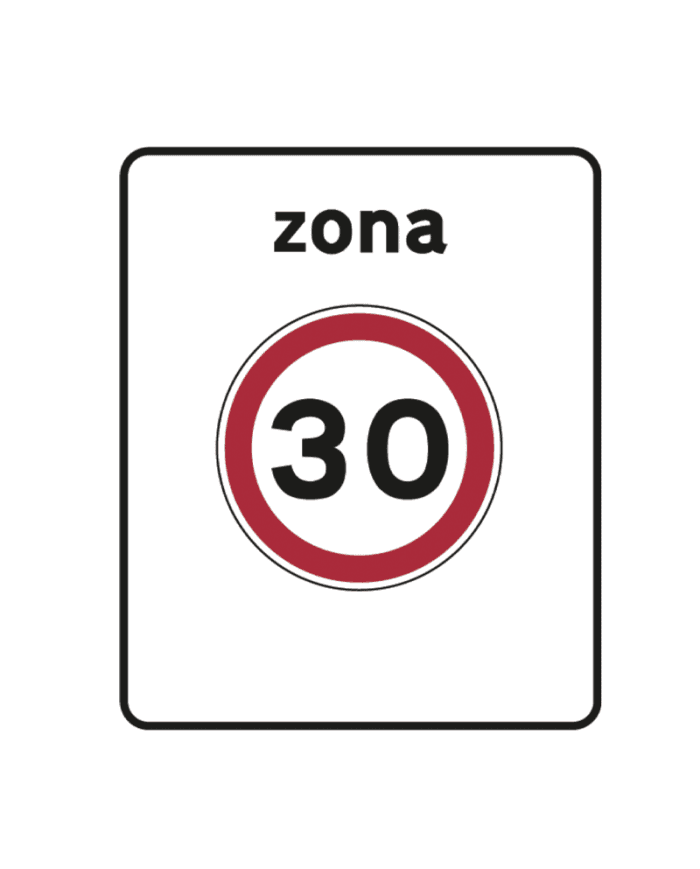
Understand the G4a 'Zona 30 km/h' sign and enter a 30 km/h speed limit zone.
After reviewing the full list, explore signs by specific categories such as warning, regulatory, or informational to deepen your understanding. Practise recognizing signs in context and prepare effectively for your Portuguese driving licence theory test.
All Portuguese Road Signs List