
This lesson guides you through the critical speed management rules required for operating Category D passenger vehicles in Ireland. You will learn how vehicle size, passenger load, and adverse weather conditions necessitate precise speed adjustments to ensure safety. This module prepares you to navigate Irish speed restrictions confidently while prioritizing passenger welfare.
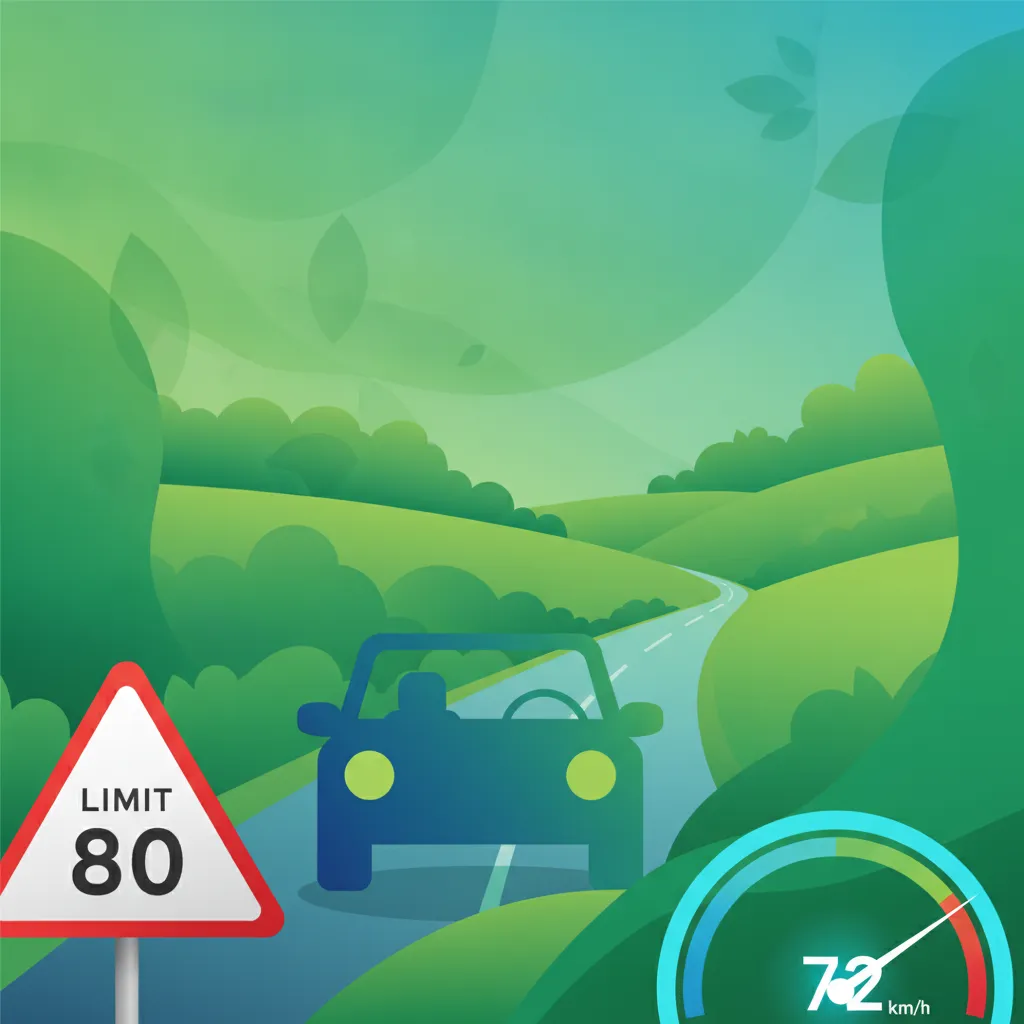
Lesson content overview
Mastering speed management is one of the most critical responsibilities of a professional passenger vehicle driver in Ireland. Operating a large, heavy vehicle—such as a Category D bus or Category D1 minibus—requires a deep understanding of how velocity affects vehicle dynamics, passenger safety, and stopping distances. Unlike light passenger cars, passenger-carrying vehicles possess high centres of gravity and substantial passenger loads, making them highly susceptible to instability, skidding, and extended braking distances.
To pass the Irish Driver Theory Test and operate safely on public roads, you must master both the legal speed limits designated for passenger vehicles and the practical principles of "safe speed" under varying conditions. This lesson details the statutory speed limits on Irish roads, the physics of heavy vehicle dynamics, the impact of passenger loads, and the techniques professional drivers use to prioritize public safety over schedule adherence.
In Ireland, speed limits are regulated under the Road Traffic Acts. It is a common misconception that the speed limits posted on road signs apply equally to all vehicles. Large passenger vehicles, specifically buses and coaches within Category D and D1, are subject to strict vehicle-specific speed limits that are often lower than those for passenger cars.
The Road Safety Authority (RSA) defines the maximum legal speed limits for passenger vehicles as follows:
Many modern passenger vehicles in Ireland are fitted with speed limiters. A speed limiter is a governor that physically prevents the vehicle from accelerating beyond a set speed (typically 100 km/h for coaches and buses, and sometimes 90 km/h or 80 km/h depending on the vehicle classification and operations).
Crucial Compliance Note: Legally, a driver must never attempt to bypass, temper with, or ignore a speed limiter. The vehicle's speed and driver compliance are continuously recorded by the tachograph system. Exceeding the vehicle's governed limit or the road's statutory limit is a serious offence that can lead to severe penalties, loss of your professional CPC (Certificate of Professional Competence), and prosecution.
One of the most vital concepts for any professional driver is that the posted speed limit is a maximum limit, not a target. A legal speed is not guaranteed to be a safe speed. While you must never exceed the legal speed limit, you must frequently drive at a speed significantly below it to maintain absolute control of your vehicle.
The speed at which a professional driver can maintain complete control of the passenger vehicle and bring it to a safe, controlled stop within the distance they can see to be clear, taking into account the prevailing weather, road surface, traffic conditions, and passenger load.
Environmental factors drastically alter the traction between your tyres and the road surface. When traction decreases, your safe operating speed must decrease accordingly.
The physical handling of a Category D passenger vehicle changes dramatically based on its load. A double-deck bus, a single-deck coach, and a Category D1 minibus all behave differently when empty versus when they are fully loaded with passengers and luggage.
The physics of a heavy vehicle dictate that as mass increases, the energy required to stop or turn that vehicle increases exponentially.
When descending steep hills or mountain passes, gravity naturally accelerates the vehicle. Relying solely on the service brakes (footbrake) to control your speed is highly dangerous. Constant braking causes "brake fade," where the brake drums or discs overheat, severely reducing or completely eliminating their stopping power.
Anticipate the Descent: Assess the gradient and length of the hill ahead before you begin descending.
Reduce Speed Early: Slow the vehicle down using the service brakes before the incline begins.
Select a Lower Gear: Shift into a lower gear (or select manual mode in an automatic transmission). The engine's natural resistance (engine braking) will help control the vehicle's speed.
Utilize the Retarder: If equipped, engage the auxiliary braking system (such as an electromagnetic or hydraulic retarder) to manage speed without overheating the foundation brakes.
Maintain Safe Revs: Keep an eye on the tachometer to ensure the engine speed does not enter the red zone while engine braking.
Professional drivers often operate under strict timetables. However, the golden rule of passenger transport is that passenger safety and comfort must always override schedule adherence.
Professional Responsibility: A late bus is a minor inconvenience; an crashed or unstable bus is a tragedy. No employer, timetable, or passenger complaint justifies driving at an unsafe speed or violating statutory speed limits.
Buses are designed to carry passengers, many of whom may be standing (where permitted on urban routes), moving toward the exit, or stabilizing themselves using handrails. Sudden speed transitions pose a severe threat to their safety:
Understanding where drivers frequently fail can help you avoid dangerous situations on the road. Below are some of the most common speed-management errors committed by passenger vehicle drivers:
Some drivers allow their speed to creep up to the general car limit of 120 km/h, especially when running behind schedule. Remember that the absolute statutory speed limit for a bus on an Irish motorway is 100 km/h. Exceeding this limit significantly increases your stopping distance and subjects you to severe legal penalties.
Continuing at 50 km/h in dense urban environments when approaching school zones, narrow streets, or areas with high pedestrian activity is extremely dangerous. Professional drivers must proactively reduce their speed to 30 km/h or lower in these high-risk areas to protect vulnerable road users.
Driving at the legal limit of 80 km/h on a national road during heavy rainfall or dense fog is a major safety violation. In poor visibility or low-traction conditions, you must adjust your speed downward to maintain a safe stopping distance.
Attempting to descend a steep hill in a high gear while relying heavily on the service brakes is a critical error. This can lead to brake overheating, brake fade, and a complete loss of speed control. Always select a lower gear and utilize auxiliary braking systems.
Temporary speed limits posted at construction zones are legally binding. Drivers of large passenger vehicles must comply with these reduced limits to protect road workers and safely navigate narrowed lanes or diverted paths.
Understanding the direct physical consequences of your speed decisions is vital for maintaining a safe and professional driving record.
| Driver Action / Speed Choice | Immediate Physical Effect | Long-term Safety Outcome |
|---|---|---|
| Exceeding 100 km/h on a motorway | Exponential increase in kinetic energy; significantly longer stopping distance. | High risk of severe high-speed collisions; mechanical strain; severe legal penalties. |
| Failing to slow down in wet weather | Loss of tyre grip; risk of aquaplaning; loss of steering and braking control. | High probability of skidding, loss of control, and multi-vehicle accidents. |
| Smooth, early deceleration before stops | Minimal forward G-forces; stable vehicle balance. | Safe, comfortable ride for passengers; prevention of onboard slips, trips, and falls. |
| Selecting a lower gear on steep descents | Engine braking controls vehicle speed; service brakes remain cool and effective. | Prevention of brake fade; guaranteed stopping capability in an emergency. |
| Driving at 50 km/h in dense school zones | Reduced reaction time; high impact force in the event of a collision. | Extreme danger to children and other vulnerable road users; high risk of fatal accidents. |
Safe speed management is a dynamic, continuous process. It requires constant observation, physical awareness of your vehicle's load, and an unyielding commitment to professional ethics. As you prepare for your Category D or D1 driving theory test, memorize these core principles:
This lesson covers the statutory speed limits applicable to Category D and D1 passenger vehicles in Ireland, distinguishing between legal maximums and safe operating speeds. Heavy buses have longer stopping distances, higher centres of gravity, and greater susceptibility to instability than cars, requiring drivers to adjust speed for passenger load, weather conditions, and road surface. Professional drivers must use engine braking and retarders on steep descents to prevent brake fade, and should always prioritize passenger comfort and safety over timetable pressures. Understanding these principles is essential for both safe road operation and passing RSA Driver Theory Test questions on speed management.
A short set of high-value points that capture the most important learning from this lesson.
The statutory speed limits for buses in Ireland are 50 km/h in built-up areas, 80 km/h on national/regional/local roads, and 100 km/h on motorways—lower than car limits.
A heavy passenger vehicle requires significantly longer stopping distances due to increased kinetic energy and a higher centre of gravity.
Safe speed is determined by visibility, weather, road surface, and vehicle load—not just the posted speed limit.
When descending steep hills, use engine braking and retarders to prevent brake fade, which can eliminate your stopping ability entirely.
Passenger safety and comfort must always take priority over schedule adherence; sudden braking endangers standing passengers.
Explore all units and lessons included in this driving theory course.
Speed limiters on buses typically restrict maximum speed to 100 km/h or lower; tampering with them is a serious legal offence.
Wet roads, fog, and night driving all require reducing speed so your stopping distance stays within your visible clear zone.
A fully loaded bus has a higher centre of gravity, making it more prone to body roll and tip-over during cornering at speed.
Always select a lower gear before a steep descent—relying solely on service brakes causes overheating and brake fade.
Tachograph systems continuously record your speed; violations can result in CPC penalties and prosecution.
Believing the motorway speed limit for cars (120 km/h) also applies to buses; the statutory limit for buses is 100 km/h.
Continuing at the legal 80 km/h on national roads during heavy rain or fog without adjusting speed for reduced traction.
Descending steep hills in a high gear while relying heavily on the footbrake, leading to brake fade and loss of control.
Failing to slow to 30 km/h or below in school zones, residential areas, and dense pedestrian environments.
Not scanning far enough ahead to anticipate stops, causing late hard braking that creates dangerous G-forces for passengers.
Lesson content overview
A short set of high-value points that capture the most important learning from this lesson.
The statutory speed limits for buses in Ireland are 50 km/h in built-up areas, 80 km/h on national/regional/local roads, and 100 km/h on motorways—lower than car limits.
A heavy passenger vehicle requires significantly longer stopping distances due to increased kinetic energy and a higher centre of gravity.
Safe speed is determined by visibility, weather, road surface, and vehicle load—not just the posted speed limit.
When descending steep hills, use engine braking and retarders to prevent brake fade, which can eliminate your stopping ability entirely.
Passenger safety and comfort must always take priority over schedule adherence; sudden braking endangers standing passengers.
Explore all units and lessons included in this driving theory course.
Speed limiters on buses typically restrict maximum speed to 100 km/h or lower; tampering with them is a serious legal offence.
Wet roads, fog, and night driving all require reducing speed so your stopping distance stays within your visible clear zone.
A fully loaded bus has a higher centre of gravity, making it more prone to body roll and tip-over during cornering at speed.
Always select a lower gear before a steep descent—relying solely on service brakes causes overheating and brake fade.
Tachograph systems continuously record your speed; violations can result in CPC penalties and prosecution.
Believing the motorway speed limit for cars (120 km/h) also applies to buses; the statutory limit for buses is 100 km/h.
Continuing at the legal 80 km/h on national roads during heavy rain or fog without adjusting speed for reduced traction.
Descending steep hills in a high gear while relying heavily on the footbrake, leading to brake fade and loss of control.
Failing to slow to 30 km/h or below in school zones, residential areas, and dense pedestrian environments.
Not scanning far enough ahead to anticipate stops, causing late hard braking that creates dangerous G-forces for passengers.
Explore search topics learners often look for when studying Speed Management for Passenger Vehicles. These topics reflect common questions about road rules, driving situations, safety guidance, and lesson level theory preparation for learners in Ireland.
Browse additional driving theory lessons that cover connected traffic rules, road signs, and common driving situations related to this topic. Improve your understanding of how different rules interact across everyday traffic scenarios.
Understand how passenger load, vehicle weight, and centre of gravity influence stopping distances and vehicle handling. This lesson explains the mechanics of braking and how to manage momentum for safe transport in Ireland.
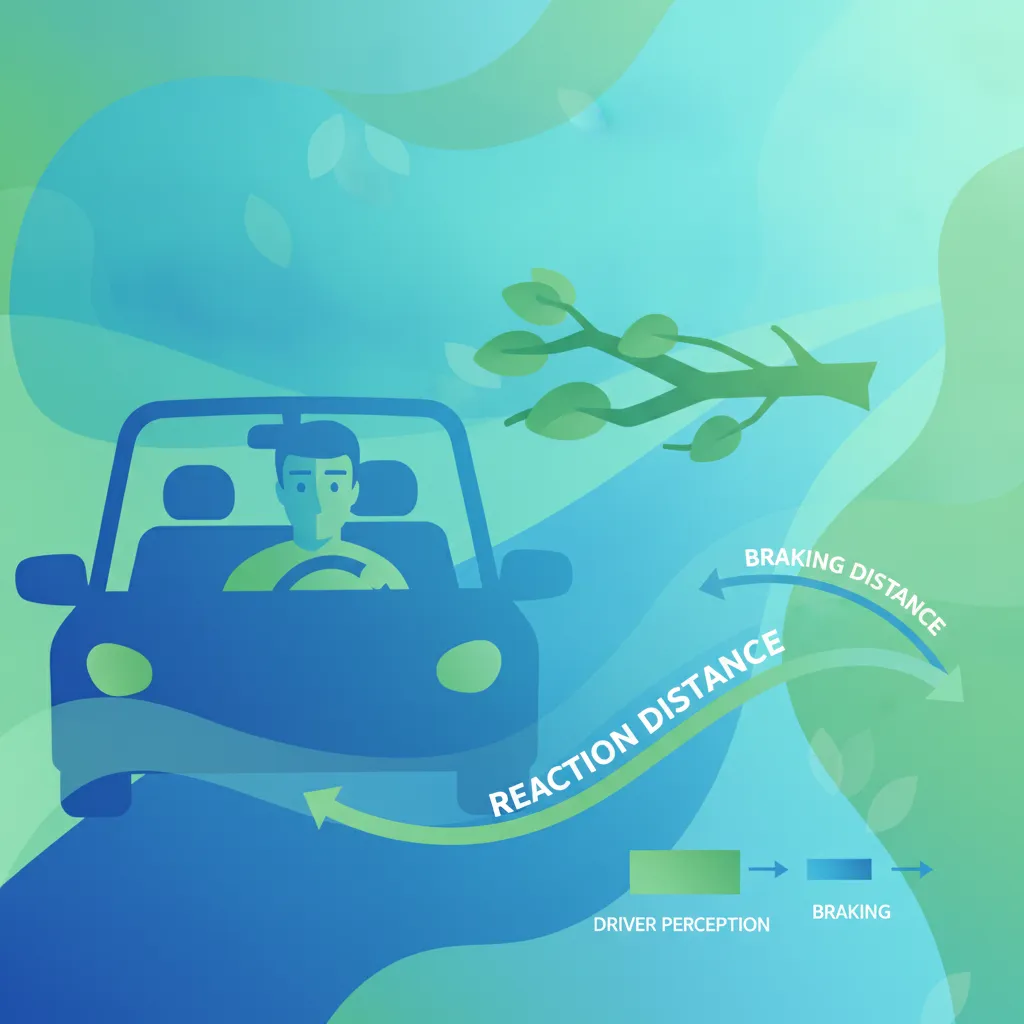
This lesson details how total stopping distance scales with vehicle mass, explaining the critical combination of perception-reaction delay and mechanical braking time. It covers the operation of main air-brake systems, auxiliary engine retarders, and trailer-coupling brake setups. Drivers will learn to maintain safe following distances and apply progressive braking patterns to avoid dangerous brake fade.
The physical scale of a coach or bus generates significant momentum that demands extensive space to bring the vehicle to a safe stop. This lesson explains vehicle weight mechanics, the physics of kinetic energy, and how center of gravity affects chassis stability during stops. Drivers will learn to assess braking capacity, accounting for wet road conditions and high passenger counts.
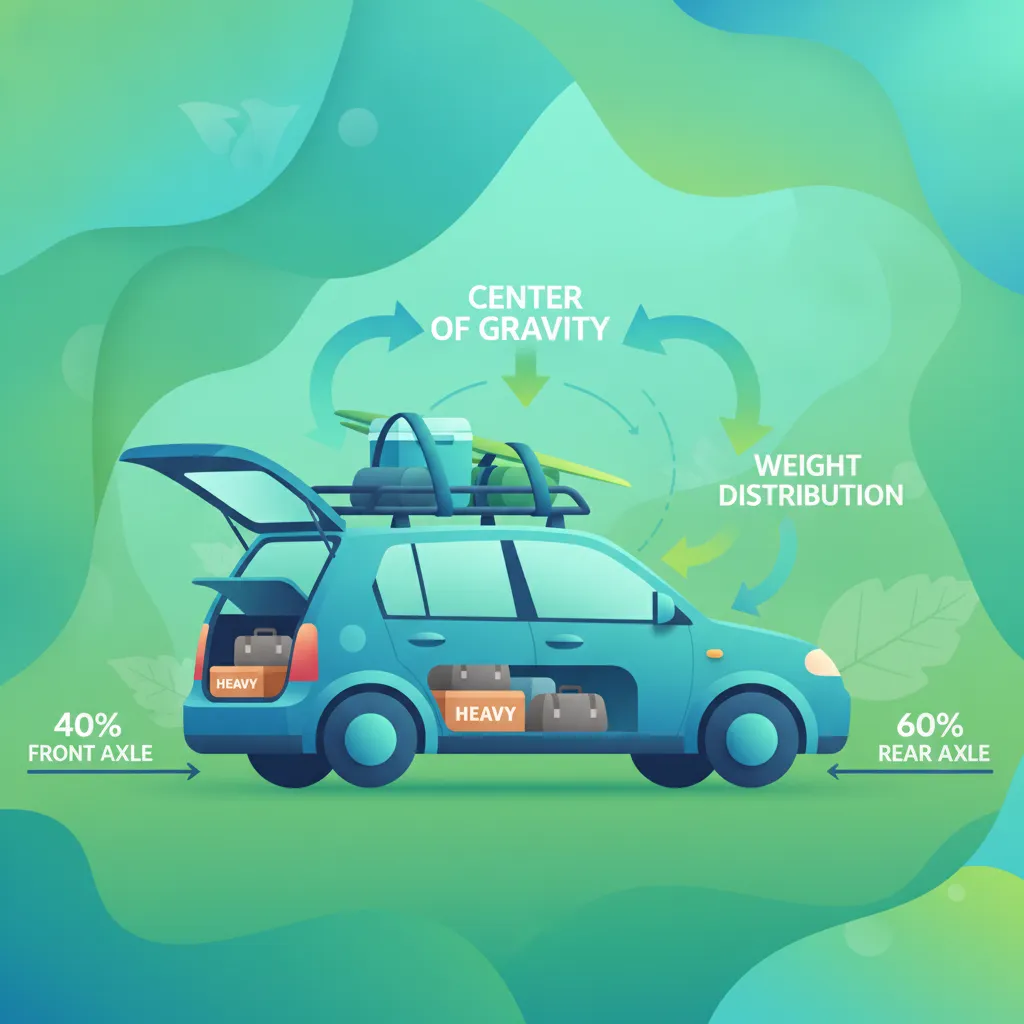
This lesson explains the physical principles of weight distribution and axle overloading on heavy commercial vehicles. It examines how a high centre of gravity increases tipping risks during cornering and alters overall braking effectiveness. Drivers will discover methods for positioning cargo to distribute weight evenly, ensuring optimal steering control and stable vehicle dynamics.
Learn the specific procedures for navigating busy urban routes while maintaining passenger comfort and safety. This guide covers interacting with vulnerable road users, managing bus stop approaches, and executing smooth transitions in dense traffic conditions.

Bus stops often intersect with designated bicycle lanes and busy walking pathways, creating high-risk conflict areas for drivers. This lesson trains drivers to check blind spots for oncoming cyclists before pulling into or exiting public stop bays. It emphasizes yielding right-of-way to passengers crossing the road, preventing collision risks in active urban transport hubs.

Motorcycles and bicycles are often hidden from view in the large blind spots of passenger buses and coaches during turns. This lesson covers safe lateral clearances when overtaking cyclists, recognizing advanced stop lines, and sharing narrow lanes. Drivers will understand how to signal clearly, giving riders enough room to navigate safely near busy public transit corridors.

Driving large vehicles through dense city traffic requires outstanding lane discipline, spatial awareness, and consistent patience. This lesson teaches drivers how to utilize public bus corridors, manage tight yellow box intersections, and handle narrow city streets. It focuses on predicting traffic pattern shifts to maintain service timetables while minimizing fuel waste and driver stress.
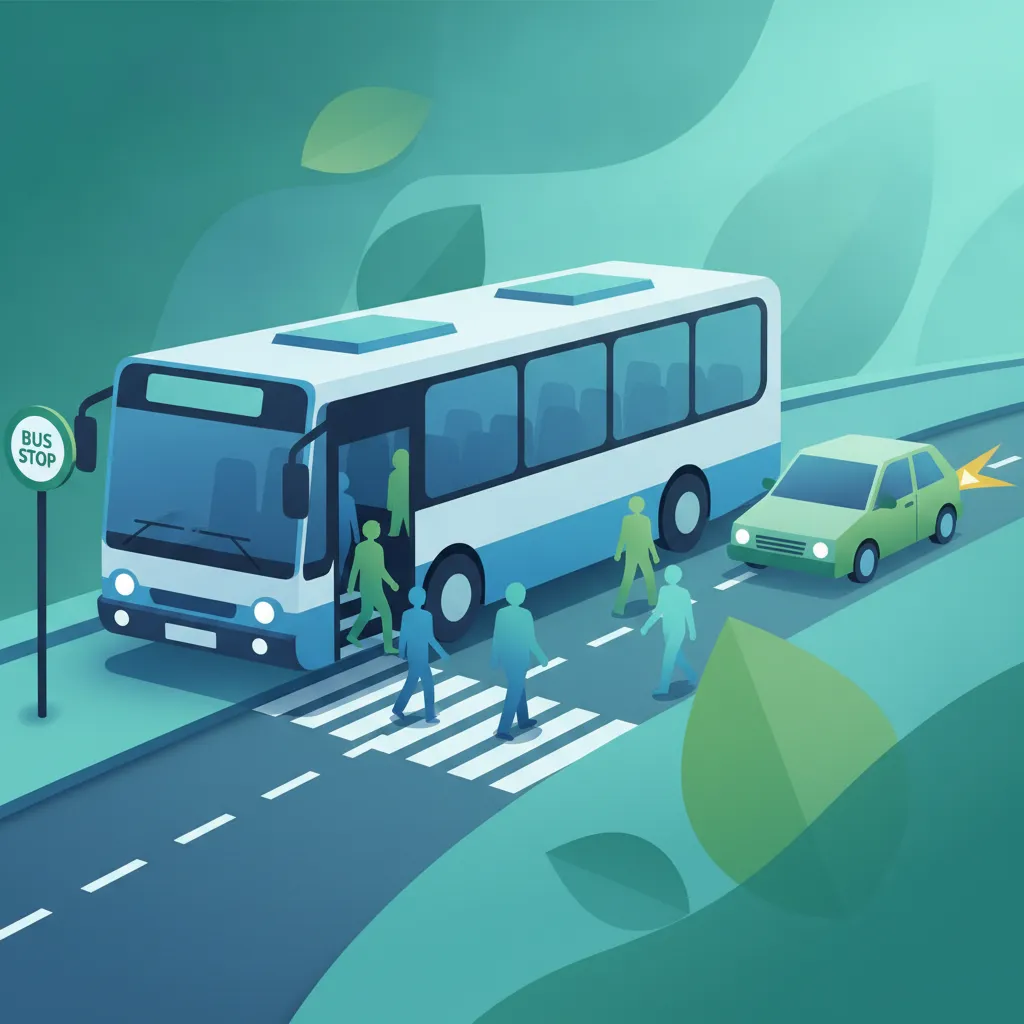
Approaching and exiting a public bus stop requires strategic signaling, careful speed management, and clean alignment with the passenger curb. This lesson teaches drivers how to read oncoming curb hazards, position the vehicle parallel to the curb, and leave safe exit clearances. Drivers will learn to safely integrate back into urban traffic flow while prioritizing passenger stability and comfort.
Find clear answers to common questions learners have about Speed Management for Passenger Vehicles. Learn how the lesson is structured, which driving theory objectives it supports, and how it fits into the overall learning path of units and curriculum progression in Ireland. These explanations help you understand key concepts, lesson flow, and exam focused study goals.
Yes, buses and coaches are subject to specific speed restrictions based on the road type and the vehicle's design speed. It is crucial to be aware of the signs and legal limits set by the RSA for your specific vehicle category.
A fully loaded bus or coach has a significantly longer stopping distance due to increased momentum and weight. You must adjust your following distance and speed accordingly to ensure you can stop safely in any emergency.
As a professional driver, your duty of care to passengers always overrides time pressure. You are required by the RSA to drive at a speed that is safe for the current road and weather conditions, regardless of your timetable.
Yes, the Irish Driver Theory Test frequently covers scenarios where drivers must adapt their speed to adverse weather conditions like heavy rain, ice, or high winds, which is especially critical for large passenger vehicles.
Use the practice question search tool to pinpoint specific topics, road signs, or rules you need to master for your official Driver Theory Test. Refine your study strategy and ensure comprehensive preparation for all aspects of the Irish driving exam. Start your focused revision now and build confidence for your learner permit test.