
This lesson focuses on the critical safety protocols for identifying and interacting with vulnerable road users, specifically cyclists and motorcyclists, around public transport vehicles. You will learn how to mitigate the risks posed by large vehicle blind spots and ensure safe lateral clearance near busy bus stops and urban corridors.

Lesson content overview
Operating a large passenger vehicle, such as a double-decker bus or a long-distance coach, requires an elevated level of spatial awareness and responsibility. Under the Irish Rules of the Road and Road Safety Authority (RSA) guidelines, passenger vehicle drivers must recognize that cyclists and motorcyclists are among the most vulnerable road users (VRUs). Due to their narrow profile, these road users are easily obscured, particularly in the extensive blind spots of Category D and D1 vehicles.
This lesson explores the essential principles of sharing the road safely with cyclists and motorcyclists, focusing on high-risk areas such as urban transit corridors, bus stops, junctions, and Advanced Stop Lines (ASLs).
In busy urban environments across Ireland, passenger transport vehicles frequently share physical space with bicycles and motorcycles. While buses are designed with massive structural frames to protect occupants, cyclists and motorcyclists have virtually no structural protection. In any collision between a heavy passenger vehicle and a two-wheeler, the physical consequences for the rider are almost always severe or fatal.
A fully loaded Category D bus can weigh upwards of 18 tonnes. The stopping distance of such a vehicle is significantly greater than that of a standard passenger car. Cyclists, operating at lower speeds, may swerve suddenly to avoid potholes, debris, or opening car doors. Motorcyclists, while capable of matching or exceeding flow-of-traffic speeds, are highly susceptible to losing traction on wet road markings, manhole covers, or diesel spills—hazards that are common near bus stops and busy intersections.
As a professional driver, you must anticipate these sudden changes in direction and maintain a wide safety cushion around all two-wheeled vehicles.
Because of the physical dimensions of buses and coaches, their blind spots—often referred to as "No-Zones"—are massive compared to those of passenger cars. These blind spots exist directly in front of the vehicle, along both sides (especially the left/passenger side), and directly behind the vehicle.
When a bus is preparing to pull into a bus stop or turn left at a junction, the left-side blind spot becomes a critical hazard area. Cyclists often travel along the left margin of the road or within dedicated cycle lanes. Because of the height of the driver's cab in a Category D vehicle, a cyclist positioned alongside the front-left wheel arch or mid-body of the bus is completely invisible in standard mirrors.
To mitigate these blind spots, drivers must actively use all available mirrors—including wide-angle, close-proximity, and front-view mirrors. However, mirror checks alone are not sufficient. Professional drivers must perform visual "sweep" scans and anticipate where a cyclist or motorcyclist might be based on where they were last seen in the traffic flow.
When overtaking a cyclist or motorcyclist, Category D and D1 drivers must provide a generous lateral clearance. This is the minimum safe sideways distance between the outermost edge of your vehicle (including the extended wing mirrors) and the rider.
The RSA outlines specific minimum lateral distances that must be maintained when overtaking cyclists:
The minimum lateral clearance is the safe physical buffer zone maintained when passing a vulnerable road user. In Ireland, the guidelines dictate:
Assess the Road Ahead: Ensure there is sufficient oncoming road space to allow you to pull out wide. If the road is too narrow to guarantee the minimum lateral clearance (1.0m or 1.5m), do not attempt to overtake.
Check Mirrors and Blind Spots: Check your center, right, and wide-angle mirrors to ensure no other vehicle or motorcyclist is already overtaking you.
Signal Early: Apply your right-hand indicator at least three seconds before moving out. This gives clear warning to road users behind you.
Change Lanes Gradually: Move out smoothly. Avoid sudden, jerky steering inputs which can startle riders or create shifting passenger loads inside your bus.
Execute the Pass: Pass the cyclist or motorcyclist while maintaining a steady speed. Do not cut back in early; ensure you can see the entire overtaken vehicle in your main left mirror before returning to the lane.
In many Irish cities, Quality Bus Corridors (QBCs) and dedicated bus lanes are shared spaces. Under Irish road traffic regulations, cyclists are legally permitted to use most bus lanes. This co-existence requires heightened vigilance from passenger vehicle drivers.
Cyclists are trained to adopt two primary road positions:
Do not use peer pressure or tailgating: If a cyclist takes the primary position in a narrow bus lane, do not tailgate, flash your lights, or sound your horn. They are protecting their safety. Match their speed and wait until the road widens before overtaking safely.
A highly common and hazardous conflict pattern in urban areas is the "leapfrog" effect. This occurs when a bus overtakes a cyclist, pulls into a bus stop to board passengers, and is then overtaken by the same cyclist. When the bus is ready to pull out, the driver must overtake the cyclist again.
To manage this hazard safely:
Advanced Stop Lines (ASLs)—often referred to as "cycle boxes"—are marked areas at traffic-light-controlled junctions that allow cyclists to position themselves ahead of general traffic.
When approaching a junction with an ASL:
The most severe collisions occur when a bus turns across the path of a two-wheeler at a junction.
A professional driver must constantly adapt their safety margins based on environmental conditions. Two-wheelers are disproportionately affected by weather changes.
| Weather/Road Condition | Impact on Cyclists & Motorcyclists | Required Driver Action |
|---|---|---|
| Wet Roadways / Rain | Tyre grip is reduced; braking distances double. Road markings and manhole covers become highly slippery. | Increase lateral clearance to at least 1.5m. Extend your following distance to allow for sudden braking ahead. |
| High Winds / Gales | Cyclists and motorcyclists can be suddenly blown sideways by gusts, especially when passing gaps in buildings or bridges. | Give extra-wide clearance. Anticipate lateral movement of riders and avoid high-speed overtaking which creates strong wind currents. |
| Dusk, Dawn & Night | Riders are harder to detect visually; headlights can blend into background urban lighting. | Use dipped headlights. Double-check all mirrors and perform physical shoulder checks before moving or turning near stops. |
| High Traffic / Rush Hour | Active commuter filtering on both sides of the bus. | Maintain absolute lane discipline. Avoid drifting within your lane, and use your indicators early to communicate every lateral movement. |
Understanding the typical mistakes made by commercial vehicle drivers near vulnerable road users is key to avoiding accidents and passing the Irish Driver Theory Test.
To ensure maximum safety and compliance when sharing the road with cyclists and motorcyclists:
This lesson addresses the critical safety protocols for Category D passenger vehicle drivers when sharing roads with cyclists and motorcyclists in Ireland. It emphasises the massive blind spots of buses and coaches, where cyclists can completely disappear from view alongside the left side or front of the vehicle. Key safety requirements include maintaining minimum lateral clearances of 1.0m in urban zones and 1.5m on faster roads, using three-second advance signals, and respecting Advanced Stop Lines at junctions. The lesson highlights specific hazards such as the left-hook collision risk during turns, the leapfrog effect at bus stops, and the need to anticipate sudden swerving from cyclists navigating road defects. Professional drivers must adapt their safety margins based on weather and road conditions, as two-wheeled riders are disproportionately affected by wet surfaces, high winds, and low visibility.
A short set of high-value points that capture the most important learning from this lesson.
Cyclists and motorcyclists are classified as vulnerable road users (VRUs) with no structural protection against collisions with vehicles weighing up to 18 tonnes.
Category D vehicle blind spots ('No-Zones') extend along both sides, front, and rear, making cyclists invisible when positioned alongside the left front wheel arch or mid-body.
Minimum lateral clearance when overtaking cyclists is 1.0 metre in speed zones up to 50 km/h and 1.5 metres in zones over 50 km/h.
Advanced Stop Lines (ASLs) at junctions create cycle boxes where you must stop behind the first stop line and never encroach on the cycle reservoir.
The 'leapfrog' effect at bus stops creates recurring hazard cycles where buses repeatedly overtake cyclists who then re-pass during stops.
Explore all units and lessons included in this driving theory course.
Left-hook collisions occur when bus rear wheels cut the kerb during left turns, crushing cyclists positioned alongside the vehicle.
Three-second advance signaling is required before any lateral movement to give cyclists time to react and reposition.
Motorcyclists legally filter through stationary traffic; assume they may be moving along lane markings in congested conditions.
Wet road conditions double motorcycle and cyclist braking distances and make manhole covers and road markings highly slippery.
Off-tracking means rear wheels of long vehicles follow a tighter path than front wheels during turns, cutting closer to the kerb.
Overtaking a cyclist immediately before a bus stop and then braking sharply to enter, forcing the cyclist to brake or swerve dangerously.
Stopping any part of the bus inside an ASL cycle box, placing cyclists directly in the driver's front blind spot at junctions.
Signaling only at the moment of turning or lane change rather than three seconds in advance, leaving cyclists insufficient reaction time.
Failing to adjust wide-angle and curb mirrors before starting a shift, creating permanent blind spots along the left passenger door.
Tailgating or pressuring cyclists in primary position who are taking the lane to prevent dangerous overtaking in narrow sections.
Lesson content overview
A short set of high-value points that capture the most important learning from this lesson.
Cyclists and motorcyclists are classified as vulnerable road users (VRUs) with no structural protection against collisions with vehicles weighing up to 18 tonnes.
Category D vehicle blind spots ('No-Zones') extend along both sides, front, and rear, making cyclists invisible when positioned alongside the left front wheel arch or mid-body.
Minimum lateral clearance when overtaking cyclists is 1.0 metre in speed zones up to 50 km/h and 1.5 metres in zones over 50 km/h.
Advanced Stop Lines (ASLs) at junctions create cycle boxes where you must stop behind the first stop line and never encroach on the cycle reservoir.
The 'leapfrog' effect at bus stops creates recurring hazard cycles where buses repeatedly overtake cyclists who then re-pass during stops.
Explore all units and lessons included in this driving theory course.
Left-hook collisions occur when bus rear wheels cut the kerb during left turns, crushing cyclists positioned alongside the vehicle.
Three-second advance signaling is required before any lateral movement to give cyclists time to react and reposition.
Motorcyclists legally filter through stationary traffic; assume they may be moving along lane markings in congested conditions.
Wet road conditions double motorcycle and cyclist braking distances and make manhole covers and road markings highly slippery.
Off-tracking means rear wheels of long vehicles follow a tighter path than front wheels during turns, cutting closer to the kerb.
Overtaking a cyclist immediately before a bus stop and then braking sharply to enter, forcing the cyclist to brake or swerve dangerously.
Stopping any part of the bus inside an ASL cycle box, placing cyclists directly in the driver's front blind spot at junctions.
Signaling only at the moment of turning or lane change rather than three seconds in advance, leaving cyclists insufficient reaction time.
Failing to adjust wide-angle and curb mirrors before starting a shift, creating permanent blind spots along the left passenger door.
Tailgating or pressuring cyclists in primary position who are taking the lane to prevent dangerous overtaking in narrow sections.
Explore search topics learners often look for when studying Interaction with Cyclists and Motorcyclists Near Stops. These topics reflect common questions about road rules, driving situations, safety guidance, and lesson level theory preparation for learners in Ireland.
Browse additional driving theory lessons that cover connected traffic rules, road signs, and common driving situations related to this topic. Improve your understanding of how different rules interact across everyday traffic scenarios.
Learn how bus drivers navigate complex urban environments, including the legal use of bus corridors, managing transit stop flow, and interacting with diverse road users in dense city centers. This guide explains the official RSA rules for maintaining service efficiency and public safety in busy traffic conditions.
Large passenger vehicles must maintain consistent lane positioning to prevent side-swipe incidents and sustain smooth urban traffic patterns. This lesson covers standard lane selection rules, safe overtaking procedures, and how to use designated public transit corridors correctly. Drivers will learn the importance of checking mirrors continuously and planning lane changes well in advance.
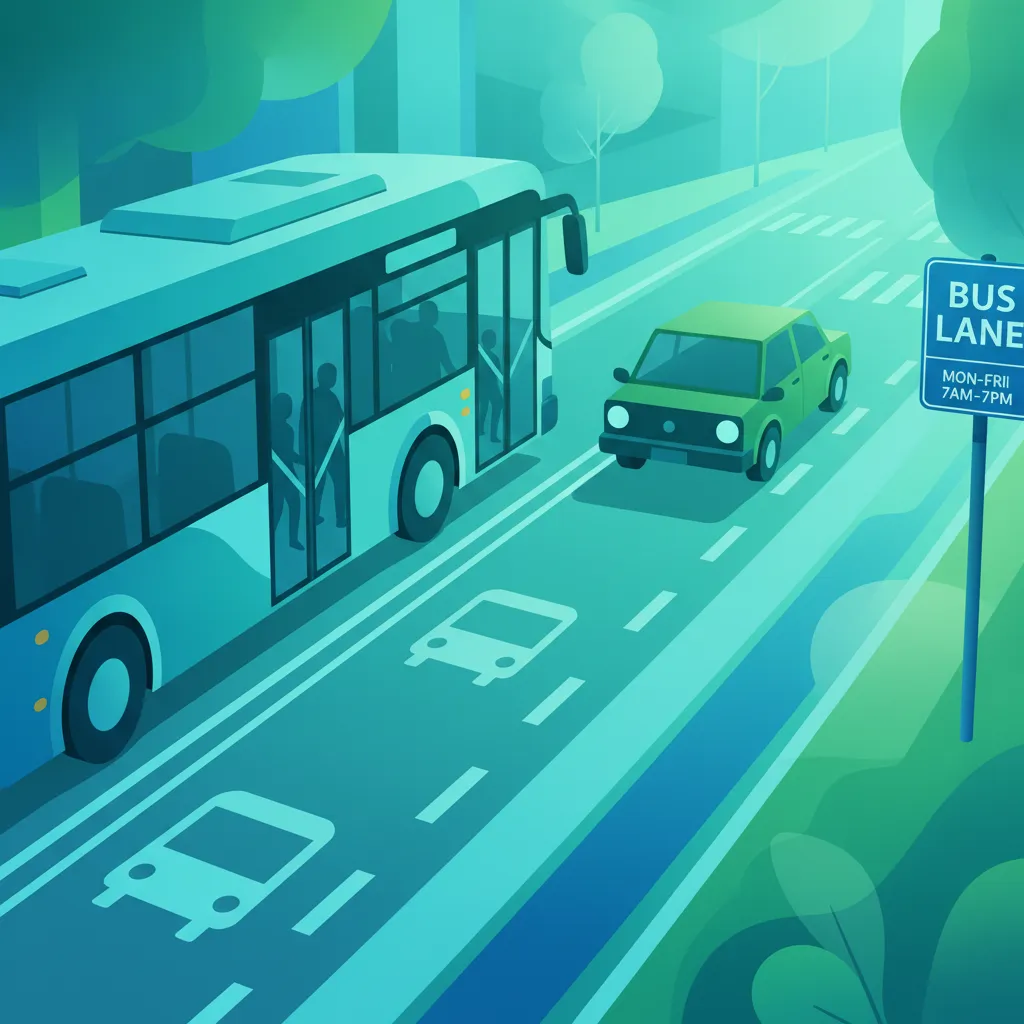
This lesson details the legal operations allowed within Irish bus lanes, including active hours, non-permitted traffic types, and exceptions. Drivers will learn safe approach trajectories for public transport stops, maintaining legal clearance, and navigating curbside hazards safely. The material highlights compliance with local bylaws to guarantee steady, uninterrupted traffic flow and passenger convenience.
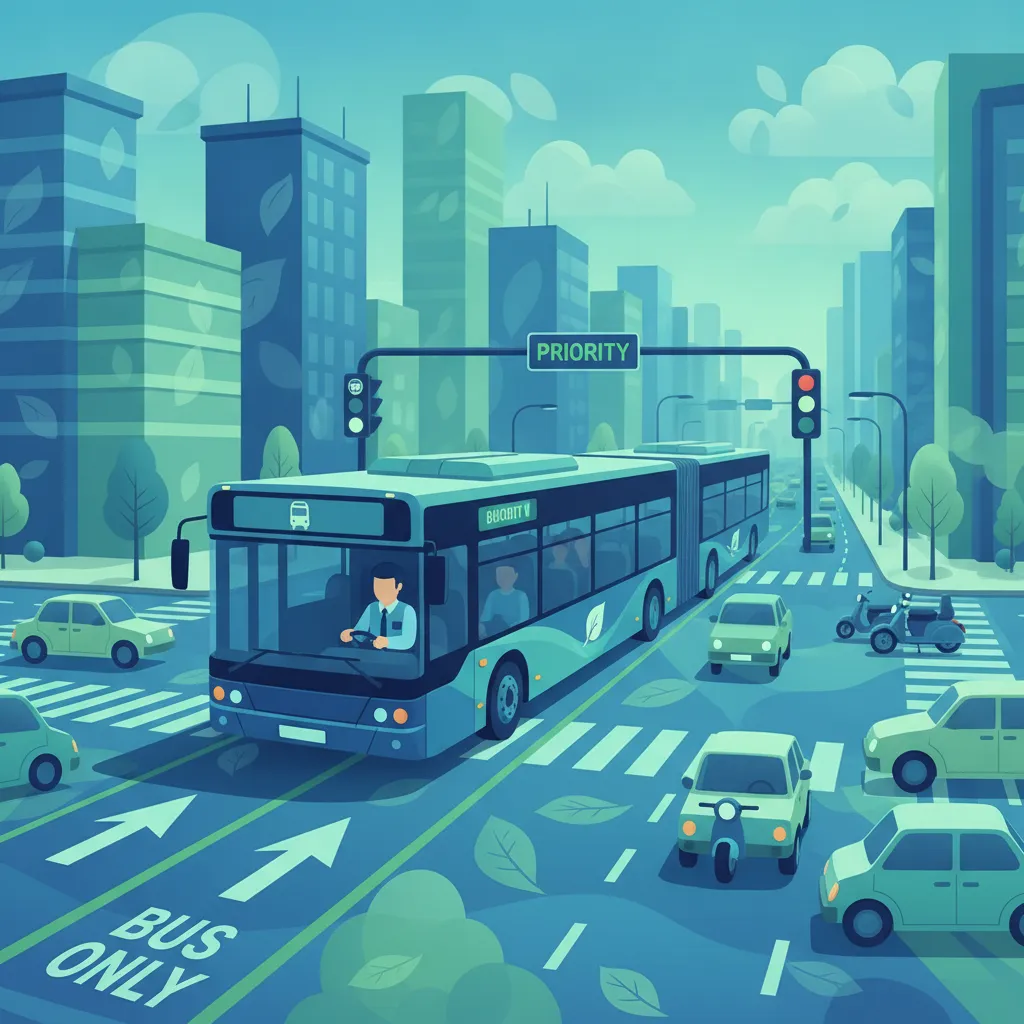
Driving large vehicles through dense city traffic requires outstanding lane discipline, spatial awareness, and consistent patience. This lesson teaches drivers how to utilize public bus corridors, manage tight yellow box intersections, and handle narrow city streets. It focuses on predicting traffic pattern shifts to maintain service timetables while minimizing fuel waste and driver stress.
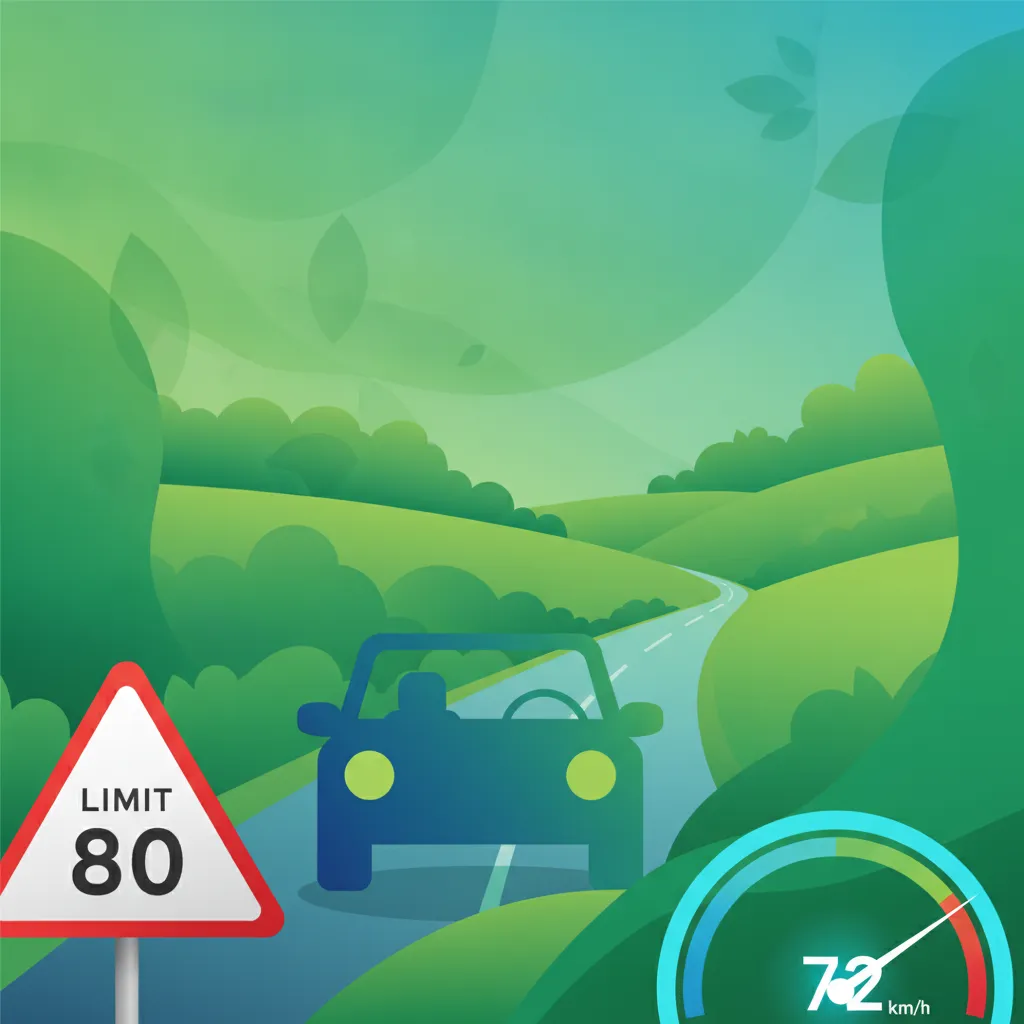
Speed management requires adjusting vehicle velocity to suit current weather, passenger load, and the specific limits of Irish roads. This lesson details speed restrictions for buses and minibuses on motorways, national routes, and built-up areas throughout Ireland. It highlights the driver obligation to prioritize passenger safety over schedule delays by maintaining appropriate speeds.
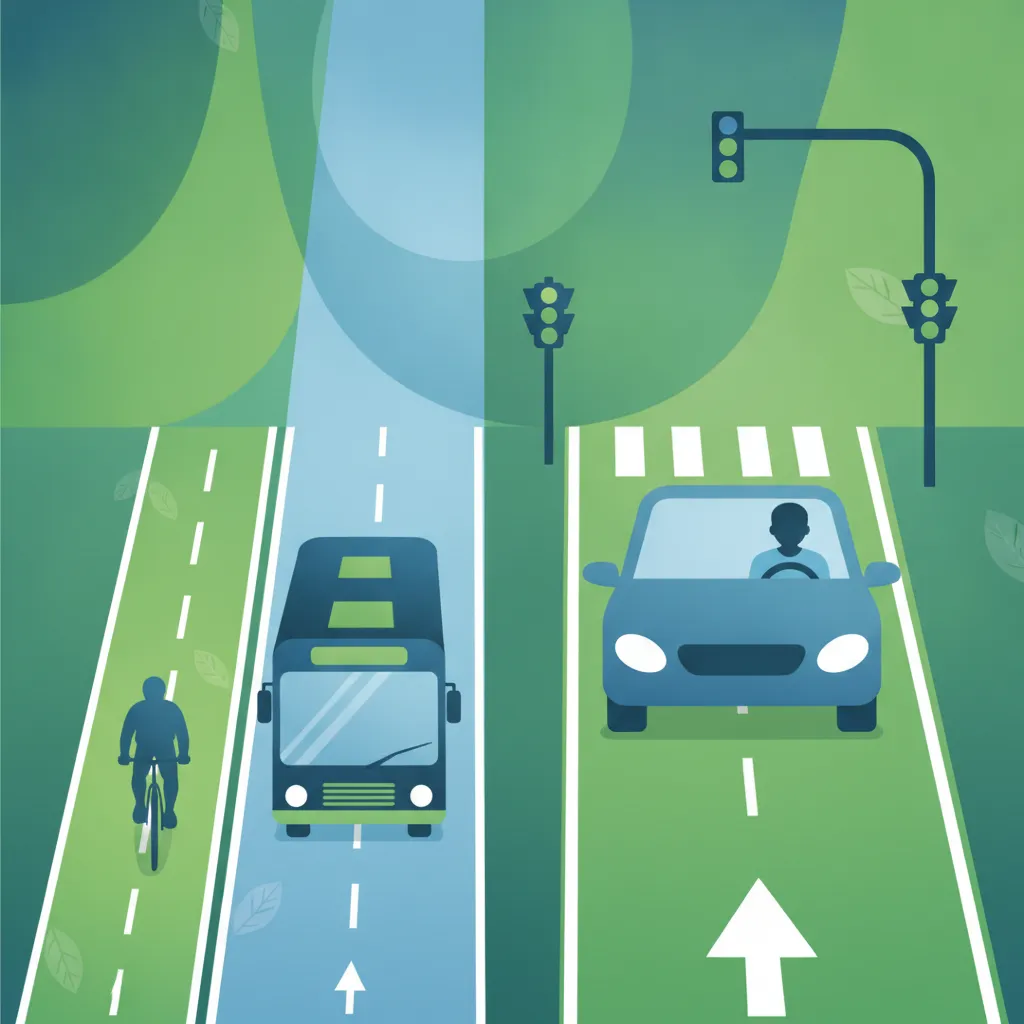
Bus lanes and cycle tracks are designed to encourage public transport and safe active travel in congested urban areas. This lesson explores the differences between with-flow and contra-flow bus lanes, detailing the restricted operating hours during which other vehicles are banned. You will understand when taxi drivers or emergency vehicles can use these lanes, and how to avoid costly traffic violations and safety risks.

The regulatory framework in Ireland imposes strict standards of operation, dimension limits, and speed boundaries on heavy passenger fleets. This lesson reviews vehicle registration tax context, commercial operator licensing laws, and mandatory annual vehicle roadworthiness testing. By understanding these statutory regulations, drivers avoid severe legal infractions and maintain their professional driving credentials.
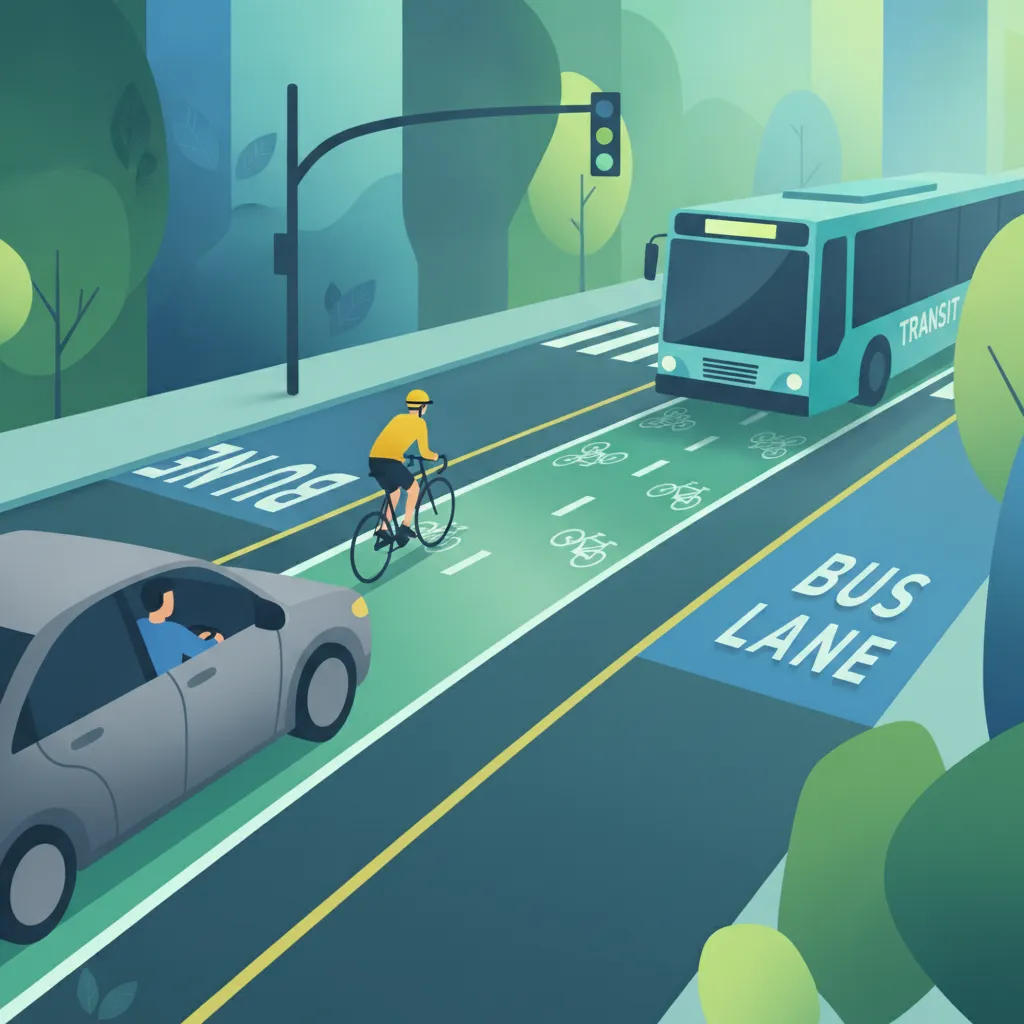
This lesson investigates the specific laws regulating bus and cycle lanes on Irish municipal streets. It clarifies the operational hours of restricted lanes and explains whether Category AM vehicles are allowed access. Understanding these boundaries ensures riders avoid severe penalty fines and share space safely with public transport and cyclists.
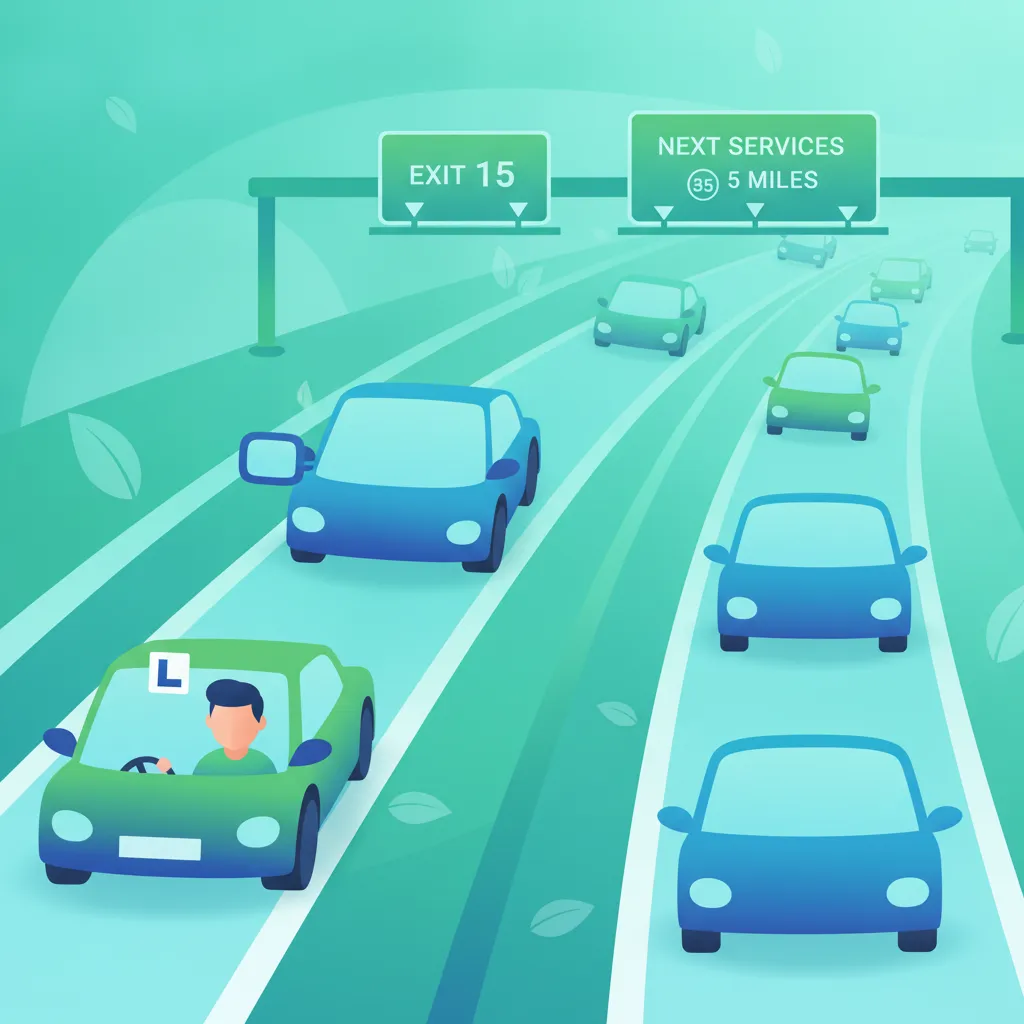
Motorway transport requires consistent forward planning, strict speed restriction compliance, and clear mirror checks before exiting lanes. This lesson details the rules of joining and leaving motorways, navigating toll plazas safely, and managing breakdowns on the hard shoulder. Drivers will learn to balance high-speed travel with passenger stability, ensuring a comfortable, secure ride.

This lesson outlines the legal and safety requirements for maintaining proper lane discipline on multi-lane roads, roundabouts, and motorways in Ireland. It teaches drivers how to account for lane width, manage trailer off-tracking, and position the cab to prevent encroachment on neighboring lanes. Drivers will master safe lane-changing strategies, signaling protocols, and traffic merging techniques.
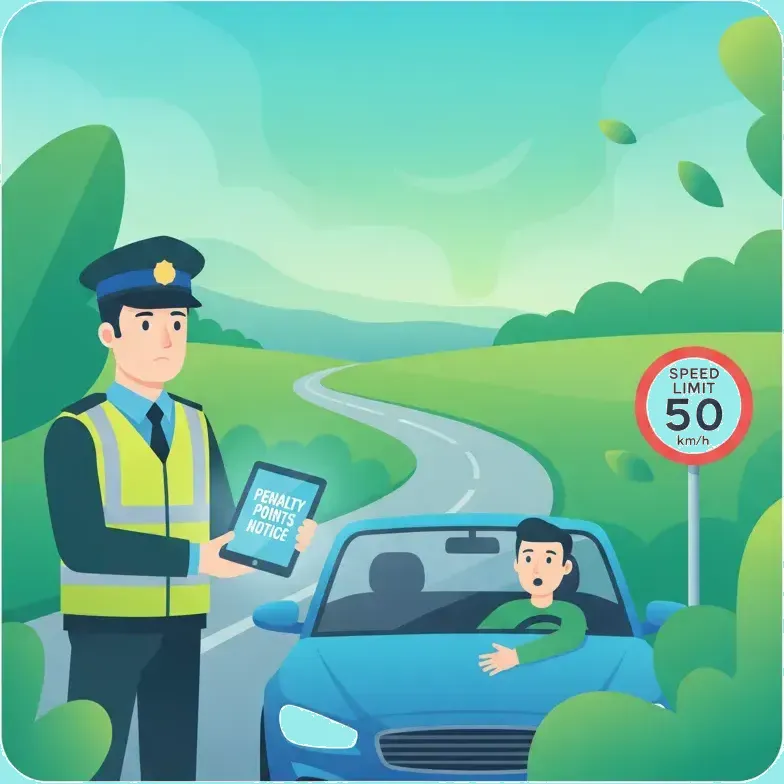
Operating commercial passenger vehicles requires strict adherence to Irish road laws to prevent heavy fines, penalty points, or disqualification. This lesson outlines the primary motoring offences, the mechanics of the Irish penalty points system, and active enforcement by An Garda Síochána. Drivers will learn the serious operational and professional consequences of non-compliance, encouraging long-term safe driving habits.
Understand the advanced techniques for reversing, turning, and managing blind spots in long-wheelbase passenger vehicles. This lesson provides an overview of off-tracking mechanics and mirror management strategies essential for safely manoeuvring coaches and buses near tight corners and stationary obstacles in compliance with RSA guidelines.
Reversing a large passenger vehicle is a high-risk maneuver that must be avoided whenever possible or performed with extreme caution. This lesson teaches correct mirror alignment, the use of rear cameras, and establishing clear hand signals with an external spotter. Drivers will study safety protocols for backing into passenger bays, ensuring all blind zones remain completely clear.

This lesson explains the location, depth, and angle of the severe blind spots surrounding a standard heavy goods vehicle. It provides step-by-step guidance on setting up primary side mirrors, wide-angle lenses, and close-proximity front-view mirrors to eliminate blind areas. Drivers will learn systematic visual checking routines to ensure complete situational awareness before initiating any maneuver, lane shift, or turn.

The length of a commercial passenger vehicle creates a wide rear-wheel track offset, requiring drivers to swing wide during tight turns. This lesson teaches cornering mechanics, mirror adjustment guidelines, and how to check blind spots for cyclists on the inside lane. Drivers will master intersection control, preventing collisions with stationary street furniture or curbs.

Reversing is a high-risk manoeuvre due to the large blind spots located directly behind and to the sides of your passenger car. This lesson covers the mandatory safety sequence, highlighting the need to perform a full physical lookabout before shifting gears. You will learn how to balance the clutch for slow speed control, use mirrors and reversing sensors as aids, and monitor for approaching pedestrians.

This lesson provides a comprehensive guide to reversing large vehicles and backing trailer setups safely into loading docks and industrial bays. It analyzes the mechanical physics of trailer articulation, steering inputs, and how to utilize modern backup cameras, mirrors, and assistants. Drivers will examine critical safety protocols, including visual checks and slow-speed controls, to avoid collisions with fixed objects.
This lesson details the location of blind spots on passenger cars, commercial trucks, and buses, explaining how to avoid staying in these danger zones. It teaches the vital importance of the lifesaver glance or physical shoulder check before executing any lateral lane change or turn. Motorcyclists will learn how to monitor other drivers' mirrors to verify if their motorcycle is visible.

This lesson teaches riders how to actively identify and eliminate blind spots through proper mirror adjustment and physical shoulder checks. It explains the concept of a safety cushion, which represents the defensive space maintained around the moped at all times. Managing these zones ensures adequate reaction time and mitigates the impact of sudden braking.

This lesson explains the extensive blind spots of heavy goods vehicles, buses, and other large trucks on Irish roads. It teaches Category AM riders how to maintain safe following distances and position themselves where truck drivers can see them. Proper space cushion management is emphasized to protect riders from the wind turbulence of passing trucks.

This lesson addresses the mechanical dynamics of turning long-wheelbase and articulated commercial vehicles at intersections, junctions, and roundabouts. It covers the necessity of deep cornering lines, early mirror checks, and correct signaling to warn vulnerable road users of wide turn maneuvers. Drivers will learn how to minimize rear cut-in and ensure the entire vehicle clears urban obstacles safely.
Find clear answers to common questions learners have about Interaction with Cyclists and Motorcyclists Near Stops. Learn how the lesson is structured, which driving theory objectives it supports, and how it fits into the overall learning path of units and curriculum progression in Ireland. These explanations help you understand key concepts, lesson flow, and exam focused study goals.
The primary danger is the 'left-hook' accident, where a cyclist or motorcyclist is hidden in your blind spot or caught between the curb and the side of the bus. Always check your mirrors repeatedly and signal early.
In accordance with the Rules of the Road, you should allow at least 1.5 metres of lateral space when overtaking a cyclist in speed zones of 50 km/h or higher, and at least 1 metre in slower zones. As a bus driver, you must be extra cautious due to the vehicle's length.
Advanced stop lines allow cyclists to position themselves ahead of traffic at junctions. You must stop at the first white line and allow them space to move off safely; entering this box is an offence and puts vulnerable users at risk.
Always use your nearside mirror and internal monitors (if equipped) to scan for approaching cyclists or motorcyclists before pulling in or out of a stop. Never rush the approach, as cyclists may attempt to filter past you.
Use the practice question search tool to pinpoint specific topics, road signs, or rules you need to master for your official Driver Theory Test. Refine your study strategy and ensure comprehensive preparation for all aspects of the Irish driving exam. Start your focused revision now and build confidence for your learner permit test.