
This lesson explores the complexities of operating large passenger vehicles within busy Irish urban environments. You will learn how to manage bus corridors, navigate restrictive infrastructure, and maintain strict service schedules while ensuring passenger safety and fuel efficiency.
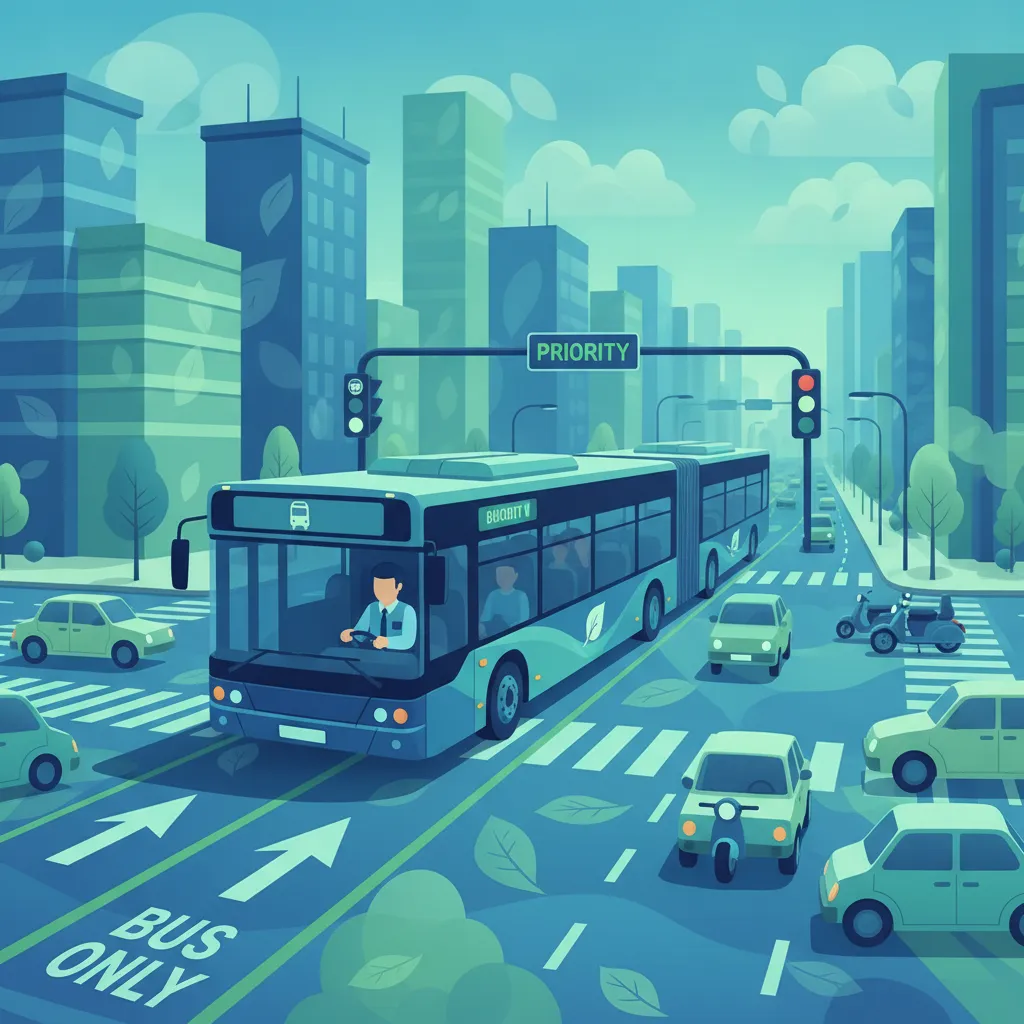
Lesson content overview
Driving a large passenger vehicle through dense urban traffic in Ireland requires a sophisticated blend of spatial awareness, absolute vehicle control, and unwavering patience. As a professional driver preparing for the Irish Driver Theory Test for Category D (Buses and Coaches) or Category D1 (Minibuses), you must understand that navigating a city like Dublin, Cork, or Galway is vastly different from driving a standard passenger car.
Urban traffic management for buses and coaches is not simply about getting from one stop to another; it is about safely and efficiently transporting dozens of passengers while coordinating with other road users, adhering to strict legal frameworks, and maintaining timetables. This lesson delivers a comprehensive guide to mastering urban driving challenges, utilizing dedicated public transport infrastructure, and ensuring the highest standards of safety and professional conduct on Irish roads.
In Ireland, Public Transport Corridors (PTCs)—commonly referred to as bus lanes—are designed to help passenger transport vehicles bypass urban congestion. Proper use of these lanes is central to efficient route management and timetable adherence. However, they are subject to strict legal regulations under the Irish Rules of the Road.
With-flow bus lanes run in the same direction as the traffic next to them. They are separated from general traffic by a solid white line (or a broken white line near junctions) and are marked with the word "BUS" on the road surface.
Contra-flow bus lanes allow buses to travel in the opposite direction to the rest of the traffic on a one-way street.
Legal Enforcement: Illegal entry into a bus lane by unauthorized vehicles is a traffic offense. As a professional driver, you must never encourage other road users to enter a bus lane, nor should you use your vehicle’s size to pressure slower authorized road users, such as cyclists, out of your path.
Yellow box junctions are highly effective traffic management tools marked with yellow criss-cross lines painted on the road. They are positioned at busy intersections, T-junctions, and near emergency service stations to prevent traffic gridlock.
For a Category D vehicle, which can measure up to 15 metres in length, managing yellow box junctions requires exceptional spatial judgment and forward planning.
The fundamental legal rule in Ireland is simple: You must not enter a yellow box junction unless your exit is clear, allowing you to pass through the box without stopping.
You may enter a yellow box junction and stop only if you are turning right and your exit is blocked solely by oncoming traffic or by other vehicles waiting to turn right, provided you do not obstruct other traffic that has the right of way.
Because a bus or coach occupies a significant footprint on the road, you must adapt your driving style to avoid trapping your vehicle in a box junction:
Scan Ahead: Identify the junction early and observe the flow of traffic on the far side of the intersection.
Evaluate Exit Space: Determine if the vehicle ahead of you has moved far enough forward to leave a gap equal to or greater than the length of your bus.
Hold Your Position: If the exit is blocked, stop your vehicle before the entry line of the yellow box, even if the traffic light is green.
Proceed Safely: Once traffic moves and a complete vehicle-length gap opens up on the opposite side, accelerate smoothly through the box.
Irish towns and cities frequently feature historical layouts with narrow streets, tight corners, and complex one-way systems. Navigating these environments in a Category D vehicle requires advanced spatial awareness and a clear understanding of your vehicle’s physical dimensions.
When turning corners or navigating narrow bends, a bus does not follow the exact line of a passenger car due to its long wheelbase:
One-way systems are common in Irish urban centers to optimize traffic flow. However, they present distinct hazards for large passenger vehicles:
Mirror Use: When driving through narrow passages, you must establish a continuous mirror scanning routine (windscreen - left mirror - windscreen - right mirror) to monitor side clearance. If the space is too tight, stop, wait, and allow oncoming traffic to clear before proceeding.
Bus terminals, train station interchanges, and urban bus stops are high-risk environments characterized by dense pedestrian activity and constant vehicle movements. Managing these spaces safely is essential to passenger welfare and operational efficiency.
The approach and departure phases at urban bus stops require absolute precision:
In large transport hubs (such as Busáras in Dublin or Parnell Place in Cork), multiple operators share confined spaces:
The regulatory framework governing urban passenger transport is strictly enforced in Ireland. Compliance is a legal requirement and a fundamental aspect of professional driving standards.
The standard statutory speed limit for built-up areas in Ireland is 50 km/h. However, local authorities have the power to apply "Special Speed Limits" to specific zones:
Urban intersections are highly regulated by traffic lights, pedestrian crossings, and signals.
The law mandates precise procedures for passenger safety during boarding and alighting:
Managing an urban route requires constant adaptation to environmental variables and human factors. A professional driver must maintain predictability and smooth vehicle control at all times.
Pedestrians, cyclists, motorcyclists, and e-scooter users are the most vulnerable participants in urban traffic:
Ireland’s frequent rain creates unique hazards on urban asphalt:
To maintain a professional standard and ensure public safety, drivers must actively avoid common urban driving errors. The following table highlights critical violations and contrasts them with correct, safe driving practices.
| Common Violation | Consequence & Impact | Professional Best Practice |
|---|---|---|
| Entering an Uncleared Yellow Box | Gridlocks the intersection, delays cross-traffic, and can result in traffic fines. | Wait behind the stop line until the exit lane has sufficient space to fit your entire vehicle. |
| Illegal Use of Contra-Flow Lanes | Severe head-on collision risk with authorized public transport services. | Never enter a contra-flow lane unless explicitly permitted by road signs (scheduled service only). |
| Stopping on Pedestrian Crossings | Forces pedestrians into active traffic lanes, increasing the risk of pedestrian collisions. | Stop well clear of zebra or pelican crossings; never block them when traffic queueing occurs. |
| Speeding in 30 km/h Zones | Significantly increases pedestrian fatality risk in a collision and results in penalty points. | Monitor your speedometer closely; select a lower gear to assist with speed control in restricted zones. |
| Improper Passenger Boarding | Risk of passenger falls, serious injury, or boarding-related accidents. | Bring the bus to a complete stop parallel to the kerb before opening the doors. |
| Abrupt Lane Changes | Causes emergency braking by adjacent drivers, leading to multi-vehicle or onboard accidents. | Plan route changes early, signal well in advance, and verify all blind spots via your mirrors. |
| Failure to Signal at Junctions | Reduces vehicle predictability, endangering cyclists and pedestrians. | Always signal your intention to turn or pull out at least several seconds before commencing the manoeuvre. |
| Blocking Access Points near Stops | Obstructs other bus services and compromises safe passenger boarding zones. | Pull fully into your designated bay or stop; clear the area immediately once your schedule allows. |
| Rushing Traffic Signals | Extremely high risk of intersection collisions with crossing vehicles or pedestrians. | Adopt a defensive approach; prepare to stop smoothly when approaching green lights that may turn amber. |
| Misusing Hazard Warning Lights | Confuses other road users and diminishes the effectiveness of emergency signaling. | Use hazard lights only when stationary at a designated stop for boarding/alighting or in an actual emergency. |
Imagine you are driving a 12-metre single-deck bus through a city centre. You approach a traffic light-controlled intersection featuring a yellow box junction. The light is green, but traffic on the far side of the junction has slowed to a crawl.
You are operating a busy commuter route on a narrow one-way street with parked cars on the left. A cyclist is traveling in front of you at approximately 15 km/h. Your schedule is tight, and you are running two minutes late.
Navigating urban traffic as a Category D bus or coach driver is a highly responsible task that demands a comprehensive understanding of traffic laws, vehicle mechanics, and human behavior. By mastering the rules governing public transport corridors, executing flawless judgment at yellow box junctions, respecting vulnerable road users, and maintaining professional discipline under pressure, you ensure a safe, reliable, and sustainable service. Use this knowledge to guide your preparation for the Irish Driver Theory Test and to build the foundation for a successful career in professional passenger transport.
This lesson covers the specialised skills required to operate Category D buses safely in Irish urban environments. Key areas include the strict legal framework governing public transport corridors, where with-flow bus lanes permit taxis and cyclists during designated hours but contra-flow lanes remain exclusive to scheduled buses 24 hours a day. Yellow box junctions demand exceptional spatial judgment, requiring drivers to assess whether the entire vehicle length can exit before proceeding. The lesson also addresses the physical dynamics of large vehicles, including off-tracking and tail-swing, alongside practical procedures for bus stop alignment and passenger safety. Professional drivers must maintain patience with vulnerable road users, adhere to reduced speed limits in urban zones, and apply anticipatory driving techniques to minimise fuel waste and ensure passenger comfort.
A short set of high-value points that capture the most important learning from this lesson.
With-flow bus lanes permit taxis and cyclists during operational hours, while contra-flow lanes are strictly for scheduled buses and coaches only.
A yellow box junction must never be entered unless your entire vehicle can clear the far side of the box without stopping.
Large buses require up to 15 metres of clear space beyond a yellow box exit due to vehicle length and rear overhang.
A minimum 1.5-metre lateral clearance is required when overtaking cyclists in urban areas at speeds up to 50 km/h.
Double-deck buses with high passenger loads have an elevated centre of gravity, increasing body roll on corners and requiring reduced speeds.
Explore all units and lessons included in this driving theory course.
Contra-flow bus lanes operate 24/7 and never permit taxis or private vehicles; with-flow lanes have specific operational hours shown on blue signs.
The only legal exception to yellow box entry is when turning right with blocked exit from oncoming traffic only.
Rear-wheel off-tracking means the rear follows a tighter path than the front wheels; the front corner swings wide while the tail swings in the opposite direction.
Always stop 10-15 cm from the kerb parallel at bus stops; angle parking blocks ramps and forces passengers into traffic.
In heavy rain, increase following distance from 2 seconds to at least 4 seconds due to reduced asphalt friction and doubled braking distances.
Entering a yellow box when the exit lane has less than 12-15 metres of clear space, trapping the rear of a long bus in the junction.
Assuming other drivers will yield when departing a bus stop; always check blind spots for hidden cyclists or vehicles.
Stopping to board passengers inside a yellow box junction, which is illegal and dangerous.
Failing to swing out wider on left turns to prevent rear wheels climbing the kerb due to off-tracking geometry.
Using hazard warning lights for purposes other than stationary boarding/alighting or genuine emergencies, causing confusion.
Lesson content overview
A short set of high-value points that capture the most important learning from this lesson.
With-flow bus lanes permit taxis and cyclists during operational hours, while contra-flow lanes are strictly for scheduled buses and coaches only.
A yellow box junction must never be entered unless your entire vehicle can clear the far side of the box without stopping.
Large buses require up to 15 metres of clear space beyond a yellow box exit due to vehicle length and rear overhang.
A minimum 1.5-metre lateral clearance is required when overtaking cyclists in urban areas at speeds up to 50 km/h.
Double-deck buses with high passenger loads have an elevated centre of gravity, increasing body roll on corners and requiring reduced speeds.
Explore all units and lessons included in this driving theory course.
Contra-flow bus lanes operate 24/7 and never permit taxis or private vehicles; with-flow lanes have specific operational hours shown on blue signs.
The only legal exception to yellow box entry is when turning right with blocked exit from oncoming traffic only.
Rear-wheel off-tracking means the rear follows a tighter path than the front wheels; the front corner swings wide while the tail swings in the opposite direction.
Always stop 10-15 cm from the kerb parallel at bus stops; angle parking blocks ramps and forces passengers into traffic.
In heavy rain, increase following distance from 2 seconds to at least 4 seconds due to reduced asphalt friction and doubled braking distances.
Entering a yellow box when the exit lane has less than 12-15 metres of clear space, trapping the rear of a long bus in the junction.
Assuming other drivers will yield when departing a bus stop; always check blind spots for hidden cyclists or vehicles.
Stopping to board passengers inside a yellow box junction, which is illegal and dangerous.
Failing to swing out wider on left turns to prevent rear wheels climbing the kerb due to off-tracking geometry.
Using hazard warning lights for purposes other than stationary boarding/alighting or genuine emergencies, causing confusion.
Explore search topics learners often look for when studying Urban Traffic Management for Buses and Coaches. These topics reflect common questions about road rules, driving situations, safety guidance, and lesson level theory preparation for learners in Ireland.
Browse additional driving theory lessons that cover connected traffic rules, road signs, and common driving situations related to this topic. Improve your understanding of how different rules interact across everyday traffic scenarios.
Learn the theory behind maintaining safe lane positioning in narrow urban environments. This guide explains how to manage off-tracking, front and rear overhang, and correct mirror usage to navigate tight city streets, roundabouts, and complex junctions without endangering other road users or striking street furniture.
Large passenger vehicles must maintain consistent lane positioning to prevent side-swipe incidents and sustain smooth urban traffic patterns. This lesson covers standard lane selection rules, safe overtaking procedures, and how to use designated public transit corridors correctly. Drivers will learn the importance of checking mirrors continuously and planning lane changes well in advance.

This lesson outlines the legal and safety requirements for maintaining proper lane discipline on multi-lane roads, roundabouts, and motorways in Ireland. It teaches drivers how to account for lane width, manage trailer off-tracking, and position the cab to prevent encroachment on neighboring lanes. Drivers will master safe lane-changing strategies, signaling protocols, and traffic merging techniques.

Irish driving theory demands that drivers keep to the left-hand side of the road unless overtaking or turning right. This lesson explains how to maintain consistent lane discipline on multi-lane roads, how to perform safe lane changes, and the dangers of drifting. You will learn the safety sequence of checking mirrors, checking blind spots, signalling, and smoothly executing a lane change without disrupting trailing traffic.

Driving a coach through narrow urban streets or historic Irish town centers demands precise spatial judgment and low speed control. This lesson covers turning radii, rear tail-swing physics, and managing overhangs when navigating around tight, permanent obstacles. Drivers will learn to assess clearance gaps accurately, reducing damage risks to the vehicle exterior and public infrastructure.
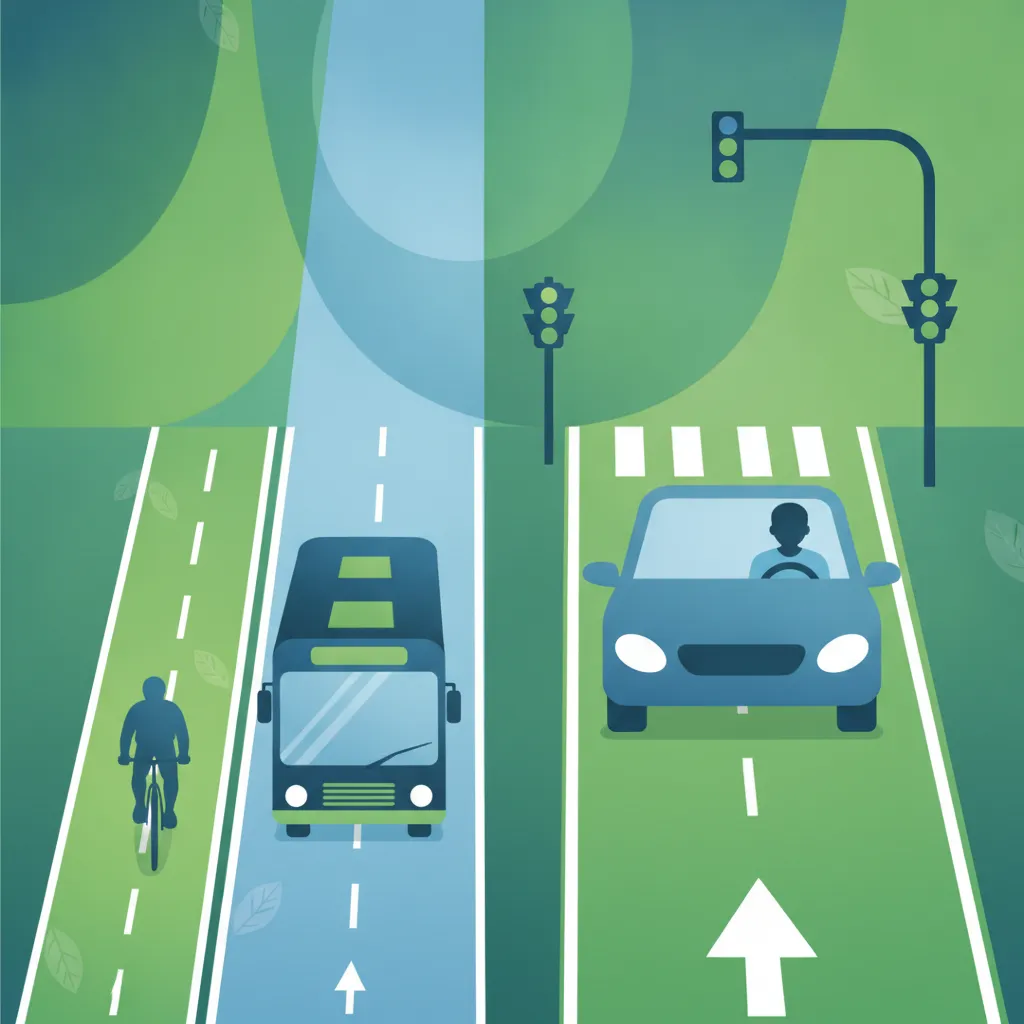
Bus lanes and cycle tracks are designed to encourage public transport and safe active travel in congested urban areas. This lesson explores the differences between with-flow and contra-flow bus lanes, detailing the restricted operating hours during which other vehicles are banned. You will understand when taxi drivers or emergency vehicles can use these lanes, and how to avoid costly traffic violations and safety risks.
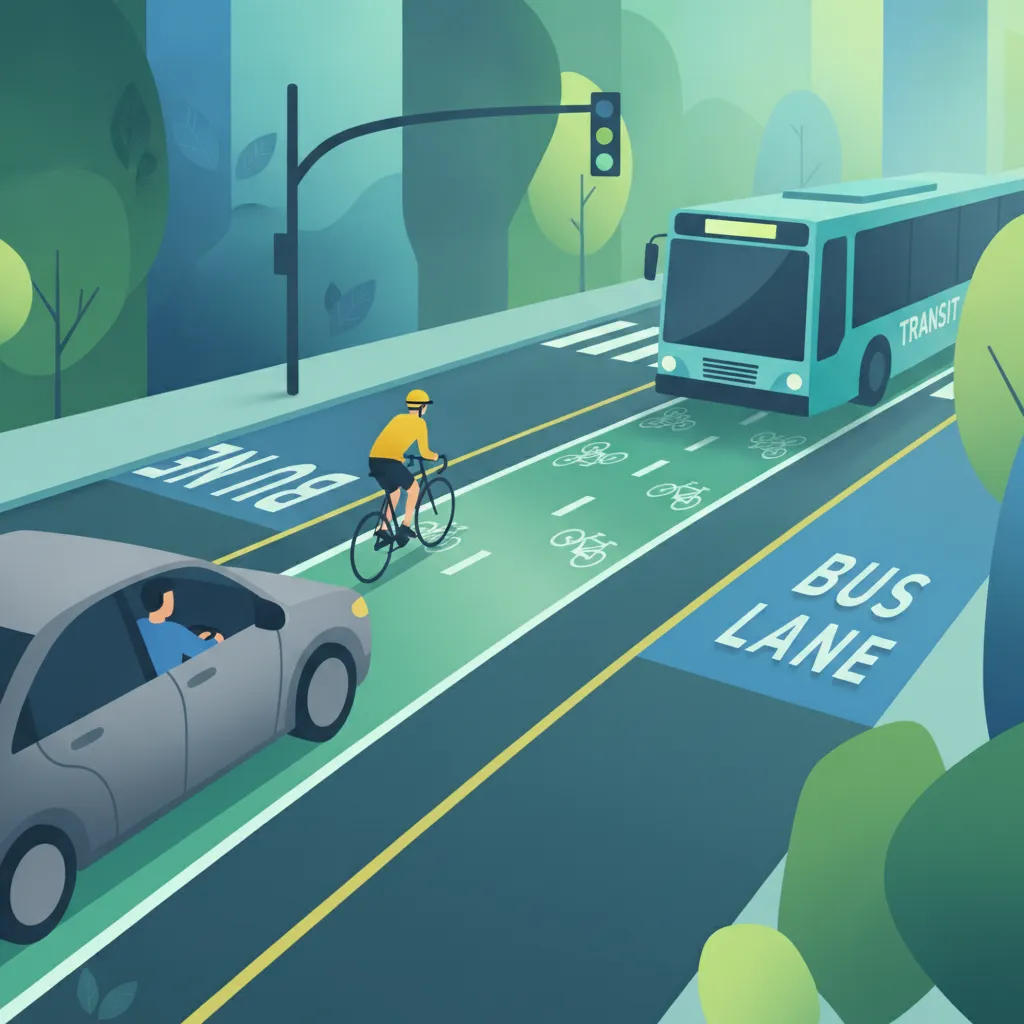
This lesson investigates the specific laws regulating bus and cycle lanes on Irish municipal streets. It clarifies the operational hours of restricted lanes and explains whether Category AM vehicles are allowed access. Understanding these boundaries ensures riders avoid severe penalty fines and share space safely with public transport and cyclists.
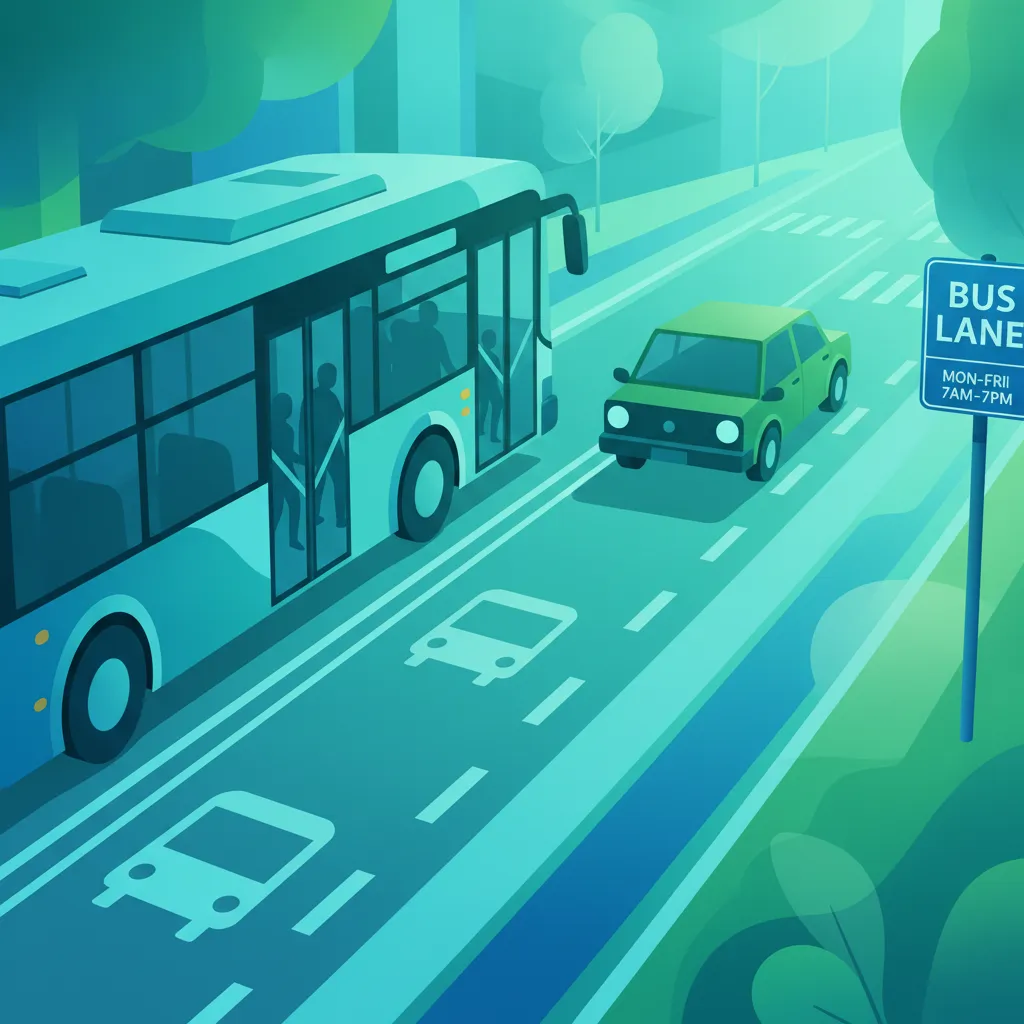
This lesson details the legal operations allowed within Irish bus lanes, including active hours, non-permitted traffic types, and exceptions. Drivers will learn safe approach trajectories for public transport stops, maintaining legal clearance, and navigating curbside hazards safely. The material highlights compliance with local bylaws to guarantee steady, uninterrupted traffic flow and passenger convenience.
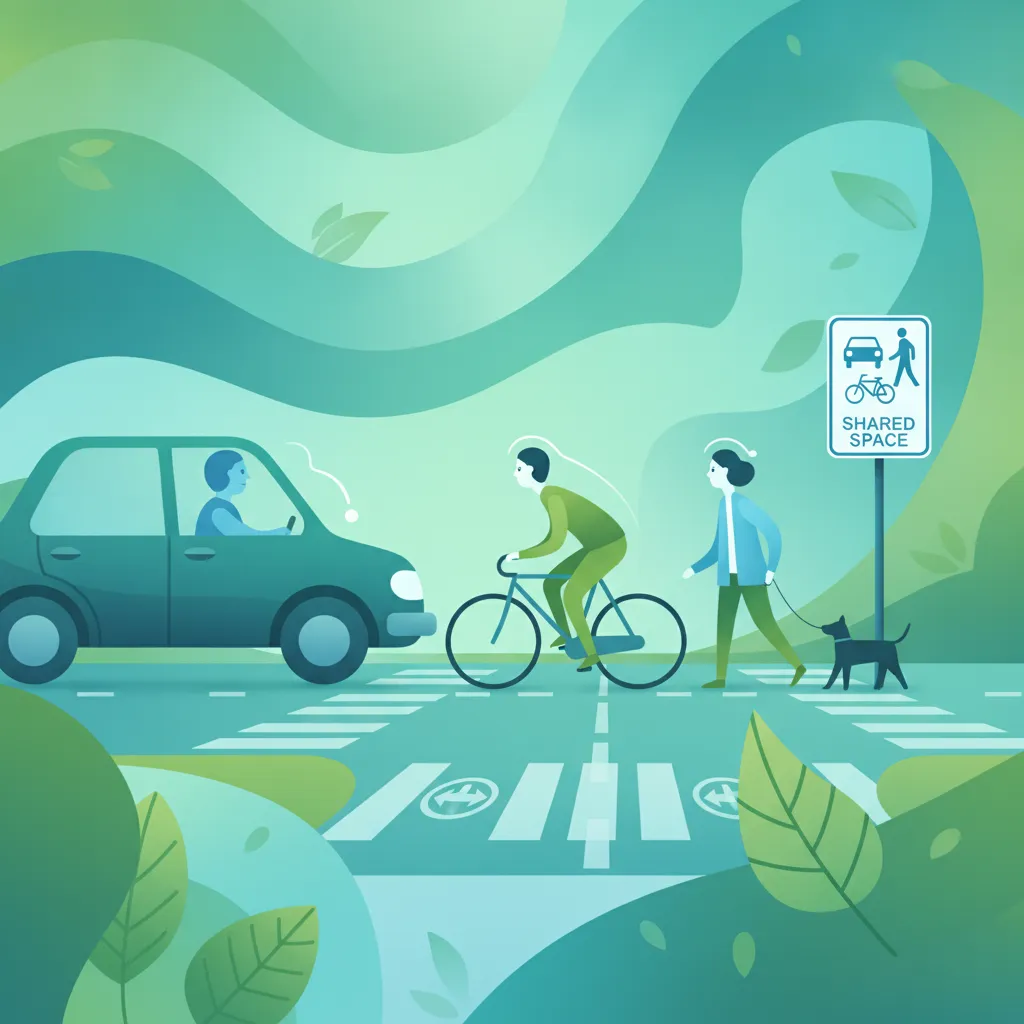
Shared public spaces rely heavily on road user cooperation, low speeds, and active visual communication rather than traditional traffic signals. This lesson teaches drivers how to navigate these open zones safely, yielding priority to pedestrians and integrated cyclists. Drivers will study how traffic calming designs alter vehicle trajectories, allowing safe, stress-free transit through modern city centers.
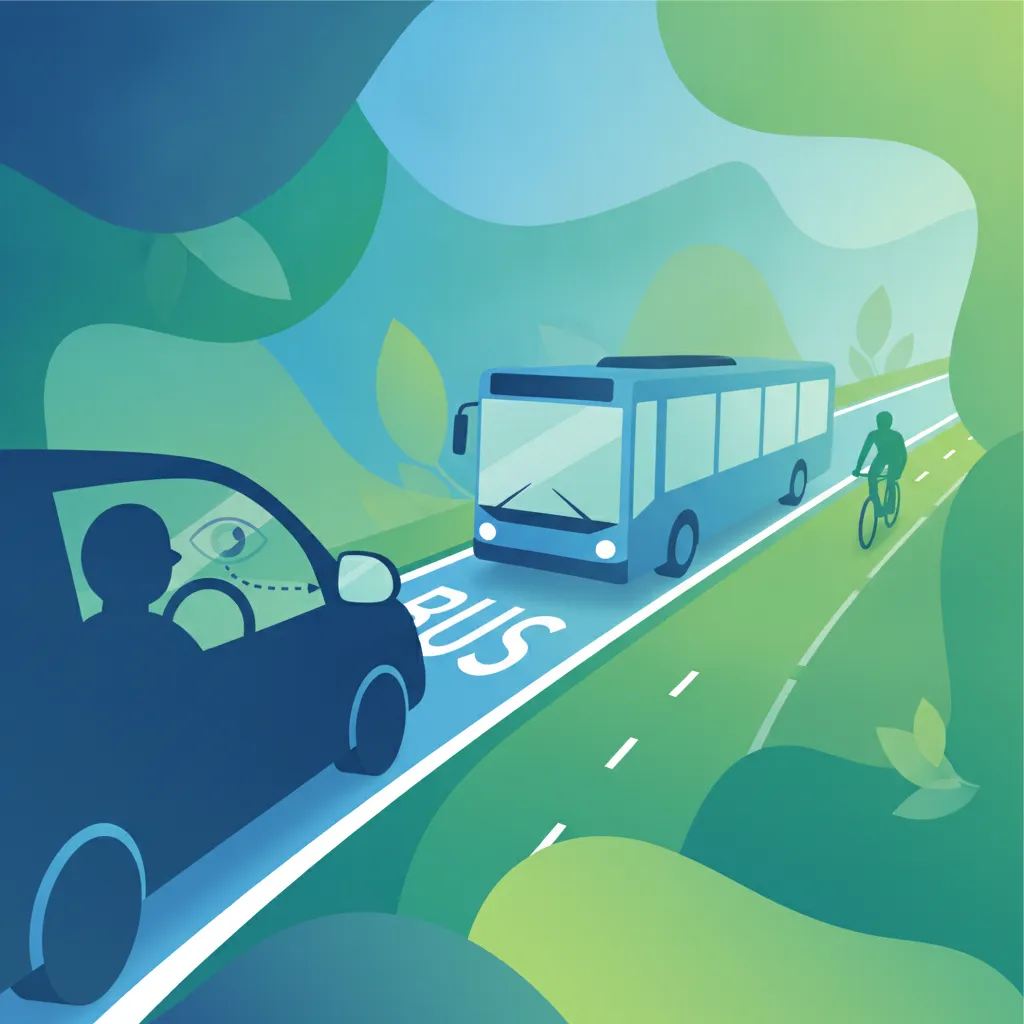
This lesson clarifies the legal regulations surrounding bus lanes and cycle lanes in Ireland, highlighting when motorcycles are permitted to enter them. It outlines how to cross these lanes safely when turning left, and how to scan for cyclists approaching from behind. Riders will learn to respect lane markings, observe signposted operational hours, and avoid blocking designated public transit lanes.

This lesson explains how to choose the safest riding position within a traffic lane, considering the standard left-side driving rule in Ireland. It details the concept of dominant positioning to prevent other vehicles from crowding your space, while remaining visible to oncoming traffic. Riders will learn to adjust their track constantly to avoid road surface hazards, oil deposits, and wind currents.
Understand the legal and practical requirements for driving large vehicles near pedestrians, cyclists, and e-scooter users. This theory lesson explores correct overtaking distances, managing blind spots at bus stops, and anticipating the behavior of school children and elderly pedestrians in busy urban environments.

Bus stops often intersect with designated bicycle lanes and busy walking pathways, creating high-risk conflict areas for drivers. This lesson trains drivers to check blind spots for oncoming cyclists before pulling into or exiting public stop bays. It emphasizes yielding right-of-way to passengers crossing the road, preventing collision risks in active urban transport hubs.

Motorcycles and bicycles are often hidden from view in the large blind spots of passenger buses and coaches during turns. This lesson covers safe lateral clearances when overtaking cyclists, recognizing advanced stop lines, and sharing narrow lanes. Drivers will understand how to signal clearly, giving riders enough room to navigate safely near busy public transit corridors.
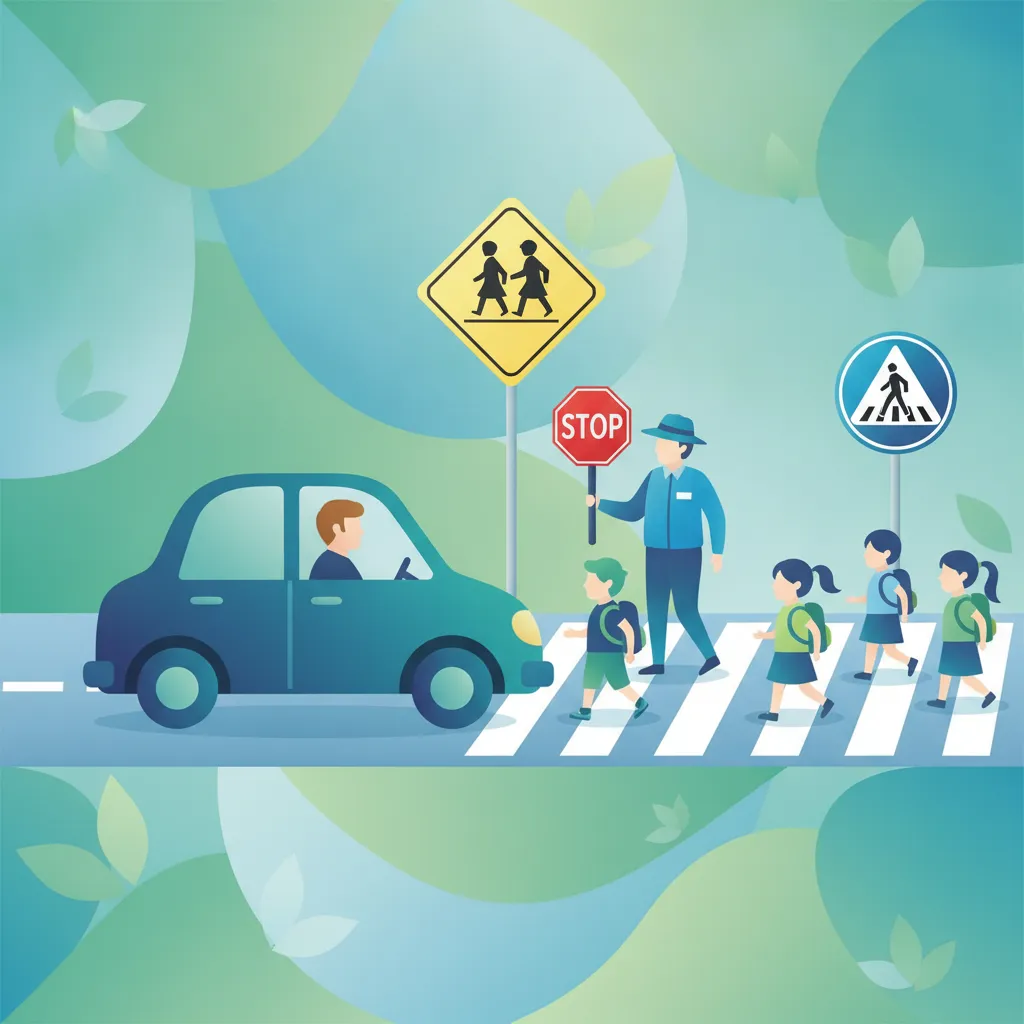
School zones and pedestrian crossings require high driver alertness and strict compliance with local speed limits in Ireland. This lesson details the legal rules of zebra and pelican crossings, explaining driver requirements when amber warning beacons are flashing. Drivers will study safety procedures for dropping off or picking up children, preventing common blind-spot accidents near schools.

Children often struggle to judge heavy vehicle speeds accurately, while elderly pedestrians may possess limited mobility or hearing impairments. This lesson addresses these unique risks, explaining how to adjust driving patterns in residential neighborhoods and near shopping districts. Drivers will learn to maintain a high safety margin, ensuring they can yield quickly to vulnerable road users.

Heavy vehicles require continuous visual scanning to identify small or slow-moving road users who may enter the path of travel. This lesson explores the typical behaviors of young children, elderly pedestrians, and visually impaired road users. Drivers will build strong hazard perception skills to anticipate sudden movements, ensuring they can brake safely and avoid serious accidents.

Children, the elderly, and disabled individuals often require extra time and understanding when navigating road networks. This lesson outlines special safety hazards, such as children unexpectedly running into school zones, or senior citizens needing longer times to cross wide junctions. You will learn how to recognise visually impaired pedestrians by their white canes or guide dogs, and the absolute requirement to drive slowly and patiently.

Passenger boarding and exiting periods represent a highly critical operational window where slip and fall injuries frequently occur. This lesson outlines safe door opening procedures, the deployment of mechanical boarding steps, and proper handrail holding instructions. Drivers will learn to supervise passenger flow, ensuring passengers clear the immediate exit area before the bus begins moving.
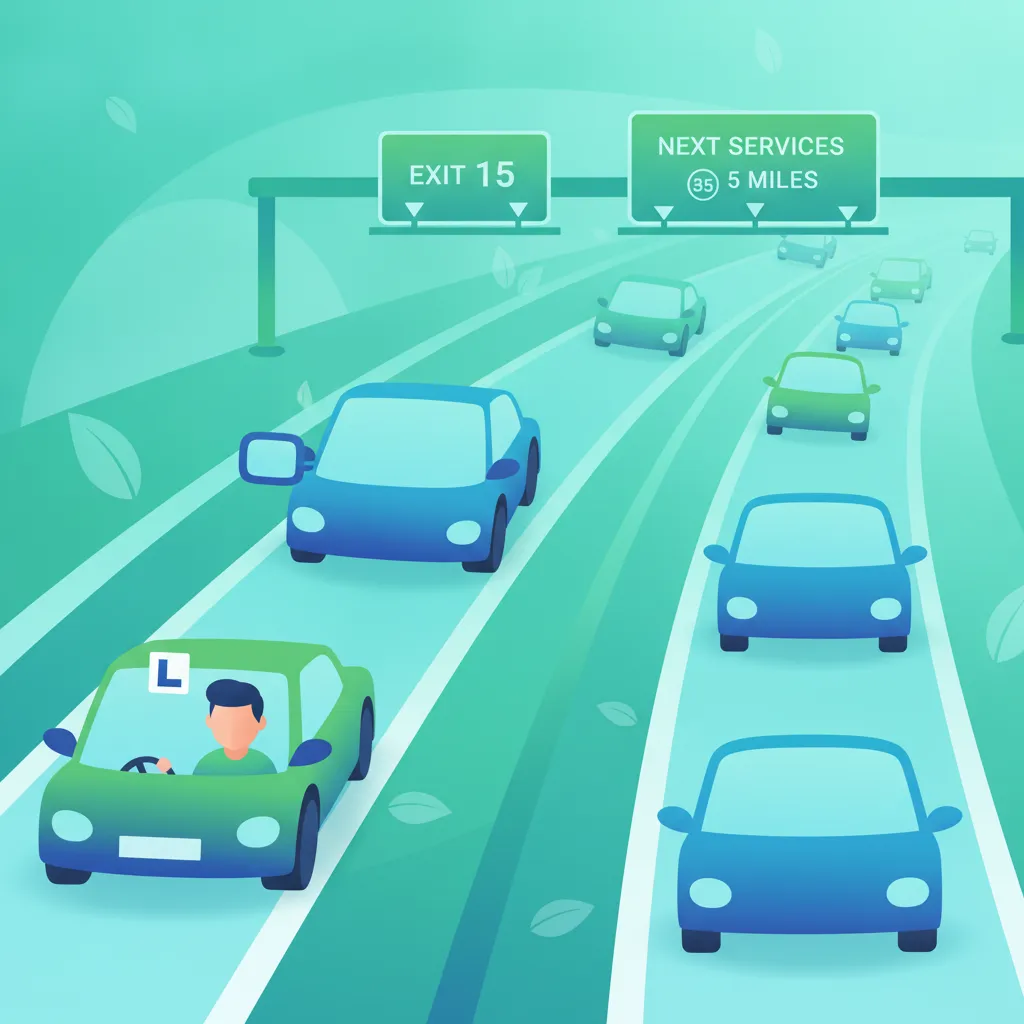
Motorway transport requires consistent forward planning, strict speed restriction compliance, and clear mirror checks before exiting lanes. This lesson details the rules of joining and leaving motorways, navigating toll plazas safely, and managing breakdowns on the hard shoulder. Drivers will learn to balance high-speed travel with passenger stability, ensuring a comfortable, secure ride.
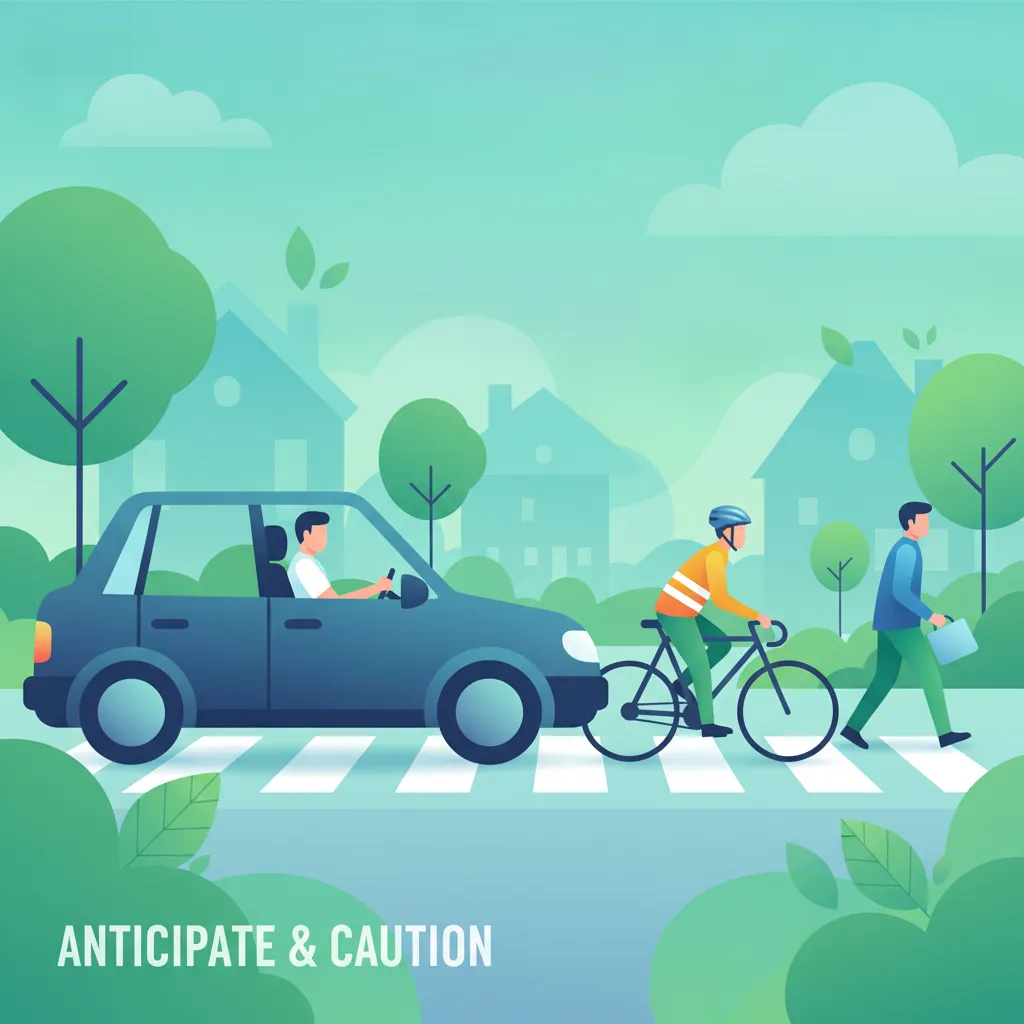
Safeguarding vulnerable road users requires more than simple obedience to traffic signs; it demands a defensive driving mindset. This lesson summarizes safe practices, including scanning far ahead in urban areas, keeping massive safety margins in wet weather, and executing thorough blind spot checks before reversing. By anticipating the unpredictable movements of others, you can prevent accidents and support a safe road culture.
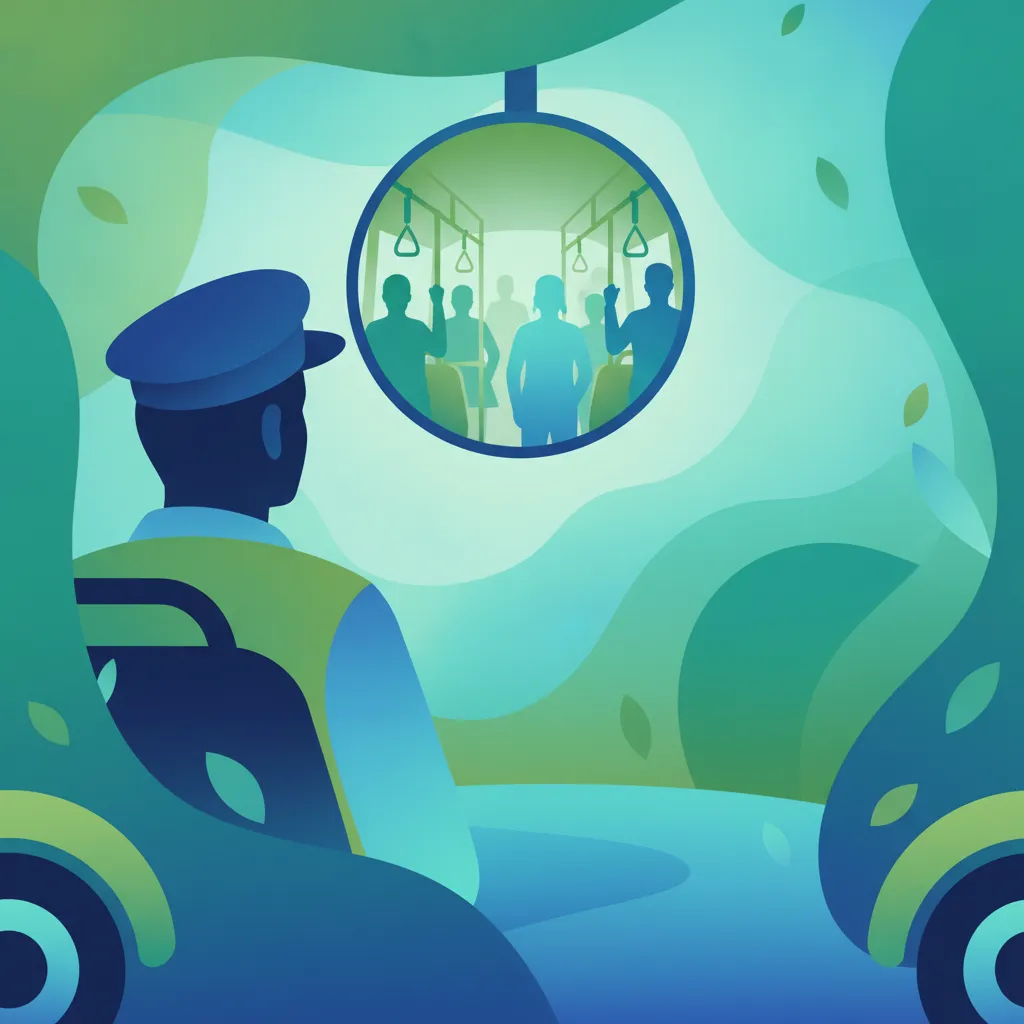
Standing passengers face heightened safety risks due to sudden changes in bus velocity, turning forces, or abrupt stops. This lesson covers maximum standing capacity regulations, correct passenger distribution, and the importance of active handrail utilization. Drivers will learn how to adjust their braking and acceleration patterns to prevent slips, trips, and falls among standing occupants.
Find clear answers to common questions learners have about Urban Traffic Management for Buses and Coaches. Learn how the lesson is structured, which driving theory objectives it supports, and how it fits into the overall learning path of units and curriculum progression in Ireland. These explanations help you understand key concepts, lesson flow, and exam focused study goals.
Not necessarily. While bus lanes are designed for public transport, you must check local signage and the Rules of the Road to ensure the specific lane is permitted for your vehicle type and service classification.
You must not enter a yellow box unless your exit is clear. Given the length of a bus, you must exercise extra caution to avoid becoming trapped inside the junction, which is a common failure point in driving assessments.
Yes. Misuse of bus lanes or ignoring urban traffic restrictions in a commercial vehicle can lead to fixed charges and penalty points, which are strictly enforced under the Irish licensing system.
The biggest risk is the 'blind spot' and 'tail swing' of a long vehicle. You must monitor cyclists and pedestrians at all times, especially when negotiating tight urban intersections.
Use the practice question search tool to pinpoint specific topics, road signs, or rules you need to master for your official Driver Theory Test. Refine your study strategy and ensure comprehensive preparation for all aspects of the Irish driving exam. Start your focused revision now and build confidence for your learner permit test.