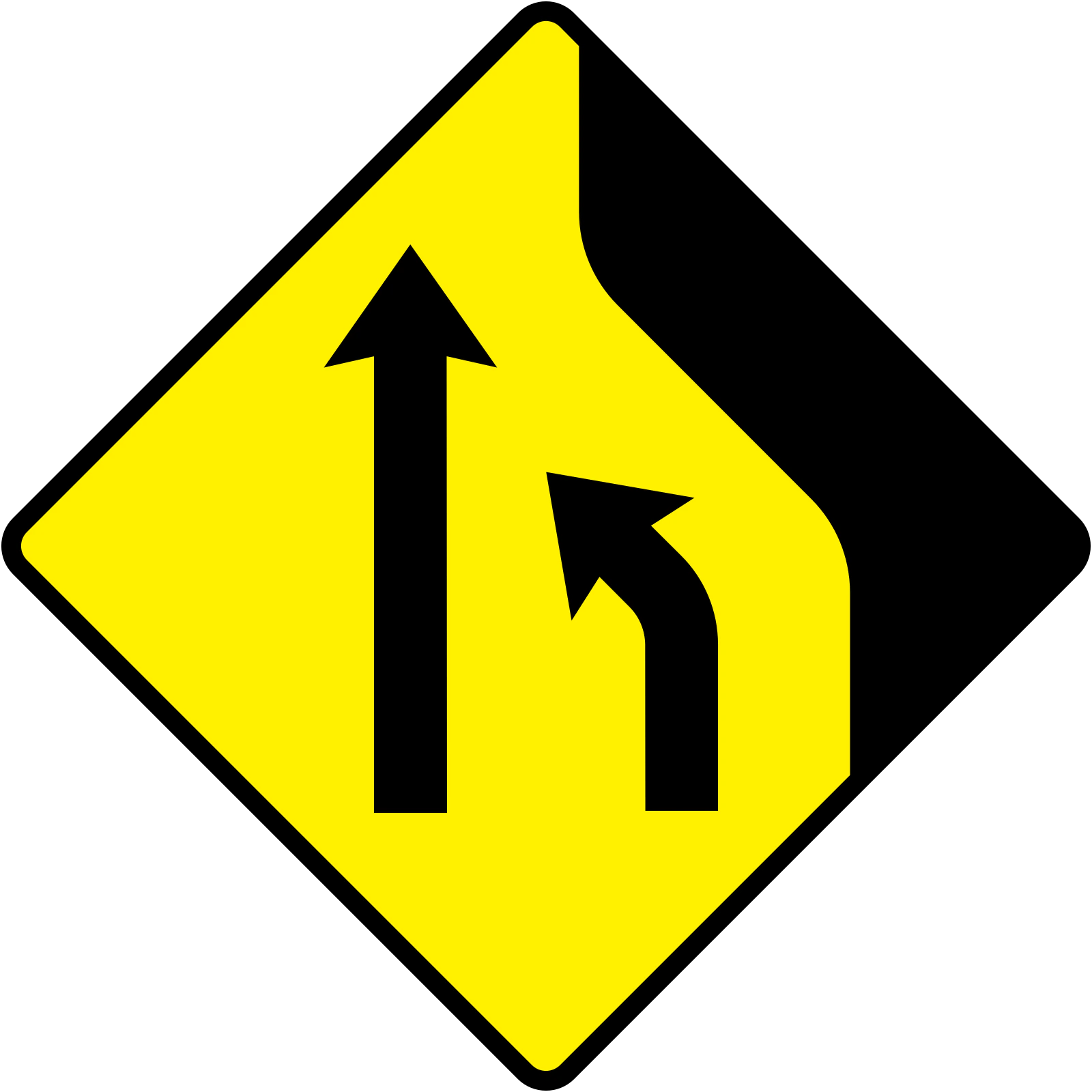
The W-091R road sign is a warning sign that alerts you to an upcoming reduction in lanes, specifically where the right lane will end and merge into a single lane. This Irish warning sign, typically diamond-shaped with a yellow background, indicates a change in road layout you need to prepare for. When you see this sign, it's crucial to slow down, increase your observation of surrounding traffic and road conditions, and be ready to adjust your position or speed to navigate the merge safely.
Hide the name and meaning, look at the sign and check whether you know what it means.
This explanation of the W-091R 'Lane Loss (Two to One Lane) - Right' sign is crucial for your Irish theory test revision, helping you understand potential traffic flow changes. Master this road sign meaning to prepare for upcoming hazards and ensure safe navigation by anticipating lane reductions on your driving journey.
Irish warning signs are generally diamond-shaped and use a yellow background with a black symbol or wording. This sign draws attention to lane Loss (two to One Lane) - Right, so the driver can anticipate the risk before reaching it. In a theory-test context, the correct response is normally to slow down, increase observation, and be ready to yield, stop, or change position if the hazard develops.
Lane Loss (two to One Lane) - Right warns that this hazard, road layout, or traffic condition may appear ahead. The sign gives drivers time to reduce speed, improve observation, and prepare for a controlled response.
Get clear, practical answers to the most common questions about the W-091R - Lane Loss (Two to One Lane) - Right road sign. Learn how the sign works, what rules it represents, and how it affects real driving situations. This FAQ strengthens your understanding and supports accurate decision making for the Irish driving theory exam in Ireland.
The W-091R sign is a warning that the right-hand lane is about to merge into a single lane ahead. It gives you advance notice to prepare for this change in road layout and potential traffic disruption.
Upon seeing the W-091R sign, you should reduce your speed, increase your scanning of the road ahead and your mirrors, and be prepared to merge or yield to other traffic. Avoid overtaking or changing lanes just before the merge point if it's unsafe.
While this sign can appear on various road types, it is most commonly found on roads where lane configuration changes are significant, such as approaches to roadworks, bridges, or junctions where lanes merge. Always be observant, as the exact distance and severity can vary.
A common trap is not anticipating the lane loss early enough. Learners might maintain their speed or attempt to overtake on the right, only to be forced into a sudden, unsafe manoeuvre. The theory test expects you to react proactively by slowing down and observing well in advance.
No, the W-091R sign does not mean you must stop. It's a warning to prepare for a lane reduction. You should be ready to yield, adjust your speed, or merge smoothly, but stopping is only required if traffic conditions ahead necessitate it.
A clear reference image of the W-091R - Lane Loss (Two to One Lane) - Right road sign used in Ireland.
The W-091R - Lane Loss (Two to One Lane) - Right road sign may also be known by these alternative names or terms.
The W-091R - Lane Loss (Two to One Lane) - Right road sign is part of the Warning Signs category, which groups together signs with similar rules and functions.
Mastering Irish road signs means understanding their distinctions. Comparing similar traffic signs, like lane loss warnings, sharpens your recognition and reduces theory test revision errors.
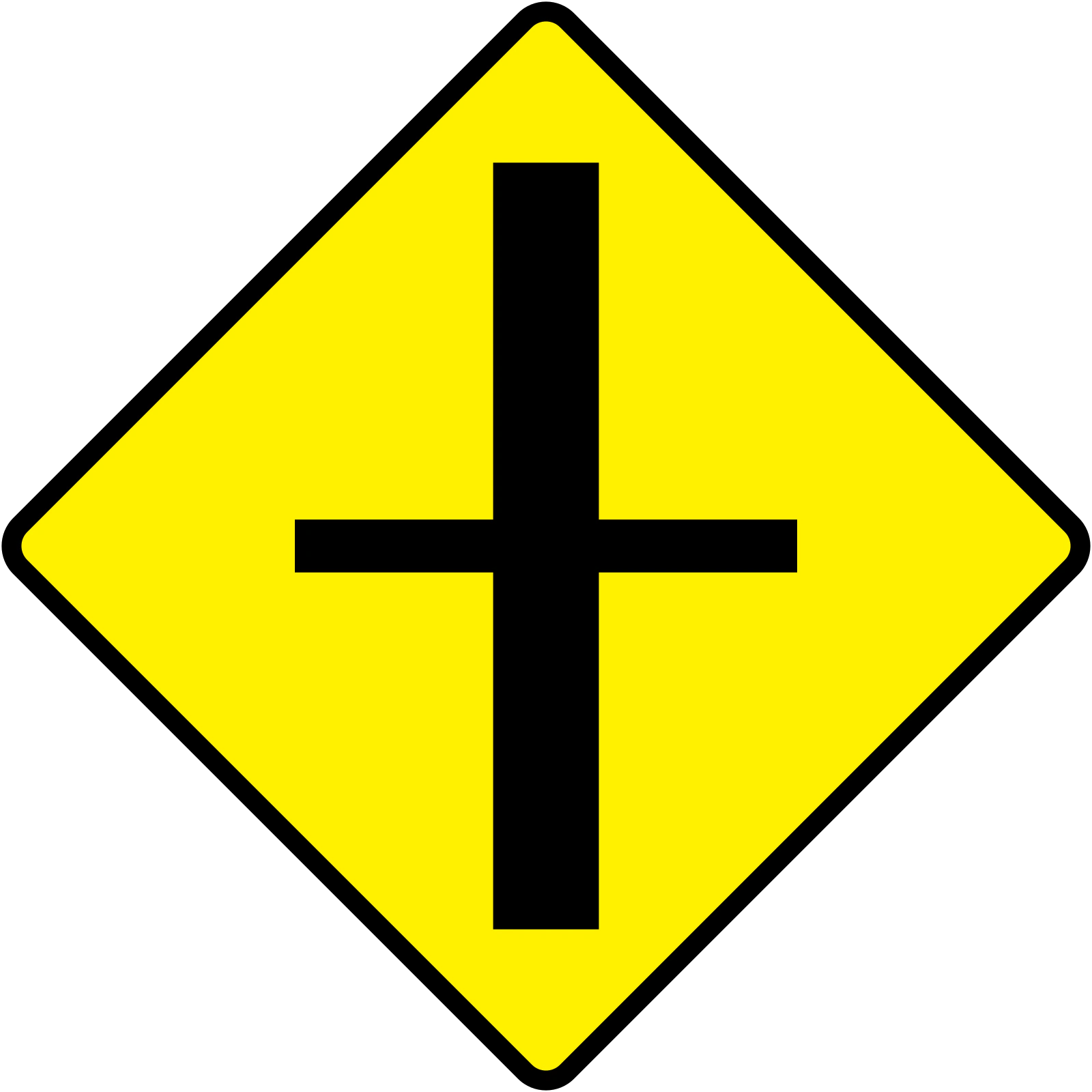
Prepare for Crossroads with the W-001 Warning Sign
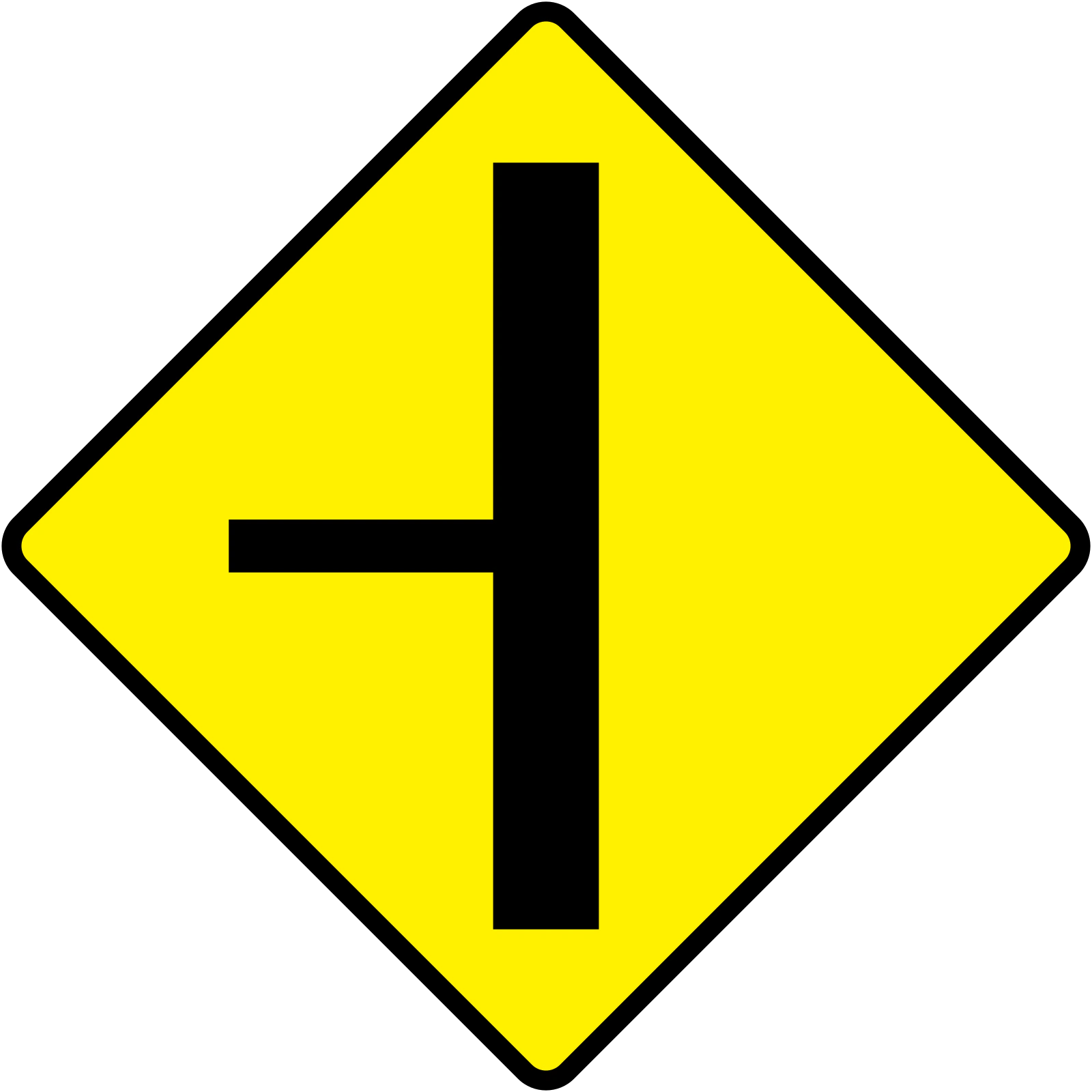
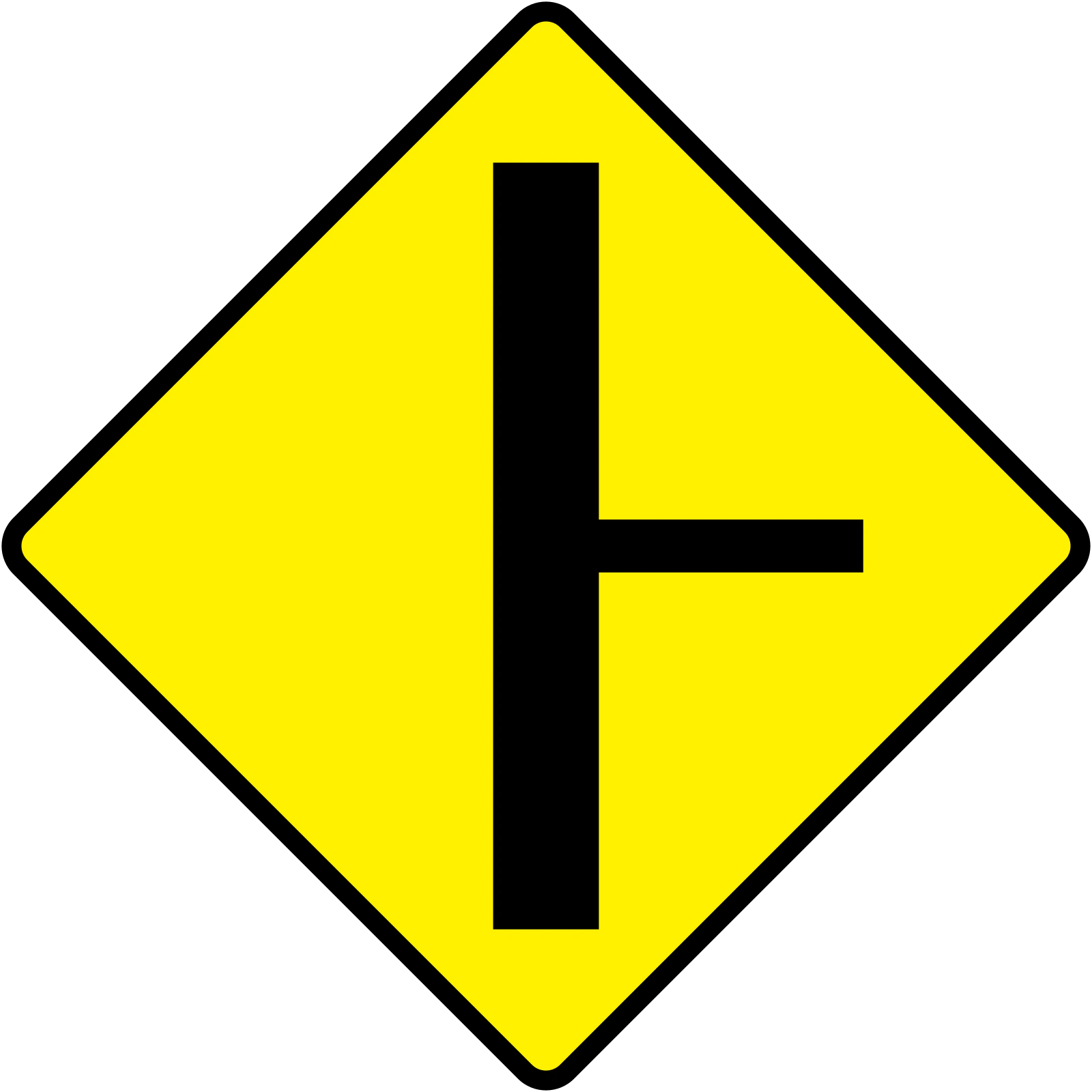
Prepare for a Side Road Joining from the Left with the W-002L Warning Sign.
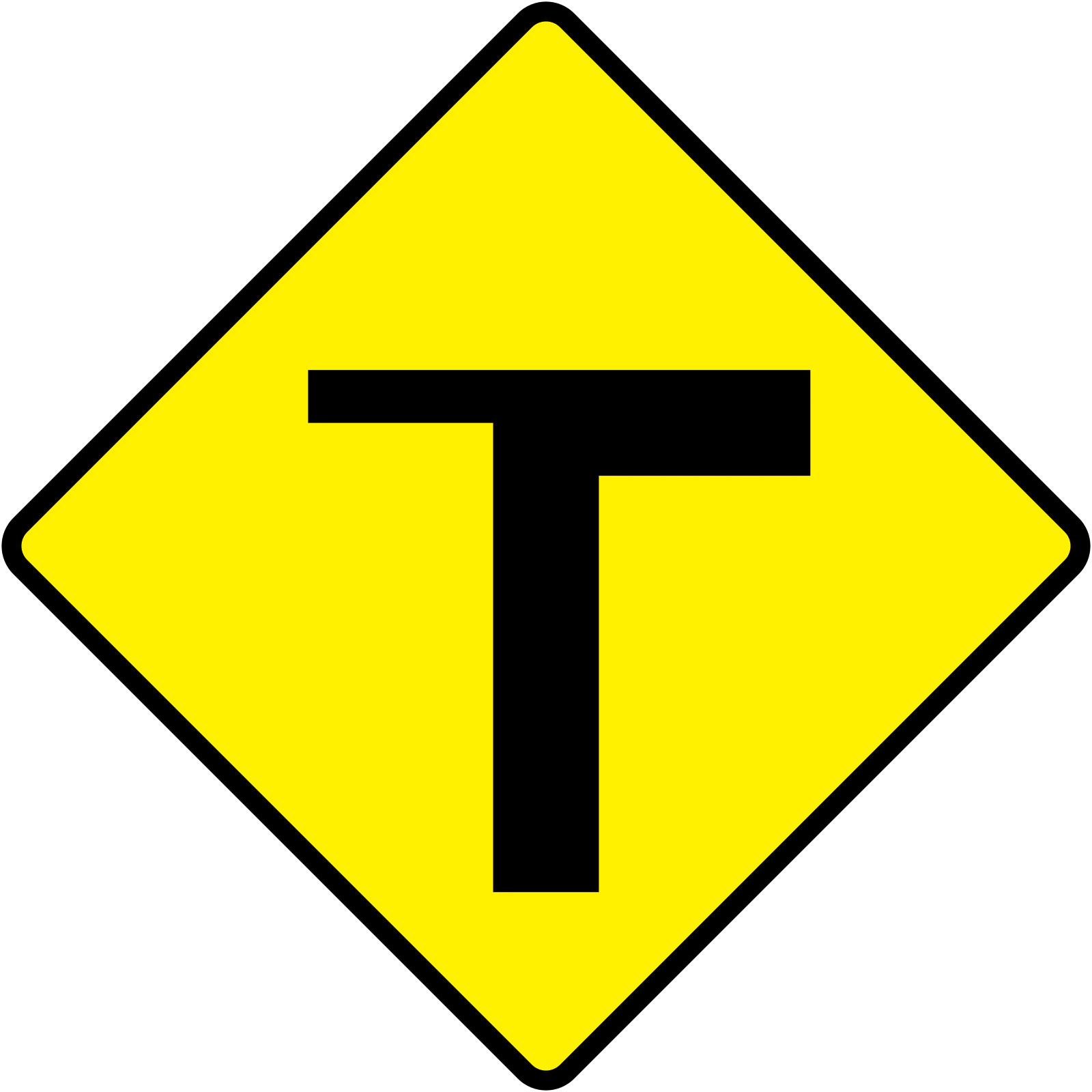
Prepare for T - Junction (type 1) - Left ahead
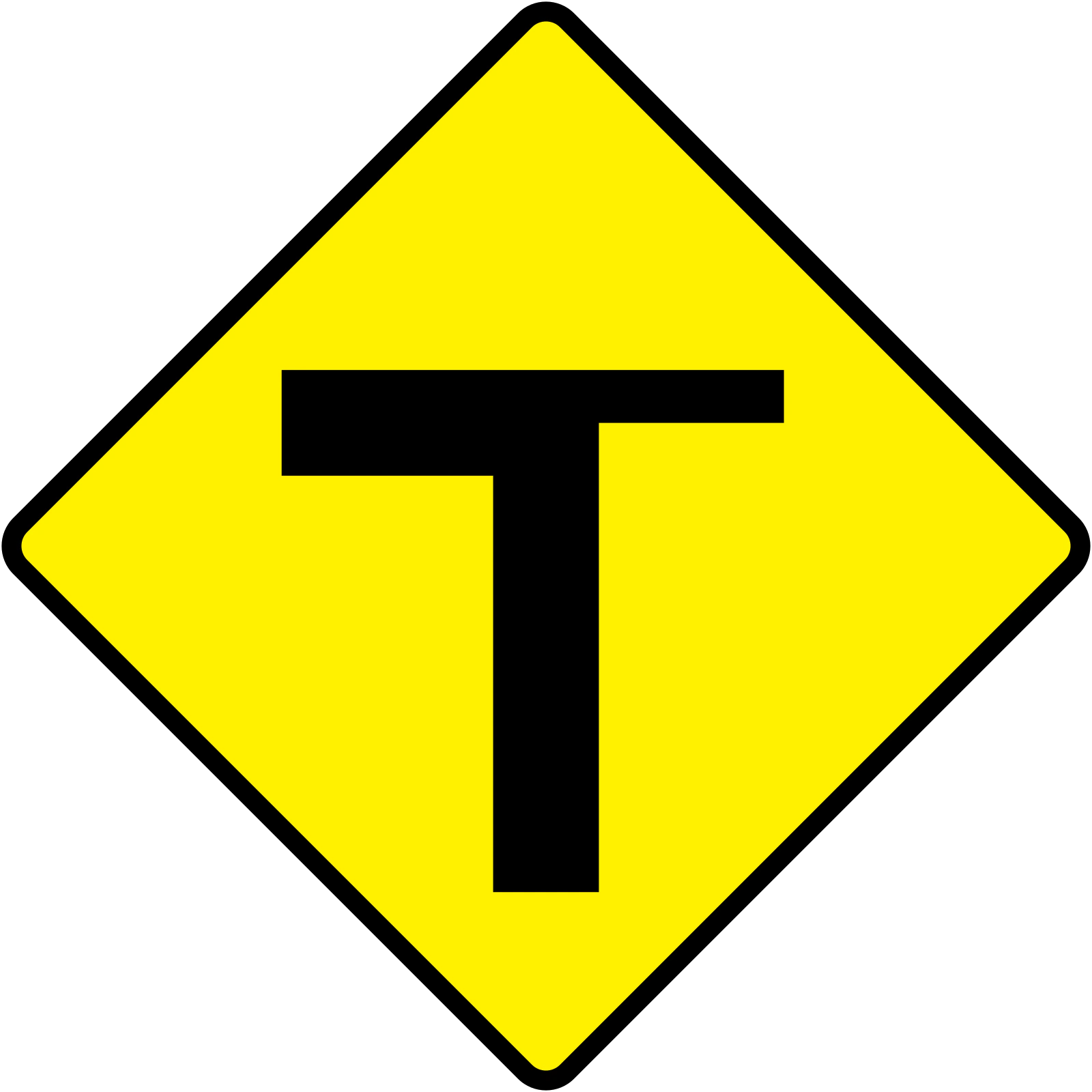
Prepare for a T-Junction on your right with this warning sign.
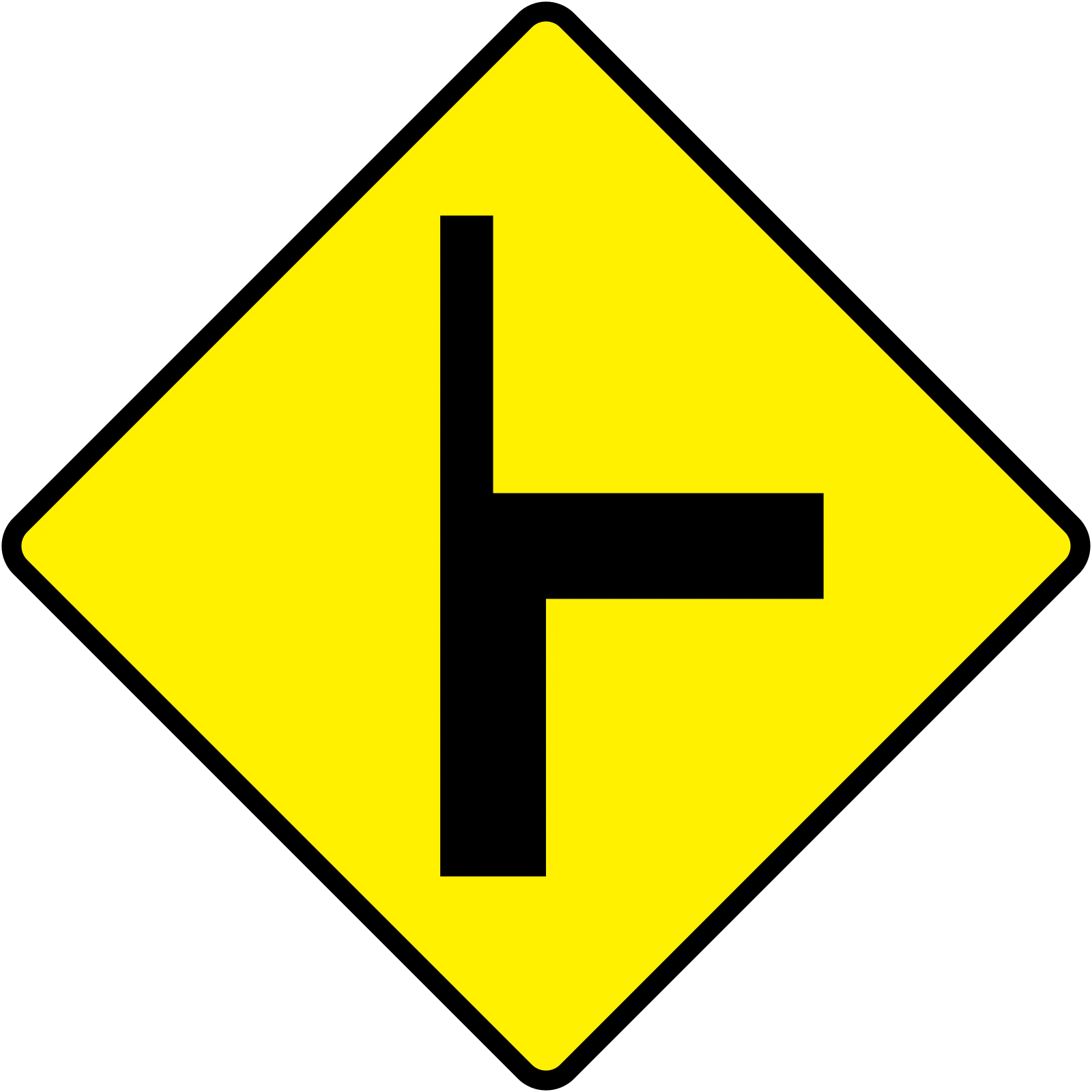
Prepare for a T-Junction to your left with this warning sign.
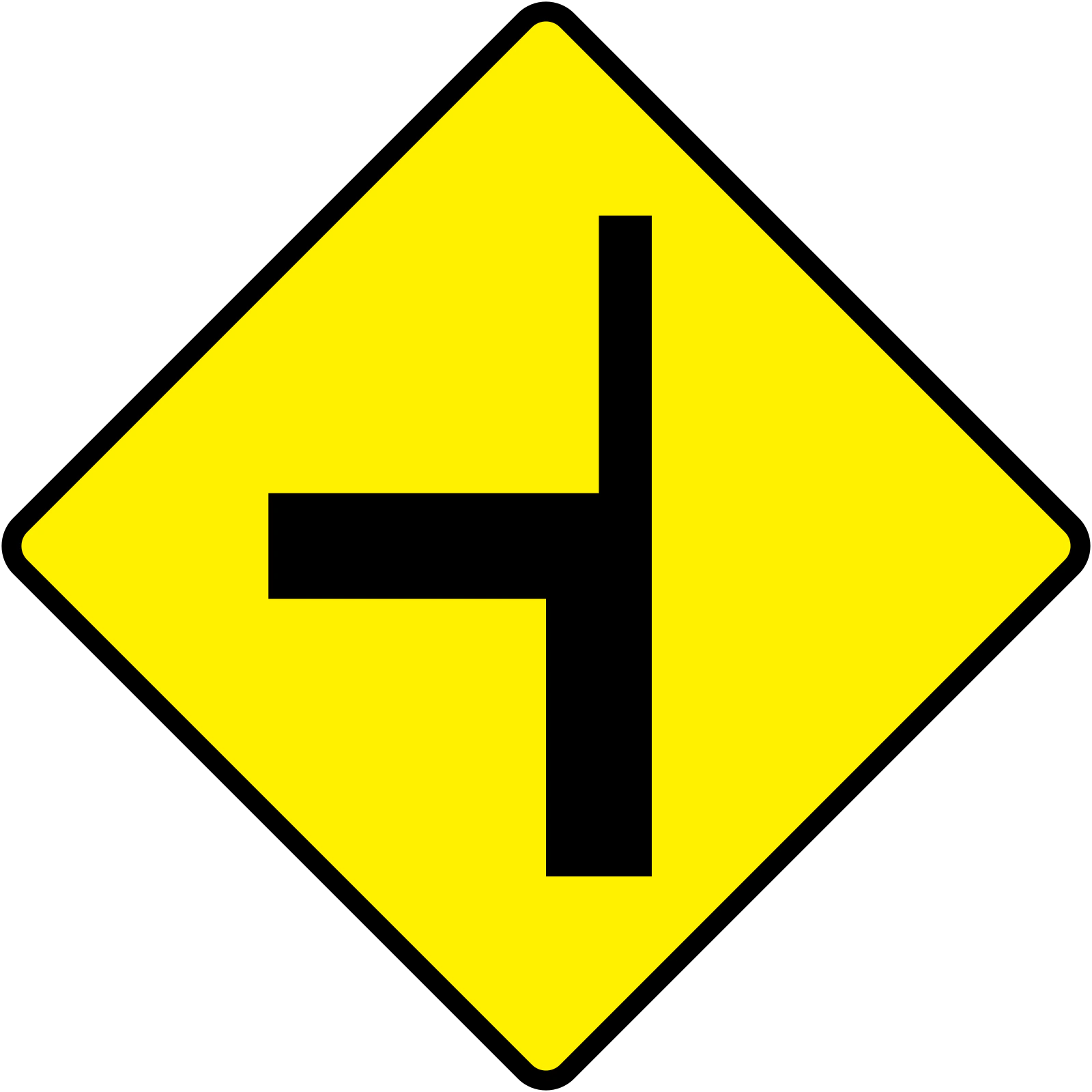
Prepare for a T-Junction ahead with the 'Junction (Type 2) - Right' warning sign.
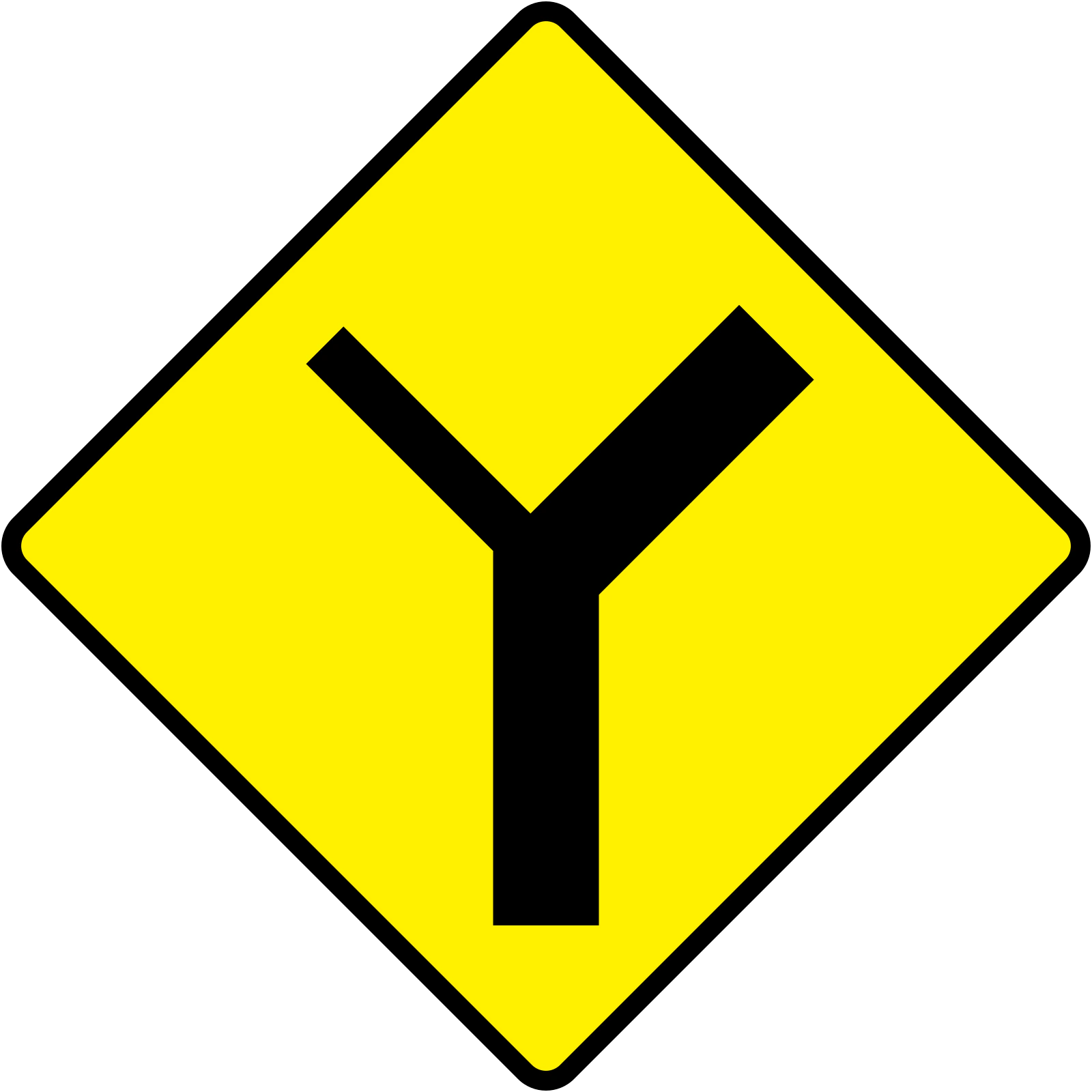
Prepare for a Y-Junction ahead with the Left Warning Sign (W-005L)
Learn to interpret essential traffic signs and markings by exploring related Road Safety Authority guidelines and practical theory test scenarios. Linking visual recognition to active road usage ensures you are fully prepared for your official exam.
Master undivided attention for safer Irish roads and a successful Driver Theory Test.
Navigating narrow, winding rural roads requires a heightened level of anticipation and caution, especially when vulnerable road users like cyclists are present. This article explains the RSA guidelines for managing road conditions effectively, ensuring you can stop safely should a hidden hazard emerge around a bend. You will learn why slowing down early is a fundamental defensive driving skill that directly impacts your success in the hazard perception portion of the Irish theory test.
Master essential visibility rules for a safe drive and to pass your Irish theory test.
Preparing for the Irish Driver Theory Test requires a thorough understanding of official road safety regulations and traffic laws. This article explains how to effectively organize your study time, prioritize the Rules of the Road, and avoid common pitfalls associated with outdated, unofficial study materials. You will learn how to align your preparation with the official RSA standards to ensure you are fully ready for your test day.
Irish warning signs are generally diamond-shaped and use a yellow background with a black symbol or wording. This sign draws attention to crossroads (major Road) Ahead, so the driver can anticipate the risk before reaching it. In a theory-test context, the correct response is normally to slow down, increase observation, and be ready to yield, stop, or change position if the hazard develops.
Irish warning signs are generally diamond-shaped and use a yellow background with a black symbol or wording. This sign draws attention to t Junction (major Road) Ahead, so the driver can anticipate the risk before reaching it. In a theory-test context, the correct response is normally to slow down, increase observation, and be ready to yield, stop, or change position if the hazard develops.
After reviewing all Irish road signs, strengthen your knowledge further by exploring specific categories or taking dedicated practice questions. This targeted approach helps solidify your recognition and recall skills, ensuring you are fully prepared for the visual sections of your Driver Theory Test.
All Irish Road Signs List