
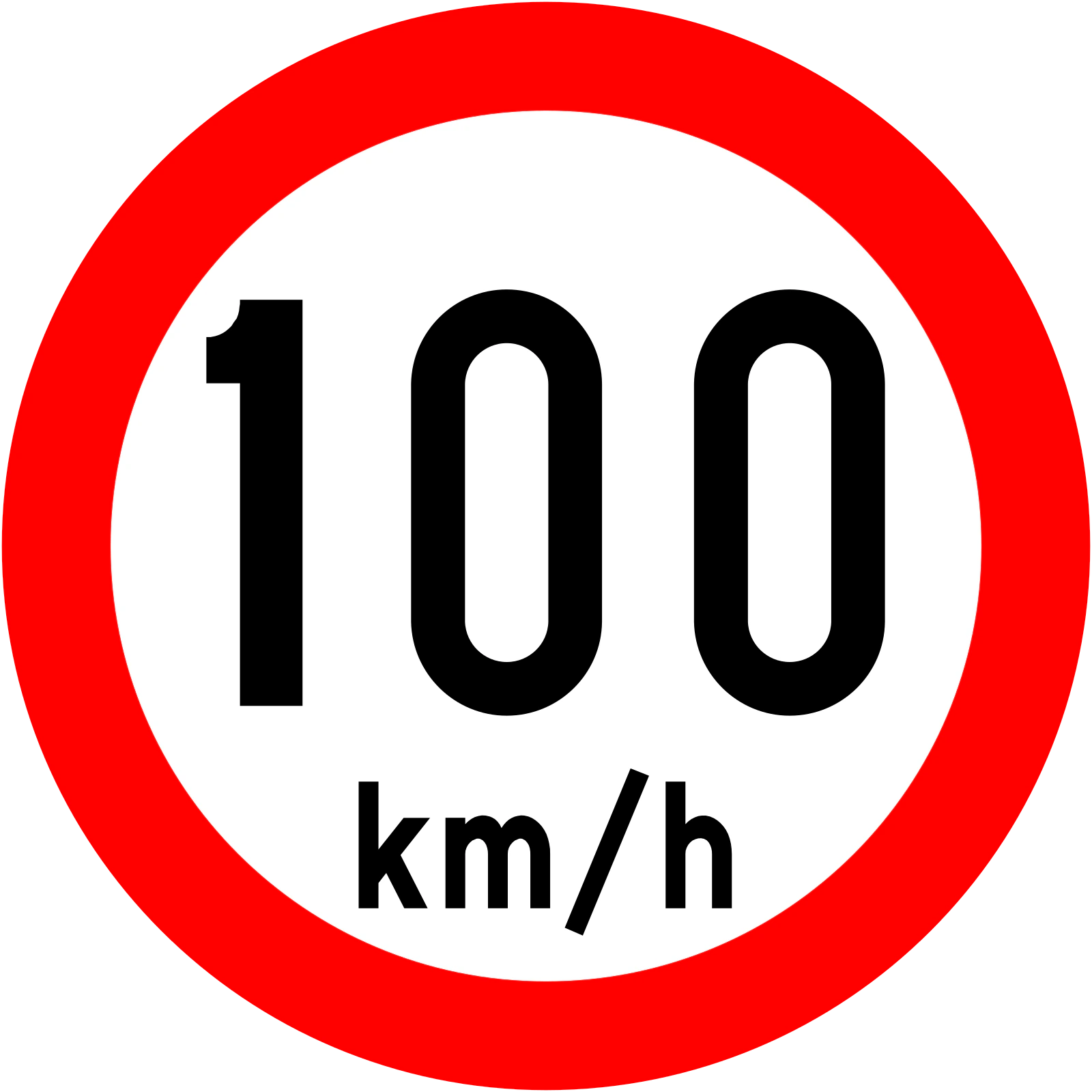
The Speed Limit 100 km/h sign (RUS-040) is a mandatory regulatory sign that sets a legal speed restriction. When you see this sign, you must not exceed 100 kilometres per hour from that point onwards. Regulatory signs create binding rules, and it's crucial to comply with the exact instruction given. Always be aware of any supplementary plates that might further define the speed limit’s application by time, direction, or vehicle type.
Mastering this regulatory road sign is crucial for your theory test revision, ensuring you understand and adhere to legal speed limits in Ireland. Proper interpretation of speed signs like this 100 km/h limit prevents penalties and promotes safer driving by clarifying traffic rules.
This regulatory sign creates a binding road rule at or after the point where it is placed. The sign may be circular, rectangular, or lane-specific depending on whether it gives a mandatory instruction, restriction, prohibition, or traffic-control rule. In theory practice, focus on the exact action required and check whether any supplementary plate limits the rule by time, direction, vehicle type, or distance.
Speed Limit (100 km/h) sets a legal instruction, restriction, or prohibition that drivers must obey. It may require a specific movement, ban a manoeuvre, reserve a road space, or set a speed or access rule.
Get clear, practical answers to the most common questions about the RUS-040 - Speed Limit (100 km/h) road sign. Learn how the sign works, what rules it represents, and how it affects real driving situations. This FAQ strengthens your understanding and supports accurate decision making for the Irish driving theory exam in Ireland.
The Speed Limit 100 km/h sign (RUS-040) legally requires you to drive at a speed no faster than 100 kilometres per hour. This is a mandatory instruction that applies from the point the sign is displayed.
Upon seeing the RUS-040 sign, you must reduce your speed to 100 km/h or less if you are currently travelling faster. Ensure your speed is lawful and safe for the road conditions, not exceeding the posted limit.
Generally, regulatory signs like the 100 km/h speed limit sign have no exceptions unless a supplementary plate attached to the sign clearly indicates one, for example, specifying certain times or vehicle types. In the absence of such a plate, the limit is absolute.
To avoid penalties, always pay close attention to all speed limit signs, including the 100 km/h (RUS-040) sign. Drive at or below the posted speed limit, and be particularly mindful of changes in speed limits, especially when entering different zones or before junctions.
Yes, regulatory speed limit signs are legally enforceable by An Garda Síochána. Ignoring them can result in penalty points and fines, so it's essential to adhere to the indicated speed.
A clear reference image of the RUS-040 - Speed Limit (100 km/h) road sign used in Ireland.
The RUS-040 - Speed Limit (100 km/h) road sign may also be known by these alternative names or terms.
The RUS-040 - Speed Limit (100 km/h) road sign is part of the Regulatory Signs category, which groups together signs with similar rules and functions.
Understanding the distinctions between similar speed limit signs, like the 100 km/h limit, is crucial for accurate recall during your Driver Theory Test revision. Comparing these traffic signs helps solidify your knowledge of Ireland's road rules and reduces exam mistakes.
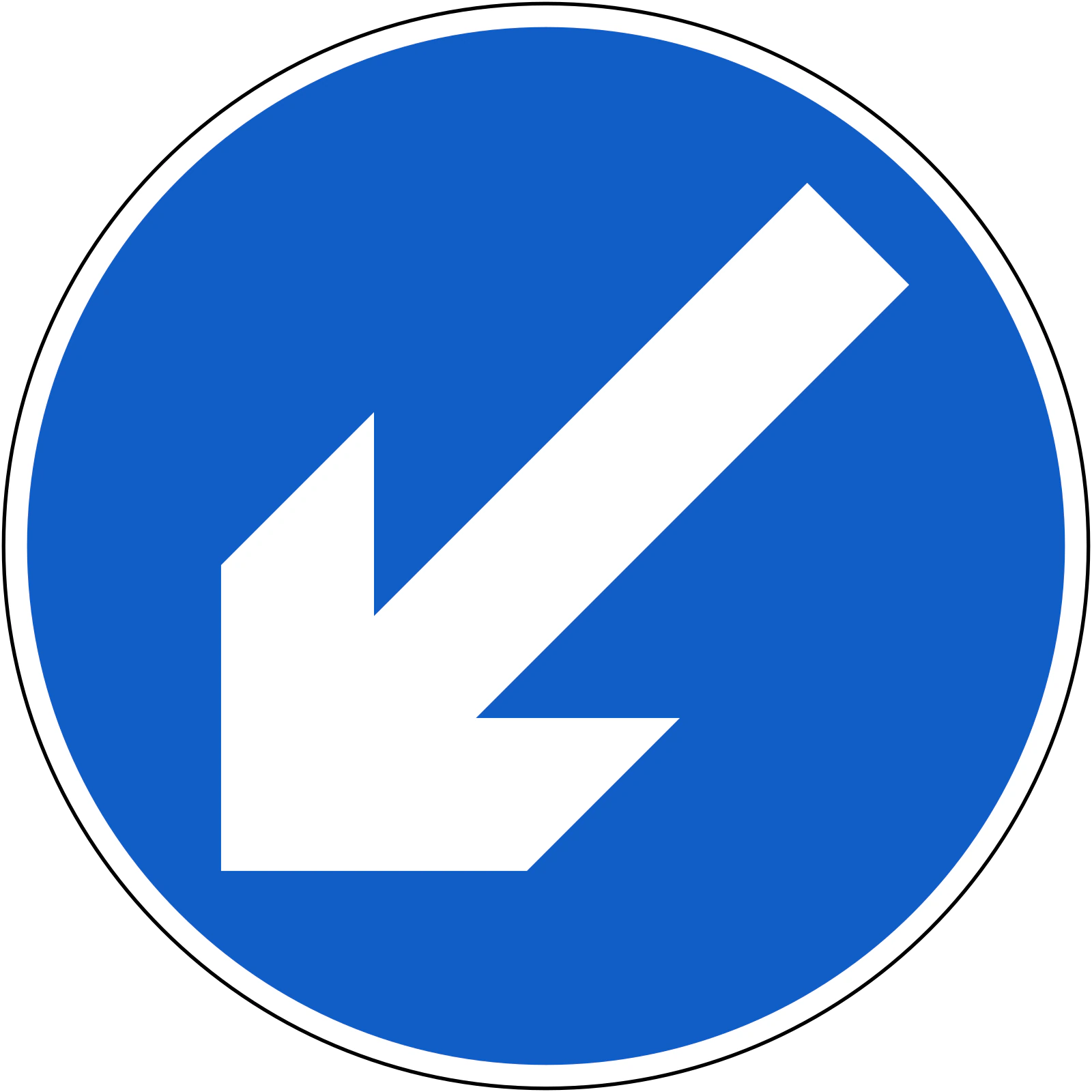
What the 'Keep Left' RUS-001 Regulatory Sign Means for Your Drive
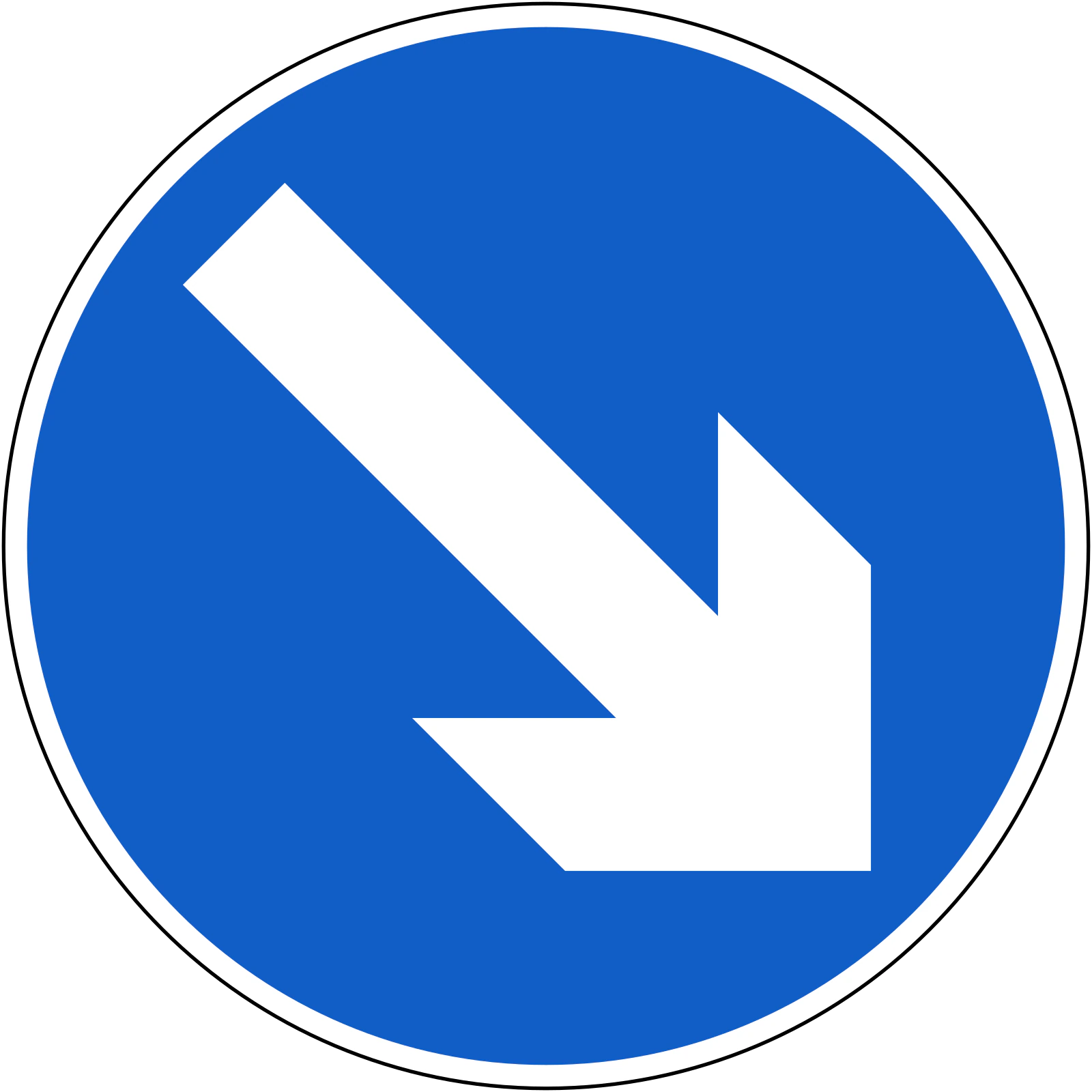
Understand the 'Keep Right' Regulatory Sign (RUS-002) in Ireland
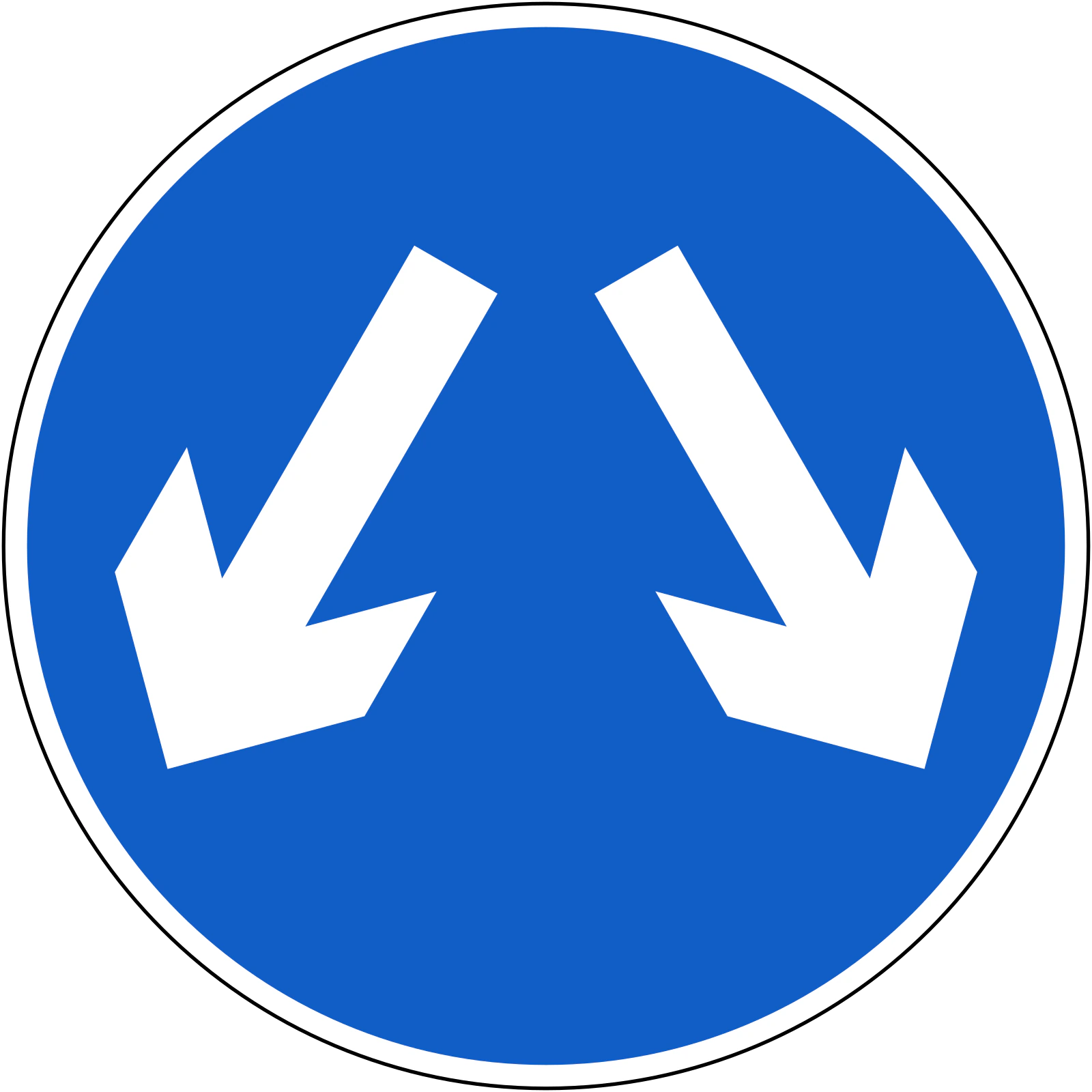
The 'Pass Either Side' sign means you can pass the obstruction or traffic island from either the left or the right.
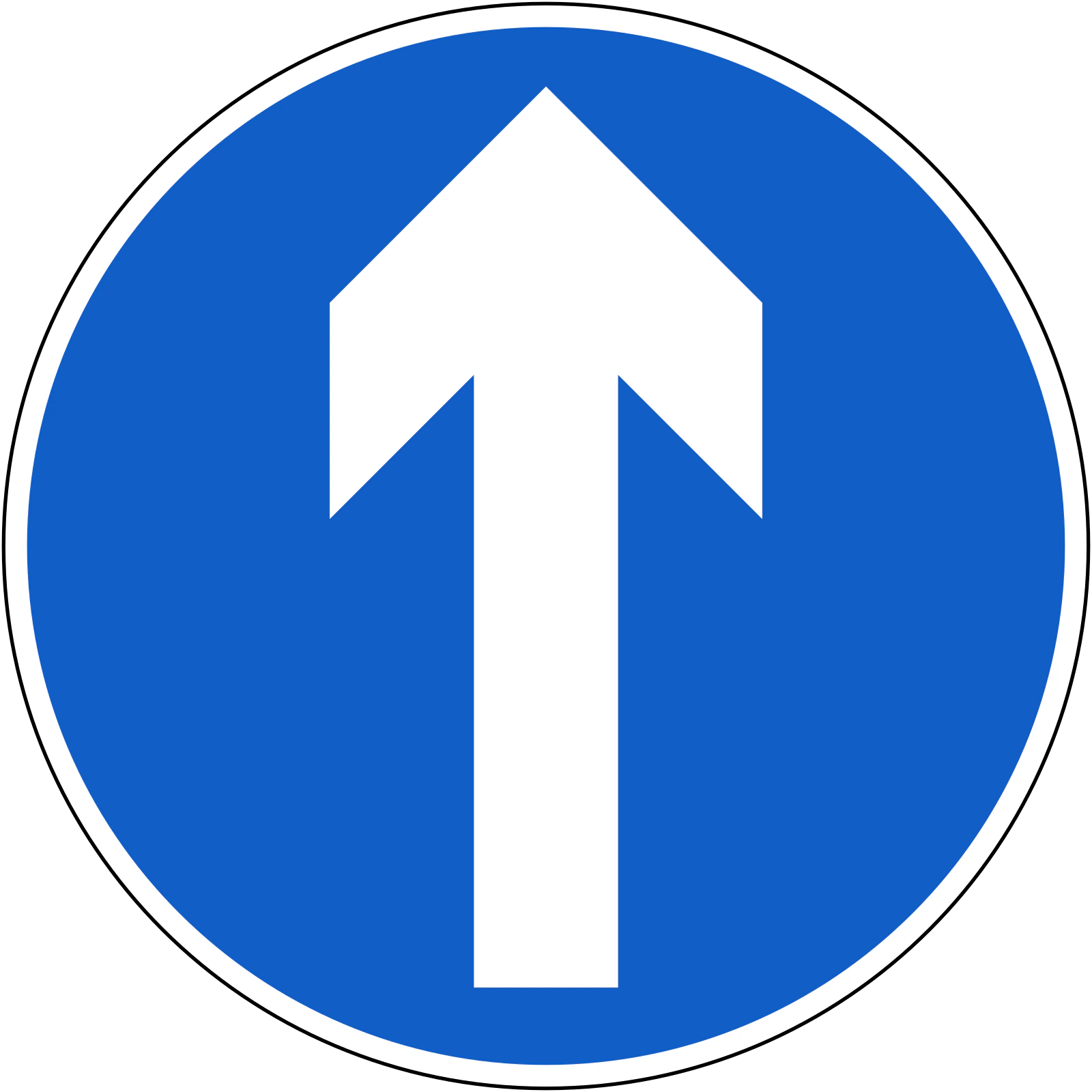
Obey the 'Keep Straight Ahead' Regulatory Sign (RUS-004) for Mandatory Direction
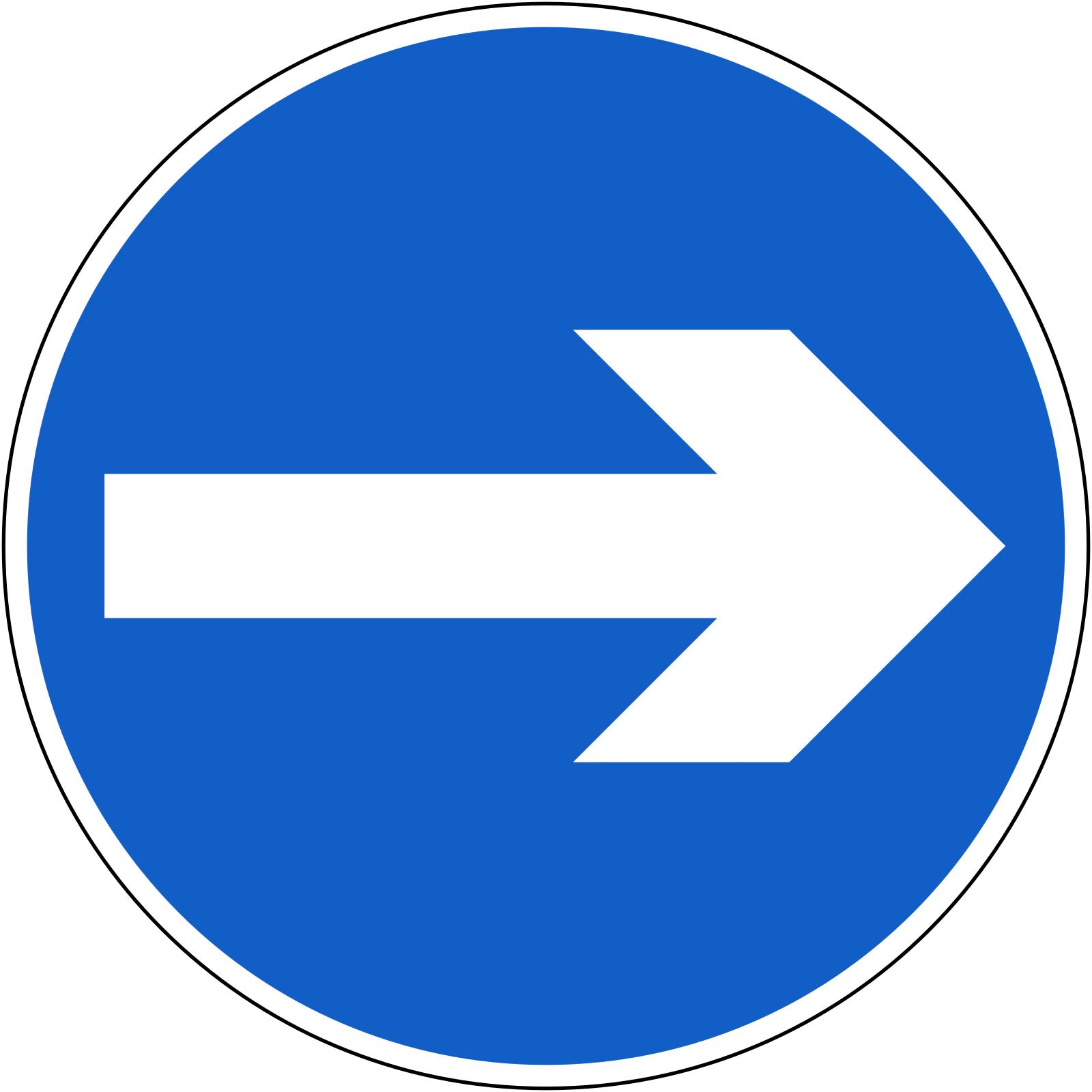
The 'Turn Right' sign (RUS-005) is a mandatory regulatory sign giving a direct instruction.
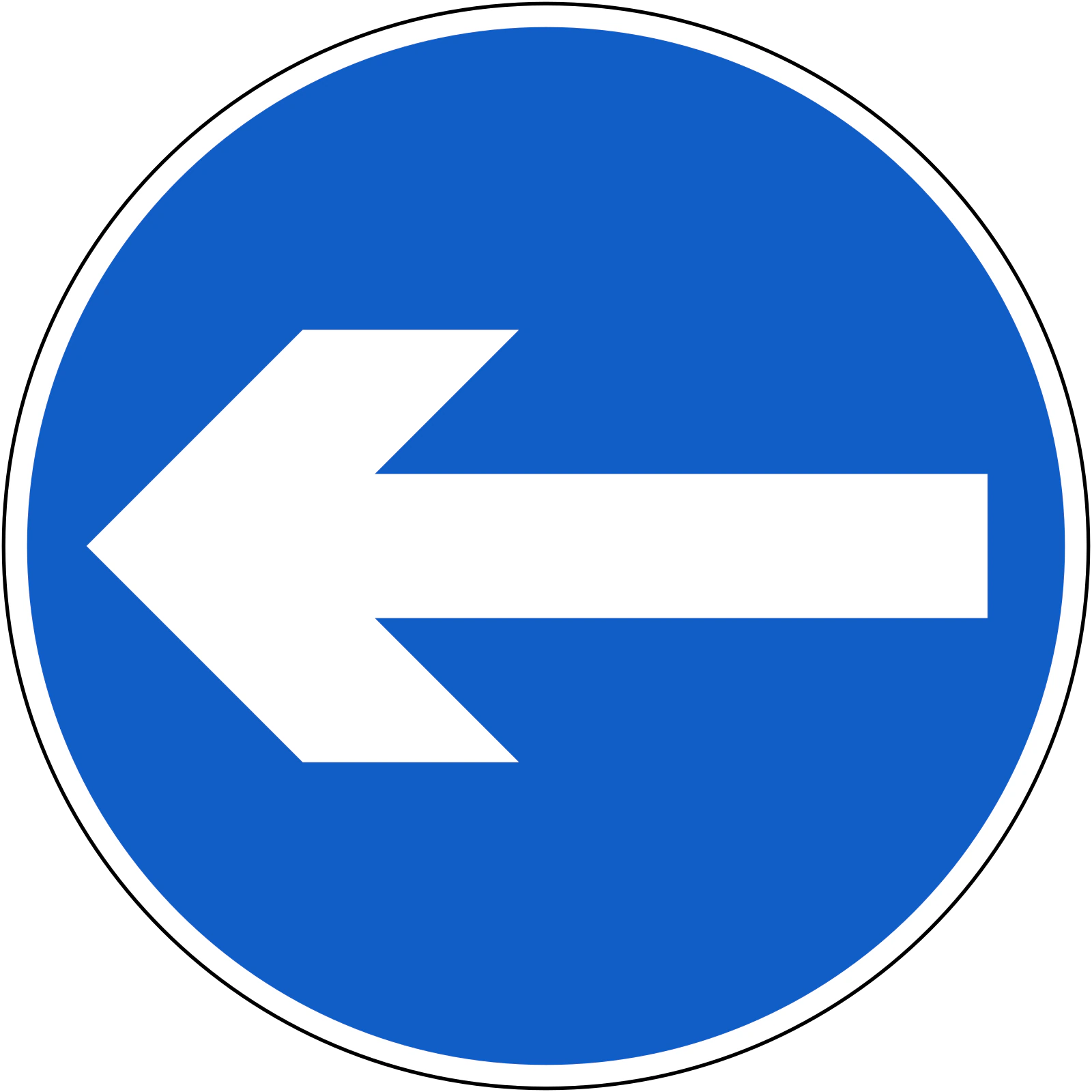
Understand the 'Turn Left' Regulatory Sign (RUS-006) for Mandatory Directions
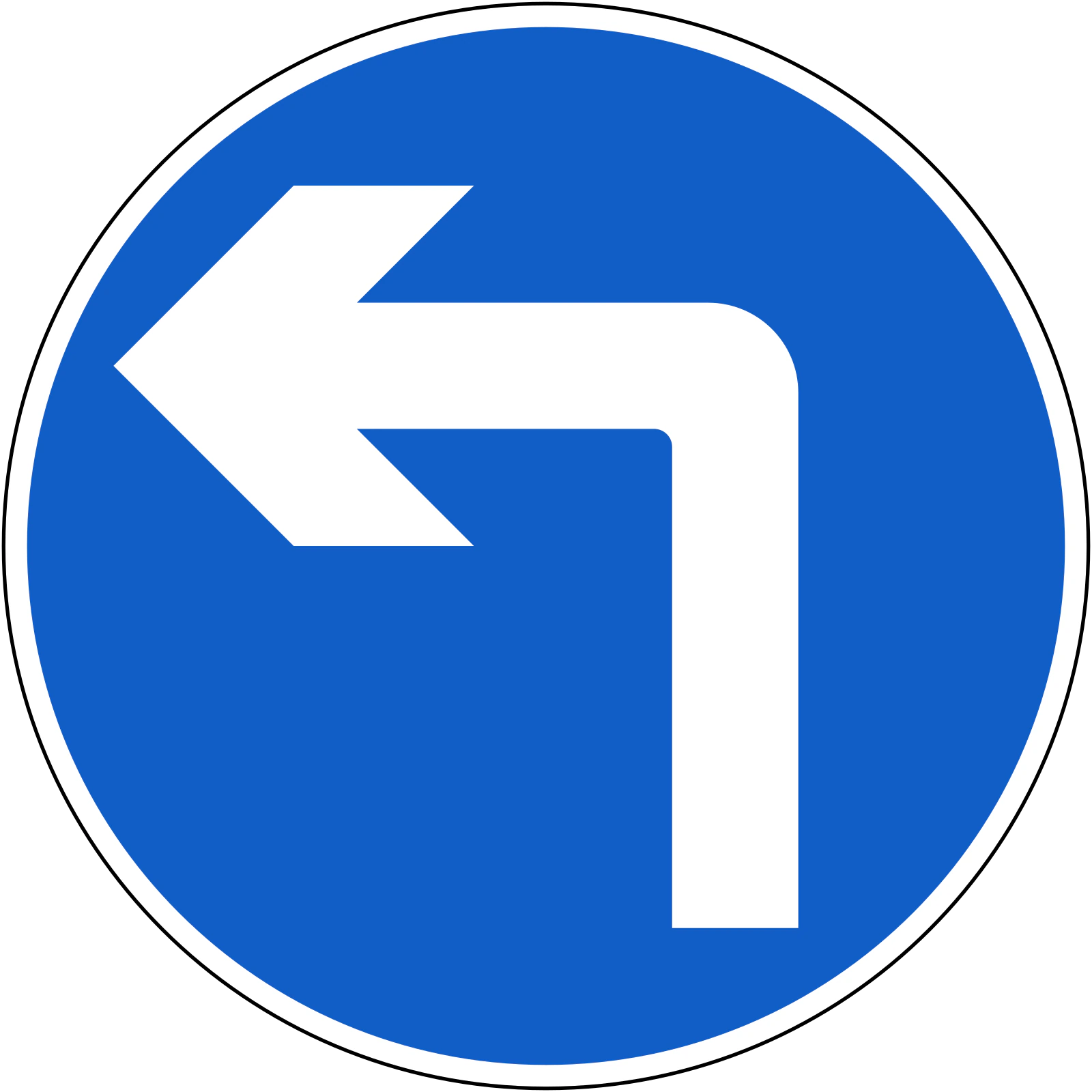
The RUS-007 'Turn Left Ahead' sign is a mandatory regulatory instruction.
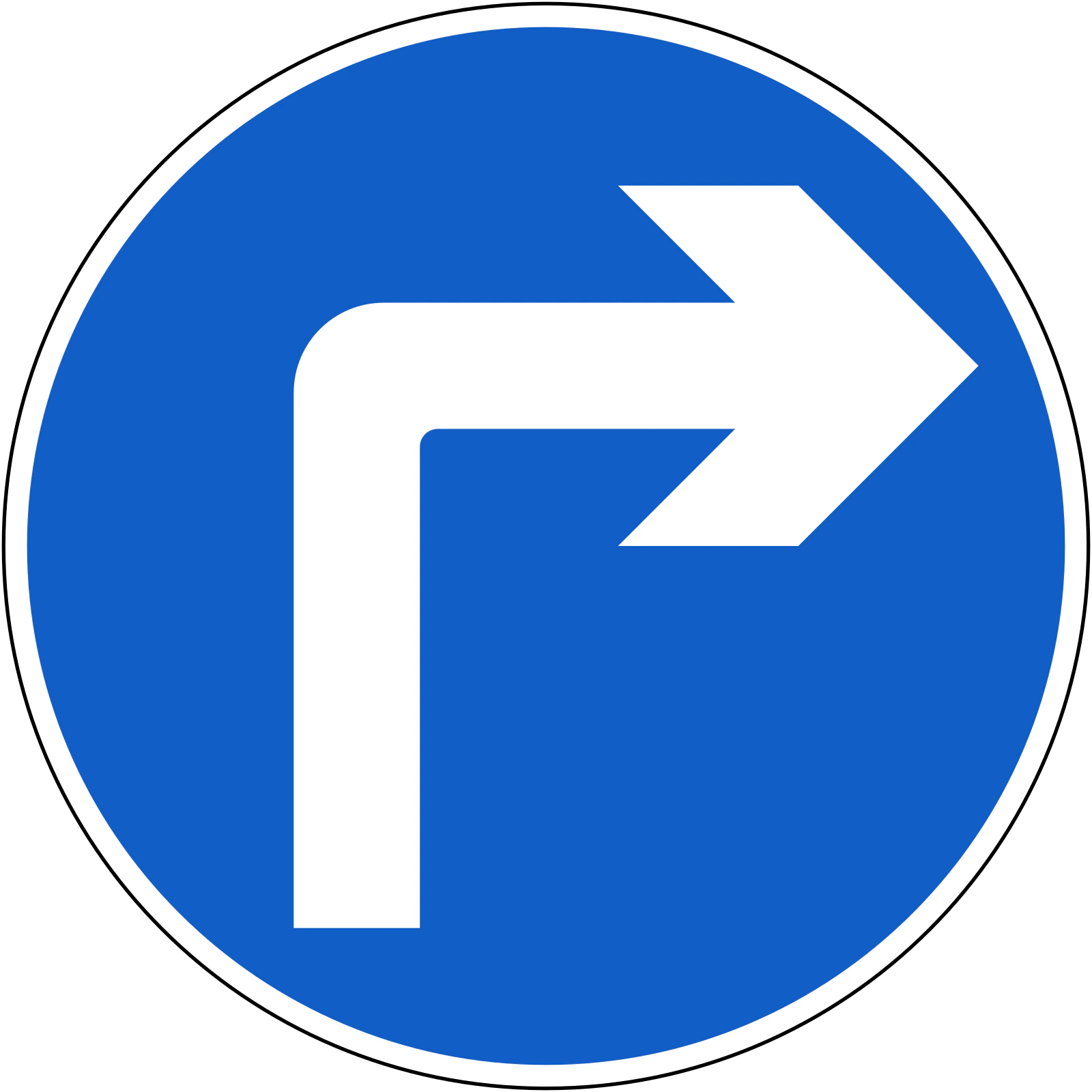
obey the 'Turn Right Ahead' regulatory sign in Ireland
Learn to interpret essential traffic signs and markings by exploring related Road Safety Authority guidelines and practical theory test scenarios. Linking visual recognition to active road usage ensures you are fully prepared for your official exam.
Master Critical Responses: Be Prepared for Any Road Emergency in Ireland.
Master Essential Collision Response: Be Prepared for Irish Roads.
When your vehicle breaks down or is involved in a crash on Irish roads, alerting other drivers is paramount for safety. This article guides you through the essential steps, including the correct use of hazard warning lights and personal safety measures, as specified by the RSA and the Rules of the Road. Mastering this knowledge is crucial for your Driver Theory Test and for everyday safe driving.
Understanding how to safely navigate junctions is a fundamental skill for every driver in Ireland, yet it remains a frequent source of errors in the theory exam. This guide breaks down the legal requirements for right of way, the correct approach to mini-roundabouts, and how to identify road priorities at unmarked village junctions. Developing a clear grasp of these rules is vital for both passing your test and ensuring safety on the road.
This regulatory sign creates a binding road rule at or after the point where it is placed. The sign may be circular, rectangular, or lane-specific depending on whether it gives a mandatory instruction, restriction, prohibition, or traffic-control rule. In theory practice, focus on the exact action required and check whether any supplementary plate limits the rule by time, direction, vehicle type, or distance.
This regulatory sign creates a binding road rule at or after the point where it is placed. The sign may be circular, rectangular, or lane-specific depending on whether it gives a mandatory instruction, restriction, prohibition, or traffic-control rule. In theory practice, focus on the exact action required and check whether any supplementary plate limits the rule by time, direction, vehicle type, or distance.
After reviewing all Irish road signs, strengthen your knowledge further by exploring specific categories or taking dedicated practice questions. This targeted approach helps solidify your recognition and recall skills, ensuring you are fully prepared for the visual sections of your Driver Theory Test.
All Irish Road Signs List