Navigating the rules regarding alcohol and traffic is a fundamental part of preparing for your CBR theory exam. This guide explains the specific legal blood and breath alcohol limits for both novice and experienced drivers, while highlighting the broader implications for road safety and personal liability. Mastery of these regulations is essential for passing the exam and ensuring responsible behavior on Dutch roads.
Article content overview
Driving in the Netherlands requires a deep commitment to responsibility, safety, and a clear understanding of legal regulations. For any aspiring driver preparing for the CBR theory exam, the rules surrounding alcohol and drug consumption are among the most critical topics to master. Alcohol significantly impairs your central nervous system, reducing your alertness, reaction time, and depth perception. These impairments are not just personal health issues; they are legal liabilities that can lead to severe consequences, including criminal charges, fines, and long-term driving bans.
In the Netherlands, the law distinguishes between novice drivers and experienced drivers. The CBR exam places a heavy emphasis on these specific limits, as they represent the baseline for legal road participation. Understanding these values is essential for both your theory success and your future behavior on the road.
| Driver Category | Blood Alcohol Limit | Breath Alcohol Limit |
|---|---|---|
| Novice Driver | 0.2‰ (0.2%) | 88 µg/L |
| Experienced Driver | 0.5‰ (0.5%) | 220 µg/L |
A "novice driver" refers to individuals in their initial years of holding a Dutch driving licence. Because the margin for error is so slim—approximately equivalent to less than one standard glass of alcohol—it is safest to adopt a strict zero-tolerance approach. For experienced drivers, the limit of 0.5‰ corresponds to roughly 1.5 to 2.5 standard glasses, but "experienced" does not mean "immune to impairment." Even within legal limits, alcohol consumption can induce a sense of overconfidence that leads to risky decision-making.
The legal alcohol limits in the Netherlands apply equally to cyclists. If you are caught cycling under the influence, your driver's licence can be confiscated, even if you are not operating a motor vehicle at the time.
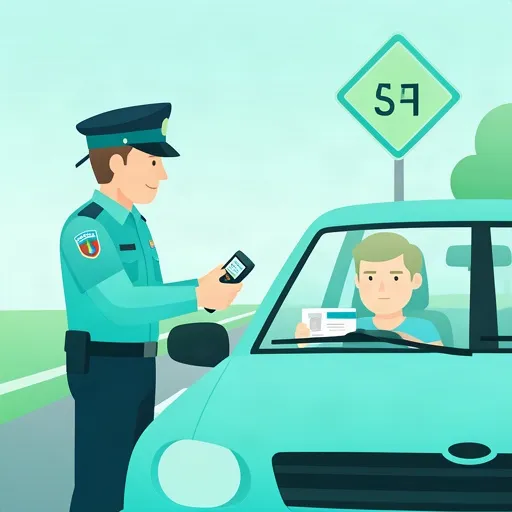
Driving under the influence (DUI) is a criminal offense in the Netherlands. Police enforcement is frequent, and you are required by law to cooperate with breath and saliva tests during traffic stops. If you refuse to cooperate, you face immediate legal repercussions. Penalties for exceeding the legal limits can include hefty fines, the suspension of your driving licence for several years, and in severe cases, imprisonment.
Beyond the immediate legal penalties, consider the human cost. Recent data from the SWOV (Stichting Wetenschappelijk Onderzoek Verkeersveiligheid) indicates that alcohol plays a direct role in 24% to 35% of all road fatalities in the Netherlands. Often, it is not just the intoxicated driver who pays the price; innocent passengers and other road users frequently suffer the consequences.
A temporary prohibition issued by the police, lasting from a few hours up to 24 hours, during which you are strictly forbidden from operating any vehicle, including bicycles, due to suspected intoxication or intent to drive under the influence.
The theory exam often presents questions regarding "driving fitness." It is important to remember that alcohol is not the only substance that can impair your ability to drive. Many medications, including those for sleep, anxiety, or high blood pressure, come with a yellow warning label. If you are prescribed such medication, it is your responsibility to check if it compromises your driving capability.
If you are involved in an accident while under the influence of medication—especially if you were warned of the side effects—you can be held fully liable for all damages, and your insurance may refuse to cover the costs. Always consult your doctor or pharmacist about how your medication affects your ability to operate a vehicle, and ensure this information is disclosed during your CBR health declaration process.
Article content overview
Explore related topics, search based questions, and concepts that learners often look up when studying Dutch Alcohol Limits and Rules. These themes reflect real search intent and help you understand how this topic connects to wider driving theory knowledge in the Netherlands.
Find clear and practical answers to common questions learners often have about Dutch Alcohol Limits and Rules. This section helps explain difficult points, remove confusion, and reinforce the key driving theory concepts that matter for learners in the Netherlands.
A novice driver (someone who has held their licence for less than five years) is permitted a maximum of 0.2‰ blood alcohol or 88 µg/l in their breath.
Drivers with a full licence for more than five years are permitted a maximum of 0.5‰ blood alcohol or 220 µg/l in their breath.
Yes, the legal alcohol limits and the associated risks apply to all road users, including cyclists, and you can be penalised for operating a bicycle under the influence.
Yes, even the intent to operate a vehicle under the influence can lead to a driving ban, as Dutch law emphasizes a zero-tolerance mindset regarding traffic safety.
Start your targeted search now to explore a vast library of official Dutch driving theory articles and guides. Reinforce your understanding of specific traffic rules or road signs to ensure you are fully prepared for your upcoming CBR theory exam. Discover comprehensive explanations tailored for success.