Driving Theory
Dutch Driving Theory Articles

How to Safely Share the Road with Visually Impaired Pedestrians in the Netherlands

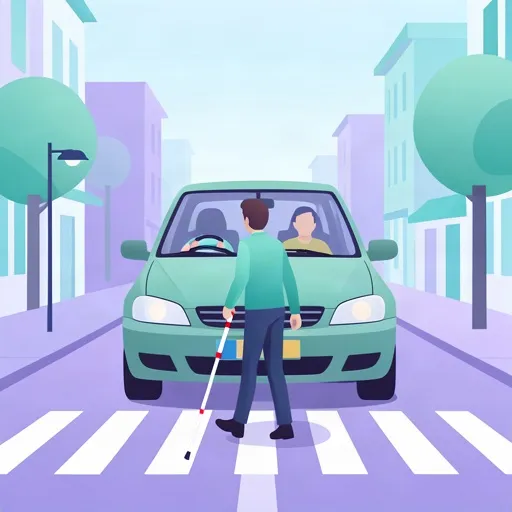
Understanding how to interact with visually impaired road users is a critical component of safe driving and CBR theory success. This guide clarifies when you are legally required to yield and how to identify pedestrians who rely on a white cane for navigation. Learn to anticipate the needs of these vulnerable road users to ensure your driving behavior is both legally compliant and proactively safe.
vulnerable road userspriority rulesCBR theoryroad safetyDutch traffic lawhazard perception
How to Safely Share the Road with Visually Impaired Pedestrians in the Netherlands

Article content overview

Error

Related topics and popular questions

Explore related topics, search based questions, and concepts that learners often look up when studying Yielding to Visually Impaired Pedestrians. These themes reflect real search intent and help you understand how this topic connects to wider driving theory knowledge in the Netherlands.

do I have to yield to blind pedestrians in the Netherlandspriority for white cane users Dutch traffic lawCBR theory exam vulnerable road users ruleswhat does a white cane with red rings mean in traffichow to act when a blind person wants to cross the roadArticle 49 Dutch traffic regulations explained

Frequently asked questions about Yielding to Visually Impaired Pedestrians

Find clear and practical answers to common questions learners often have about Yielding to Visually Impaired Pedestrians. This section helps explain difficult points, remove confusion, and reinforce the key driving theory concepts that matter for learners in the Netherlands.

What is the legal status of blind pedestrians in the Netherlands?

Under Article 49 of the Dutch traffic regulations, drivers must give priority at all times to blind or partially sighted pedestrians who are carrying a white cane with one or more red rings, as well as to other persons with disabilities.

How can I identify a visually impaired person in traffic?

Visually impaired pedestrians are often recognized by a white cane featuring one or more red rings. Some may also be accompanied by a guide dog.

Does the requirement to yield apply only at pedestrian crossings?

No. Unlike general pedestrian rules, the requirement to yield to blind or disabled persons carrying a white cane with red rings applies everywhere they intend to cross, not just at marked pedestrian crossings.

How do visually impaired pedestrians signal their intent to cross?

Blind persons often indicate their intention to cross by extending their white cane forward into the road.

Ready to Deepen Your Dutch Driving Theory Knowledge?

Start your targeted search now to explore a vast library of official Dutch driving theory articles and guides. Reinforce your understanding of specific traffic rules or road signs to ensure you are fully prepared for your upcoming CBR theory exam. Discover comprehensive explanations tailored for success.

Search Theory Articles & Guides

Find more on Dutch driving theory

Dutch Driving Theory B courseDutch Driving Theory AM courseDutch Motorcycle Theory A courseDutch A1 Motorcycle Theory courseDutch Motorcycle Theory (A2) courseDutch Driving Rules & Laws article categoryDutch Driving News & Trends article categoryDutch Priority & Interactions article categoryRoad Users & Shared Safety NL article categoryDutch Traffic Law & Penalties article categoryDutch Parking & Stopping Rules article categoryFirst Aid & Emergency Response article categoryVehicle Knowledge & Maintenance NL article categoryDutch Traffic Signs & Road Markings article categoryDutch Driving Behaviour & Etiquette article categoryCBR Theory Exam Study & Guidance NL article categoryModern Car Technology & Innovation NL article categorySpeed, Distance & Vehicle Control (NL) article categorySafety, Awareness & Risk Management NL article categoryDutch Driving Conditions & Environments article categoryDo You Need a Health Declaration for Your AM Moped Licence? articleSafe Cycling in Autumn: Essential Tips for Dutch Road Users articleNew CBR Service Point in Breda: Get Personal Administrative Help articleCBR Theory Exam: Using Fog Lights and Dipped Headlights Correctly articleSpeed Adaptation and Braking Distances in Dutch Weather Conditions articleAlcohol and Road Safety in the Netherlands: Legal Limits and Consequences articleDriving in Poor Visibility: Rules for Fog, Rain, and Snow in the Netherlands articleWhat Is the Intermediate Driving Test (Tussentijdse Toets) and How Does It Work? articleHow to Safely Share the Road with Visually Impaired Pedestrians in the Netherlands articleWhy Intersections Are the Most Dangerous Zones for Motorcyclists in the Netherlands article