
Navigating the Dutch winter requires a clear understanding of both legal requirements and safety standards, which are frequent topics in the CBR theory exam. This guide explains why winter tires are not mandatory but highly recommended below seven degrees Celsius, and provides essential insights into vehicle maintenance to ensure road safety. By understanding these concepts, you will be well-prepared to tackle exam questions regarding seasonal driving challenges.
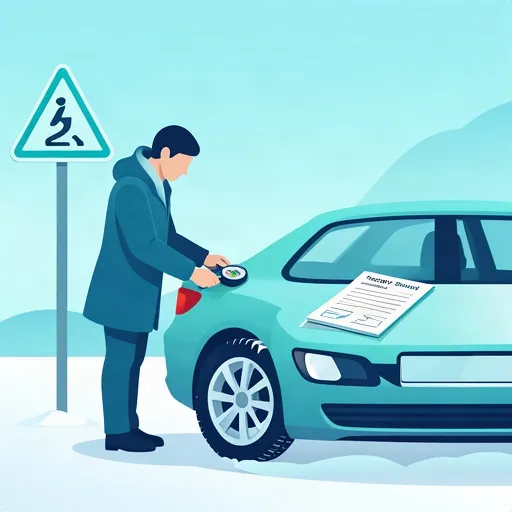
Article content overview
Driving in the Netherlands during the winter months presents a unique set of challenges that every learner must master to pass the CBR theory exam. While Dutch roads are generally well-maintained and highly structured, the combination of plummeting temperatures, early darkness, and unpredictable precipitation requires a solid grasp of both legal requirements and defensive driving techniques. Understanding how your vehicle performs in these conditions is not just a matter of comfort; it is a critical component of the "Safe Driving" modules covered in your theory curriculum.
One of the most common questions on the CBR theory exam concerns the use of winter tires. It is vital to clarify that in the Netherlands, it is not legally mandatory to fit your vehicle with winter tires. You are permitted to drive on summer tires even in snowy conditions, provided your vehicle maintains sufficient grip and control. However, the theory exam emphasizes the mechanical reality of tire performance, specifically regarding the "seven-degree rule."
Winter tires are specifically designed with a rubber compound that remains flexible at lower temperatures. Their safety benefits—such as improved traction and shorter braking distances—only become scientifically effective when the outside air temperature consistently drops below 7 degrees Celsius.
If the temperature is warmer than 7 degrees, winter tires provide no significant advantage and, in fact, result in higher fuel consumption and faster tread wear. Conversely, in extreme winter conditions, the difference in safety between summer and winter tires is significant. If you are asked during your exam whether winter tires are safer in snow, the answer is a definitive yes.
Beyond tires, the CBR expects you to understand how winter impacts your vehicle’s daily operation. Road salt is a constant factor in the Netherlands; it is applied liberally to prevent ice formation, but it creates its own visibility hazards. When salt spray from other vehicles settles on your windshield, it can quickly obscure your vision if your washer fluid is empty or your wipers are worn.
In extreme winter conditions, the most critical fluid to monitor is your windshield washer fluid. Without it, the salt residue on your windscreen can turn into an opaque film when combined with wiper blades, leading to a sudden loss of visibility that can be fatal in heavy traffic.
Maintaining proper fluid levels and ensuring your lights are fully functional are basic expectations for any driver. Remember that visibility is reduced in winter, making it imperative that your headlights and taillights are clean and operational to ensure you remain visible to others.
Navigation at night or during winter fog relies on the specific Dutch road marking system. You will often see hectometer signs along highways equipped with reflectors. These are not merely decorative; they provide essential orientation when your high beams reflect off them.
A useful mnemonic for the theory exam is that red reflectors are consistently found on the right side of the road. Remembering that both "Red" and "Right" start with the letter "R" can help you quickly identify your position on the carriageway, even in poor lighting conditions.
| Feature | Summer Driving | Winter Driving |
|---|---|---|
| Tire Efficiency | Optimal above 7°C | Optimal below 7°C |
| Visibility | Generally clear | Often reduced (fog/darkness) |
| Road Surface | Dry/Wet | Potentially icy/Salt-covered |
| Primary Risk | Congestion/Fatigue | Loss of traction/Visibility |
Winter driving is as much about behavior as it is about vehicle preparation. When encountering livestock or other road users in poor conditions, the rule of thumb remains: reduce speed and increase your following distance. Swerving or sudden movements on a slippery surface can easily lead to a loss of control. If you encounter horses or cyclists, do not use your horn, as this creates an unpredictable reaction that could lead to an accident.
Article content overview
Explore related topics, search based questions, and concepts that learners often look up when studying Dutch Winter Driving Rules. These themes reflect real search intent and help you understand how this topic connects to wider driving theory knowledge in the Netherlands.
Find clear and practical answers to common questions learners often have about Dutch Winter Driving Rules. This section helps explain difficult points, remove confusion, and reinforce the key driving theory concepts that matter for learners in the Netherlands.
No, winter tires are not mandatory in the Netherlands, meaning you can legally drive on summer tires during the winter months.
Winter tires are designed to remain flexible and provide better grip at temperatures below 7 degrees Celsius; above this temperature, summer tires are more efficient and safer.
It is crucial to ensure your windshield washer fluid is filled, as road salt can quickly obscure your vision when kicked up by other vehicles.
Yes, winter tires generally lead to higher fuel consumption compared to summer tires due to their specific tread design and rubber compound.
Start your targeted search now to explore a vast library of official Dutch driving theory articles and guides. Reinforce your understanding of specific traffic rules or road signs to ensure you are fully prepared for your upcoming CBR theory exam. Discover comprehensive explanations tailored for success.