
Navigating the various Dutch driving licence categories is a fundamental step for every road user in the Netherlands. This guide details the legal definitions for each classification, helping you identify which licence you need for cars, motorcycles, mopeds, and heavy transport. Gaining this knowledge is crucial for exam success and ensuring you remain compliant with local traffic legislation.
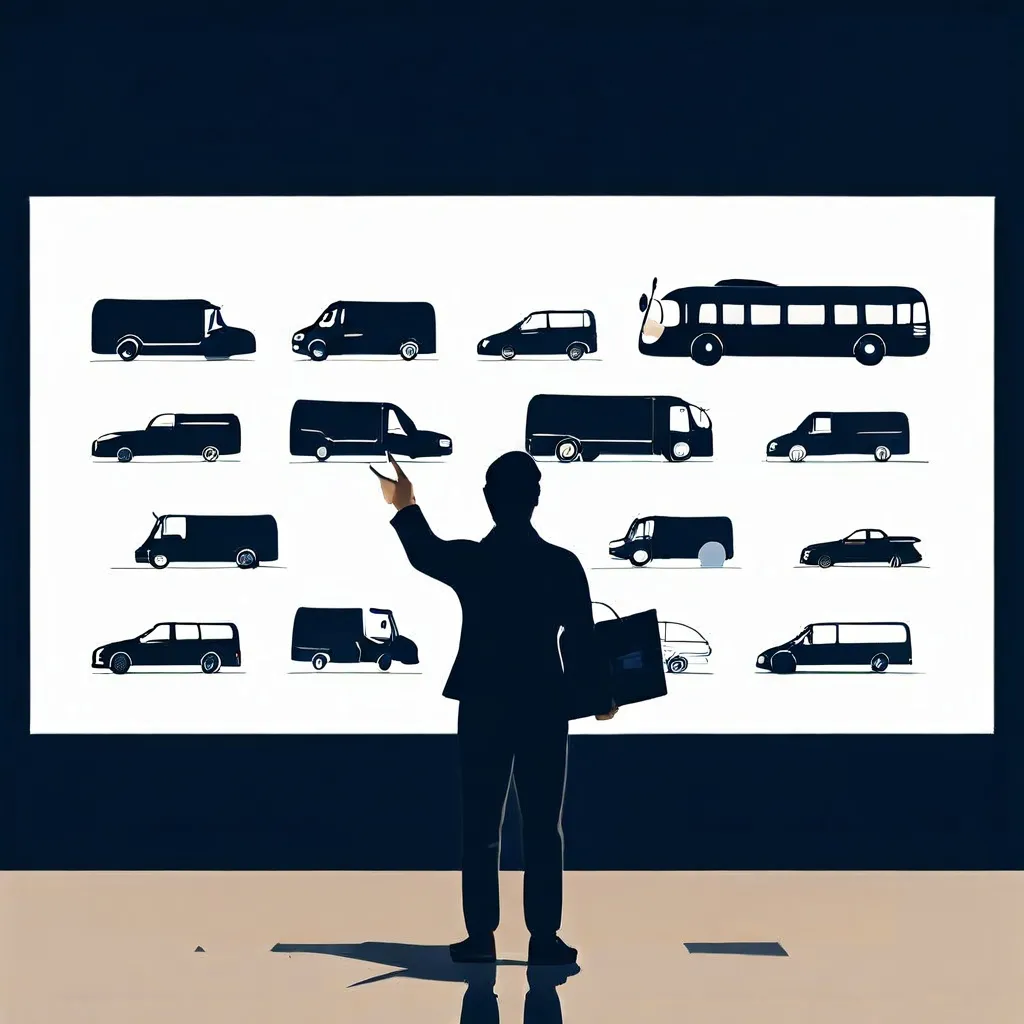
Article content overview
Navigating the Dutch driving licence system is a critical first step for every aspiring driver in the Netherlands. Whether you are aiming to drive a passenger car, a moped, or heavy transport, understanding the specific classification of your vehicle is essential for both passing your CBR theory exam and ensuring you remain compliant with Dutch road traffic legislation. Each category comes with its own age requirements, testing procedures, and specific legal definitions enforced by the RDW.
Category B is the most common driving licence in the Netherlands, designed for standard passenger cars. This licence allows you to drive vehicles with a maximum authorised mass of up to 3,500 kg. If you are towing a trailer, you are permitted to do so provided the total combination remains within the weight limits set by the RDW, or if the trailer itself does not exceed 750 kg.
Did you know that obtaining a Category B licence automatically includes a Category AM licence? This means that even if you are not yet 18, once you hold your Category B licence, you are legally permitted to operate mopeds, snorfietsen, speed pedelecs, and brommobielen.
If you are participating in the "2toDrive" program, you may start your practical training earlier, but you must be accompanied by an approved coach until you reach the age of 18. Understanding the nuances of these weight limits and the requirements for trailers is a frequent topic in the CBR theory exam.
The AM category covers a wide range of light, motorized vehicles, including mopeds (bromfietsen), snorfietsen, speed pedelecs, and brommobielen. To obtain this licence, candidates must pass both a specific theory exam and a practical test at the CBR.
A brommobiel is a four-wheeled vehicle with a moped engine, restricted by design to a maximum speed of 45 km/h. It is technically classified under the AM category for licencing purposes.
A critical detail for learners is the choice of vehicle during the practical exam. If you choose to take the practical test in a brommobiel, your licence will be restricted specifically to that vehicle type. If you test on a two-wheeled moped, you gain the full AM classification, allowing you to operate all vehicles within this category.
The following table summarizes the primary categories you will encounter in Dutch driving legislation. Each requires specific training and testing at the CBR.
| Category | Vehicle Type | Minimum Age |
|---|---|---|
| AM | Moped, Snorfiets, Brommobiel | 16 |
| A1 | Light Motorcycle | 18 |
| A2 | Medium Motorcycle | 20 |
| A | Heavy Motorcycle | 22/24 |
| B | Passenger Car | 18 (17 for 2toDrive) |
| BE | Car with heavy trailer | 18 |
| C | Truck | 21 |
| D | Bus | 24 |
| T | Agricultural vehicle | 16 |
For professional or heavy-duty transport, the requirements become more stringent. Category C is required for driving trucks, while Category D is mandatory for buses. Both require a high level of medical fitness, and holders often need to obtain a certificate of fitness (Verklaring van geschiktheid) through a medical examination.
Category T, the agricultural vehicle licence, is essential for anyone operating tractors or motorized machinery used in farming or forestry. Given that these vehicles are often wider or slower than standard cars, the theory and practical focus for these categories emphasizes visibility, road positioning, and special maneuvering skills.
If you are an expat moving to the Netherlands, your existing foreign licence may allow you to drive for a limited time. Non-EU/EEA residents are generally permitted to drive for 185 days after registering at their local municipality. After this period, you must exchange your licence if your country has an agreement, or you will be required to take the full Dutch theory and practical exams at the CBR. Always verify your specific status on the official RDW portal to ensure you are not driving illegally.
This article explains all Dutch driving licence categories from AM to T, detailing which vehicles each permits and the minimum age required. Key distinctions include the automatic inclusion of AM with a B licence and the restriction that occurs when taking the AM practical in a brommobiel versus a two-wheeled moped. The article also covers the 2toDrive program for early learners and specific expat rules for foreign licence holders, making it essential exam preparation material.
A short set of high-value points that capture the most important ideas from this article.
Category B licence automatically includes AM licence once obtained, even before age 18.
Weight limit for Category B is a maximum authorised mass of 3,500 kg including any trailer.
Taking the AM practical exam in a brommobiel restricts your licence to that vehicle type only.
Age requirements vary significantly: AM and T at 16, B at 18, C at 21, D at 24.
Snorfiets reaches 25 km/h, bromfiets reaches 45 km/h—both under AM category.
2toDrive allows 17-year-olds to start practical training with an approved coach.
Category C (truck) and D (bus) require a medical certificate of fitness (Verklaring van geschiktheid).
Brommobielen are limited to 45 km/h and are classified under AM but tested separately.
Assuming a B licence holder can only drive cars—AM is automatically included upon obtaining B.
Confusing a brommobiel practical test with the full AM category, leading to an unnecessarily restricted licence.
Forgetting that trailers over 750 kg require a BE licence, not just B.
Overlooking the 185-day driving allowance for non-EU/EEA expats before licence exchange is required.
Article content overview
A short set of high-value points that capture the most important ideas from this article.
Category B licence automatically includes AM licence once obtained, even before age 18.
Weight limit for Category B is a maximum authorised mass of 3,500 kg including any trailer.
Taking the AM practical exam in a brommobiel restricts your licence to that vehicle type only.
Age requirements vary significantly: AM and T at 16, B at 18, C at 21, D at 24.
Snorfiets reaches 25 km/h, bromfiets reaches 45 km/h—both under AM category.
2toDrive allows 17-year-olds to start practical training with an approved coach.
Category C (truck) and D (bus) require a medical certificate of fitness (Verklaring van geschiktheid).
Brommobielen are limited to 45 km/h and are classified under AM but tested separately.
Assuming a B licence holder can only drive cars—AM is automatically included upon obtaining B.
Confusing a brommobiel practical test with the full AM category, leading to an unnecessarily restricted licence.
Forgetting that trailers over 750 kg require a BE licence, not just B.
Overlooking the 185-day driving allowance for non-EU/EEA expats before licence exchange is required.
Explore related topics, search based questions, and concepts that learners often look up when studying Dutch Driving Licence Categories Guide. These themes reflect real search intent and help you understand how this topic connects to wider driving theory knowledge in the Netherlands.
Find clear and practical answers to common questions learners often have about Dutch Driving Licence Categories Guide. This section helps explain difficult points, remove confusion, and reinforce the key driving theory concepts that matter for learners in the Netherlands.
Yes, if you hold a valid Category B car licence, you automatically receive the AM licence, which allows you to drive mopeds, snorfietsen, speed pedelecs, and brommobielen.
These categories refer to motorcycles with varying power and engine capacities. A1 is for light motorcycles, A2 for medium-power motorcycles, and A for full-power motorcycles.
Category T is specifically for agricultural or forestry tractors and motor vehicles with a limited speed, often used for farming or construction purposes.
With a Category B licence, you are permitted to drive a car with a trailer, provided the trailer's maximum permissible laden weight does not exceed 750 kg, or the combined weight of the car and trailer is within 3,500 kg.
Start your targeted search now to explore a vast library of official Dutch driving theory articles and guides. Reinforce your understanding of specific traffic rules or road signs to ensure you are fully prepared for your upcoming CBR theory exam. Discover comprehensive explanations tailored for success.