
As a learner preparing for the CBR theory exam, it is crucial to recognize how traffic demographics and vehicle types are evolving in the Netherlands. This guide provides insight into the Doortrappen program, helping you better understand the needs of senior road users and the risks posed by modern traffic complexities like e-bikes. By mastering these concepts, you will be better equipped to practice defensive driving and maintain safety for all road users.
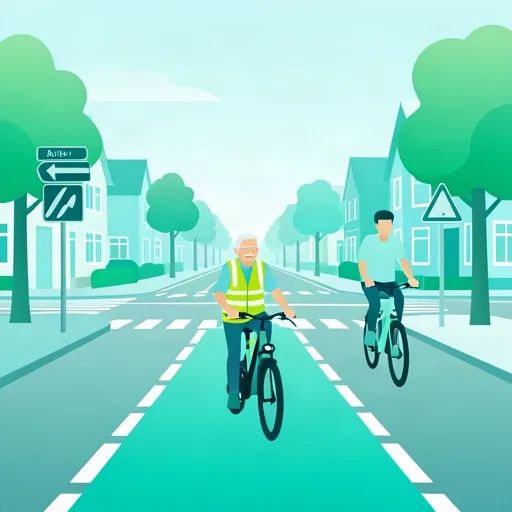
Article content overview
Navigating Dutch roads requires more than just knowing traffic signs; it demands a deep understanding of the diverse road user population. As a learner preparing for the CBR theory exam, you will frequently encounter situations involving vulnerable road users, including the growing demographic of senior cyclists. Understanding initiatives like the "Doortrappen" program helps you appreciate the complexities of modern traffic and improves your ability to anticipate hazards on the road.
The Dutch road environment is evolving rapidly. With the rise of electric bicycles (e-bikes) and speed pedelecs, the average speed of bicycle traffic has increased significantly. For senior road users, these technological advancements provide independence and mobility, yet they introduce new challenges. Changes in physical capabilities, such as reduced reaction times or diminished hearing, combined with the higher speeds of e-bikes, mean that other road users—especially those driving motor vehicles—must be extra vigilant when sharing space with these cyclists.
The CBR theory exam often tests your ability to recognize how environmental factors impact road safety. Increased smartphone usage and the density of modern bike paths mean that distractions are higher than ever. By recognizing the needs of senior cyclists, you can practice more defensive driving habits, such as providing wider berths during overtaking and anticipating unpredictable maneuvers at intersections.
The "Doortrappen" (Keep Pedaling) program was launched in 2018 by the Dutch Ministry of Infrastructure and Water Management. Its primary mission is to keep seniors mobile, fit, and safe on their bicycles for as long as possible. The program addresses a concerning rise in single-vehicle accidents among those aged 65 and older, often involving minor technical errors like stumbling while mounting or dismounting.
Through partnerships with organizations like Veilig Verkeer Nederland (VVN), the program promotes safety through education. They organize local refresher courses, practical skill assessments, and information days where seniors can test out stable three-wheeled bikes or low-entry models. For a student driver, understanding this program underscores a core principle of Dutch traffic theory: road safety is a shared, social responsibility.
When you are behind the wheel, you are interacting with road users who have different levels of experience and physical mobility. Whether you are encountering a senior cyclist or a young student on a fatbike, the rules regarding right-of-way and hazard perception remain consistent.
Remember that cyclists on a continuous bike path or a main road generally have priority over you when you are turning across their path. Always look for the 'shark teeth' (haaientanden) markings, which indicate where you must yield to crossing traffic.
The CBR expects you to display a high level of situational awareness. You will likely face questions regarding the "vulnerability" of cyclists and pedestrians. You must demonstrate that you understand that age-related physical changes can affect a road user's ability to signal their intentions or react to an emergency.
Mastering the theory behind senior road safety and cycling regulations is a cornerstone of your preparation. By understanding the nuances of the Dutch traffic system, you not only improve your chances of passing the theory exam but also become a safer, more considerate driver.
This article explores the Doortrappen program, a Dutch government initiative from 2018 designed to keep senior cyclists safe through education and training partnerships with organizations like VVN. The rising popularity of e-bikes and speed pedelecs has fundamentally changed Dutch cycling dynamics, with speed pedelecs legally classified as mopeds. For CBR theory exam preparation, understanding vulnerable road users means recognizing how age-related physical changes impact senior cyclists' ability to react and signal. Key exam-relevant points include defensive driving techniques like double-checking blind spots, maintaining proper lateral distance, and yielding to cyclists on continuous bike paths at shark teeth markings. Road safety is framed as a shared social responsibility where drivers must actively anticipate hazards involving diverse road users.
A short set of high-value points that capture the most important ideas from this article.
The Doortrappen program, launched by the Dutch Ministry of Infrastructure in 2018, specifically targets senior cyclists aged 65+ to reduce single-vehicle accidents through education and training
E-bikes and speed pedelecs have significantly increased average cycling speeds, creating new challenges for seniors with reduced reaction times
Defensive driving around cyclists requires checking blind spots twice, anticipating faster-than-expected e-bikes, and maintaining safe lateral distance
Road safety in the Netherlands is framed as shared social responsibility, not just individual compliance
Cyclists on continuous bike paths or main roads have priority over turning motor vehicles, indicated by shark teeth (haaientanden) road markings
Speed pedelecs are legally classified as mopeds in Dutch traffic law, meaning they can legally use certain lanes and paths
Senior cyclists may have reduced reaction times, diminished hearing, or unfamiliarity with new vehicle types and altered traffic flows
Haaientanden (shark teeth) markings indicate where you must yield to crossing cyclist and pedestrian traffic
Physical changes from aging can affect a senior cyclist's ability to signal intentions or react to emergencies
The Doortrappen program partners with Veilig Verkeer Nederland (VVN) to provide refresher courses and practical skill assessments for seniors
Assuming all cyclists travel at similar low speeds; e-bikes and speed pedelecs can approach 25-45 km/h
Only checking mirrors once before turning right, missing cyclists approaching from blind spots in cycle lanes
Not adjusting passing distance for potential cyclist wobbling or sudden stops, especially among less experienced riders
Overlooking that seniors on e-bikes may be less predictable due to unfamiliarity with faster acceleration capabilities
Failing to recognize that single-vehicle accidents (like stumbling during mount/dismount) are a significant risk category for elderly cyclists
Article content overview
A short set of high-value points that capture the most important ideas from this article.
The Doortrappen program, launched by the Dutch Ministry of Infrastructure in 2018, specifically targets senior cyclists aged 65+ to reduce single-vehicle accidents through education and training
E-bikes and speed pedelecs have significantly increased average cycling speeds, creating new challenges for seniors with reduced reaction times
Defensive driving around cyclists requires checking blind spots twice, anticipating faster-than-expected e-bikes, and maintaining safe lateral distance
Road safety in the Netherlands is framed as shared social responsibility, not just individual compliance
Cyclists on continuous bike paths or main roads have priority over turning motor vehicles, indicated by shark teeth (haaientanden) road markings
Speed pedelecs are legally classified as mopeds in Dutch traffic law, meaning they can legally use certain lanes and paths
Senior cyclists may have reduced reaction times, diminished hearing, or unfamiliarity with new vehicle types and altered traffic flows
Haaientanden (shark teeth) markings indicate where you must yield to crossing cyclist and pedestrian traffic
Physical changes from aging can affect a senior cyclist's ability to signal intentions or react to emergencies
The Doortrappen program partners with Veilig Verkeer Nederland (VVN) to provide refresher courses and practical skill assessments for seniors
Assuming all cyclists travel at similar low speeds; e-bikes and speed pedelecs can approach 25-45 km/h
Only checking mirrors once before turning right, missing cyclists approaching from blind spots in cycle lanes
Not adjusting passing distance for potential cyclist wobbling or sudden stops, especially among less experienced riders
Overlooking that seniors on e-bikes may be less predictable due to unfamiliarity with faster acceleration capabilities
Failing to recognize that single-vehicle accidents (like stumbling during mount/dismount) are a significant risk category for elderly cyclists
Explore related topics, search based questions, and concepts that learners often look up when studying Senior Cycling and Road Safety. These themes reflect real search intent and help you understand how this topic connects to wider driving theory knowledge in the Netherlands.
Find clear and practical answers to common questions learners often have about Senior Cycling and Road Safety. This section helps explain difficult points, remove confusion, and reinforce the key driving theory concepts that matter for learners in the Netherlands.
The Doortrappen program aims to keep seniors safe, mobile, and independent for as long as possible by refreshing their traffic knowledge and improving their cycling skills.
Drivers must be able to anticipate the movements and potential reaction times of vulnerable road users, including seniors, to practice safe, defensive driving as required by CBR standards.
E-bikes increase the speed of cyclists in traffic, which can lead to new risks. Drivers must account for these higher speeds when estimating distance and reaction time at intersections.
Many senior cycling accidents are single-vehicle incidents, often occurring during mounting or dismounting the bicycle or due to minor obstacles like poles on bike paths.
Start your targeted search now to explore a vast library of official Dutch driving theory articles and guides. Reinforce your understanding of specific traffic rules or road signs to ensure you are fully prepared for your upcoming CBR theory exam. Discover comprehensive explanations tailored for success.