
As a vehicle owner in the Netherlands, you are responsible for ensuring your car remains in a safe and technically sound condition. This guide covers why responding to official recall notifications is a legal and safety necessity, and how the RDW facilitates this process to protect all road users.
Article content overview
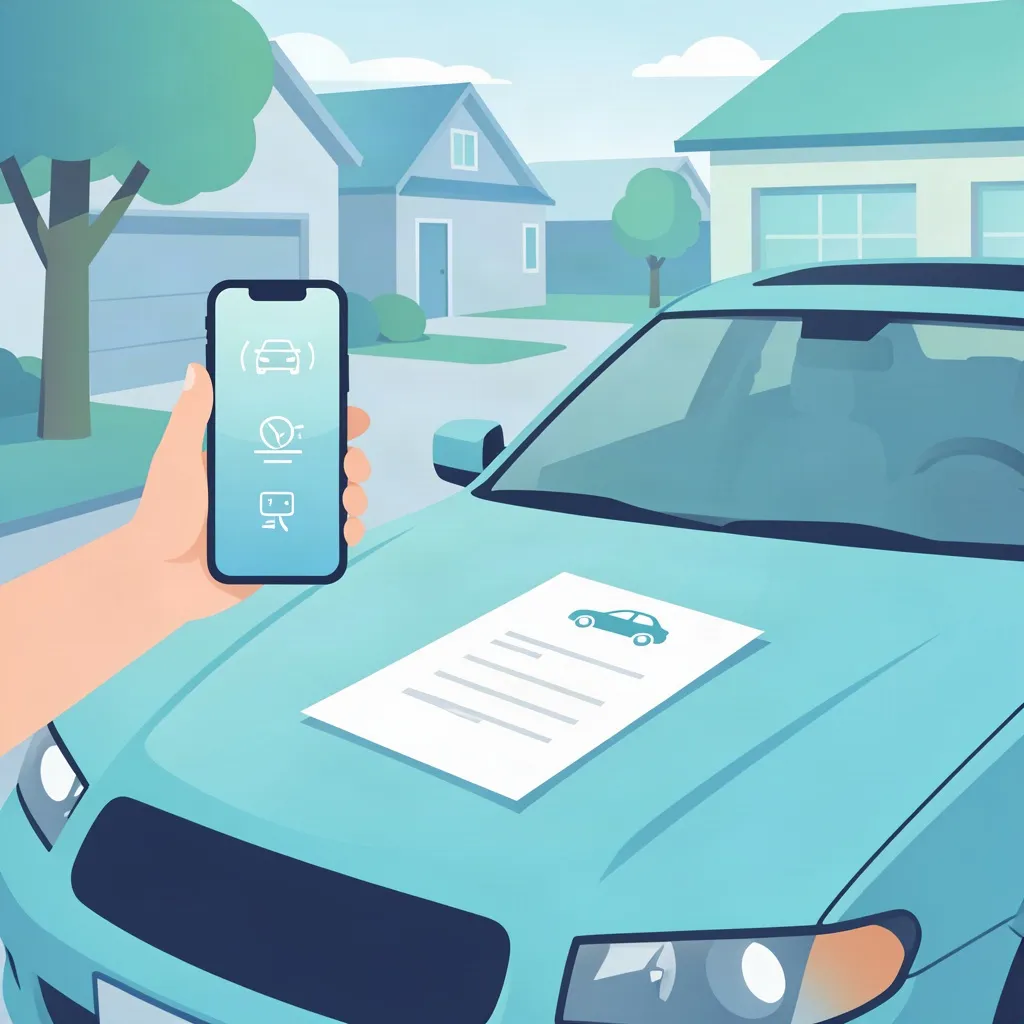
As a vehicle owner in the Netherlands, you hold the primary responsibility for ensuring that your car remains in a technically sound and safe condition. While regular maintenance at a garage keeps your vehicle running efficiently, there is a specific category of safety maintenance that falls outside the standard schedule: the official vehicle recall. When a manufacturer discovers a structural defect that could compromise road safety, the environment, or the proper operation of the vehicle, they are legally required to initiate a recall. Ignoring these notices is not just a safety risk—it is a neglect of your duty as a driver under Dutch traffic regulations.
The Netherlands Vehicle Authority, known as the RDW (Rijksdienst voor het Wegverkeer), acts as the primary guardian of vehicle standards on Dutch public roads. The RDW maintains a comprehensive national vehicle register that tracks every registered vehicle, including its compliance with technical specifications. When a vehicle manufacturer identifies a defect, they coordinate with the RDW to notify all registered owners.
Because the RDW is linked to the national vehicle register, it is essential that your registration details remain accurate. Even if you move to a new address, the RDW automatically updates your details via your municipality. This ensures that important correspondence regarding your car’s safety—including recall notices—reaches you without delay.
Driving a vehicle with an open, unaddressed safety recall is dangerous. Not only does it put you and other road users at risk, but it could eventually lead to technical issues that render your vehicle unfit for the road, potentially resulting in an invalid registration status.
One of the most effective ways to stay informed about your car’s safety status is by using the official RDW Kentekencheck. This tool is freely available to all road users and provides real-time information based on your vehicle's registration number (kenteken).
It is important to remember that manufacturers are responsible for the entire recall process. If you receive a letter about a recall, the repair procedure is covered by the manufacturer, meaning you should not have to pay for the required safety modifications.
Currently, the responsibility for addressing recalls lies with the owner, but the government is exploring stricter enforcement mechanisms. In collaboration with the ILT (Human Environment and Transport Inspectorate) and other European partners, discussions are underway to integrate recall checks into the APK (General Periodic Inspection). This means that in the future, failing to complete a safety recall could lead to a vehicle failing its annual inspection, essentially removing it from public traffic until the defect is resolved.
An official action taken by a manufacturer to address a defect in a vehicle model that may impact safety, the environment, or technical compliance, requiring the owner to present the vehicle for a free corrective repair.
For those studying for the CBR theory exam, it is crucial to understand that vehicle knowledge is not just about identifying parts; it is about recognizing your legal obligation as a driver. The CBR expects you to know that a vehicle must meet permanent technical requirements to be considered roadworthy. An unresolved safety defect technically invalidates the compliance of your vehicle, similar to how major unapproved modifications can lead to a vehicle being marked as 'WOK' (Waiting for Approval) status by the RDW.
In the Netherlands, vehicle owners bear legal responsibility for addressing manufacturer recall notices to maintain roadworthiness. The RDW (Netherlands Vehicle Authority) serves as the coordinating body, maintaining vehicle registration records and facilitating recall communications. The RDW Kentekencheck provides a free, accessible way to verify your vehicle's recall status using your license plate number. Recall repairs are always provided at no cost to the owner through authorized dealers. This knowledge is relevant for CBR theory exams, where understanding vehicle owner obligations and the role of technical compliance is expected, with future enforcement potentially linking recall completion to APK inspection eligibility.
A short set of high-value points that capture the most important ideas from this article.
Vehicle owners in the Netherlands are legally obligated to address official safety recall notices issued by manufacturers
The RDW coordinates recall notifications and maintains the national vehicle register to track compliance
The RDW Kentekencheck is the official free tool for verifying whether your vehicle has any open safety recalls
Recall repairs must be completed free of charge at an authorized brand dealer
Unresolved recalls can eventually invalidate your vehicle's roadworthiness and registration status
Keep your municipality registration address current so recall notices reach you without delay
Contact an authorized dealer immediately when a recall is confirmed to schedule the free repair
An unaddressed recall technically compromises your vehicle's compliance status, similar to major unapproved modifications
Manufacturers are legally required to cover all costs for recall-related repairs
Recall defects may affect safety, environmental compliance, or technical specifications
Assuming recall notices are optional or unimportant and ignoring them
Failing to proactively check recall status using the RDW Kentekencheck
Delaying recall repairs because the defect seems minor or the car still drives normally
Not updating address details when moving, which causes recall mail to go missing
Believing recall repairs will cost money when manufacturers must provide them free of charge
Article content overview
A short set of high-value points that capture the most important ideas from this article.
Vehicle owners in the Netherlands are legally obligated to address official safety recall notices issued by manufacturers
The RDW coordinates recall notifications and maintains the national vehicle register to track compliance
The RDW Kentekencheck is the official free tool for verifying whether your vehicle has any open safety recalls
Recall repairs must be completed free of charge at an authorized brand dealer
Unresolved recalls can eventually invalidate your vehicle's roadworthiness and registration status
Keep your municipality registration address current so recall notices reach you without delay
Contact an authorized dealer immediately when a recall is confirmed to schedule the free repair
An unaddressed recall technically compromises your vehicle's compliance status, similar to major unapproved modifications
Manufacturers are legally required to cover all costs for recall-related repairs
Recall defects may affect safety, environmental compliance, or technical specifications
Assuming recall notices are optional or unimportant and ignoring them
Failing to proactively check recall status using the RDW Kentekencheck
Delaying recall repairs because the defect seems minor or the car still drives normally
Not updating address details when moving, which causes recall mail to go missing
Believing recall repairs will cost money when manufacturers must provide them free of charge
Explore related topics, search based questions, and concepts that learners often look up when studying Vehicle Recalls and RDW Checks. These themes reflect real search intent and help you understand how this topic connects to wider driving theory knowledge in the Netherlands.
Find clear and practical answers to common questions learners often have about Vehicle Recalls and RDW Checks. This section helps explain difficult points, remove confusion, and reinforce the key driving theory concepts that matter for learners in the Netherlands.
A vehicle recall is issued by a manufacturer when a defect is identified that could pose a safety risk or environmental issue, requiring the vehicle to be repaired at no cost to the owner.
You can verify if your vehicle has an open recall by using the official RDW Kentekencheck tool on the RDW website by entering your vehicle's registration number.
Yes, as a vehicle owner, you have a responsibility to maintain your car in a safe condition. Ignoring a safety recall compromises the roadworthiness of your vehicle and the safety of other road users.
No, if your vehicle is subject to an official safety recall, the manufacturer is responsible for covering the costs of the necessary repairs.
Start your targeted search now to explore a vast library of official Dutch driving theory articles and guides. Reinforce your understanding of specific traffic rules or road signs to ensure you are fully prepared for your upcoming CBR theory exam. Discover comprehensive explanations tailored for success.