
This lesson guides you through the essential legal framework for obtaining and maintaining your Category AM learner permit in Ireland. You will learn about vehicle roadworthiness, necessary documentation, and the critical responsibilities of a learner rider under the Road Safety Authority standards. Understanding these rules is a vital first step in your journey toward safe and legal riding.

Lesson content overview
Operating a Category AM vehicle (mopeds or light quadricycles with a maximum design speed of 45 km/h and an engine capacity of 50cc or less) on Irish roads is a privilege that comes with strict statutory responsibilities. As a learner permit holder, you must navigate a comprehensive legal framework established by the Road Safety Authority (RSA) and governed by the Road Traffic Acts.
Developing a deep understanding of these legal requirements is not only essential for passing your Irish Theory Test but is also a critical step in establishing safe riding habits that protect you and other vulnerable road users. This lesson covers safety equipment regulations, vehicle roadworthiness, legal documentation, and the penalty point system as they apply directly to Category AM learners.
In Ireland, wearing a protective helmet when riding a moped is a strict, non-negotiable statutory requirement under the Road Traffic Regulations. This rule applies to both the driver and any passenger (if the vehicle is legally configured to carry one and the rider's licence status permits it).
A helmet specifically designed for use on motorcycles or mopeds that meets official European safety standards, characterized by a secure fastening mechanism and impact-absorbing materials.
Your helmet must conform to recognized international safety standards. In Ireland and across Europe, the primary standard is ECE R22.05 or the newer ECE R22.06. You can verify this by checking for an official "E" mark label stitched onto the helmet's retention system (the chin strap) or located inside the helmet lining.
Riding with a non-compliant helmet, a bicycle helmet, or a helmet that is structurally compromised (e.g., after an impact or drop) is legally treated the same as riding with no helmet at all. This infraction carries immediate fines and penalty points.
While the law requires a compliant helmet, riders can choose from several styles:
Regardless of the type, a helmet only protects you if it fits correctly and is securely fastened. A loose helmet can easily slip off during a fall, rendering it useless when impact occurs.
Check the Size: The helmet should fit snugly all around your head without causing painful pressure points. It should not rotate or slide when you shake your head.
Inspect the Fastener: Fasten the chin strap securely. You should only be able to fit two fingers between the strap and your chin.
Perform the Roll-Off Test: With the strap fastened, grip the back of the helmet and try to pull it forward off your head. If it slides off or covers your eyes, the helmet is too large or the strap is too loose.
Mopeds have a very small visual profile compared to cars and commercial vehicles. Consequently, "looked-but-failed-to-see" accidents are among the most common collision types involving Category AM riders. Improving your conspicuity—how easily other road users can detect you—is a fundamental defensive riding strategy.
To maximize your visibility around the clock, you should understand the distinct purposes of different high-visibility materials:
Garments made of fluorescent and retroreflective materials designed to increase the user's visibility to other motorists under all light conditions.
While high-visibility clothing is not currently a statutory requirement under Irish law for moped riders at all times, the RSA strongly recommends that all riders wear a high-vis vest or jacket on every journey. Some European jurisdictions mandate carrying a high-visibility vest on board the vehicle, and failing to wear one during low-light conditions or poor weather significantly increases your liability in the event of an accident.
Your vehicle's lighting system serves a dual purpose: it allows you to see the road ahead and ensures that you are seen by other road users. Under the Road Traffic (Lighting of Vehicles) Regulations, all Category AM vehicles must maintain functional lighting systems.
Whenever you operate your moped on public roads during "lighting-up hours" (from just after sunset to just before sunrise) or during daytime hours when visibility is seriously reduced by fog, heavy rain, or falling snow, you must use your vehicle's lighting systems.
Riding with a defective headlight at night is a severe offence. It drastically reduces your ability to see hazards and makes you virtually invisible to oncoming traffic, leading to immediate fixed-charge fines, penalty points, or vehicle seizure.
Indicators (turn signals) must be clean, amber-coloured, and function at the correct flashing rate. They must be used to communicate your intentions to turn, change lanes, or pull away from a kerb well in advance of the manoeuvre.
Hazard warning lights—which flash all turn signals simultaneously—must only be used when your moped is stationary and temporarily obstructing traffic due to a breakdown or emergency. Never ride with your hazard warning lights active, as this confuses other drivers and hides your ability to indicate a change of direction.
A safe rider is legally responsible for ensuring that their vehicle is in a roadworthy condition before every single journey. Under the Motor Vehicle (Construction and Use) Regulations, operating an unroadworthy vehicle on a public road in Ireland is a serious legal infraction.
V - Visuals & Controls: Ensure your mirrors are clean and correctly adjusted. Check that the throttle returns smoothly to the closed position when released.
I - Indicators & Lights: Turn on the ignition and check that the headlight (high and low beams), taillight, brake lights, and turn signals function correctly.
T - Tyres: Inspect the tyre tread depth and look for cuts, bulges, or embedded objects. Ensure tyres are inflated to the manufacturer's specified pressure.
A - Axles & Chain: Check for proper chain tension and lubrication, or inspect the belt drive for cracks and wear.
L - Liquid Levels: Check engine oil, coolant (if liquid-cooled), and brake fluid levels. Inspect underneath the vehicle for any signs of leaks.
S - Stands & Suspension: Ensure the side stand or centre stand retracts fully and the return springs are strong. Test the front and rear suspension for smooth operation.
Tyres are the only contact point between your moped and the road surface. Consequently, their condition directly dictates your braking distance and cornering stability, especially on wet Irish roads.
The legal minimum tread depth for Category AM mopeds is a critical safety threshold. Neglecting tyre maintenance can lead to tyre failure, aquaplaning (skidding on a thin film of water), and legal prosecution.
If your tyres fall below the legal limit, or if they exhibit structural damage such as deep sidewall cracks, exposed cords, or bulges, the vehicle is legally unroadworthy. Law enforcement officers have the authority to issue fixed charge notices, assign penalty points, or seize the vehicle immediately.
To legally operate a Category AM moped on Irish public roads, you must maintain appropriate insurance coverage and be aware of any periodic inspection requirements.
In Ireland, it is a criminal offence to ride a moped on a public road without valid third-party insurance cover. Third-party insurance is the minimum legal requirement.
A mandatory insurance policy that covers legal liability for damage, injury, or death caused to other people (third parties) or their property as a result of your vehicle's operation. It does not cover damage to your own vehicle or injuries you sustain.
You must display a valid insurance disc on your moped, and you must carry your certificate of insurance (or be prepared to present it at a Garda station within a specified timeframe if requested by a member of An Garda Síochána). Riding uninsured carries severe consequences:
While passenger cars in Ireland must undergo periodic National Car Test (NCT) inspections once they reach four years of age, you must understand how these testing rules apply to Category AM mopeds and light quadricycles.
Even if your specific moped is exempt from a standardized computerized NCT test, this exemption does not relieve you of your legal responsibility to maintain the vehicle in a completely roadworthy state. Gardaí can stop any vehicle at any time to conduct a roadside safety check.
Ireland utilizes a graduated penalty points system to deter unsafe driving practices and encourage legal compliance among all road users. As a Category AM learner permit holder, you are subject to stricter rules and lower disqualification thresholds than fully licensed drivers.
When you commit a driving offence (such as speeding, holding a mobile phone while riding, or failing to wear a helmet), you may receive a Fixed Charge Notice (fine). If you pay the fine within the permitted time frame, a designated number of penalty points are added to your driving record. If you opt to challenge the notice in court and are convicted, a higher number of points may be applied.
[Traffic Offence Committed]
        │
        ├─► [Pay Fine within 28 days] ────► [Lower Penalty Points Applied]
        │
        └─► [Court Conviction] ───────────► [Higher Penalty Points & Court Costs]
While fully licensed drivers are disqualified from driving once they accumulate 12 penalty points within a rolling 3-year period, learner permit holders are subject to a much tighter safety threshold.
Learner Permit Threshold: If you accumulate 6 penalty points, you will face an automatic 6-month disqualification from riding or driving any vehicle category.
This lower threshold is designed to encourage high standards of safety and compliance right from the start of your riding career. If you are disqualified, you must surrender your learner permit to the National Driver Licence Service (NDLS), and you cannot ride on public roads for the duration of the ban. This significantly delays your progress toward obtaining a full, unrestricted driving licence.
The rules governing Category AM riders are designed to manage specific risks associated with small, lightweight vehicles. The table below summarizes these key regulations, their legal status, and the underlying safety logic.
| Regulation | Legal Status | Rationale / Safety Logic | Correct Application | Incorrect Application |
|---|---|---|---|---|
| Helmet Use | Mandatory | Absorbs impact forces; prevents traumatic brain injuries during falls or collisions. | ECE R22.05/22.06 helmet securely fastened with chin strap. | Wearing an unfastened helmet or a non-compliant skull cap. |
| High-Visibility Wear | Strongly Recommended | Compensates for the moped's small visual profile; prevents side-impact and rear-end collisions. | Fluorescent vest by day; retroreflective strips at night. | Wearing dark clothing without any reflective material at night. |
| Lighting Requirements | Mandatory | Ensures the rider can see road hazards and is detectable by other motorists. | Dipped beam headlight on in low visibility; working brake light. | Riding at twilight with a blown rear light bulb. |
| Tyre Thread Depth | Mandatory | Channels water away to maintain traction and prevent aquaplaning on wet surfaces. | Maintaining tread depth above the legal limit across the tyre profile. | Riding on a bald tyre with less than the minimum legal tread. |
| Third-Party Insurance | Mandatory | Provides financial protection for third parties in the event of property damage or injury. | Valid insurance policy active and disc clearly displayed. | Riding an uninsured moped on public roads "just for a short trip." |
| Penalty Points System | Statutory Framework | Deters repeat offences; identifies and removes high-risk drivers from public roads. | Keeping a clean licence through defensive, law-abiding riding. | Accumulating 6 points and facing a 6-month licence ban. |
Understanding the boundaries of the law is crucial for avoiding costly penalties and hazardous situations. Here are several common misunderstandings and edge cases that Category AM riders frequently encounter:
A common misconception is that because a moped is limited to 50cc and a maximum speed of 45 km/h, it is "not a real motor vehicle" and therefore exempt from standard road laws. This is completely false. A Category AM moped is classified as a mechanically propelled vehicle (MPV) under the Road Traffic Acts. This means you must possess a valid learner permit, display "L" plates, maintain valid insurance, and obey every road sign and traffic signal exactly like a car driver.
Under Irish law, Category AM learner permit holders are strictly prohibited from carrying a passenger. This is an absolute rule, regardless of whether your moped has passenger footpegs and a dual seat. Carrying a pillion passenger on a learner permit is a serious traffic offence that results in penalty points and fines.
By definition, a Category AM vehicle is speed-restricted to 45 km/h. Modifying the engine, exhaust, or transmission to "de-restrict" the moped so that it exceeds this speed limit alters its legal classification. If your moped can exceed 45 km/h, it is legally classified as a Category A1 or A2 motorcycle.
If you are caught riding a de-restricted moped on a Category AM licence or permit, you can be prosecuted for:
Some riders turn on their hazard lights while riding in slow-moving traffic or during heavy rain, believing it makes them safer. This is a violation. Hazard lights are designed to warn other road users of a temporary obstruction caused by a broken-down or disabled vehicle. Using them while moving can confuse other drivers, who may believe you are stationary, and prevents you from signaling turns.
Your legal duties must adapt dynamically to changing environmental conditions. The law expects a "reasonable and prudent driver" to adjust their behaviour to suit the context:
To consolidate your learning and prepare effectively for your theory test, remember these three core pillars of legal responsibility:
Explore all units and lessons included in this driving theory course.
Lesson content overview
Explore all units and lessons included in this driving theory course.
Explore search topics learners often look for when studying Legal Requirements and Learner Responsibilities. These topics reflect common questions about road rules, driving situations, safety guidance, and lesson level theory preparation for learners in Ireland.
Browse additional driving theory lessons that cover connected traffic rules, road signs, and common driving situations related to this topic. Improve your understanding of how different rules interact across everyday traffic scenarios.
Learn how high-visibility clothing, retroreflective materials, and correct vehicle lighting increase rider safety on Irish roads. This explanation covers official RSA recommendations and technical standards to help vulnerable road users effectively signal their presence to other drivers in varying light conditions, including dusk, dawn, and poor weather environments.
This lesson emphasizes the critical importance of being highly visible to other road users under various lighting conditions. It reviews the legal requirements for front and rear lights on Category AM vehicles and the active use of reflective materials. Proper maintenance of lighting systems is discussed to ensure continuous operation during adverse weather.
This lesson details the use of daytime running lights to raise a rider's profile during daylight hours on Irish roads. It discusses the installation guidelines, legal restrictions, and safety benefits of auxiliary lighting systems on mopeds. Special care must be taken to prevent dazzling oncoming traffic while ensuring the vehicle remains highly recognizable.
This lesson focuses on practical strategies for maximizing a motorcyclist's visibility to other road users in day and night scenarios. It details the effective placement of retro-reflective materials, high-visibility jackets, and the constant use of dipped headlights. Riders will examine how road positioning within their lane dramatically reduces the likelihood of being obscured by other vehicles.

This lesson provides actionable strategies for Category AM riders to remain visible, focusing on lane positioning and eye contact. It teaches how to avoid riding in the blind spots of larger vehicles and how to signal early and clearly. Cultivating a proactive attitude toward road visibility helps prevent collisions and builds mutual respect on Irish roads.
This lesson focuses on the critical techniques required to ride safely during severe rain or heavy fog in Ireland. It teaches riders how to handle aquaplaning risks, use headlights correctly, and significantly increase their following distances. Adapting speed to visibility ensures that riders can brake safely when road conditions deteriorate.

This lesson outlines how motorcyclists should respond when permanent road signs are dirty, damaged, or hidden by overgrown trees and hedges. It introduces the temporary signage, warning cones, and detour markers commonly deployed at active roadwork zones in Ireland. Riders will learn to read the road ahead defensively, reducing speed when visual information is incomplete or compromised.
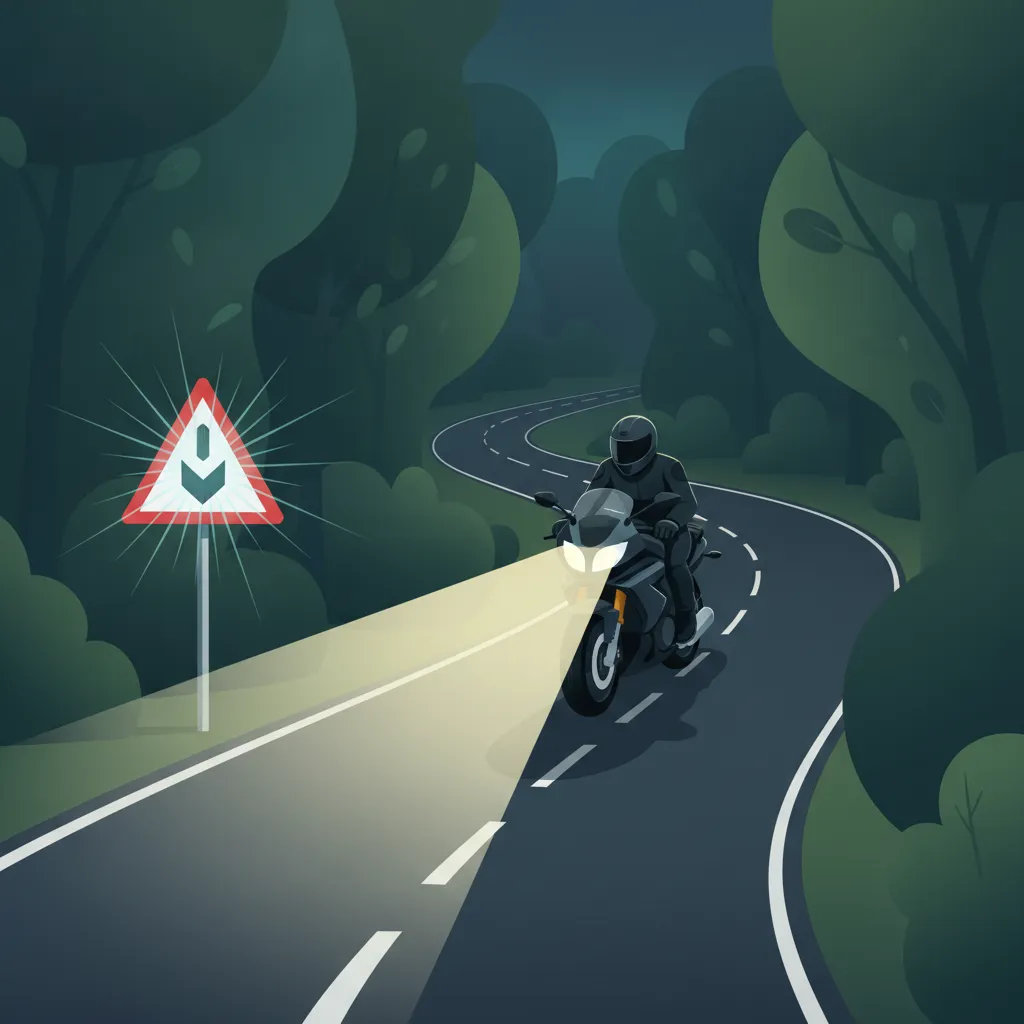
This lesson details safety strategies for riding in dark or poorly illuminated environments, focusing on headlight management and visibility limits. It explains when to use dipped and high beams to avoid blinding other motorists while maximizing your own view of the road. Riders will learn how to scan for reflective markers, manage oncoming glare, and adapt their speed to their headlight range.
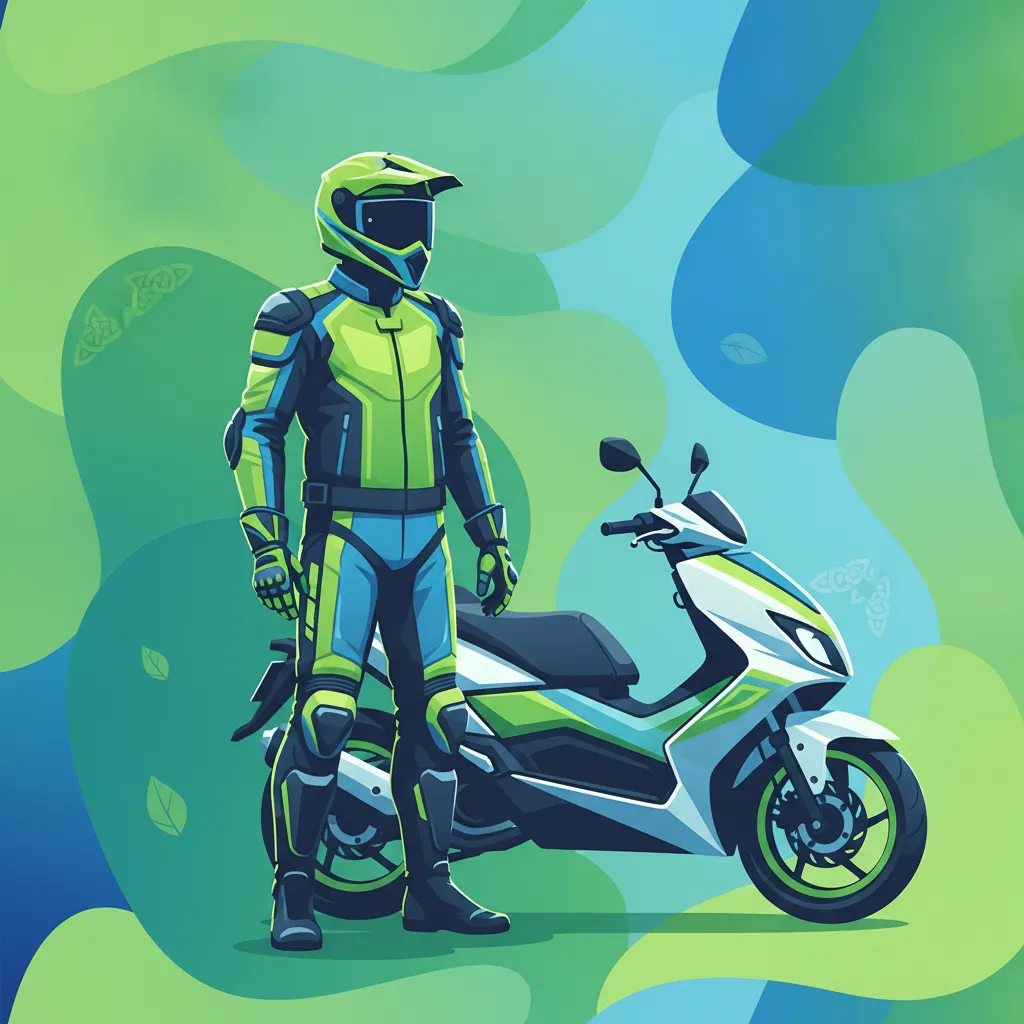
This lesson explores the safety benefits of abrasion-resistant jackets, gloves, trousers, and boots designed for moped riders. It explains how integrated body armour shields critical impact zones, such as shoulders, elbows, and knees, from severe injury. Additionally, it provides guidance on selecting clothing appropriate for the damp and cold Irish weather.
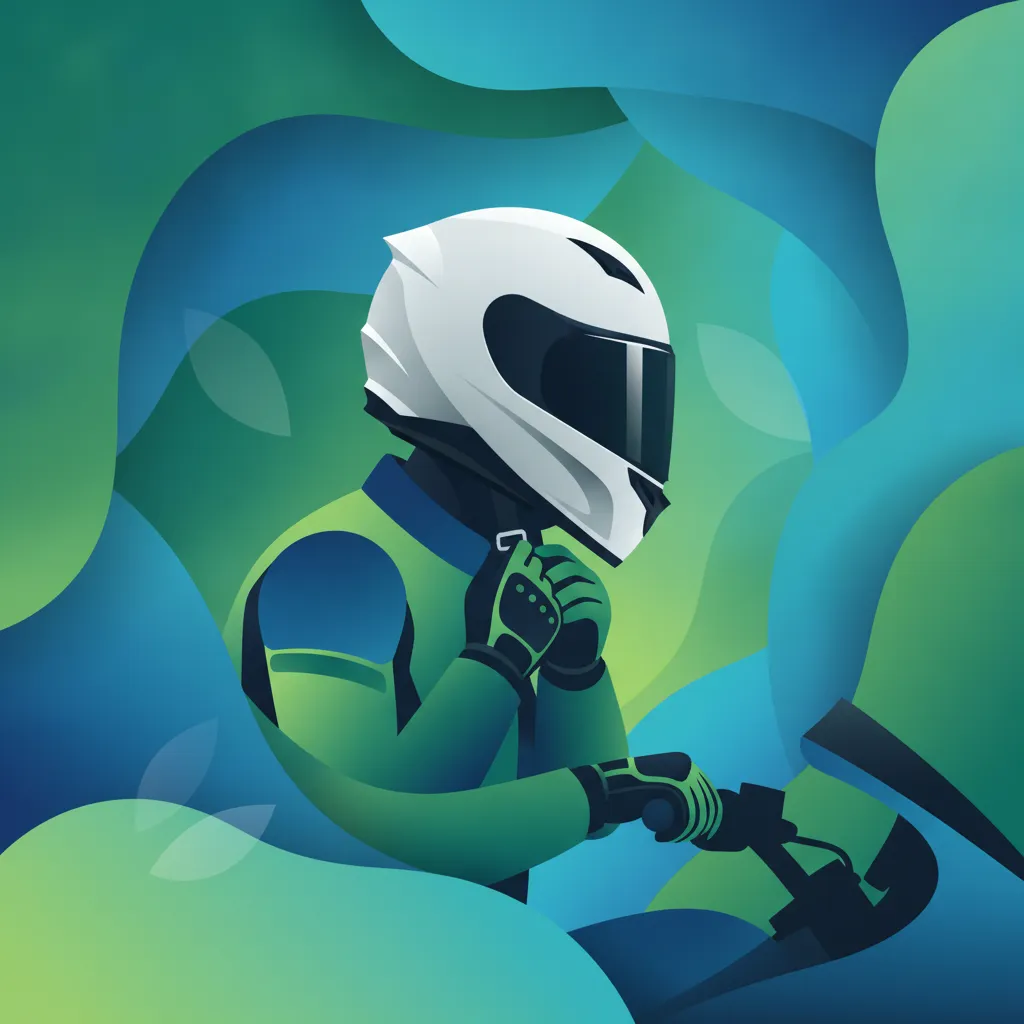
This lesson focuses on the legal requirements for protective helmets and the European safety standards they must satisfy. It explains the mechanics of head protection, the differences between helmet styles, and the correct way to fasten the chin strap. Proper maintenance, inspection for cracks, and correct sizing are emphasized to ensure maximum rider safety.

This lesson teaches riders how to actively identify and eliminate blind spots through proper mirror adjustment and physical shoulder checks. It explains the concept of a safety cushion, which represents the defensive space maintained around the moped at all times. Managing these zones ensures adequate reaction time and mitigates the impact of sudden braking.
Understand the legal obligations regarding vehicle maintenance for Category AM permit holders in Ireland. This theory guide explains how to perform routine safety checks on tyres, braking systems, and mechanical controls to ensure your vehicle remains compliant with construction and use regulations and avoids common legal penalties.
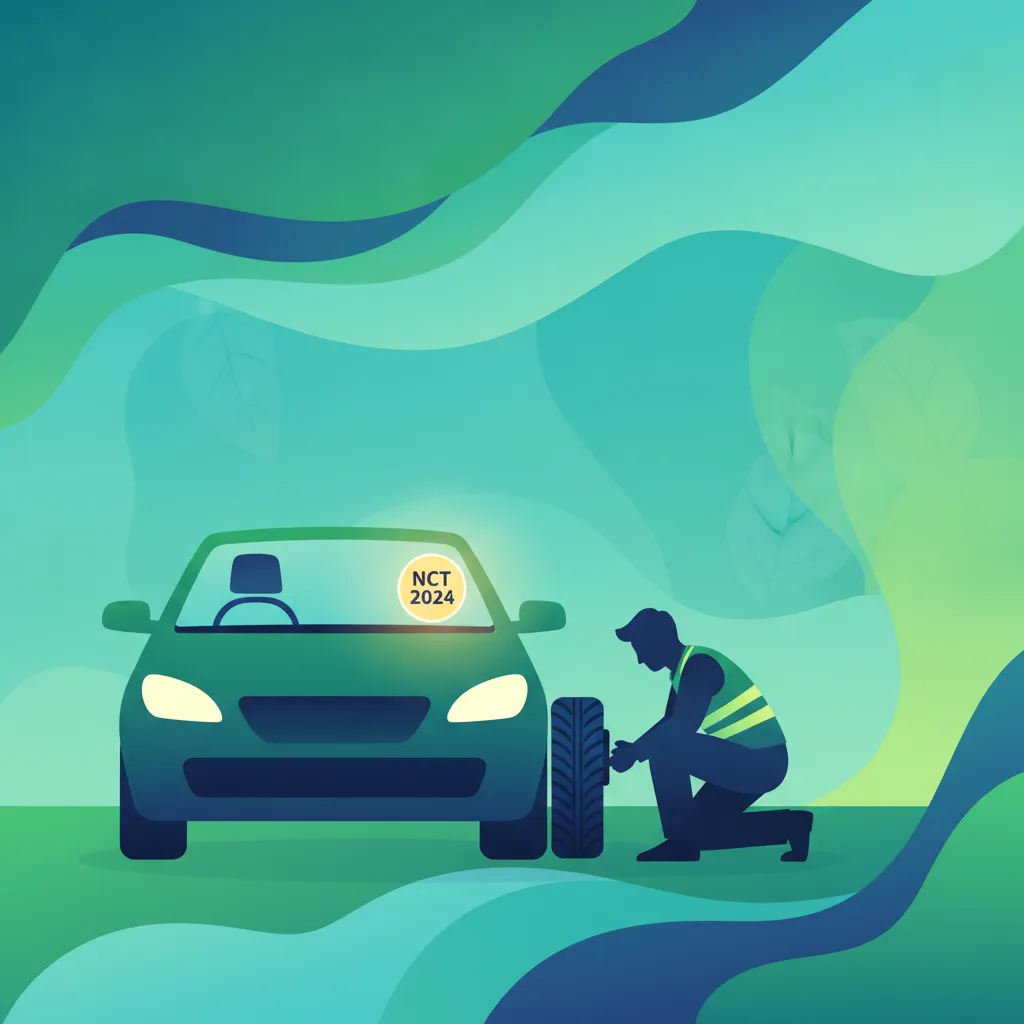
This lesson guides learners through the essential pre-ride safety checklist for mopeds and light quadricycles. It explains how to check tyre tread, brake responsiveness, functional lighting, and mirror alignment before starting any journey. Maintaining these components ensures vehicle compliance and minimizes the risk of mechanical failure on Irish roads.

This lesson covers the legal definition of mopeds and light quadricycles in Ireland, specifying engine capacity and maximum power limits. It outlines the minimum age requirements and the specific routes where these vehicles are legally permitted to operate. Understanding these classifications is critical for compliance with Irish and EU regulations.
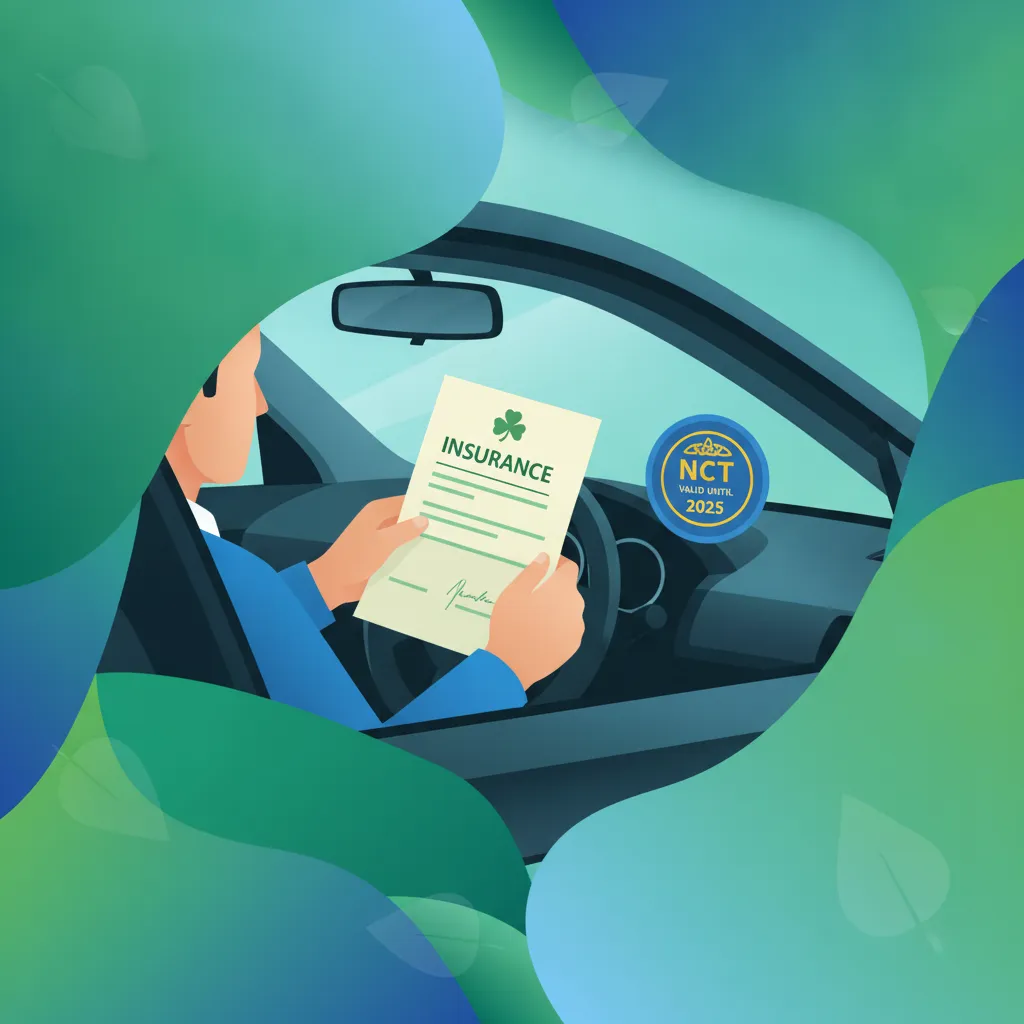
This lesson details the legal requirements for motorcycle insurance under Irish law, emphasizing the absolute necessity of holding valid third-party cover. It outlines the rider's responsibility to maintain their motorcycle in a completely roadworthy condition, focusing on critical safety components like tyres, brakes, and lights. Learners will examine how mechanical failures and non-compliance with maintenance standards compromise legal eligibility and safety.
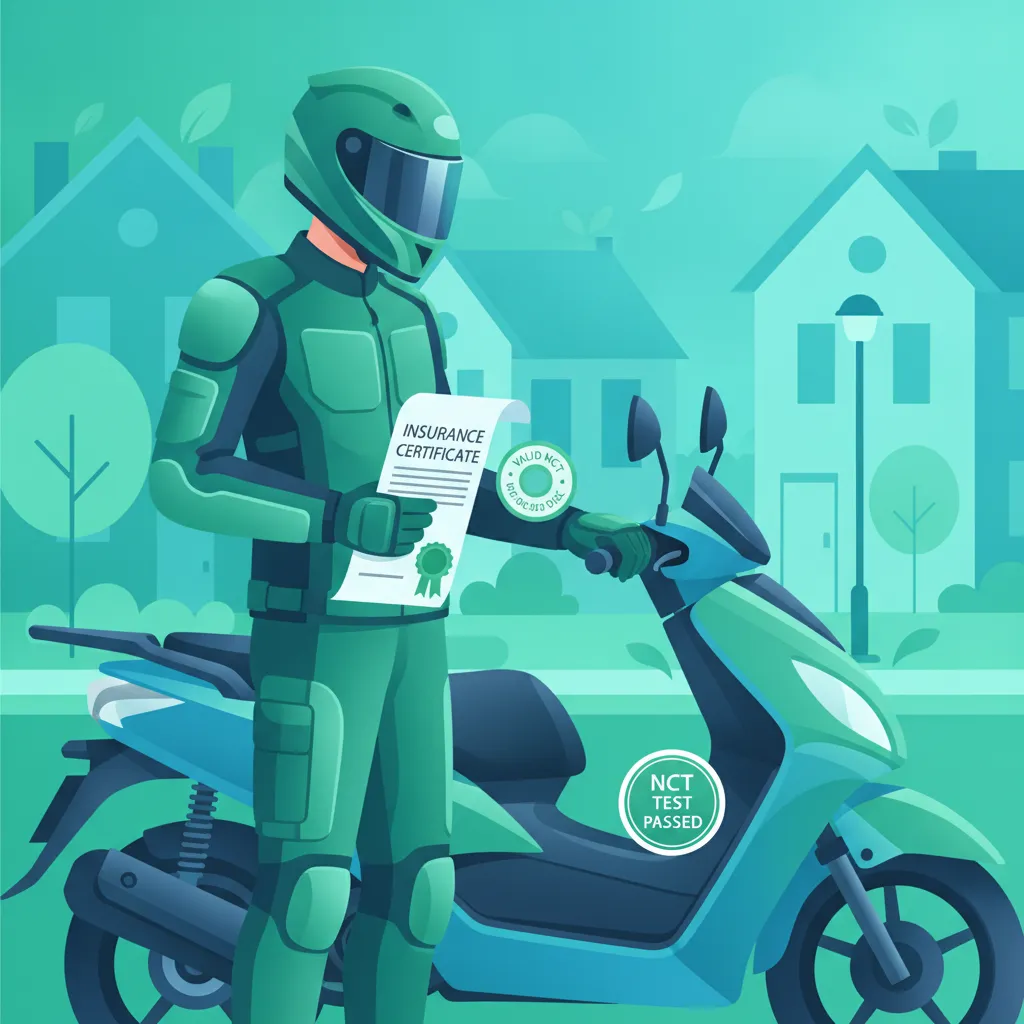
This lesson explains the compulsory insurance requirements for operating a moped or light quadricycle on public Irish roads. It clarifies that while Category AM vehicles are exempt from the National Car Test, they must still be registered and taxed. Learners will study third-party liability limits and the legal penalties associated with driving uninsured.
This lesson emphasizes the critical importance of being highly visible to other road users under various lighting conditions. It reviews the legal requirements for front and rear lights on Category AM vehicles and the active use of reflective materials. Proper maintenance of lighting systems is discussed to ensure continuous operation during adverse weather.
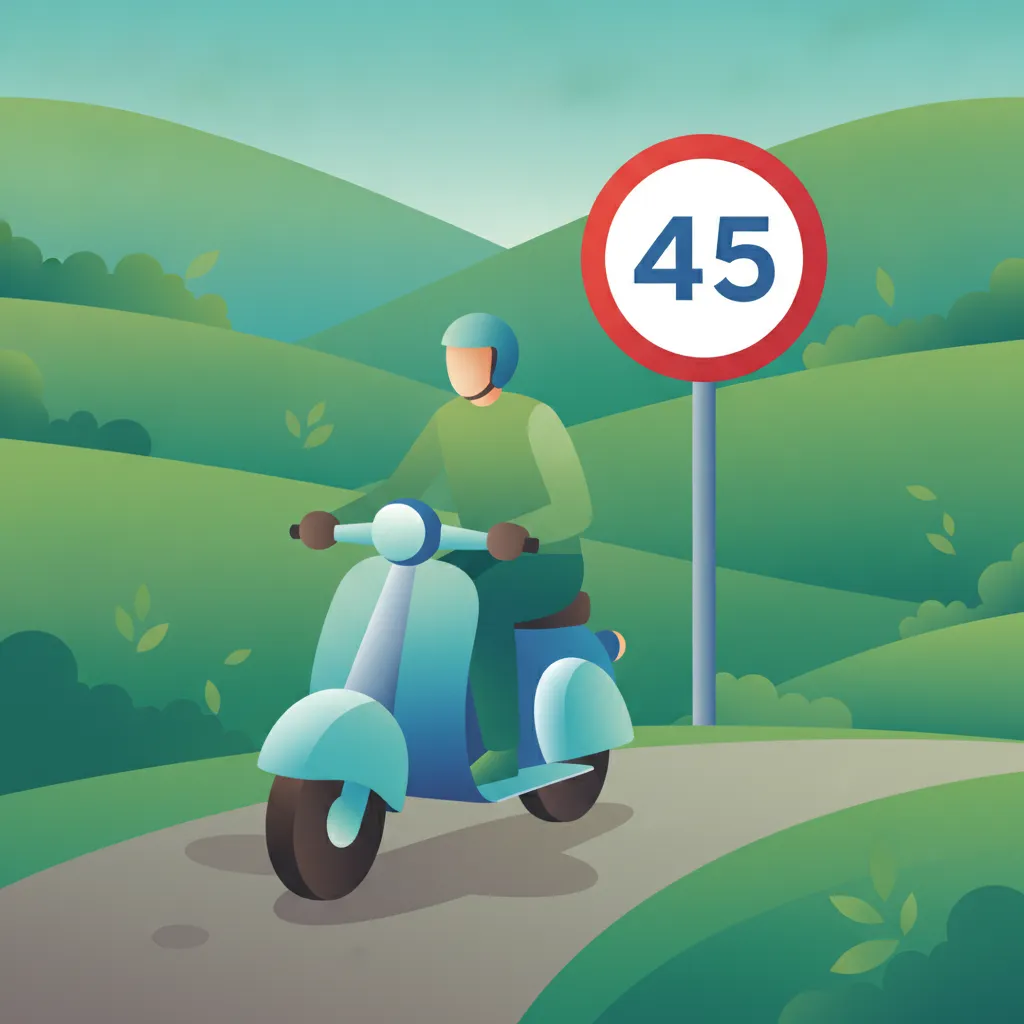
This lesson outlines the legal speed limits governing mopeds and light quadricycles in various Irish environments, including urban centers and school zones. It clarifies why Category AM vehicles are strictly prohibited from driving on motorways due to safety and speed disparities. Riders will also study the legal penalties, including fines and points, for speeding.
Find clear answers to common questions learners have about Legal Requirements and Learner Responsibilities. Learn how the lesson is structured, which driving theory objectives it supports, and how it fits into the overall learning path of units and curriculum progression in Ireland. These explanations help you understand key concepts, lesson flow, and exam focused study goals.
Learner riders must wear an approved protective helmet and are strongly encouraged to wear high-visibility, abrasion-resistant clothing. The RSA stresses that proper gear is not just a recommendation but a vital safety requirement for all motorcyclists and moped riders.
Roadworthiness means your moped must be in good mechanical condition, with functional brakes, lights, and tires that meet the legal tread depth. You are legally responsible for ensuring your vehicle is safe to operate on public roads at all times.
No, as an AM learner permit holder, you are strictly prohibited from carrying passengers. You must display L-plates on your vehicle and adhere to all specific learner regulations set out by the Road Safety Authority.
The driver theory test features several questions regarding the legal status and responsibilities of learner permit holders. Understanding these rules ensures you can correctly answer regulatory and safety-based questions that are foundational to the exam.
Use the practice question search tool to pinpoint specific topics, road signs, or rules you need to master for your official Driver Theory Test. Refine your study strategy and ensure comprehensive preparation for all aspects of the Irish driving exam. Start your focused revision now and build confidence for your learner permit test.