
This lesson explains the critical importance of being seen while operating a moped on Irish roads. You will learn the legal standards for daytime running lights and auxiliary systems, ensuring you meet RSA safety requirements while reducing your risk of collision.
Lesson content overview
Riding a moped (Category AM vehicle) on Irish public roads requires an acute awareness of your physical footprint. Because of their compact size, mopeds can easily blend into the background, making them difficult for other motorists to spot. This vulnerability is a primary factor in urban and rural collisions.
To combat this, vehicle safety standards rely heavily on specialized lighting systems. This lesson details the use of Daytime Running Lights (DRLs) and auxiliary lighting systems to raise your riding profile, the legal regulations governing their use in Ireland, and technical guidelines to prevent dazzling other road users.
Conspicuity is the capacity of a vehicle to stand out from its immediate surroundings. On Irish roads, which are frequently subject to overcast skies, sudden rain showers, and coastal mist, a moped's physical profile can easily be lost against complex backdrops like oncoming traffic, buildings, or roadside foliage.
Inattentional blindness is a psychological phenomenon where motorists look directly at an approaching moped but fail to process its presence because they are mentally scanning for larger vehicles like cars or trucks. Active, high-contrast lighting is the most effective defense against this hazard.
Using dedicated daytime lighting dramatically reduces the time it takes for an oncoming driver to recognize a moped. Studies monitored by the Road Safety Authority (RSA) consistently demonstrate that vehicles equipped with functional daytime running lights are involved in fewer multi-vehicle daylight collisions. By projecting a bright, focused point of light forward, you establish your presence on the road far earlier, giving other drivers ample time to react.
Daytime Running Lights are specialized, forward-facing lamps designed to make the moped highly visible when riding during daylight hours.
Lamps fitted to the front of a vehicle that automatically illuminate when the engine starts or when the vehicle begins moving during daylight hours, specifically designed to increase conspicuity rather than illuminate the road ahead.
Unlike standard headlights, DRLs are engineered with a wide beam spread. This means the light is diffused outward at a broader angle, ensuring that motorists approaching from various side angles can see your moped.
On most modern Category AM mopeds sold in the European Union and Ireland, the DRL system is integrated directly into the ignition circuit. The moment you turn the key and start the engine, the DRLs illuminate. There is no manual switch to turn them off while the engine is running. If you ride an older moped model that does not feature automatic DRLs, Irish road safety guidelines strongly advise manually switching on your dipped headlight as soon as you begin your journey.
One of the most dangerous and common mistakes made by new riders is relying on DRLs after sunset. Because DRLs are designed to make you seen, they do not feature the focused, downward-pointing beam required to see the road surface at night.
It is a serious road traffic violation to ride a moped at night or in severely degraded daytime visibility (such as heavy fog) using only Daytime Running Lights. You must switch to your dipped headlights to ensure your rear tail-light is fully operational and your forward path is properly illuminated.
Auxiliary lighting refers to any secondary lighting devices installed on your moped in addition to the standard factory headlamp and indicators. This category includes additional low-beam headlights, specialized fog lamps, or side positioning lamps.
Additional lighting devices installed on a vehicle beyond the mandatory manufacturer-fitted headlights, tail-lights, and indicators, used to enhance illumination or visibility under specific environmental conditions.
While standard moped lighting is sufficient for basic commuting, auxiliary lights are often added by riders who frequently travel on unlit rural roads, during twilight hours, or in regions prone to heavy mist and rain.
Under Irish law and UNECE (United Nations Economic Commission for Europe) standards, any auxiliary lighting fitted to a Category AM vehicle must comply with strict technical and installation criteria. DIY installations that do not meet these standards can render your moped unroadworthy and lead to prosecution, fines, or failure during roadside safety inspections.
Verify Product Approval: Ensure any light unit you purchase carries the official "E-mark" (an 'E' inside a circle or rectangle), indicating it is approved for legal road use in Ireland and the EU.
Secure Mechanical Mounting: Mount all auxiliary lights symmetrically along the centerline of the moped. Ensure all brackets are constructed from vibration-resistant metal and torqued securely to the chassis or forks. Loose lights can shift while riding, redirecting the beam into oncoming traffic.
Professional Electrical Wiring: Integrate a dedicated, fused relay switch into the moped’s electrical system. Wiring auxiliary lights directly to the battery without a relay can cause electrical fires, drain your battery, or overload the stator on small 50cc engines.
Aligned Beam Pattern: Before riding, place the moped on level ground 5 metres from a wall. Verify that the cut-off line of any auxiliary low-beam or fog light sits well below the horizontal level of the lamp itself to prevent glare.
While the primary goal of auxiliary and daytime lighting is to make you visible, overly bright, poorly aimed, or misapplied lights create a severe hazard. Dazzling oncoming motorists can temporarily blind them, causing them to drift out of their lane or miss hazards along their path.
A moped's suspension is highly sensitive to changes in weight. If you carry a heavy backpack or load your rear top-box, the rear of the moped will compress, raising the front fork angle. This slight upward tilt can lift a perfectly aligned auxiliary light or headlight beam upward, transforming a safe dipped beam into a blinding glare for oncoming drivers. Always check your beam alignment while sitting on the moped in your typical riding gear.
A responsible Category AM rider adjusts their lighting configuration based on the surrounding environment, weather conditions, and time of day.
In bright, direct sunlight, shadows cast by high-rise buildings and trees can make a moped momentarily disappear.
During a sudden coastal fog or heavy drizzle, ambient light drops significantly, and moisture droplets in the air scatter light.
As the sun sets, human eyes struggle to adjust to the transition from daylight to dark. This is the period of highest risk for moped riders.
To maintain road safety and comply with Irish road traffic laws, guard against these common moped lighting mistakes:
The physics of road safety are clear: being seen is your primary shield on a moped. By ensuring your Daytime Running Lights are functional and active throughout every daytime journey, you proactively target the visual blindspots of other drivers.
If you choose to install auxiliary lighting, do so with careful attention to legal approval, secure mechanical mounting, and precise beam alignment. Respecting the vision of oncoming drivers by preventing dazzling glare ensures that your presence on the road remains a source of safety rather than a hazard.
This lesson explains the role of Daytime Running Lights and auxiliary lighting for Category AM mopeds in Ireland, as governed by RSA standards and UNECE regulations. DRLs automatically increase your conspicuity during daylight but are designed only for visibility, not road illumination, making them inadequate and illegal for night riding. Auxiliary lighting may be added to enhance visibility but must be E-marked, securely mounted, properly aimed, and used only under appropriate conditions. The critical distinction is that dipped headlights activate both front illumination and rear tail-lights, while DRLs alone leave you invisible from behind after dark. Understanding these rules is essential for both safe riding and passing related questions on the Irish Driver Theory Test.
A short set of high-value points that capture the most important learning from this lesson.
Daytime Running Lights make you seen but do not illuminate the road surface and cannot replace dipped headlights after dark
Automatic DRLs on modern EU mopeds cannot be switched off while the engine is running
All auxiliary lighting must carry an official E-mark approval for legal use on Irish roads
Riding at night with only DRLs is illegal because your rear tail-light remains unlit
Proper beam alignment prevents dazzling oncoming traffic and must be checked when carrying loads
Explore all units and lessons included in this driving theory course.
DRLs equal visibility only; dipped headlights equal visibility plus forward road illumination
Blue and green lights are strictly reserved for emergency vehicles and are illegal on mopeds
Weight changes (backpacks, top-box loads) alter suspension and can tilt lights upward, causing glare
Fog lights may only be used in poor visibility conditions, not in clear weather
Dirty lenses can reduce light output by up to 80%, severely compromising visibility
Riding at night or in poor visibility using only Daytime Running Lights
Installing non-E-marked LED strips or colored auxiliary lights that are not road-legal
Leaving auxiliary fog lights switched on during clear weather conditions
Overloading a small 50cc engine's electrical system with high-wattage auxiliary lights
Allowing aftermarket luggage or racks to obstruct the beam of factory lighting
Lesson content overview
A short set of high-value points that capture the most important learning from this lesson.
Daytime Running Lights make you seen but do not illuminate the road surface and cannot replace dipped headlights after dark
Automatic DRLs on modern EU mopeds cannot be switched off while the engine is running
All auxiliary lighting must carry an official E-mark approval for legal use on Irish roads
Riding at night with only DRLs is illegal because your rear tail-light remains unlit
Proper beam alignment prevents dazzling oncoming traffic and must be checked when carrying loads
Explore all units and lessons included in this driving theory course.
DRLs equal visibility only; dipped headlights equal visibility plus forward road illumination
Blue and green lights are strictly reserved for emergency vehicles and are illegal on mopeds
Weight changes (backpacks, top-box loads) alter suspension and can tilt lights upward, causing glare
Fog lights may only be used in poor visibility conditions, not in clear weather
Dirty lenses can reduce light output by up to 80%, severely compromising visibility
Riding at night or in poor visibility using only Daytime Running Lights
Installing non-E-marked LED strips or colored auxiliary lights that are not road-legal
Leaving auxiliary fog lights switched on during clear weather conditions
Overloading a small 50cc engine's electrical system with high-wattage auxiliary lights
Allowing aftermarket luggage or racks to obstruct the beam of factory lighting
Explore search topics learners often look for when studying Daytime Running Lights and Auxiliary Lighting. These topics reflect common questions about road rules, driving situations, safety guidance, and lesson level theory preparation for learners in Ireland.
Browse additional driving theory lessons that cover connected traffic rules, road signs, and common driving situations related to this topic. Improve your understanding of how different rules interact across everyday traffic scenarios.
Understand the psychological and physical factors that influence rider conspicuity on public roads. This guide explains how to effectively manage your road presence and anticipate potential hazards by identifying the common blind spots and situational risks faced by Category AM moped riders in various Irish traffic environments.
This lesson explores common surface hazards encountered on municipal and rural Irish roads, including loose gravel and wet leaves. It explains how these surface conditions rapidly reduce tyre traction and affect overall handling and braking control. Riders will learn visual scanning techniques to identify these hazards early and execute safe evasion maneuvers.
This lesson focuses on the critical techniques required to ride safely during severe rain or heavy fog in Ireland. It teaches riders how to handle aquaplaning risks, use headlights correctly, and significantly increase their following distances. Adapting speed to visibility ensures that riders can brake safely when road conditions deteriorate.
This lesson highlights the importance of smooth throttle adjustments for maintaining traction and stability on a moped. It teaches riders how to anticipate potential road hazards early, reducing the need for sudden emergency braking. Developing strong observation habits allows riders to adjust their speed smoothly and respond safely to traffic changes.
This lesson provides actionable strategies for Category AM riders to remain visible, focusing on lane positioning and eye contact. It teaches how to avoid riding in the blind spots of larger vehicles and how to signal early and clearly. Cultivating a proactive attitude toward road visibility helps prevent collisions and builds mutual respect on Irish roads.
This lesson focuses on practical strategies for maximizing a motorcyclist's visibility to other road users in day and night scenarios. It details the effective placement of retro-reflective materials, high-visibility jackets, and the constant use of dipped headlights. Riders will examine how road positioning within their lane dramatically reduces the likelihood of being obscured by other vehicles.

This lesson teaches riders how to actively identify and eliminate blind spots through proper mirror adjustment and physical shoulder checks. It explains the concept of a safety cushion, which represents the defensive space maintained around the moped at all times. Managing these zones ensures adequate reaction time and mitigates the impact of sudden braking.

This lesson outlines how motorcyclists should respond when permanent road signs are dirty, damaged, or hidden by overgrown trees and hedges. It introduces the temporary signage, warning cones, and detour markers commonly deployed at active roadwork zones in Ireland. Riders will learn to read the road ahead defensively, reducing speed when visual information is incomplete or compromised.
This lesson emphasizes the critical importance of being highly visible to other road users under various lighting conditions. It reviews the legal requirements for front and rear lights on Category AM vehicles and the active use of reflective materials. Proper maintenance of lighting systems is discussed to ensure continuous operation during adverse weather.

This lesson explains the extensive blind spots of heavy goods vehicles, buses, and other large trucks on Irish roads. It teaches Category AM riders how to maintain safe following distances and position themselves where truck drivers can see them. Proper space cushion management is emphasized to protect riders from the wind turbulence of passing trucks.
Proactive hazard perception involves constantly scanning the road ahead to identify potential dangers before they turn into actual emergencies. This lesson covers active scanning techniques, helping you look far ahead, check mirrors regularly, and identify subtle risk clues such as exhaust smoke from parked cars or children playing near kerbs. Anticipating these developments gives you the time to adjust speed and position safely.
Explore the official RSA standards and legal regulations governing vehicle equipment for Category AM mopeds. This lesson provides an overview of mandatory safety features, lighting compliance, and the legal consequences of improper vehicle modifications to ensure your moped meets all regulatory requirements for Irish public road use.

This lesson details the statutory rules governing learner permit holders, including compulsory safety gear and vehicle roadworthiness standards. Riders must understand the requirement for high-visibility clothing, functioning warning devices, and compliance with the official Rules of the Road. Safe riding habits are established by strictly adhering to these RSA standards.
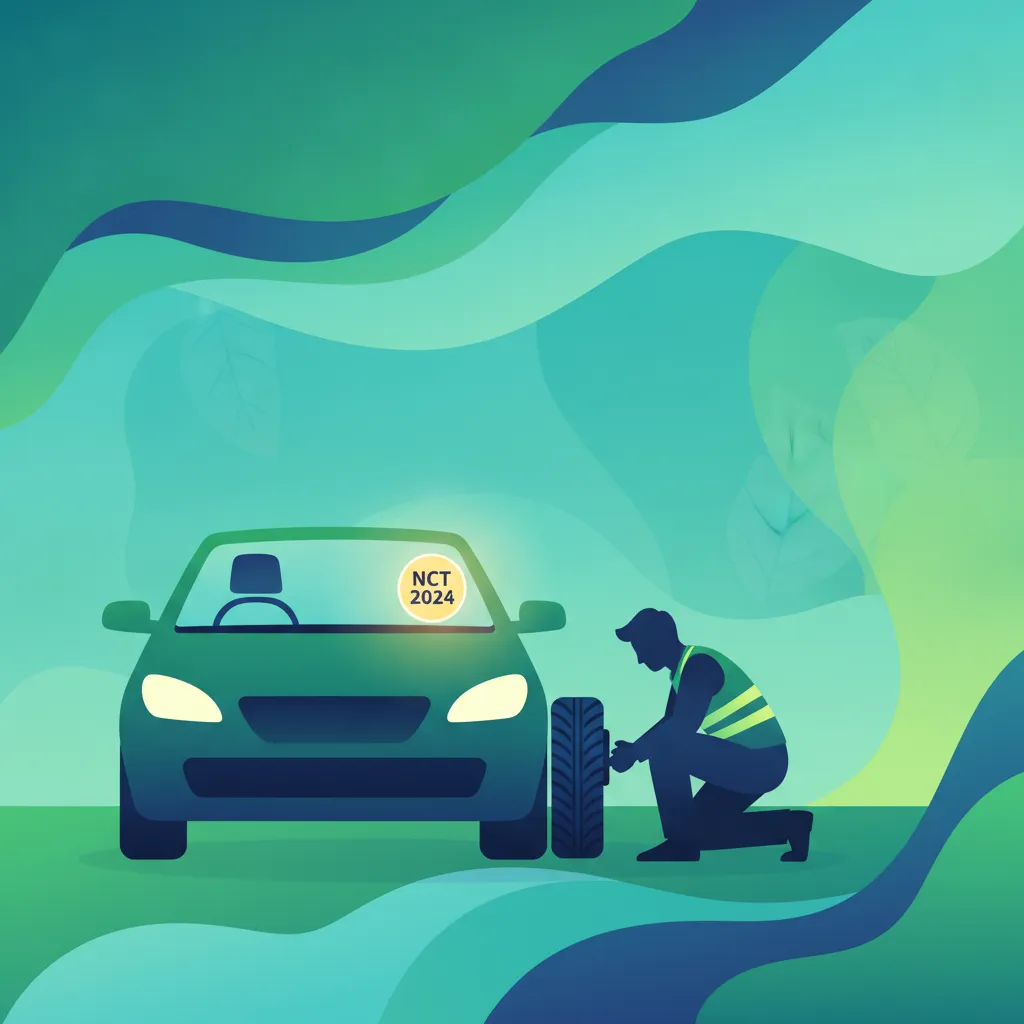
This lesson guides learners through the essential pre-ride safety checklist for mopeds and light quadricycles. It explains how to check tyre tread, brake responsiveness, functional lighting, and mirror alignment before starting any journey. Maintaining these components ensures vehicle compliance and minimizes the risk of mechanical failure on Irish roads.
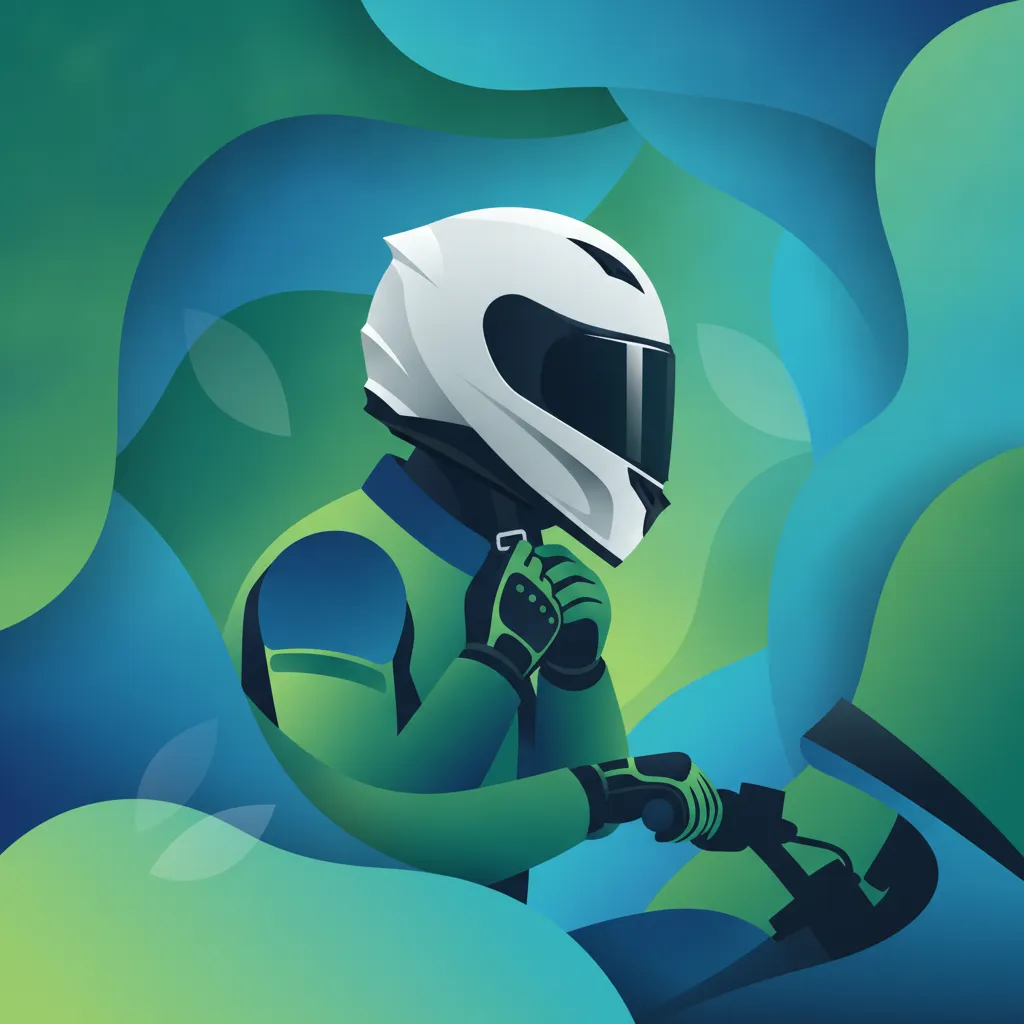
This lesson focuses on the legal requirements for protective helmets and the European safety standards they must satisfy. It explains the mechanics of head protection, the differences between helmet styles, and the correct way to fasten the chin strap. Proper maintenance, inspection for cracks, and correct sizing are emphasized to ensure maximum rider safety.
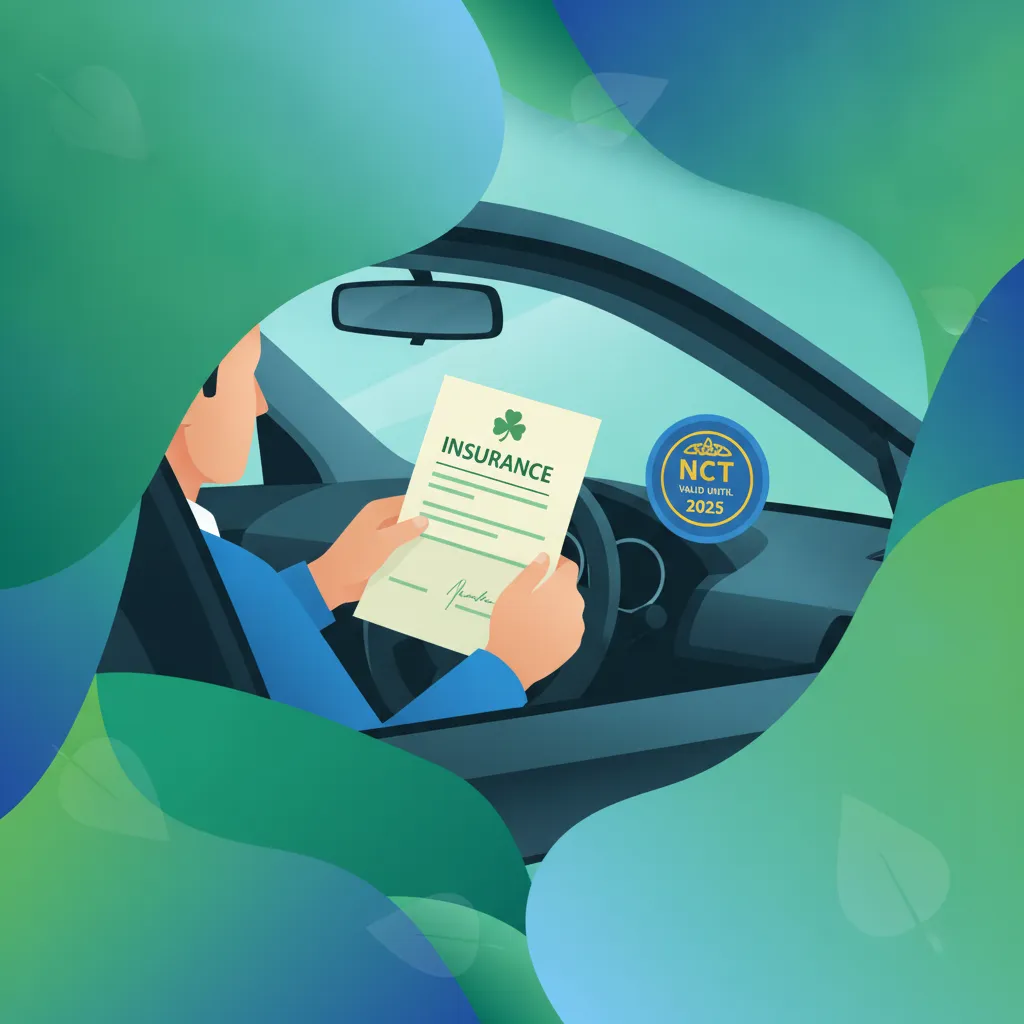
This lesson details the legal requirements for motorcycle insurance under Irish law, emphasizing the absolute necessity of holding valid third-party cover. It outlines the rider's responsibility to maintain their motorcycle in a completely roadworthy condition, focusing on critical safety components like tyres, brakes, and lights. Learners will examine how mechanical failures and non-compliance with maintenance standards compromise legal eligibility and safety.
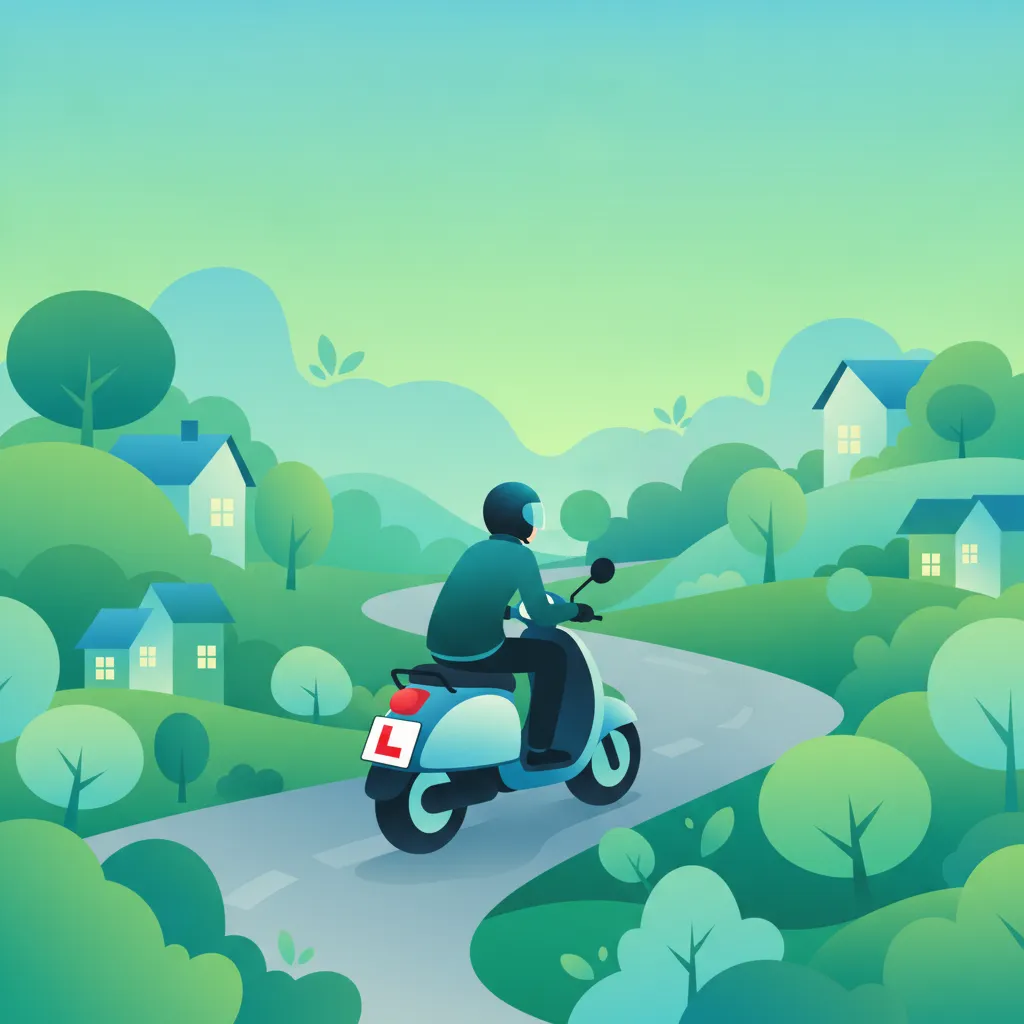
This lesson covers the legal definition of mopeds and light quadricycles in Ireland, specifying engine capacity and maximum power limits. It outlines the minimum age requirements and the specific routes where these vehicles are legally permitted to operate. Understanding these classifications is critical for compliance with Irish and EU regulations.
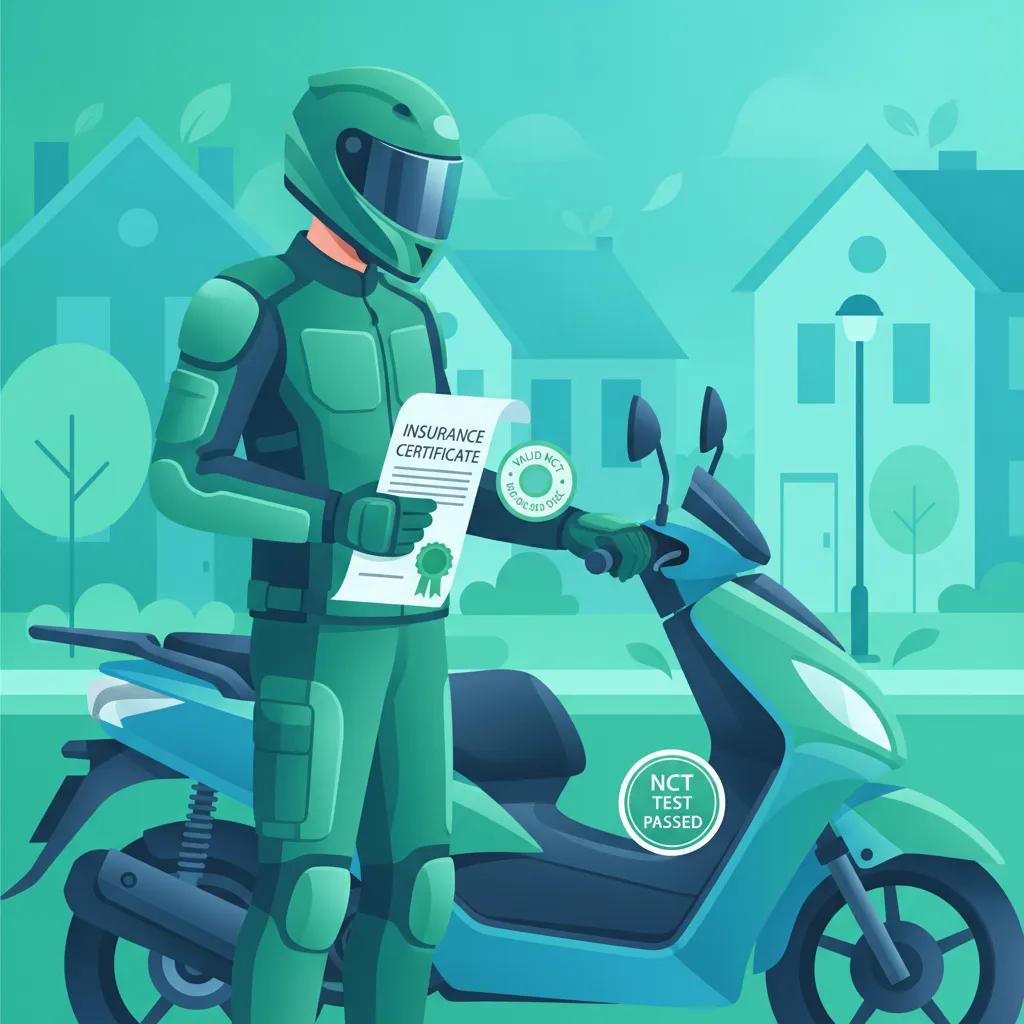
This lesson explains the compulsory insurance requirements for operating a moped or light quadricycle on public Irish roads. It clarifies that while Category AM vehicles are exempt from the National Car Test, they must still be registered and taxed. Learners will study third-party liability limits and the legal penalties associated with driving uninsured.
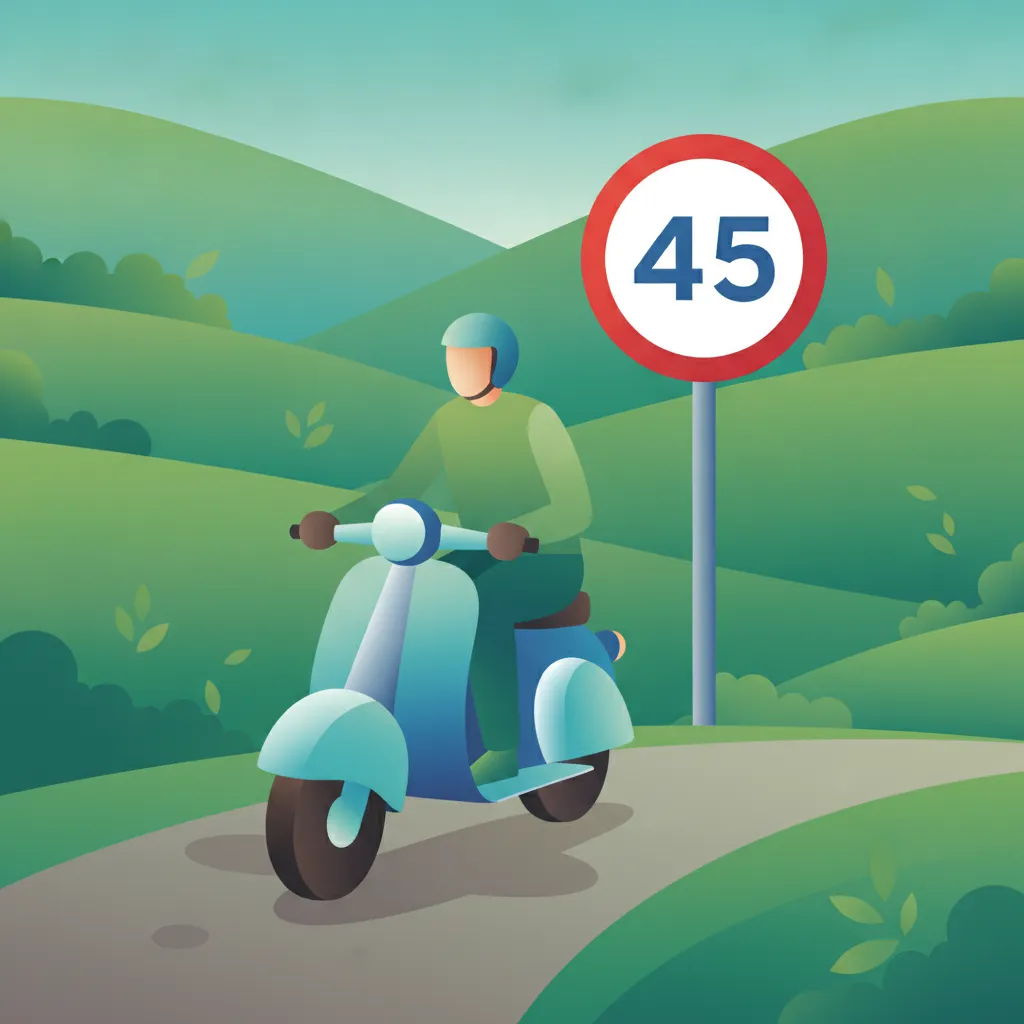
This lesson outlines the legal speed limits governing mopeds and light quadricycles in various Irish environments, including urban centers and school zones. It clarifies why Category AM vehicles are strictly prohibited from driving on motorways due to safety and speed disparities. Riders will also study the legal penalties, including fines and points, for speeding.
Find clear answers to common questions learners have about Daytime Running Lights and Auxiliary Lighting. Learn how the lesson is structured, which driving theory objectives it supports, and how it fits into the overall learning path of units and curriculum progression in Ireland. These explanations help you understand key concepts, lesson flow, and exam focused study goals.
While specific requirements can depend on the vehicle model and date of manufacture, maintaining high visibility is a legal and safety priority for all riders. Always consult your vehicle manual and the latest RSA Rules of the Road.
Any auxiliary lighting must comply with Irish road traffic regulations. It is critical that extra lights do not dazzle other road users or obscure mandatory signals, as this can lead to penalties or failed safety checks.
The test often features scenarios asking you to identify the best way to increase your visibility to other drivers, or questions regarding the legal use of headlamps and auxiliary indicators in various weather conditions.
Mopeds are smaller than cars and can be harder for other drivers to spot. Daytime running lights significantly increase your profile, helping other motorists notice you earlier and reducing the risk of junction collisions.
Use the practice question search tool to pinpoint specific topics, road signs, or rules you need to master for your official Driver Theory Test. Refine your study strategy and ensure comprehensive preparation for all aspects of the Irish driving exam. Start your focused revision now and build confidence for your learner permit test.