
This lesson prepares you for the challenges of riding your Category AM moped in poor weather conditions, a key requirement for the Irish Driver Theory Test. By learning how to adjust your riding style for rain and fog, you will be better equipped to handle real-world hazards and answer exam questions on adverse road conditions.

Lesson content overview
Navigating Irish roads on a Category AM vehicle—which includes mopeds, light quadricycles, and small scooters—requires an exceptional level of defensive riding, especially when weather conditions deteriorate. Ireland's maritime climate means that riders frequently encounter heavy rain, sudden downpours, dense fog, and mist.
Because Category AM vehicles are lightweight and have a smaller tyre contact patch than passenger cars, they are highly sensitive to reduced road grip and sudden changes in wind or surface water. This lesson details the critical safety principles, legal regulations, and riding techniques necessary to maintain control and stay safe when visibility and traction are compromised.
When rain falls on a road surface, it mixes with residual oil, dust, and tyre rubber, creating a highly slippery film. This hazard is most severe during the first 10 to 15 minutes of a rain shower, as the moisture coaxes oil to the surface before washing it away. Understanding how your tyres interact with this wet surface is essential for preventing a loss of control.
Aquaplaning (also known as hydroplaning) occurs when a layer of water builds up between your vehicle's tyres and the road surface. When this happens, the tyre loses contact with the road completely, floating on a thin cushion of water.
There are two primary types of aquaplaning:
If your vehicle aquaplanes, you will experience a complete loss of steering, braking, and acceleration control. The vehicle will continue in its current direction of momentum regardless of steering inputs.
Do not brake or steer if you experience aquaplaning. If you feel your moped or quadricycle begin to float or slide on standing water, do not apply the brakes or make sudden steering adjustments. Ease off the throttle smoothly and keep the handlebars straight until the tyres regain contact with the road.
Being seen by other road users (conspicuity) is just as critical as being able to see the road ahead. In Ireland, the Road Safety Authority (RSA) establishes clear rules for vehicle lighting during daytime hours when visibility is reduced by weather.
Under the Irish Rules of the Road, you must use your dipped headlights (low beams) during the day when visibility is seriously reduced by rain, fog, mist, or falling snow.
If your Category AM vehicle is equipped with front or rear fog lights, you must understand their highly restricted legal use under Irish traffic law:
The distance required to bring your vehicle to a complete stop is composed of two phases: Reaction Distance (the distance traveled while you identify a hazard and apply the brakes) and Braking Distance (the distance traveled once the brakes are physically applied).
In wet and foggy conditions, both components increase dramatically.
On a dry asphalt road, a typical moped traveling at 50 km/h requires approximately 25 to 30 metres to stop safely. On a wet road, the braking distance alone can double or triple because of the reduced coefficient of friction between the rubber tyre and the wet road surface.
| Surface Condition | Reaction Distance (at 50 km/h) | Braking Distance (at 50 km/h) | Total Stopping Distance |
|---|---|---|---|
| Dry Road | ~10 metres | ~15 metres | ~25 metres |
| Wet Road | ~10 metres | ~30-45 metres | ~40-55 metres |
| Dense Fog | ~15-20 metres (due to delayed perception) | ~15 metres | ~30-35 metres |
| Wet Road + Fog | ~20 metres | ~45 metres | ~65+ metres |
In dense fog, your reaction distance increases because your brain takes longer to perceive and process a hazard. When you combine this delayed reaction with the physically reduced grip of a wet road surface, your total stopping distance can easily exceed the distance you can see ahead.
You must always drive at a speed that allows you to come to a complete, controlled stop well within the distance you can see to be clear. If you can only see 30 metres ahead due to fog, your speed must be reduced so that your total stopping distance is strictly less than 30 metres.
To maximize the limited grip available on wet roads, Category AM riders must apply smooth, progressive inputs to all vehicle controls:
Maintaining a safe buffer zone between your vehicle and the road user ahead is your primary defense against rear-end collisions.
In dry, clear conditions, the standard safety margin is the two-second rule. You select a stationary object (such as a lamppost or road sign) and count the seconds after the vehicle ahead passes it. If you reach the object before counting to "two," you are following too closely.
In rain, mist, or fog, you must increase this distance substantially:
When riding behind larger vehicles (such as trucks, buses, or large SUVs), their heavy tyres throw up a thick cloud of dirty water spray. This spray can instantly coat your visor, goggles, or windscreen, completely blinding you for several seconds.
By increasing your following distance to six seconds or more, you drop back out of this high-density spray zone, maintaining a clear line of sight and keeping your protective gear clean.
Adverse weather impacts different types of roads in distinct ways. A competent rider adapts their speed and positioning based on the road class and surroundings.
While Category AM mopeds are legally prohibited from motorways in Ireland, light quads or larger AM-compliant vehicles may encounter dual carriageways.
Irish country roads present unique dangers in wet weather, such as mud on the road from agricultural vehicles, accumulated wet leaves, and sudden pockets of low-lying valley fog.
Use these structured protocols to manage sudden, dangerous changes in weather while riding.
Monitor Your Mirror: Immediately check your mirrors to see what traffic is behind you. Do not slam on your brakes, as following vehicles may not see you stop.
Reduce Speed Gradually: Ease off the throttle smoothly to drop your speed. Do this progressively so that vehicles behind have time to react.
Activate Dipped Headlights: Ensure your dipped headlights are turned on. If your vehicle has fog lights, activate them now.
Open Your Visor Slightly: Fog will cause condensation on the inside of your helmet visor. Crack it open slightly to allow fresh air to demist the shield.
Increase Following Distance: Establish a 6-second gap behind the vehicle ahead. Use their tail lights as a guide, but do not focus on them exclusively (avoid "tunnel vision").
Listen to the Traffic: Turn down or turn off any communication devices. Open your visor slightly to listen for sirens, horns, or the sound of engines ahead.
Do Not Panic Brake: If your rear wheel begins to slide or fishtail, do not grab the brake levers. Doing so will lock the wheels and guarantee a crash.
Ease Off the Throttle: Gently roll off the throttle. Do not chop it closed instantly, as a sudden engine-braking force can cause the tyre to snap back violently, causing a high-side crash.
Look Where You Want to Go: Keep your eyes focused on your intended path of travel, not at the obstacle or road edge you are sliding toward.
Keep Handlebars Straight: Avoid sudden steering corrections. Allow the vehicle's natural physics to stabilize the chassis as momentum slows.
Violating adverse-weather driving laws or ignoring safety principles in Ireland carries severe legal and physical consequences. Under the Irish Road Traffic Acts, the following behaviors are common offenses:
This lesson covers the critical skills for riding Category AM vehicles safely in Ireland's adverse weather, focusing on the physics of wet road grip, aquaplaning prevention, and correct headlight and fog light use. Learners must understand that stopping distances multiply dramatically on wet surfaces and that following distances must increase from 2 seconds (dry) to 4 seconds (rain) to 6 seconds (fog). The content provides specific emergency procedures for entering fog banks and recovering from wet-weather slides, while also clarifying legal requirements for lighting that apply to the Irish Driver Theory Test.
A short set of high-value points that capture the most important learning from this lesson.
Aquaplaning on lightweight Category AM vehicles can begin at speeds as low as 40 km/h in heavy rain or standing water
Use dipped headlights during daytime low visibility; main beams reflect off fog and rain droplets, creating dangerous glare
Stopping distance on wet roads can double or triple compared to dry conditions, requiring significantly increased following gaps
Increase following distance from the standard 2-second rule to 4 seconds in heavy rain and 6 seconds in dense fog
If aquaplaning occurs, ease off the throttle smoothly and keep handlebars straight—never brake or steer suddenly
Explore all units and lessons included in this driving theory course.
Fog lights are legally restricted to visibility below 100 metres and must be switched off when conditions improve
Automatic headlights measure ambient light, not atmospheric visibility—they may fail to activate in daytime fog or rain
Reduce speed to 30 km/h or lower when visibility drops below 50 metres
Wet painted road markings, metal covers, and wet leaves are as slippery as ice for mopeds
Keep vehicle upright and lean angle minimal when cornering on wet surfaces—slow down before the turn, not during it
Assuming traveling at the posted speed limit is safe in adverse weather—the law requires adjusting speed for conditions
Using main (high) beams in fog or heavy rain, which causes light to reflect back and creates a blinding white wall
Relying solely on daytime running lights in poor weather—these don't illuminate the road or activate rear tail lights
Braking suddenly on painted road markings or metal surfaces when wet, which easily triggers a skid
Following too closely in fog, not accounting for delayed reaction time combined with reduced stopping grip
Lesson content overview
A short set of high-value points that capture the most important learning from this lesson.
Aquaplaning on lightweight Category AM vehicles can begin at speeds as low as 40 km/h in heavy rain or standing water
Use dipped headlights during daytime low visibility; main beams reflect off fog and rain droplets, creating dangerous glare
Stopping distance on wet roads can double or triple compared to dry conditions, requiring significantly increased following gaps
Increase following distance from the standard 2-second rule to 4 seconds in heavy rain and 6 seconds in dense fog
If aquaplaning occurs, ease off the throttle smoothly and keep handlebars straight—never brake or steer suddenly
Explore all units and lessons included in this driving theory course.
Fog lights are legally restricted to visibility below 100 metres and must be switched off when conditions improve
Automatic headlights measure ambient light, not atmospheric visibility—they may fail to activate in daytime fog or rain
Reduce speed to 30 km/h or lower when visibility drops below 50 metres
Wet painted road markings, metal covers, and wet leaves are as slippery as ice for mopeds
Keep vehicle upright and lean angle minimal when cornering on wet surfaces—slow down before the turn, not during it
Assuming traveling at the posted speed limit is safe in adverse weather—the law requires adjusting speed for conditions
Using main (high) beams in fog or heavy rain, which causes light to reflect back and creates a blinding white wall
Relying solely on daytime running lights in poor weather—these don't illuminate the road or activate rear tail lights
Braking suddenly on painted road markings or metal surfaces when wet, which easily triggers a skid
Following too closely in fog, not accounting for delayed reaction time combined with reduced stopping grip
Explore search topics learners often look for when studying Riding in Rain, Fog and Low Visibility. These topics reflect common questions about road rules, driving situations, safety guidance, and lesson level theory preparation for learners in Ireland.
Browse additional driving theory lessons that cover connected traffic rules, road signs, and common driving situations related to this topic. Improve your understanding of how different rules interact across everyday traffic scenarios.
Understand the correct road positioning and observation techniques for managing junctions and roundabouts on a small vehicle. This lesson covers how to remain visible to other road users and maintain a space cushion when approaching complex intersections while adhering to Irish road safety standards.
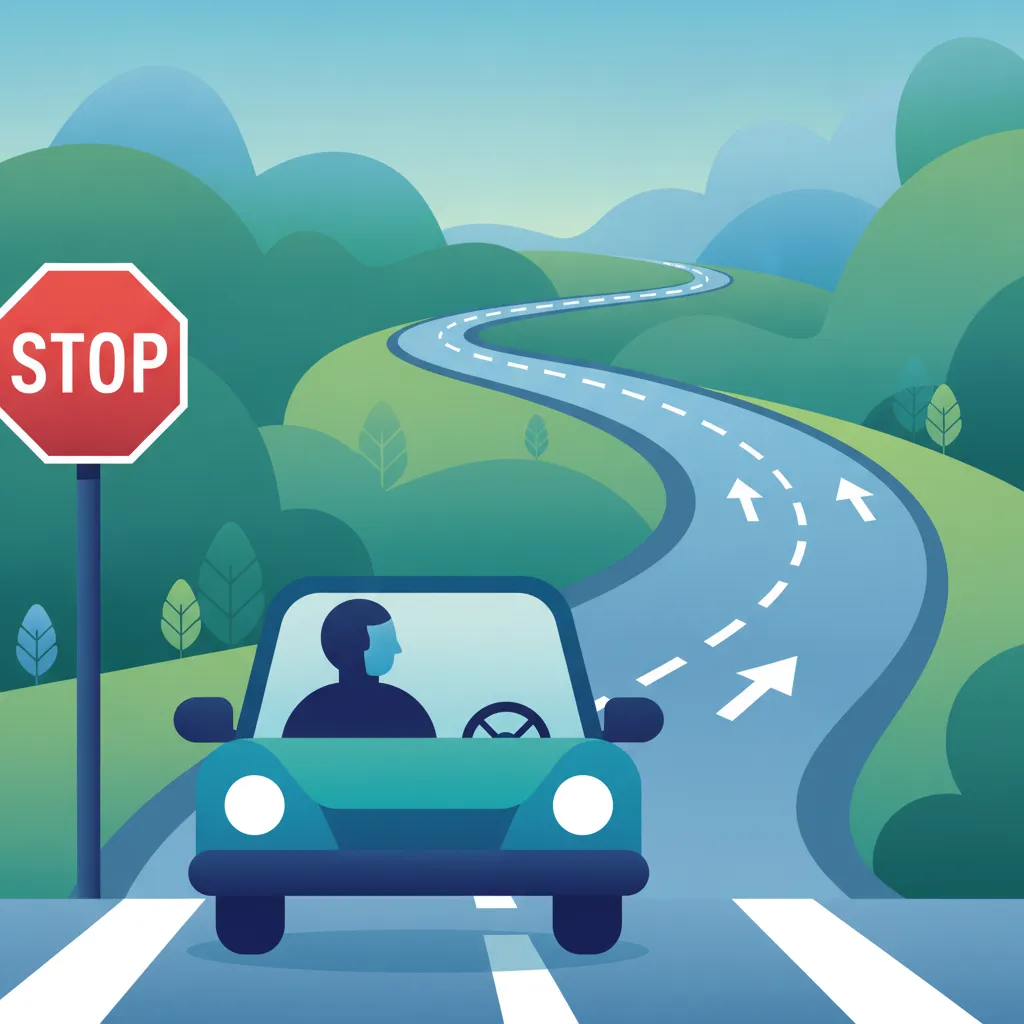
This lesson details the sequential steps required to approach and exit junctions safely under the Irish driving rules. It teaches riders how to select the correct lane, utilize mirrors, apply early signals, and reduce speed appropriately. Effective observation strategies are highlighted to help riders identify crossing pedestrians or approaching side traffic.
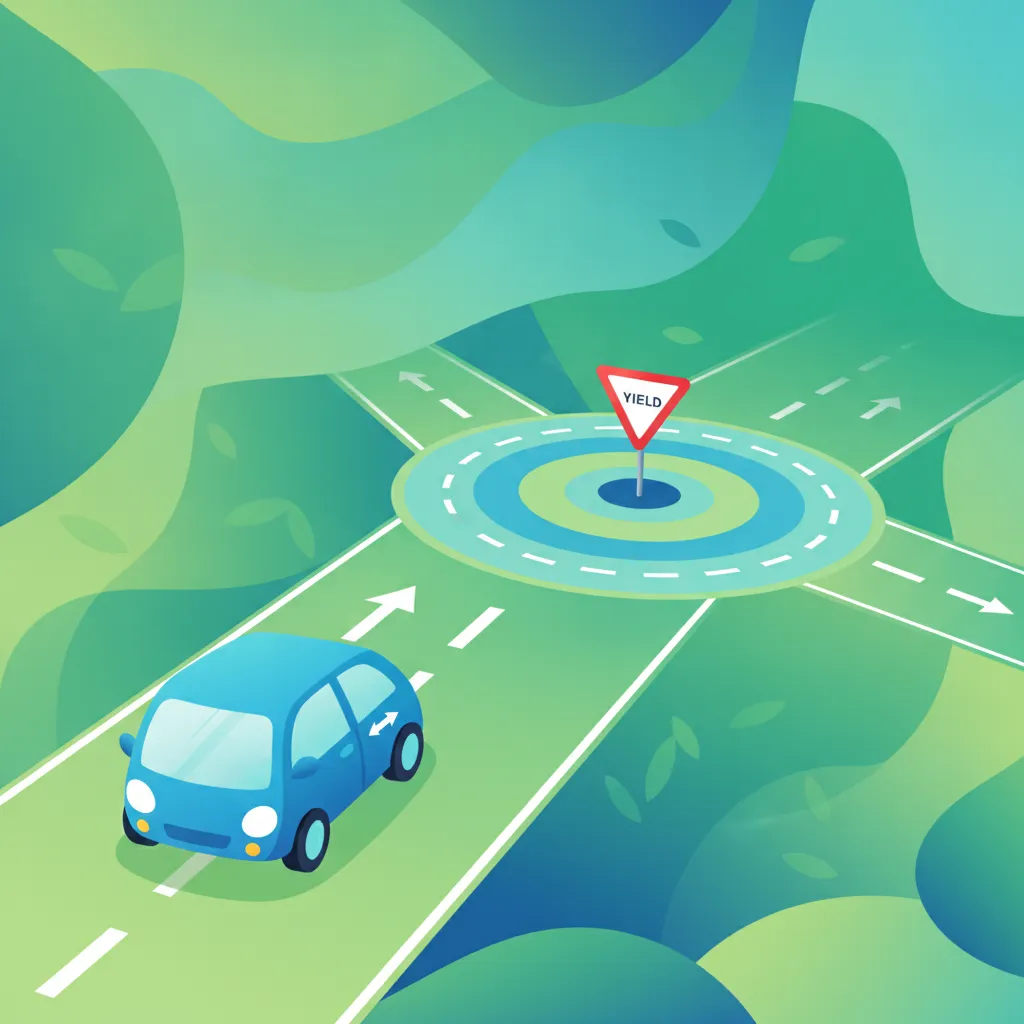
This lesson covers correct procedures for navigating roundabouts, which present significant risks for Category AM riders. It details lane selection rules, timely indicator signals for exiting, and the importance of checking blind spots before shifting lanes. Riders will learn to safely share the roundabout with large vehicles and vulnerable road users.
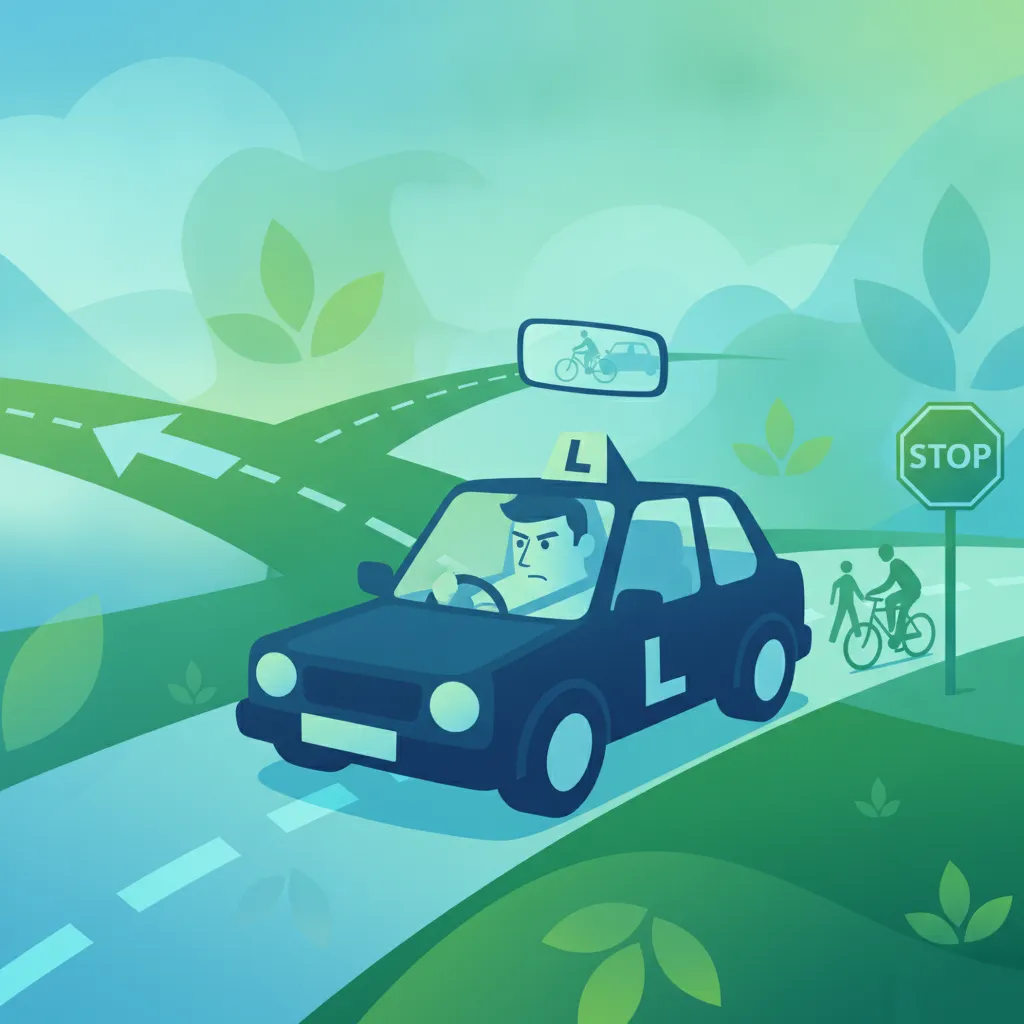
This lesson focuses on the safe approach and execution of turns at T-junctions, staggered intersections, and blind crossroads. It explains the critical mirror-signal-manoeuvre routine and how to select the best position for maximum visibility to cross-traffic. Motorcyclists will learn to identify potential hazards like vehicles pulling out suddenly or turning across their direct path.
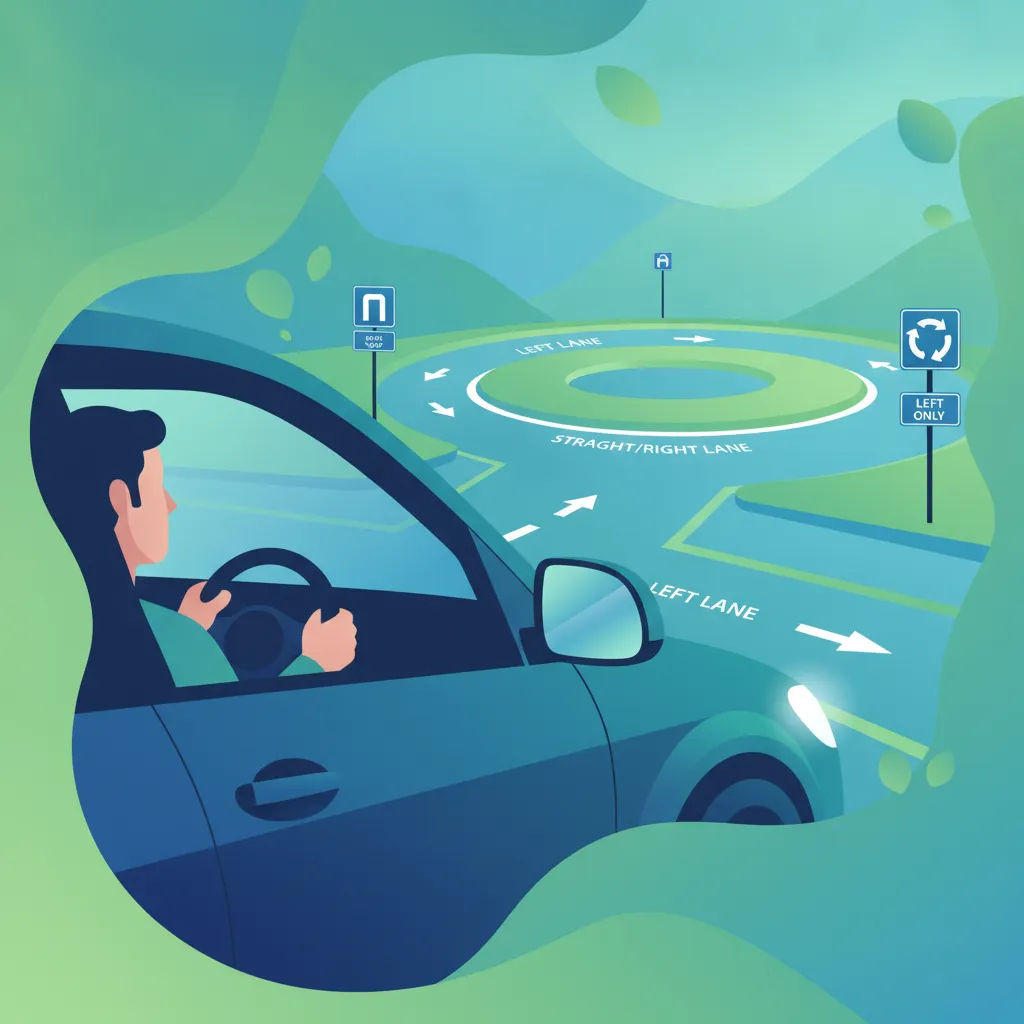
Executing safe turns requires early preparation, correct road positioning, and clear communication with other road users. This lesson focuses on the mandatory Mirror-Signal-Manoeuvre (MSM) routine used across Ireland for turning at cross junctions and navigating roundabouts. You will learn how to choose the correct lane early, adjust your speed, and complete your turn smoothly without cutting corners or blocking trailing vehicles.

This lesson provides a comprehensive guide to navigating single and multi-lane roundabouts safely in accordance with the Irish Rules of the Road. It covers correct lane selection on approach, signaling rules for exiting, and maintaining a steady path through traffic. Riders will learn to anticipate lane-changing mistakes made by other drivers and manage the unique banking angles of roundabouts.

This lesson provides actionable strategies for Category AM riders to remain visible, focusing on lane positioning and eye contact. It teaches how to avoid riding in the blind spots of larger vehicles and how to signal early and clearly. Cultivating a proactive attitude toward road visibility helps prevent collisions and builds mutual respect on Irish roads.

This lesson details the use of daytime running lights to raise a rider's profile during daylight hours on Irish roads. It discusses the installation guidelines, legal restrictions, and safety benefits of auxiliary lighting systems on mopeds. Special care must be taken to prevent dazzling oncoming traffic while ensuring the vehicle remains highly recognizable.

Navigating multi-lane roundabouts requires precise lane selection, continuous scanning, and timely signaling. This lesson teaches you the 'clock rule' for determining which lane to enter, how to yield to traffic already on the roundabout from your right, and when to activate your left indicator to exit. Mastering these procedures minimizes lane-drift accidents and ensures a seamless flow of traffic on busy roundabouts.
This lesson covers the absolute rules of priority that regulate junctions, roundabouts, and pedestrian crossings in Ireland. It teaches riders when they must yield, who has right-of-way, and how to read Stop and Yield signs correctly. Understanding these priority hierarchies prevents collisions and maintains orderly, predictable movement at busy junctions.

This lesson explains the physics of cornering, focusing on lean angles, speed selection, and body positioning on a moped. It teaches riders how to assess road curves, adjust their speed prior to entering a turn, and handle slippery cambers. Mastering these cornering principles is essential for avoiding lose-of-control accidents on winding rural Irish roads.
Learn how to identify and respond to common road hazards such as loose gravel, mud, or debris which impact vehicle stability. This guide provides theoretical insight into proactive scanning and smooth control inputs to help you manage risks on diverse Irish road conditions and surfaces.
Proactive hazard perception involves constantly scanning the road ahead to identify potential dangers before they turn into actual emergencies. This lesson covers active scanning techniques, helping you look far ahead, check mirrors regularly, and identify subtle risk clues such as exhaust smoke from parked cars or children playing near kerbs. Anticipating these developments gives you the time to adjust speed and position safely.

This lesson highlights the importance of smooth throttle adjustments for maintaining traction and stability on a moped. It teaches riders how to anticipate potential road hazards early, reducing the need for sudden emergency braking. Developing strong observation habits allows riders to adjust their speed smoothly and respond safely to traffic changes.
This lesson covers the strategic aspects of journey management, emphasizing the safety benefits of proactive route planning and weather checks. It teaches riders how to select safer roads, avoid high-congestion zones during rush hour, and schedule regular rest intervals. Motorcyclists will learn to pack essential tools, emergency contacts, and spare safety gear to remain prepared for any roadside situation.

This lesson teaches how to cultivate a proactive defensive riding mindset, focusing on situational awareness and constant hazard scanning. It describes the system of motorcycle control, encouraging riders to anticipate potential mistakes from other drivers, pedestrians, and cyclists. Motorcyclists will learn to position themselves defensively, leaving clear escape routes in all driving environments.

Heavy vehicles require continuous visual scanning to identify small or slow-moving road users who may enter the path of travel. This lesson explores the typical behaviors of young children, elderly pedestrians, and visually impaired road users. Drivers will build strong hazard perception skills to anticipate sudden movements, ensuring they can brake safely and avoid serious accidents.

This lesson identifies prevalent risky behaviours among motorcyclists, including speeding, tailgating, and reckless riding under the influence of alcohol or drugs. Learners will understand the associated penalties, legal implications, and the impact of fatigue and peer pressure on decision-making, following RSA and Irish legal frameworks.
Safeguarding vulnerable road users requires more than simple obedience to traffic signs; it demands a defensive driving mindset. This lesson summarizes safe practices, including scanning far ahead in urban areas, keeping massive safety margins in wet weather, and executing thorough blind spot checks before reversing. By anticipating the unpredictable movements of others, you can prevent accidents and support a safe road culture.
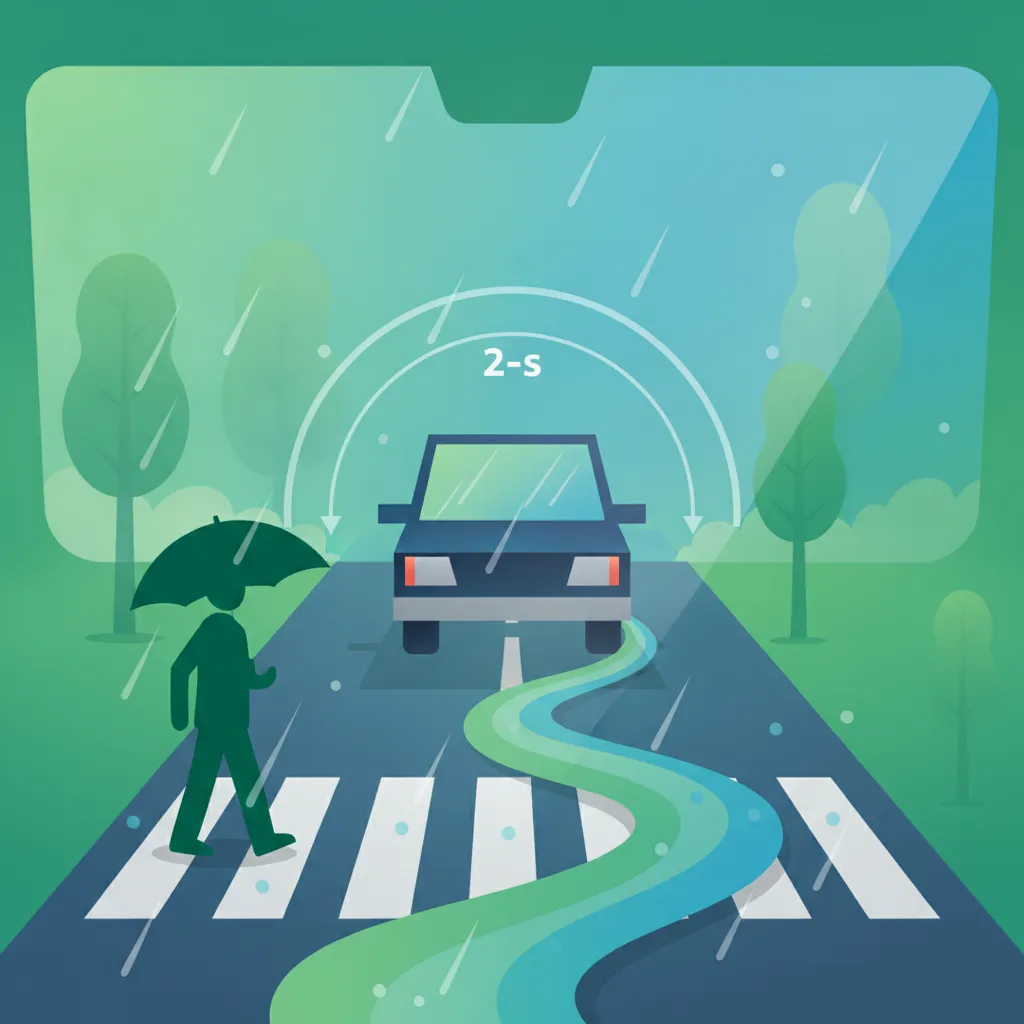
Maintaining an extensive buffer zone ahead of a large passenger vehicle is critical to ensuring enough space for emergency maneuvers. This lesson teaches the time-gap method, detailing how following distances must double on wet roads or increase with full passenger loads. It builds hazard anticipation skills, teaching drivers to read distant traffic cues and react early to hazards.

This lesson highlights the catastrophic dangers of operating a Category AM vehicle while impaired by alcohol, drugs, or fatigue. It explains the legal limits enforced in Ireland, the impact of distractions like mobile phones, and the influence of peer pressure. Riders will learn strategies to resist unsafe behavior and prioritize conscious safety decisions.
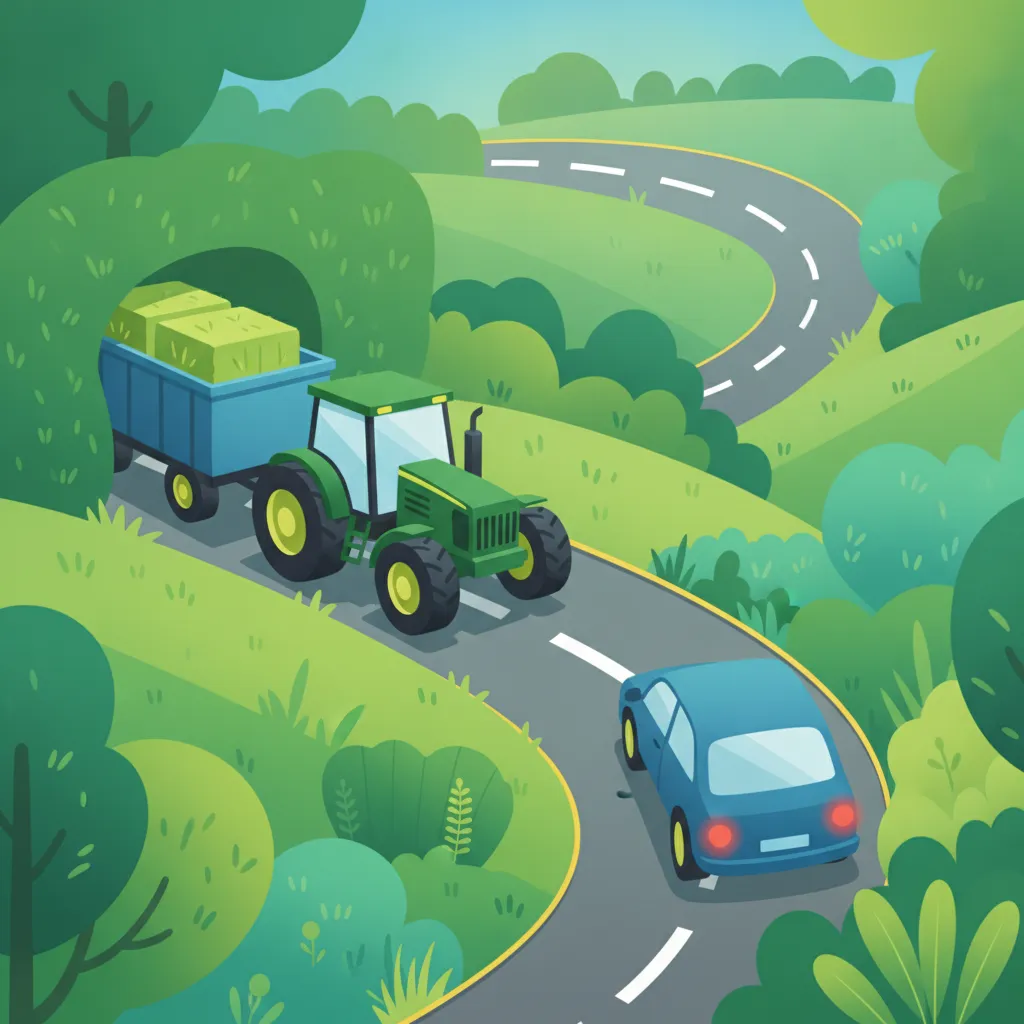
Irish rural roads are often narrow, winding, and bordered by high hedges, presenting unique hazards compared to urban streets. This lesson focuses on scanning for hidden hazards such as slow-moving farm machinery, mud on the road surface, and loose livestock. You will learn how to adjust your speed before entering blind bends, sound your horn at blind crests, and safely share the road with local agricultural traffic.
Find clear answers to common questions learners have about Riding in Rain, Fog and Low Visibility. Learn how the lesson is structured, which driving theory objectives it supports, and how it fits into the overall learning path of units and curriculum progression in Ireland. These explanations help you understand key concepts, lesson flow, and exam focused study goals.
You must significantly increase your following distance. Wet roads decrease grip and increase your stopping distance, so leaving more space between you and the vehicle in front is crucial for safety.
You should only use fog lights when visibility is seriously reduced, generally to less than 100 metres. Remember to turn them off immediately once visibility improves to avoid dazzling other road users.
Road surfaces can be at their most slippery when it first starts to rain because the water mixes with oil and dust that has built up on the road, creating a very slick surface.
Yes, you should understand that aquaplaning occurs when a layer of water builds up between your tyres and the road surface, causing a loss of steering control. You should avoid sudden braking or steering movements in these conditions.
Use the practice question search tool to pinpoint specific topics, road signs, or rules you need to master for your official Driver Theory Test. Refine your study strategy and ensure comprehensive preparation for all aspects of the Irish driving exam. Start your focused revision now and build confidence for your learner permit test.