Master the administrative journey to your Portuguese driving licence. This section clarifies licence categories, eligibility, and the IMT's examination process, along with essential rules and requirements for drivers in Portugal.
Understand the full scope of the Portuguese Carta de Condução process by exploring specific licence categories, mandatory documentation, and official IMT examination protocols. These resources detail everything from initial eligibility criteria to licence validity and regulatory compliance.
Learners preparing for the Portuguese theory exam must clearly distinguish between administrative contraventions, which involve fines and points, and criminal offences, which can lead to imprisonment. This guide clarifies the criteria used by the IMT to classify road violations, helping you identify which specific behaviours result in different levels of legal accountability. Mastering these definitions ensures you are prepared to handle questions regarding severe penalties, licence disqualification, and driver liability.
To succeed in the Portuguese theory exam, it is vital to distinguish between administrative traffic violations and criminal acts. This article breaks down the criteria for contraordenações and the severe consequences associated with criminal road behavior, helping you categorize incidents correctly and understand your responsibilities as a driver.
Receiving a traffic ticket can be stressful, but understanding the formal 'auto de notícia' is the first step toward handling the situation correctly. This article clarifies what information you must check, the importance of strictly adhering to payment or defense deadlines, and the potential consequences of ignoring a notification from the ANSR. Mastering these procedures is a critical part of maintaining your legal status as a driver and understanding how penalties affect your probationary license.
Understand the core administrative aspects of obtaining and maintaining your Portuguese driving licence. This collection details licence categories, eligibility criteria, and essential rules as defined by the IMT, ensuring you're prepared for your driving theory exam.
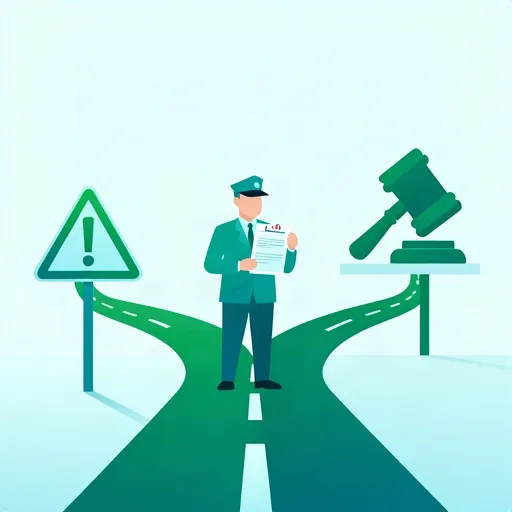
Learners preparing for the Portuguese theory exam must clearly distinguish between administrative contraventions, which involve fines and points, and criminal offences, which can lead to imprisonment. This guide clarifies the criteria used by the IMT to classify road violations, helping you identify which specific behaviours result in different levels of legal accountability. Mastering these definitions ensures you are prepared to handle questions regarding severe penalties, licence disqualification, and driver liability.
Updated on Oct 27, 2026
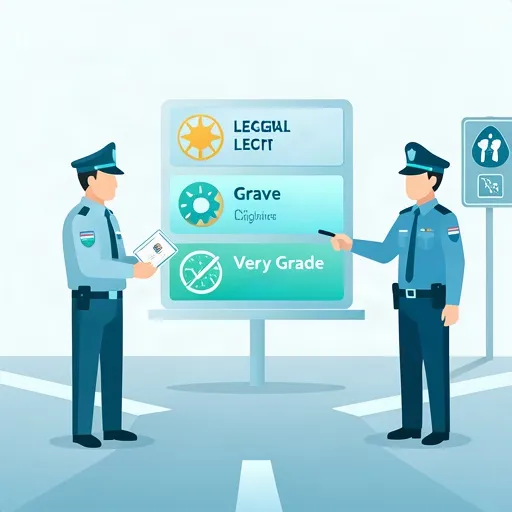
To succeed in the Portuguese theory exam, it is vital to distinguish between administrative traffic violations and criminal acts. This article breaks down the criteria for contraordenações and the severe consequences associated with criminal road behavior, helping you categorize incidents correctly and understand your responsibilities as a driver.
Updated on Oct 27, 2026
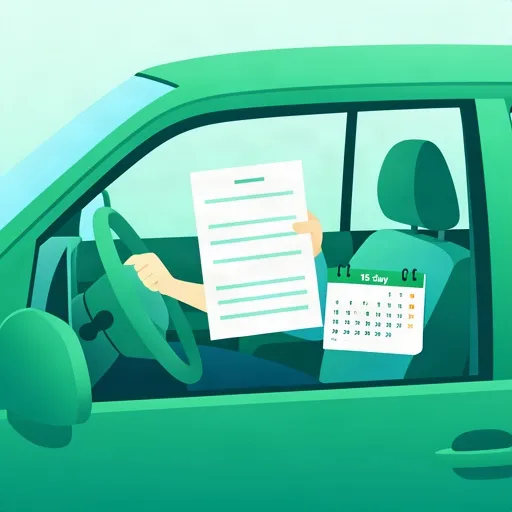
Receiving a traffic ticket can be stressful, but understanding the formal 'auto de notícia' is the first step toward handling the situation correctly. This article clarifies what information you must check, the importance of strictly adhering to payment or defense deadlines, and the potential consequences of ignoring a notification from the ANSR. Mastering these procedures is a critical part of maintaining your legal status as a driver and understanding how penalties affect your probationary license.
Updated on Oct 24, 2026

When you receive an auto de notícia or an official notification from the ANSR, knowing how to act quickly and accurately is vital to your driving record and financial health. This guide explains the distinct paths available to you, from settling the fine to properly preparing a defense, helping you navigate the administrative process mandated by Portuguese law. Mastery of these procedures is essential for avoiding unnecessary penalties and successfully managing potential traffic offenses.
Updated on Oct 24, 2026

Starting your journey toward a driving license in Portugal requires a clear understanding of the administrative and legal steps involved in school registration. This guide provides a comprehensive overview of the necessary documents, such as your NIF and medical certificate, and explains how your chosen driving school works with the IMT to initiate your training. You will learn what is expected of you as a candidate, ensuring you meet all legal prerequisites before starting your theory lessons.
Updated on Oct 22, 2026
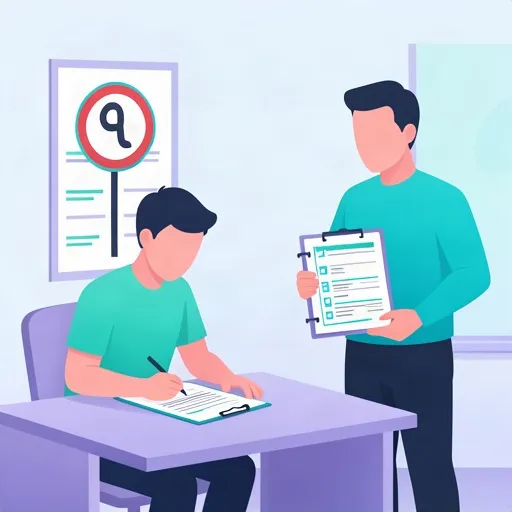
Obtaining your driving license in Portugal requires a structured approach to both classroom theory and on-road practice. This article outlines the specific IMT mandates, including the minimum hour requirements for theoretical and practical sessions, to ensure you are fully prepared for your journey to becoming a licensed driver.
Updated on Oct 22, 2026
Mastering the rules of speed enforcement is essential for every driver in Portugal. This guide breaks down the distinction between different road types, the role of the SINCRO system, and how authorities like the GNR and PSP manage speed control to improve road safety. Learn how to identify your responsibilities and the potential legal outcomes of violating speed regulations.
Updated on Oct 20, 2026
The probationary period, or período probatório, is a critical phase for any new driver in Portugal, lasting for the first three years after obtaining a licence. This guide details the legal framework established by Article 122 of the Código da Estrada, helping you understand how traffic offences can impact your licence status and the importance of maintaining a clean driving record.
Updated on Oct 15, 2026
Newly licensed drivers in Portugal are subject to a strict regime probatório designed to encourage safer driving habits through lowered risk thresholds. By understanding these specific obligations—including the reduced alcohol limits and speed constraints—you will not only prepare effectively for your IMT theory exam but also understand the legal framework governing your first three years on the road.
Updated on Oct 15, 2026
The Imposto Único de Circulação (IUC) is a mandatory tax based on vehicle ownership, not usage, making it a critical topic for every driver in Portugal. This guide clarifies the transition from the traditional payment system to the new 2027-2028 calendar, ensuring you stay informed about your tax deadlines. Understanding these changes is essential for maintaining proper vehicle registration and avoiding administrative penalties.
Updated on Sep 28, 2026
Choosing an authorized driving school is a foundational step in your journey to obtaining a Portuguese driving license. This article explains how to evaluate schools based on their track record, language support for expats, and flexibility in scheduling lessons. You will learn why checking for IMT-authorized status and understanding hidden costs are essential to avoiding common pitfalls during your training.
Updated on Sep 19, 2026
Choosing the right driving school in Portugal is a critical decision that influences your entire journey toward becoming a licensed driver. This guide helps you look beyond marketing prices to evaluate key indicators of quality, such as instructor experience, scheduling flexibility, and transparency in fee structures. You will learn how to identify red flags that could lead to unnecessary re-examination fees and discover how selecting a reliable, accredited school is the most cost-effective long-term strategy for passing your exams.
Updated on Sep 19, 2026

Learn how Portugal's Carta por Pontos system assigns and deducts points for traffic violations, and understand the critical consequences of accumulating too few points. This essential knowledge, rooted in the Código da Estrada, is vital for passing your theory exam and maintaining a valid driving licence.
Updated on Jul 1, 2026

The Portuguese driving licence system is structured into distinct categories, each permitting the driver to operate specific types of vehicles. This article breaks down the primary categories, including A for motorcycles, B for cars, C for trucks, and D for buses, detailing their respective vehicle allowances and age prerequisites. Grasping these distinctions is fundamental for your preparation for the IMT theory exam and for safe, legal driving in Portugal.
Updated on Jun 11, 2026

Unlock your driving potential in Portugal by understanding the specific vehicles permitted by licence categories A, B, C, and D. This guide breaks down the entitlements for motorcycles, cars, trucks, and buses, including essential age and weight restrictions, directly relevant to your theory exam preparation and safe driving practice.
Updated on Jun 11, 2026

Your Portuguese driving licence needs renewal based on specific age brackets, impacting its validity period. This article clarifies the timelines set by the IMT, explaining when you must renew your licence as you get older. Knowing these rules is essential for compliance and avoiding issues with your driving privileges.
Updated on Jun 11, 2026

Delve into the mechanics of Portugal's Carta por Pontos system, a vital component of traffic law. You will learn how your driving licence begins with 12 points, the types of offenses that lead to deductions, and the critical importance of monitoring your points balance for the theory exam and safe driving practices.
Updated on Jun 11, 2026

Navigating the Portuguese 'carta por pontos' system is vital for all drivers. This article breaks down how serious (grave), very serious (muito grave) offenses, and even road crimes result in point deductions from your licence. Learn the specific point values and the ultimate risk of licence cassation, equipping you with essential knowledge for safe driving and the theory exam.
Updated on Jun 11, 2026

Ensure your Portuguese driving licence remains valid by understanding the renewal process, including the mandatory medical certificate ('atestado médico'). This guide clarifies when and how to renew, covering both the IMT Online portal and in-person options to help you stay compliant with Portuguese traffic regulations and pass relevant theory exam topics.
Updated on Jun 11, 2026

Learn the essential methods for Portuguese drivers to recover lost points on their 'carta por pontos', a vital aspect of traffic law and theory exam preparation. This guide covers how safe driving behaviour earns bonus points and the critical role of mandatory retraining courses in restoring your licence privileges.
Updated on Jun 11, 2026

Learn the essential steps to access your driving licence points balance through the IMT online portal, a key aspect of responsible driving in Portugal. This guide explains how the 'Carta por Pontos' system works, including how infractions impact your points and how good driving behaviour can lead to their restoration, ensuring you stay compliant and prepared for the theory exam.
Updated on Jun 11, 2026

Navigate the complexities of your Portuguese driving record by understanding the 'Carta por Pontos' system. Learn how infractions impact your points balance, the specific consequences of grave and very grave offences, and the pathways to restoring your licence privileges. This knowledge is essential for safe driving and success in your Portuguese theory test.
Updated on Jun 11, 2026

To drive legally in Portugal, you must meet specific physical and mental fitness standards set by the IMT. This article breaks down the key medical conditions, such as vision impairments, diabetes, and epilepsy, that are assessed during the licensing process. Understanding these requirements is vital for a successful application and for ensuring safe driving practices on Portuguese roads.
Updated on Jun 11, 2026

To obtain or renew your driving licence in Portugal, you must meet specific physical and psychological fitness standards set by the Instituto da Mobilidade e dos Transportes (IMT). This guide explains the critical medical conditions and the legal duty to report any health changes that could affect your ability to drive safely, preparing you for theory exam questions on this vital topic.
Updated on Jun 11, 2026
Discover other categories connected to Licence Admin & Categories PT. These sections help you explore additional topics, expand your understanding of driving theory in Portuguese, and build a more complete picture of the rules and situations tested during the exam.
Find answers to common questions learners ask about Licence Admin & Categories PT. This section helps clarify difficult concepts, highlight critical exam information, and support your preparation for the Portuguese driving theory exam in Portugal.
Portugal has several licence categories, including A for motorcycles, B for cars, and various categories for commercial vehicles like C, D, and E, each with specific age and training requirements governed by the IMT.
As a driver in Portugal, you must always carry your valid 'carta de condução' (driving licence), the vehicle's registration document ('documento único automóvel' or similar), and proof of insurance. Failure to produce these on demand can result in fines.
Licence renewal in Portugal typically involves a medical assessment and potentially a refresher course or exam, depending on the driver's age and the licence category. The process is managed by the IMT and is required before the licence expires to avoid penalties.
Traffic violations in Portugal can lead to fines ('multas'), penalty points deducted from your licence, and in severe cases, licence suspension ('sanção acessória de inibição de conduzir') or revocation, managed by the IMT.
Official information on driving licence categories, administrative rules, and examination procedures in Portugal is provided by the Instituto da Mobilidade e dos Transportes (IMT). Our app draws from these official sources to provide accurate guidance.
Ready to deepen your understanding of Portuguese road law and prepare for your IMT driving exam? Browse through our carefully organized article categories to focus on specific areas like traffic signs, vehicle maneuvers, or priority rules. Build a robust knowledge base for confident driving.
Explore Article Categories