
Learn crucial rules and best practices for high-speed driving on Portuguese autoestradas and express roads. This section covers everything from electronic toll systems and lane discipline to fatigue management and emergency procedures, essential for passing your IMT theory test and driving safely.
Develop a comprehensive understanding of mandatory lane discipline, speed limits, and electronic payment systems required for driving on Portuguese autoestradas. These materials prepare learners for IMT exam requirements regarding fatigue management, emergency procedures, and safe navigation.
Learning how to return to the main carriageway after an emergency stop is a core safety requirement on Portuguese motorways. This guide clarifies the legal obligations defined by the Código da Estrada, focusing on why pulling directly into traffic is prohibited and how to accelerate safely to match the speed of other vehicles.
Learning how to react during a motorway breakdown is a critical component of the Portuguese driving theory test. This article explains the legal requirements for stopping on the hard shoulder, how to identify emergency assistance locations using guardrail markers, and why you must never attempt to cross the lanes. Understanding these rules is essential for both your exam success and your real-world safety on highways.
Navigating toll roads is an essential skill for anyone driving in Portugal, especially when using a rental car. This article details the operational requirements for using electronic toll devices, the importance of checking your rental agreement for coverage, and the common pitfalls that lead to post-rental billing issues. Understanding these systems ensures you remain compliant with Portuguese traffic laws while avoiding unnecessary administrative costs.
Navigate Portuguese autoestradas and express roads with confidence by exploring key driving theory articles on tolls, lane discipline, and speed limits. Understand the specific rules and procedures for long-distance journeys and prepare effectively for your IMT theory exam with practical learner guidance.
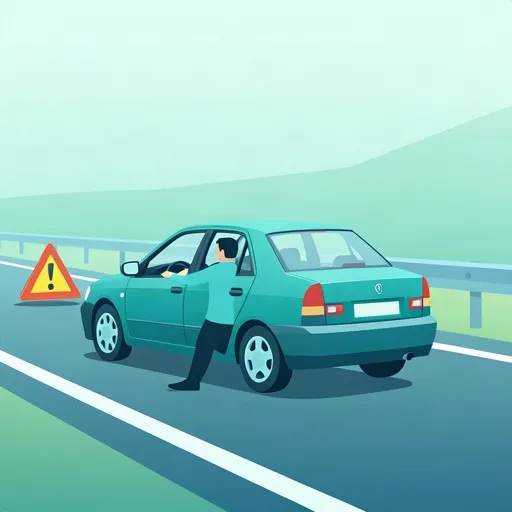
Learning how to return to the main carriageway after an emergency stop is a core safety requirement on Portuguese motorways. This guide clarifies the legal obligations defined by the Código da Estrada, focusing on why pulling directly into traffic is prohibited and how to accelerate safely to match the speed of other vehicles.
Updated on Sep 29, 2026
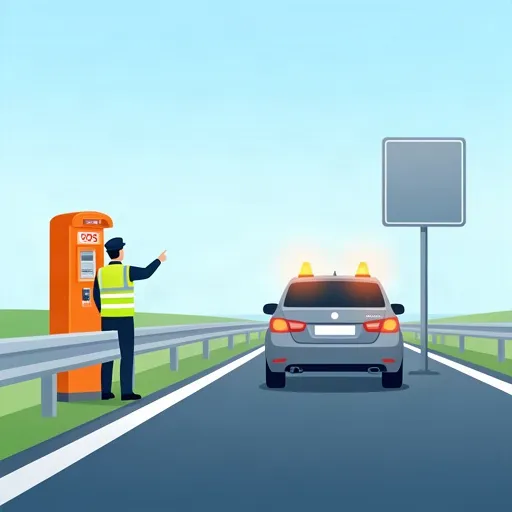
Learning how to react during a motorway breakdown is a critical component of the Portuguese driving theory test. This article explains the legal requirements for stopping on the hard shoulder, how to identify emergency assistance locations using guardrail markers, and why you must never attempt to cross the lanes. Understanding these rules is essential for both your exam success and your real-world safety on highways.
Updated on Sep 29, 2026

Navigating toll roads is an essential skill for anyone driving in Portugal, especially when using a rental car. This article details the operational requirements for using electronic toll devices, the importance of checking your rental agreement for coverage, and the common pitfalls that lead to post-rental billing issues. Understanding these systems ensures you remain compliant with Portuguese traffic laws while avoiding unnecessary administrative costs.
Updated on Jul 16, 2026

Driving in Portugal involves using advanced electronic toll systems on its 'autoestradas'. This guide focuses on essential information for drivers with foreign-registered vehicles, outlining popular payment options such as EasyToll and Via Verde Visitors. Familiarise yourself with these methods to prevent unexpected charges and fines, ensuring compliance with Portuguese traffic regulations.
Updated on Jun 23, 2026

Prepare for your Portuguese driving theory exam by understanding the intricacies of Portugal's toll road network. This guide clarifies the differences between autoestradas and other roads, explains various toll collection methods (portagens), and details how to use systems like Via Verde, which is vital for compliance and avoiding fines.
Updated on Jun 11, 2026

Navigate Portugal's complex toll road network with confidence. This article breaks down the differences between Via Verde, electronic-only routes, and traditional toll plazas, offering clear payment solutions for both residents and visitors, including essential information for rental cars. Understanding these systems is vital for safe driving and succeeding in your Portuguese driving theory exam.
Updated on Jun 11, 2026

Learn the essential differences between Portugal's Via Verde electronic toll system and traditional manual payment methods for motorways. This knowledge is vital for passing your Portuguese theory exam and avoiding costly mistakes, particularly for tourists and drivers of rental cars who might not be familiar with systems like SCUTs. Understanding these tolling systems ensures smooth and compliant travel across Portugal's road network.
Updated on Jun 11, 2026

Navigating Portuguese tunnels requires strict adherence to safety protocols. This guide explains what to do during a breakdown or fire incident, including the correct use of hazard lights, how to safely exit your vehicle, and the critical function of emergency call points and exits. Mastering these procedures is essential for both your safety and success in the IMT driving theory exam.
Updated on Jun 11, 2026

Long drives in Portugal demand constant vigilance. This article details the dangers of driver fatigue and outlines the essential steps you must take to ensure your safety and comply with driving regulations. Learn why planning regular stops is non-negotiable for a safe journey and how this knowledge is vital for your Portuguese driving theory exam.
Updated on Jun 11, 2026
Discover other categories connected to Motorways, Tolls & Long Drives. These sections help you explore additional topics, expand your understanding of driving theory in Portuguese, and build a more complete picture of the rules and situations tested during the exam.
Find answers to common questions learners ask about Motorways, Tolls & Long Drives. This section helps clarify difficult concepts, highlight critical exam information, and support your preparation for the Portuguese driving theory exam in Portugal.
Motorways (autoestradas) are typically toll roads designed for high-speed travel with limited access points. Express roads (vias rápidas) also allow higher speeds than regular roads but may have more intersections and are often toll-free or have different toll systems.
Portugal uses various toll systems, including traditional toll booths and electronic toll collection (ETC). Via Verde is a popular electronic system that automatically deducts tolls. Ensure you understand the specific system for the motorway you are using, especially when renting a car.
On motorways, always use the right-hand lane unless overtaking. Maintain a safe following distance, observe speed limits (typically 120 km/h), and use your indicators for lane changes. Use acceleration lanes to merge safely, matching traffic speed.
For long drives, plan regular breaks every two hours or 200 km. Utilize designated service areas (áreas de serviço) to rest, stretch, and have refreshments. If you feel drowsy, pull over safely and take a short nap.
If you break down, activate your hazard lights immediately. Pull over as far as possible onto the emergency lane (berma) or hard shoulder. Put on your reflective safety vest before exiting the vehicle and place your warning triangle at an appropriate distance behind the car. Call for assistance.
Ready to deepen your understanding of Portuguese road law and prepare for your IMT driving exam? Browse through our carefully organized article categories to focus on specific areas like traffic signs, vehicle maneuvers, or priority rules. Build a robust knowledge base for confident driving.
Explore Article Categories