This section covers Austrian mandatory signs, which instruct drivers to take a specific action, such as following a certain direction, using a particular lane, or maintaining a minimum speed. Recognizing and acting upon these signs promptly is crucial for both road safety and passing your theory exam. We will guide you through their meanings and typical scenarios so you can drive with confidence.
An explanation of how Austrian Mandatory Signs road signs apply in real traffic situations in Austria. Learn where these signs are typically placed, what drivers are expected to do when they appear, and how correct reactions help you stay safe, avoid fines, and succeed in your Austrian driving theory exam.
Austrian mandatory signs are encountered in various traffic situations where a specific action is required from drivers. You'll see 'Prescribed direction' signs at intersections, indicating which way you must go (left, right, straight ahead, or a combination) or which lane to follow. Signs like 'Track for cyclists & roller-skaters' or 'Footpath - Track only for pedestrians' are usually found on shared paths or to designate specific zones. The 'Prescribed minimum speed' sign might appear on roads where slower traffic could impede faster vehicles, while the 'Obligation to put on snow chains' is a critical sign for winter driving conditions, often seen on mountain passes. Drivers must pay close attention to these signs as they appear, ensuring their chosen lane and intended manoeuvre comply with the indicated requirement before committing.
An overview of the key learning outcomes when studying the Austrian Mandatory Signs road sign category. Understand the main concepts, sign meanings, and traffic situations covered here so you can recognise patterns, answer theory questions more confidently, and build a solid foundation for safe driving in Austria.
Study Austria's mandatory road signs, which dictate required actions like direction, speed, or snow-chain use. Recognizing these critical signs helps drivers comply with legal requirements and navigate Austrian roads safely, crucial for theory test revision.
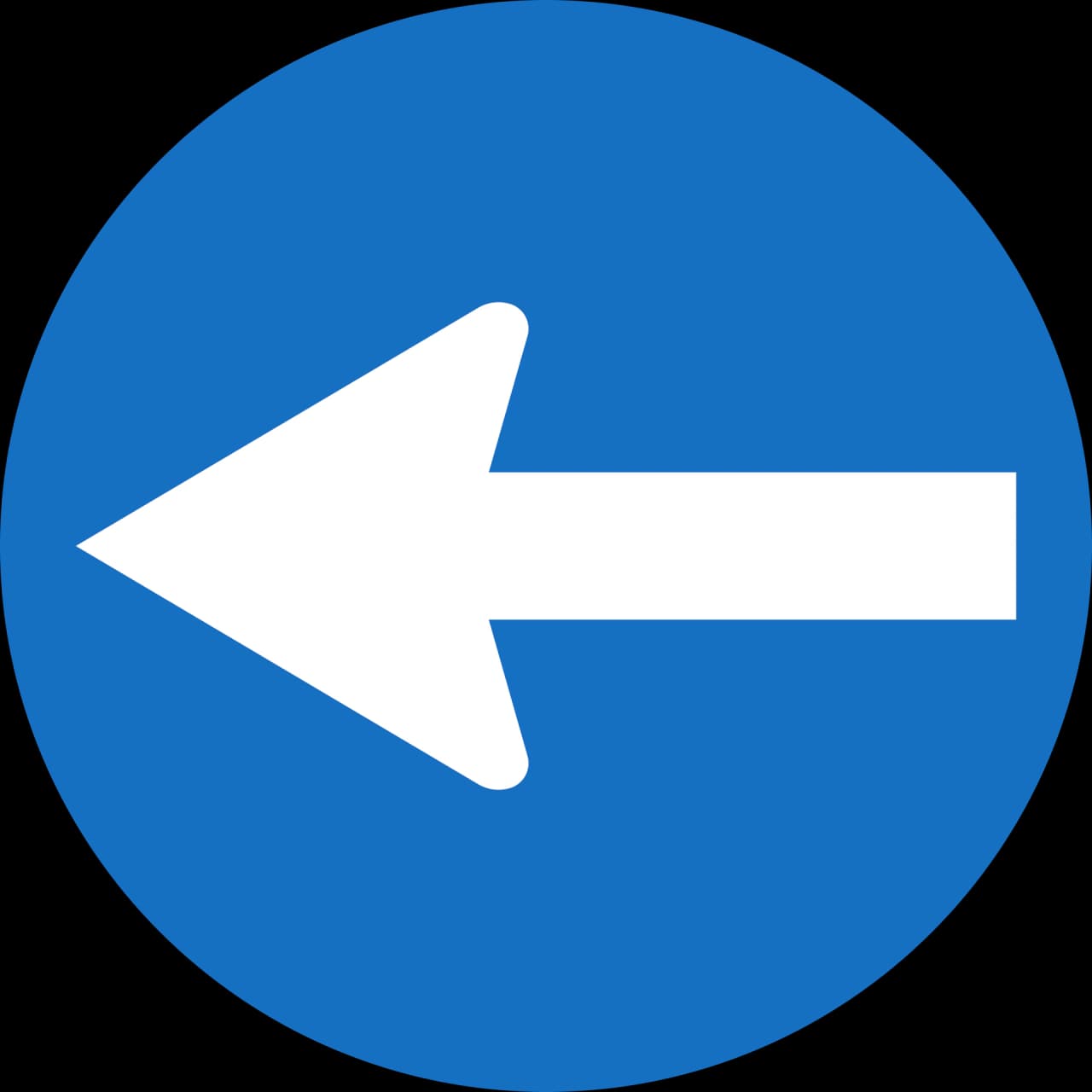
You Must Turn Left: Understanding the Mandatory Left Direction Sign
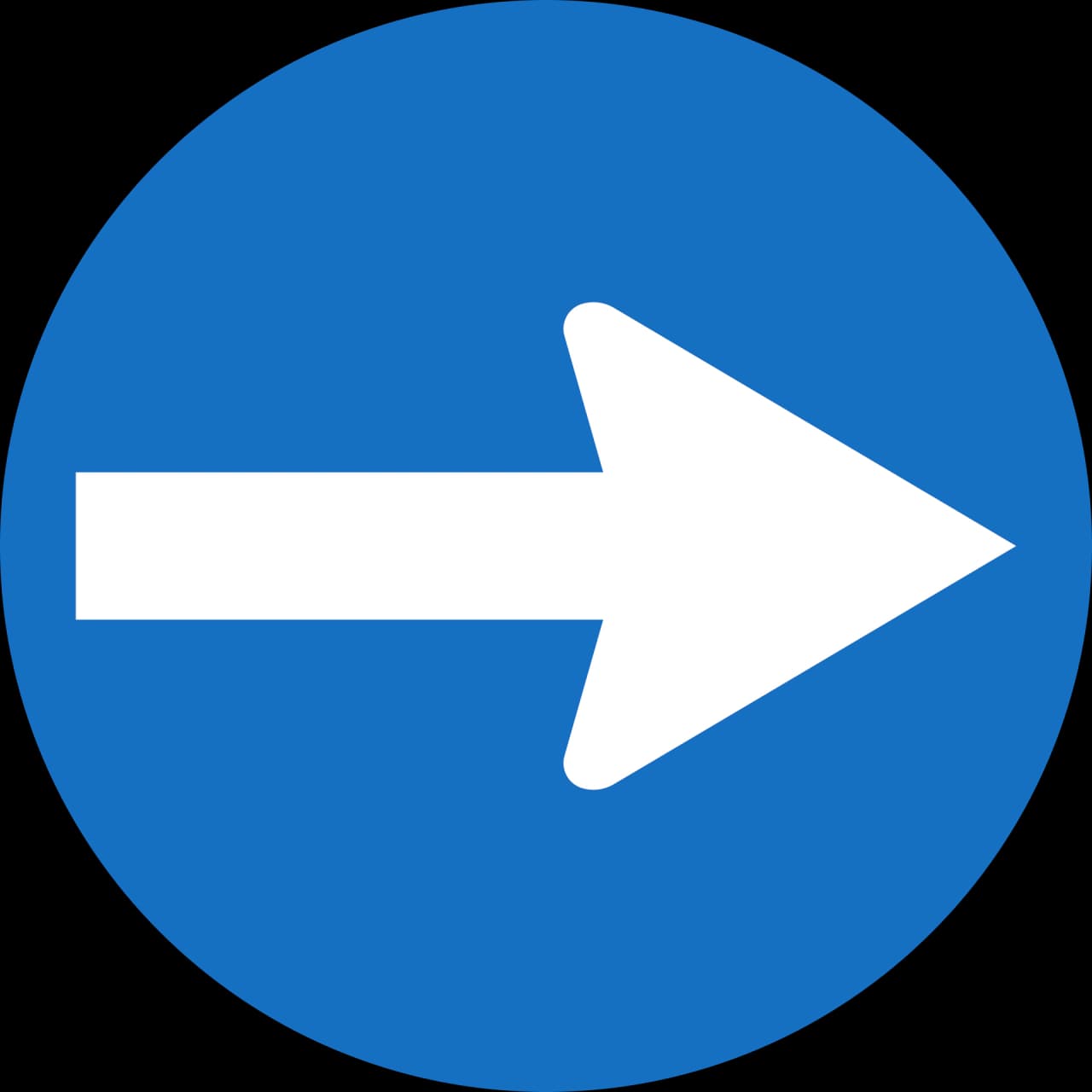
Mandatory Direction: You Must Turn Right Here!

Mandatory Direction: You MUST Go Straight Ahead!

Mandatory Turn Left: You Must Follow This Direction
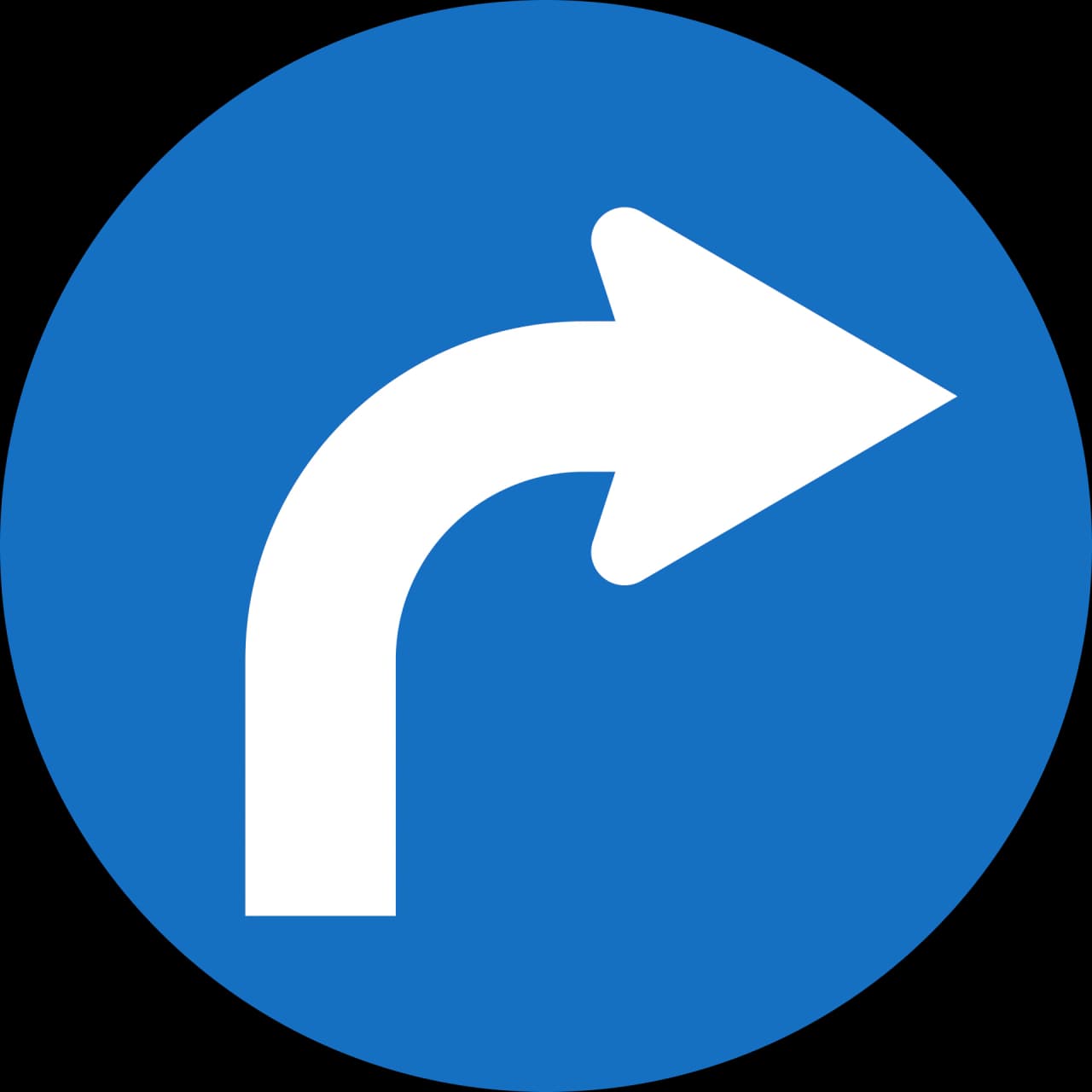
Mandatory: You Must Turn Right Here!

Mandatory Direction: You Must Turn Left or Go Straight Ahead

Mandatory Direction: You Must Turn Right or Go Straight Ahead

Mandatory Direction: You Must Turn Left or Right Here

Mandatory: You Must Follow the Lane on the Left Side!

Mandatory Direction: You Must Follow the Lane on the Right

Follow the Mandated Direction for Dangerous Goods Transport

Understand the 'Track for Cyclists and Roller Skaters' Mandatory Sign in Austria
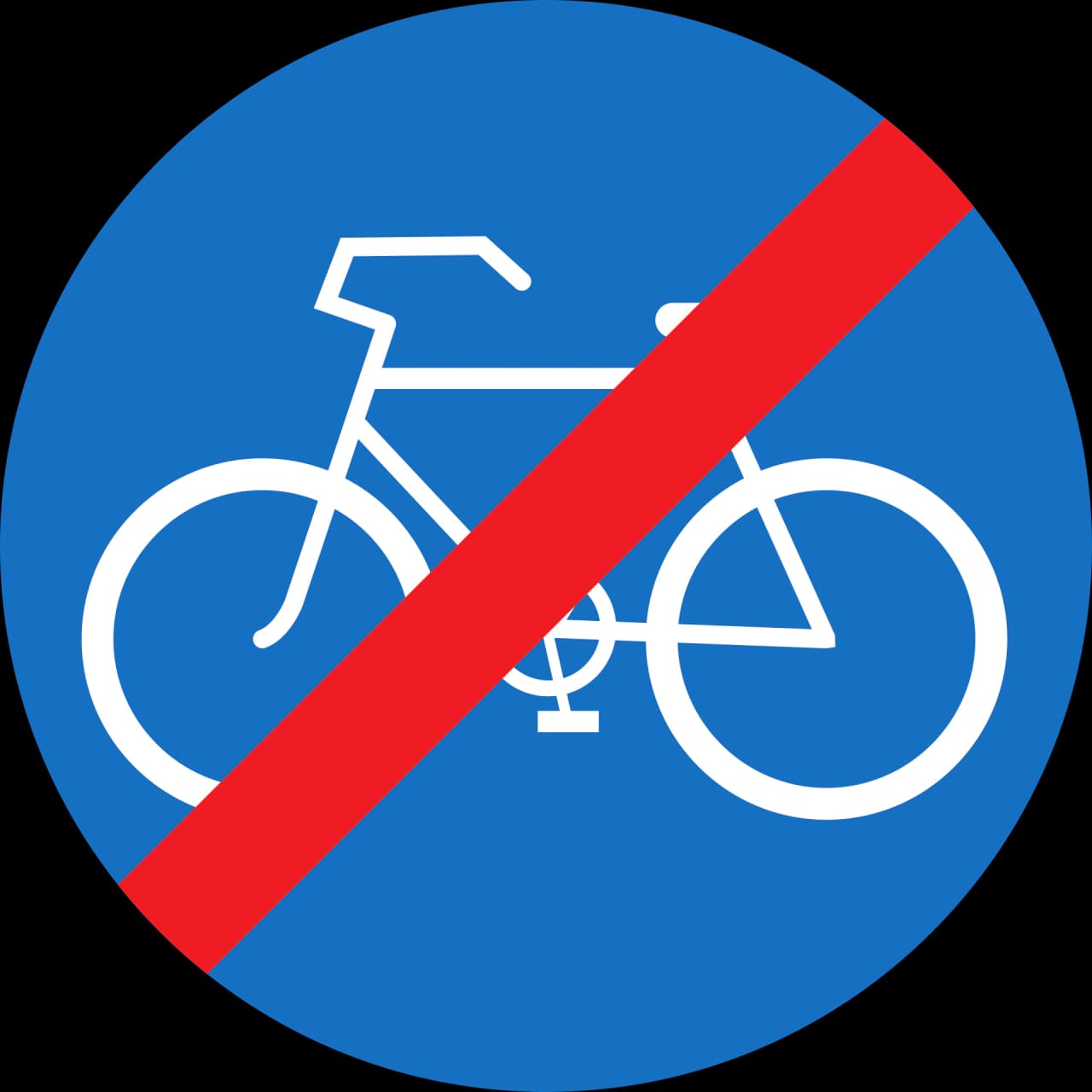
The 'End of Track for Cyclists & Roller-Skaters' sign (16a) indicates a mandatory instruction has finished.
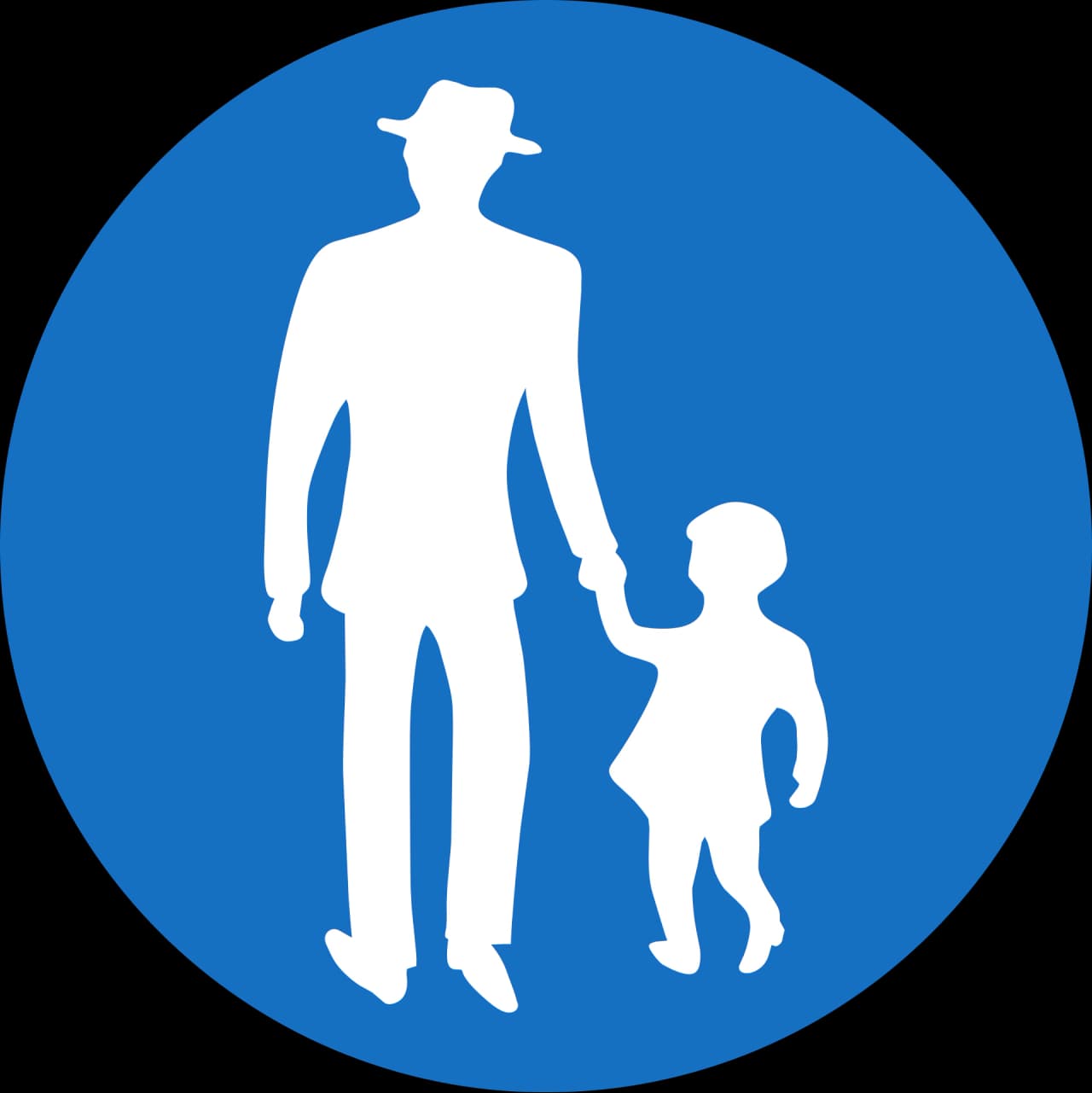
Mandatory Footpath Sign: Pedestrians Only Ahead!
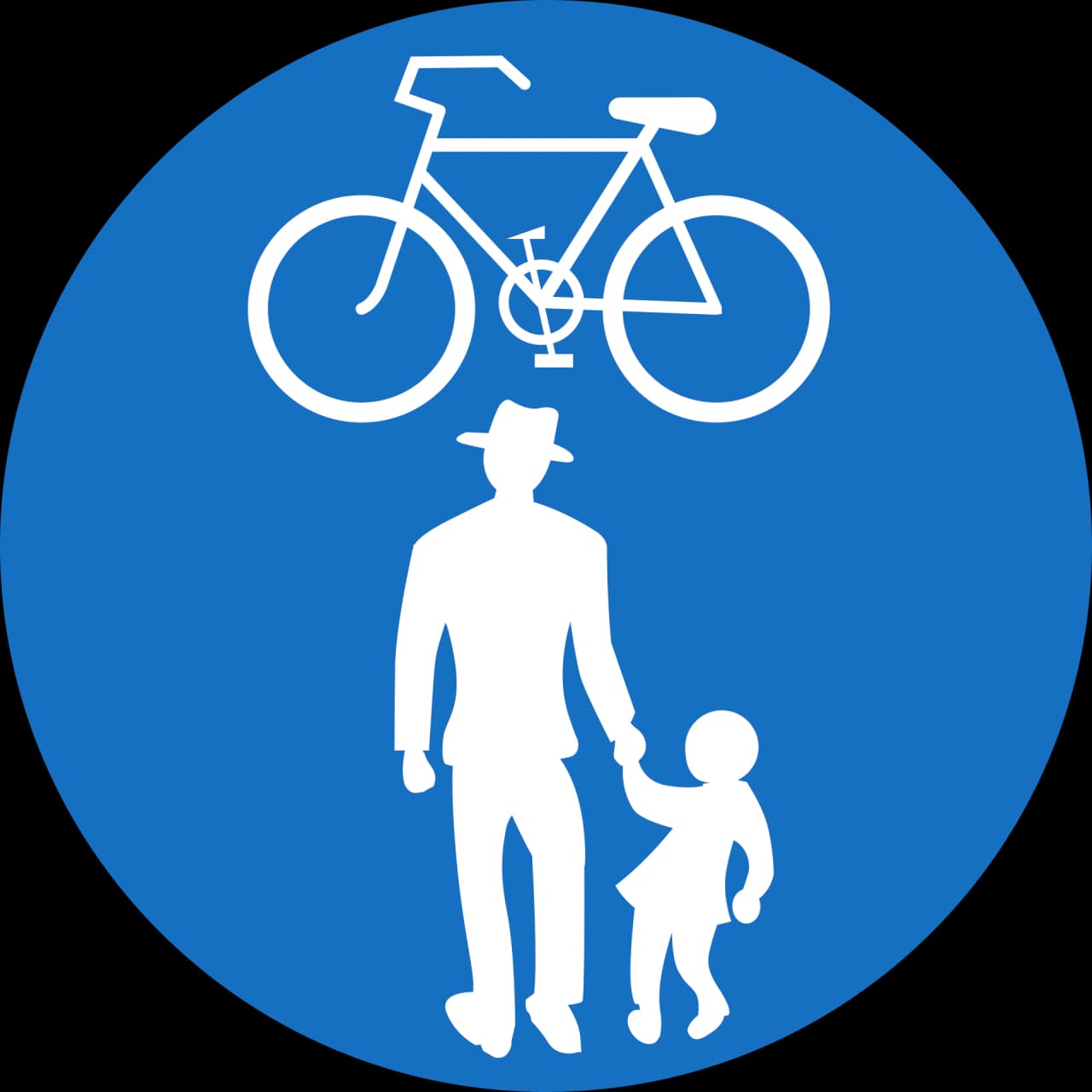
Mandatory Sign 17a: Track Reserved Exclusively for Cycles and Pedestrians

Follow the Dedicated Cycle and Pedestrian Track Separated for Each Group!

Sign 17a-c: When the Track Restriction for Cycles and Pedestrians Ends

End of Separated Cycle and Pedestrian Path Sign (17a--d)
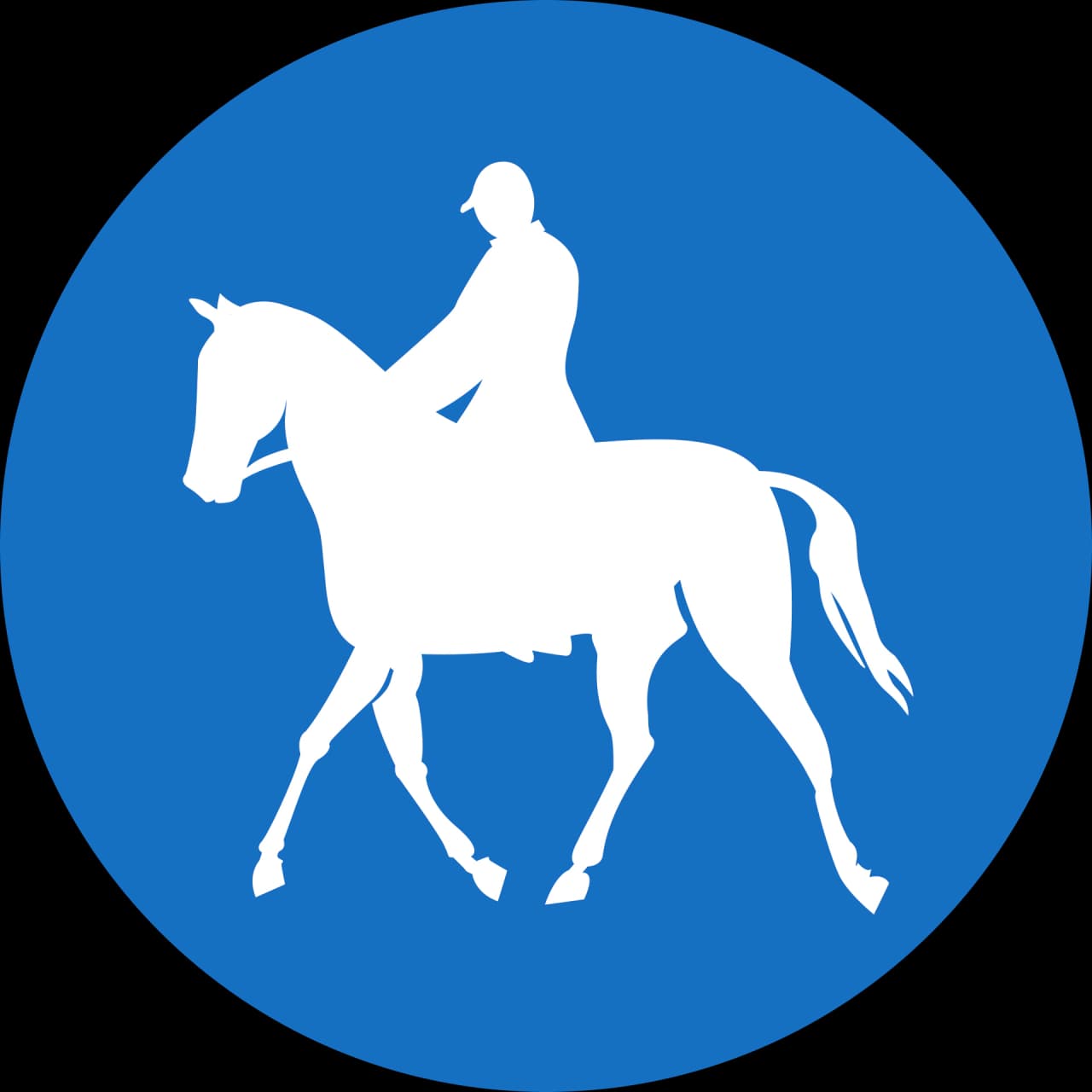
Mandatory Sign 17b: This Track is Exclusively for Horse Riders

Sign 17c: The End of a Mandatory Pedestrian-Only Track
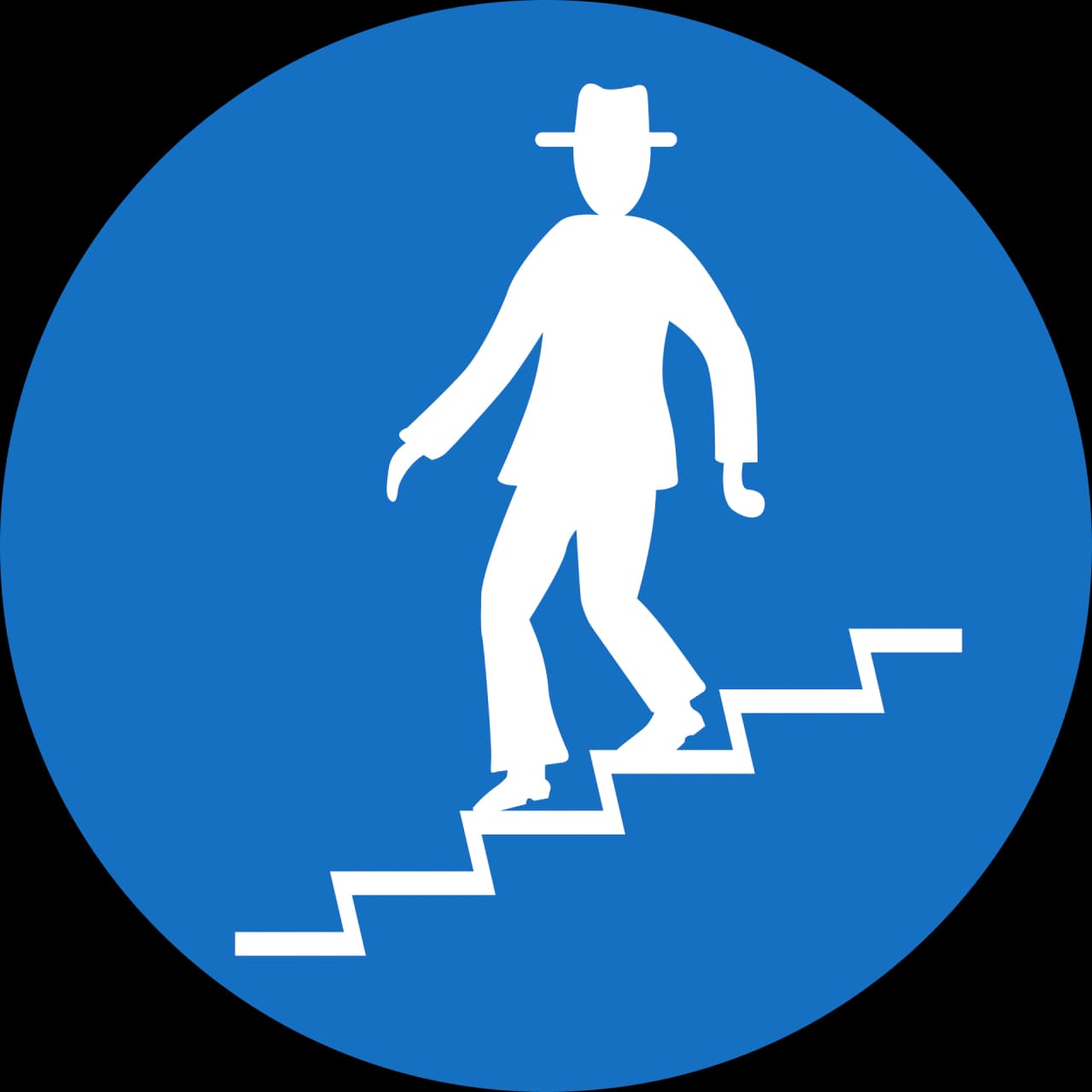
Sign 18: Pedestrian Underpass - Follow the Mandatory Route!
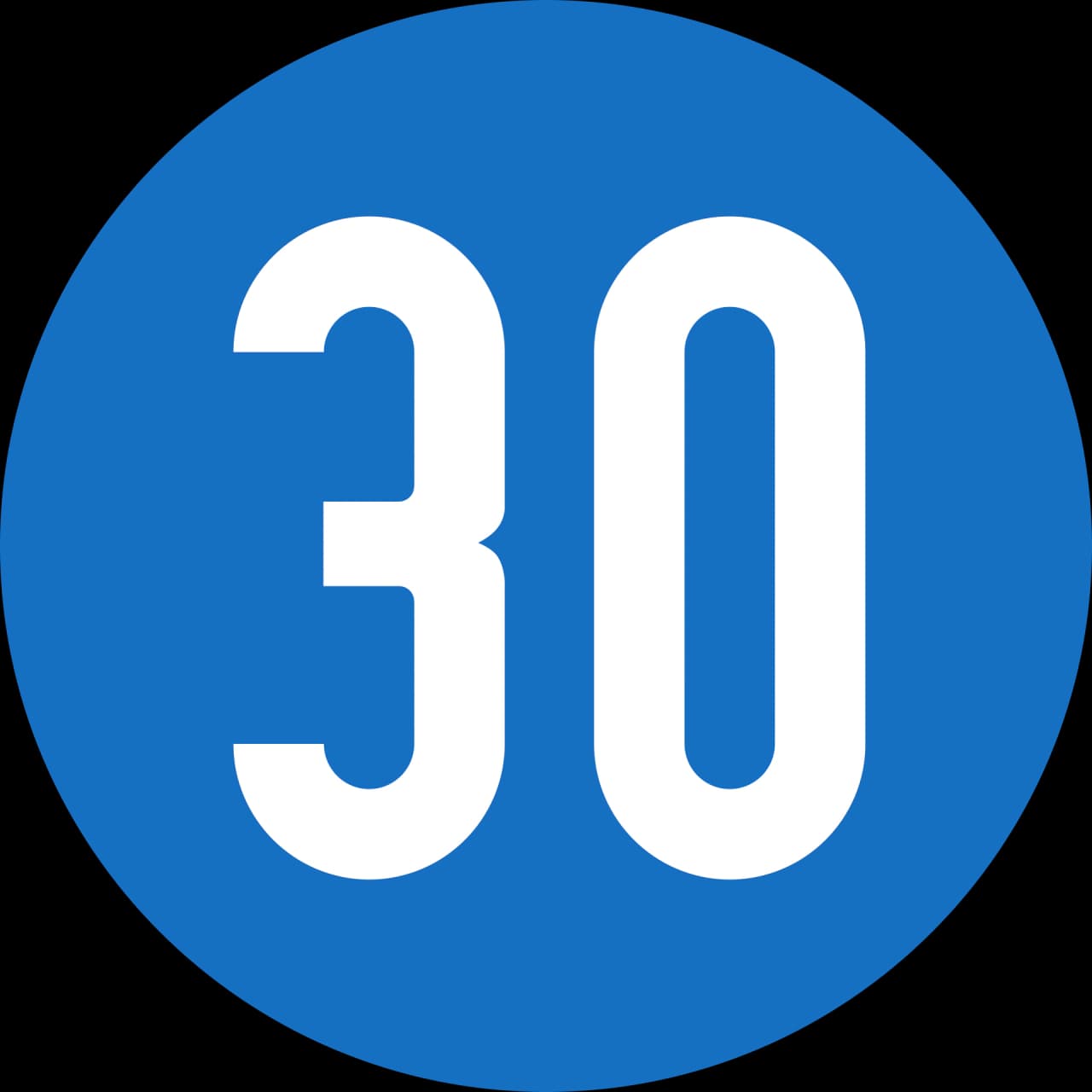
Sign 19: You must maintain at least this speed.

Sign 19a: Prescribed Minimum Speed Limit No Longer Applies
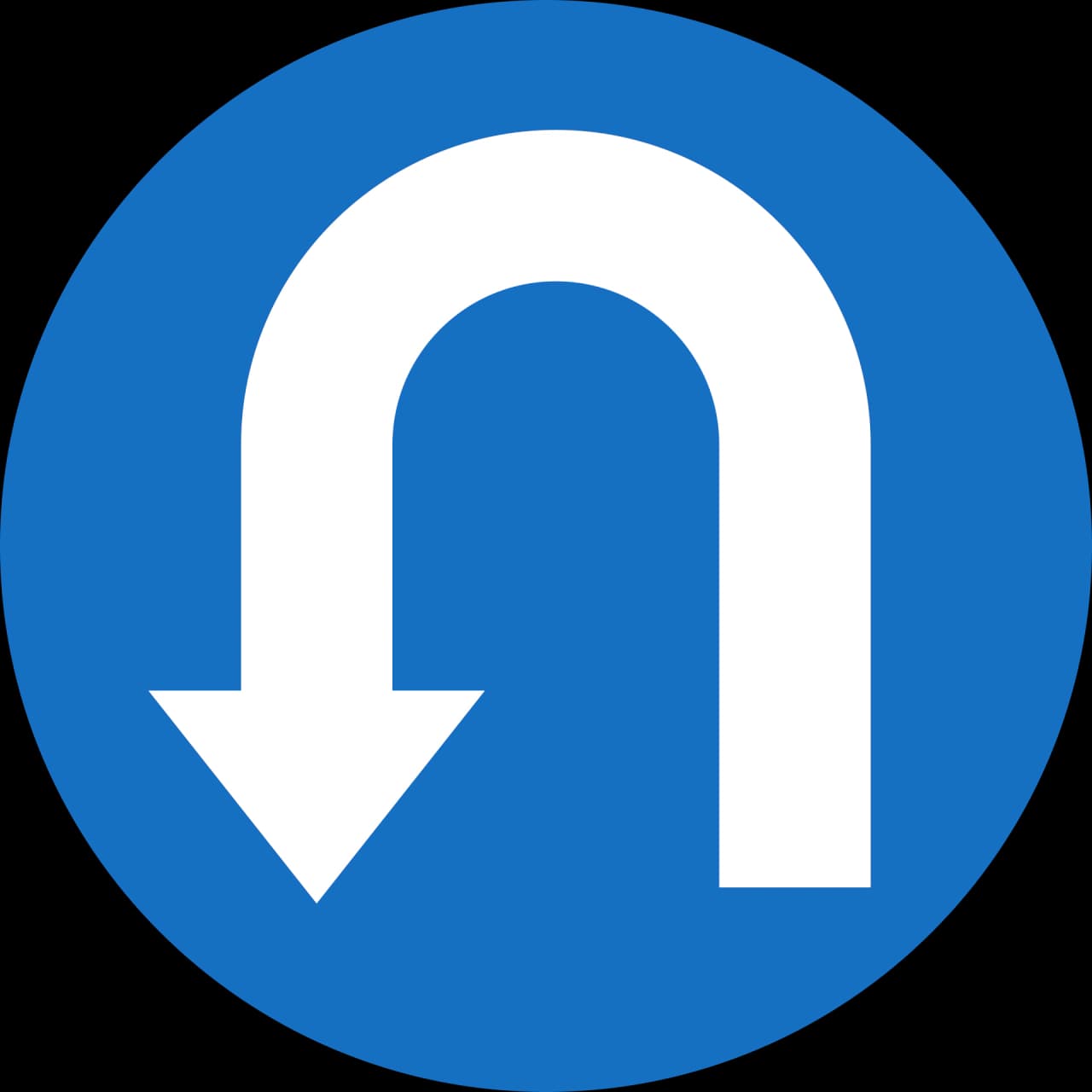
Mandatory U-turn: What Sign 21 Requires You To Do

Mandatory Snow Chains: Sign 22 Requires Immediate Action
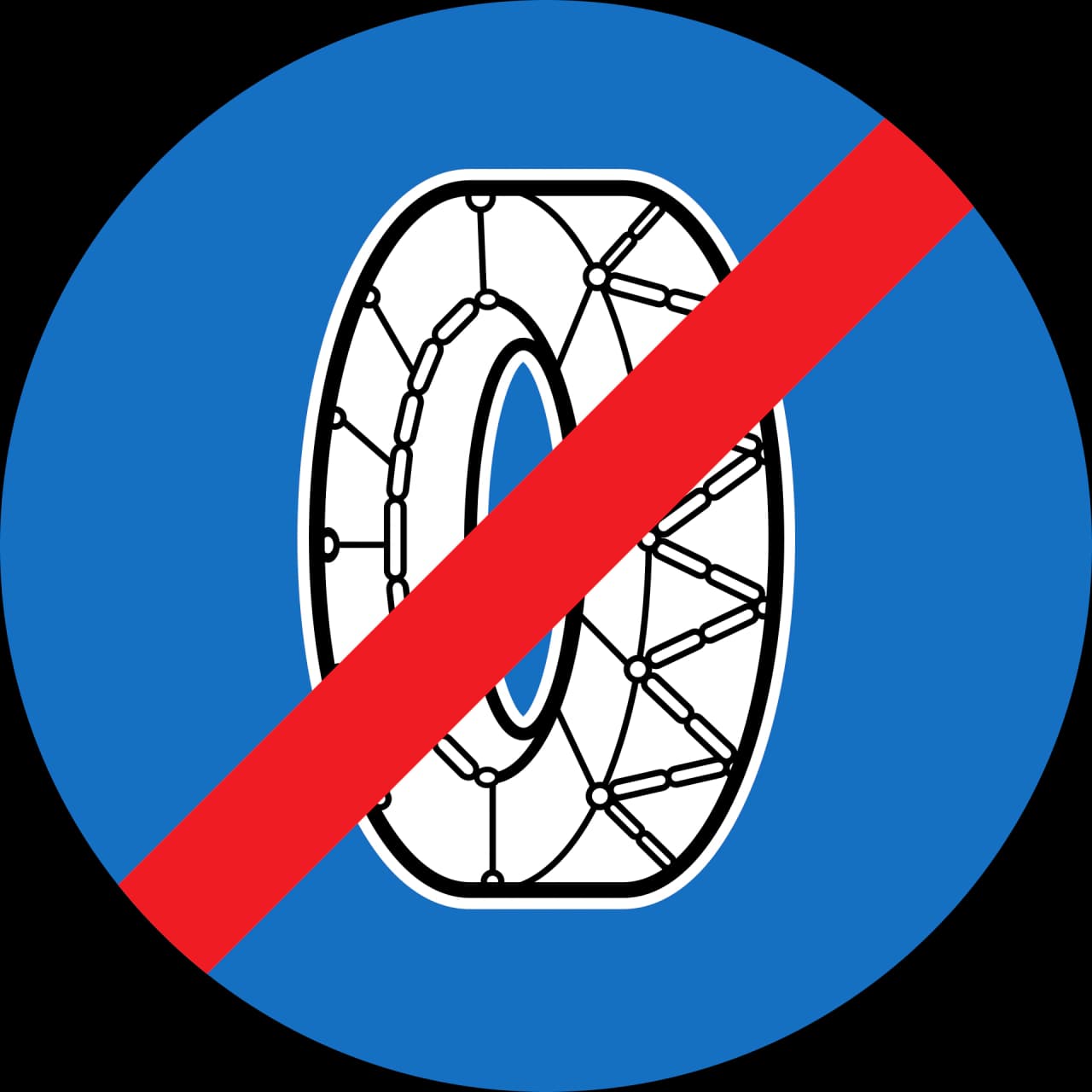
You can now remove your snow chains: End of Obligation Sign (22a)
Clear answers to common questions about the Austrian Mandatory Signs road sign category. Use this FAQ to review tricky rules, understand how these signs appear in exam scenarios, and remove confusion that often leads to mistakes in the Austrian driving theory exam in Austria.
Mandatory signs tell you what you *must* do, such as follow a specific direction or maintain a minimum speed. Prohibition signs, on the other hand, tell you what you *must not* do, like exceeding a speed limit or making a U-turn where it's forbidden. Both are binding, but they convey opposite types of instructions.
Always obey the mandatory sign first. If a sign dictates a specific direction, like 'Prescribed direction: Left only', you must follow that direction even if other lanes appear to go straight. It's essential to assess these signs early and position your vehicle in the correct lane in advance. If there's a genuine conflict or confusion, proceed with caution and be prepared to adjust if the road layout or other signs become clearer.
As a car driver, you'll encounter signs designating specific tracks for cyclists, roller skaters, or pedestrians. While you won't typically drive on these paths, you need to be aware of them to avoid entering areas reserved for other road users and to understand the traffic environment. These signs help separate different types of traffic for safety.
The 'Prescribed minimum speed' sign indicates that you must not drive slower than the indicated speed. This is usually found on roads where slower vehicles could cause significant disruption or danger to faster traffic, such as on certain sections of motorways or busy dual carriageways. Failing to maintain this minimum speed can be as dangerous as speeding.
This sign means that, regardless of your vehicle type, you are legally required to fit snow chains to your wheels. This is typically enforced during winter conditions on steep or slippery roads where additional traction is essential for safe passage. You must comply as soon as you see this sign; failing to do so can lead to being stopped or fined.
After reviewing road sign categories, deepen your understanding by taking a practice test focused on Austrian road signs. Challenge yourself with exam-like questions to pinpoint areas for further study and fully prepare for your official driving theory exam.
Explore Road Sign Categories