
This section covers a variety of Austrian informational signs that provide essential guidance for drivers. These signs help you locate facilities like parking or hospitals, understand road layouts, identify special zones, and navigate routes. Recognizing these signs is crucial for smooth travel, planning your journey, and crucially, for passing your driving theory test.
An explanation of how Austrian Informational Signs road signs apply in real traffic situations in Austria. Learn where these signs are typically placed, what drivers are expected to do when they appear, and how correct reactions help you stay safe, avoid fines, and succeed in your Austrian driving theory exam.
Austrian informational signs are found throughout the road network, from urban areas to motorways, to help drivers orient themselves and plan their journeys. You'll see signs for parking lots (1a, 1b) and breakdown bays (1c, 4) on the roadside or near junctions. Signs for essential facilities like hospitals (2) and first aid points (3-first-aid) alert you to immediate services. Crossings for pedestrians (2a), cyclists (2b), or both (2c) are common in built-up areas and near schools. Informational signs also denote specific road types such as motorways (8a), motorroads (8c), one-way streets (10), tunnels (9g), and pedestrian zones (9a). Directional signs (13a-15b) are ubiquitous, guiding you towards destinations, exits, or specific routes, especially crucial for motorway or motorroad navigation. You will also encounter signs indicating town limits (17a) and the end of these areas (17b), which often coincide with changes in speed limits or traffic rules. Diversion signs (16a, 16b) are vital for rerouting around roadworks or incidents.
An overview of the key learning outcomes when studying the Austrian Informational Signs road sign category. Understand the main concepts, sign meanings, and traffic situations covered here so you can recognise patterns, answer theory questions more confidently, and build a solid foundation for safe driving in Austria.
Familiarise yourself with Austrian informational signs, which guide you to facilities, routes, and services across Austria. Studying these signs together aids in efficient navigation and understanding road layouts for your theory test revision.
Sign 1a: Informing You About Parking Areas or Lanes in Austria
The 1b 'Parking Lot' sign informs you about available facilities.

Understand the Austrian Breakdown Bay (1c) Informational Sign
The 'Hospital' Sign: Your Guide to Route Planning and Facility Awareness
Understand the Austrian 'Pedestrian Crossing' Informational Sign (2a-pedestrian-crossing-2)
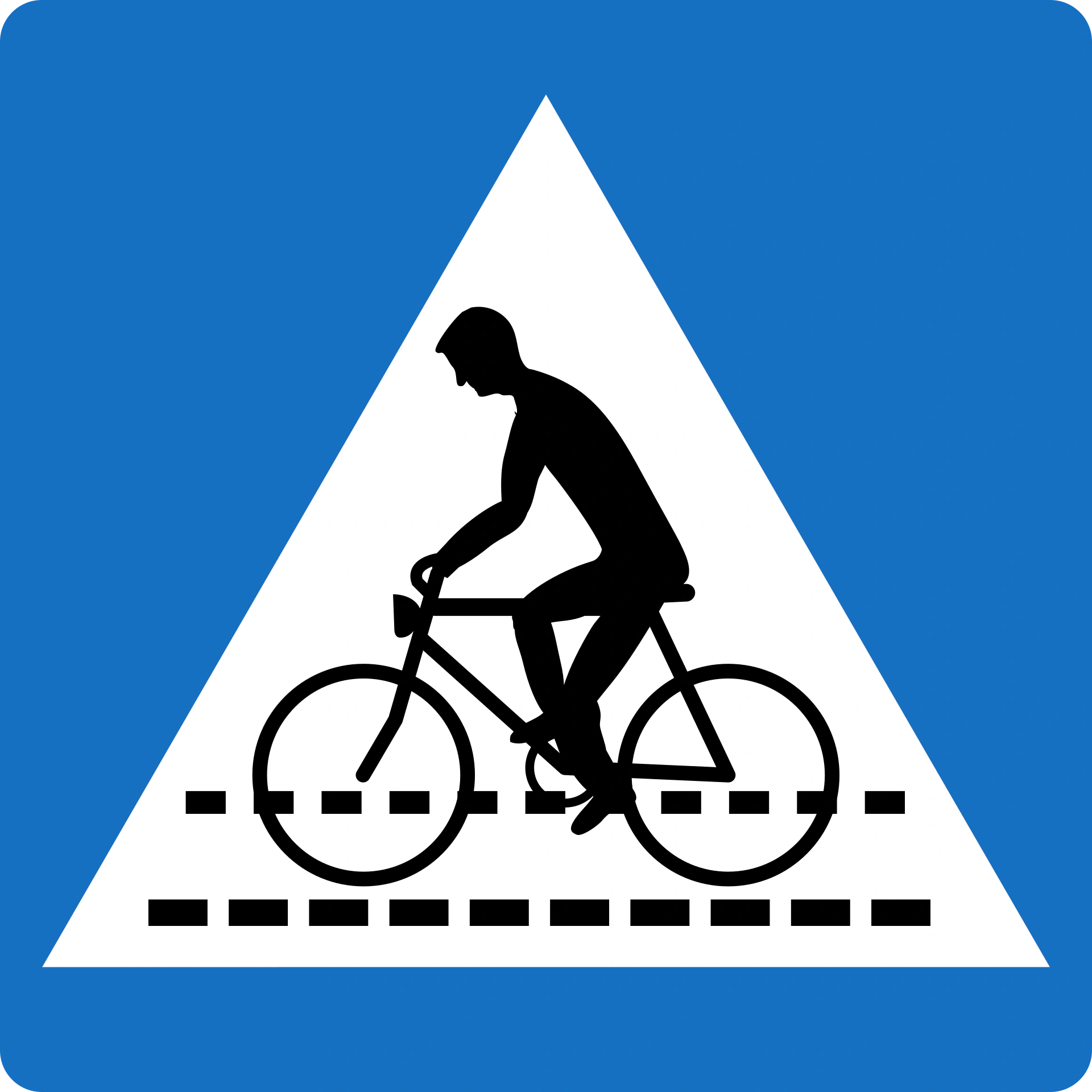
Learn About the Cyclist Crossing Sign (2b-cyclist-crossing-2) in Austria
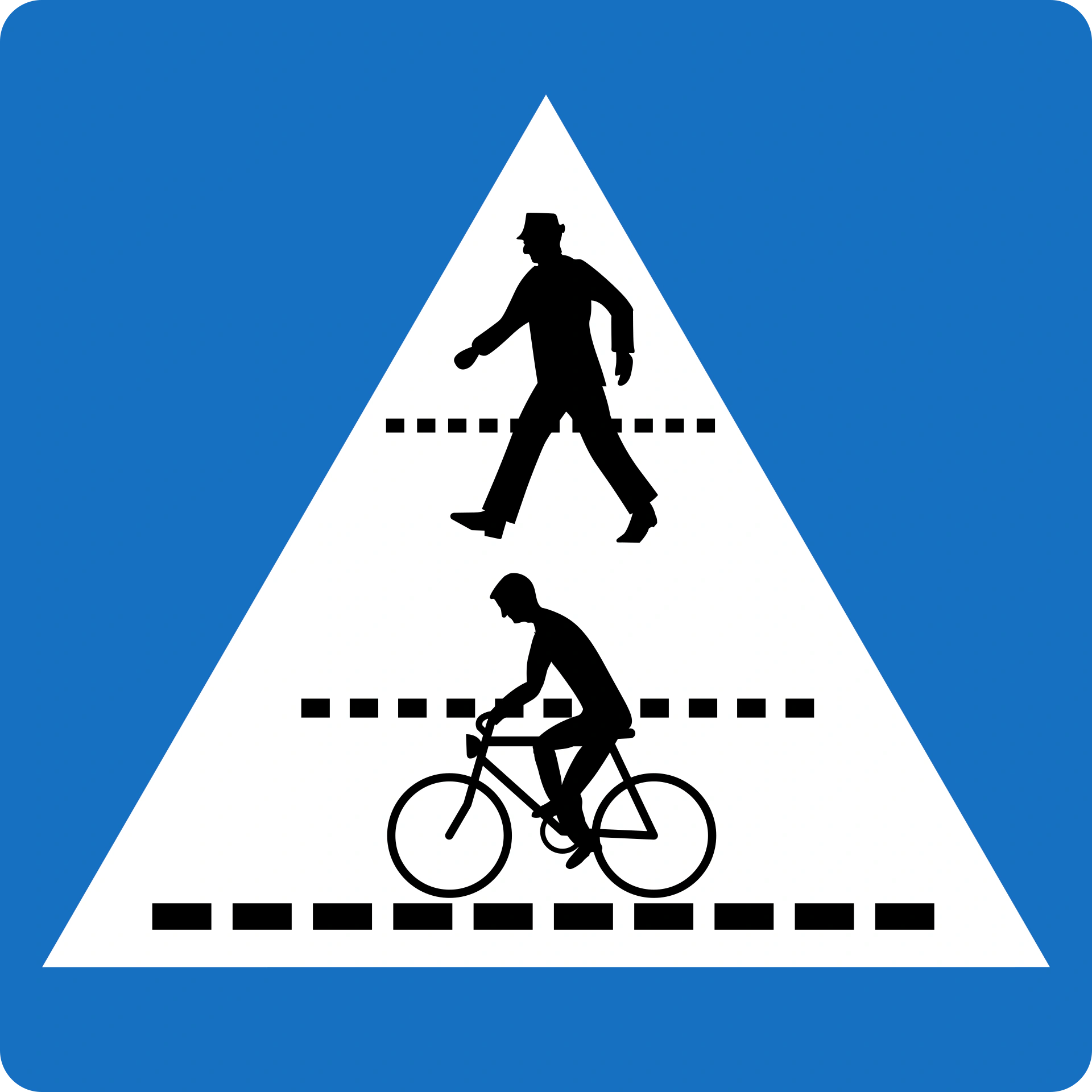
Understand the Austrian Pedestrian and Cyclist Crossing Informational Sign
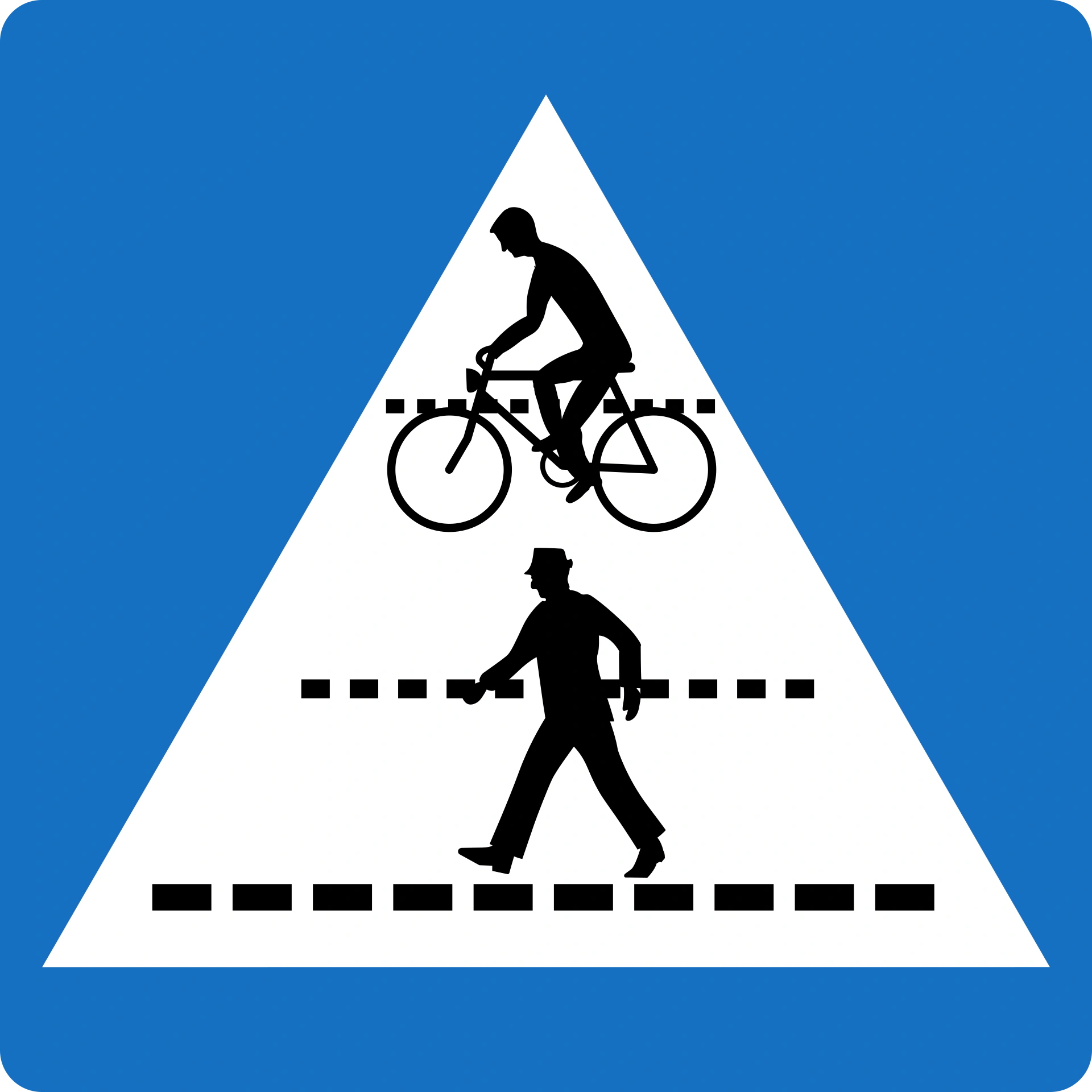
This sign indicates a cyclist and pedestrian crossing facility.
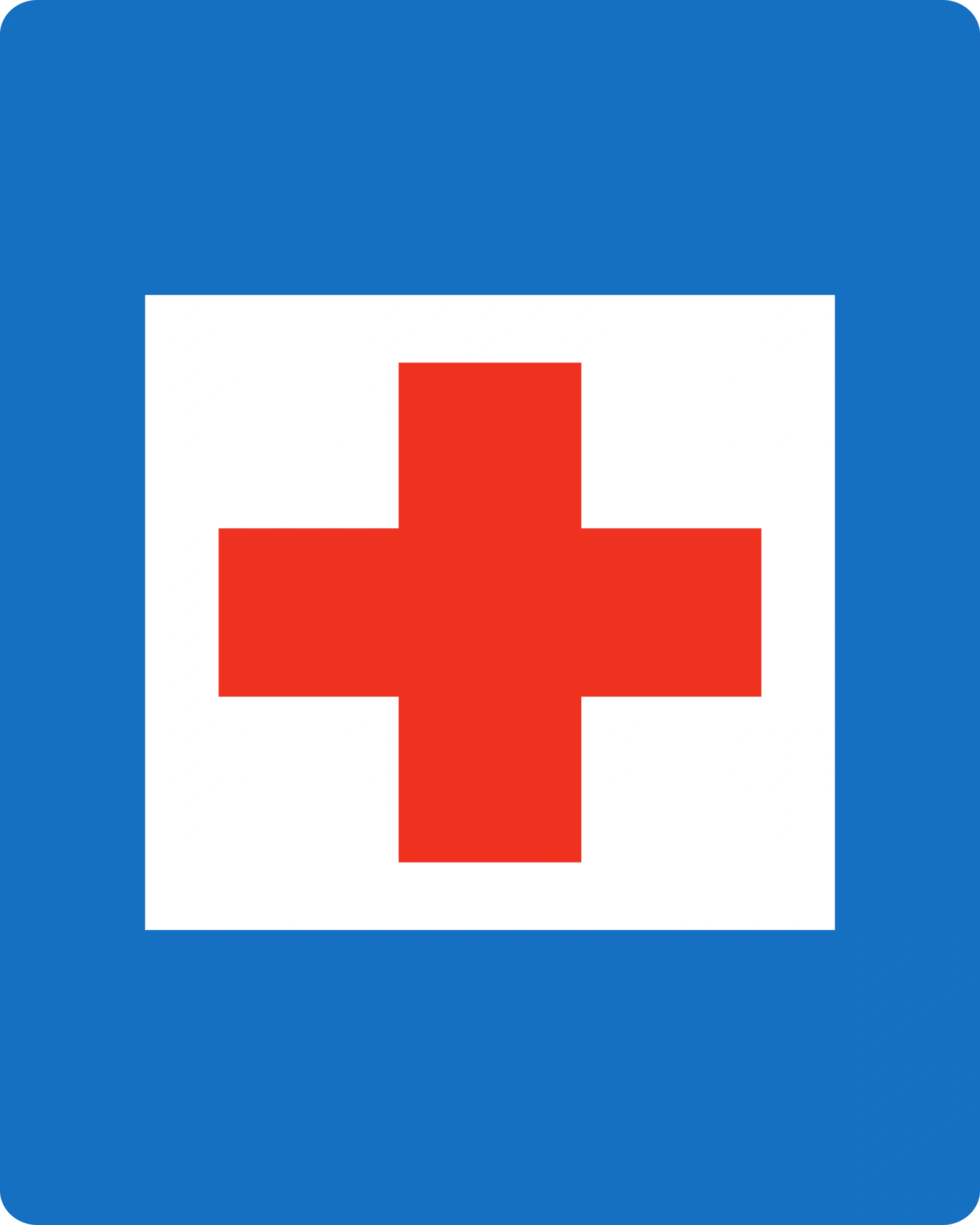
The "First Aid" sign in Austria helps you plan your journey.

The 'Church Services' Sign: Informing Your Route and Parking Choices
Understand the Break-down Service Sign for Smarter Route Planning
The 5-telephone sign indicates telephone availability for route planning.
Sign 6: The 'Gas Station' Informational Sign for Route Planning
The 'Taxi Stand' Informational Sign: Planning Your Route Effectively

The 'End of Two-Way Traffic' Sign: Prepare for Changing Road Layouts
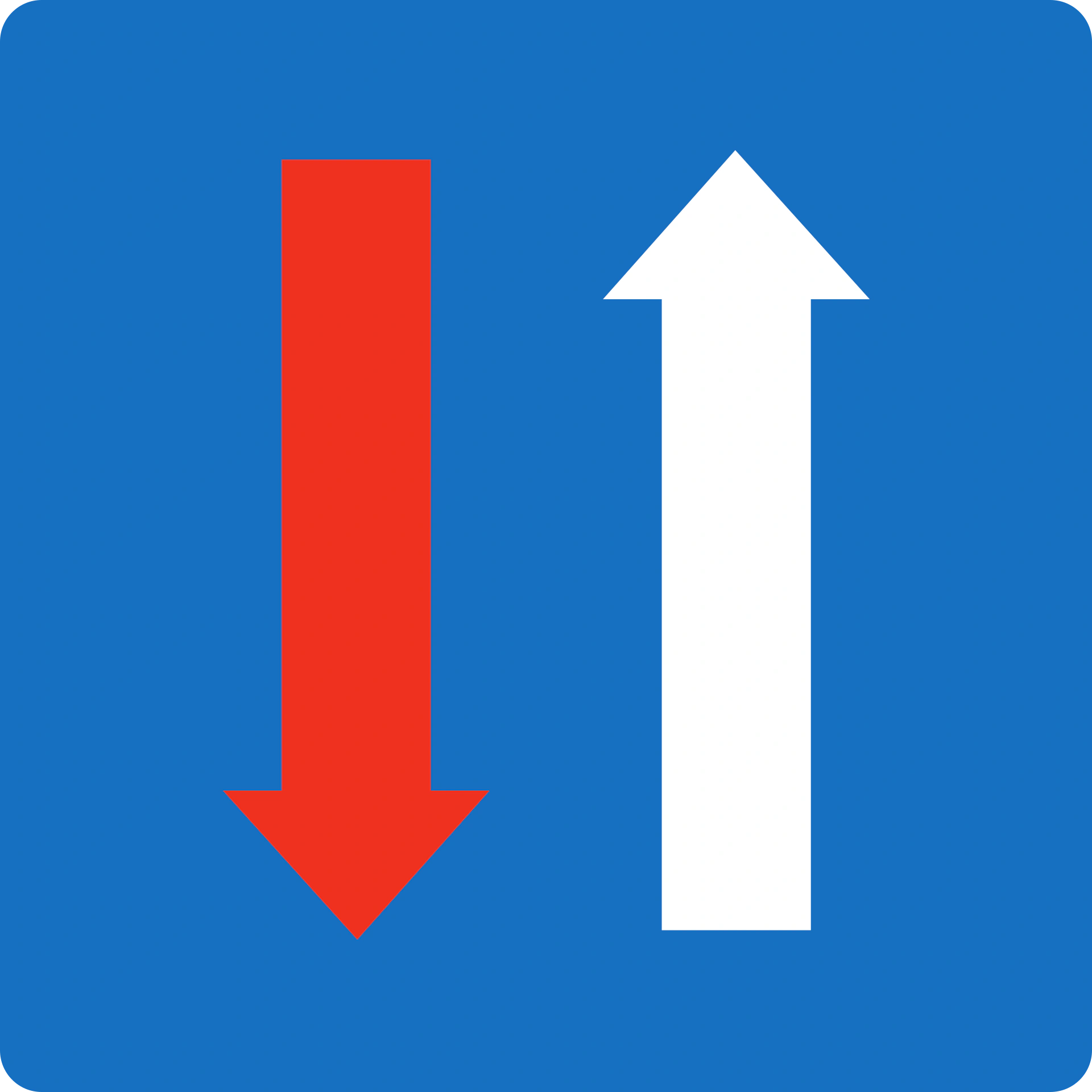
Master the 'Oncoming Traffic Must Give Way' Informational Sign in Austria
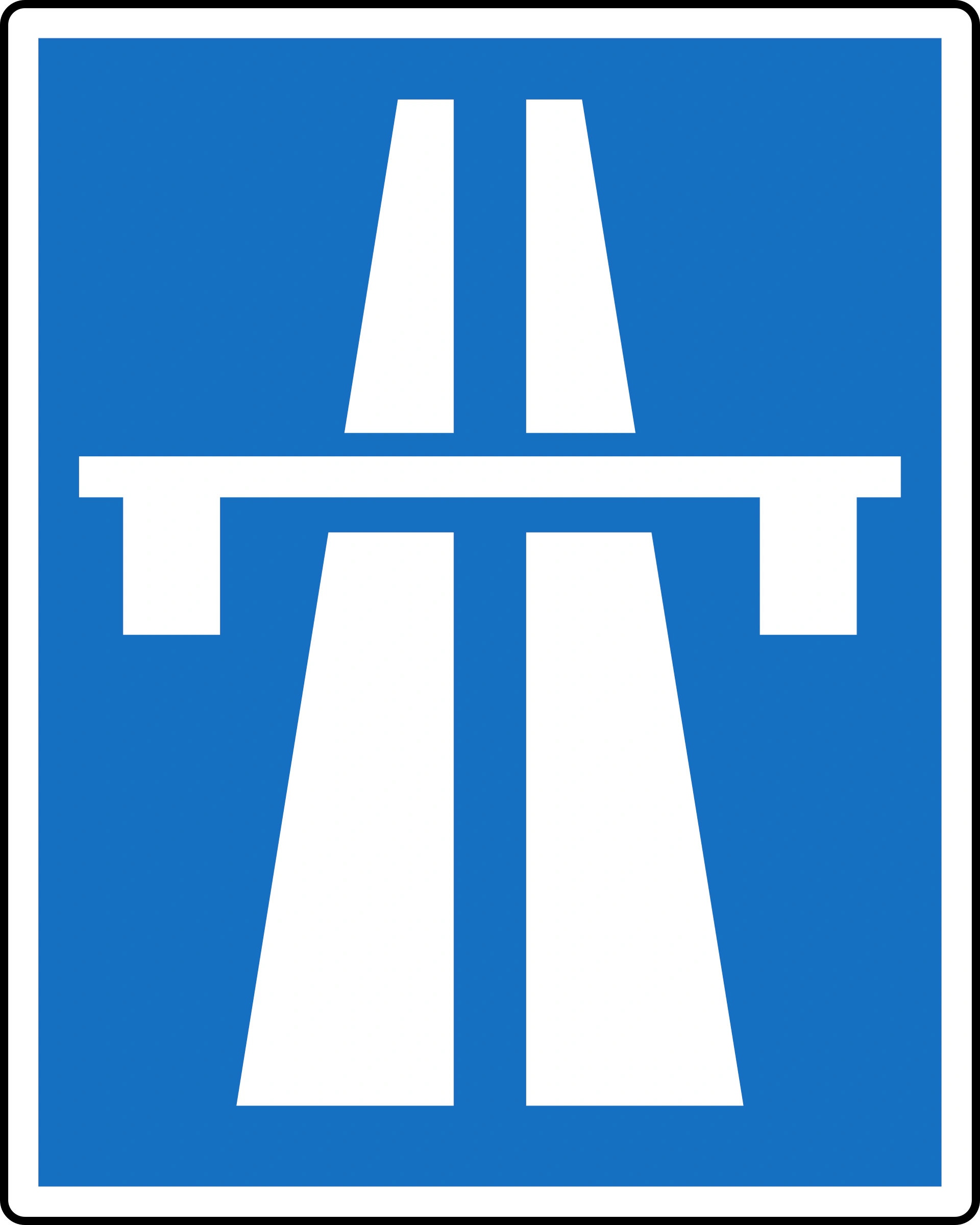
Prepare for the Motorway: Understanding the 'Beginning of Motorway' Sign
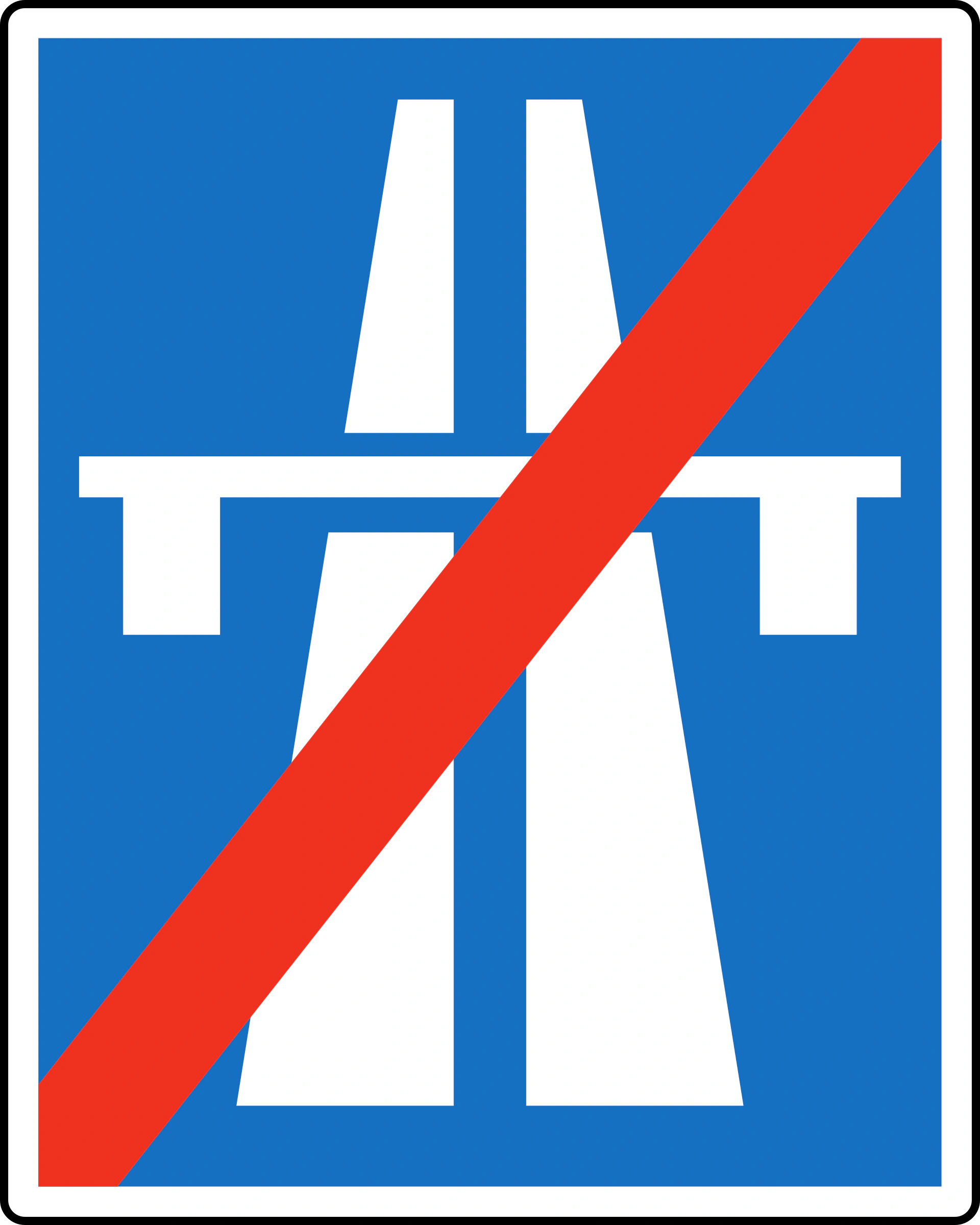
The "End of Motorway" Sign: Preparing for What Comes Next
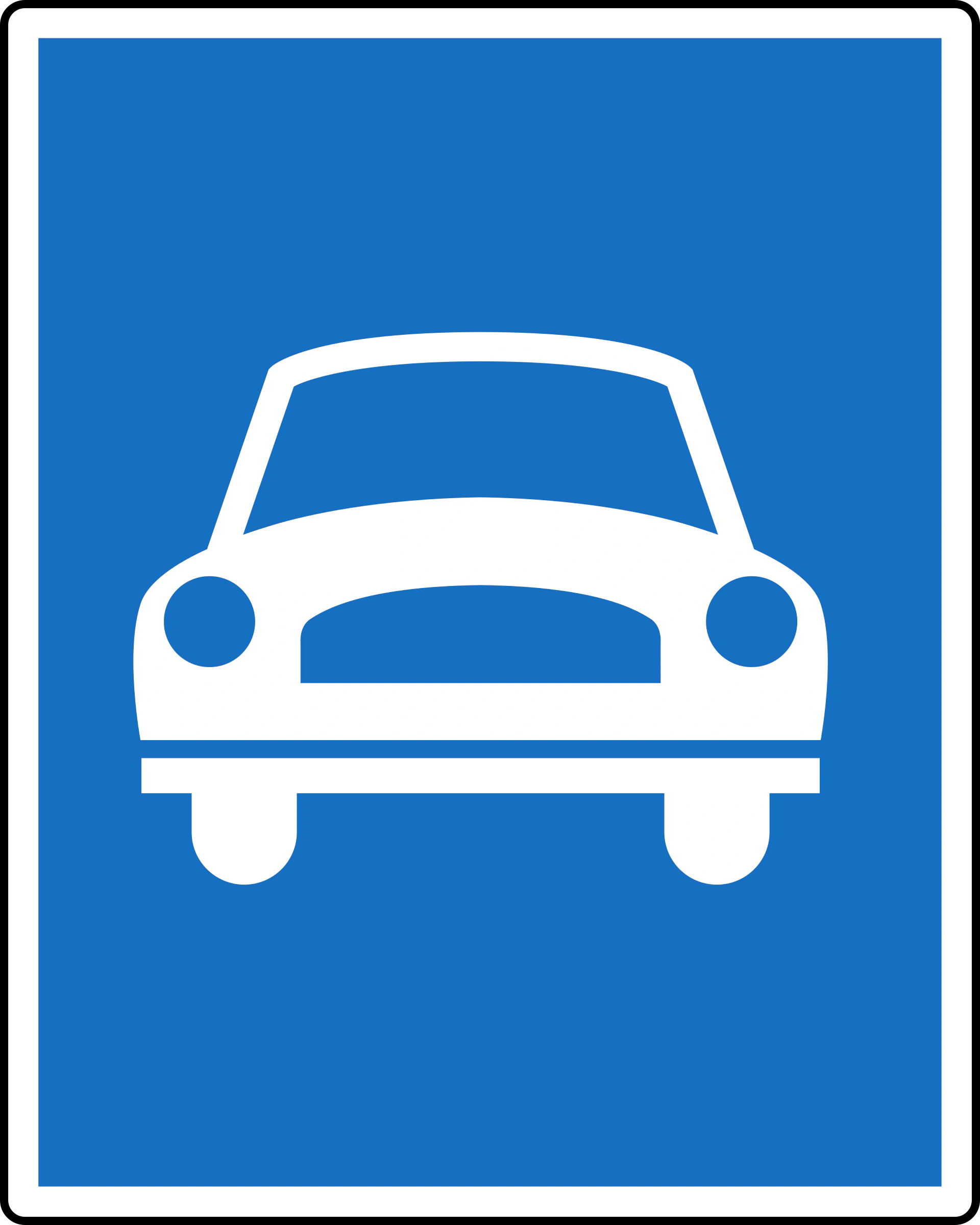
The 8c Motorroad sign informs you about a specific type of road ahead.
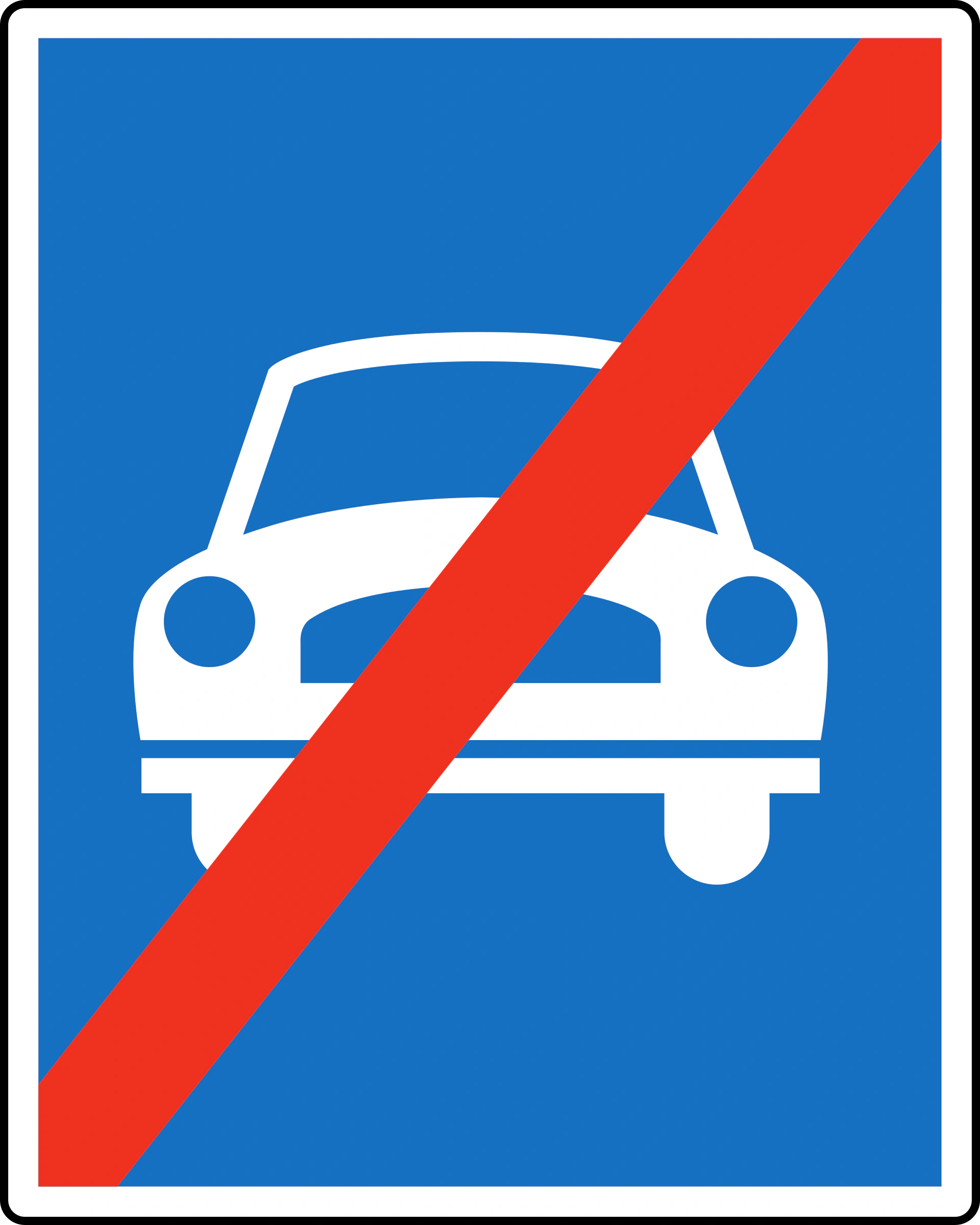
The "End of Motorroad" sign indicates the termination of a specific road type.
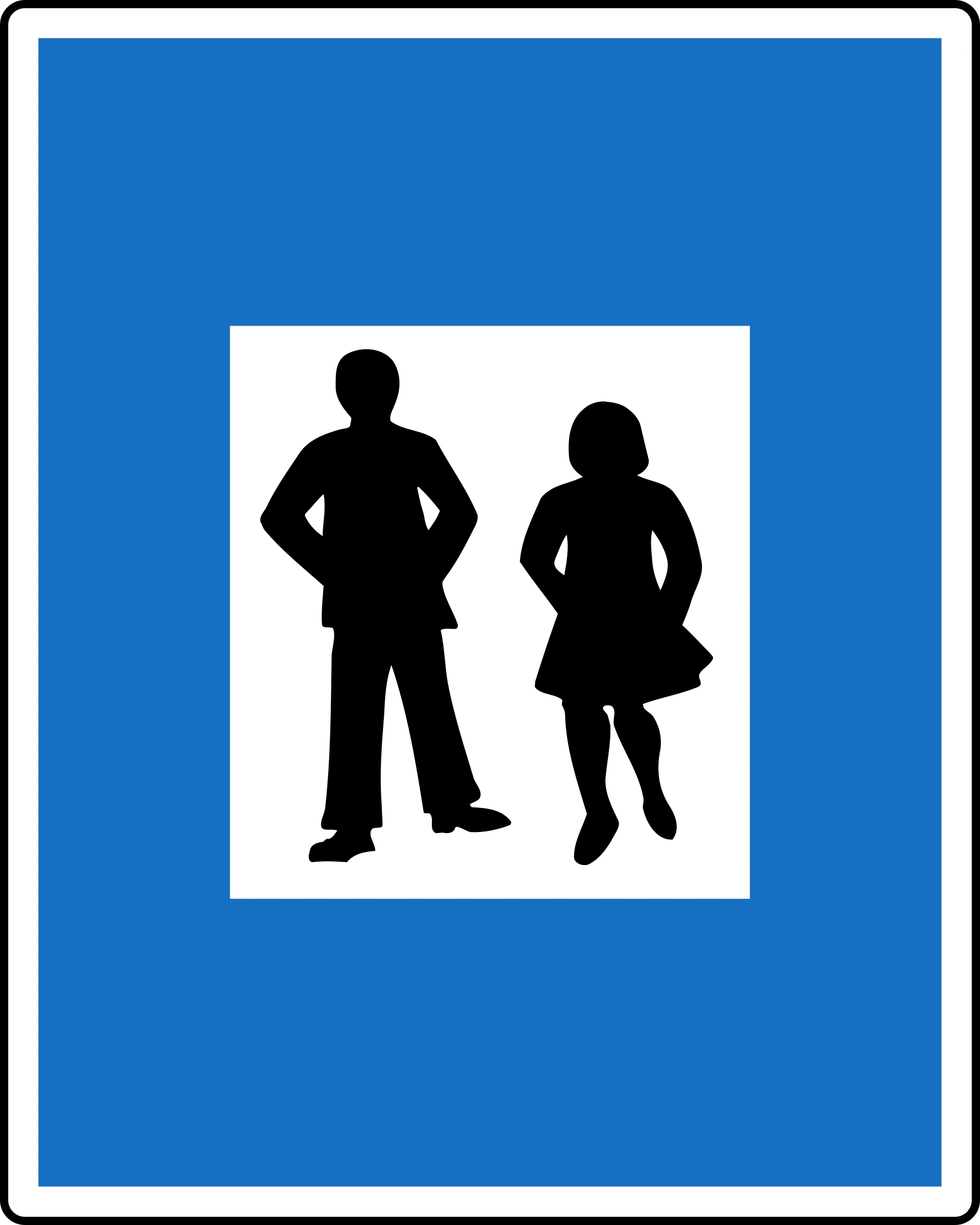
The 9a 'Pedestrian Zone' sign helps you plan your route.
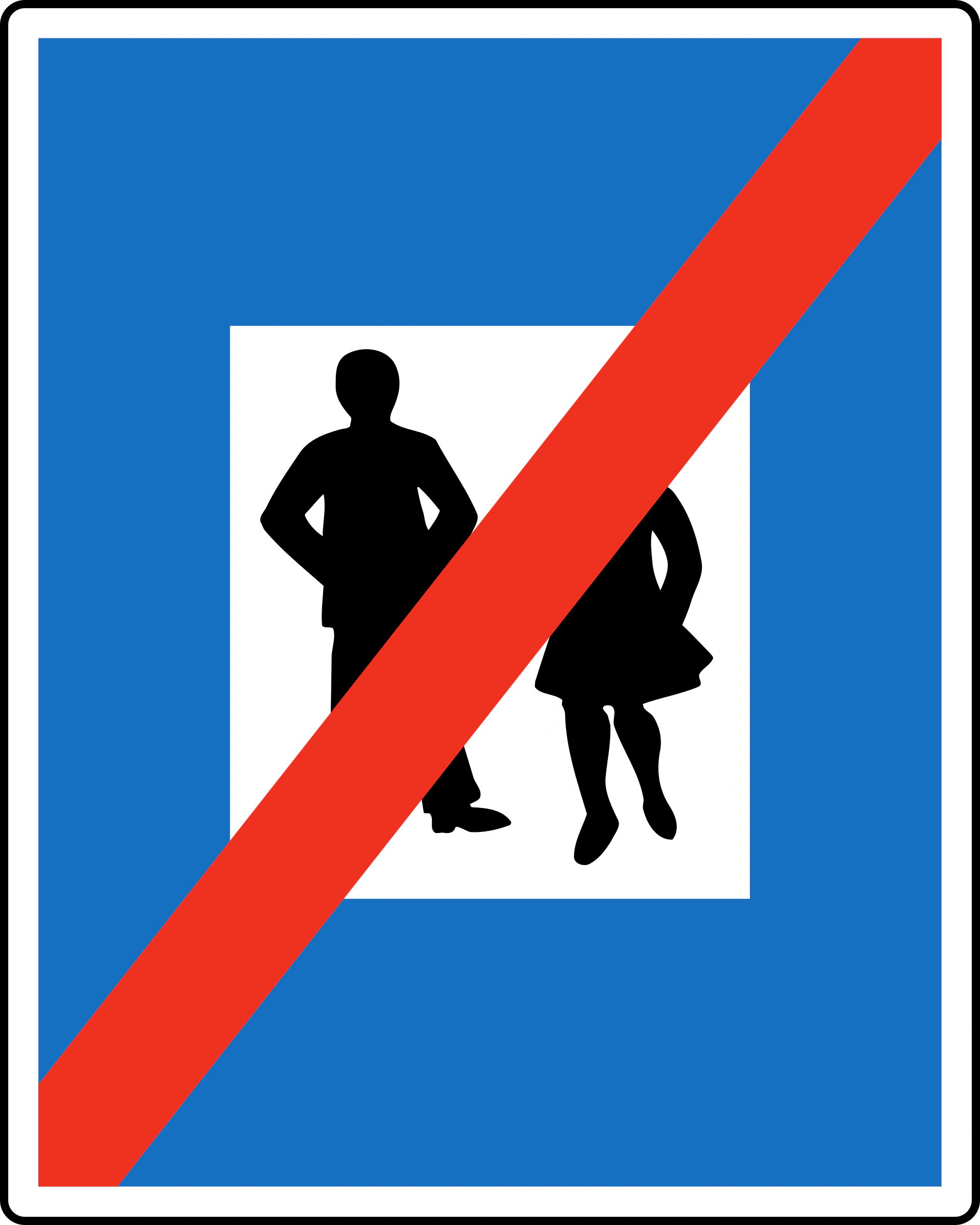
You've Reached the End of the Pedestrian Zone
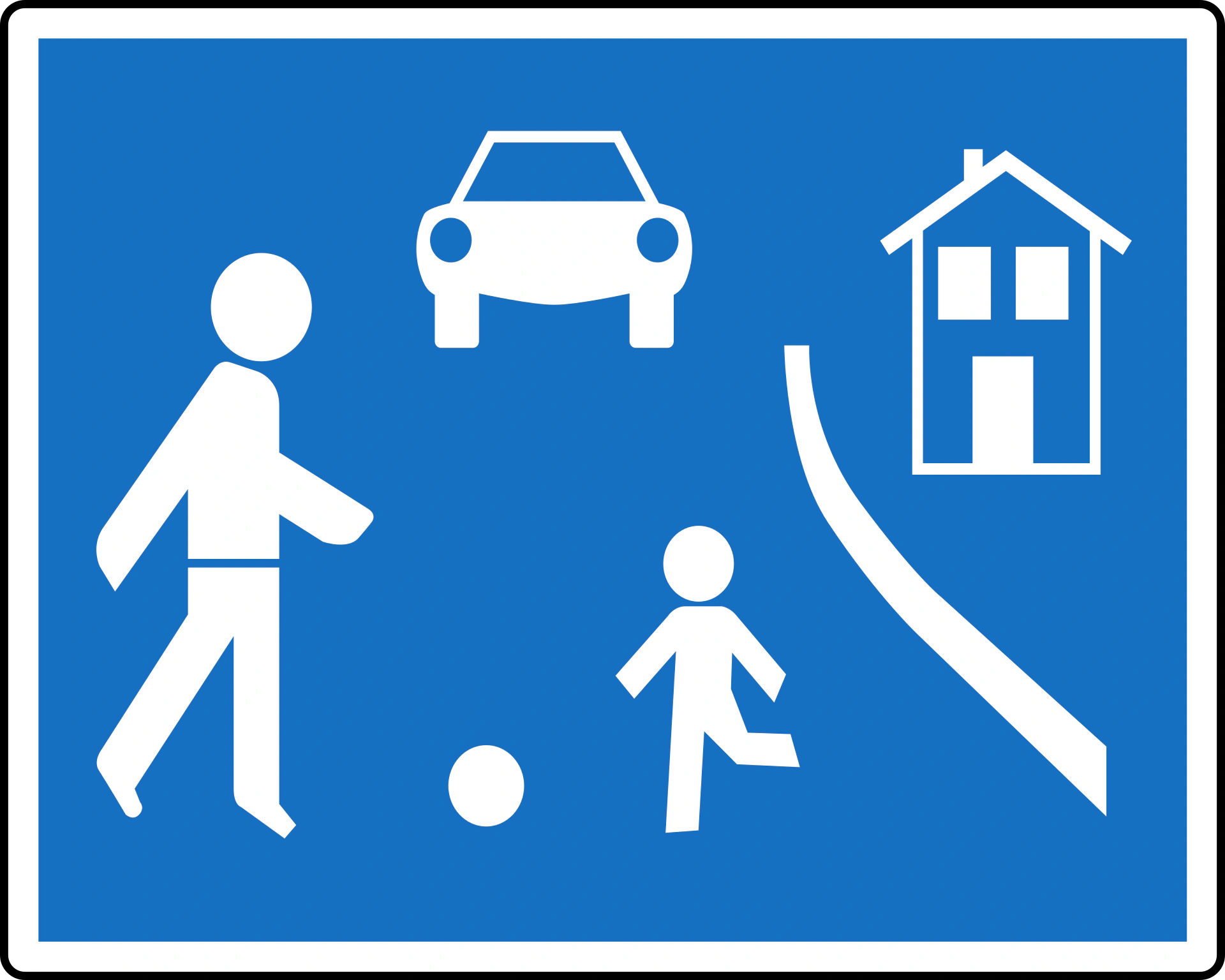
Understanding the 'Residential Street' Informational Sign in Austria
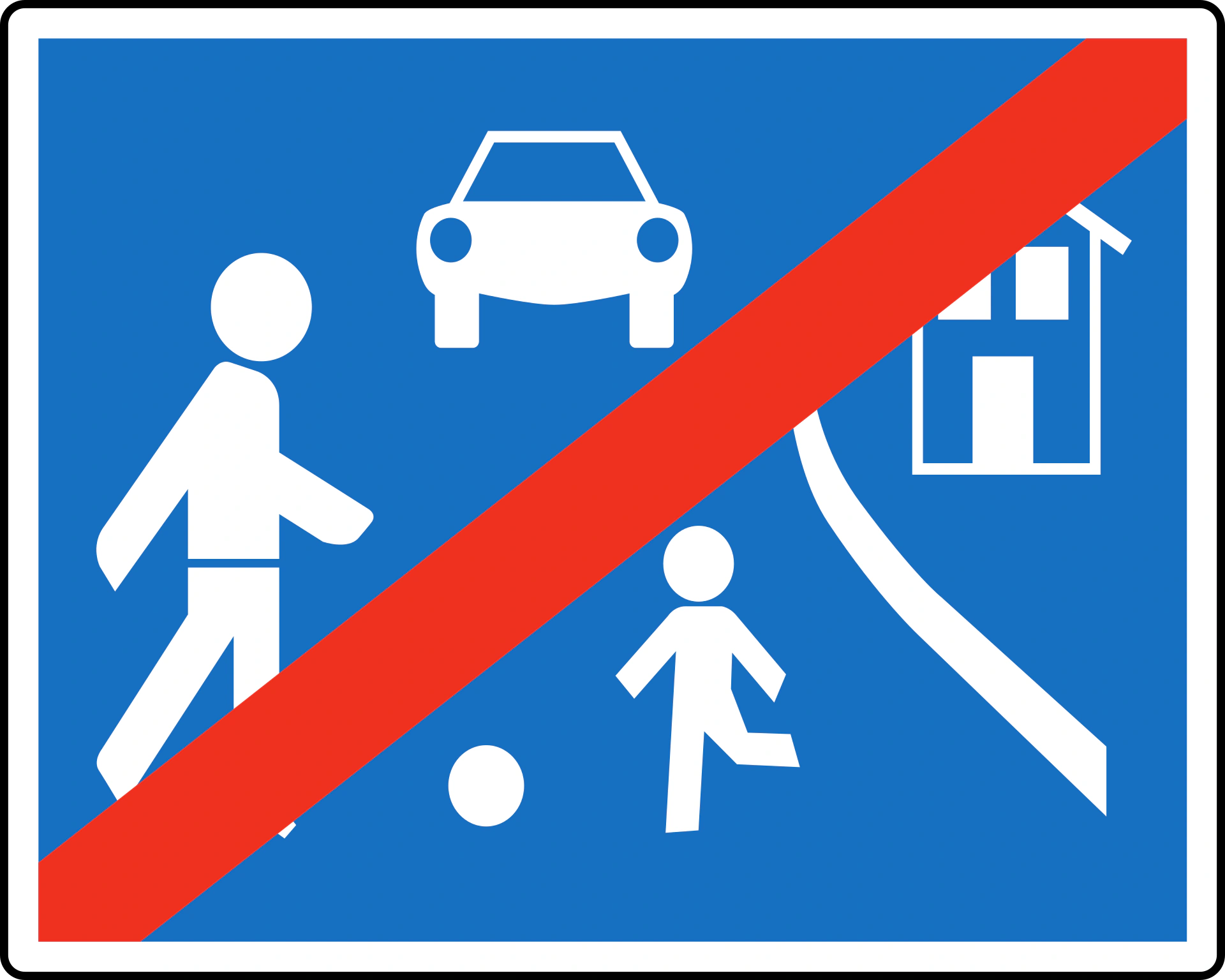
Signalling the End of a Residential Street Zone
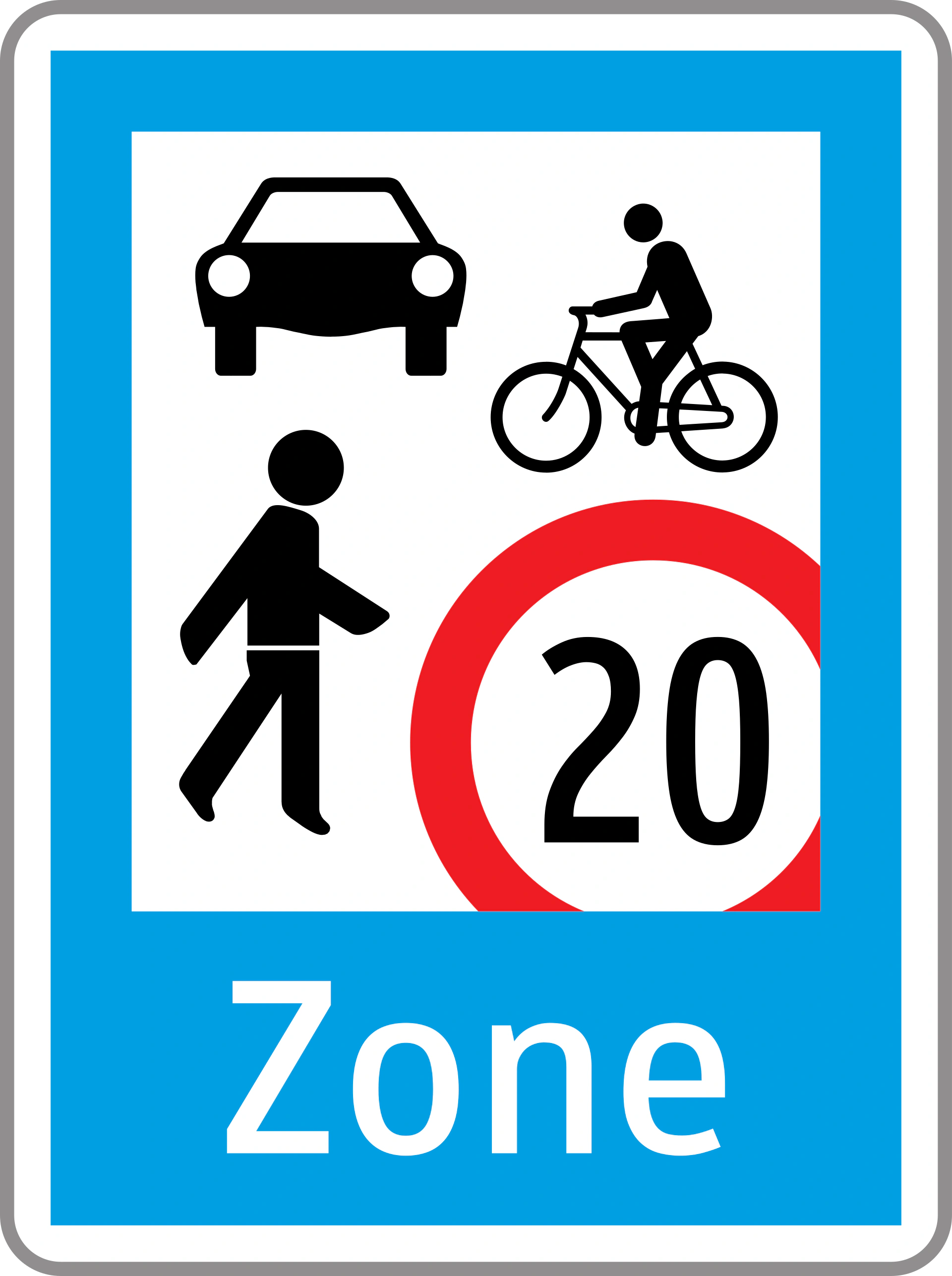
The 9e Residential Mixed Traffic Area sign helps you plan your route.
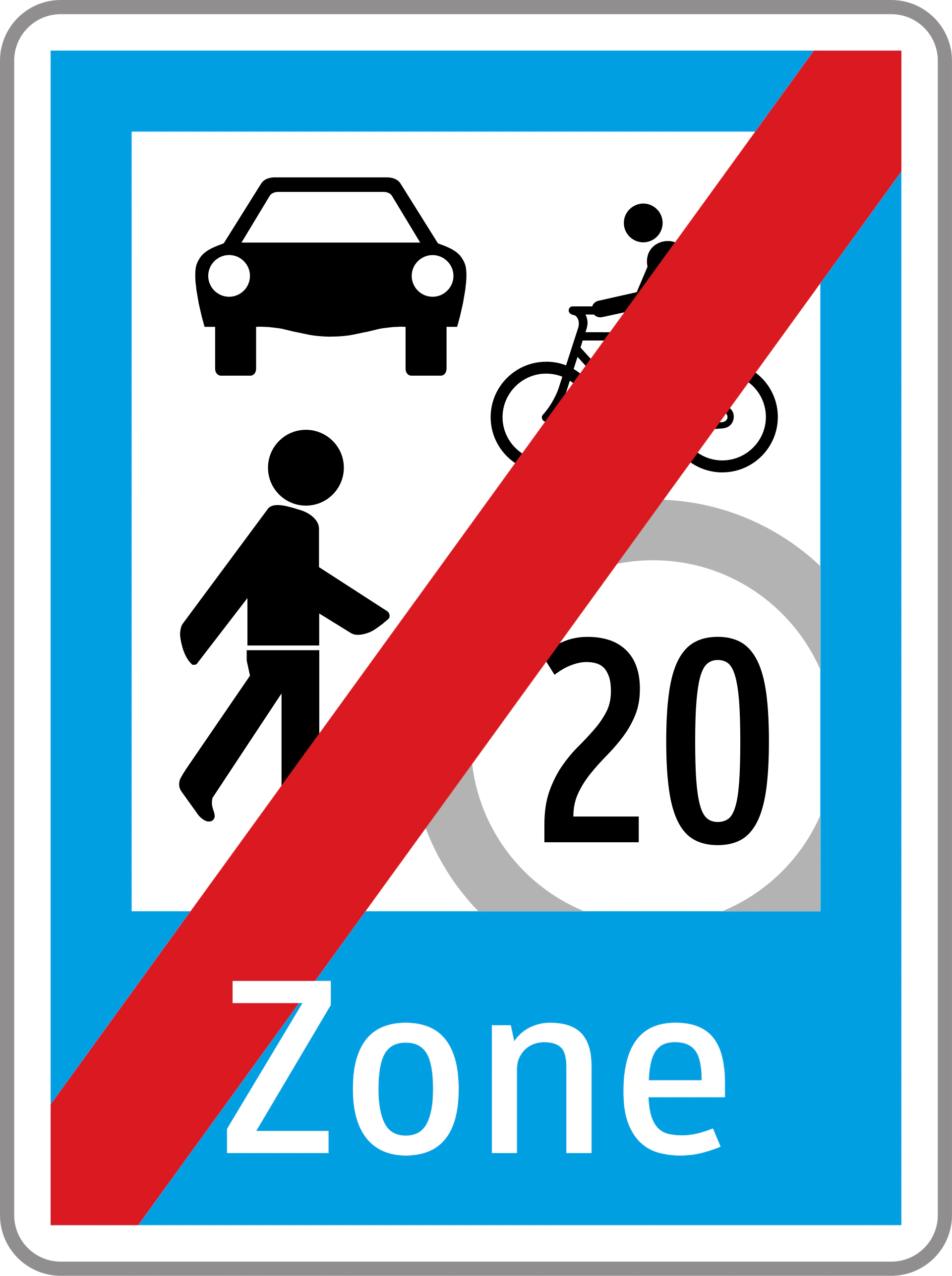
You've Reached the End of the Residential Mixed Traffic Area
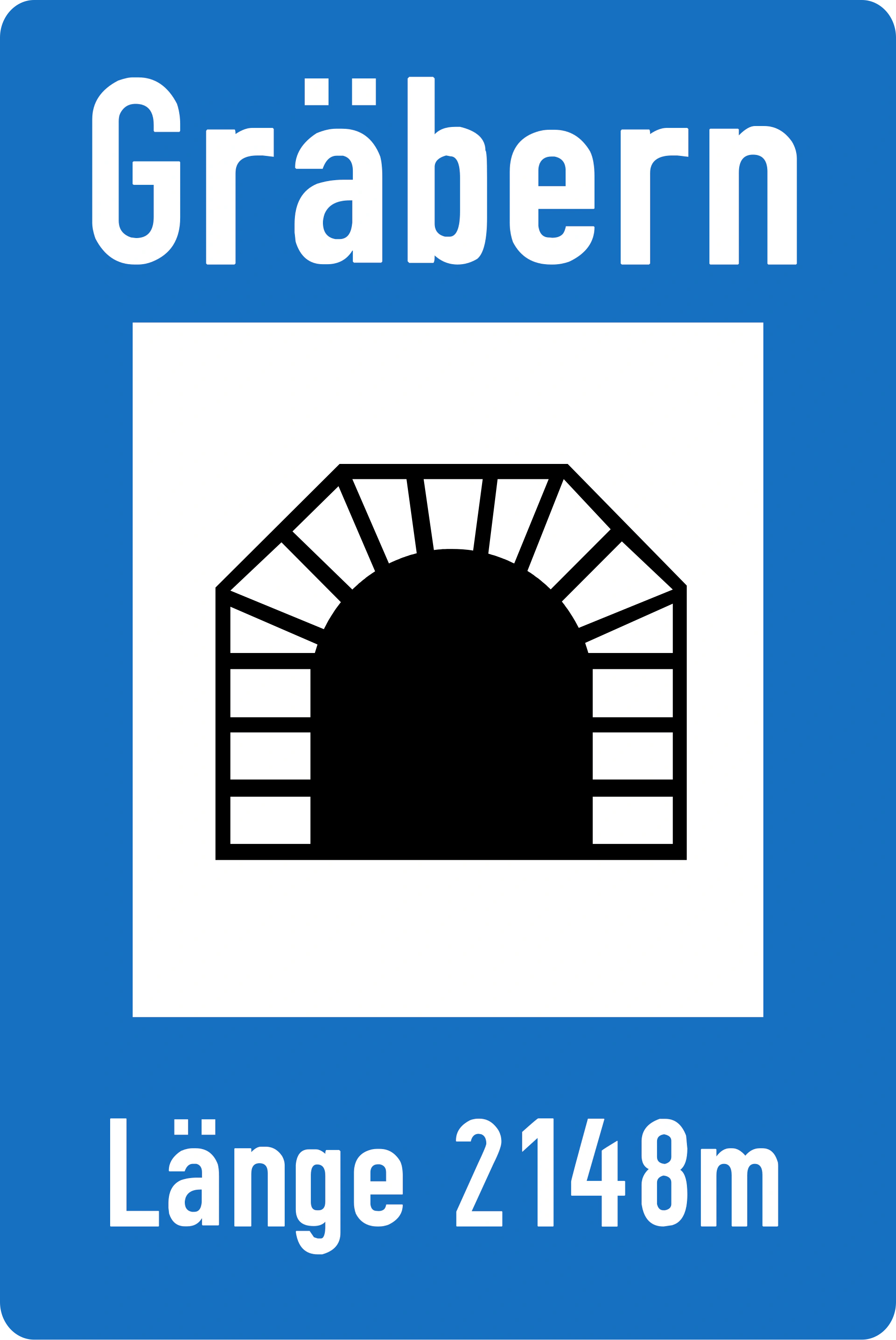
The 'Tunnel' sign (9g) helps you plan ahead on Austrian routes.

Understand the 'One-Way Traffic (Left)' Informational Sign in Austria
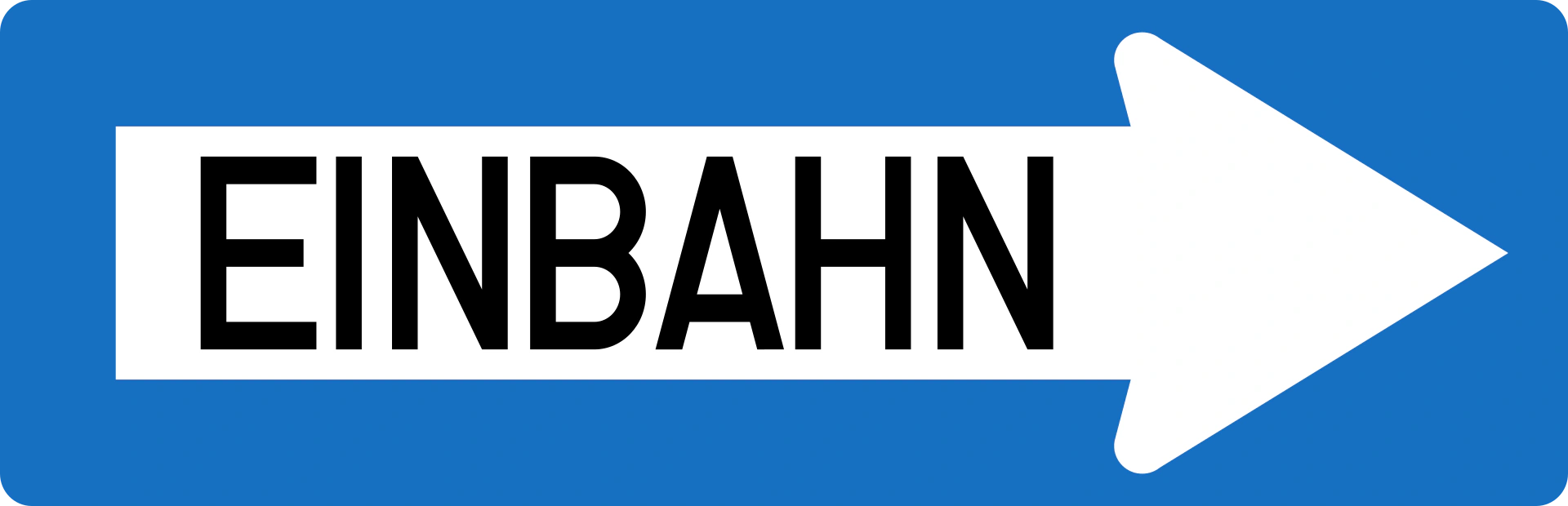
Understand the 'One-way Traffic (Right)' Informational Sign

This sign indicates tram turning movements on red or yellow traffic lights.
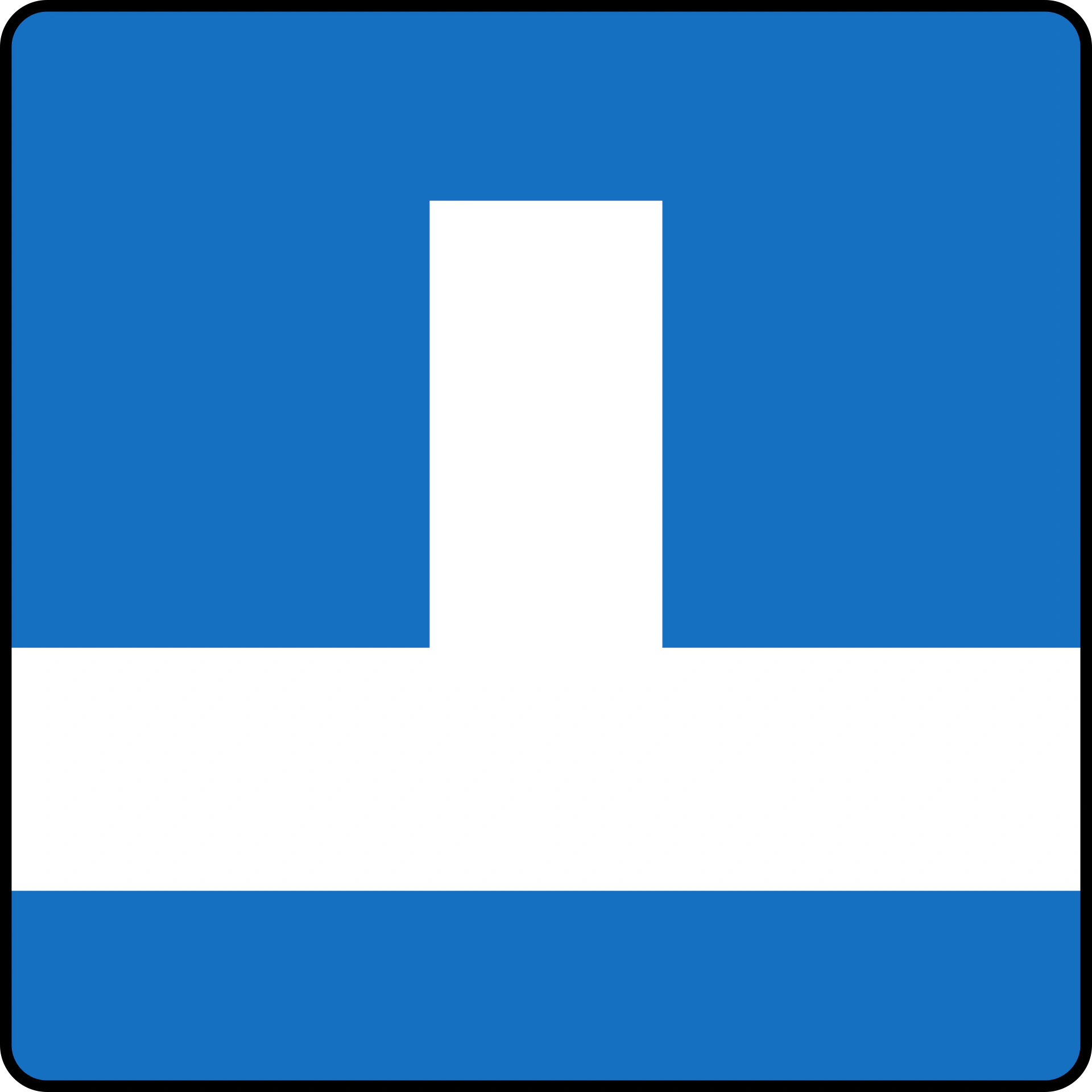
The 'No Through Road' (Dead End) sign: Plan your route ahead!

Understand the Austrian 'Street Lights Not On Whole Night' Informational Sign
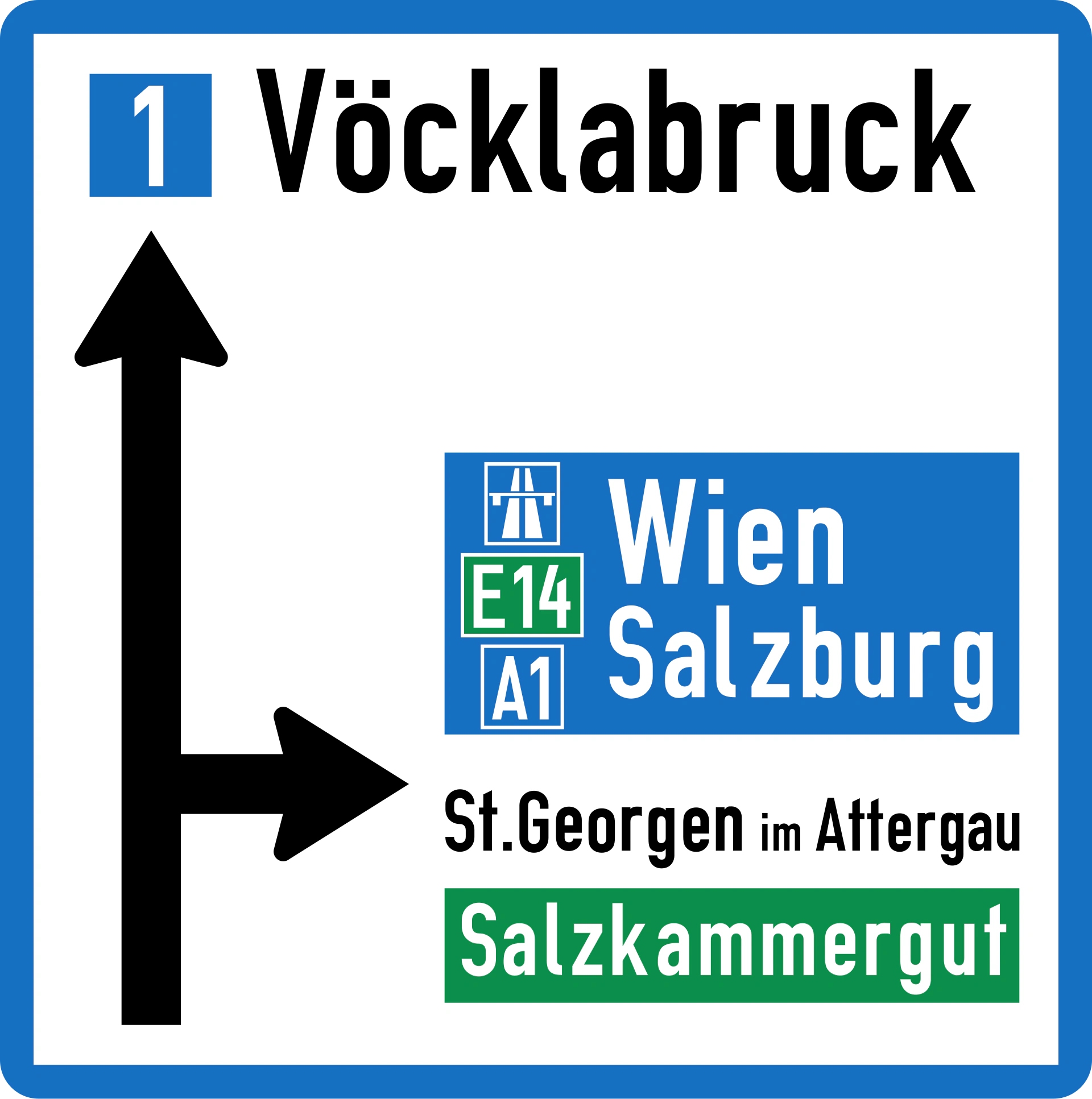
The 13a Direction Sign: Your Guide to Route and Facility Planning
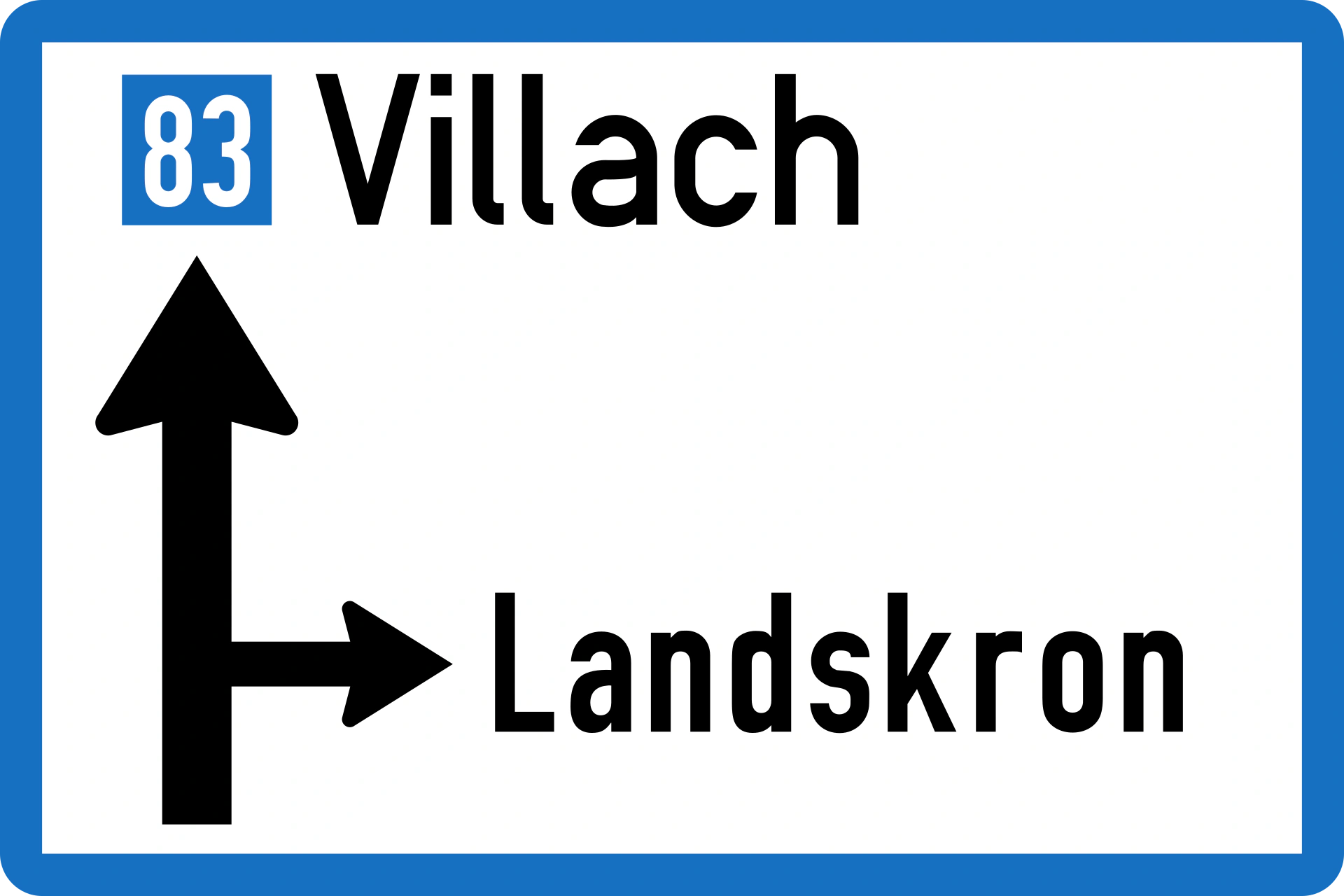
Plan your route ahead with the 13a Direction Sign for Austrian roads.
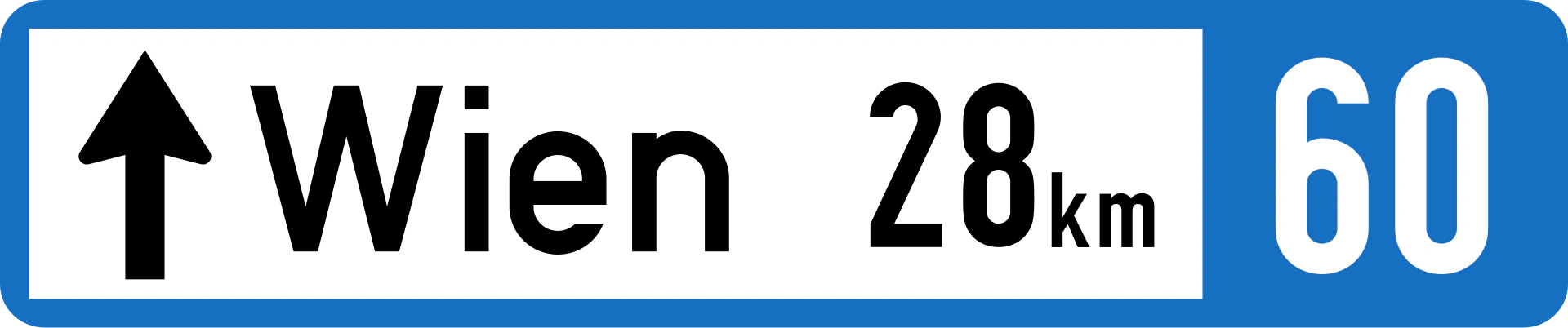
The 13b-direction sign provides essential information for route and lane planning.
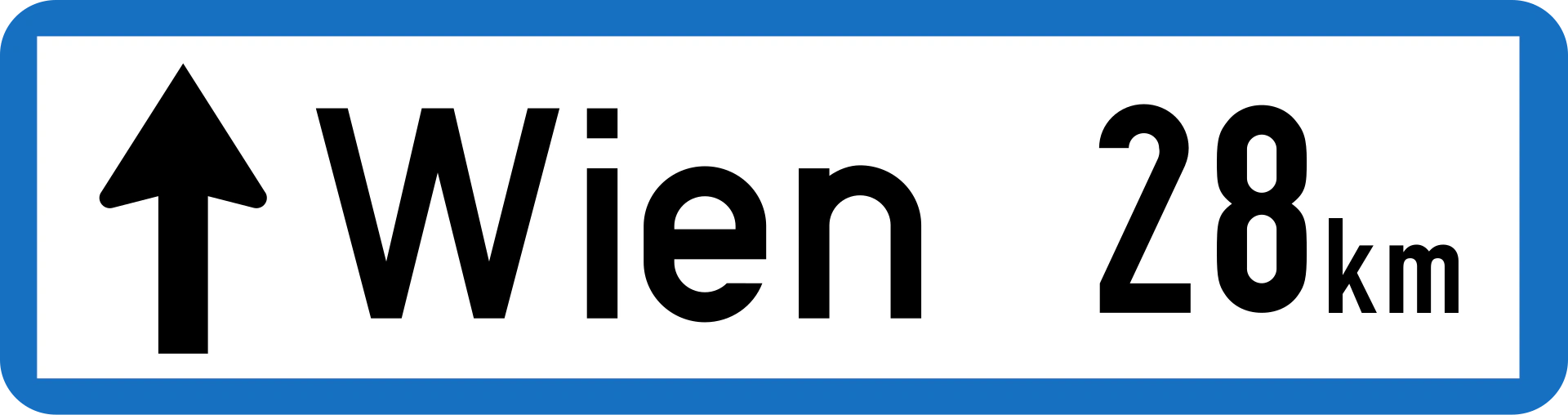
Understand the 13b-direction-2 Direction Sign for Route Planning in Austria.
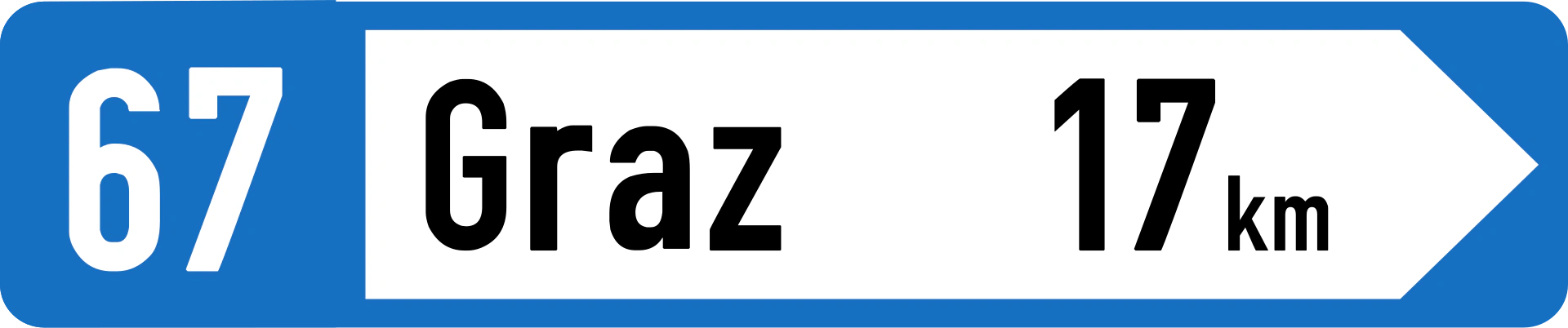
The 13b-direction-3 Direction Sign: Your Guide to Road Information and Planning
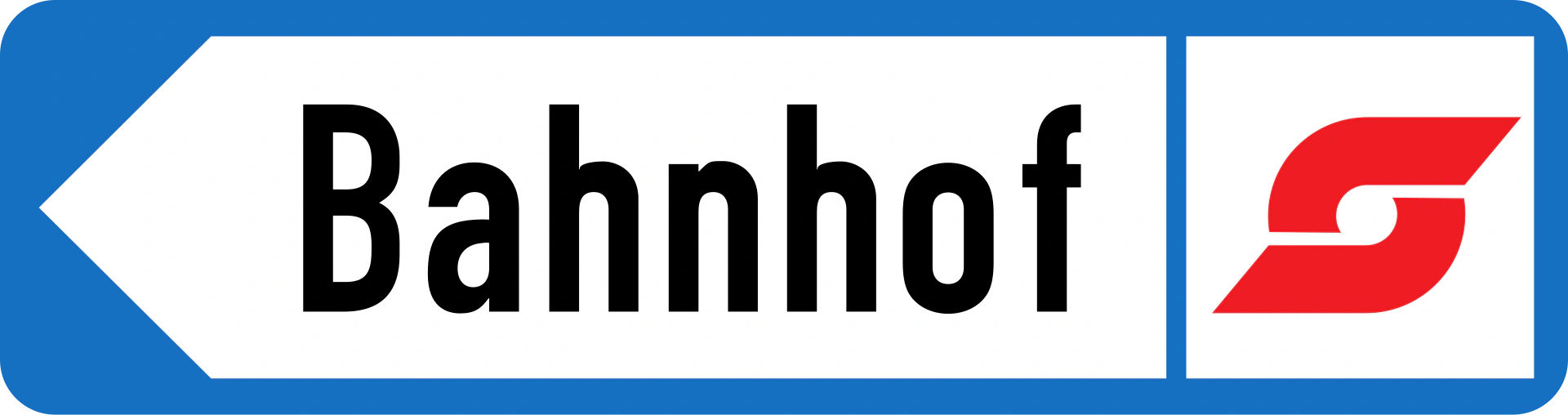
Plan your route with the Austrian Direction Sign to Other Transportation Infrastructure (13c)
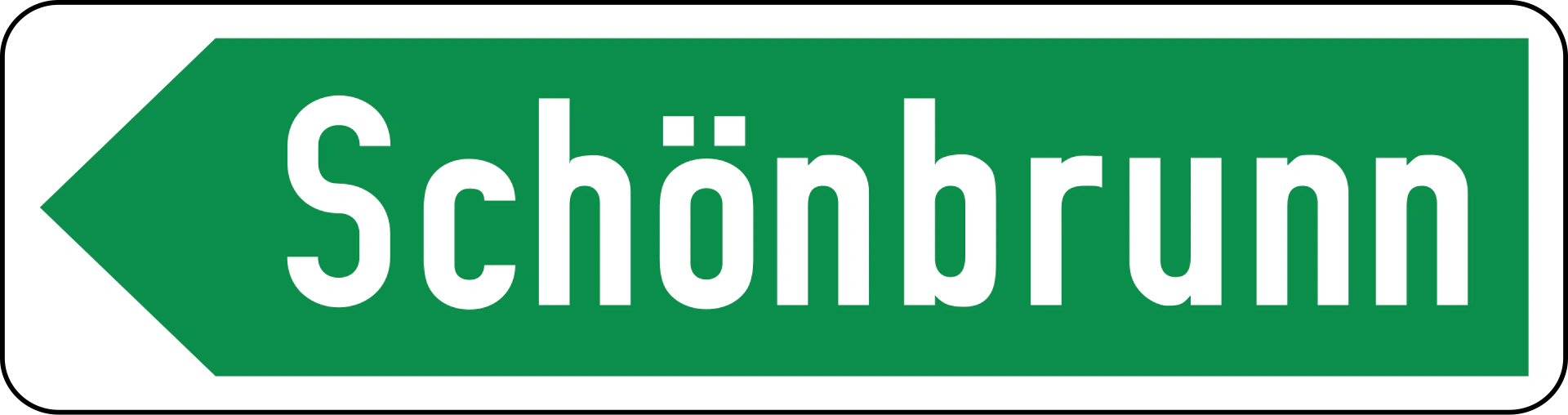
Understand Austrian Direction Signs for Local Destinations and Areas
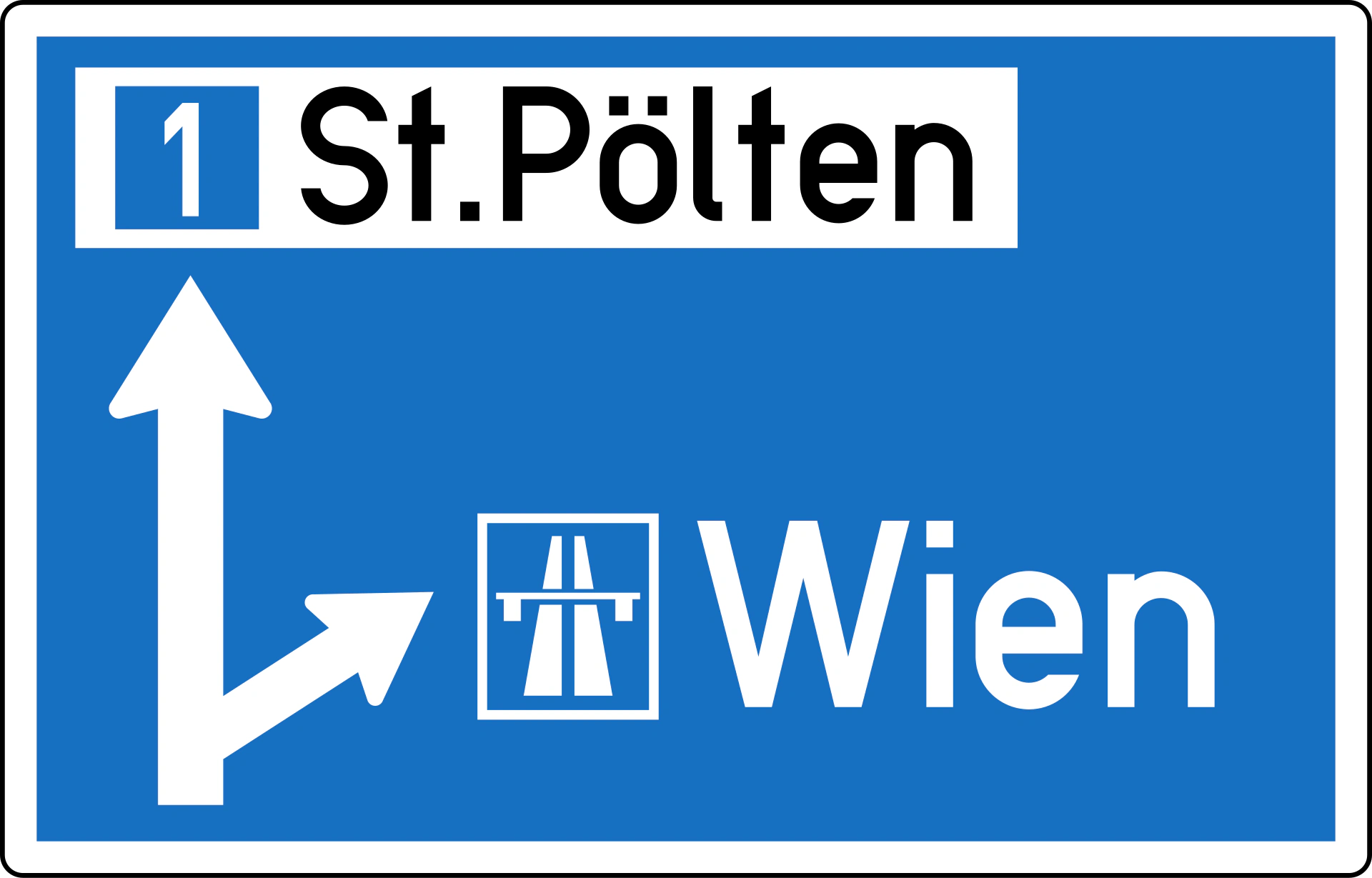
Navigate upcoming Motorway or Motorroad junctions with this essential Austrian direction sign.
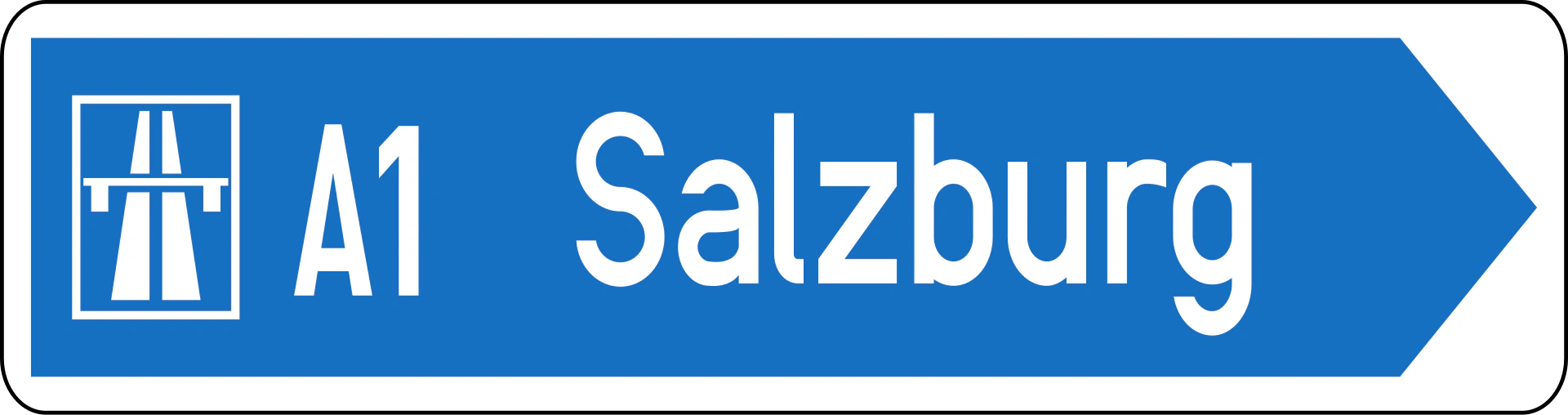
Plan your route with the 'Direction to Motorway or Motorroad (Right)' sign.
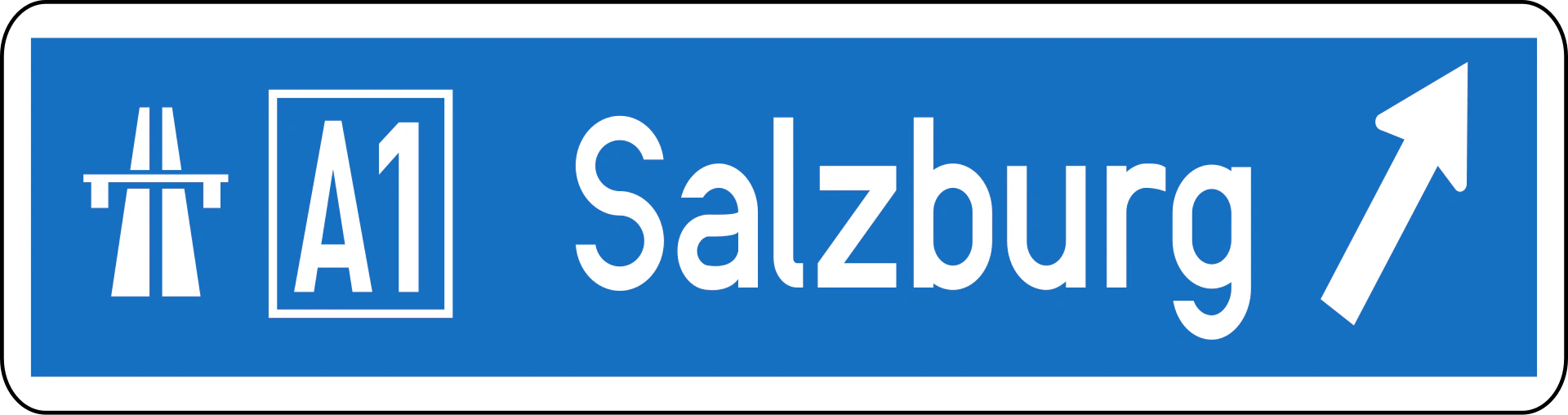
Plan your route with the Direction to Motorway or Motorroad sign (diagonal right).
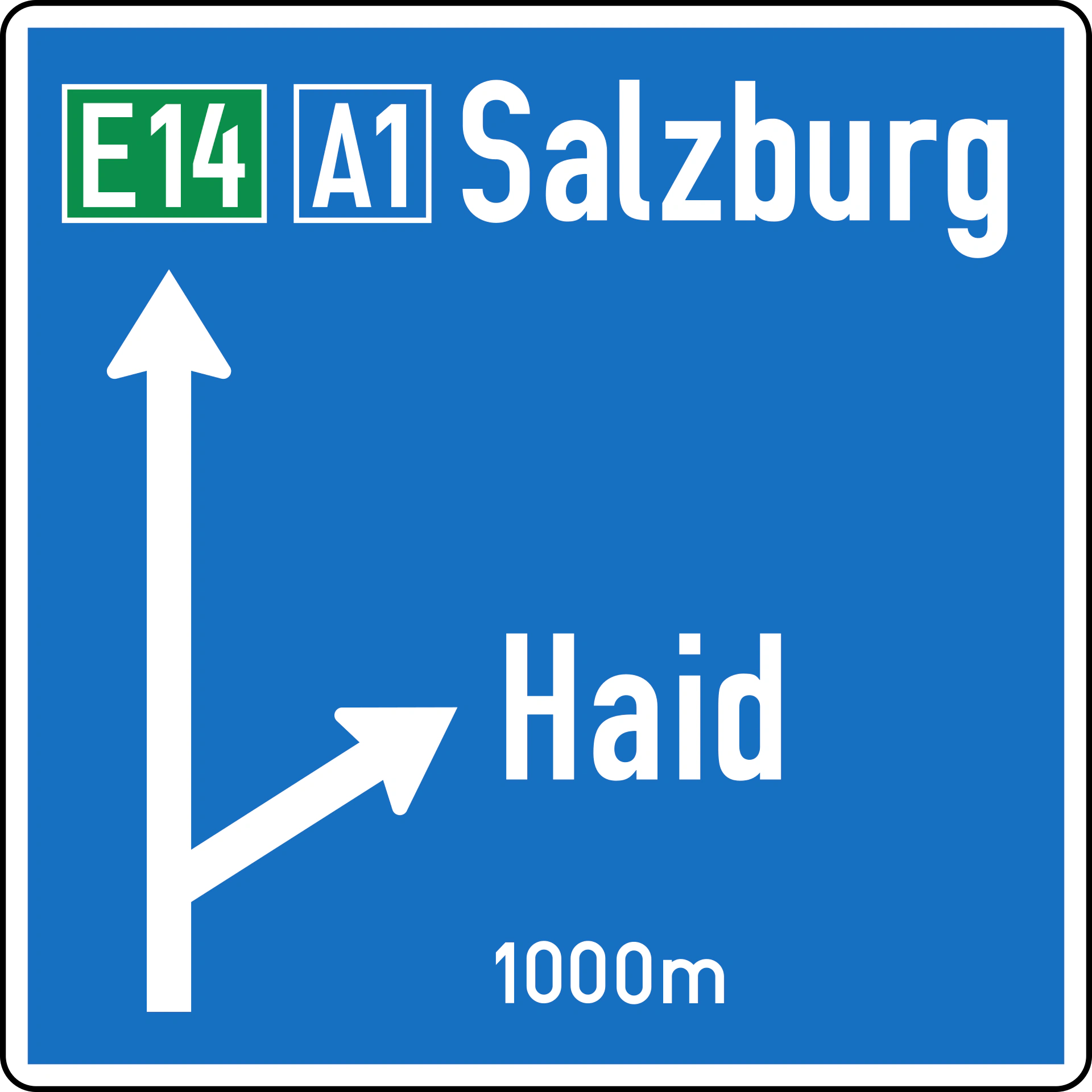
Know Your Austrian Motorway Exit Signs: The 15a-a Direction Sign
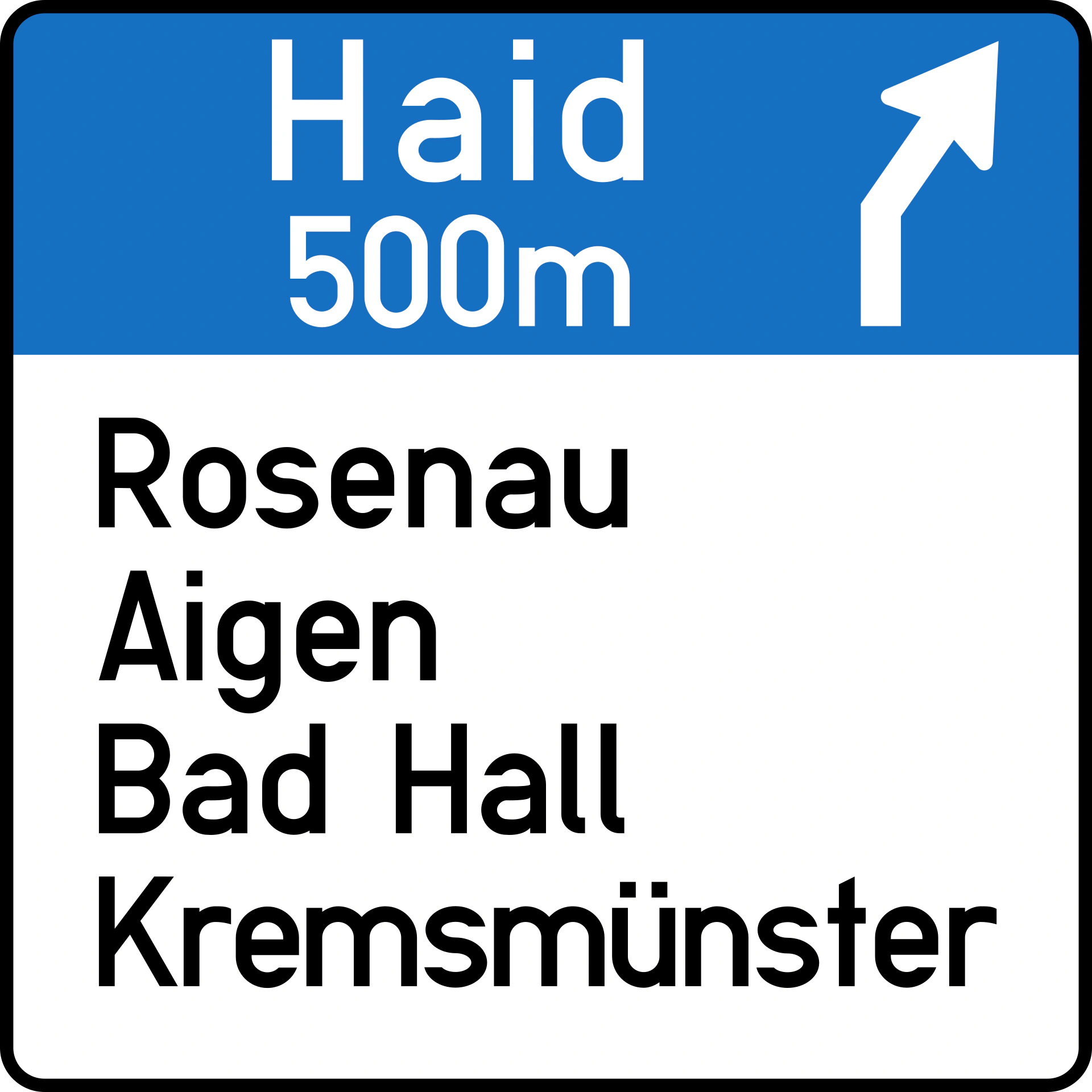
Upcoming Motorway or Motorroad Exit Direction Sign (15a-b)
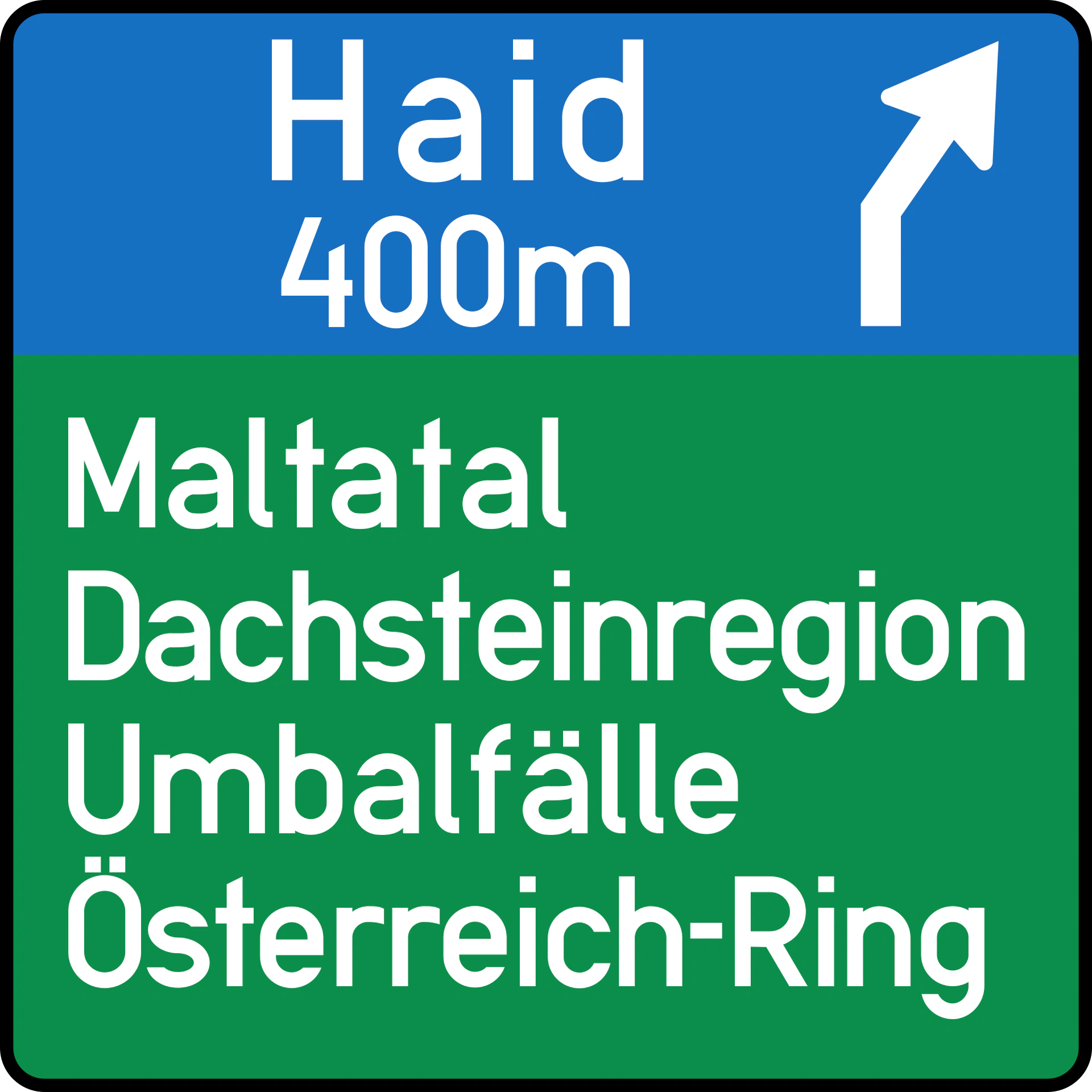
Understand Austrian Motorway and Motorroad Exit Direction Signs (15a-c) for Smart Route Planning
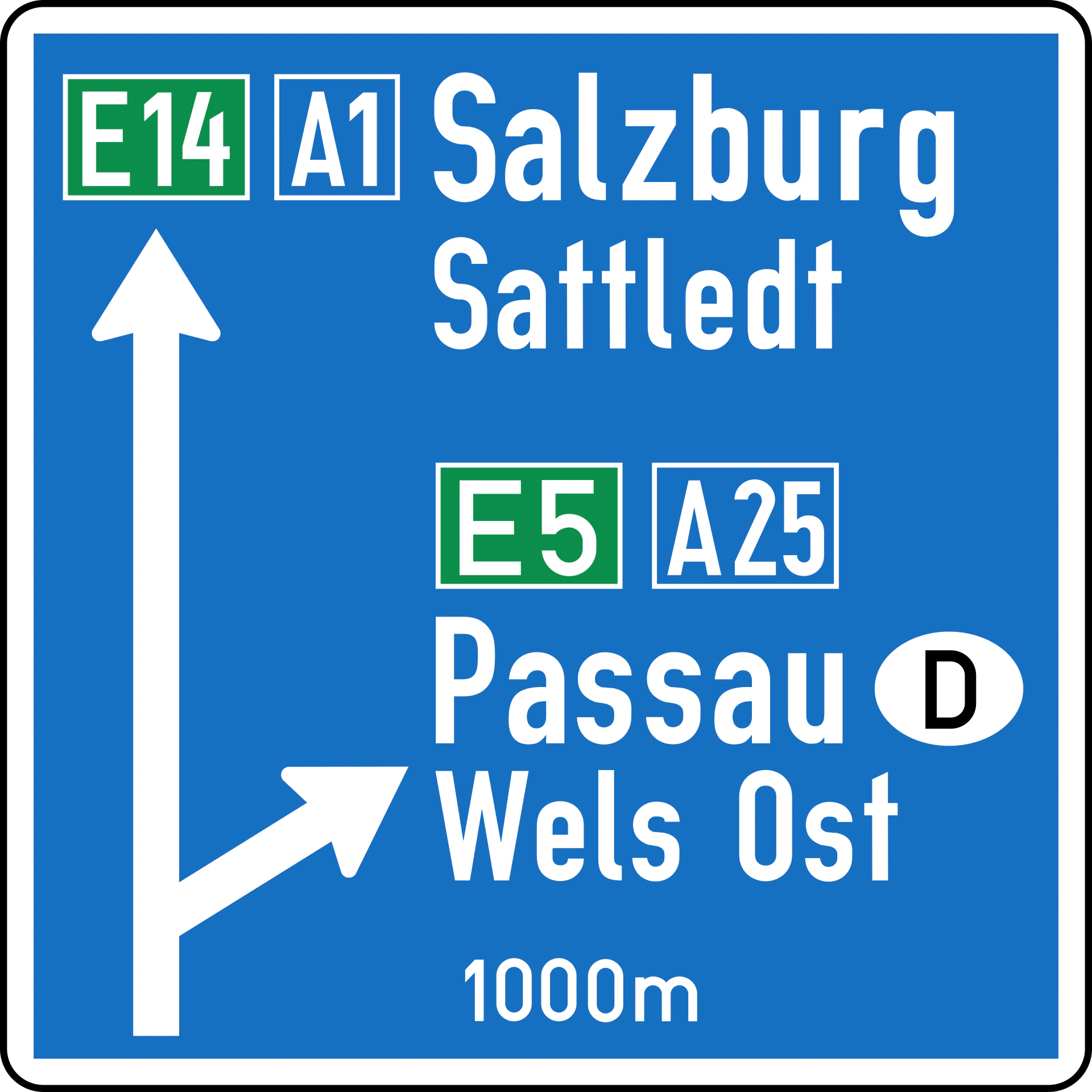
Understand Austrian Sign 15a-d: Your Guide to Upcoming Motorway or Motorroad Exits
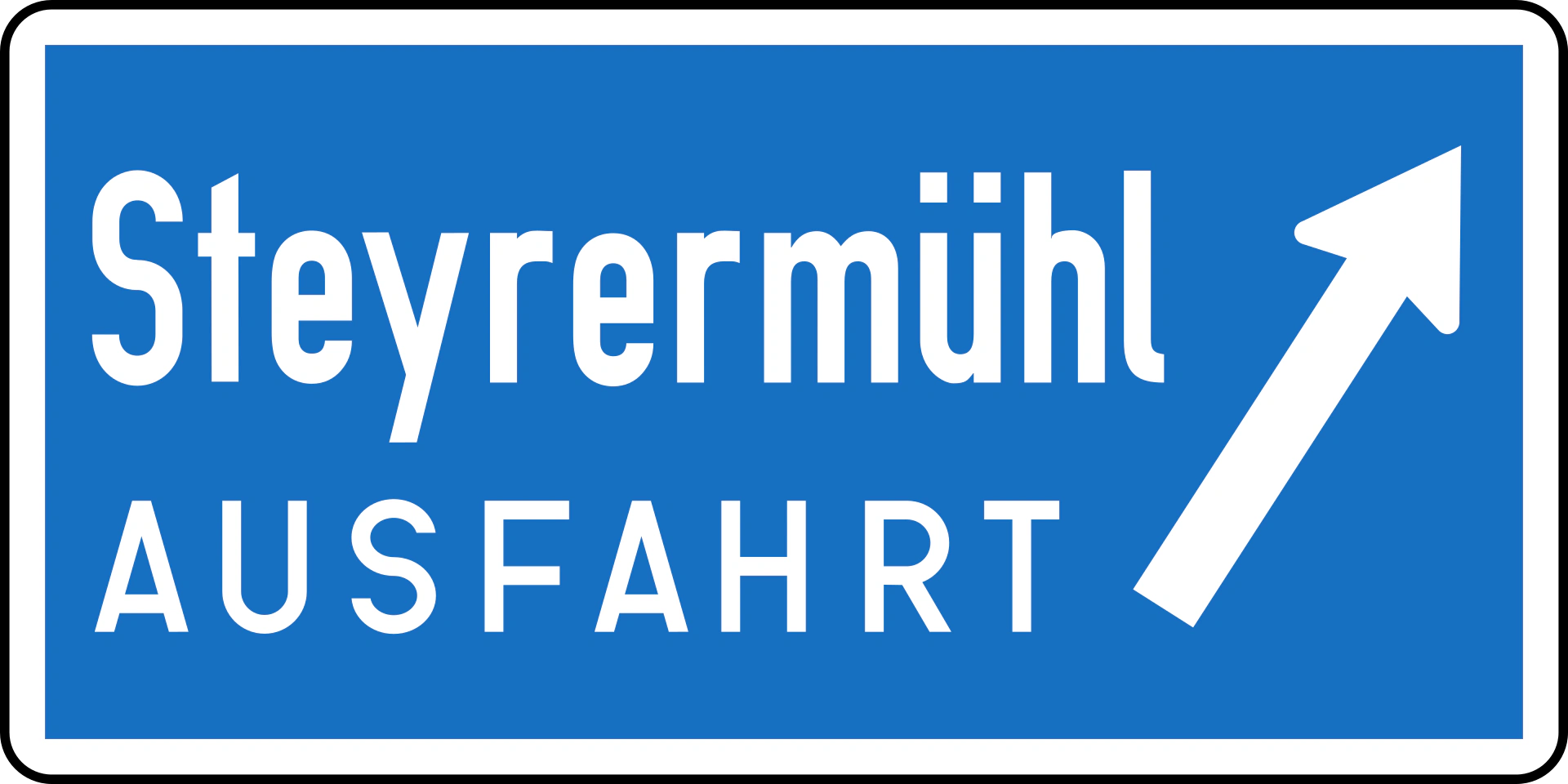
15b-a: Your Guide to Austrian Motorway/Motorroad Exit Signs
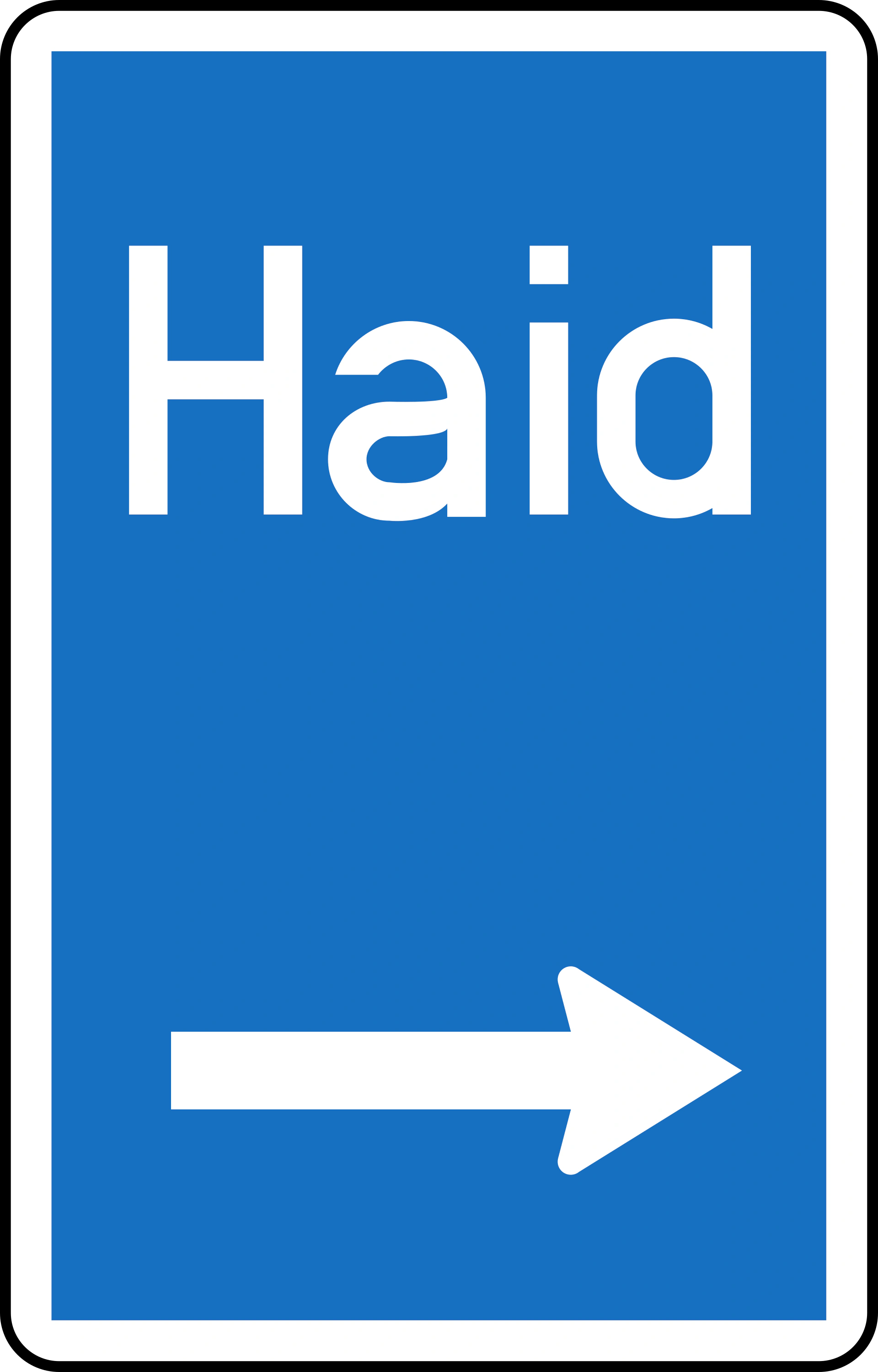
Know your Austrian motorway exit signs: 15b-b-portrait guides your way.
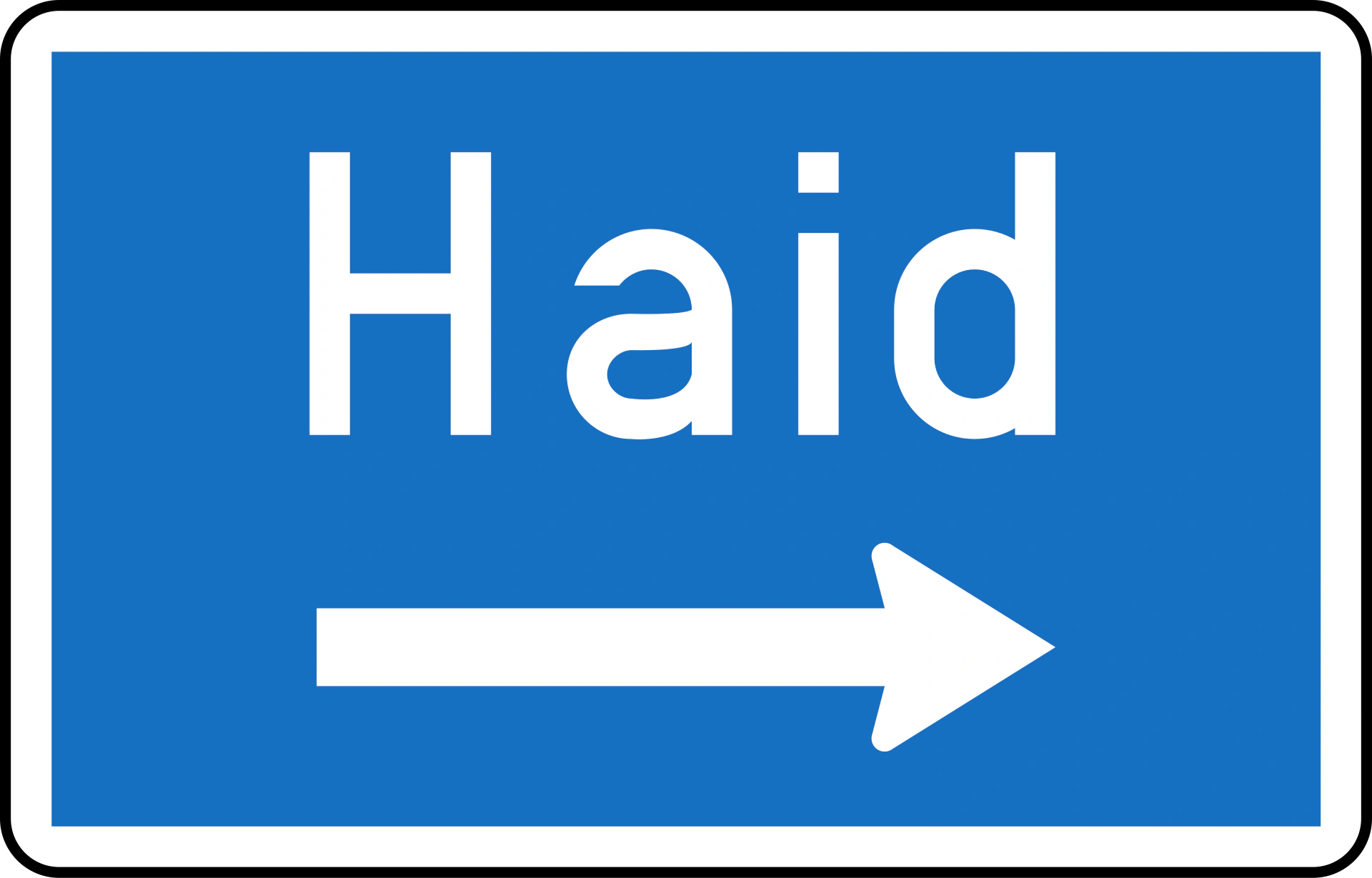
The 15b-b-landscape sign informs you about upcoming motorway or motorroad exits.
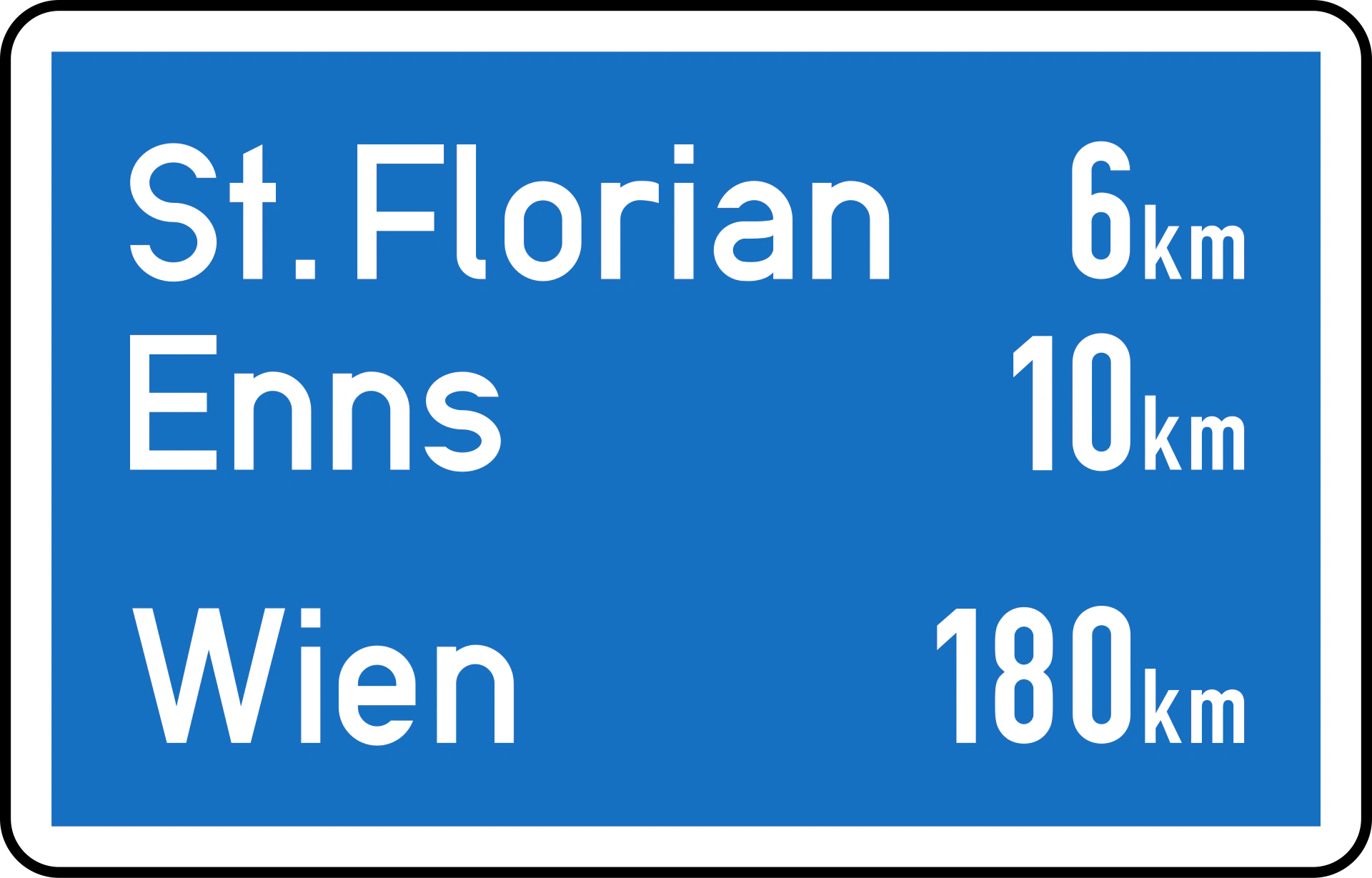
Identify Motorway and Motorroad Orientation Signs (15c) for Route Planning
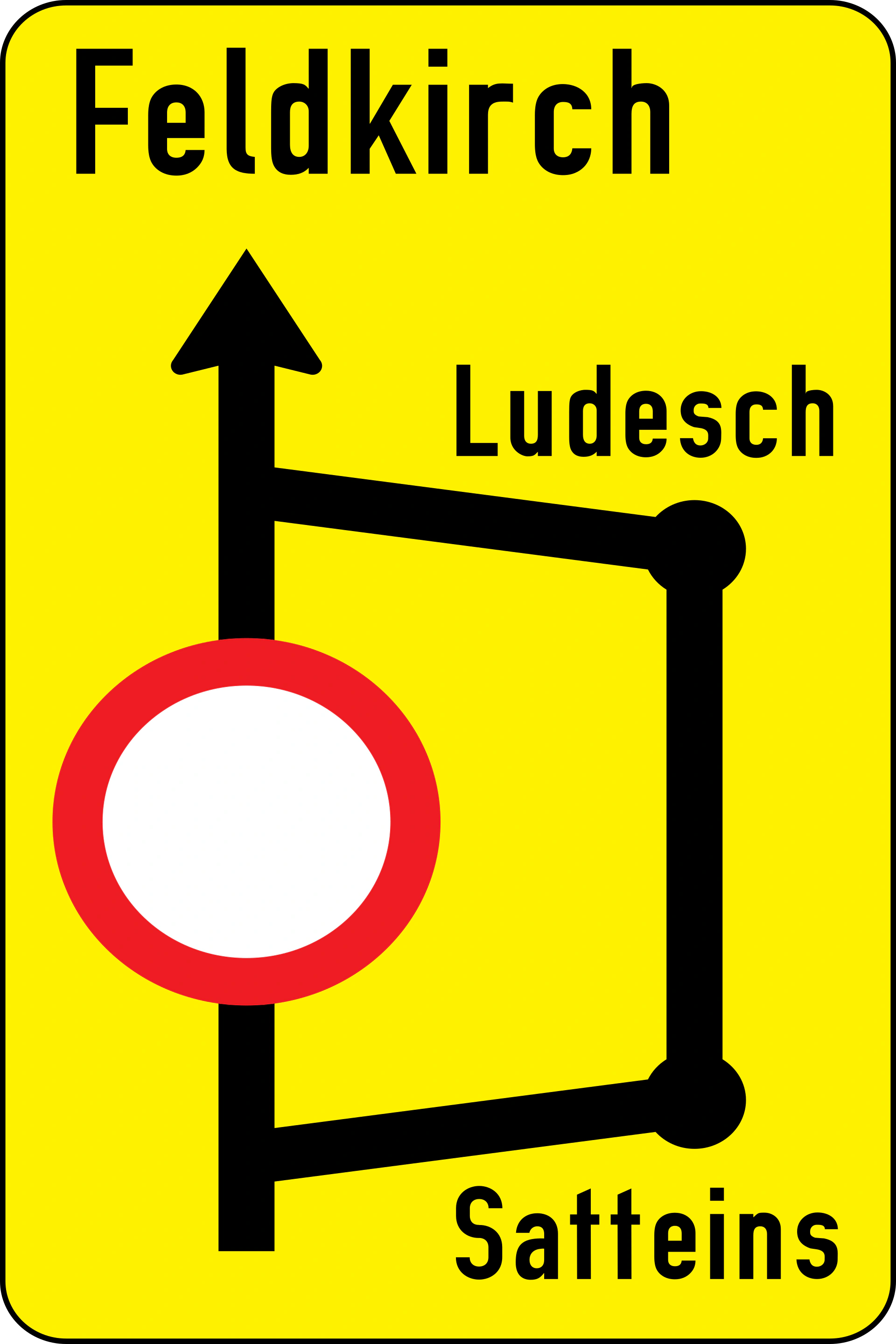
Understand the Austrian 16a Warning of Upcoming Diversion Road Sign
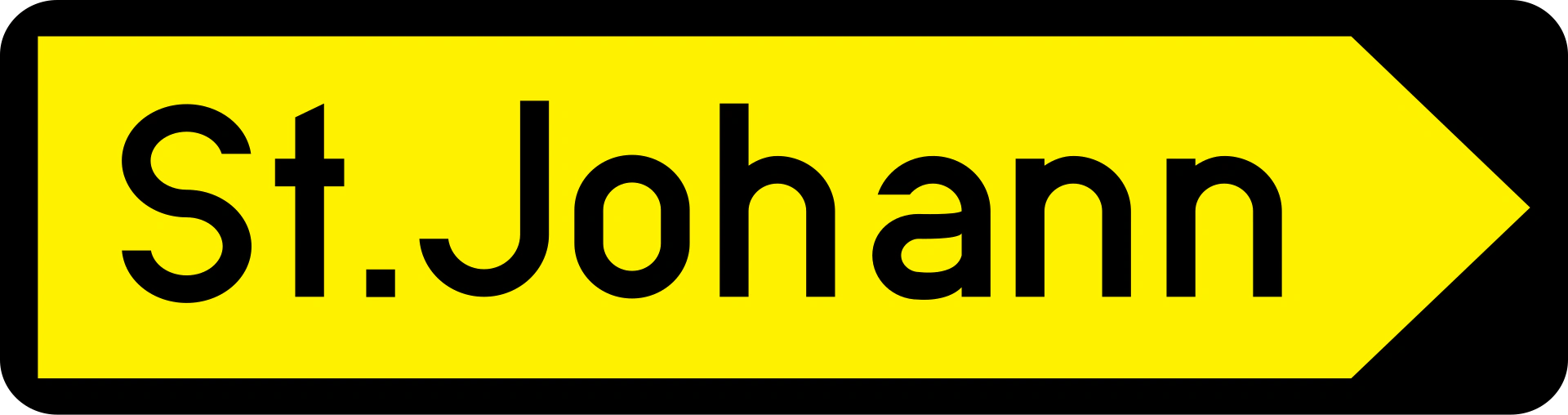
Sign 16b: Plan Your Route with the Diversion to a Town Information Sign
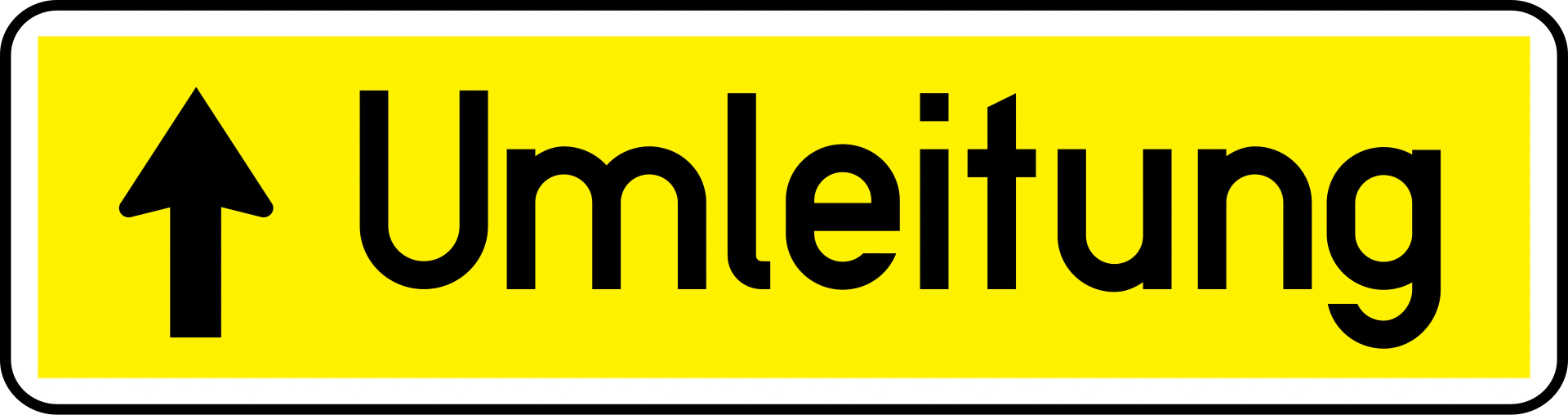
The 16b Diversion sign guides your route planning.
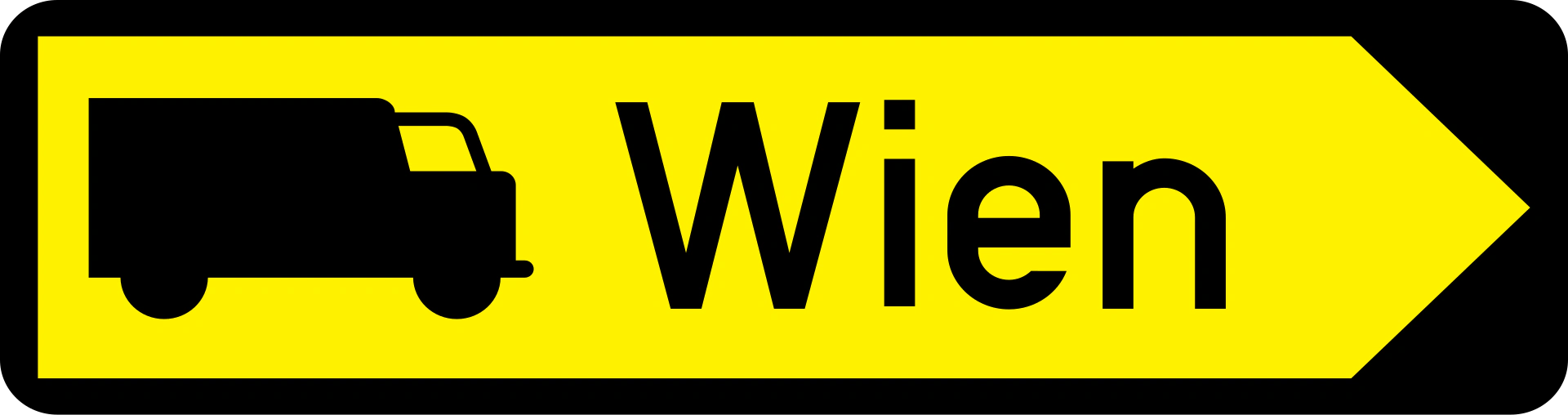
Understand the Austrian 'Diversion for Lorries' Informational Sign (16b)
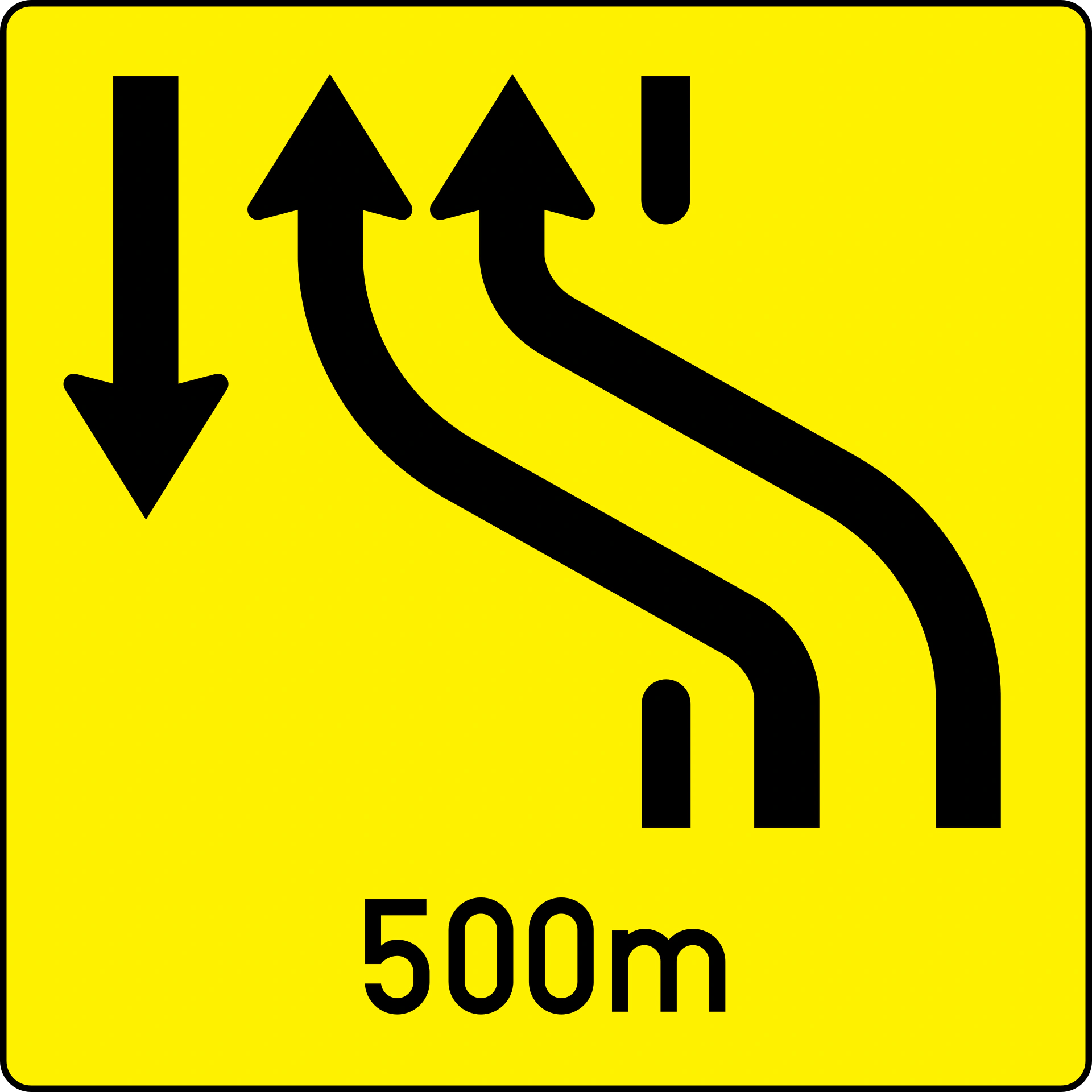
Know When Oncoming Lanes End: Understanding the 16c-a Informational Sign
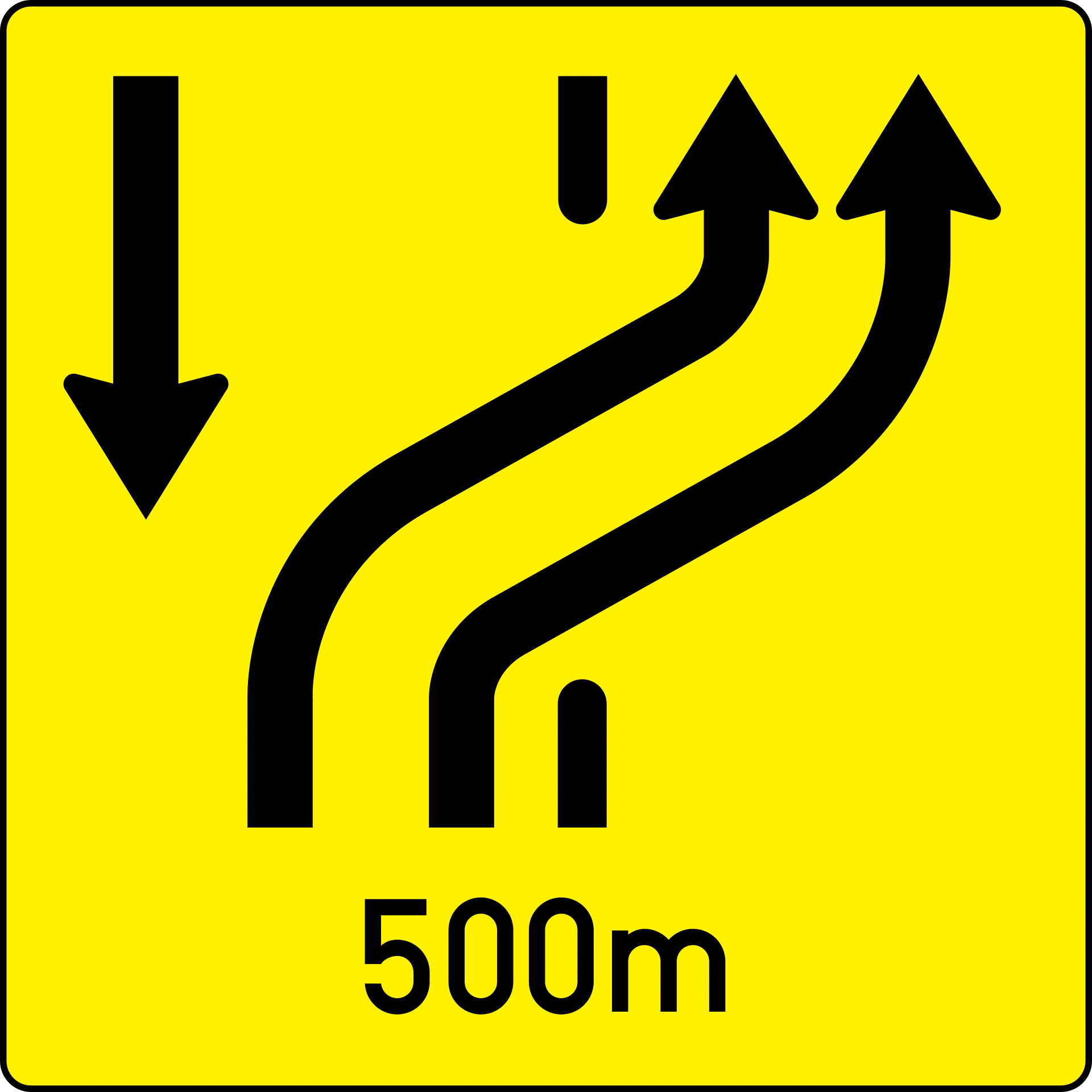
Plan Ahead with the 'Oncoming Lanes Will End' Informational Sign (16c-b)
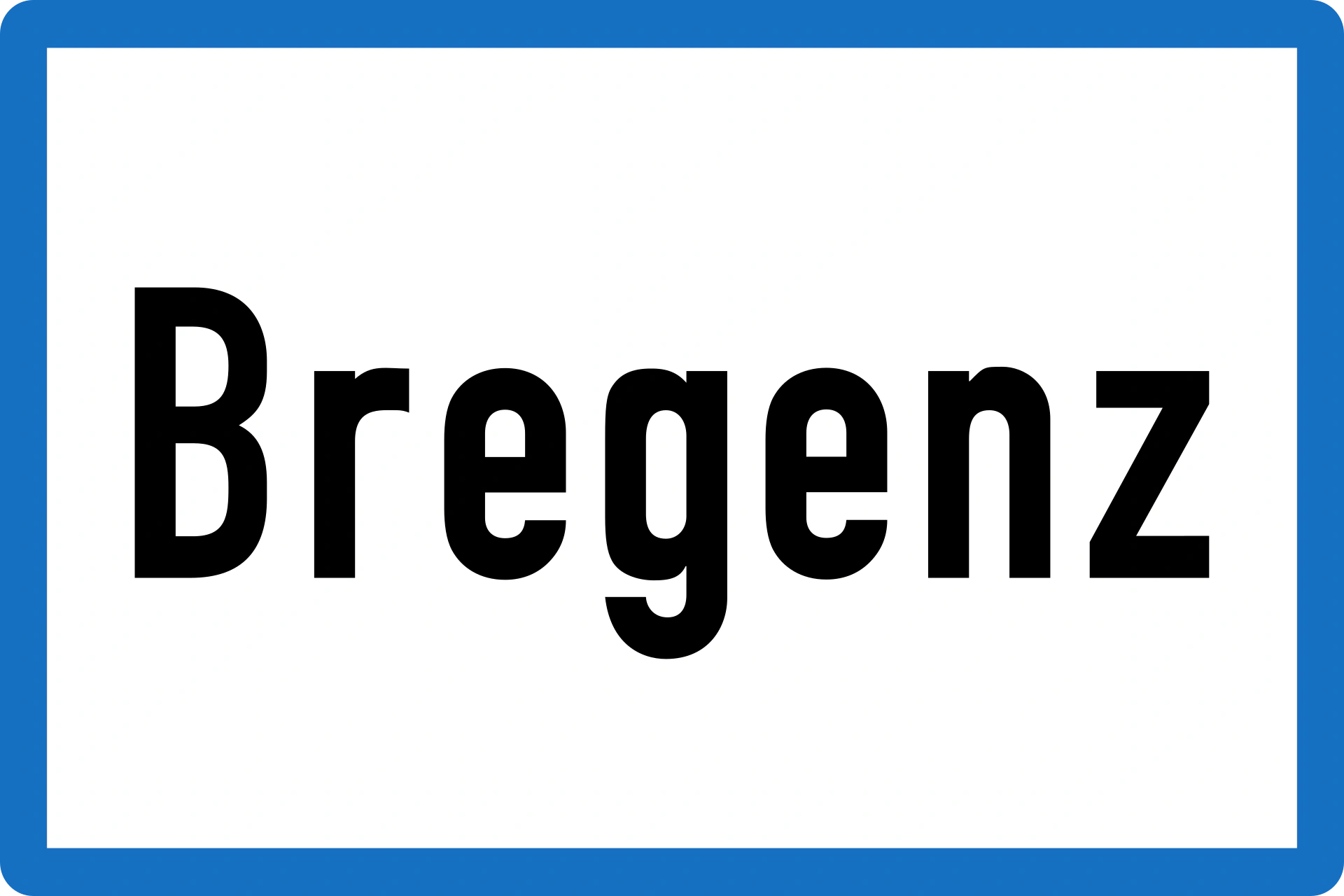
The 17a-town Town Sign: Your Guide to Route and Area Information
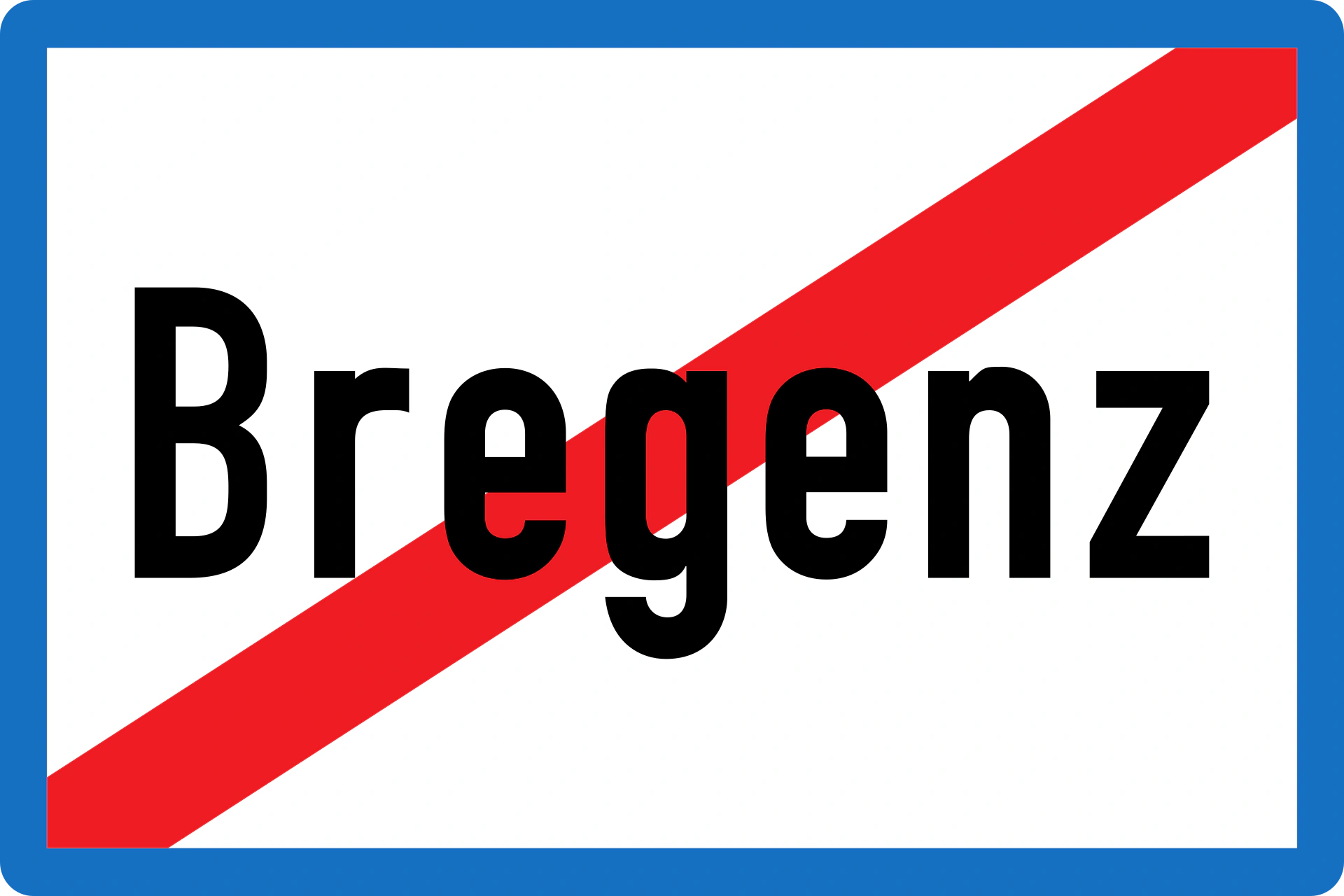
The 'Town Area Ends' sign marks the end of a designated urban zone.
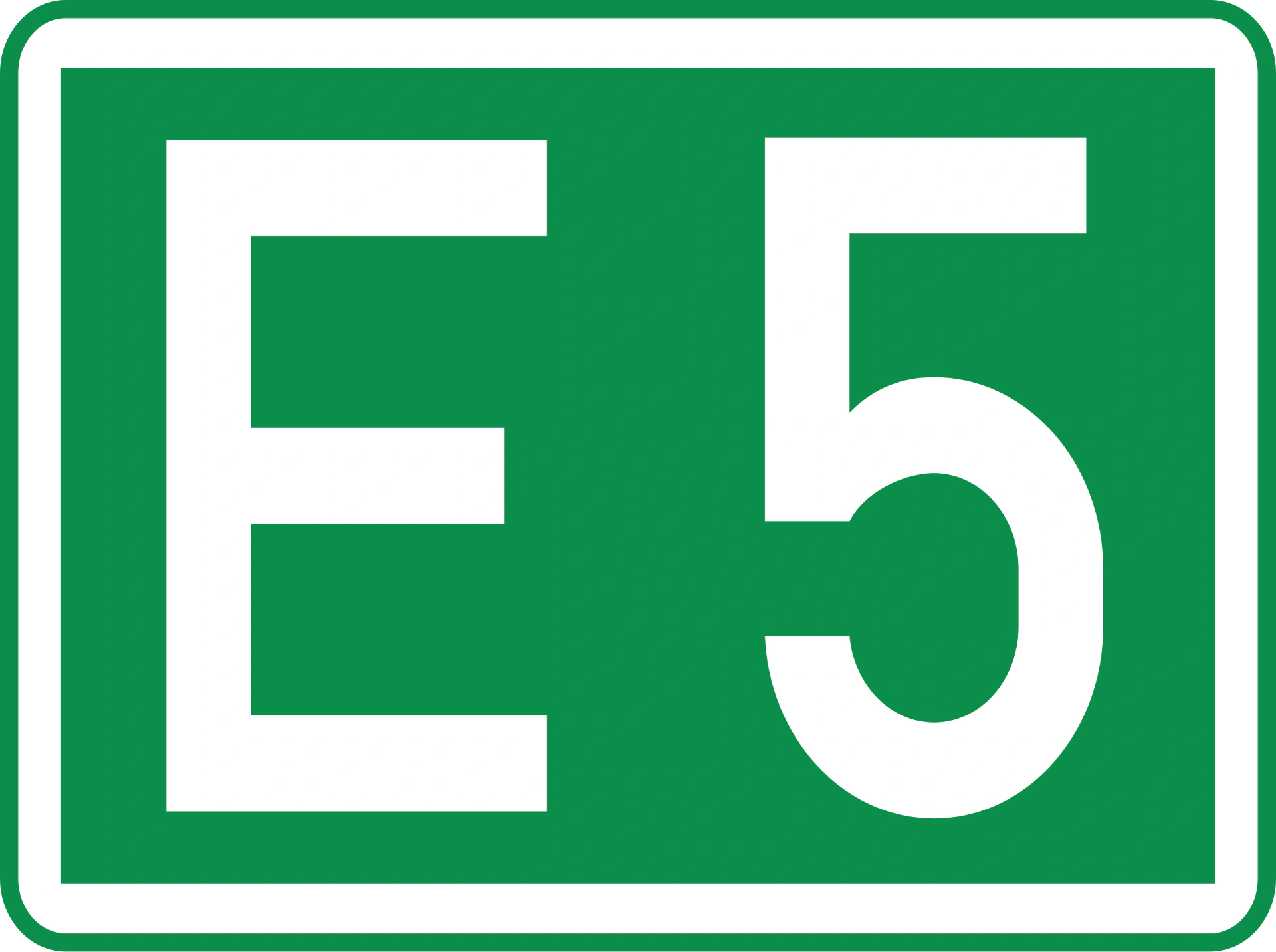
The 'International arterial' sign helps you plan your journey.

Understand the 'Street with the Right-of-Way' Informational Sign in Austria
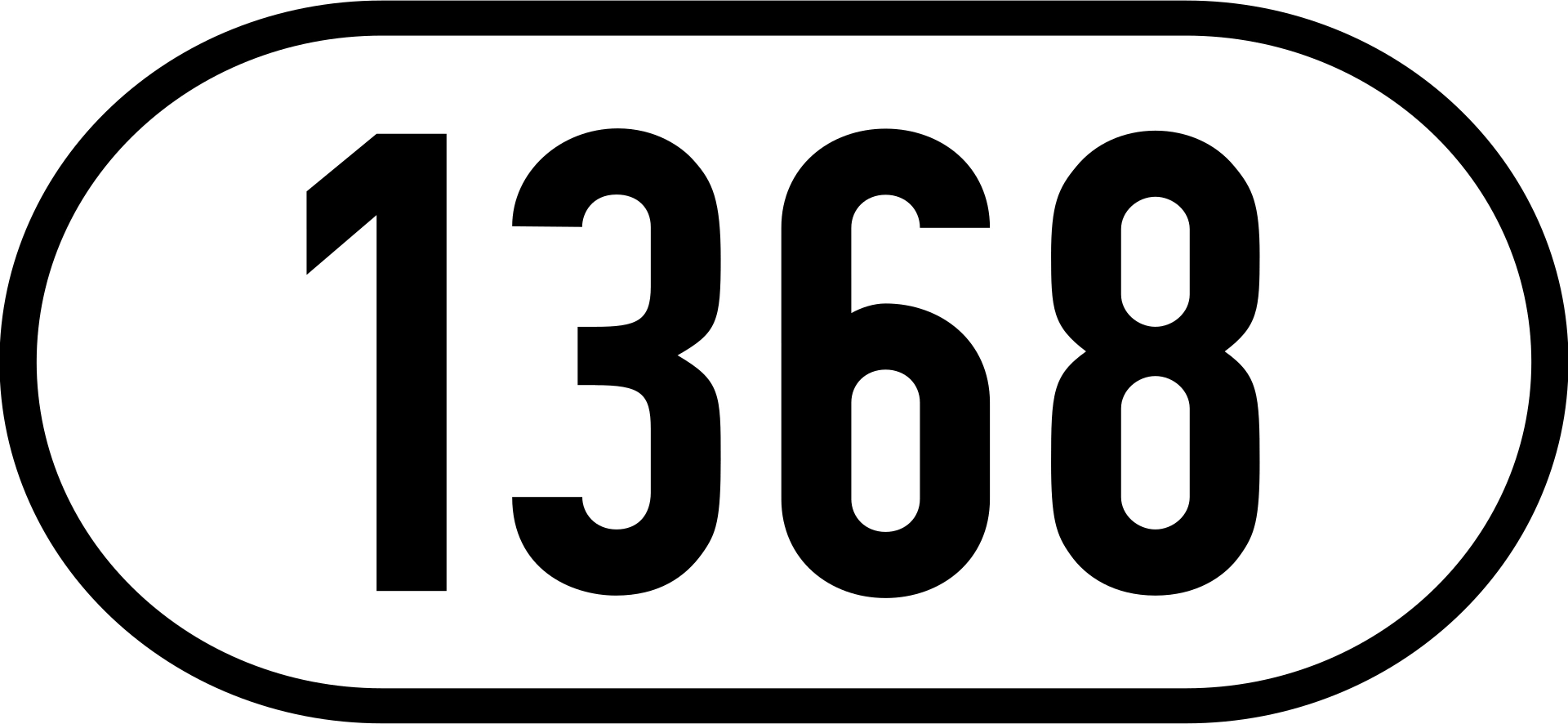
Understand the "Street without the right-of-way" sign in Austria
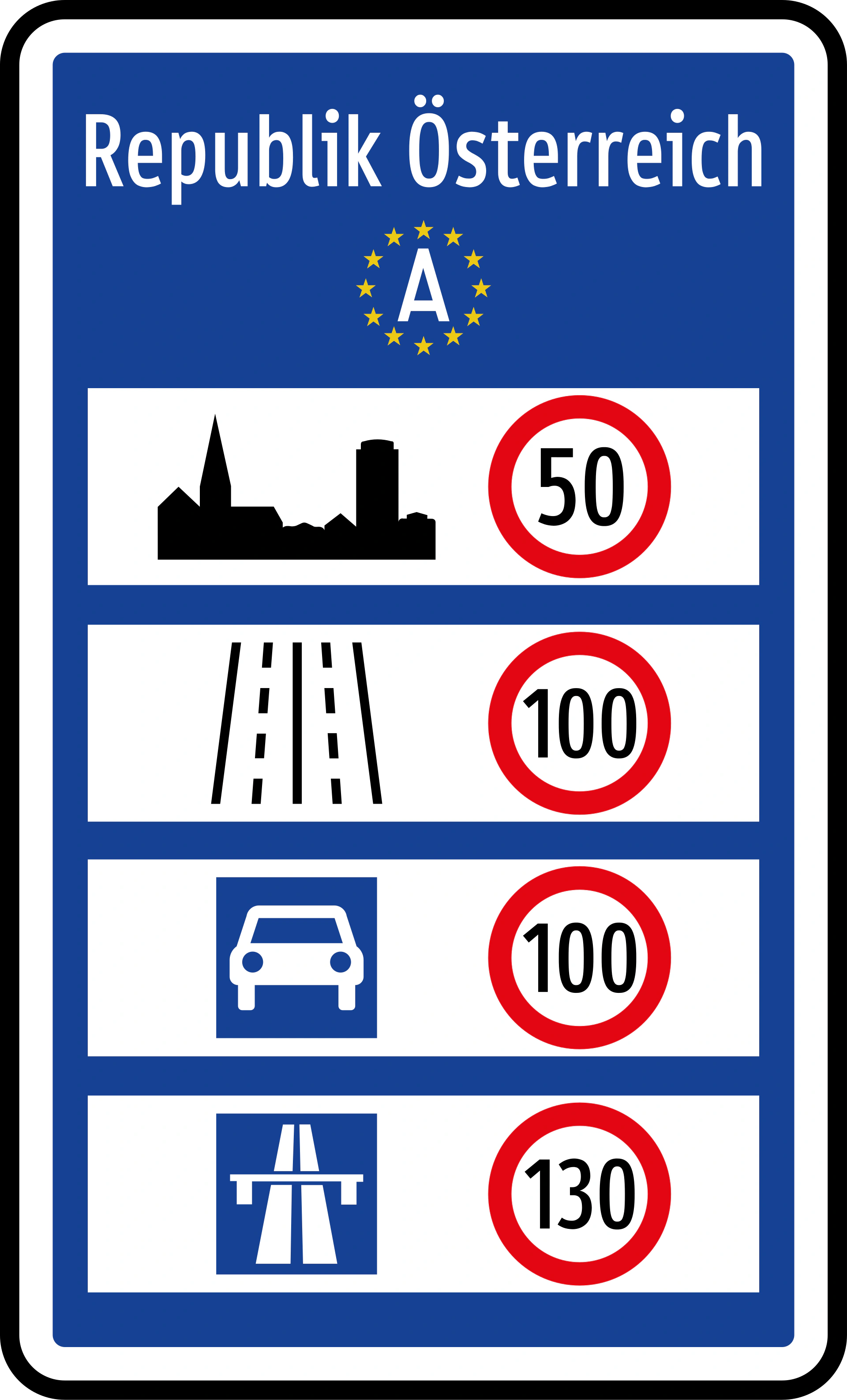
General Speed Limits in Austria Informational Sign Explained
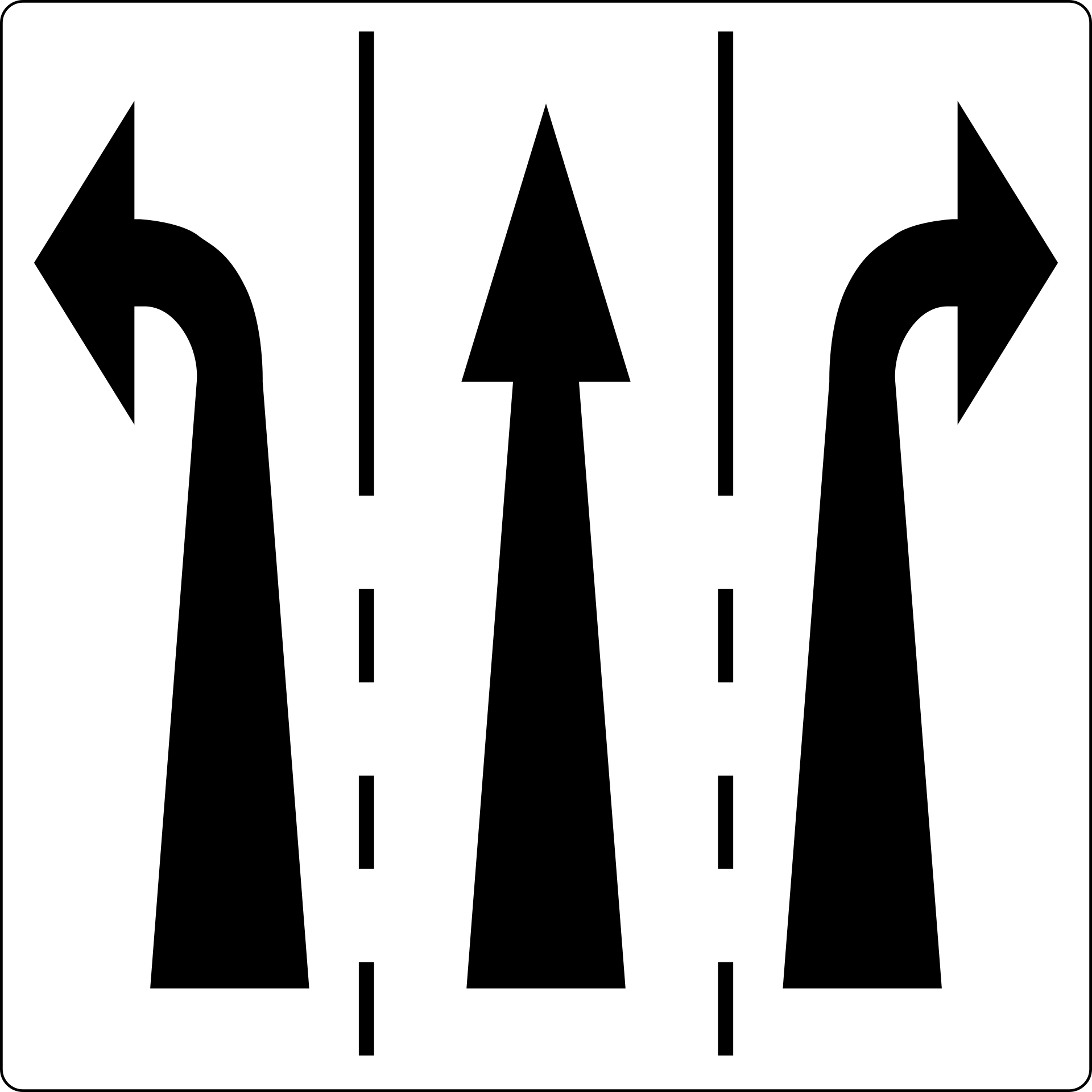
Know the Prescribed Direction Sign for Smarter Route Planning
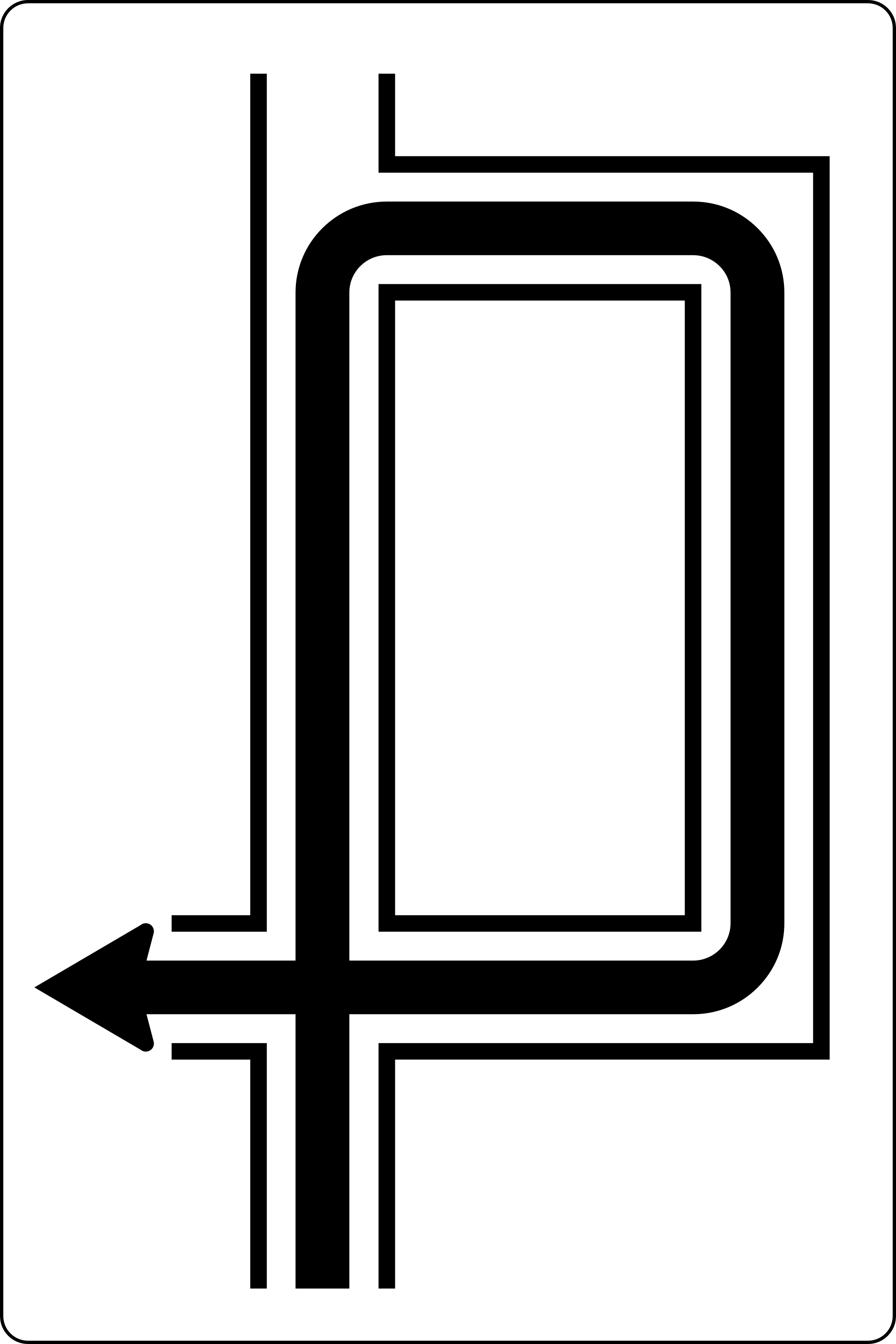
Understand the 'Prescribed Direction' Sign (23a) for Route Planning in Austria
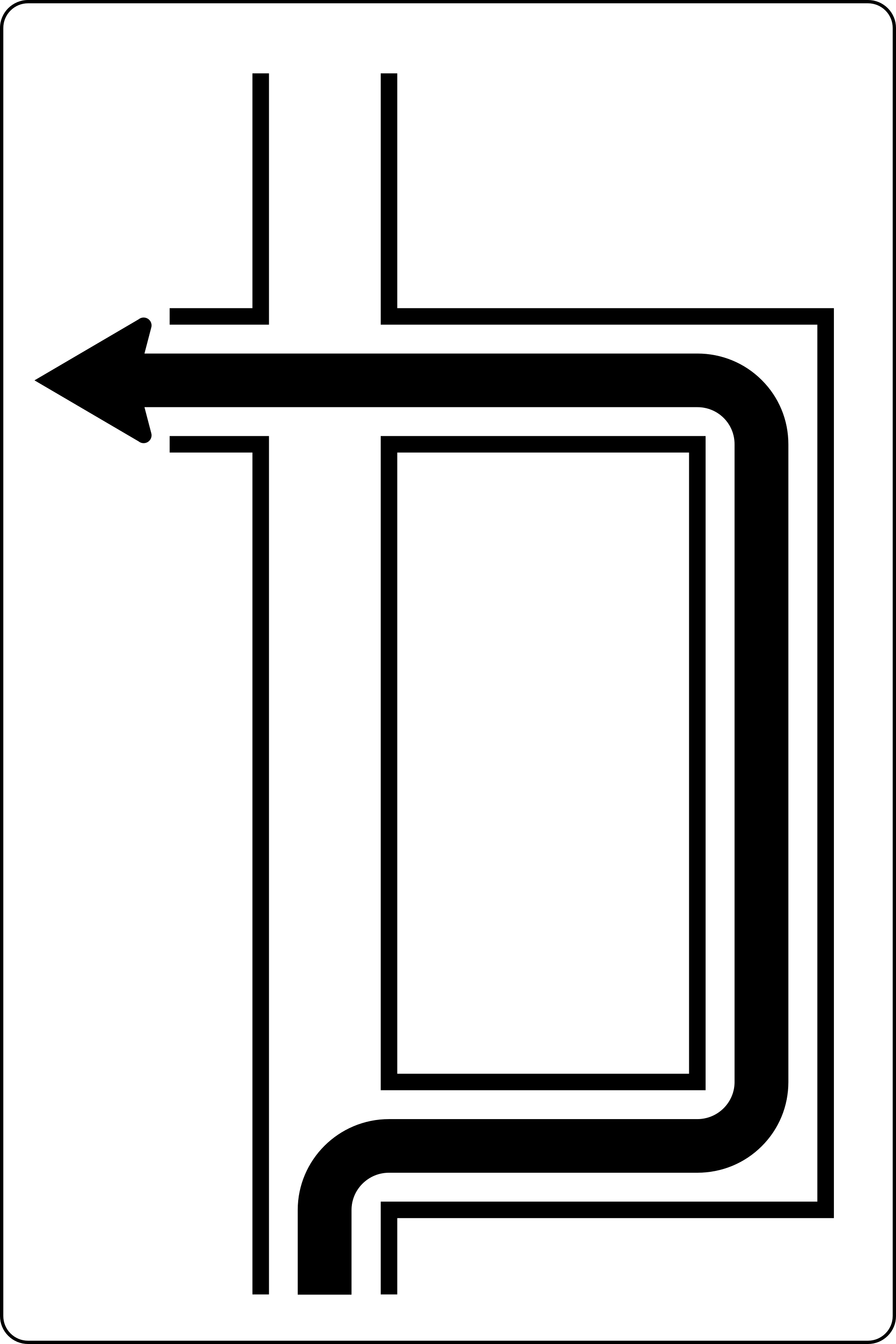
Sign 23a: Plan Your Route with the Prescribed Direction Informational Sign
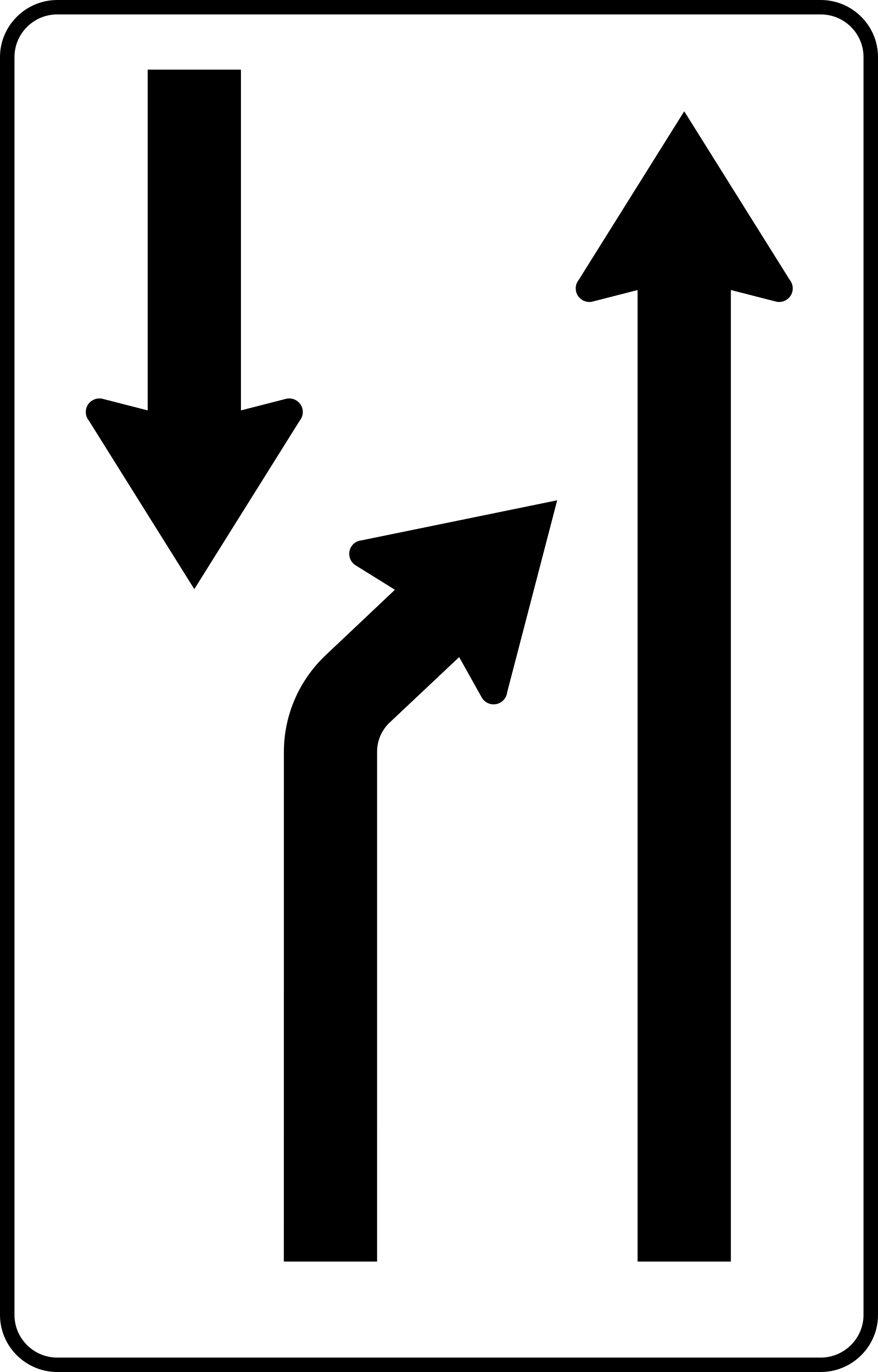
Understand the 'Two lanes merge into one' road sign (23b) for better route planning.
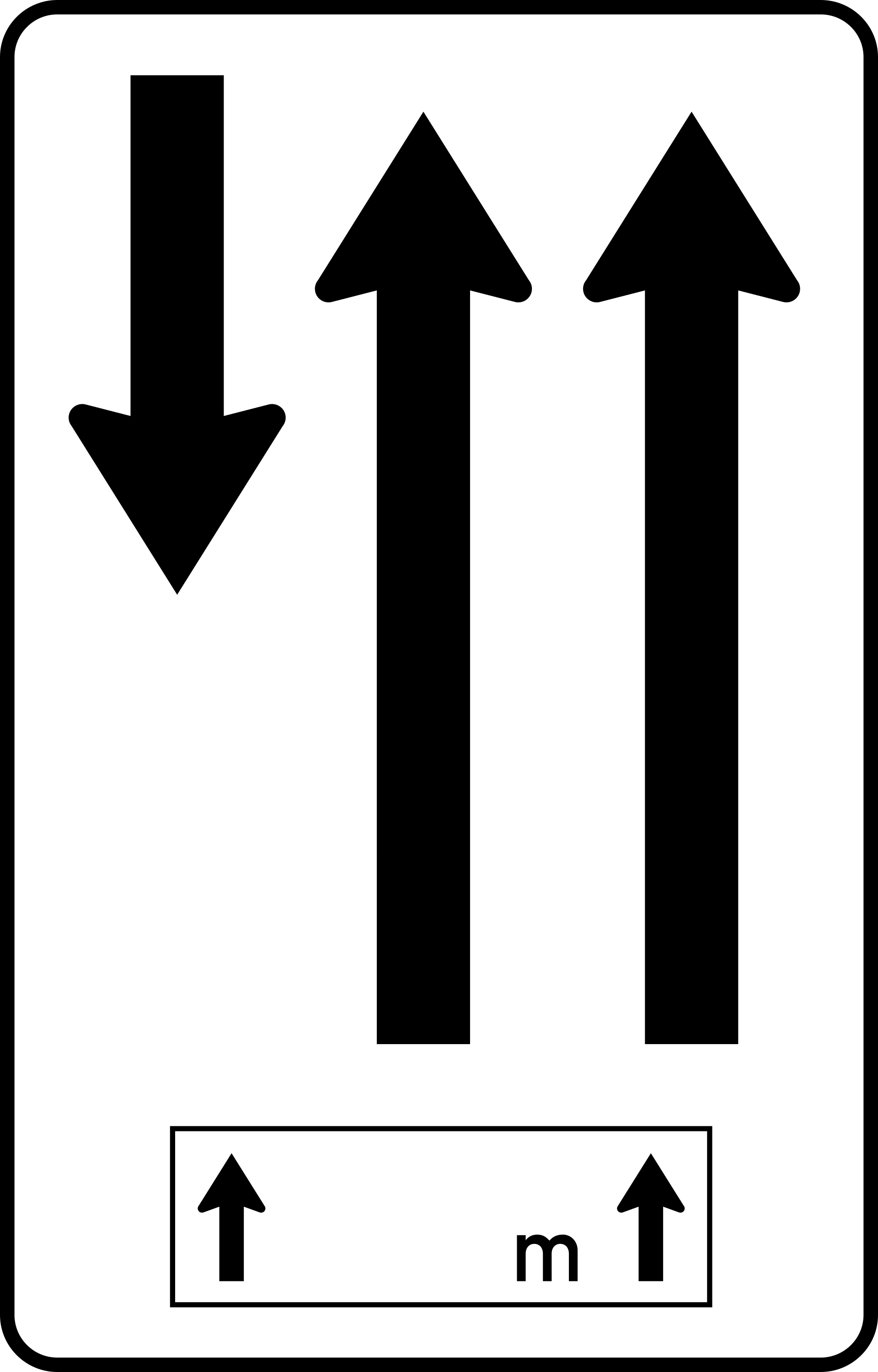
Sign 23b: Two Lanes Ahead in Your Driving Direction
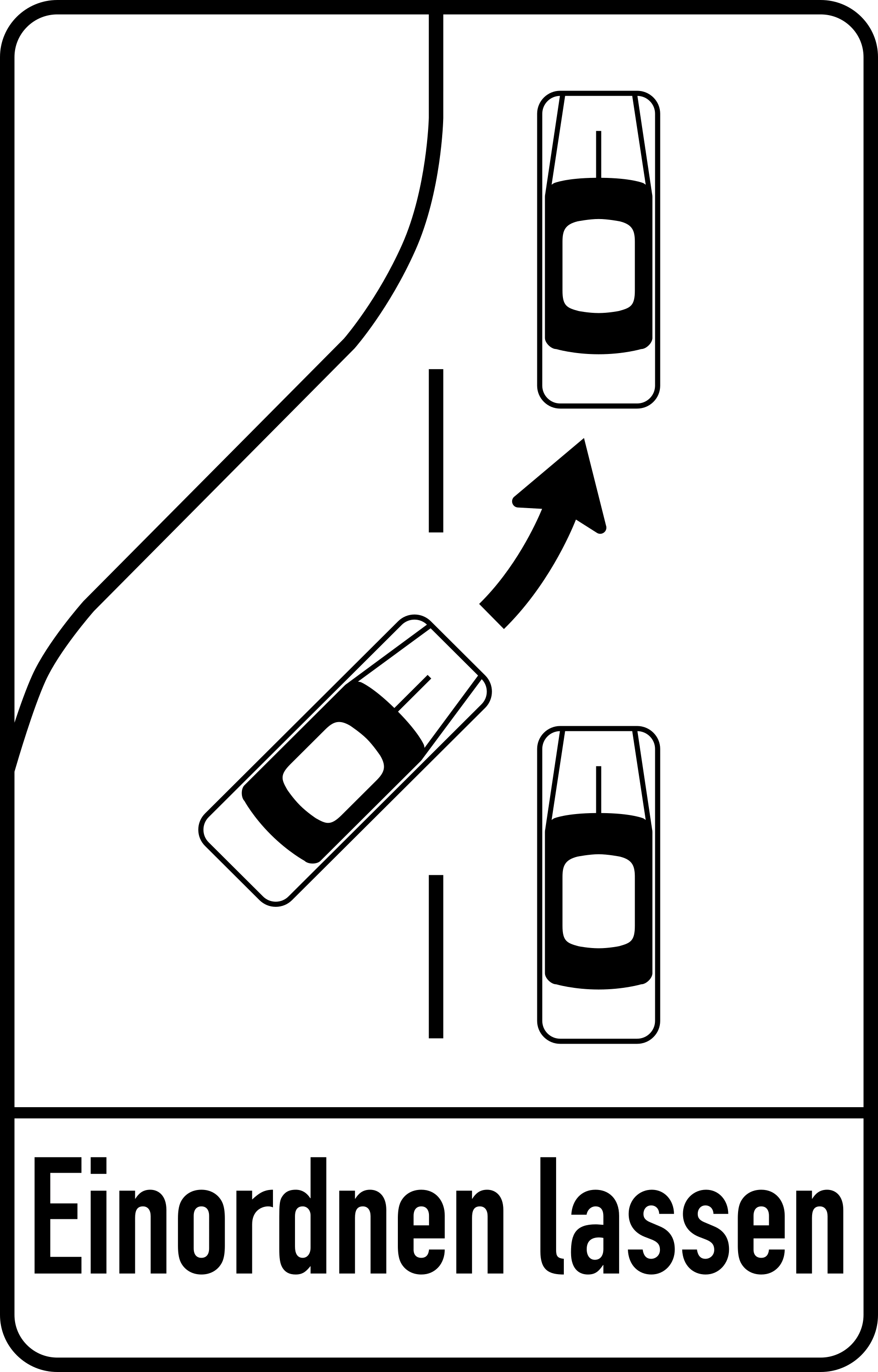
Prepare for Lane Merges with the 23c Informational Sign
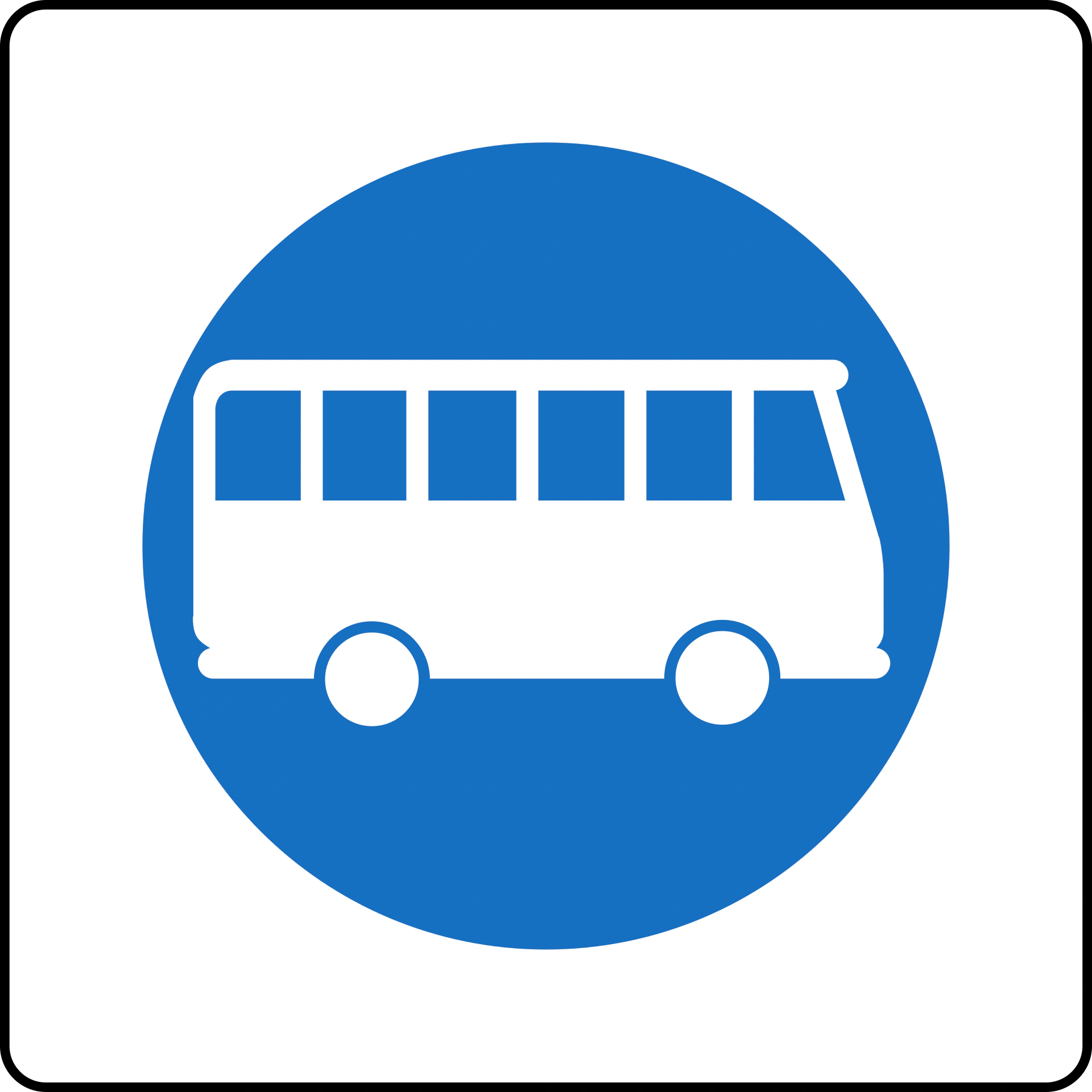
The 'Road Reserved for Buses' Sign (24-reserved-buses) Helps You Plan Your Route.
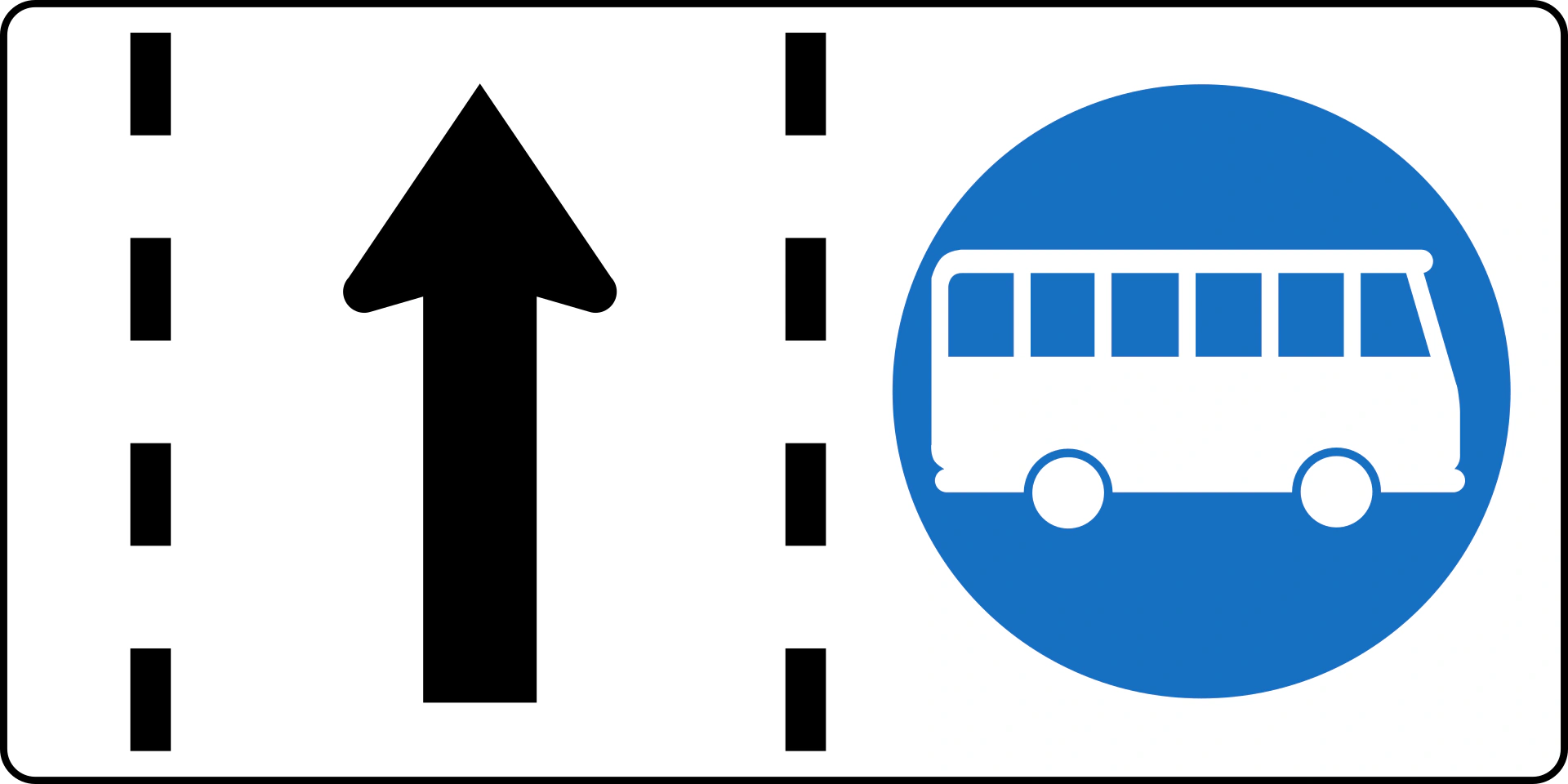
Understand the 'Lane Reserved for City Buses' Informational Sign (25)
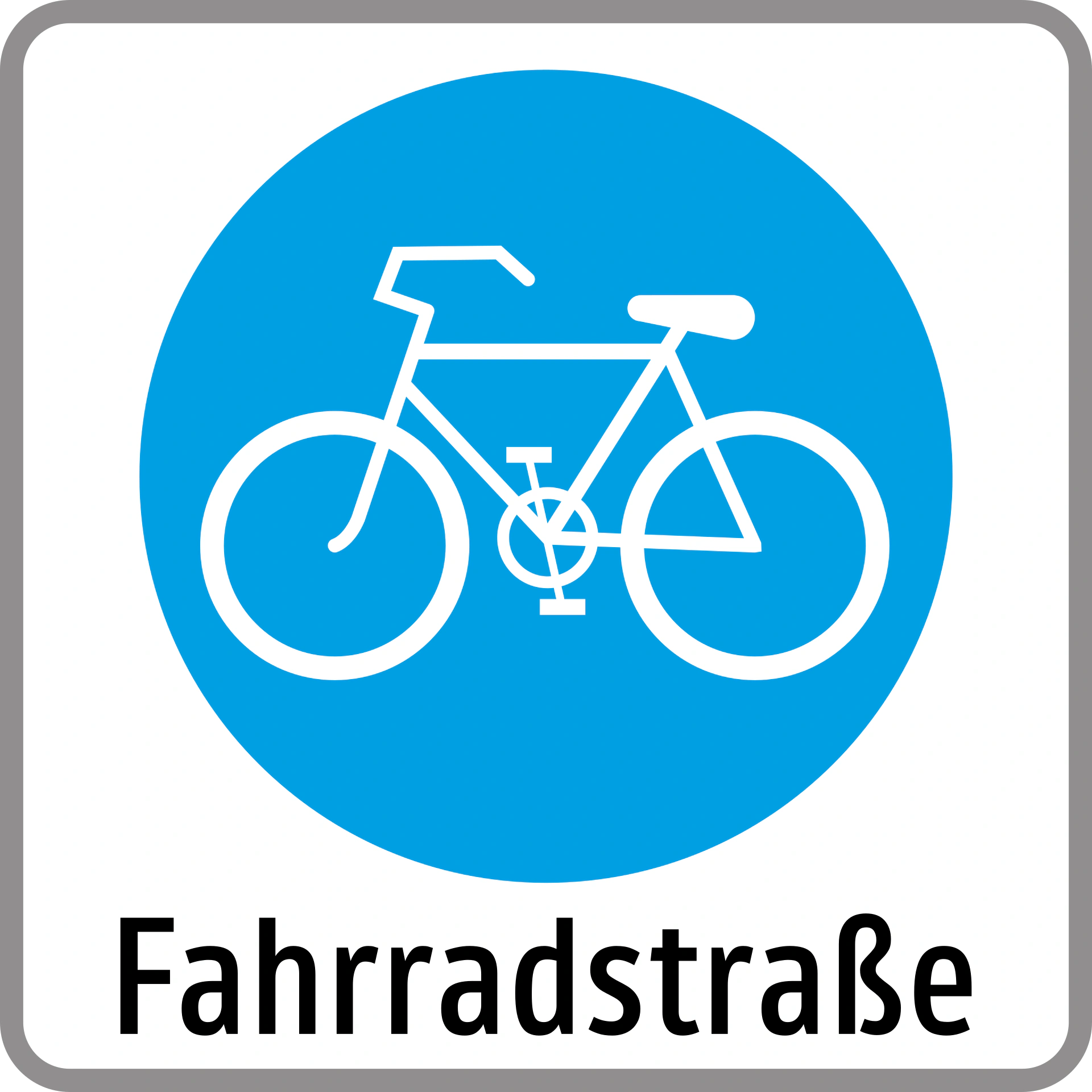
Sign 26: Road Reserved for Bicycles – Informational Sign for Route Planning
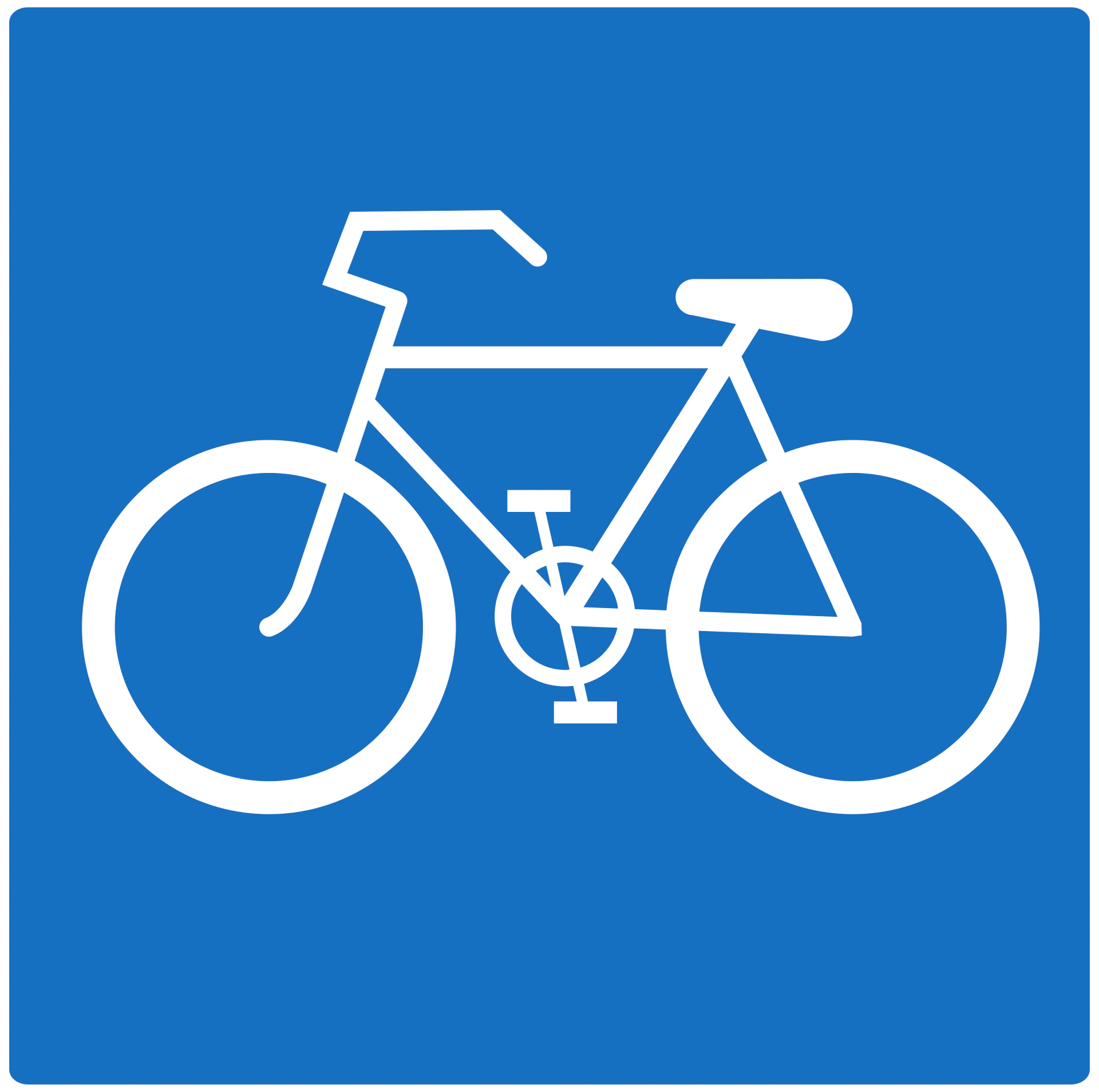
Sign 27: Bicycle Path - Information for Route Planning
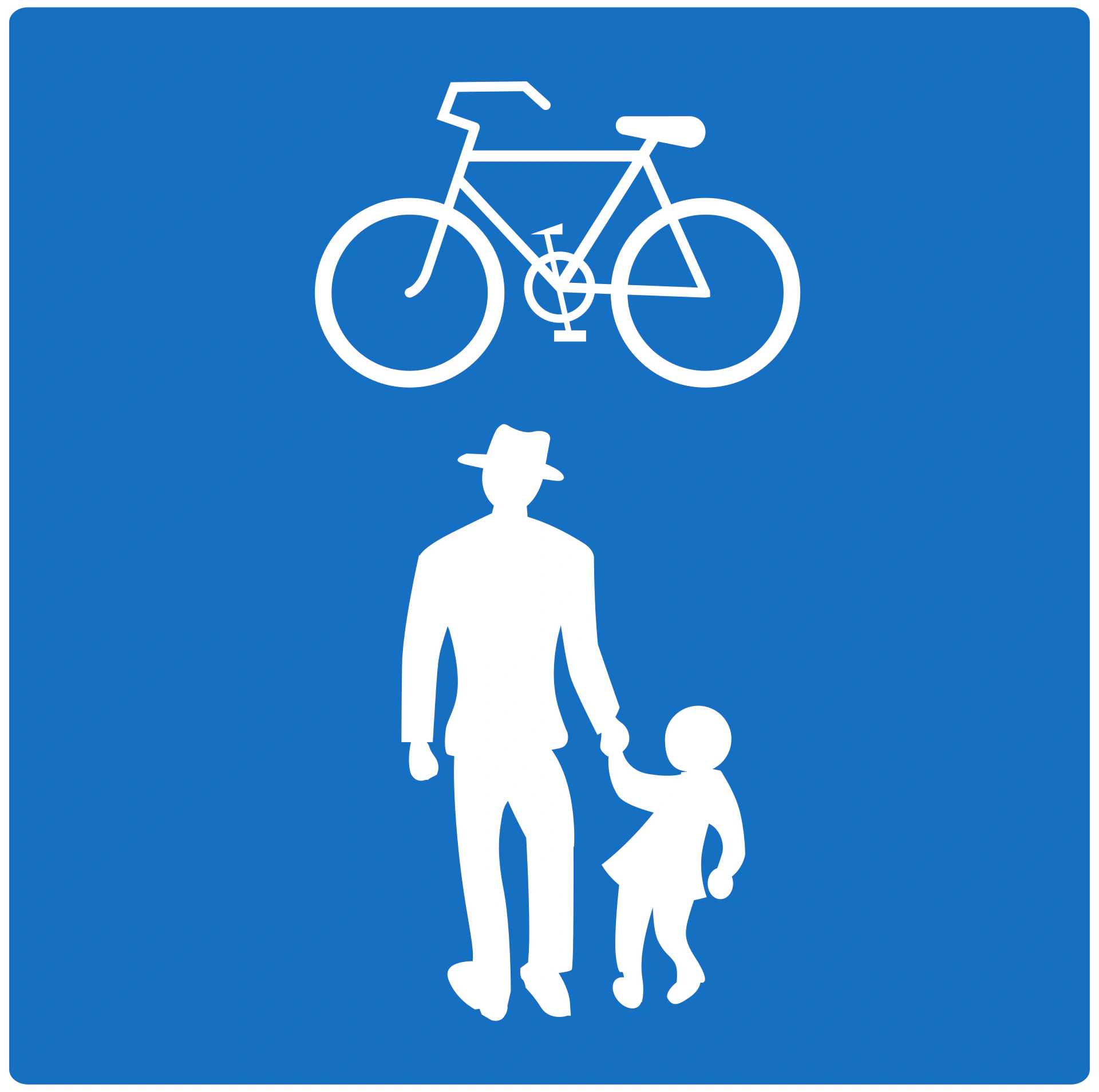
Sign 28a indicates a shared path for pedestrians and cyclists.
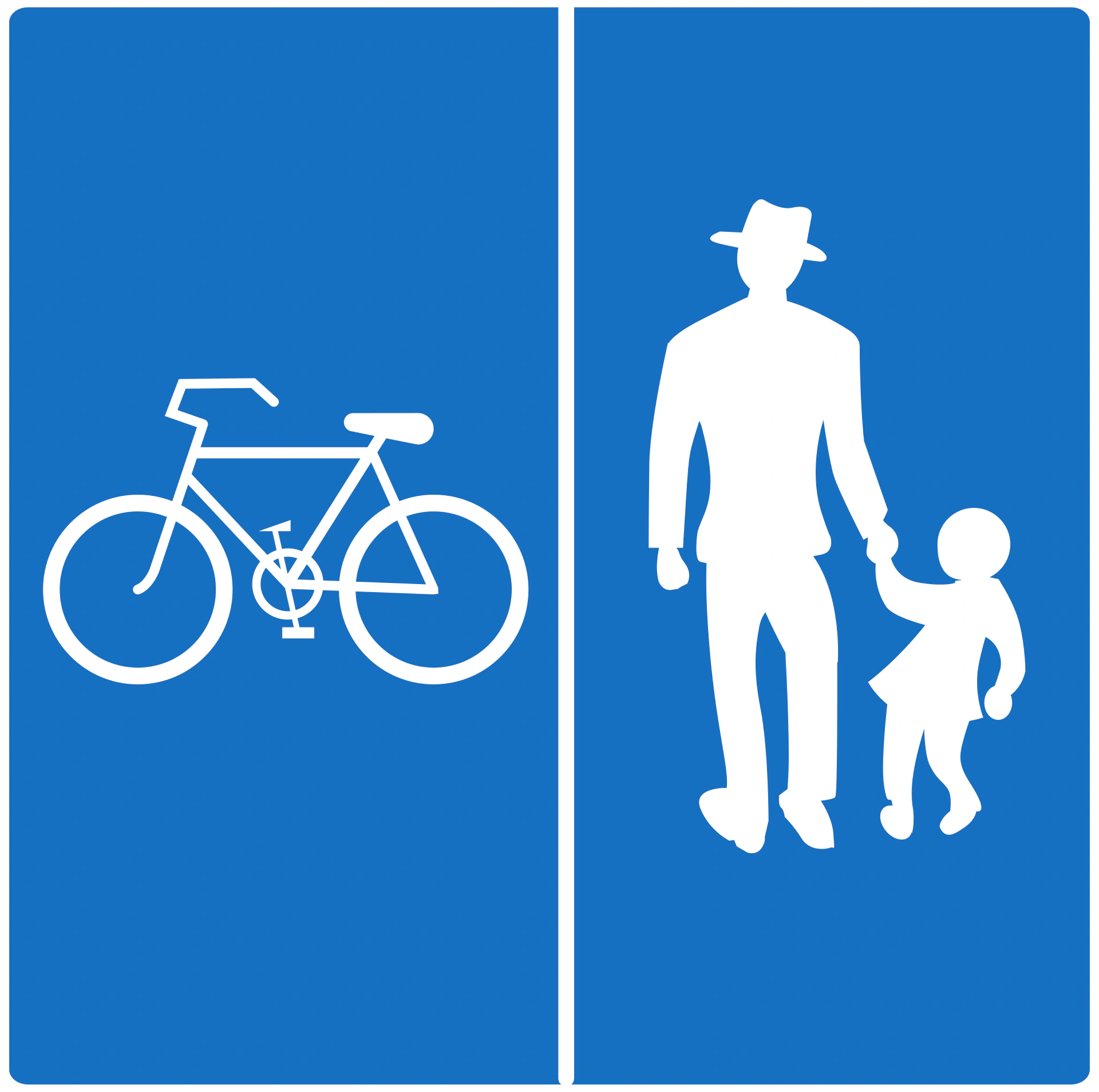
Understand the Separated Pedestrian and Bicycle Path Sign (28b)
Clear answers to common questions about the Austrian Informational Signs road sign category. Use this FAQ to review tricky rules, understand how these signs appear in exam scenarios, and remove confusion that often leads to mistakes in the Austrian driving theory exam in Austria.
Regulatory signs, like speed limits or prohibitions, impose mandatory rules that drivers must follow. Informational signs, on the other hand, primarily provide guidance, directions, or identify facilities and road types without imposing specific legal obligations beyond what's generally expected for safe driving. While you must obey regulatory signs, informational signs help you navigate and make informed decisions.
You must always be vigilant for pedestrian (2a) and cyclist crossing (2b) signs, especially in urban areas, near schools, or on cycle paths. At these signs, you should be prepared to slow down or stop if pedestrians or cyclists are present or about to use the crossing. Shared crossings (2c, 2c-cyclist-pedestrian-crossing) require extra caution as both groups may be present.
Directional signs leading to motorways (e.g., 8a, 14a, 14b) and motorroads (8c, 14a, 14b) are critical for navigation. These signs will indicate the upcoming junction and the direction (left, right, diagonal) to access them. Exit signs (15a, 15b) inform you of an upcoming exit from a motorway or motorroad. Pay close attention to these signs to choose the correct lane and prepare for your exit or route.
The 'No Through Road' sign (11) indicates that the road ahead is a dead end and does not connect to another main route. While it's an informational sign, it means you will have to turn around to exit. Drivers should be aware of this before committing to the road, especially if they are unfamiliar with the area.
Yes, town limit signs (17a) are very important. When you see a town sign, it usually signifies the beginning of a built-up area. This typically means that default speed limits (often 50 km/h unless otherwise indicated by a regulatory sign) will apply, and general traffic rules for built-up areas become active. The 'Town area ends' sign (17b) indicates the end of these restrictions.
After reviewing road sign categories, deepen your understanding by taking a practice test focused on Austrian road signs. Challenge yourself with exam-like questions to pinpoint areas for further study and fully prepare for your official driving theory exam.
Explore Road Sign Categories