
Prepare for your Austrian driving theory test by mastering vehicle technology, essential maintenance, and the mandatory §57a Pickerl inspection. We cover everything from dashboard warning lights to the strict regulations on vehicle modifications and documentation, ensuring you're a safe and informed driver in Austria.
Master the technical requirements for the §57a Pickerl inspection and understand the strict Austrian regulations governing legal vehicle modifications. This category prepares you for theory test questions regarding vehicle safety systems, essential documentation like the Zulassungsschein, and roadworthiness compliance.
Understanding the specific fuel landscape in Austria is essential for both your theory exam and real-world vehicle operation. This article clarifies the distinctions between standard E5 petrol, high-performance alternatives, and the critical safety regulations surrounding LPG usage, especially regarding alpine tunnel access.
Understanding how to correctly load your vehicle and respect dimension limits is a fundamental part of the Austrian theory exam and practical driving safety. This guide covers the specific legal thresholds for load projection, the necessary safety markings for oversized items, and the vehicle dimension limits defined in the KFG that every driver must know to avoid fines and dangerous situations on the road.
When fitting bicycle carriers or trailers, Austrian law dictates that both your registration plate and rear signaling systems must remain fully visible to other road users. This guide covers the specific requirements for using a duplicate number plate and a lighting board to meet KFG standards, ensuring you stay prepared for both real-world driving and theory test scenarios.
Prepare for your Austrian driving theory test by mastering vehicle technology, essential maintenance, and the mandatory §57a Pickerl inspection. This category explains dashboard warning lights and the strict regulations on vehicle modifications, ensuring informed driving.
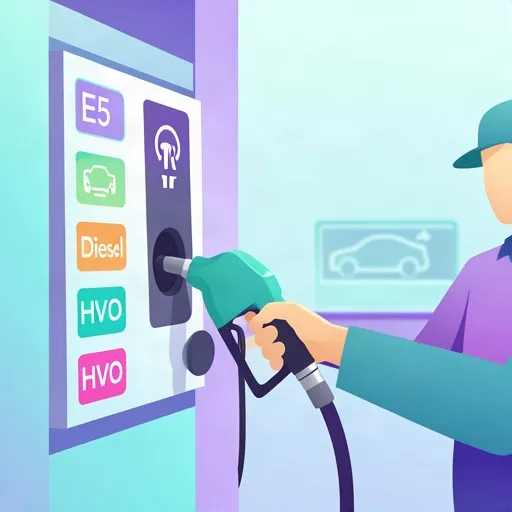
Understanding the specific fuel landscape in Austria is essential for both your theory exam and real-world vehicle operation. This article clarifies the distinctions between standard E5 petrol, high-performance alternatives, and the critical safety regulations surrounding LPG usage, especially regarding alpine tunnel access.
Updated on Oct 2, 2026
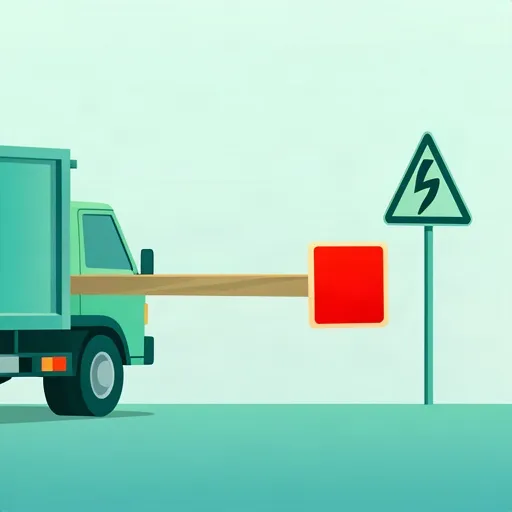
Understanding how to correctly load your vehicle and respect dimension limits is a fundamental part of the Austrian theory exam and practical driving safety. This guide covers the specific legal thresholds for load projection, the necessary safety markings for oversized items, and the vehicle dimension limits defined in the KFG that every driver must know to avoid fines and dangerous situations on the road.
Updated on Oct 1, 2026
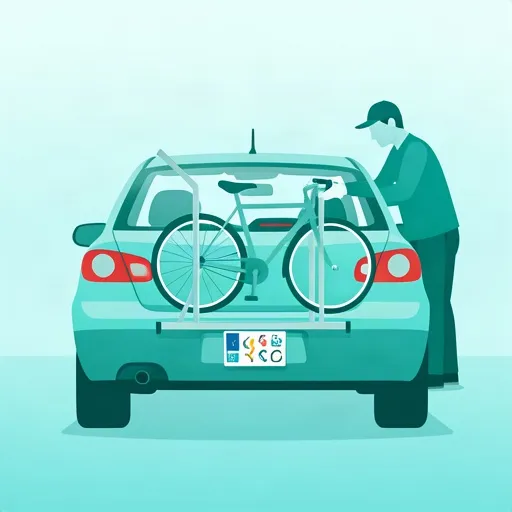
When fitting bicycle carriers or trailers, Austrian law dictates that both your registration plate and rear signaling systems must remain fully visible to other road users. This guide covers the specific requirements for using a duplicate number plate and a lighting board to meet KFG standards, ensuring you stay prepared for both real-world driving and theory test scenarios.
Updated on Sep 27, 2026
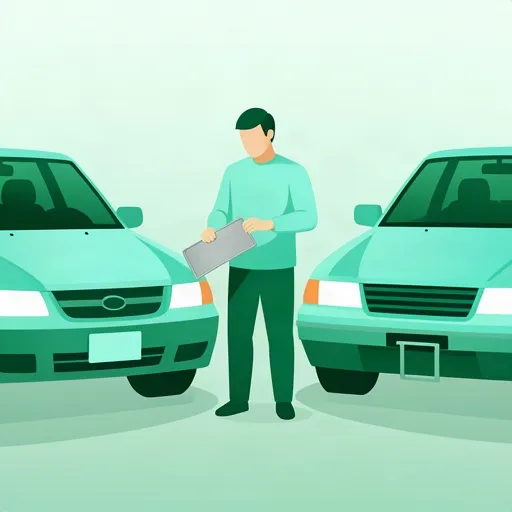
Understanding the Wechselkennzeichen system is essential for any vehicle owner in Austria seeking to manage multiple vehicles efficiently. This overview clarifies the legal obligations, including insurance and tax benefits, and the critical rules regarding public road usage, digital vignettes, and mandatory off-road storage for inactive vehicles.
Updated on Sep 25, 2026

Navigating the administrative side of car ownership in Austria is a vital part of being a responsible driver. This guide clarifies the structure of the motor-related insurance tax, how it is linked to your mandatory liability insurance, and the factors that influence the final cost, such as engine power and environmental emissions.
Updated on Sep 19, 2026

Understanding the structure and legal usage of license plates is essential for both your theory exam and daily compliance on Austrian roads. This guide clarifies the regulations surrounding standard, temporary, and diplomatic plates, as well as the strict legal consequences for failing to register a vehicle when your primary residence is in Austria. You will also learn the specific rules regarding towing foreign-registered trailers, a critical point for ensuring your vehicle meets all national safety and legal standards.
Updated on Aug 23, 2026

Learn how Austria's Oldtimer insurance policies move beyond standard valuations to protect your classic car's unique worth, including considerations for rally use and fluctuating market values. This understanding is essential for responsible vehicle ownership in Austria and ensures you meet legal requirements while safeguarding your passion project.
Updated on Jun 23, 2026

Navigating Austrian roads with electric bikes requires understanding the specific regulations for both standard e-bikes (pedelecs) and faster S-Pedelecs. This article breaks down the key differences in classification, licensing, insurance, and permitted riding areas to ensure you adhere to the law and pass your Austrian theory exam with confidence.
Updated on Jun 23, 2026

Navigating Austria's mandatory vehicle inspection, the §57a Pickerl, is a key aspect of responsible vehicle ownership and a topic relevant to your driving theory knowledge. This article breaks down the '3-2-1 Rule' for inspection intervals and explains the critical tolerance period, helping you understand your obligations and avoid potential penalties. Staying compliant ensures your vehicle is safe and legal for Austrian roads.
Updated on Jun 23, 2026

The Austrian driving theory test requires understanding key safety regulations. This article details the EU and Austrian laws that mandate ABS and ESC in new vehicles, explaining their significance for road safety and how they are implemented via KFG type-approval. It also touches upon the differences in braking techniques for vehicles with and without these essential safety systems, a topic relevant for both exam preparation and practical driving.
Updated on Jun 23, 2026

Austria's Normverbrauchsabgabe (NoVA) significantly influences the cost of acquiring a vehicle. This article breaks down how NoVA is calculated using CO2 emissions, highlights the critical changes introduced by the 2021 reform, and clarifies the tax implications for electric, hybrid, and conventional vehicles. Understanding these rules is essential for any driver planning to purchase or register a vehicle in Austria, directly impacting your budget and vehicle choice.
Updated on Jun 23, 2026

Driving in Austria requires your vehicle to pass the mandatory §57a inspection, or 'Pickerl'. This article guides you through the inspection intervals, the key areas checked, and the practical implications of an expired sticker, which is crucial for passing your Austrian driving theory. Learn where to get your inspection done and why it's vital for road safety and legal compliance.
Updated on Jun 23, 2026

Passing your Austrian driving theory and practical tests requires understanding every aspect of road legality, including the mandatory §57a vehicle inspection sticker, or 'Pickerl'. This article breaks down what the Pickerl signifies, how long it's valid, and what grace periods apply, offering essential knowledge for learner drivers preparing for their exams and ensuring their vehicle is always compliant.
Updated on Jun 23, 2026

Learn the essential procedures for dealing with hail damage to your car in Austria, including how Partikaskoversicherung covers such incidents and the correct way to report damage. This knowledge is vital for understanding vehicle maintenance and insurance responsibilities, which are often implicitly assessed in driving theory to ensure drivers are prepared for real-world vehicle ownership challenges.
Updated on Jun 20, 2026

Learn the complete process for registering your vehicle in Austria, from initial requirements to receiving your official Zulassungsschein and Austrian number plates. This guide details the necessary documents, the role of authorities like the Bezirksverwaltungsbehörde, and how to ensure your vehicle is legally compliant on Austrian roads.
Updated on Jun 20, 2026
Discover other categories connected to Vehicles, Pickerl & Modifications Austria. These sections help you explore additional topics, expand your understanding of driving theory in Austrian, and build a more complete picture of the rules and situations tested during the exam.
Find answers to common questions learners ask about Vehicles, Pickerl & Modifications Austria. This section helps clarify difficult concepts, highlight critical exam information, and support your preparation for the Austrian driving theory exam in Austria.
The §57a Pickerl is a mandatory technical inspection for vehicles in Austria to ensure roadworthiness. It's a sticker placed on your vehicle's windshield indicating compliance with safety and environmental standards.
New cars require their first inspection 3 years after registration, then every 2 years. After the second inspection, it becomes an annual requirement. The Pickerl is valid for 4 months past the month indicated on the sticker.
Common failures include issues with brakes (like worn pads or low fluid), faulty lights, insufficient tire tread depth, problems with the exhaust system, or significant rust damage. Warning lights on the dashboard also lead to failure.
'Typisierung' is the official approval process in Austria for vehicle modifications. Any alteration to a vehicle's original specifications, such as engine swaps, suspension changes, or larger tires, typically requires this approval to ensure it meets legal standards and safety regulations.
The legal minimum tire tread depth in Austria is 1.6 mm. However, for winter tires, a depth of 4 mm is strongly recommended and often considered the practical minimum for safe performance in winter conditions.
'Mängel ohne Mängel' means the vehicle passed with no defects. 'Mit Mängel' indicates minor issues that need correction but don't prevent passing. 'Mit schweren Mängeln' means significant safety or environmental issues requiring immediate repair and re-inspection.
Review these article categories to pinpoint your next study area or strengthen your understanding of Austrian traffic law. Each category offers detailed articles designed to help you master specific topics for your driving theory exam. Choose a category now to begin your structured learning path and prepare effectively.
Austrian Theory Article Categories