
Explore comprehensive explanations of all essential Austrian driving theory topics. This hub clearly covers official road rules, traffic signs, priority regulations, speed limits, and specific Austrian conditions like Autobahn protocols and alpine driving. Prepare thoroughly by building solid knowledge to confidently pass your official theory exam and drive safely.
Develop a comprehensive understanding of Austrian traffic legislation by focusing on essential subjects like priority rules, road signs, and hazard perception. This structured approach ensures you are fully prepared for the theory test with in-depth knowledge.
10 topics
7 topics
6 topics
4 topics
3 topics
2 topics
2 topics
2 topics
2 topics
1 topic
1 topic
1 topic
Dive into specific Austrian driving theory topics to clarify rules and prepare for your exam. Browse our comprehensive set of theory subjects or use search to find answers to your driving theory questions.
Filter by category
50 theory topics found
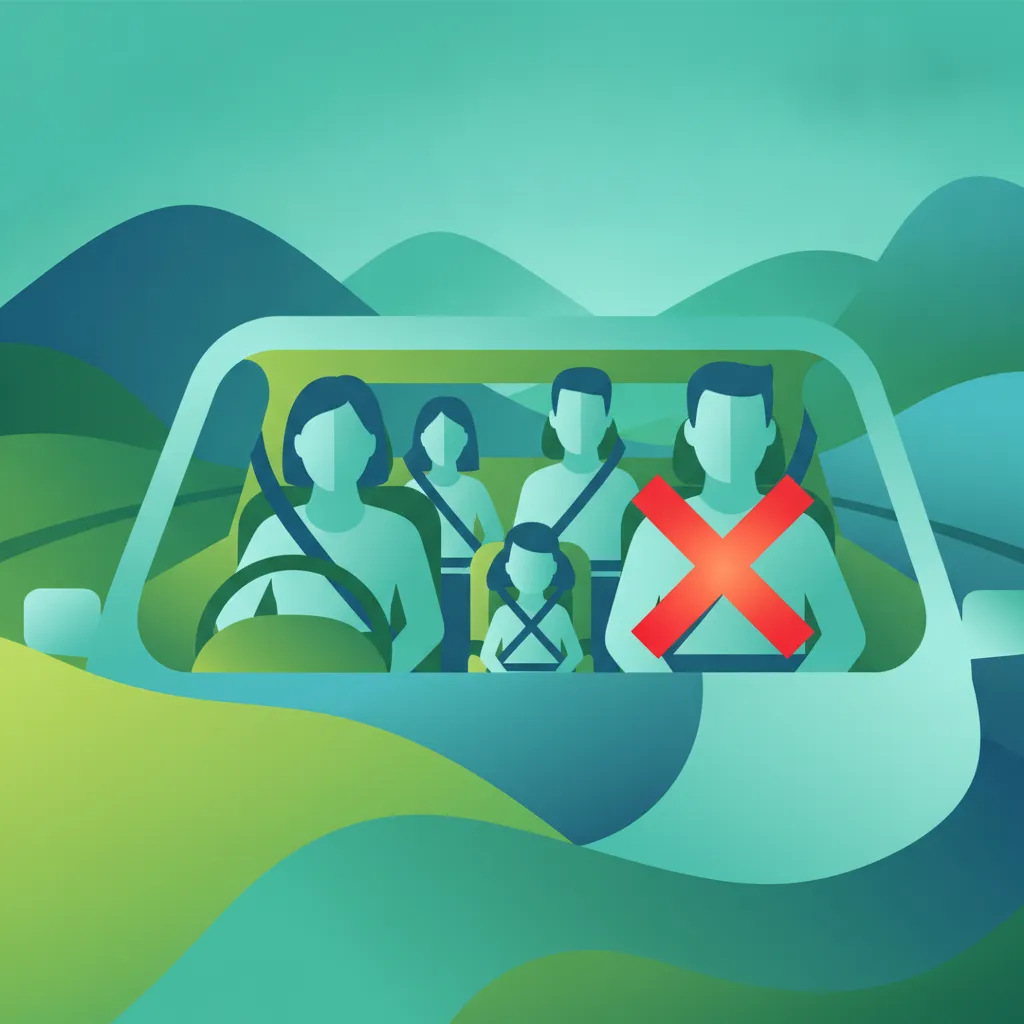
Seat belts are one of the most vital safety features in any vehicle, designed to keep occupants secure during sudden stops or collisions. In Austria, the correct use of seat belts is legally mandatory for all passengers and drivers. Understanding their function is not only essential for your safety but also a key component of the Austrian driving theory exam.
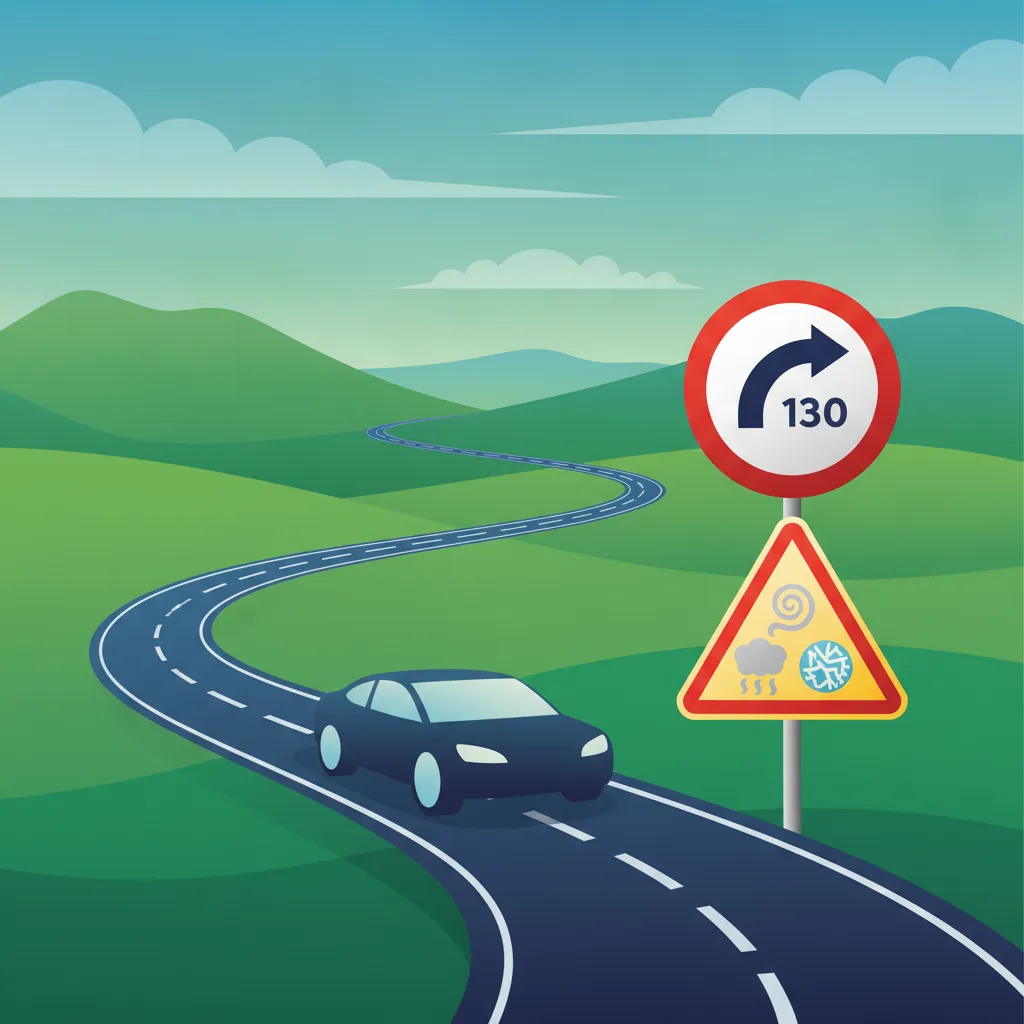
Speed limits are fundamental regulations designed to ensure safety and efficient traffic flow across Austria's diverse road network. While they establish the absolute maximum speed allowed, drivers must always prioritize safety by adapting their speed to prevailing conditions, traffic, and visibility. This page clarifies the general speed limits in Austria and emphasizes the importance of defensive driving beyond just adhering to posted signs.

Driving safely requires keen attention, quick reactions, and sound judgment. Alcohol, however, directly impairs these crucial abilities, significantly increasing the risk of accidents. This page details the specific ways alcohol affects your brain and body, making safe vehicle operation impossible and highlighting the strict regulations against impaired driving in Austria.

Driving safely requires a clear understanding of how quickly your vehicle can stop. This concept explains the direct link between your speed and the total distance required, breaking it down into reaction distance and braking distance. Master this fundamental principle to improve your hazard perception and ensure safer driving in all Austrian traffic conditions.
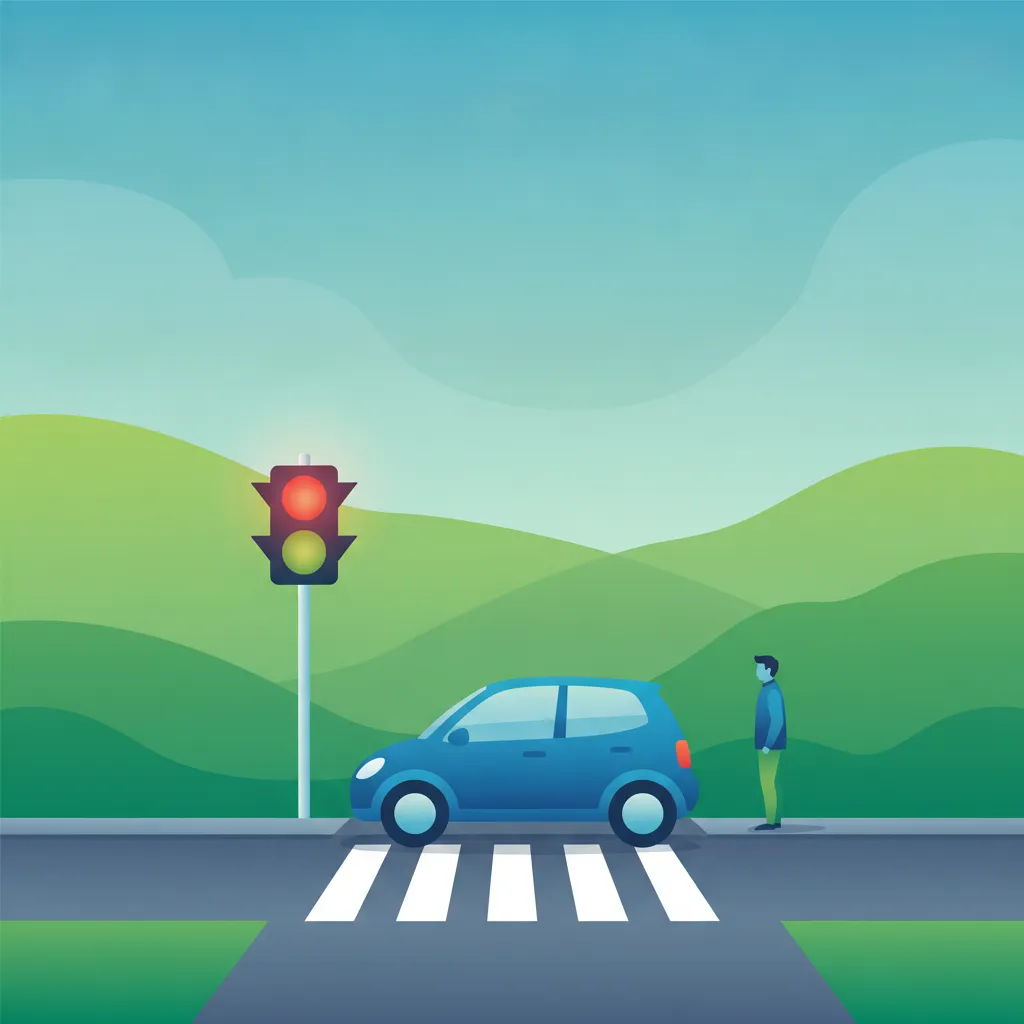
Traffic lights are essential for regulating the flow of vehicles and pedestrians at intersections across Austria. They provide clear instructions through a sequence of colored lights: red, yellow, and green. Knowing the precise meaning of each signal and how to respond ensures orderly movement, reduces congestion, and significantly enhances road safety for all participants.

Pedestrian crossings, known as Schutzwege in Austria, are critical points for road safety. These marked areas are designed to provide a safe passage for pedestrians across the road. As a driver, recognizing these crossings and understanding your responsibilities is paramount to prevent collisions and protect vulnerable road users.

Tailgating, or following too closely, significantly increases the risk of accidents by reducing your time to react and stop. In Austria, maintaining a proper Sicherheitsabstand (safe following distance) is not just a recommendation but a legal requirement crucial for road safety. This page will explain why adequate distance is vital, how it's measured, and what the specific Austrian regulations entail.
In Austria, areas around schools, kindergartens, and playgrounds are designated as school zones (often marked as "Schulstraßen"), requiring drivers to exercise extreme caution. These zones frequently have increased pedestrian and cyclist traffic, especially during school hours. Drivers must understand their legal and ethical responsibility to protect vulnerable road users in these environments.

Using a mobile phone behind the wheel dramatically impairs a driver's ability to react safely to traffic situations. This page explains the different forms of distraction, such as visual, manual, and cognitive, and how they contribute to slower reaction times and reduced awareness. Understanding these risks is crucial for safe driving and passing your Austrian theory exam.
The Stop Sign, officially known as 'Halt-Tafel' in Austria, is one of the most vital regulatory traffic signs. It dictates that drivers must bring their vehicle to a complete standstill before entering an intersection or crossing traffic. This rule is absolute, regardless of whether traffic appears clear, and is fundamental for safe driving and passing your Austrian theory exam.
Prohibition signs, officially termed Verbots- oder Beschränkungszeichen in the Austrian Road Traffic Act (StVO), are a critical category of traffic signs. These signs clearly indicate actions that drivers are not permitted to perform, designed to prevent dangerous situations and ensure smooth traffic flow. Recognizing them immediately is fundamental to safe driving and successfully navigating Austria's diverse road network.
Mandatory traffic signs, or 'Gebotszeichen' in Austria, are distinct from other road signs because they issue direct instructions to drivers. These signs ensure organized traffic flow and prevent dangerous situations by explicitly indicating required actions. Recognizing and correctly interpreting them is fundamental for safe driving and a critical component of the Austrian driving license theory test.
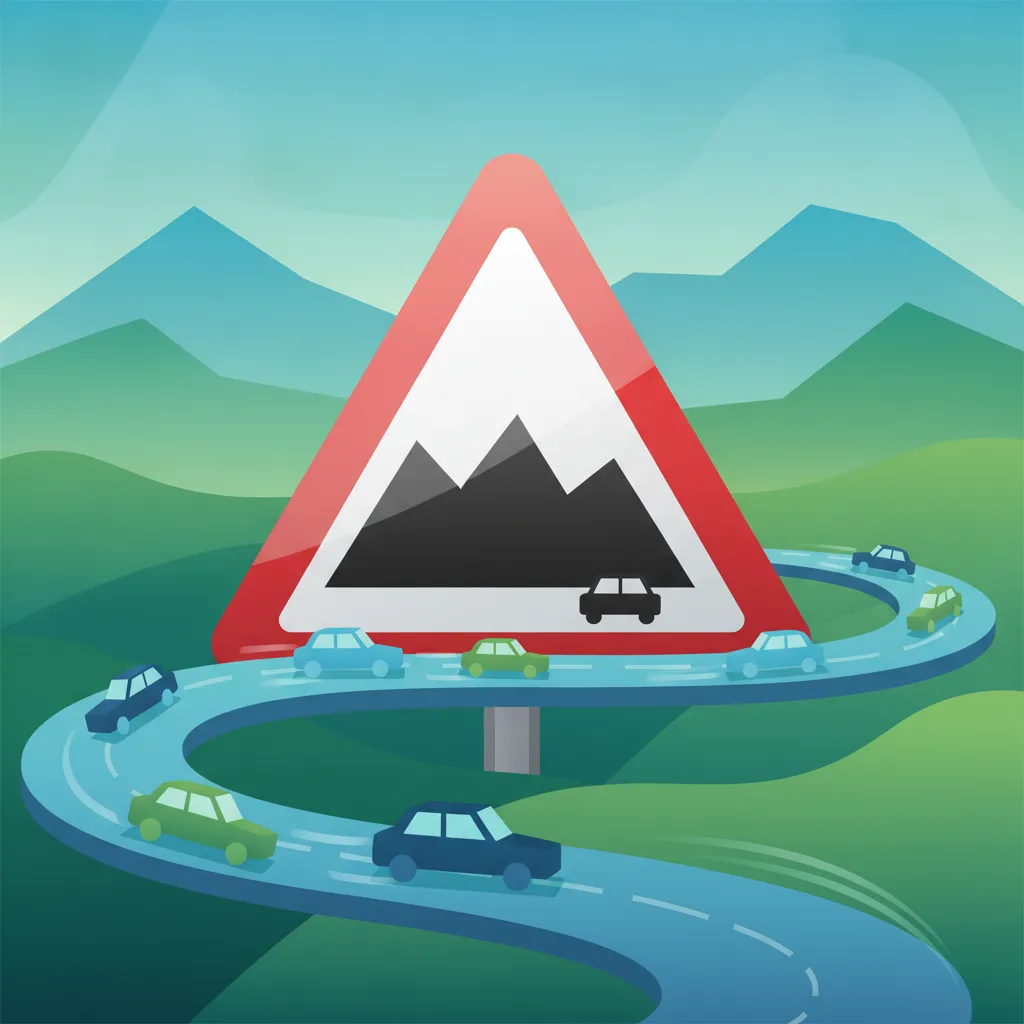
Warning signs, known as Gefahrenzeichen in Austria, are fundamental elements of road safety, designed to prepare drivers for upcoming hazards or changes in road conditions. Unlike regulatory signs, their primary purpose is to inform and advise, giving you time to react appropriately. This page clarifies their function, common types, and the essential driving adjustments required by Austrian traffic law.

Driving in snow and ice presents significant challenges, fundamentally altering how your vehicle handles. These conditions drastically reduce tire traction, impacting your ability to accelerate, steer, and brake effectively. This page explains the specific dangers, like black ice, and outlines critical adaptations needed for safe driving on Austrian winter roads, helping you maintain control and avoid skidding.

Slippery road conditions drastically reduce the friction between your tires and the road surface, making it difficult to accelerate, steer, and brake safely. This section explains the common causes of reduced traction and provides essential guidance for adapting your driving style to maintain control and prevent dangerous situations in Austrian traffic.

Rainy weather presents unique challenges for drivers, primarily by reducing tire grip and visibility, and increasing braking distances. Mastering safe driving techniques in rain is crucial for road safety in Austria and a key part of your driving theory knowledge. This section explains how to identify and mitigate risks like aquaplaning and how to adapt your driving behavior effectively.

Hazard perception is your ability to constantly scan the road environment and anticipate what might happen next. In Austria, with its diverse roads from city centers to alpine routes and Autobahnen, this skill is vital. It allows you to recognize potential risks before they become immediate threats, giving you more time to react safely and smoothly, thus avoiding sudden braking or evasive maneuvers.
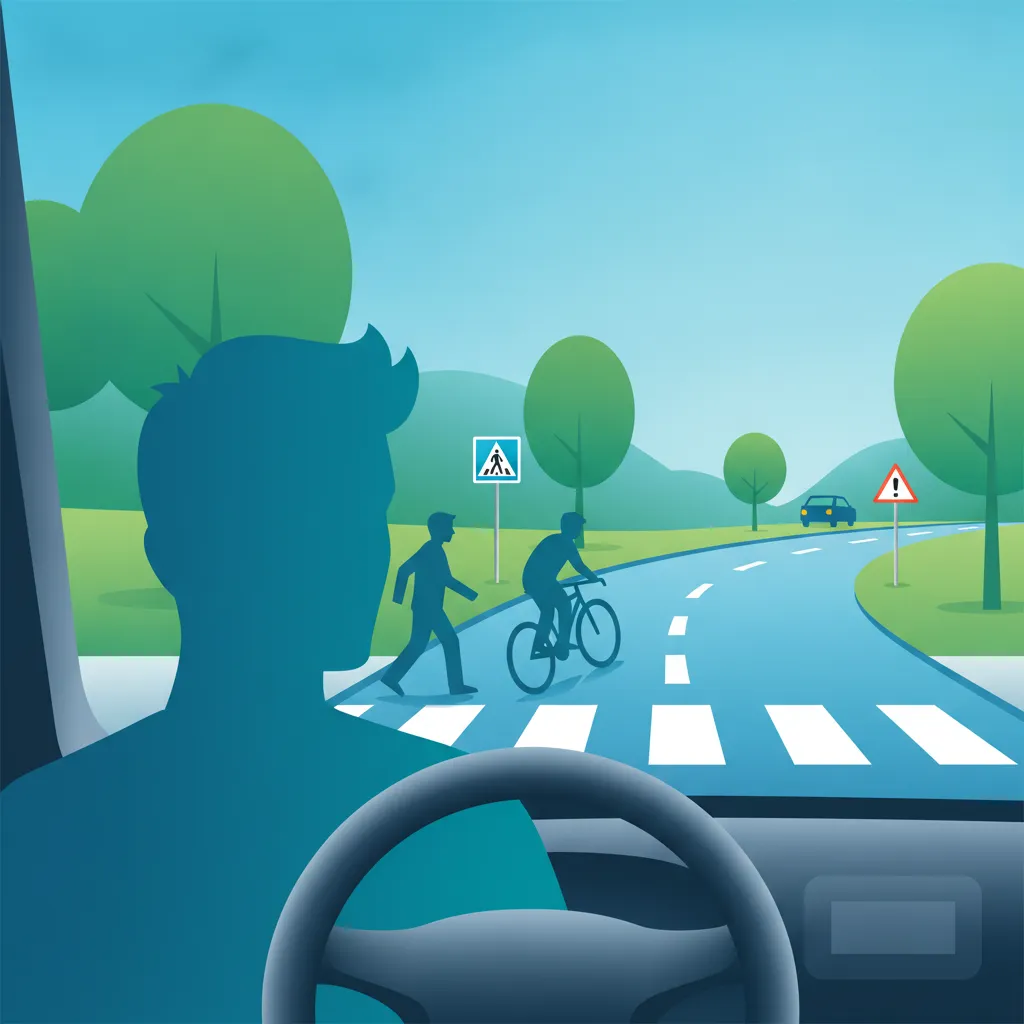
Defensive driving is a proactive approach to road safety that minimizes risk by continuously observing traffic and predicting potential dangers. It requires you to assume that other road users might make mistakes and to always leave yourself an escape route. On Austria's diverse roads, from busy urban centers to winding alpine passes, applying these principles is key to safe navigation and successful completion of your theory test.
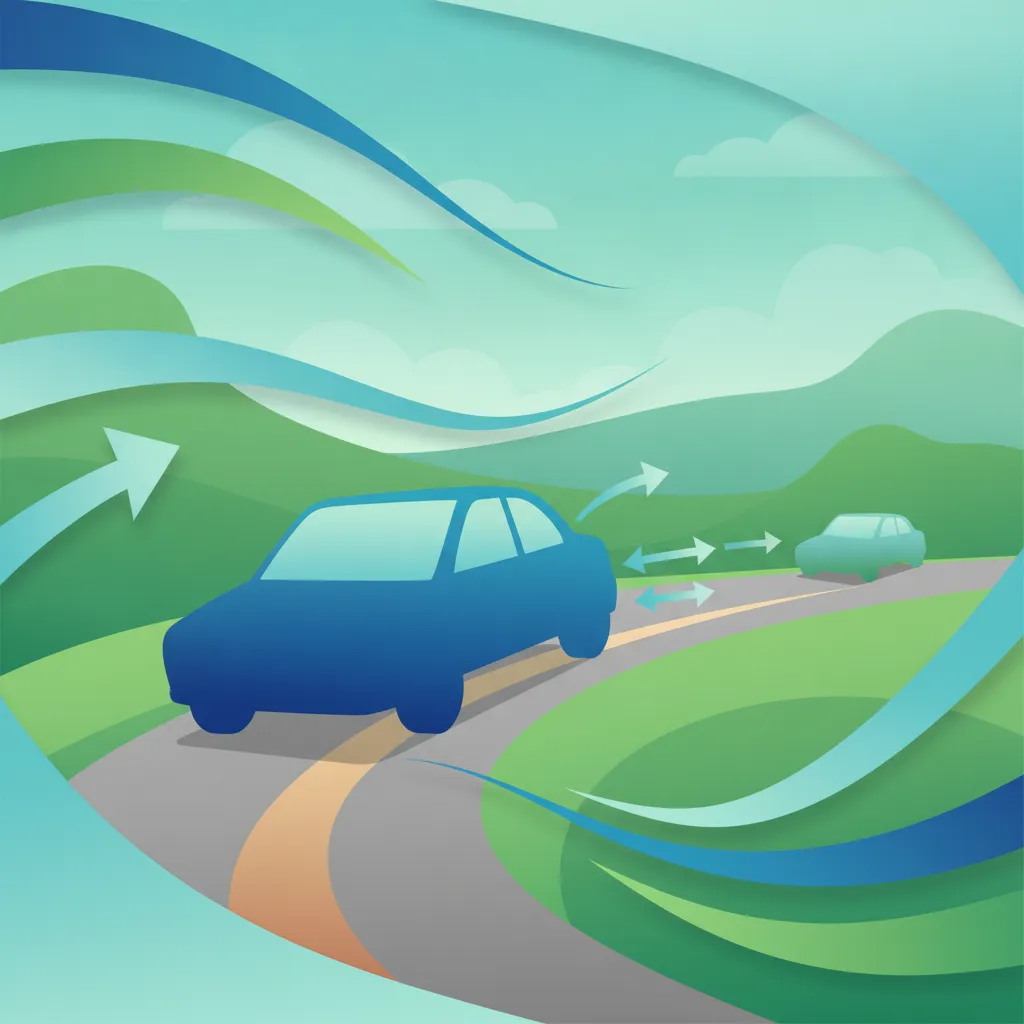
Braking distance is the ground a vehicle covers from the instant the driver applies the brakes until it comes to a complete halt. This distance is not constant; it changes dramatically based on several critical factors. Grasping these influences is key to managing your vehicle safely on Austrian roads and correctly answering theory questions.

Stopping distance is a fundamental concept in driving theory, representing the total distance your vehicle travels from the moment you identify a hazard until it comes to a complete halt. It is divided into two distinct phases: reaction distance and braking distance. Understanding how these components combine and are influenced by various factors is essential for safe driving on Austrian roads and for passing your theory test.
Page 1 of 3
After reviewing these articles, continue your learning journey by exploring specific categories, related theory topics, or practice questions. Expand your understanding of Austrian traffic laws to ensure you are fully prepared for your driving licence exam.
All Austrian Driving Theory Articles