
This section covers essential Austrian prohibitory signs that set mandatory restrictions for drivers. Understanding these signs is crucial for obeying traffic laws, ensuring safety, and passing your theory exam. We'll break down what these signs mean and how they apply to your driving.
An explanation of how Austrian Prohibitory Signs road signs apply in real traffic situations in Austria. Learn where these signs are typically placed, what drivers are expected to do when they appear, and how correct reactions help you stay safe, avoid fines, and succeed in your Austrian driving theory exam.
Austrian prohibitory signs are encountered in a wide variety of traffic situations where specific rules must be followed. You'll see signs like 'No entry' or 'Closed to all vehicles' at the beginning of one-way streets, restricted zones, or private roads. 'No left turn' or 'No U-turns' are common at complex intersections to manage traffic flow and prevent dangerous manoeuvres. Speed limits, overtaking restrictions (general and for lorries), and weight/dimension limits appear on motorways, main roads, and bridges where vehicle capacity or safety is a concern. Parking and standing prohibitions are ubiquitous in urban areas, near junctions, and on busy streets, often with specific times or conditions indicated. Signs prohibiting certain vehicle types (e.g., lorries, cycles, vehicles carrying dangerous goods) are used to divert traffic or protect specific areas or road users. Drivers must always assess if a sign applies to their vehicle and their intended action before proceeding, as failure to comply can lead to fines or accidents.
An overview of the key learning outcomes when studying the Austrian Prohibitory Signs road sign category. Understand the main concepts, sign meanings, and traffic situations covered here so you can recognise patterns, answer theory questions more confidently, and build a solid foundation for safe driving in Austria.
This collection covers Austrian prohibitory signs that set binding restrictions. Understanding these traffic signs, from speed limits to parking rules, is crucial for safe driving and passing your theory test revision. Learn to identify and comply with what each sign means to navigate Austrian roads confidently.

What does the 'Closed to all vehicles in both directions' sign mean?
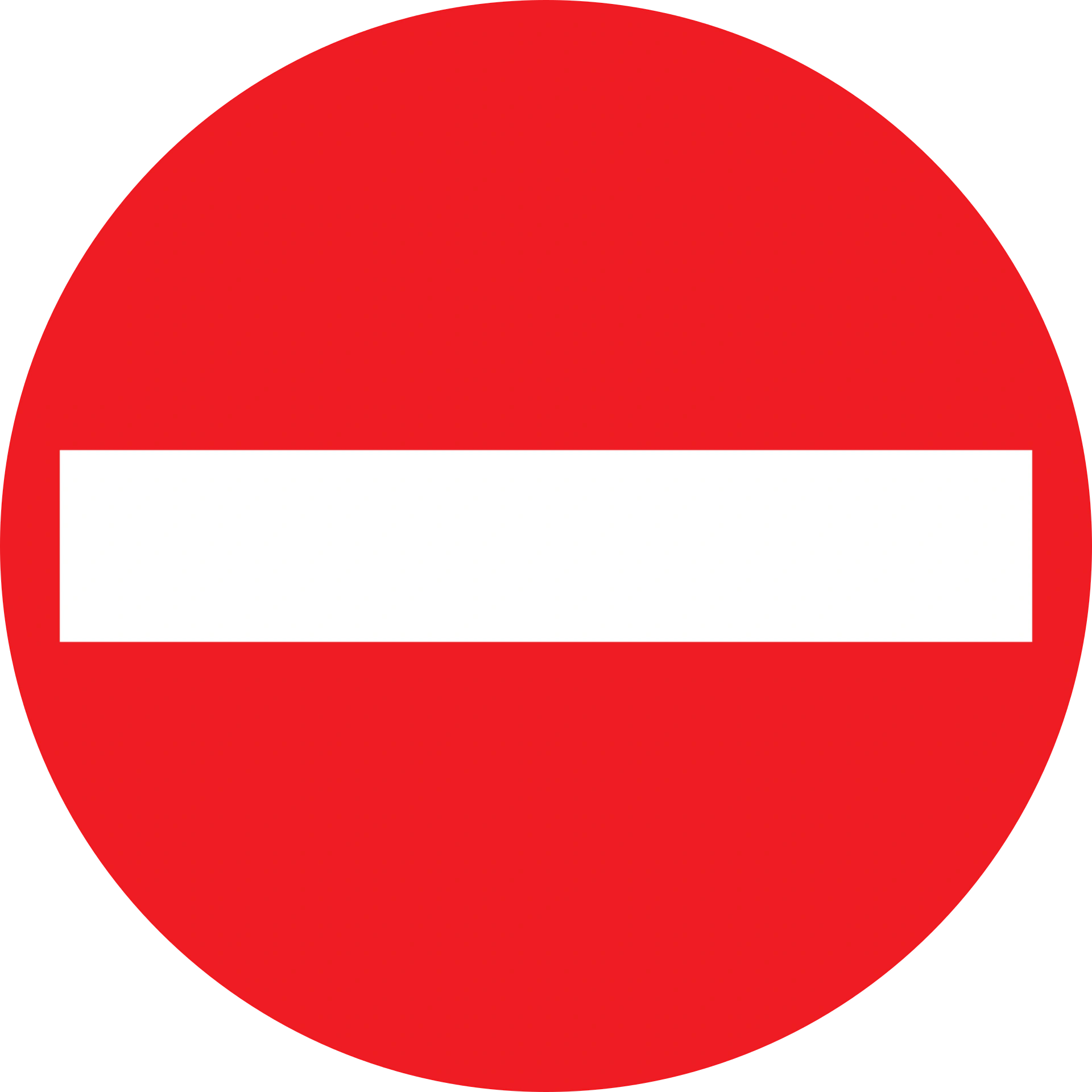
Sign 2: Understand the 'No Entry' Prohibition Sign in Austria
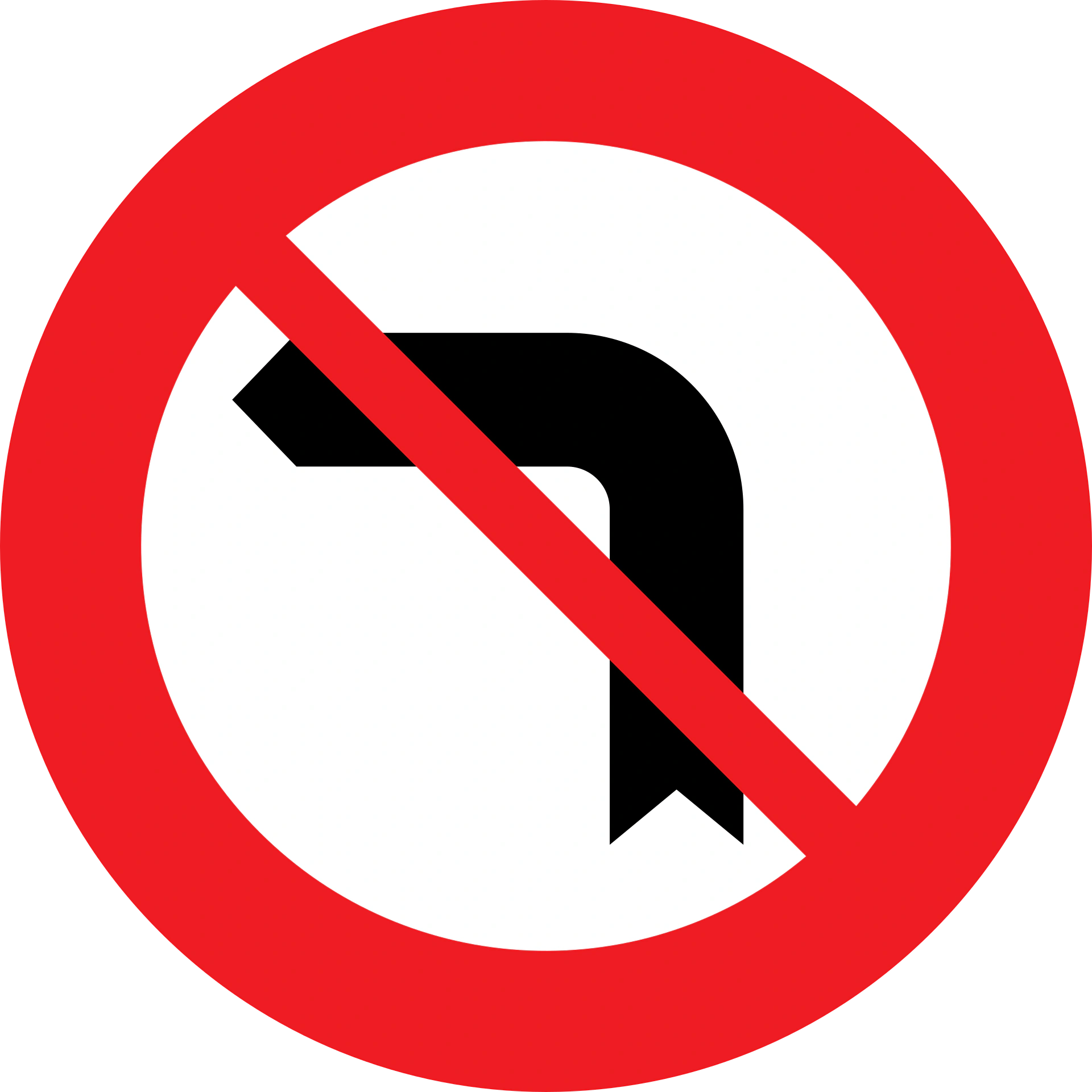
Understand the 'No Left Turn' (3a-no-left-turn) Austrian Prohibitory Sign
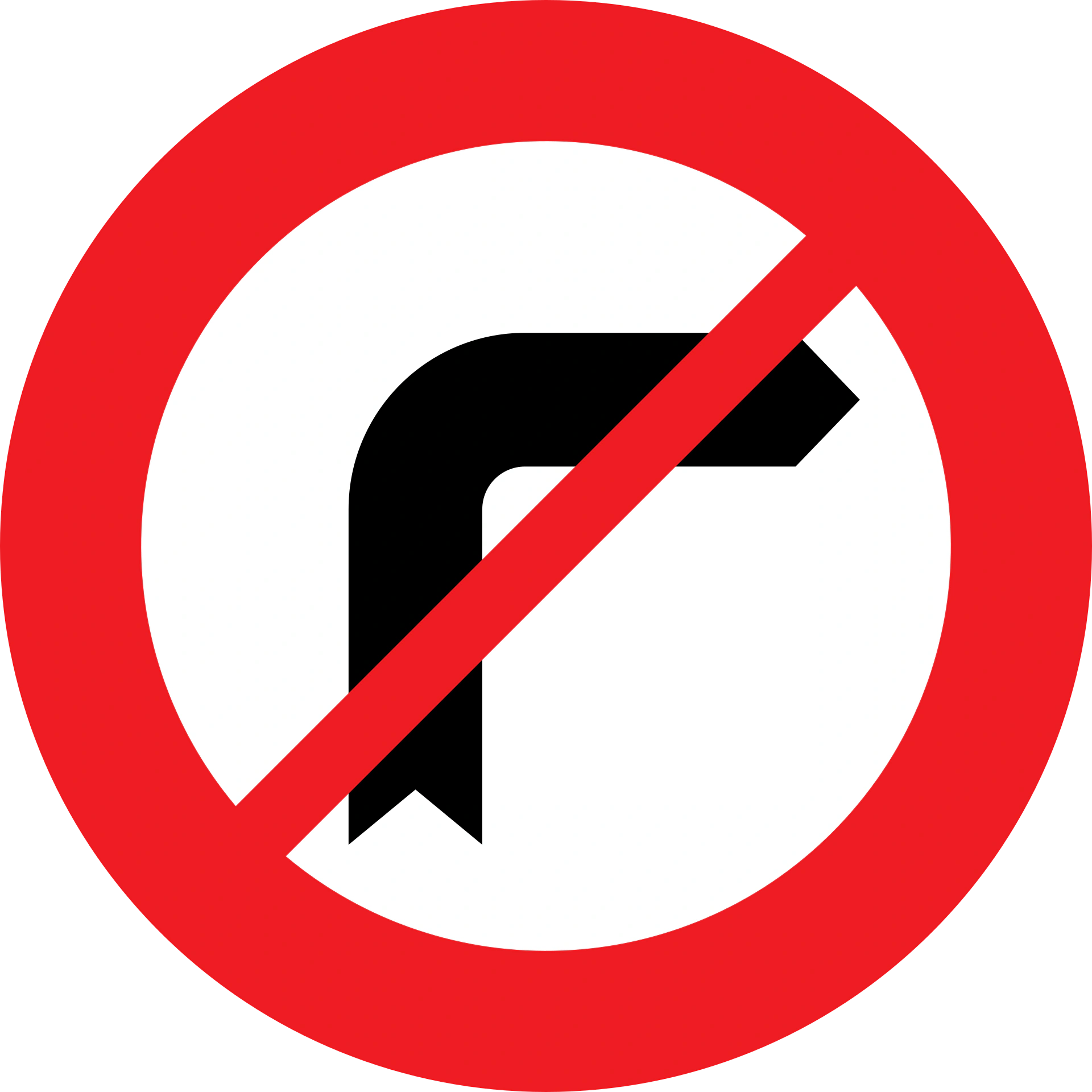
Understand the Austrian 'No Right Turn' prohibitory traffic sign (3b).
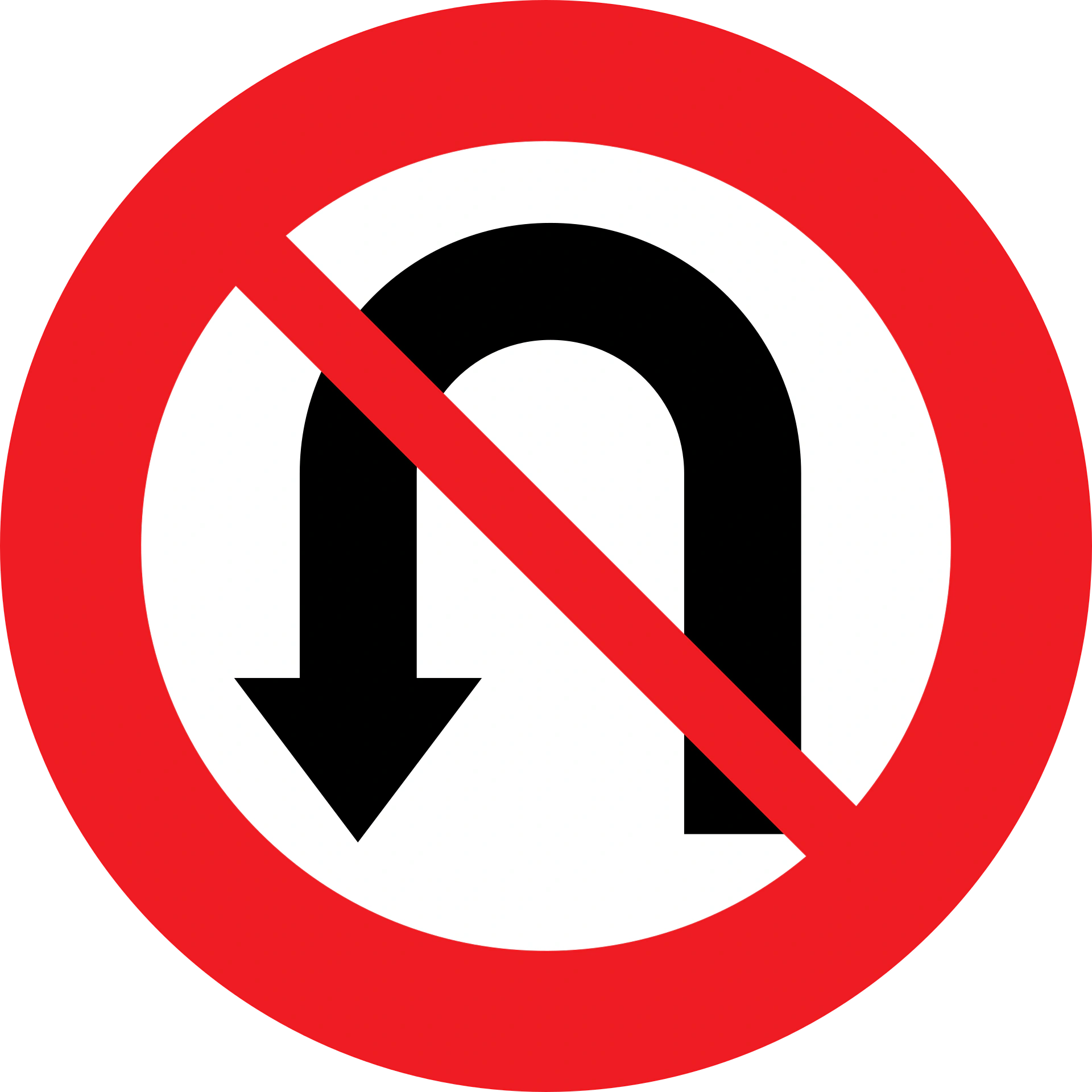
Understand the 'No U-turns' (3c) prohibitory road sign in Austria.
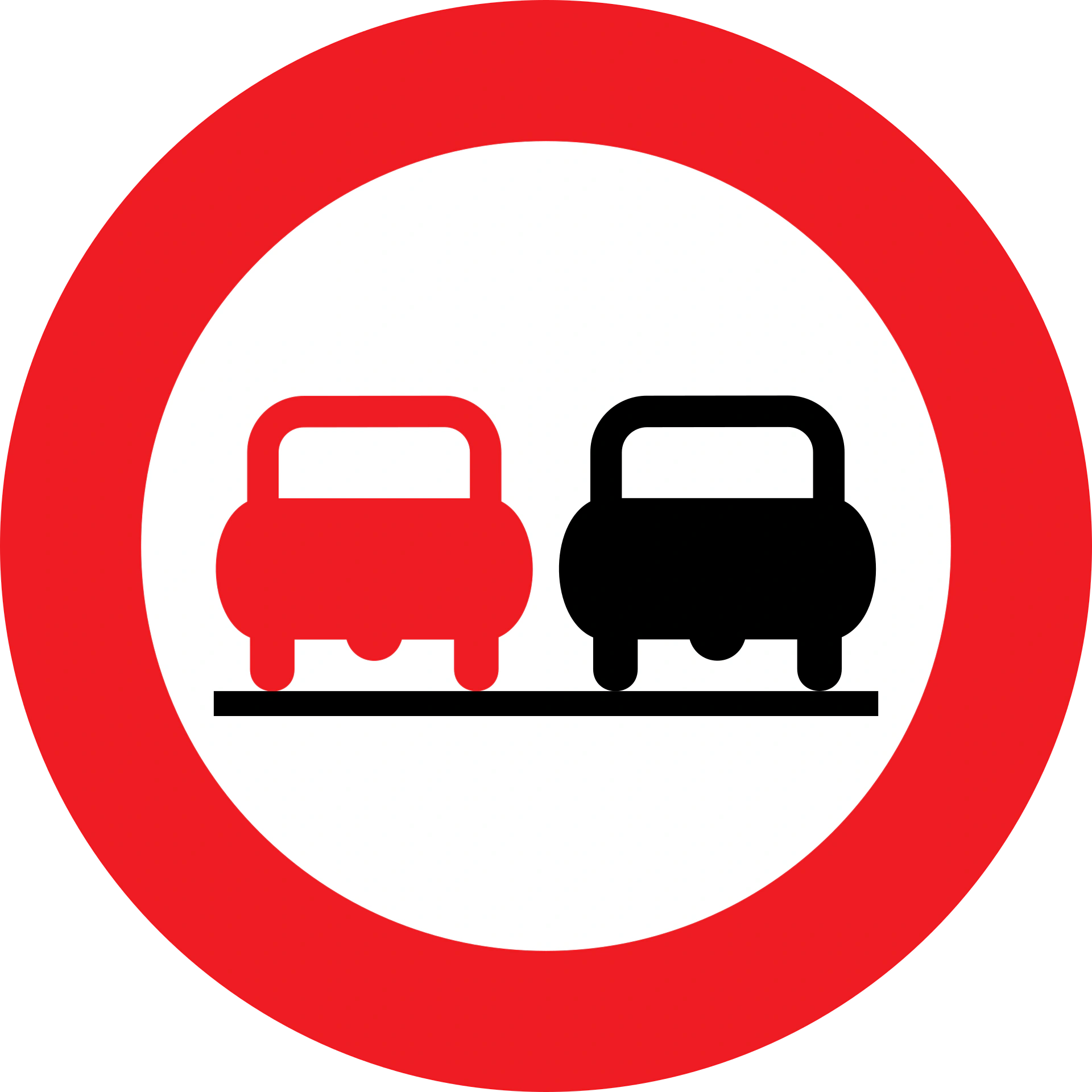
Austria's "No Overtaking" Sign (4a) Means Just That – No Passing!
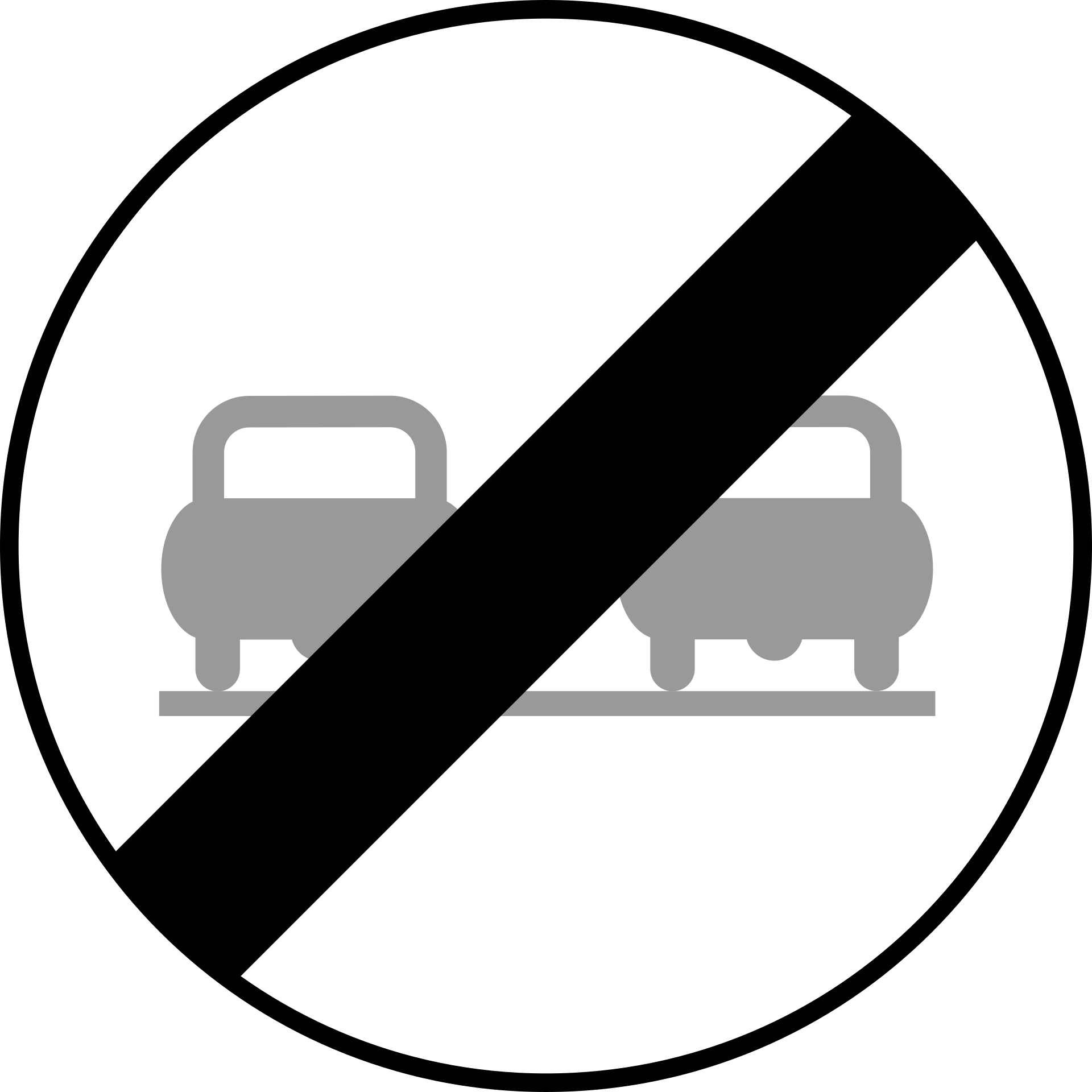
You've reached the end of the overtaking ban!
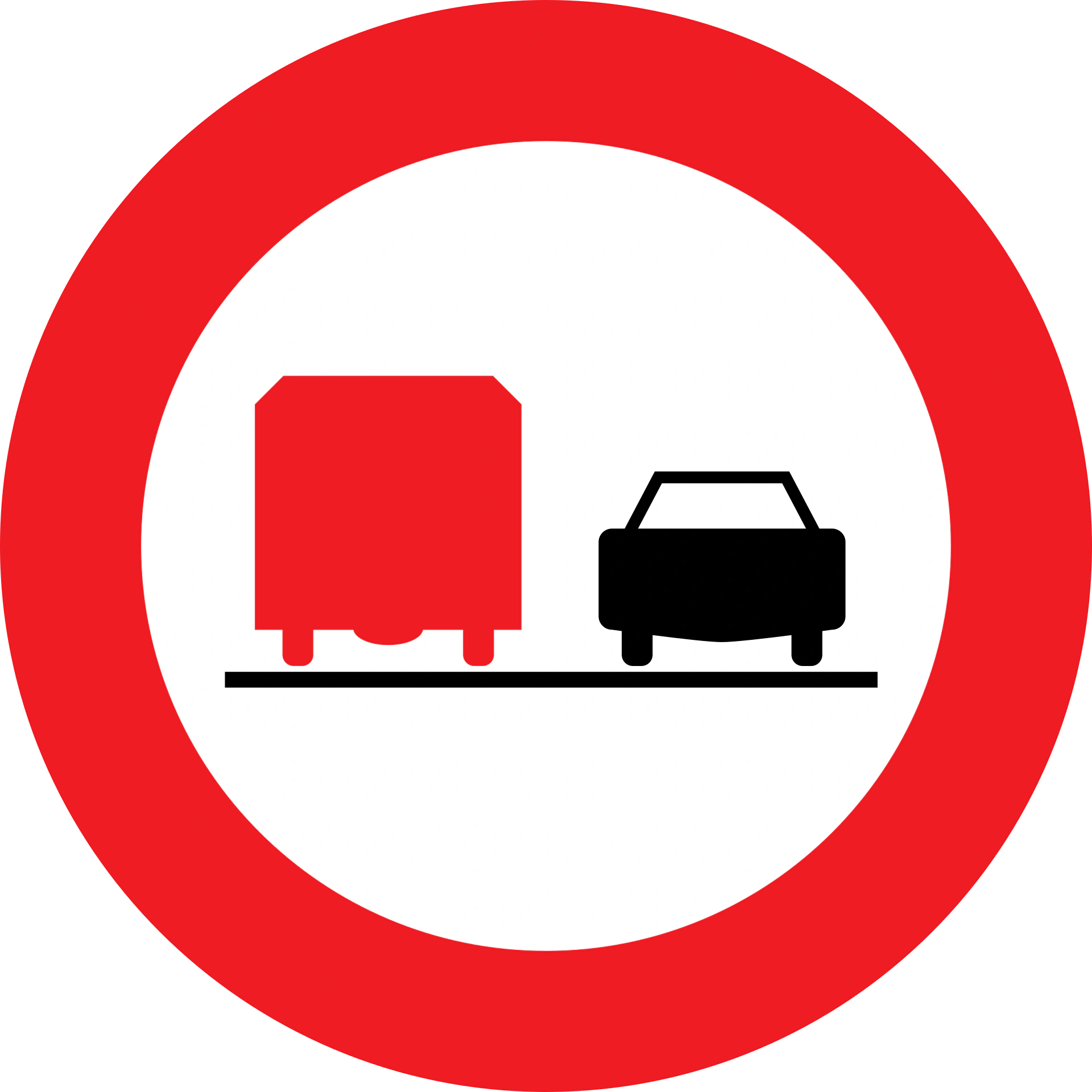
Understand the Austrian 'No Overtaking by Lorries' Prohibitory Sign (4c)
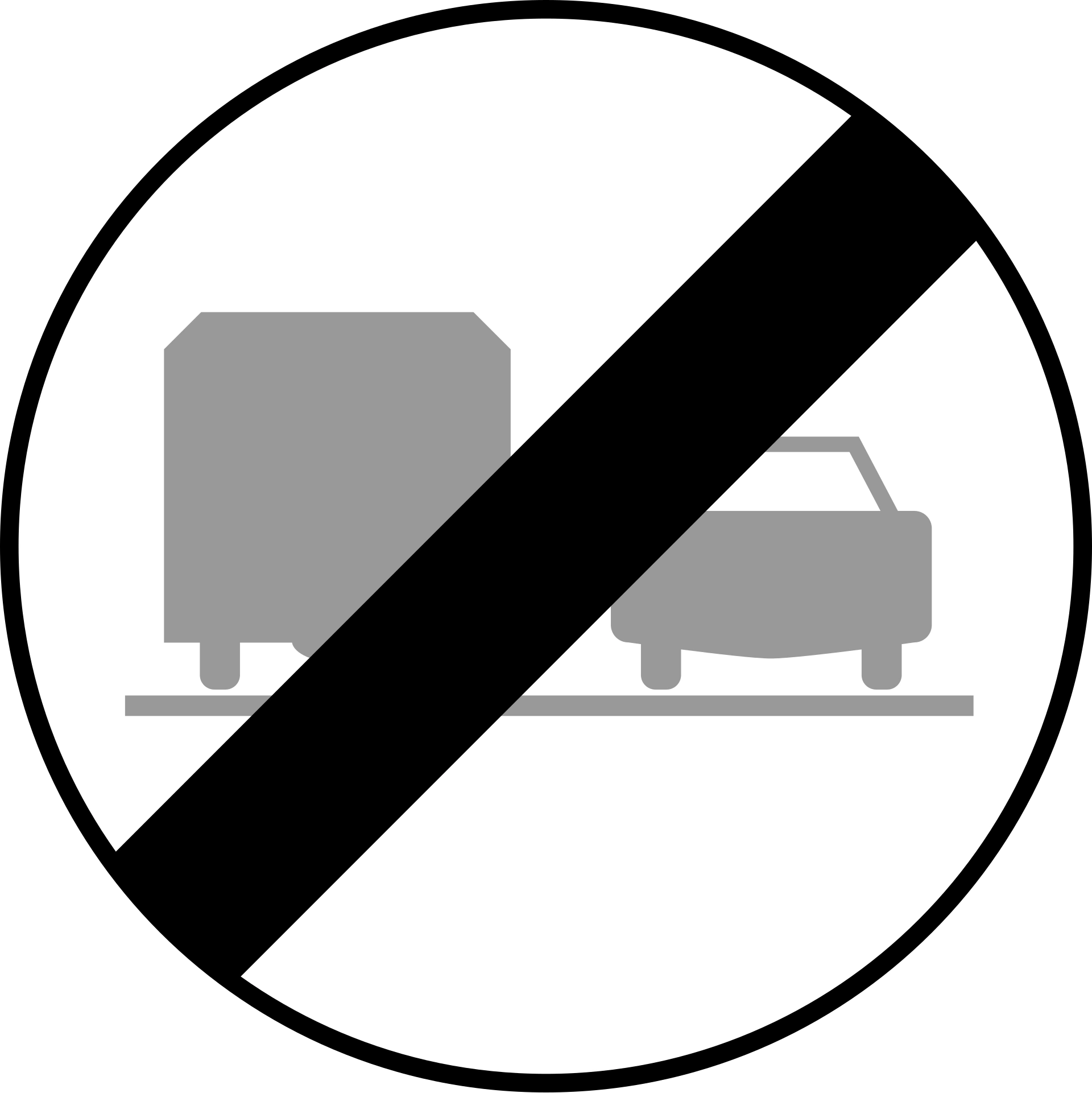
You can now overtake lorries again: End of Overtaking Restriction Sign (4d)
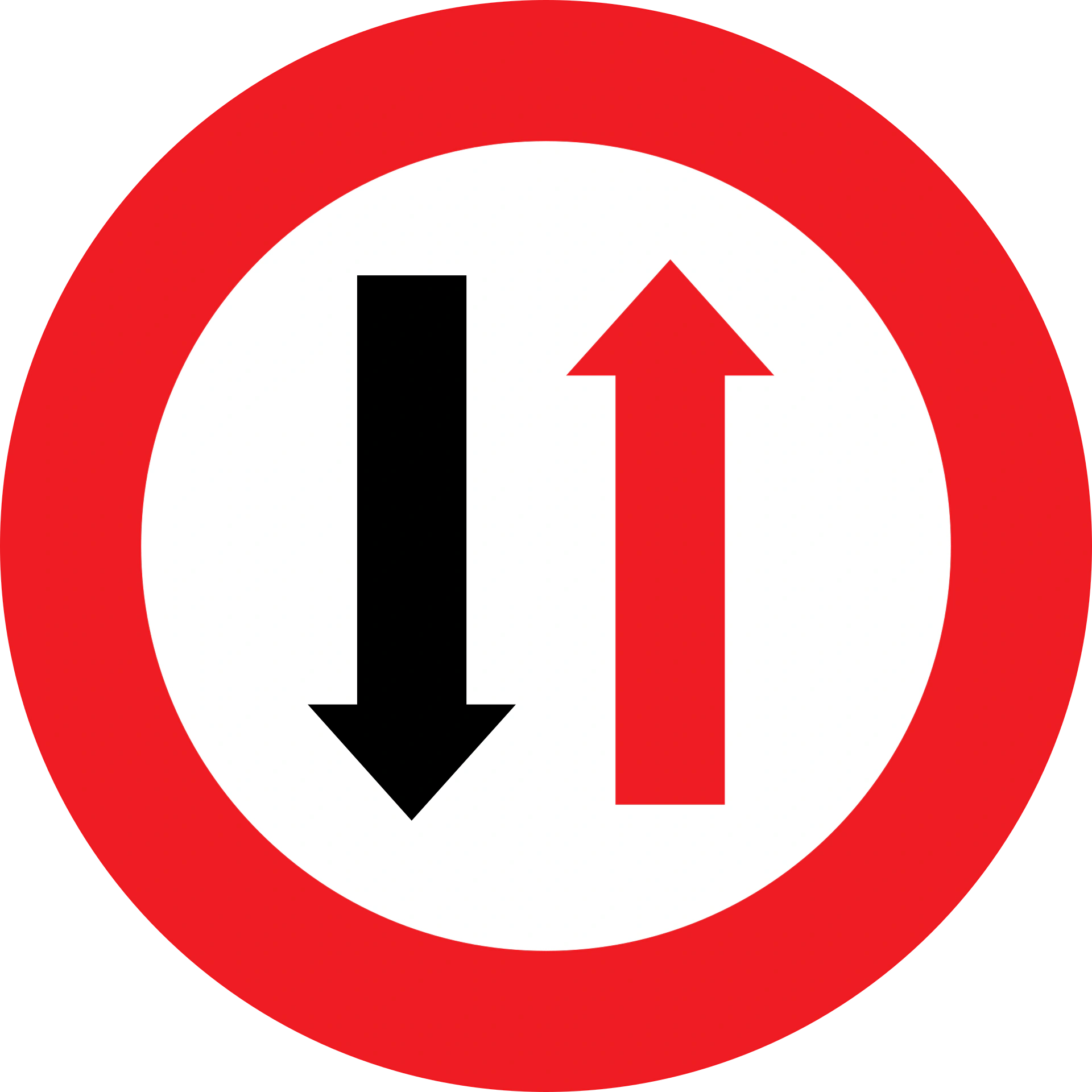
Sign 5: You Must Wait for Oncoming Traffic
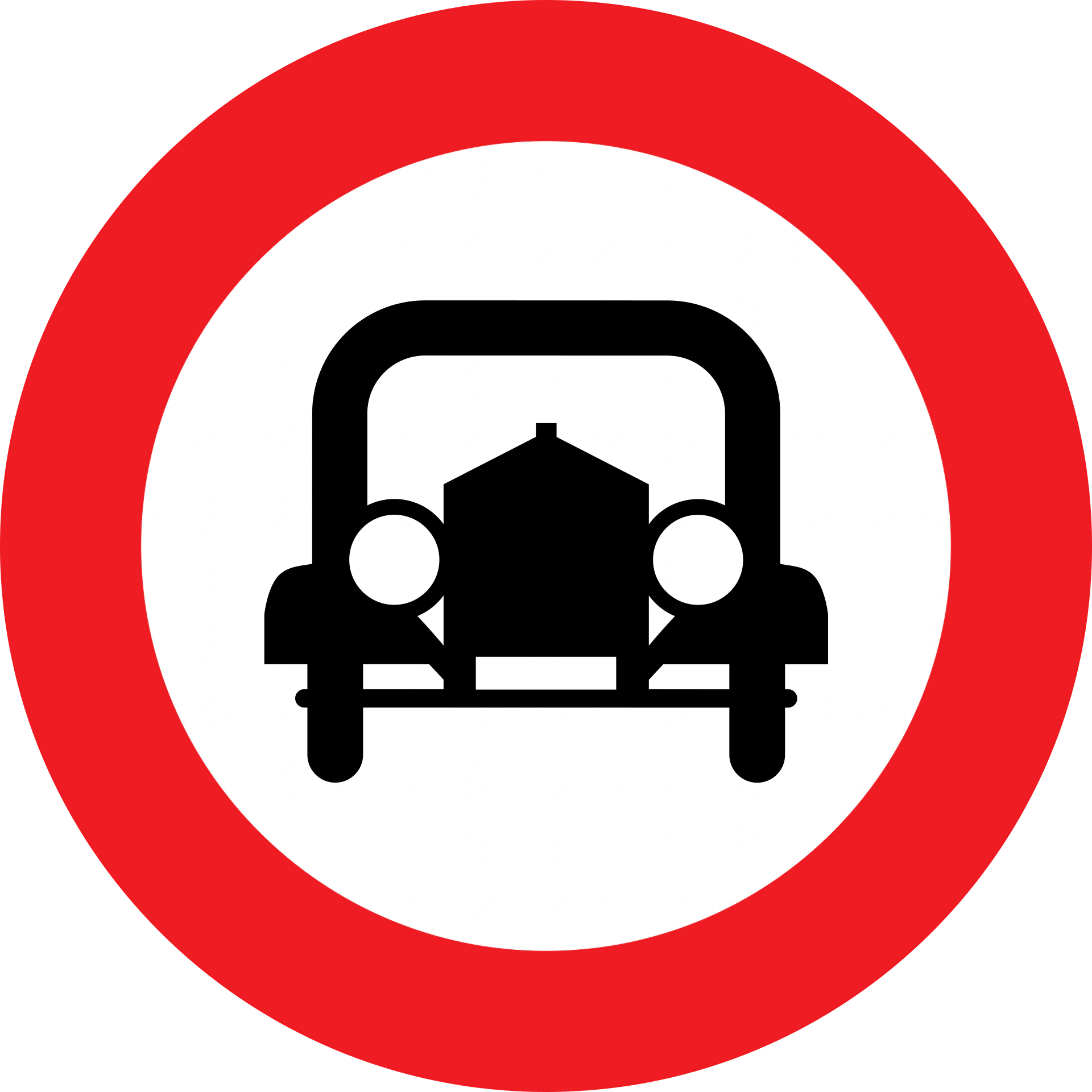
Sign 6a: No Power-Driven Vehicles, Except Single-Tracked Motorcycles
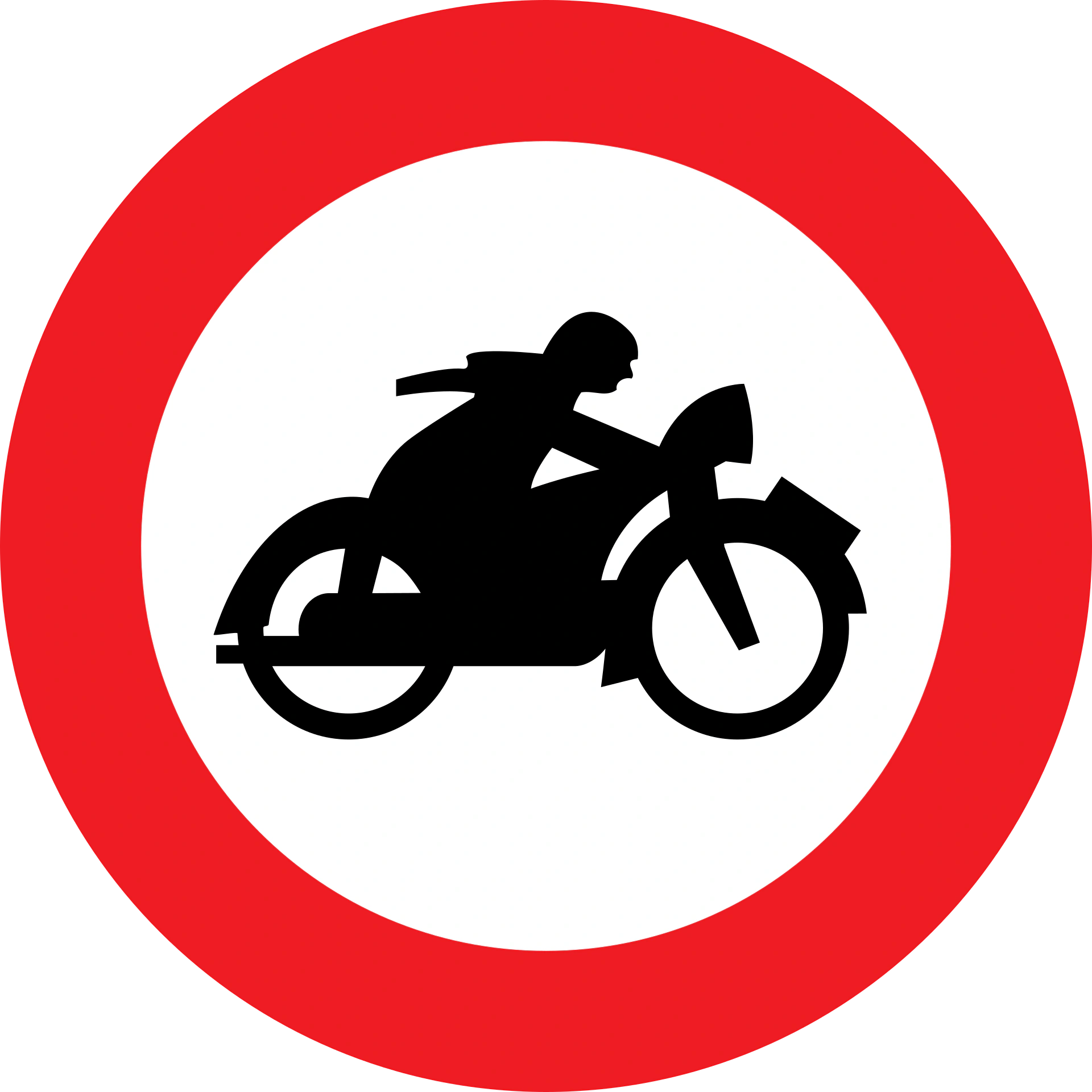
Understand the 'No Single-Tracked Motorcycles' Prohibitory Sign (6b)
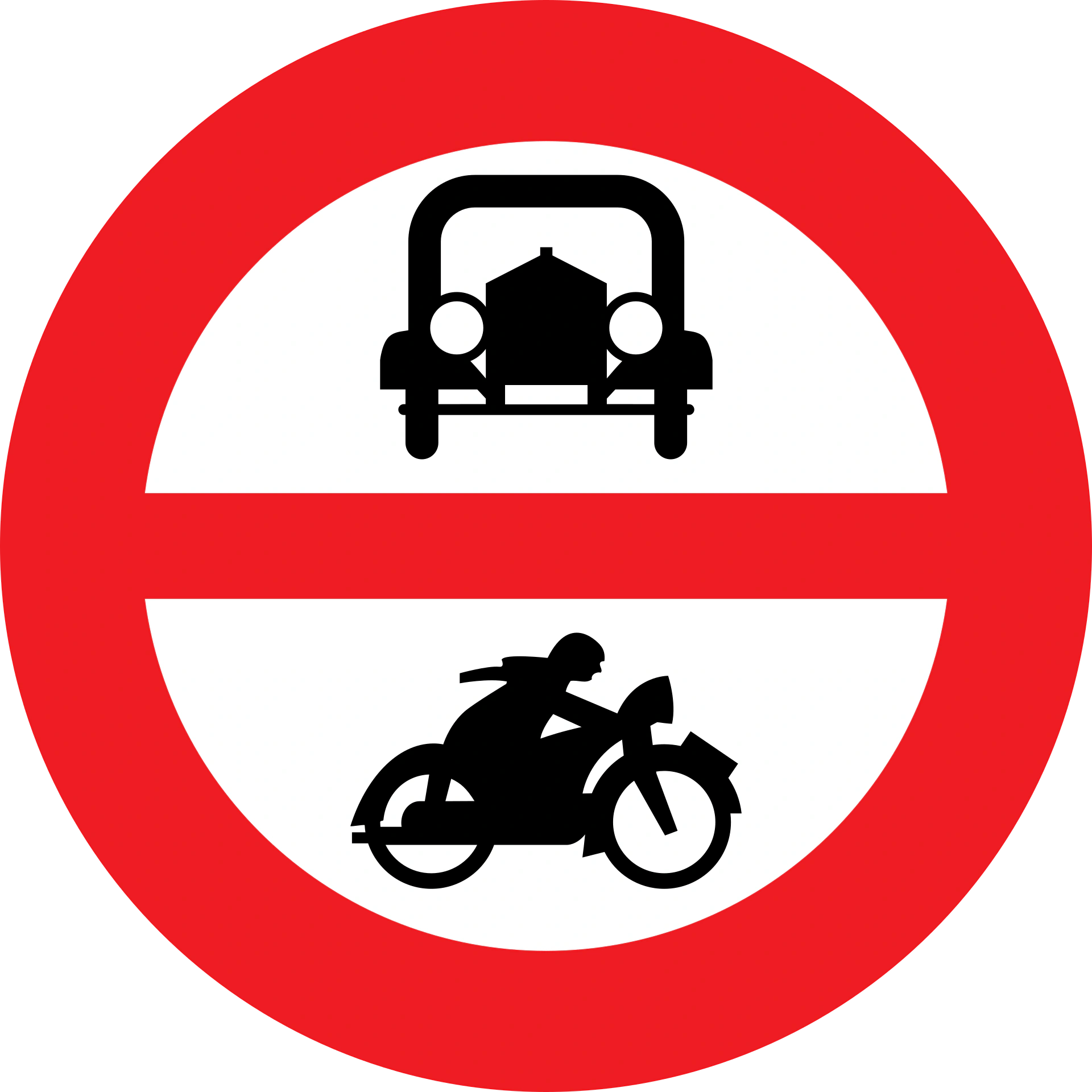
This 'No Power-Driven Vehicles' sign means exactly what it says: stop if it applies to you!
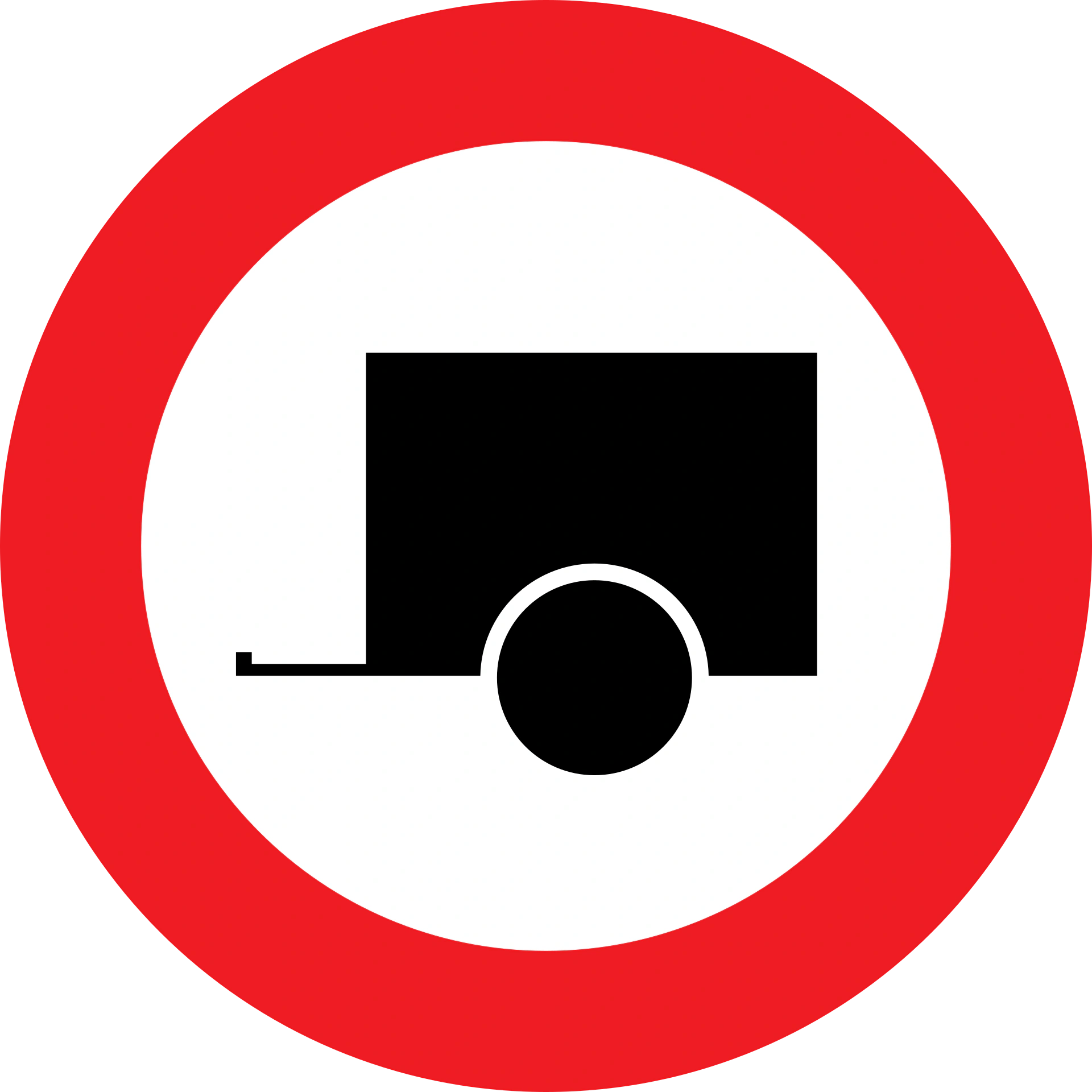
Understand the 'No Power-Driven Vehicles Drawing a Trailer' Road Sign (6d)
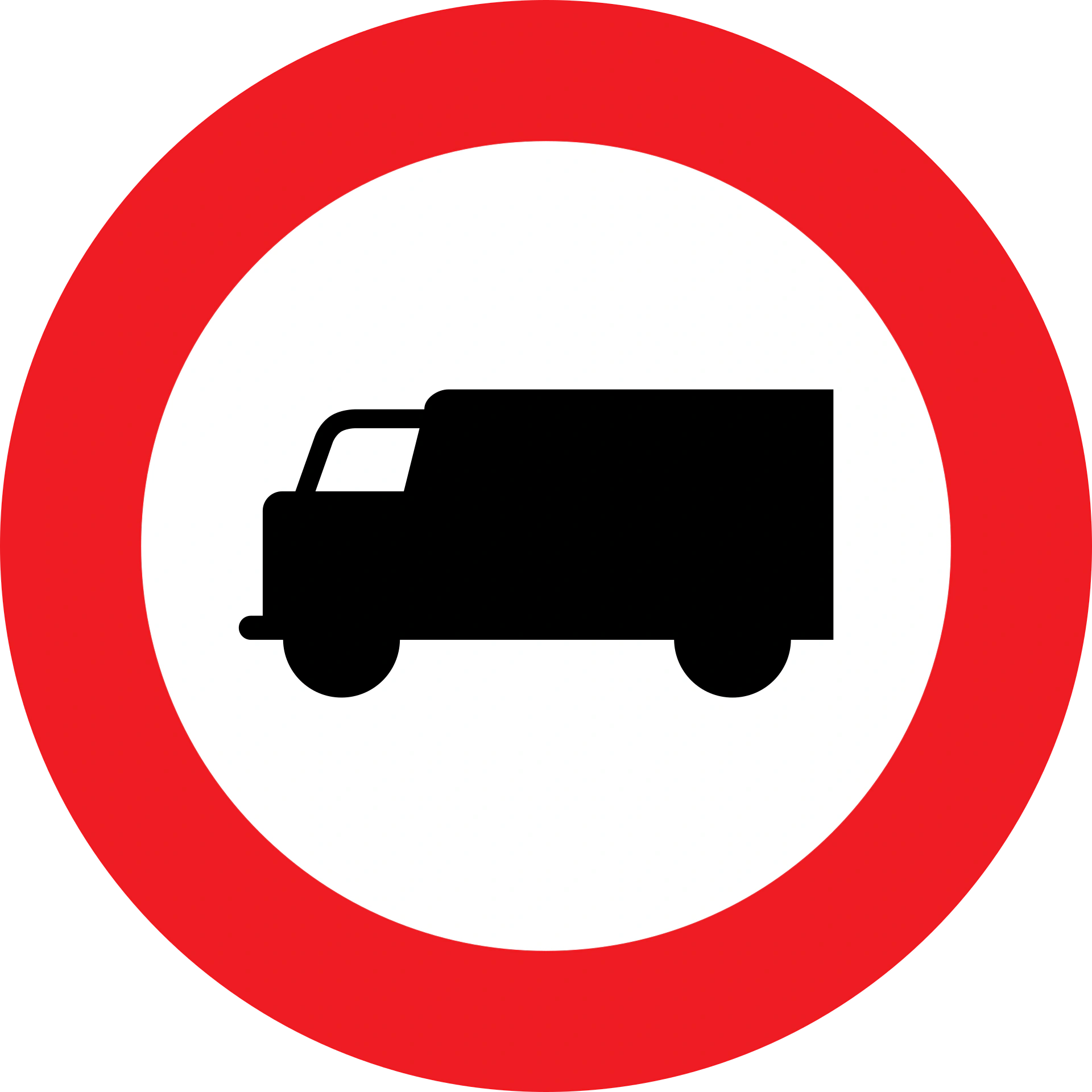
Understand the "No Lorries" Sign (7a-no-lorries) in Austria
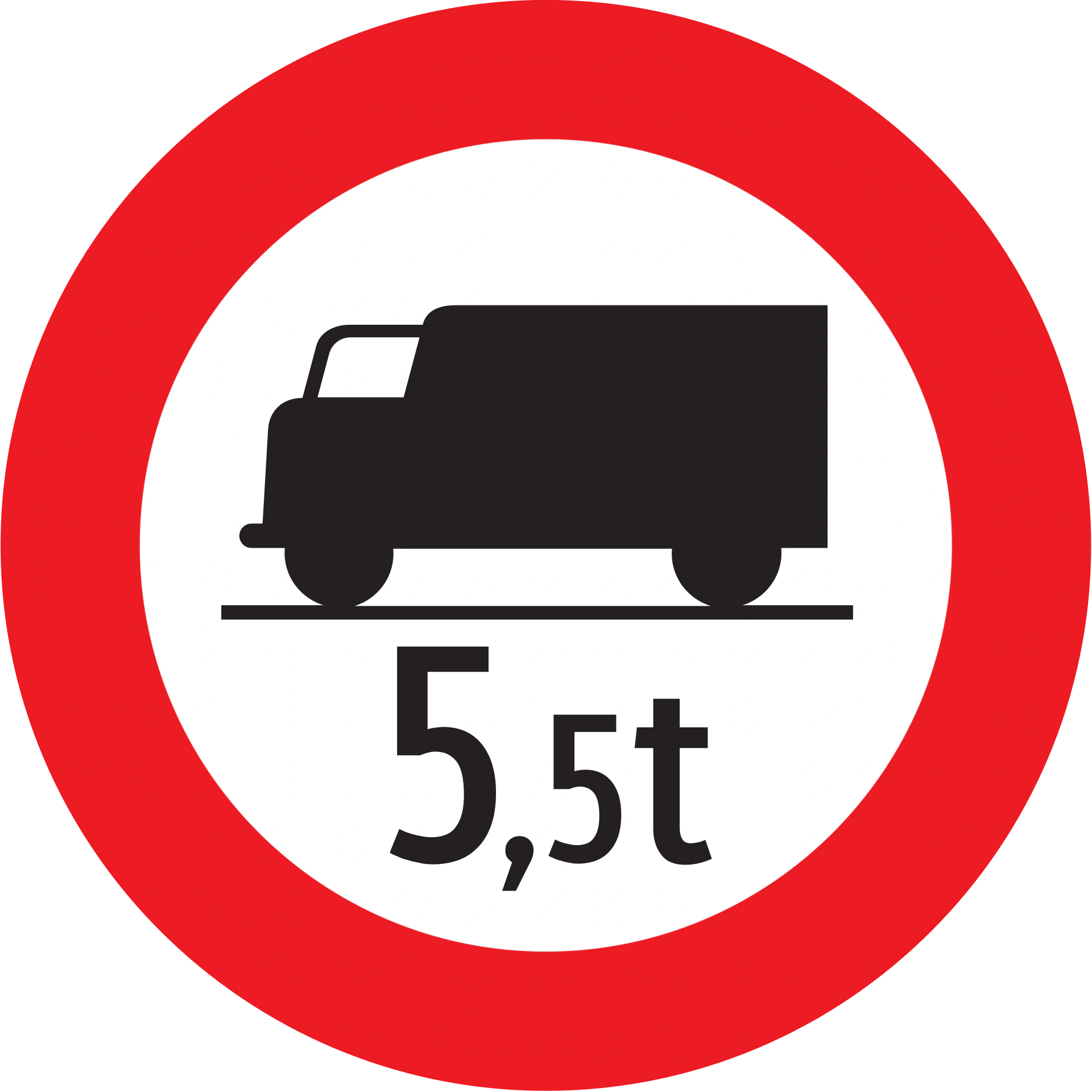
Understand the 'No Lorries Exceeding X Tonnes' Prohibitory Sign (7a)
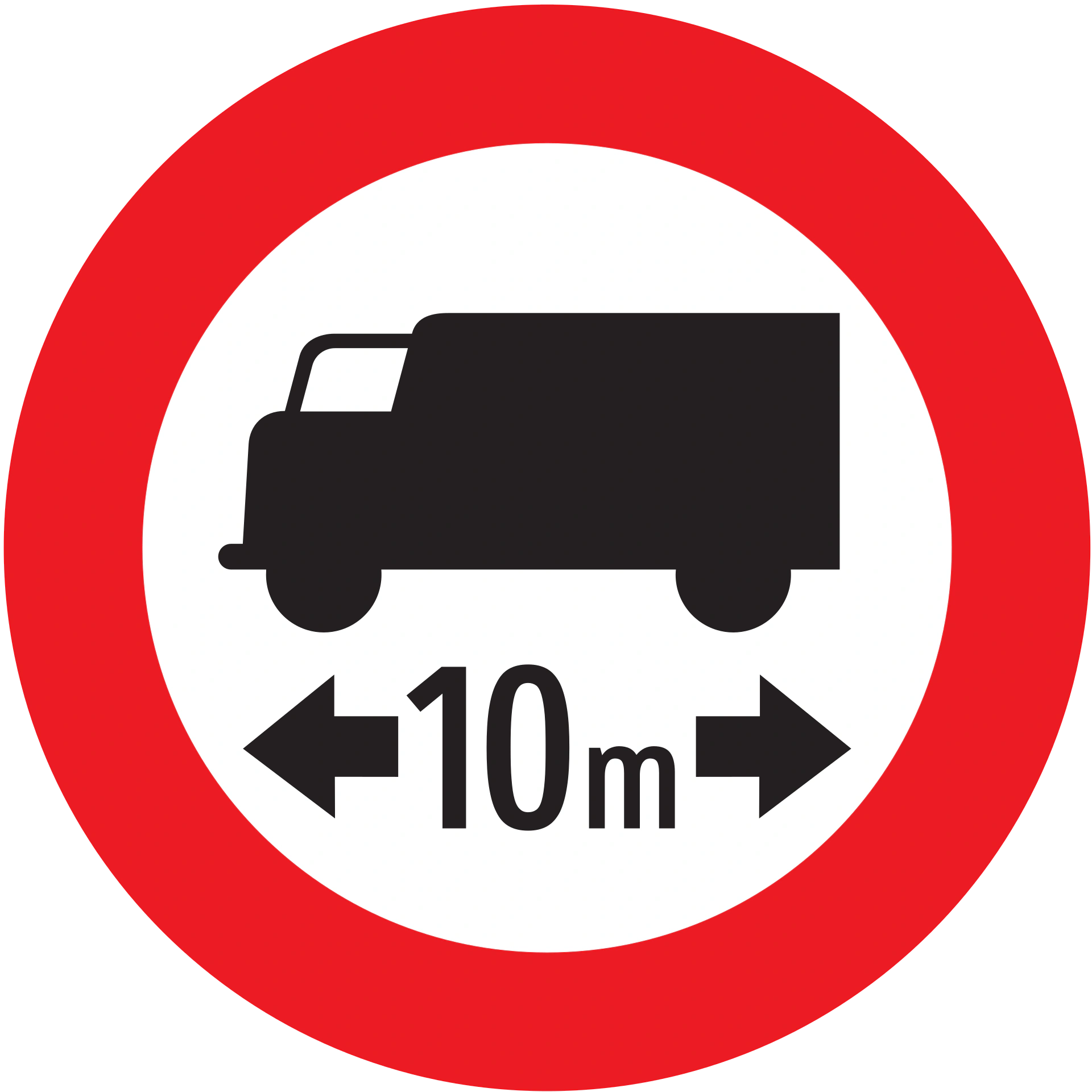
Austria's '7a No Lorries Exceeding Meters' Sign: What You Must Know
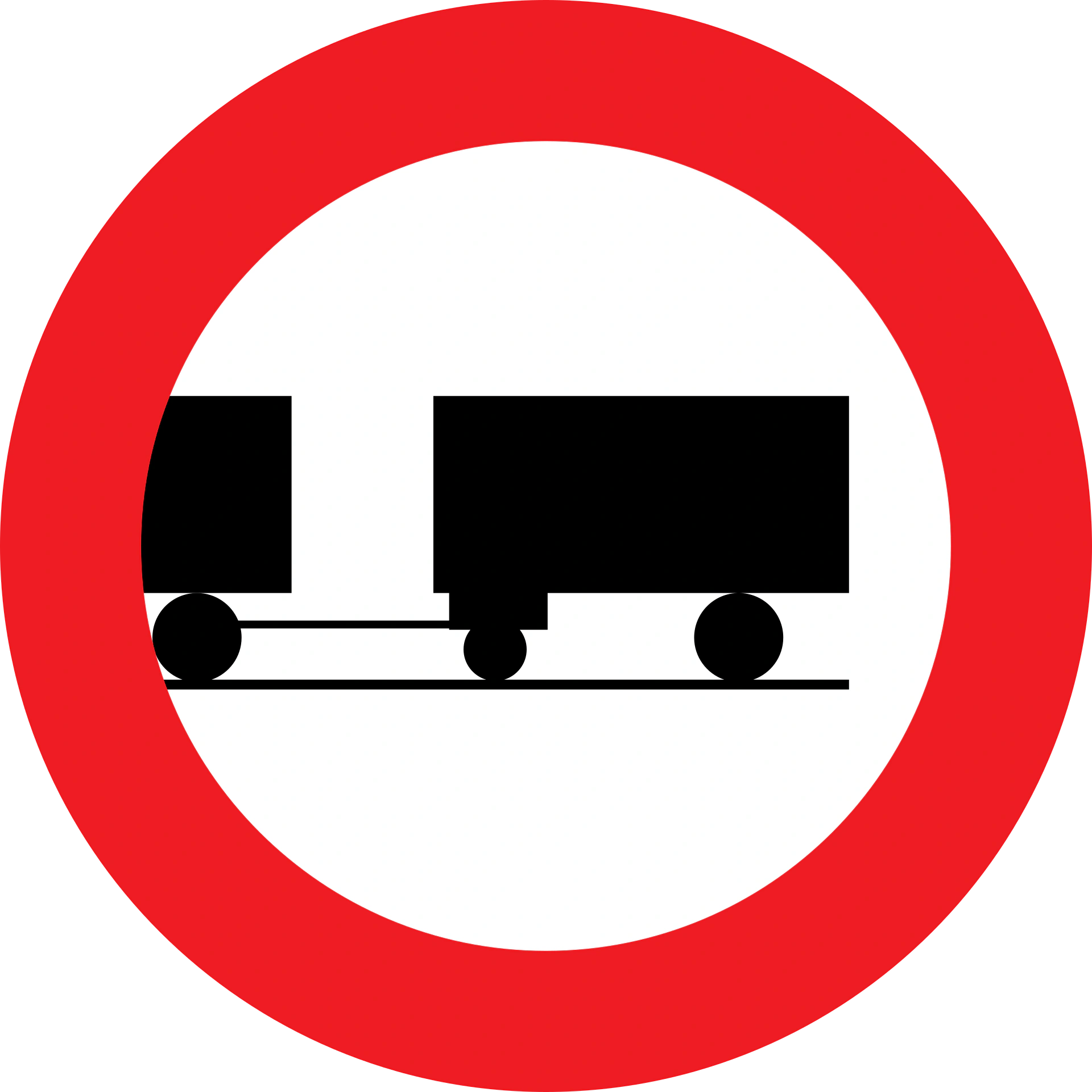
Understand the Austrian 'No lorries drawing a trailer' (7b) prohibitory sign
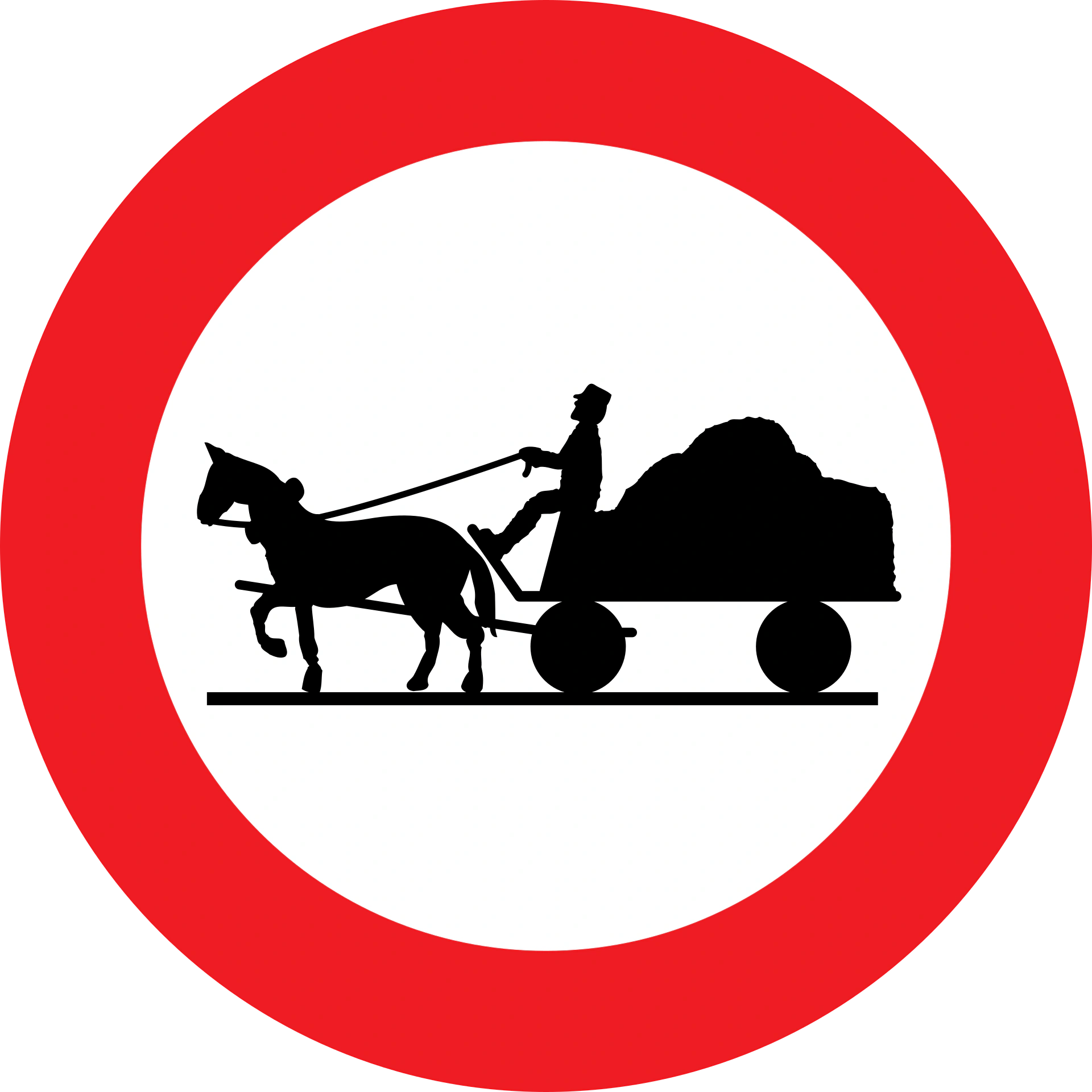
Sign 7c prohibits animal-drawn vehicles on this road.
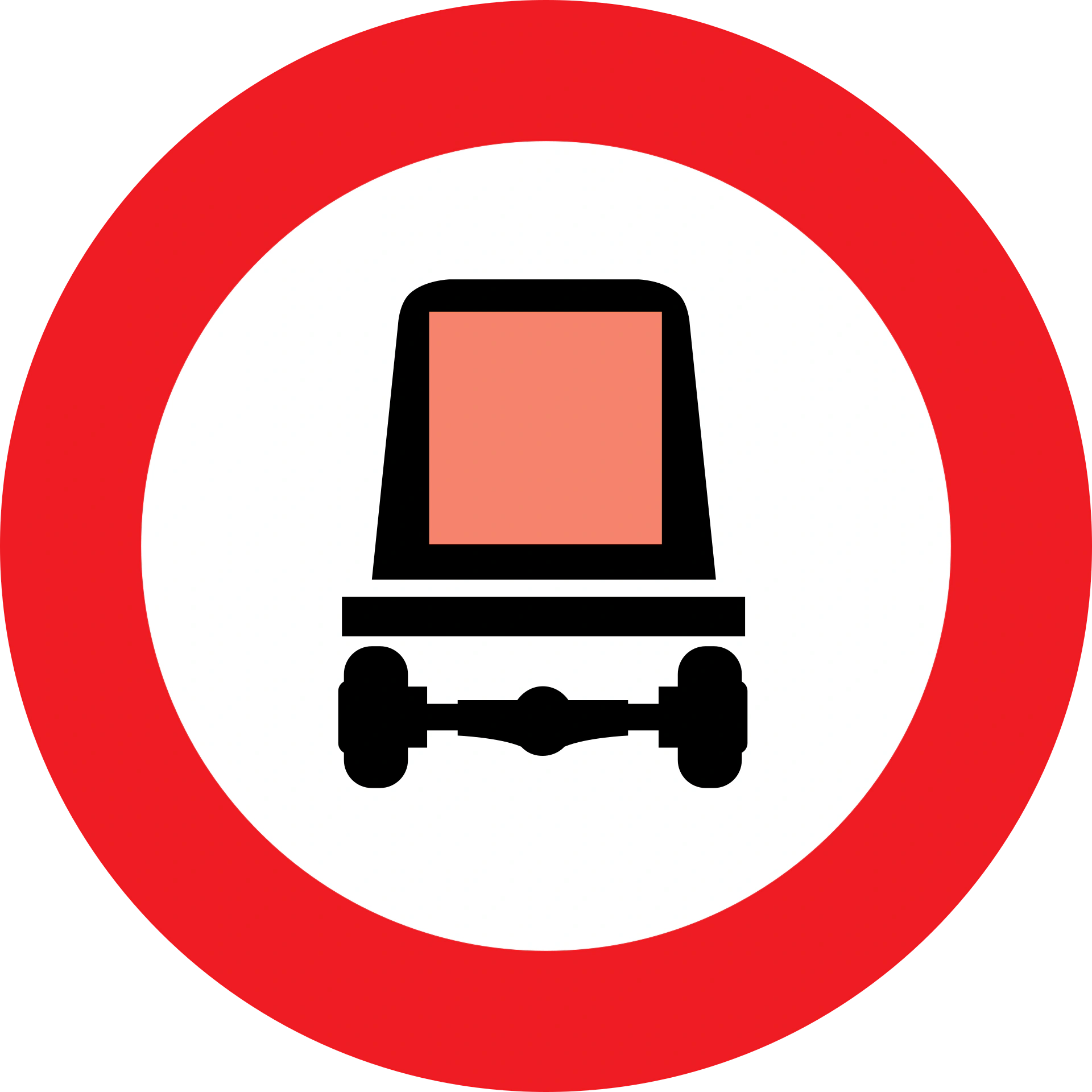
Austria's 'No Vehicles Carrying Dangerous Goods' Sign (7e) Explained
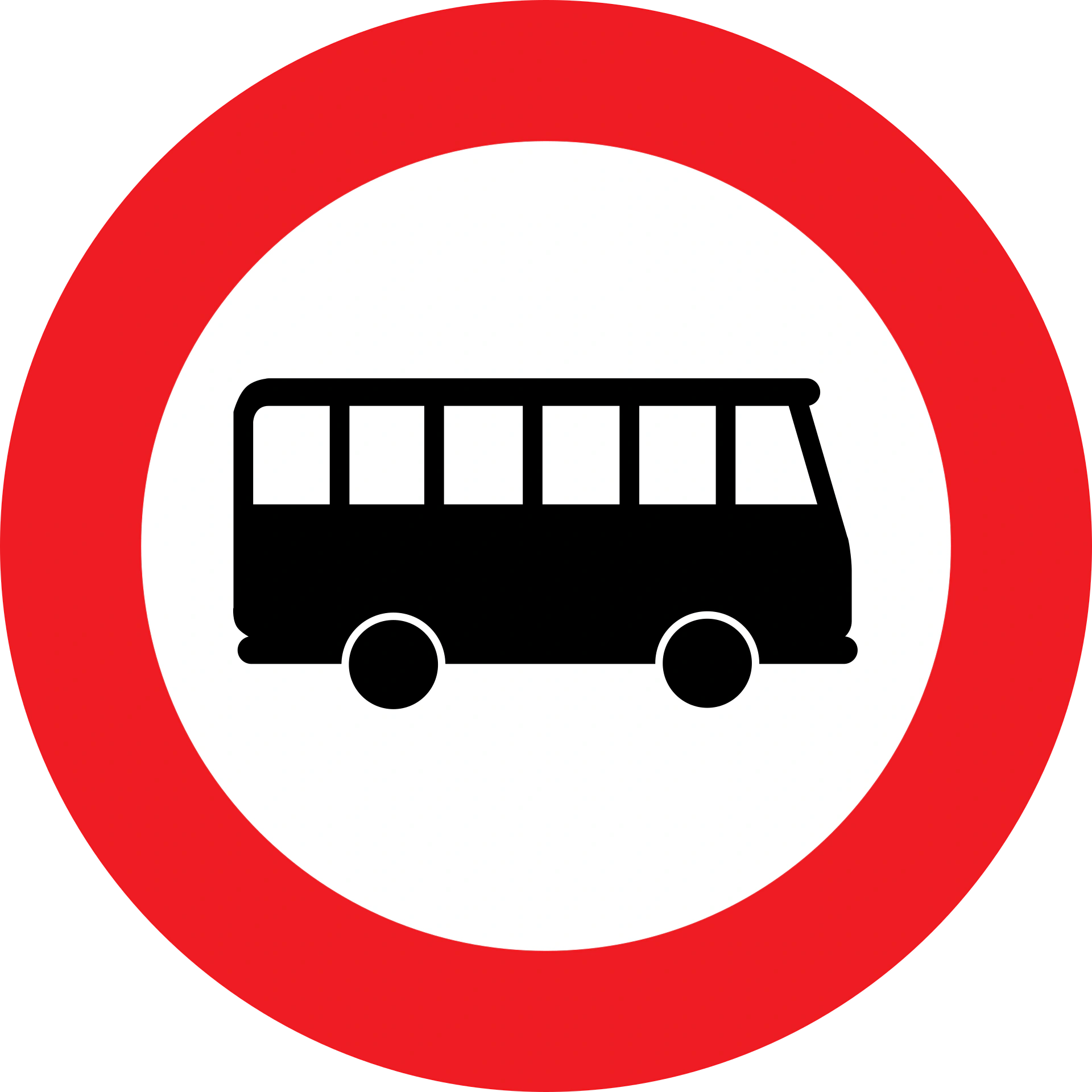
Understanding the 7f 'No Omnibuses' Prohibitory Sign in Austria
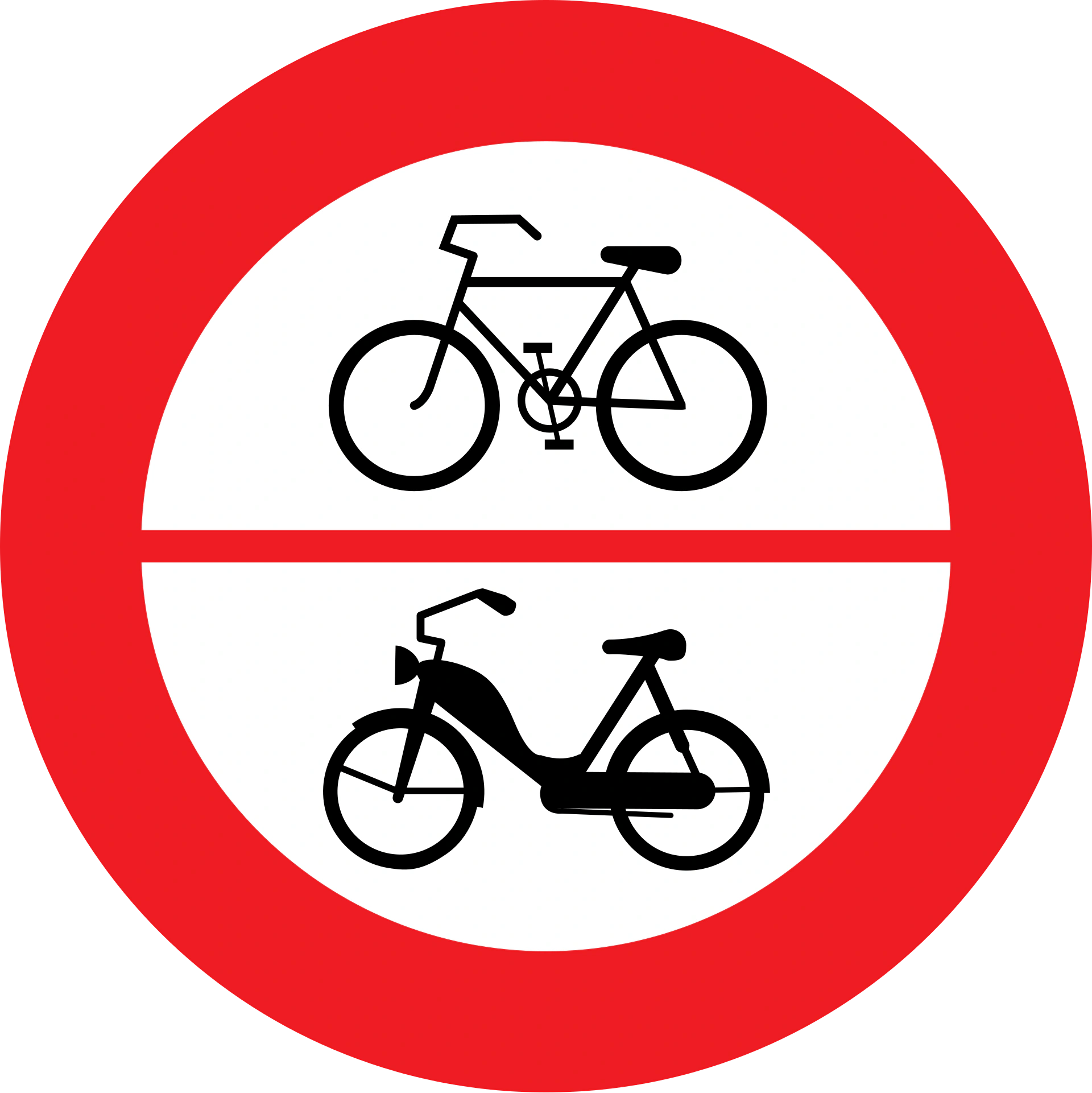
Understand the 'No Cycles or Mopeds' Prohibitory Sign (8a-no-cycles-mopeds)
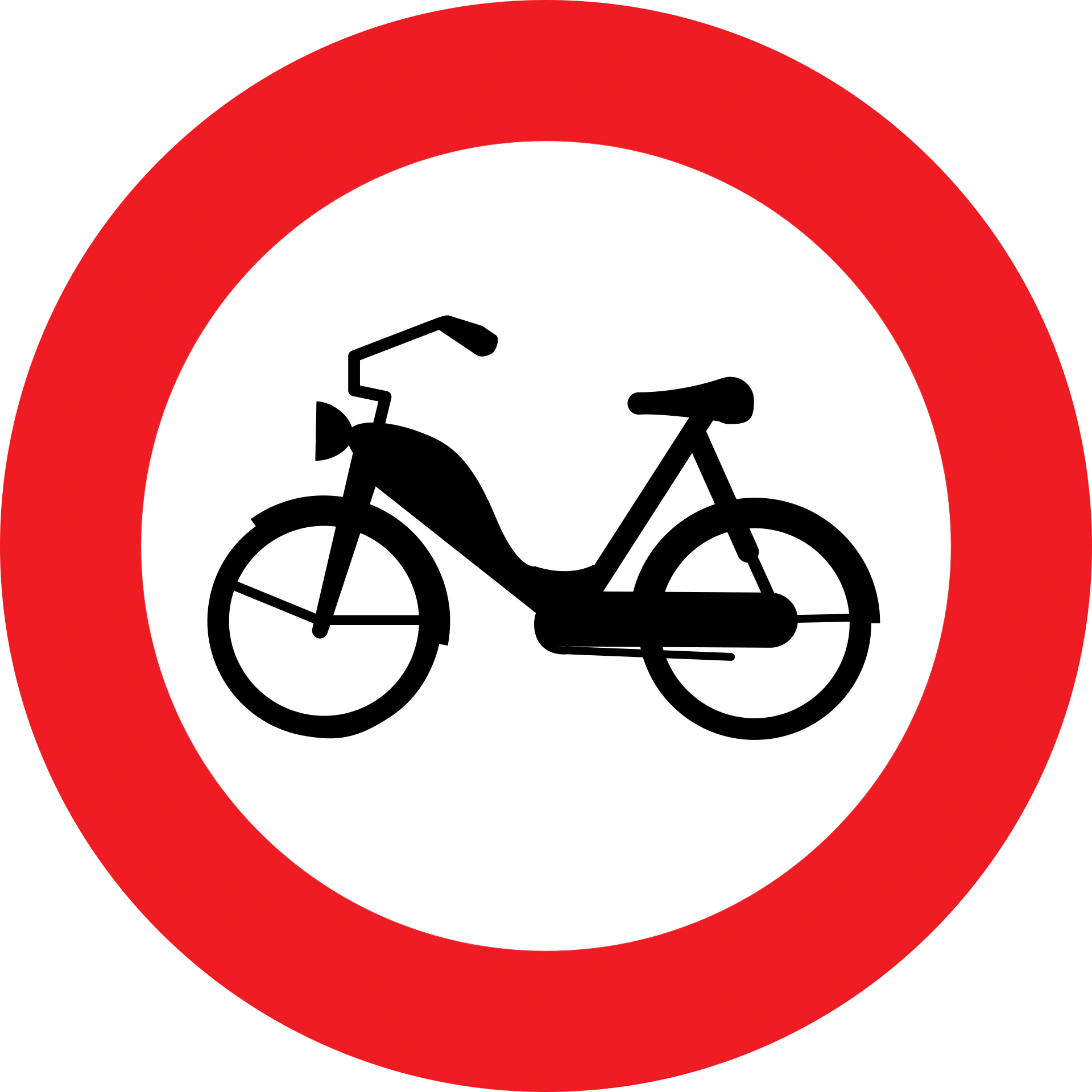
Understand the 'No Mopeds' Prohibitory Sign (8b-no-mopeds)
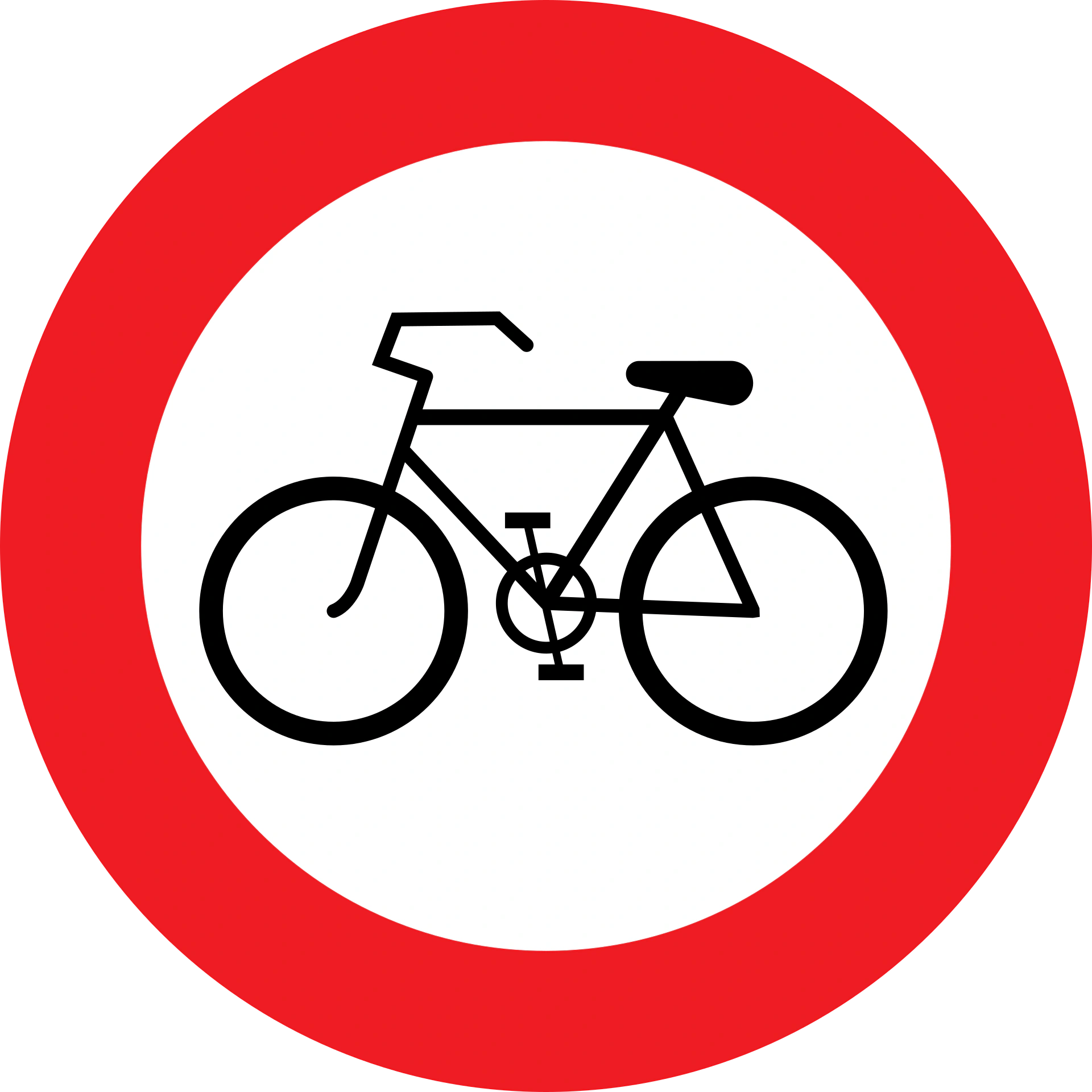
Understand the 'No cycles' prohibitory road sign in Austria
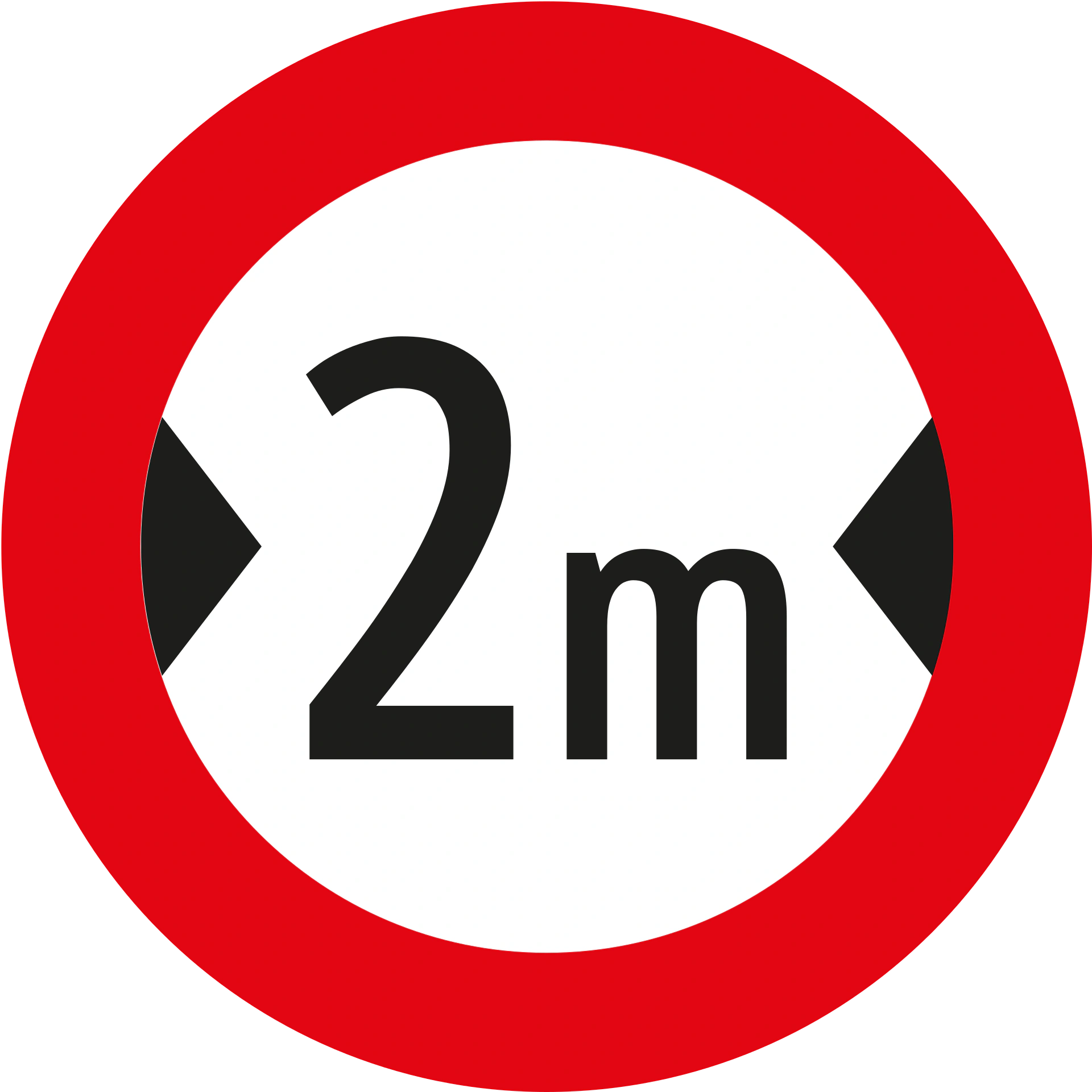
Understand Austria's 'No Vehicles Exceeding Width Limit' Sign (9a)
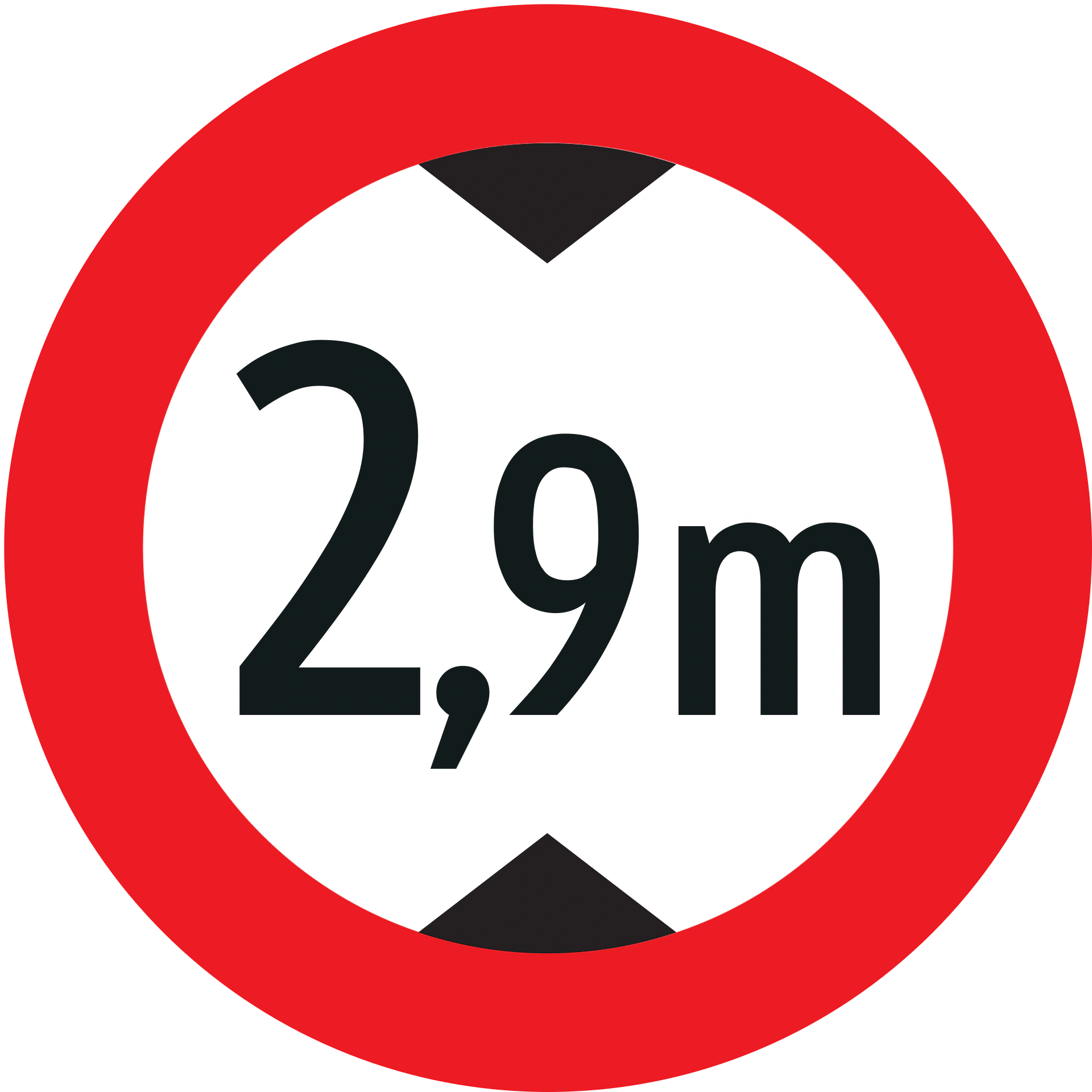
Austria's 9b Road Sign: Understand Height Restrictions for Vehicles
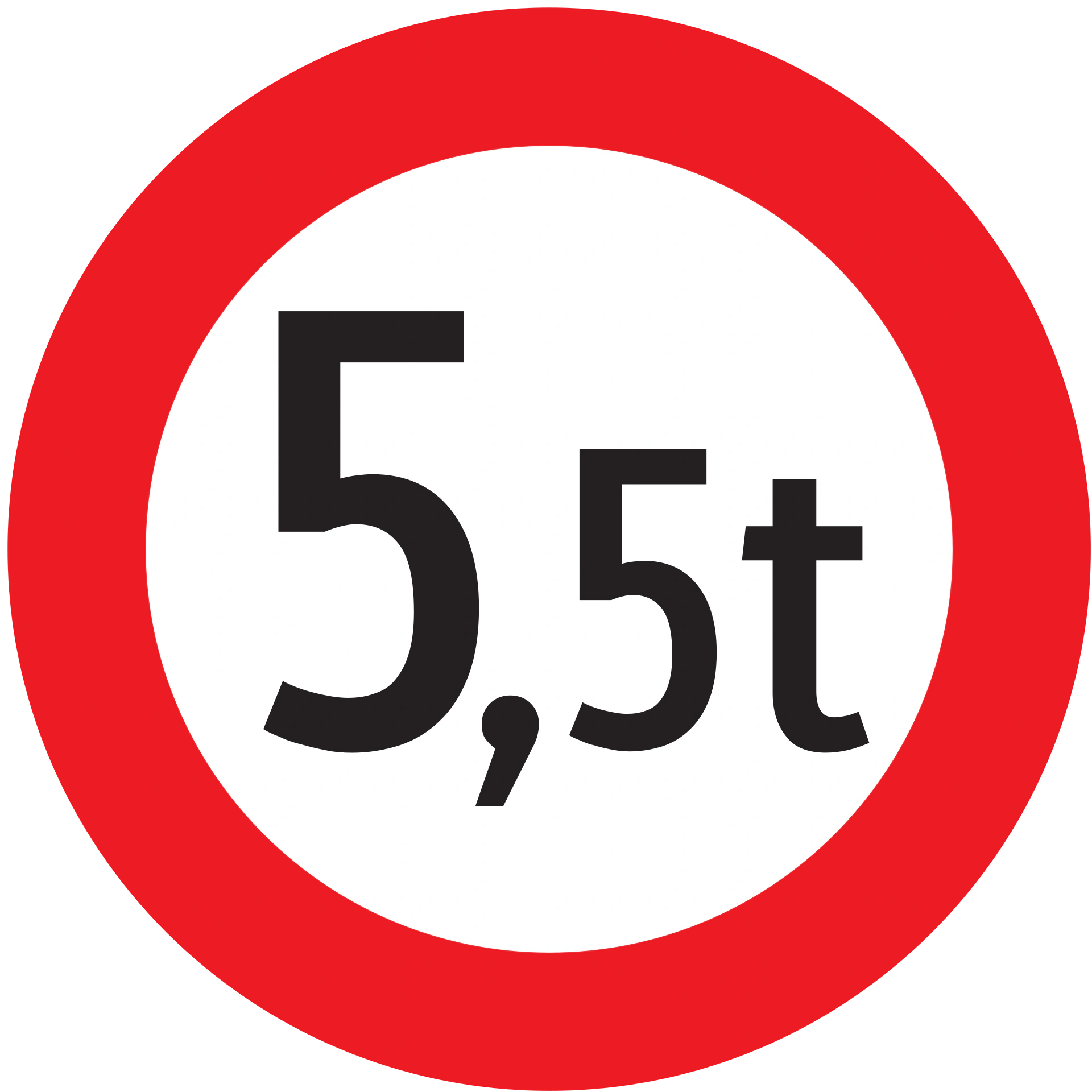
Understand the 'No Vehicles Exceeding... Tonnes Laden Weight' Sign (9c)
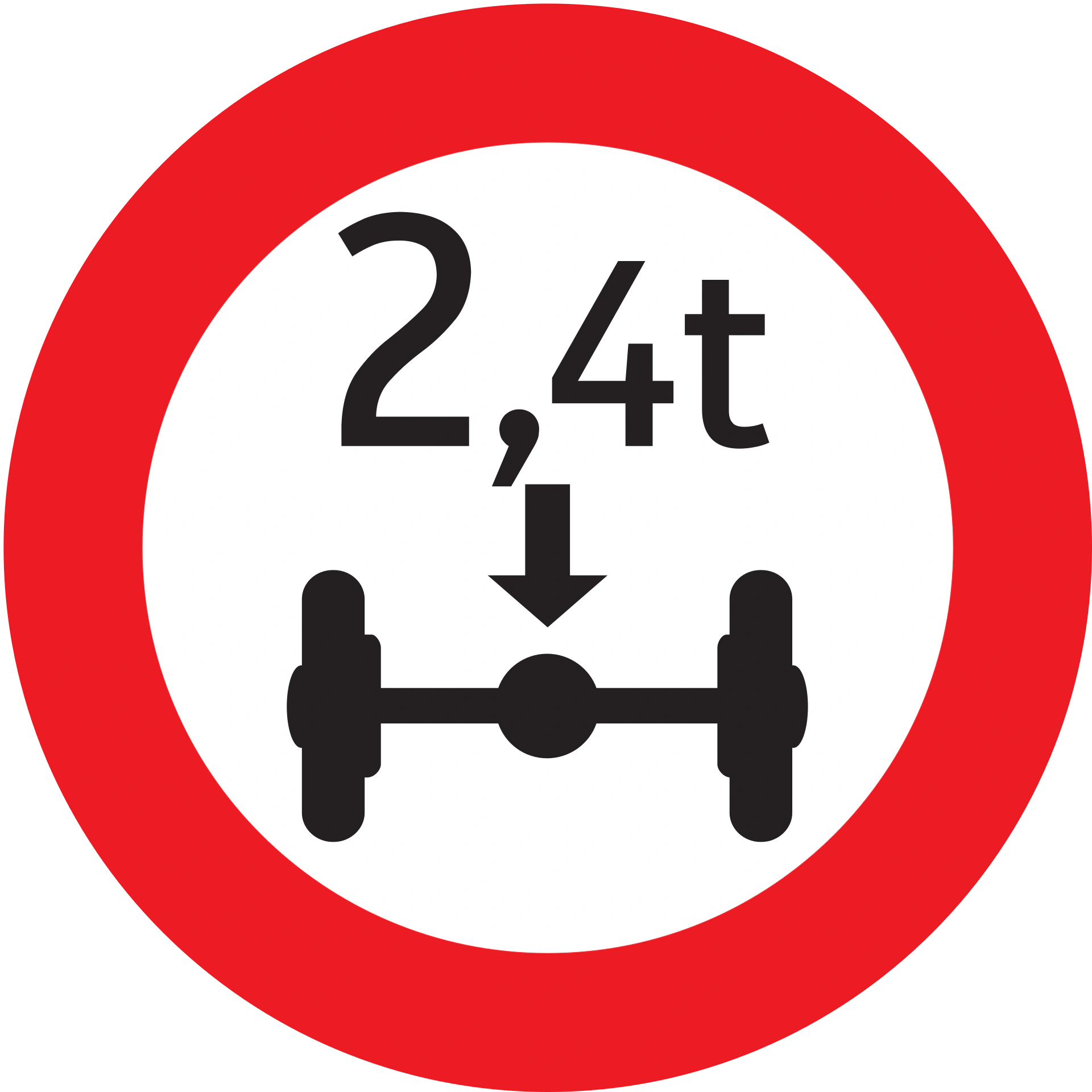
Understand the 'No Vehicles Over X Tonnes on One Axle' Prohibitory Sign (9d)
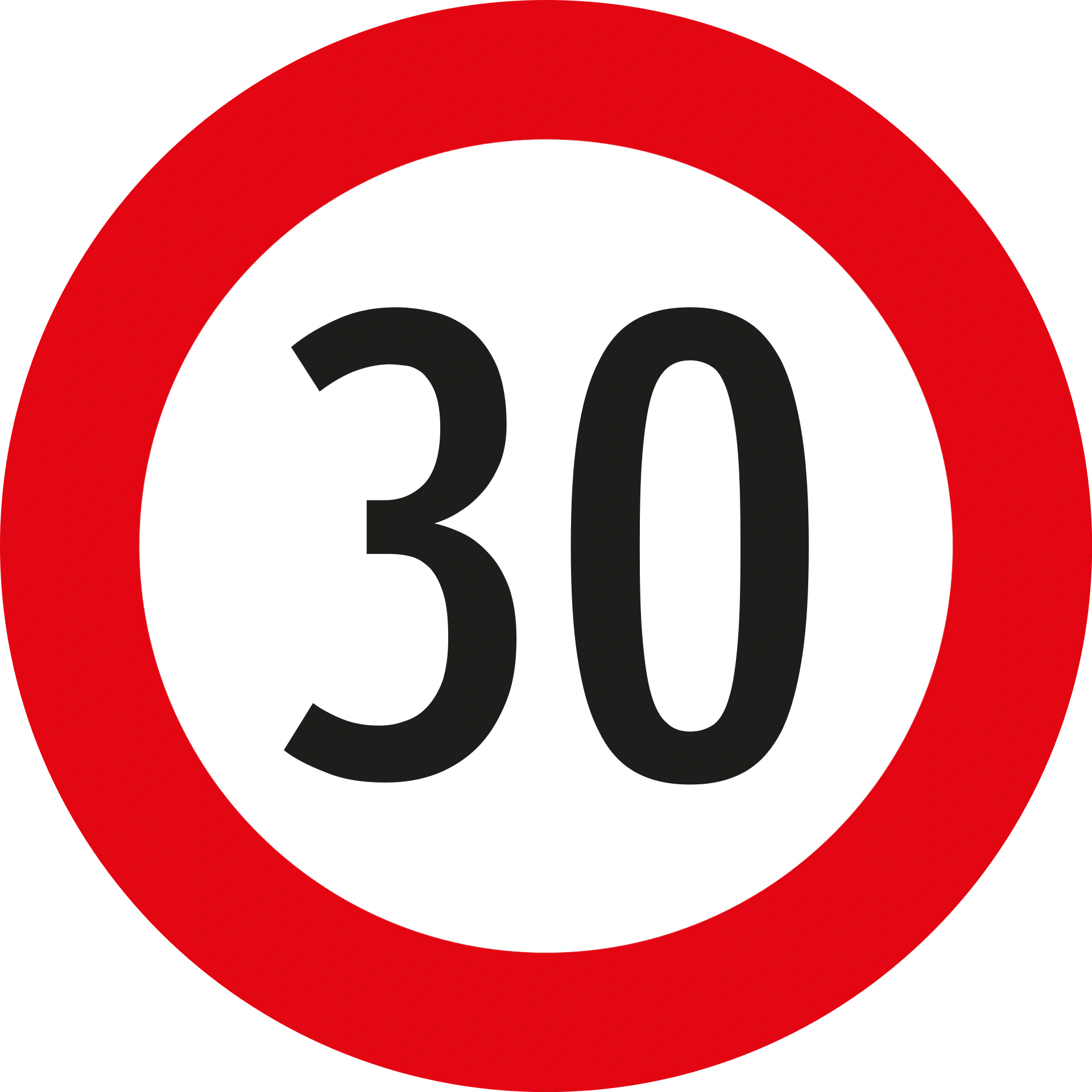
Master the Speed Limit (Allowed Maximum Speed) Road Sign in Austria
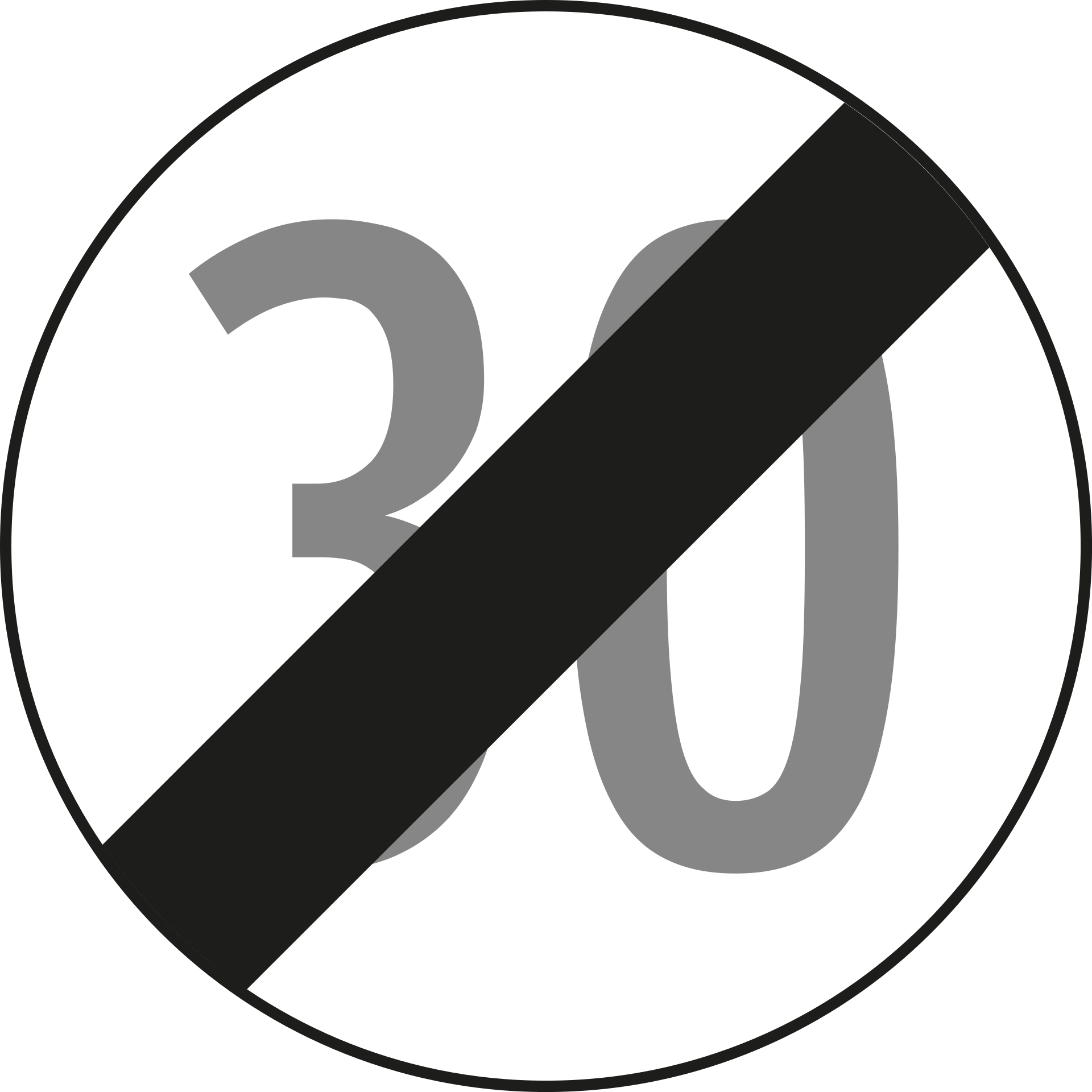
End of Speed Limit Sign: What to Do Next
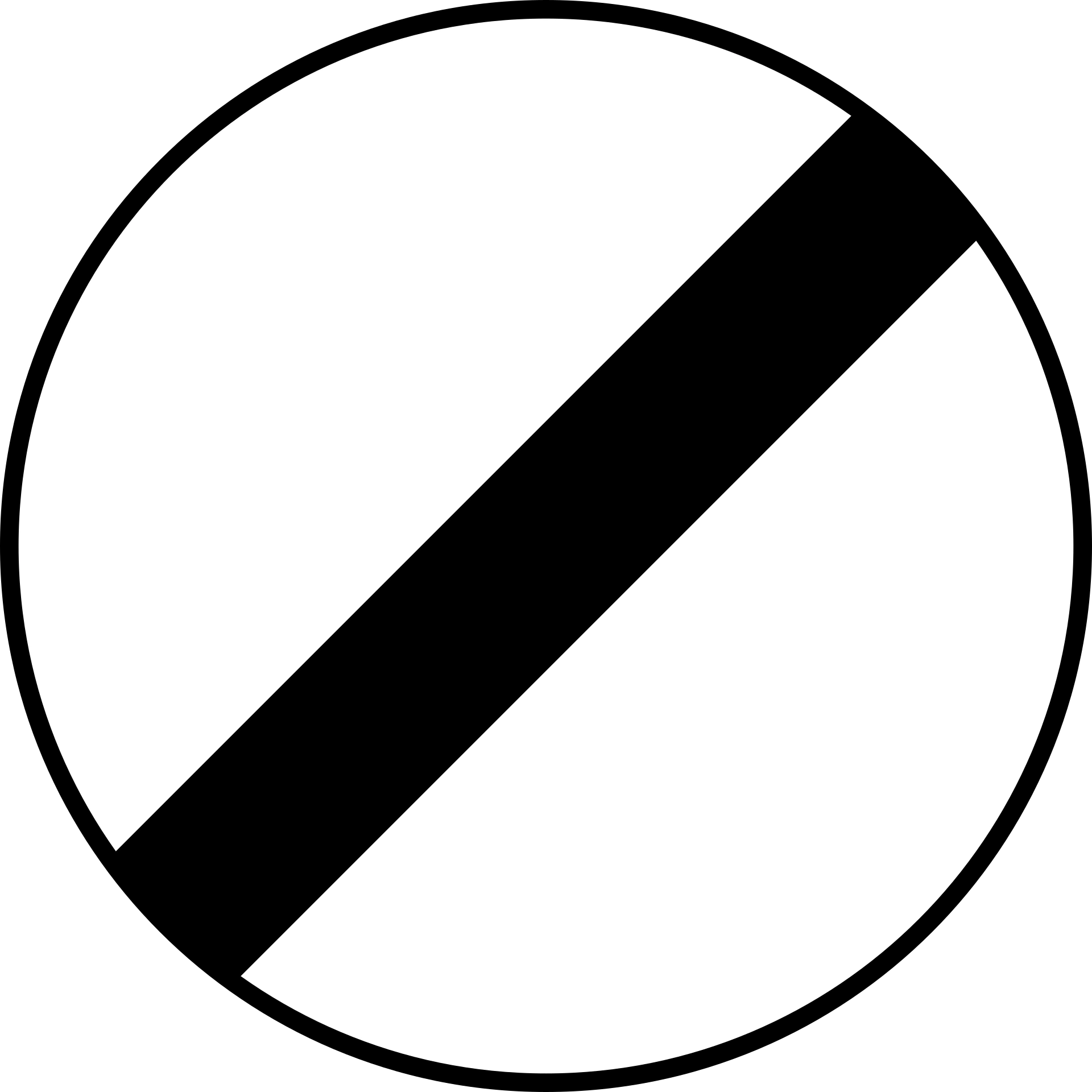
This sign signals the end of previous restrictions on overtaking and speed.
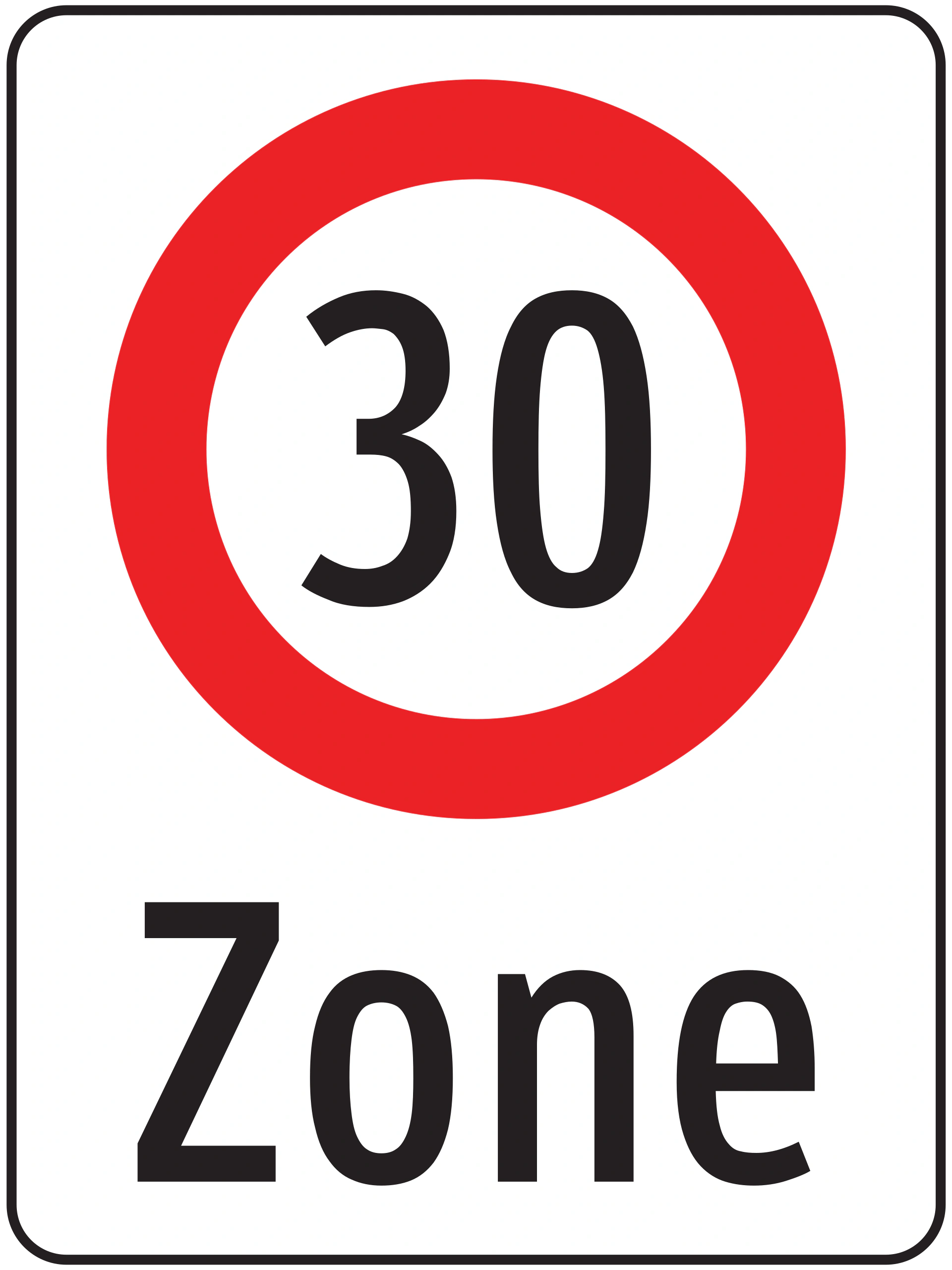
Understand the Zone Limitation Sign (11a-zone-limitation) in Austria
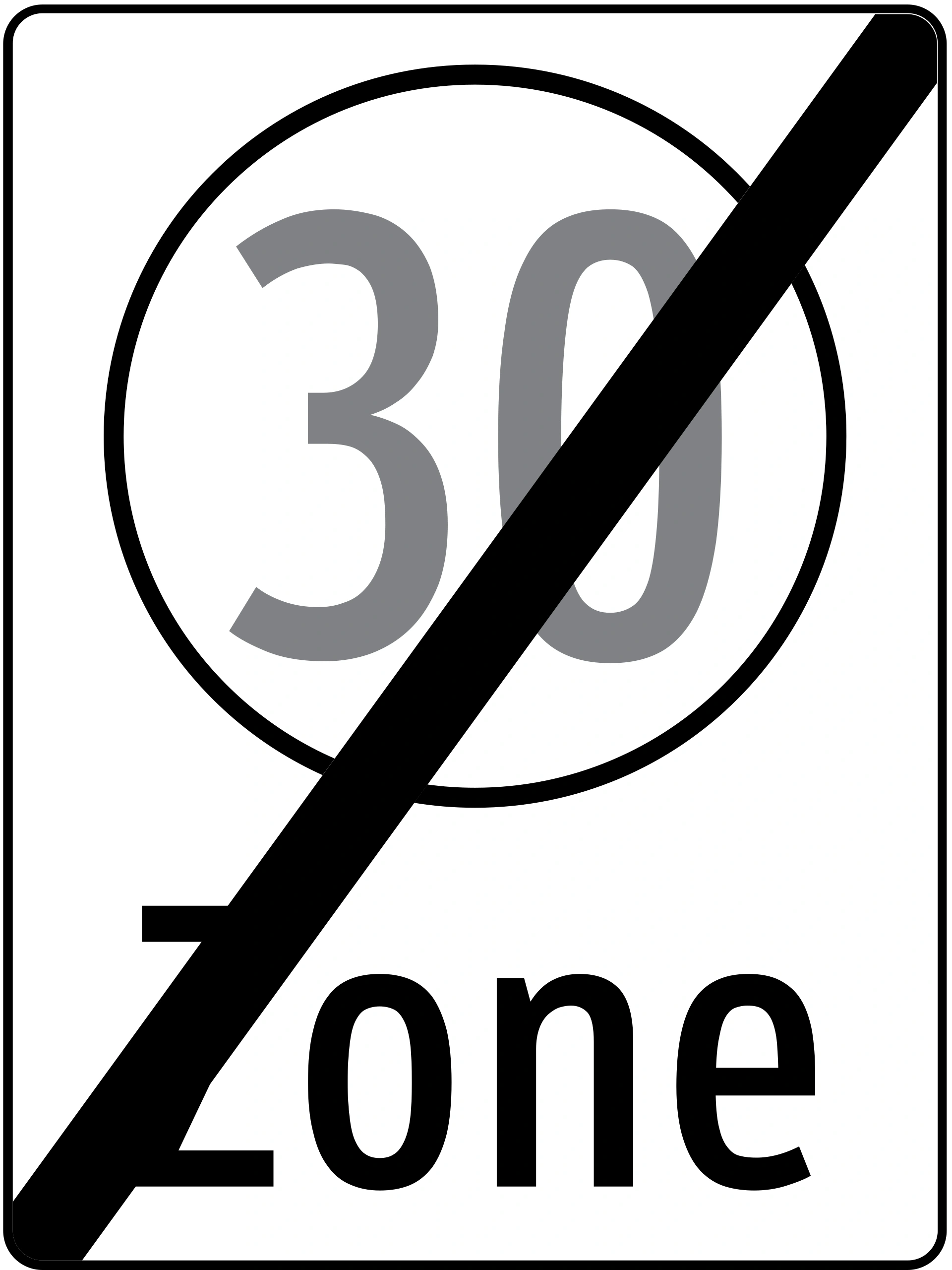
You've Reached the End of the Restricted Zone: Sign 11b Explained
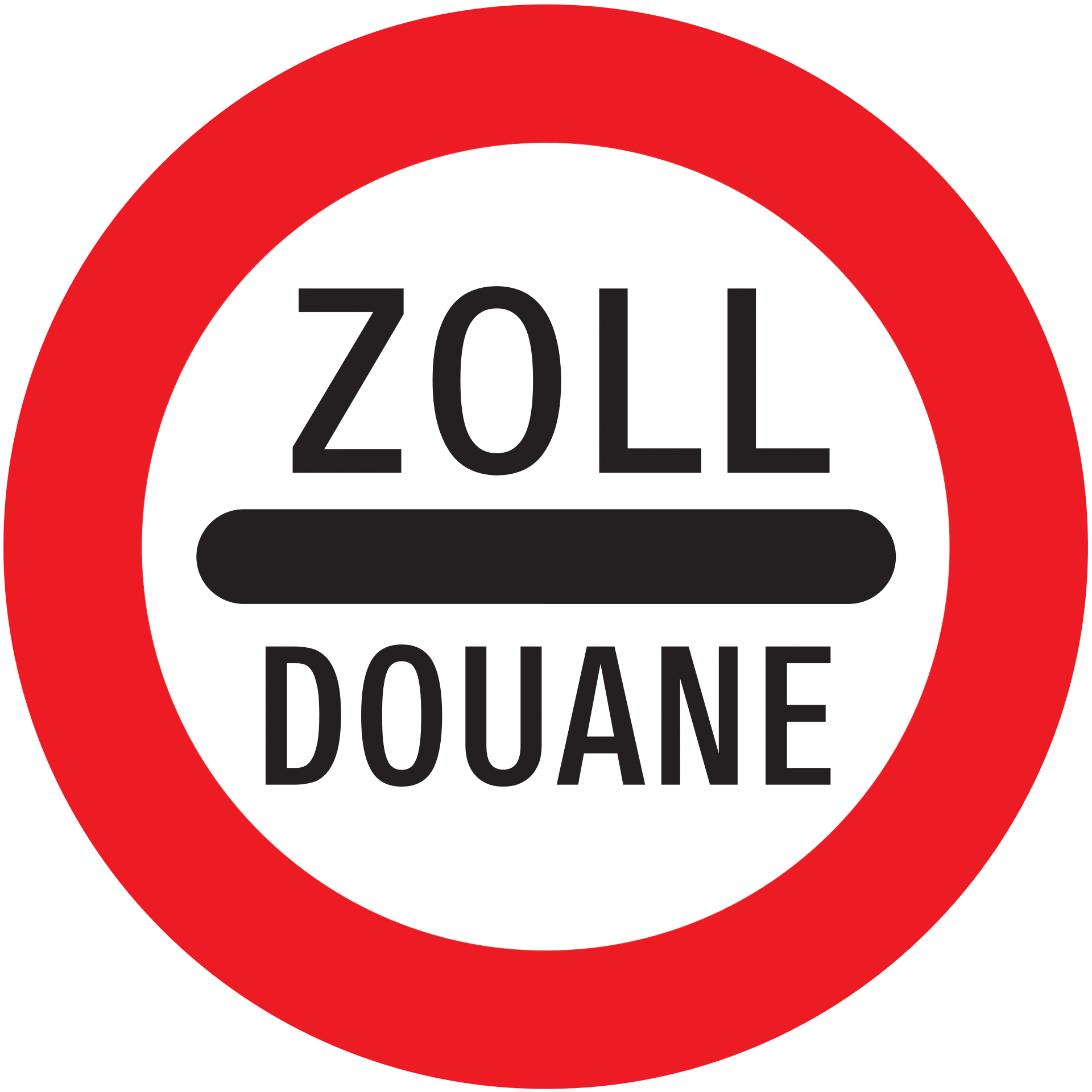
Understand the 'Stop for Customs' Sign (12-stop-customs)
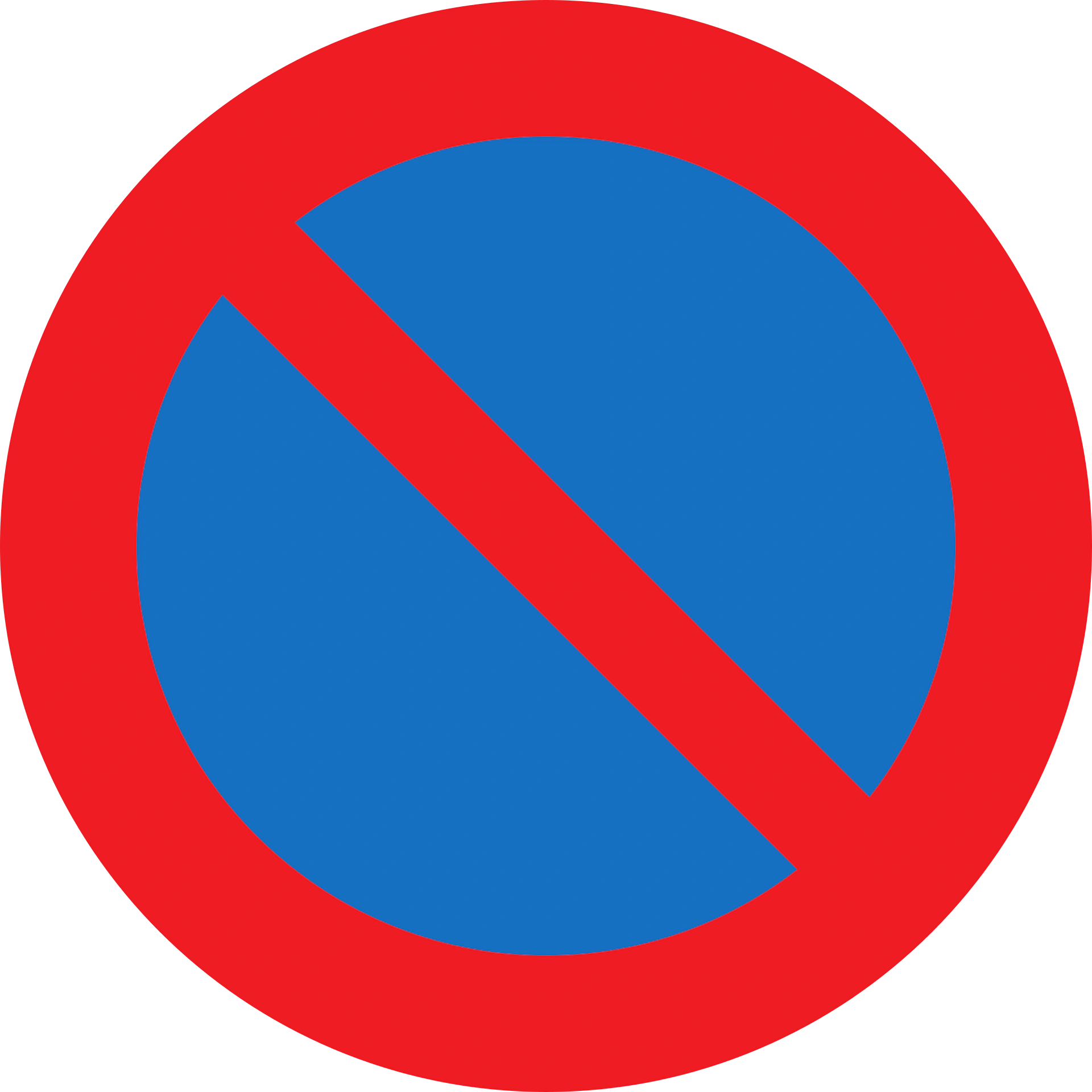
Understand the 13a No Parking Road Sign in Austria
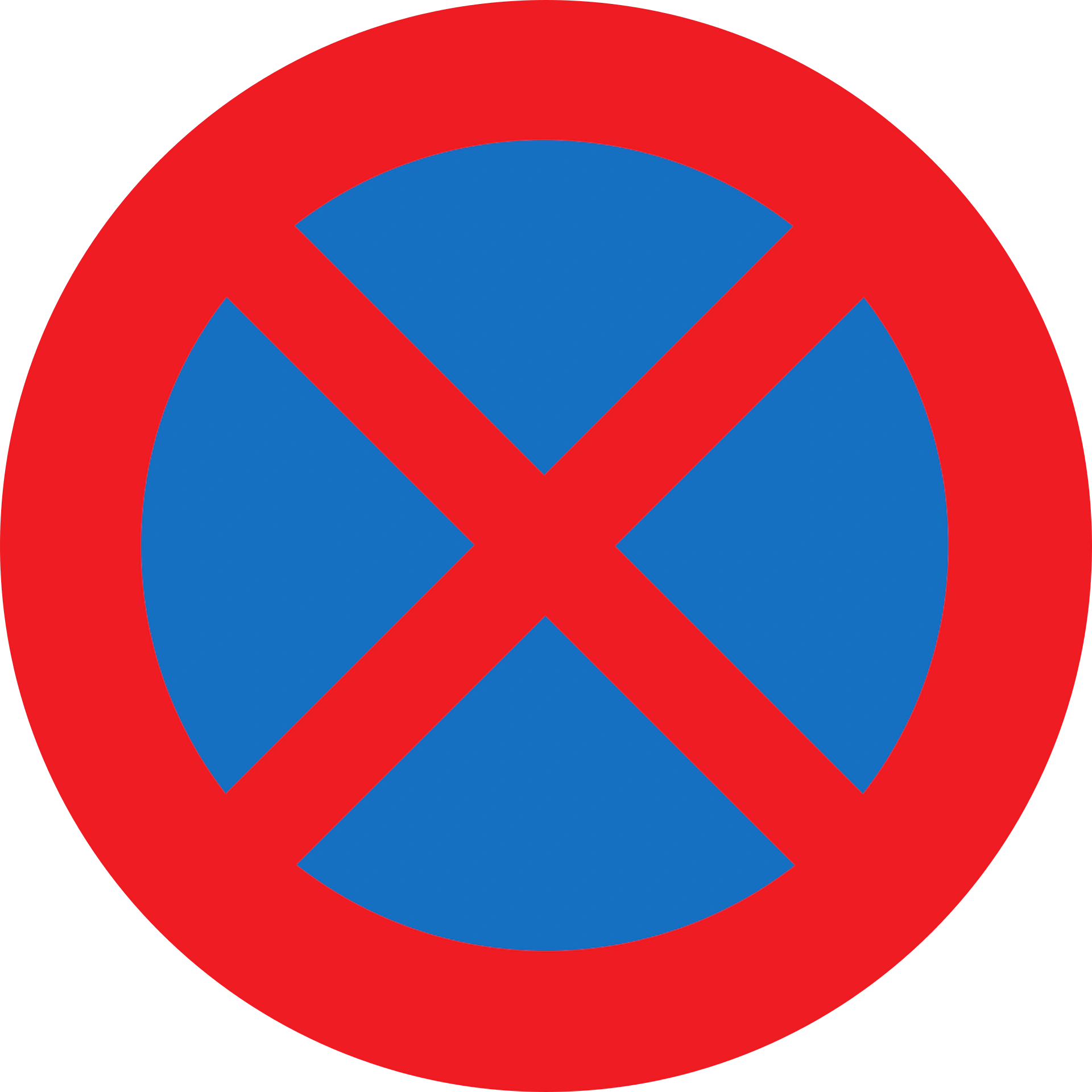
Understand the 'No Standing or Parking' prohibitory sign (13b) in Austria.
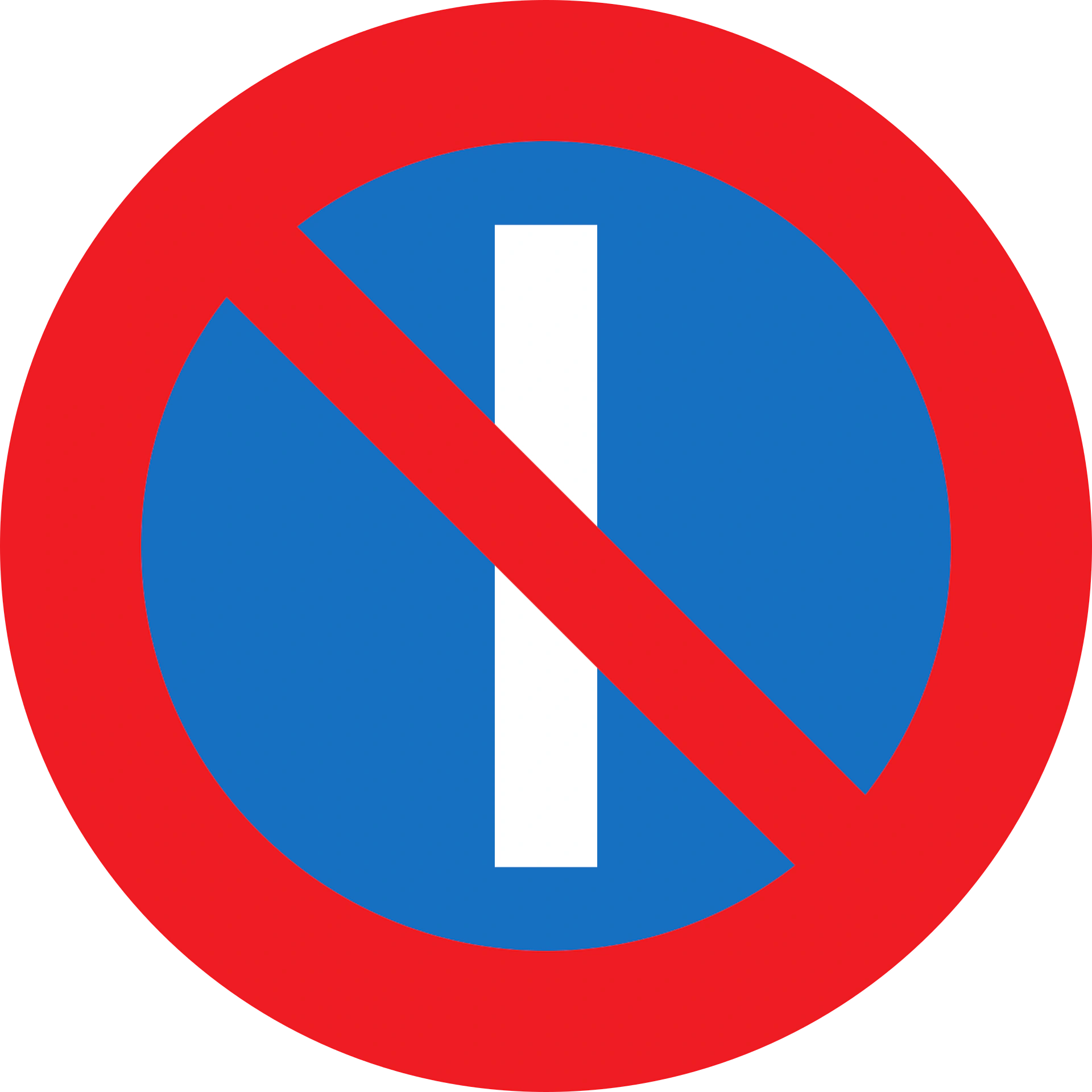
Understand the 'Alternative Parking - No Parking on Uneven Days' Sign (13c/a)
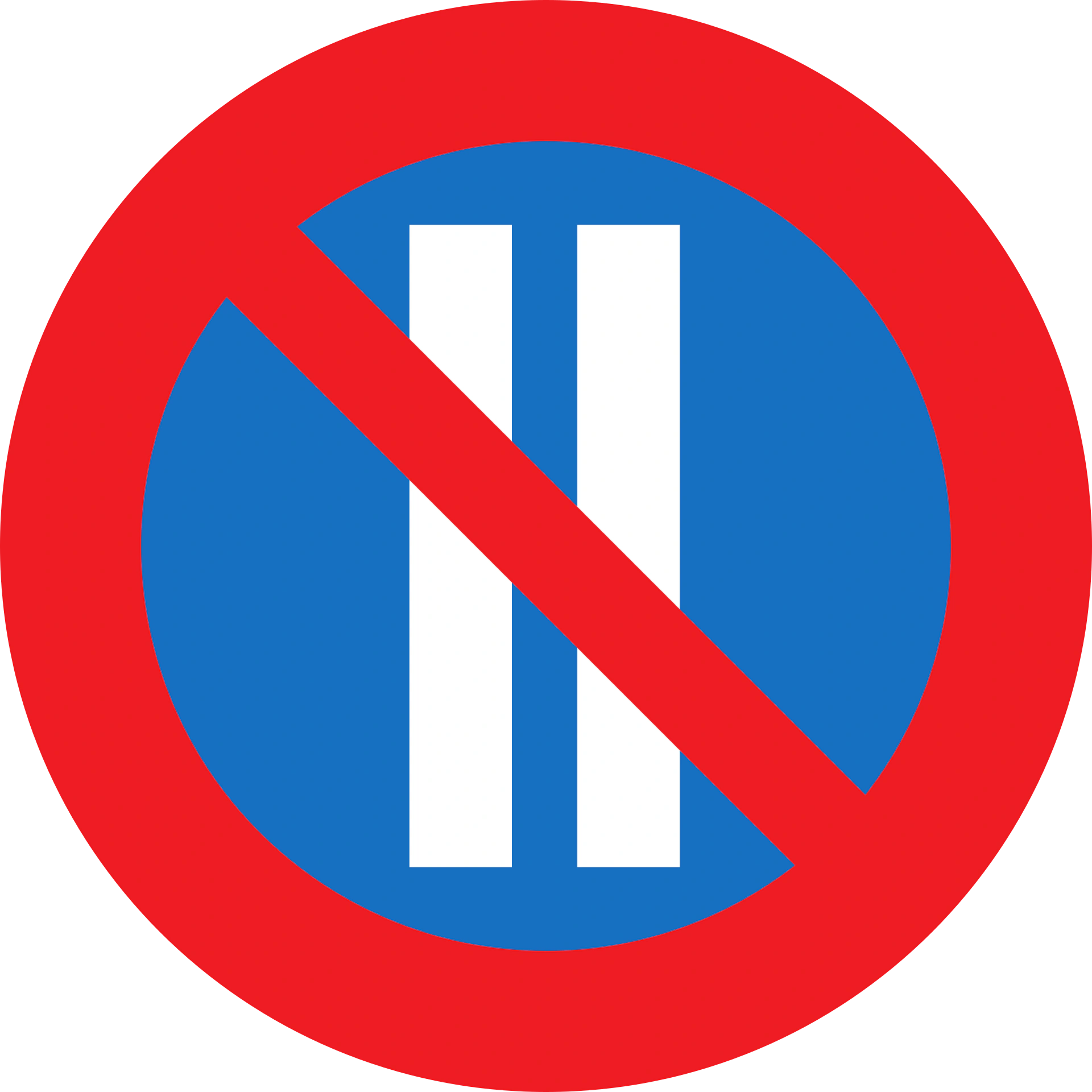
Understand the 'No Parking on Even Days' Alternative Parking Sign (13c/b)
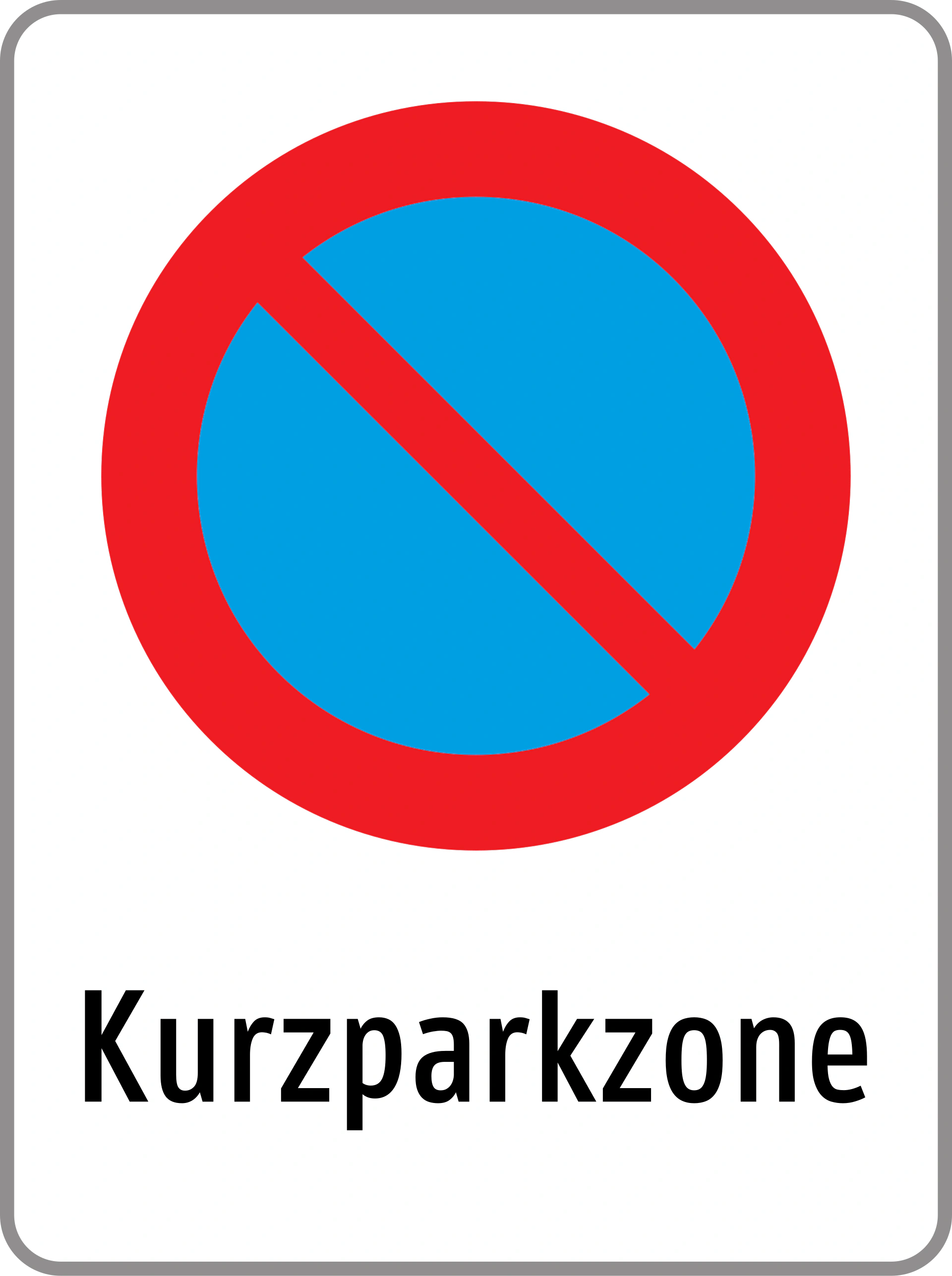
Beginning of a Short-Term Parking Zone: What This Sign Means for You
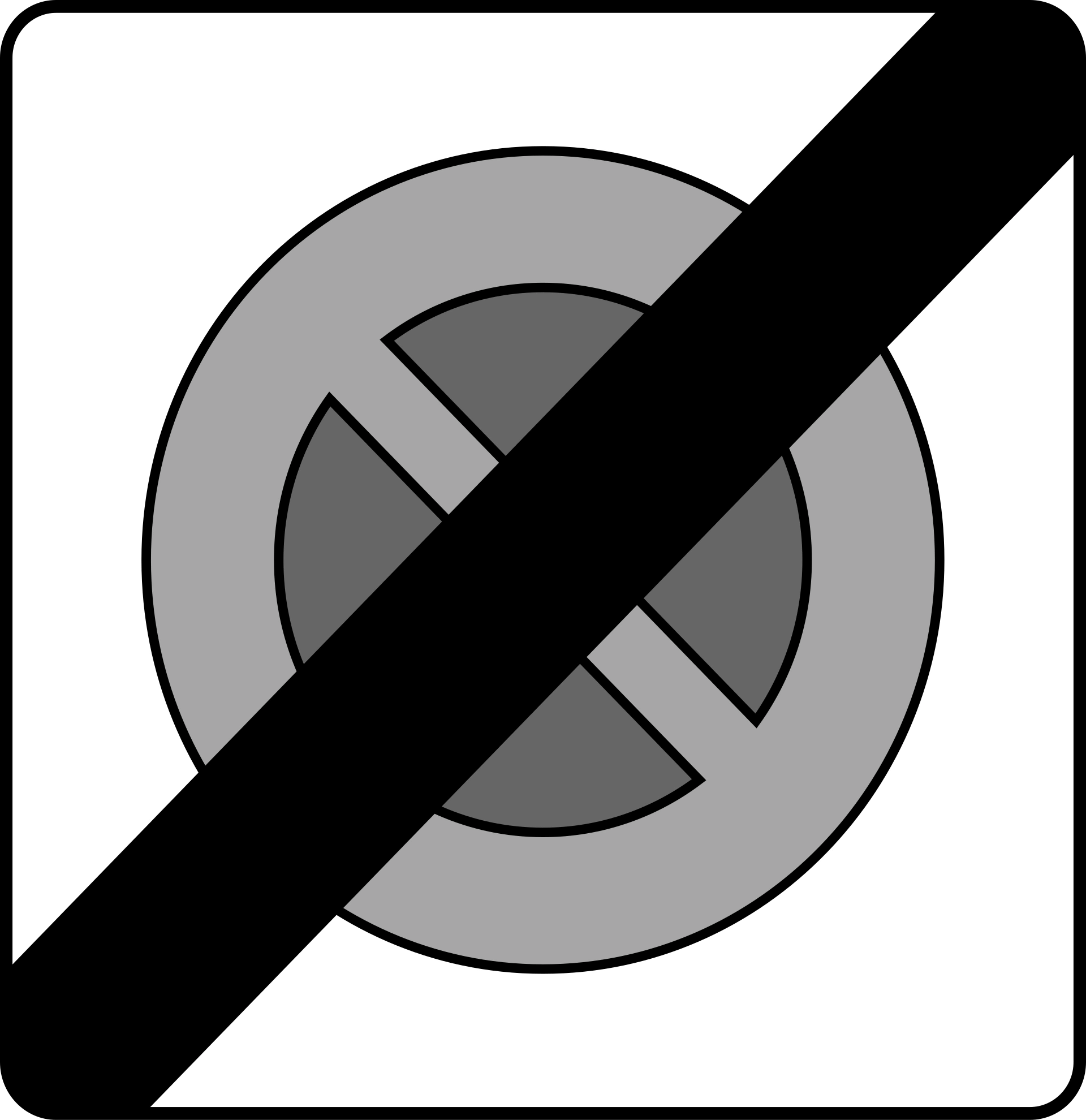
You've reached the end of the short-term parking restriction zone.
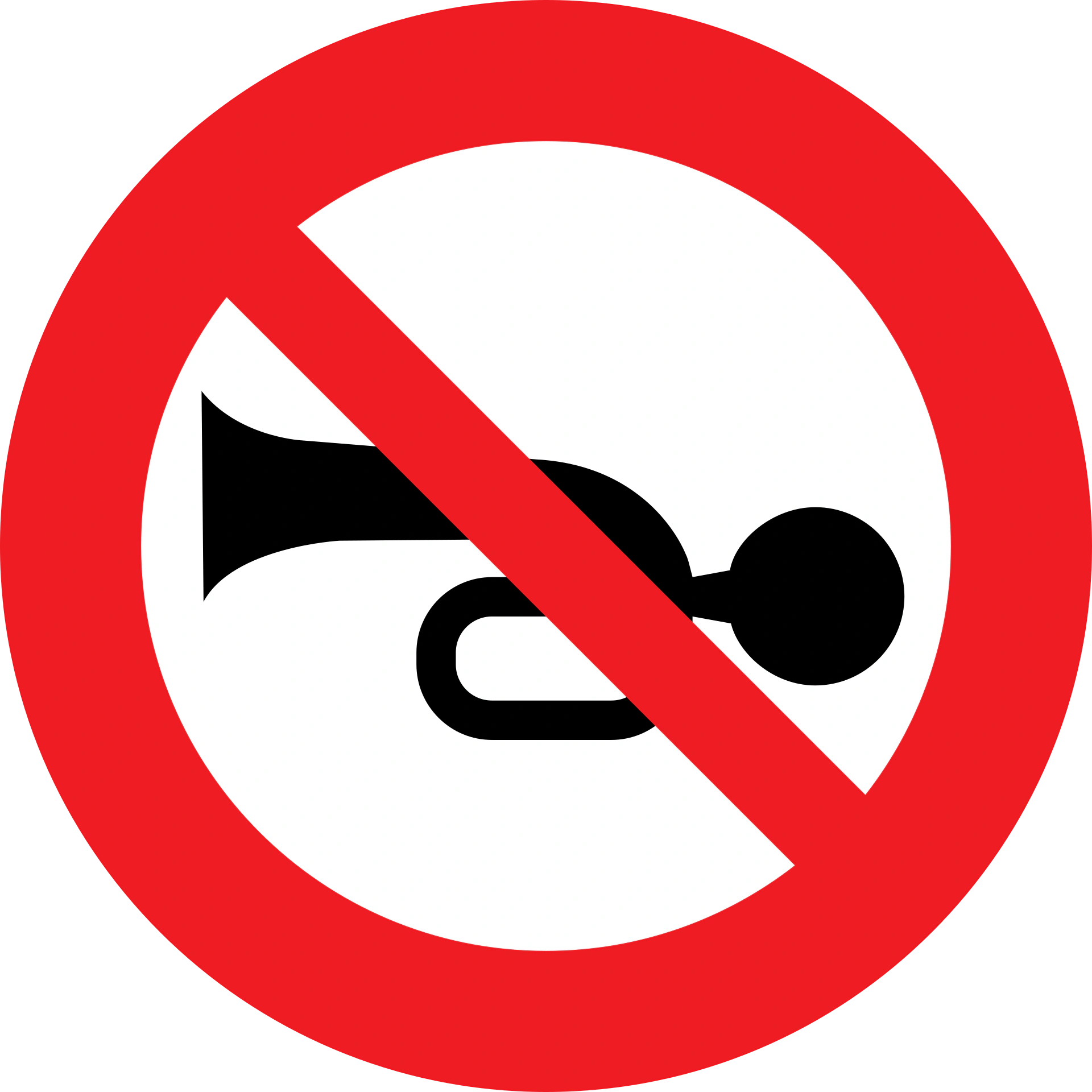
No Honking Allowed: Understanding the Prohibition of Horn Sounding Sign
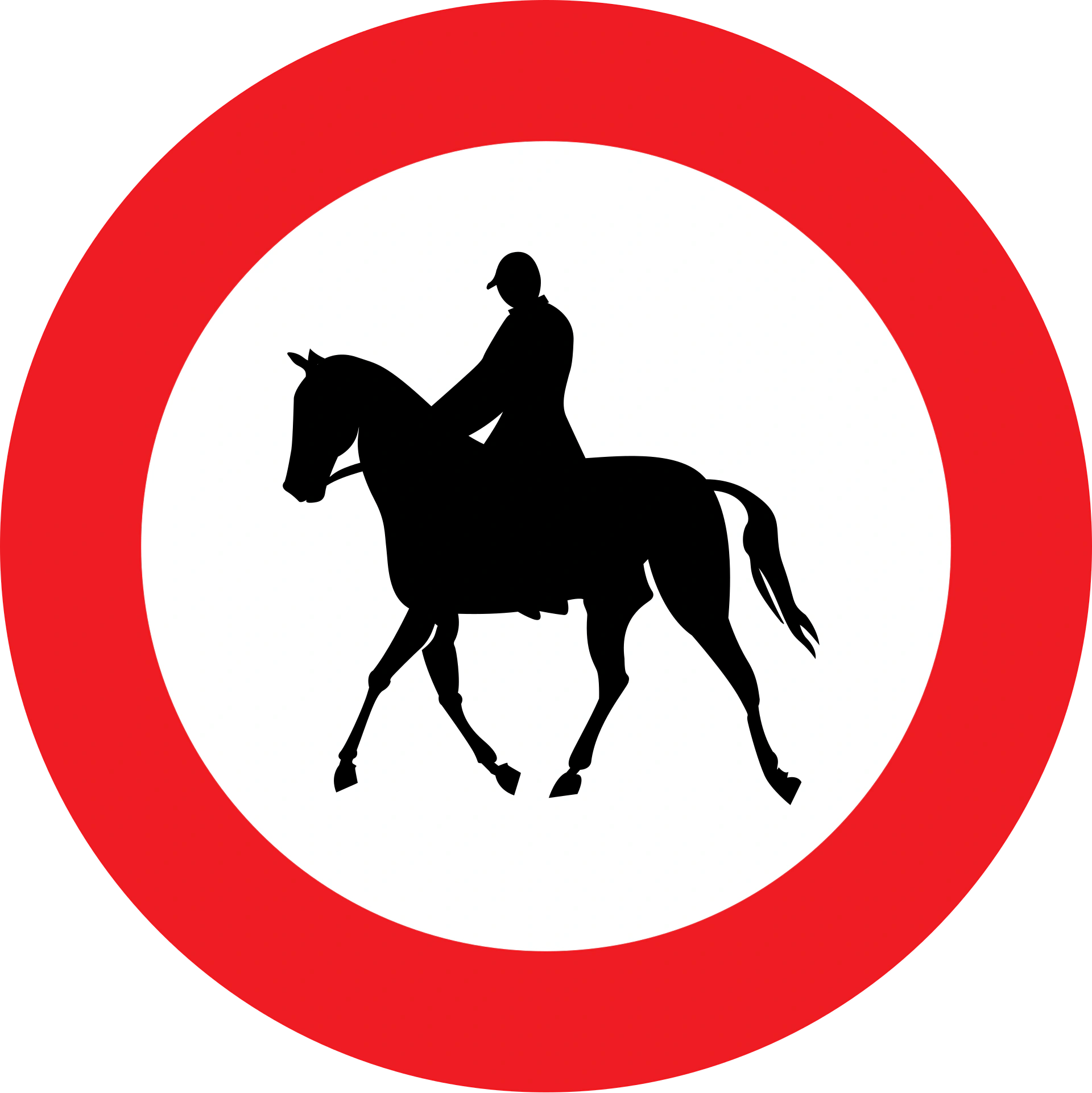
Learn the 'Riding Prohibited' Road Sign (14a) and its Binding Restrictions in Austria
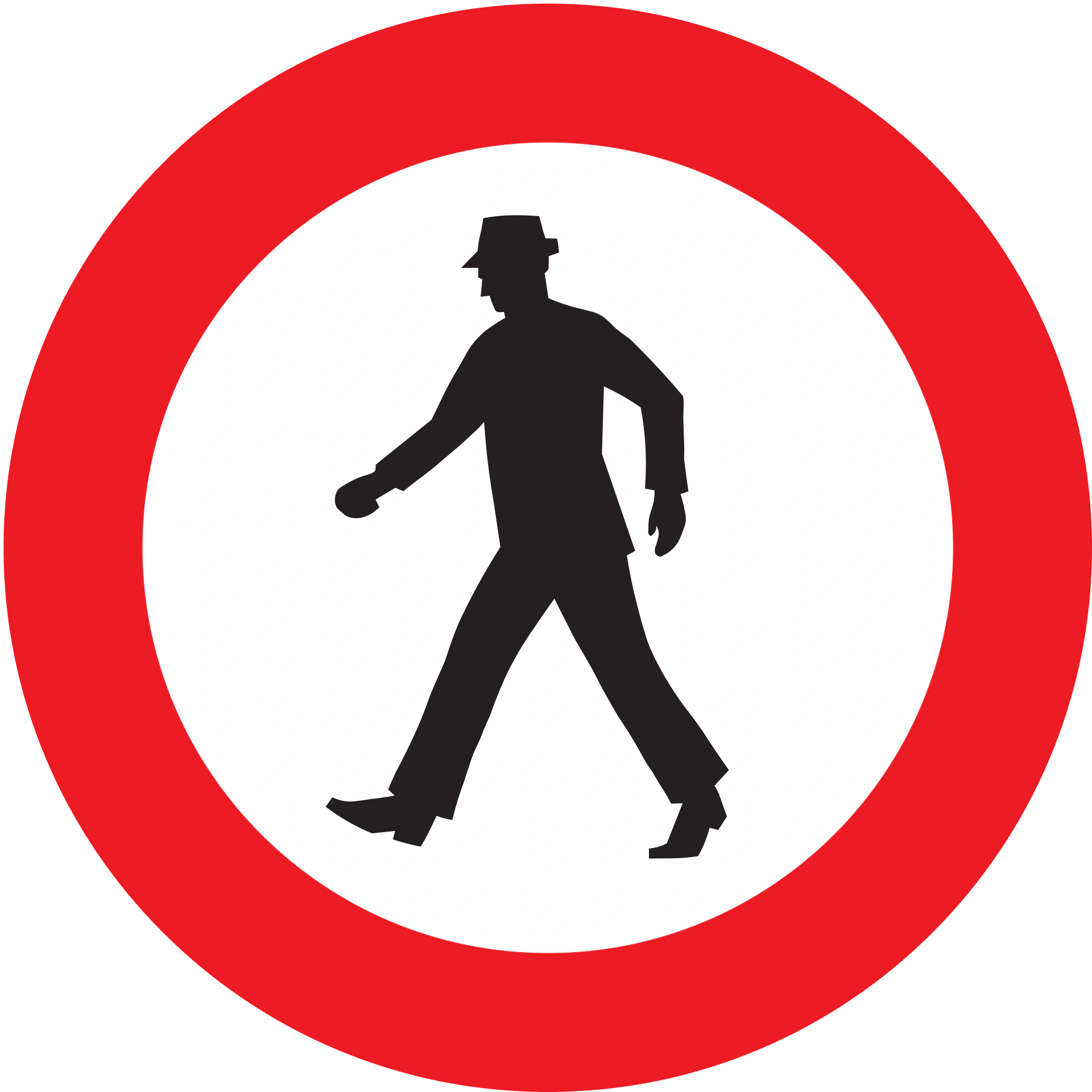
The 'Pedestrians Prohibited' sign (14b) means you must not enter this area on foot.
Clear answers to common questions about the Austrian Prohibitory Signs road sign category. Use this FAQ to review tricky rules, understand how these signs appear in exam scenarios, and remove confusion that often leads to mistakes in the Austrian driving theory exam in Austria.
The main purpose of prohibitory signs is to inform drivers of specific restrictions or prohibitions that must be obeyed. These signs tell you what you *cannot* do or what vehicles are *not* allowed in a certain area or situation. Examples include speed limits, restrictions on vehicle types, no parking zones, and prohibitions on certain turns or overtaking.
You need to check if the sign's restriction applies to your vehicle and your intended manoeuvre. For example, a 'No lorries' sign applies if you are driving a lorry. A 'No overtaking' sign applies to your car unless there is a specific exception indicated or you are allowed to overtake certain vehicles (like bicycles or mopeds, depending on other signs). For signs indicating dimensions or weight, compare them to your vehicle's specifications.
A 'No parking' sign (13a) prohibits stopping for longer than necessary to load or unload passengers or goods. You can stop briefly to let someone in or out, or to load/unload, but you cannot leave your vehicle unattended. A 'No standing or parking' sign (13b) is stricter; it prohibits stopping even briefly for loading or unloading, except when traffic conditions force you to stop (like at a red light). Essentially, 'no standing' means no stopping at all, except when unavoidable due to traffic.
Restrictions typically end when you encounter a sign indicating the end of the restriction. There are specific signs for 'End of speed limit' (10b), 'End of overtaking restriction' (4b), and signs that combine the end of multiple restrictions (like 11). Sometimes, a different, higher speed limit sign will supersede a lower one. Always look for signs that explicitly signal the end of a rule.
Yes, there are several signs that prohibit specific categories of vehicles. These include signs for 'No lorries' (7a), 'No lorries drawing a trailer' (7b), 'No cycles or mopeds' (8a), 'No cycles' (8c), 'No animal-drawn vehicles' (7c), 'No power-driven vehicles' (6c), and others for vehicles carrying dangerous goods or omnibuses. These are used to manage traffic flow, protect road surfaces, or ensure safety in specific areas.
After reviewing road sign categories, deepen your understanding by taking a practice test focused on Austrian road signs. Challenge yourself with exam-like questions to pinpoint areas for further study and fully prepare for your official driving theory exam.
Explore Road Sign Categories