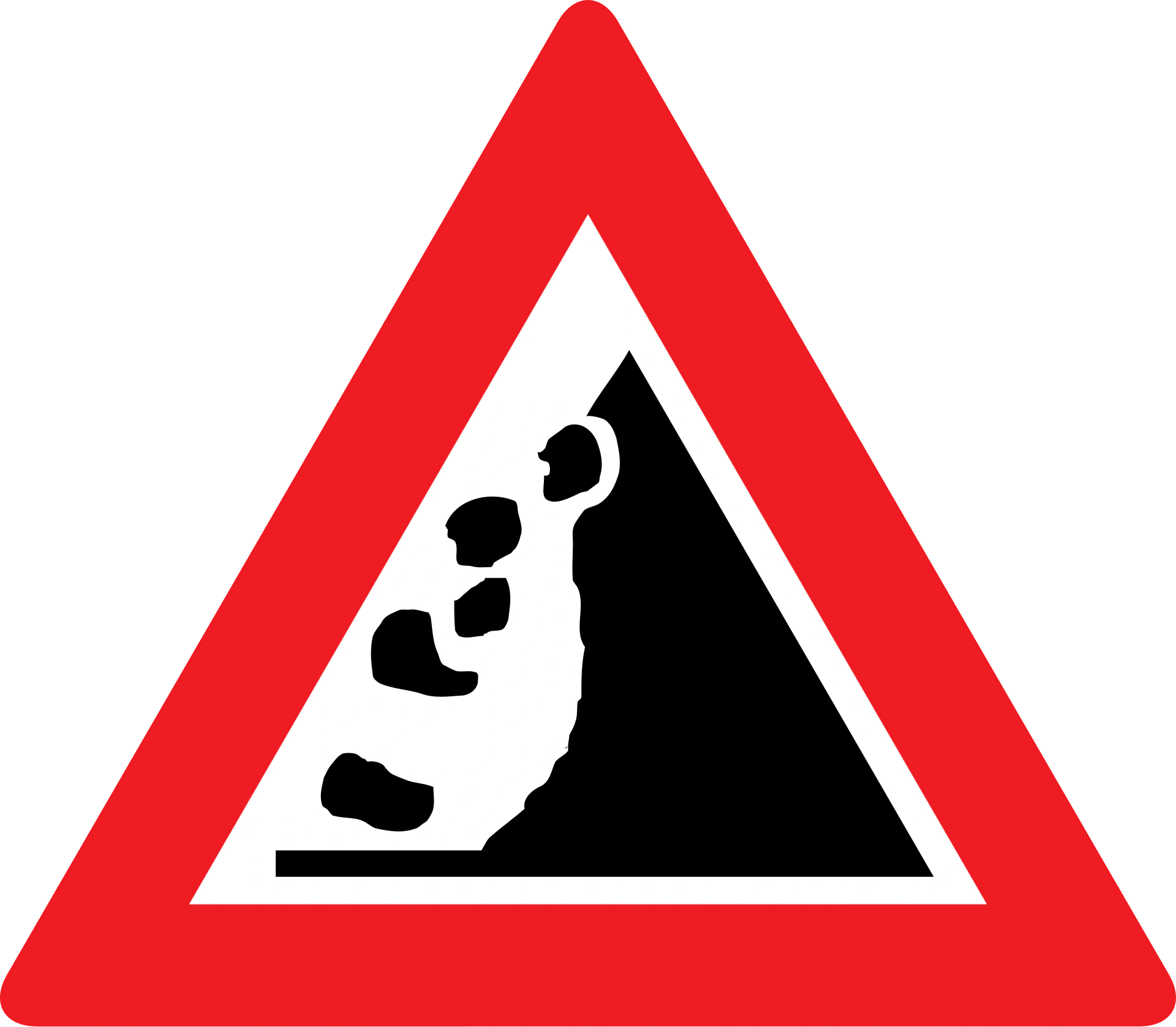
Austrian danger signs are crucial for anticipating potential hazards on the road. This group of signs warns you about upcoming dangers such as sharp bends, level crossings, roadworks, or the presence of children and animals. By understanding these signs, you gain valuable time to adjust your speed, improve your observation, and prepare for the specific situation ahead, ensuring a safer journey and helping you pass your theory exam.
An explanation of how Austrian Danger Signs road signs apply in real traffic situations in Austria. Learn where these signs are typically placed, what drivers are expected to do when they appear, and how correct reactions help you stay safe, avoid fines, and succeed in your Austrian driving theory exam.
You will encounter Austrian danger signs primarily before reaching the hazard they warn about. These signs are placed to give you adequate advance warning, allowing you to take necessary precautions. For example, a 'dangerous curve' sign will appear before the actual bend, prompting you to reduce speed and prepare for the turn. Signs for level crossings will indicate whether barriers are present and how far away the crossing is, with multiple distance markers often used. Junction signs warn of potential conflicts with traffic from side roads, while others alert you to road works, slippery surfaces, or unexpected obstacles like falling rocks or animals. It is vital to be extra vigilant and adjust your speed and driving behaviour whenever you see these signs, as they highlight areas where accidents are more likely to occur.
An overview of the key learning outcomes when studying the Austrian Danger Signs road sign category. Understand the main concepts, sign meanings, and traffic situations covered here so you can recognise patterns, answer theory questions more confidently, and build a solid foundation for safe driving in Austria.
Master Austria's danger signs to anticipate hazards like bends, crossings, and slippery conditions. Studying these signs together helps you recognise patterns, allowing you to adjust speed and observation effectively for safer driving and better theory test preparation.

Understand the 'Uneven Road' warning sign (Sign 1) in Austria
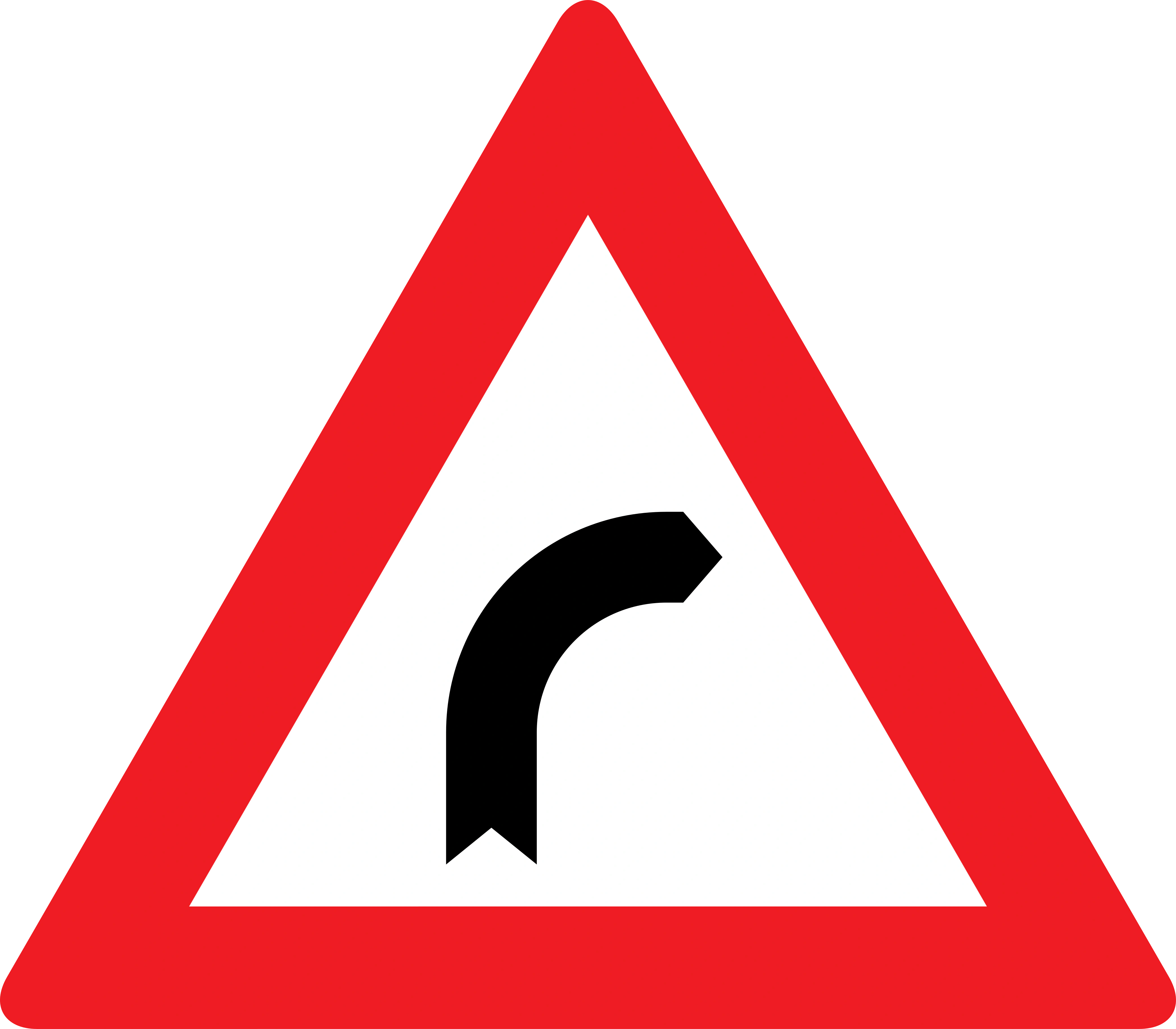
Prepare for the 'Dangerous Curve to the Right' Warning Sign (2a) in Austria
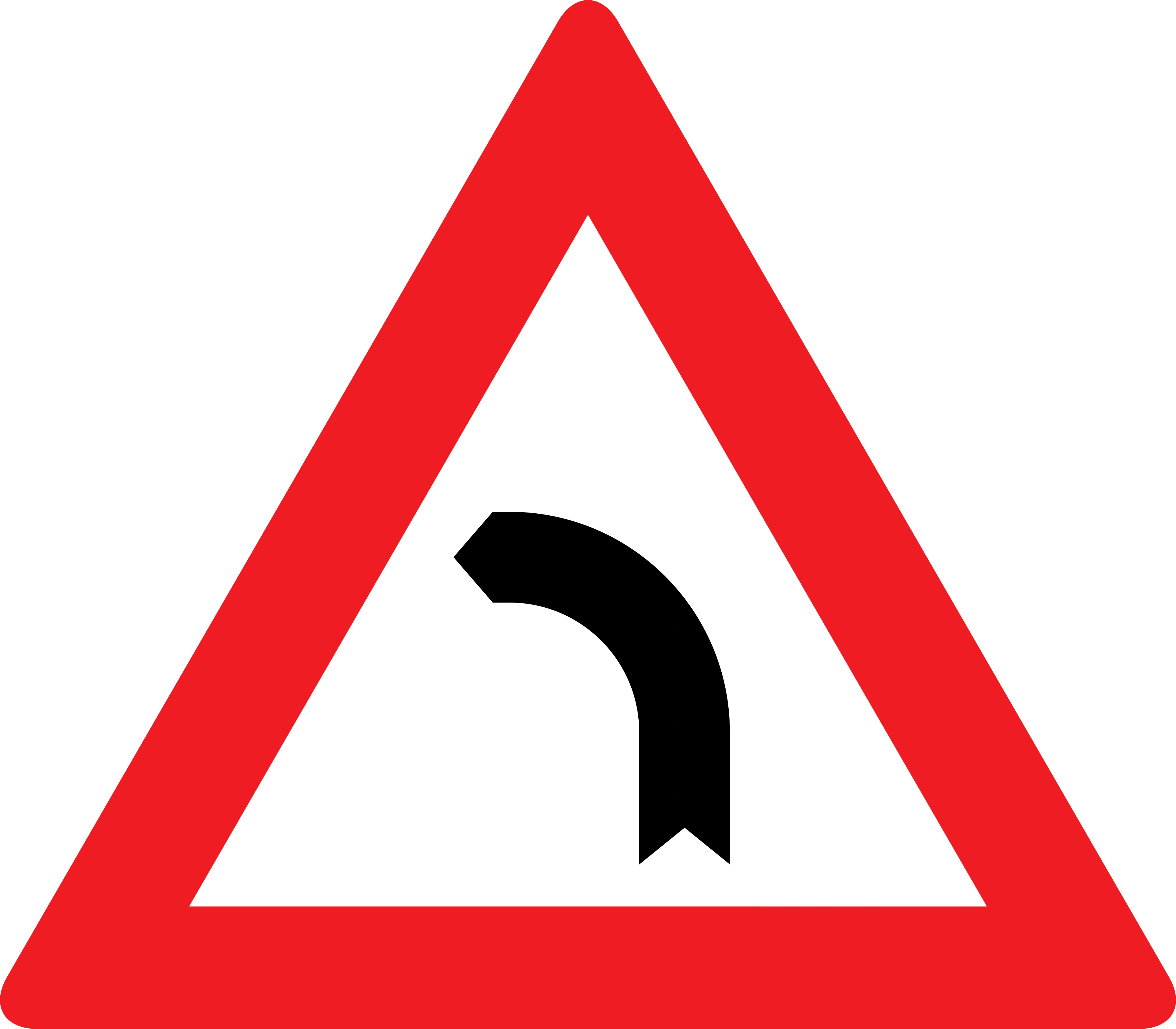
Understand the "Dangerous Curve to Left" Warning Sign (2b)
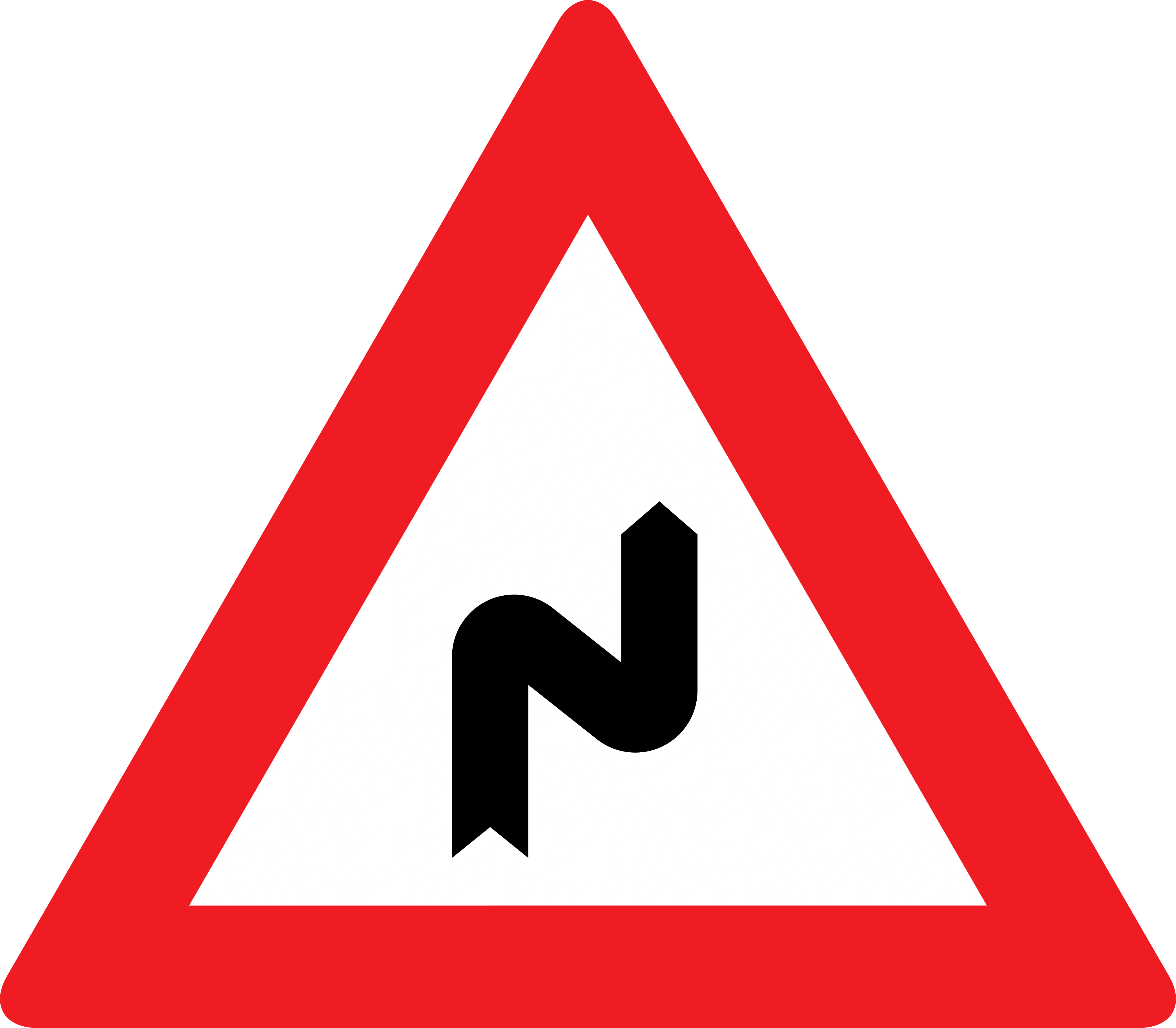
Understand the "Dangerous Curves, First to Right" (2c) Warning Sign in Austria
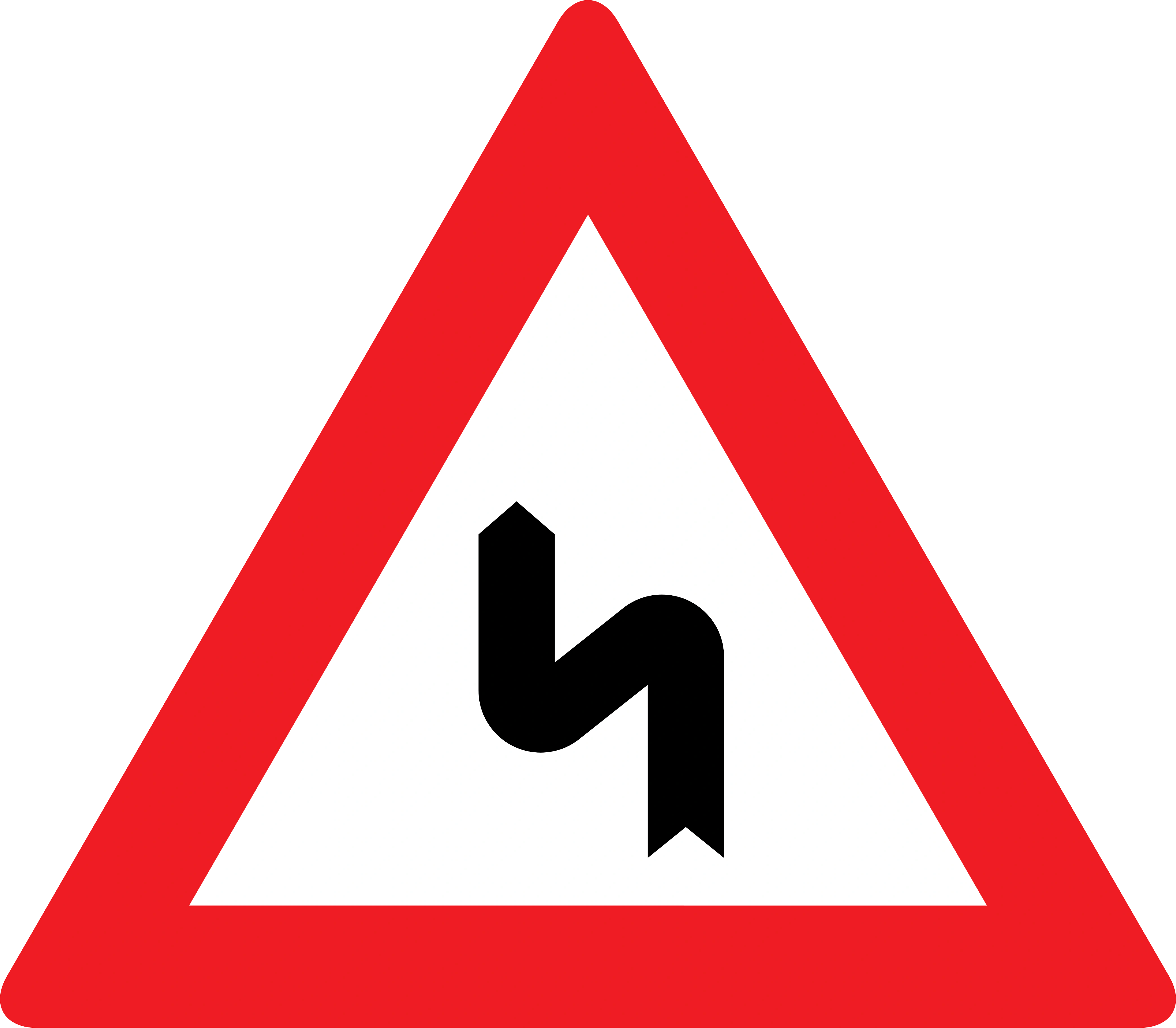
Prepare for sharp bends ahead with the 'Dangerous curves, first to left' warning sign.
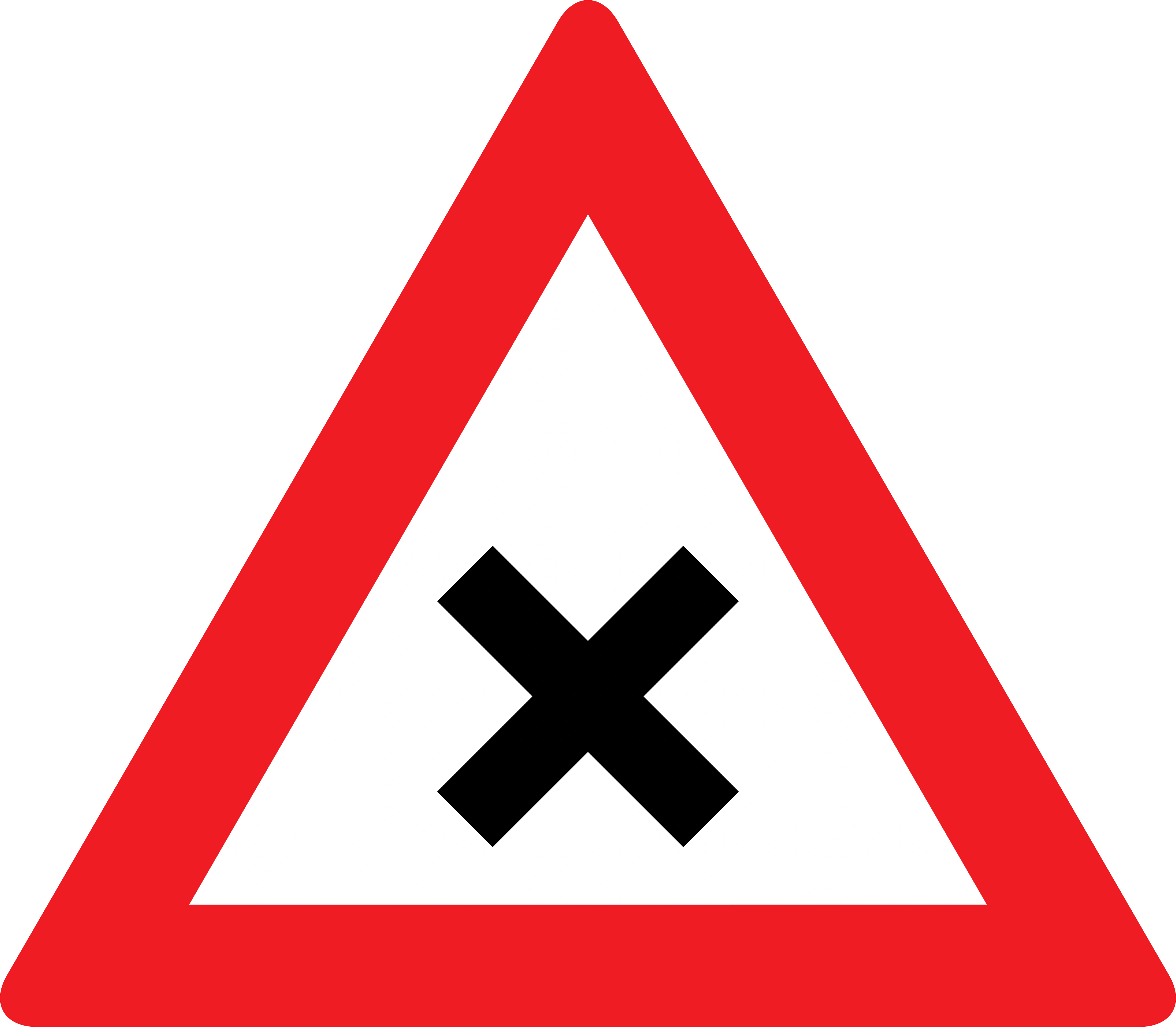
Prepare for crossroads where others have priority to the right with this Austrian warning sign.
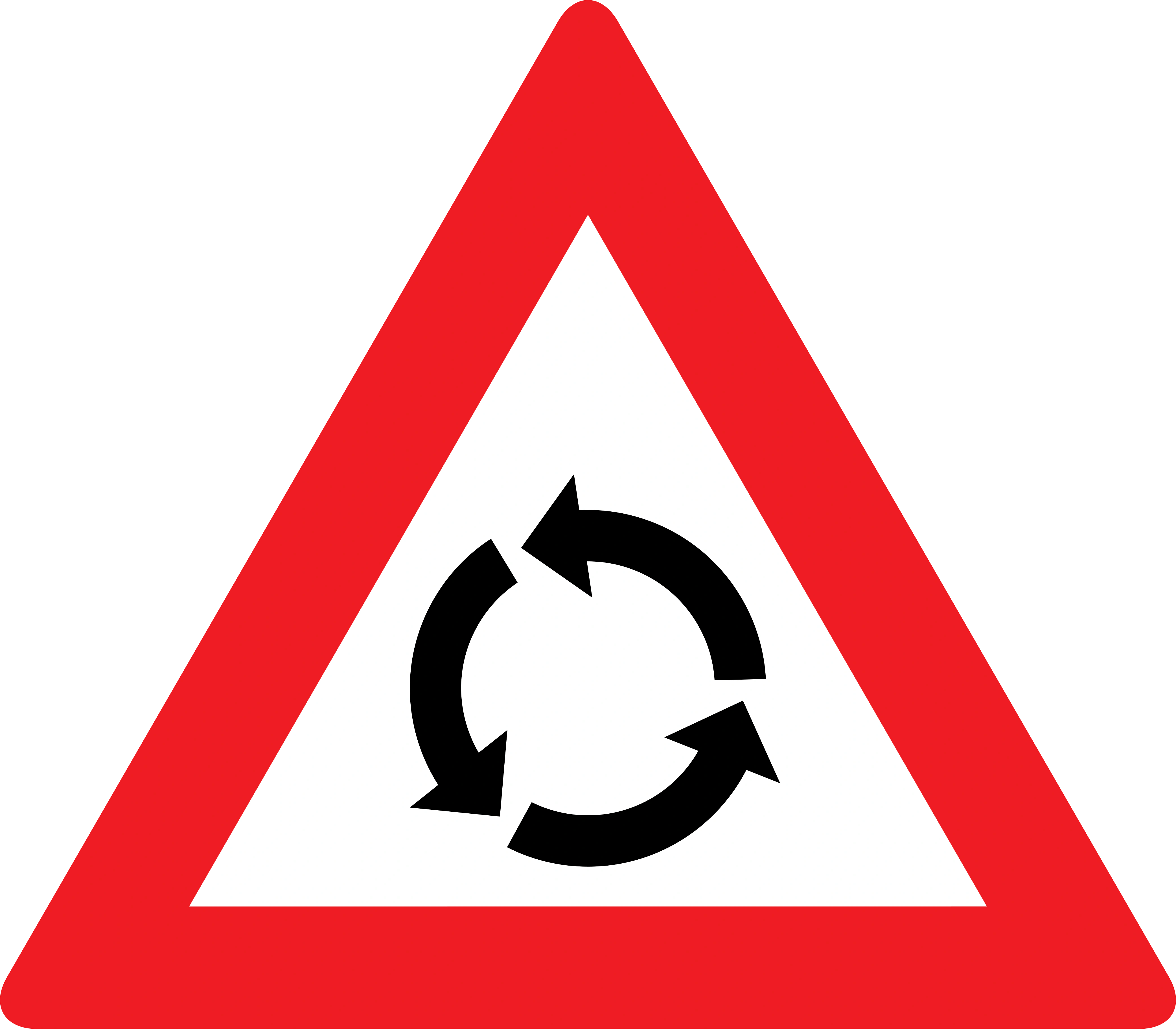
Prepare for the Roundabout Ahead with the 3a Warning Sign
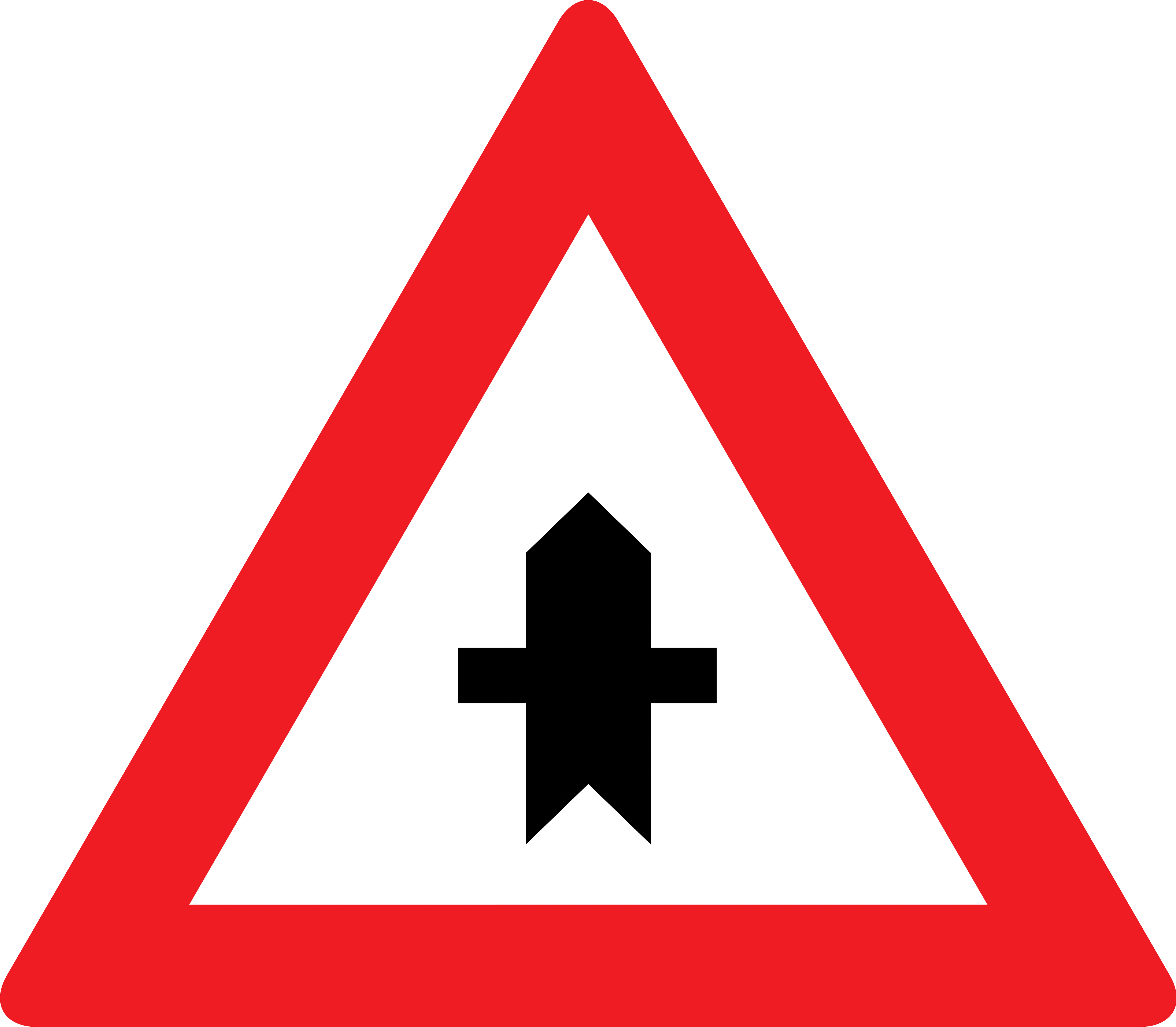
Prepare for crossroads with priority using Austrian warning sign 4.
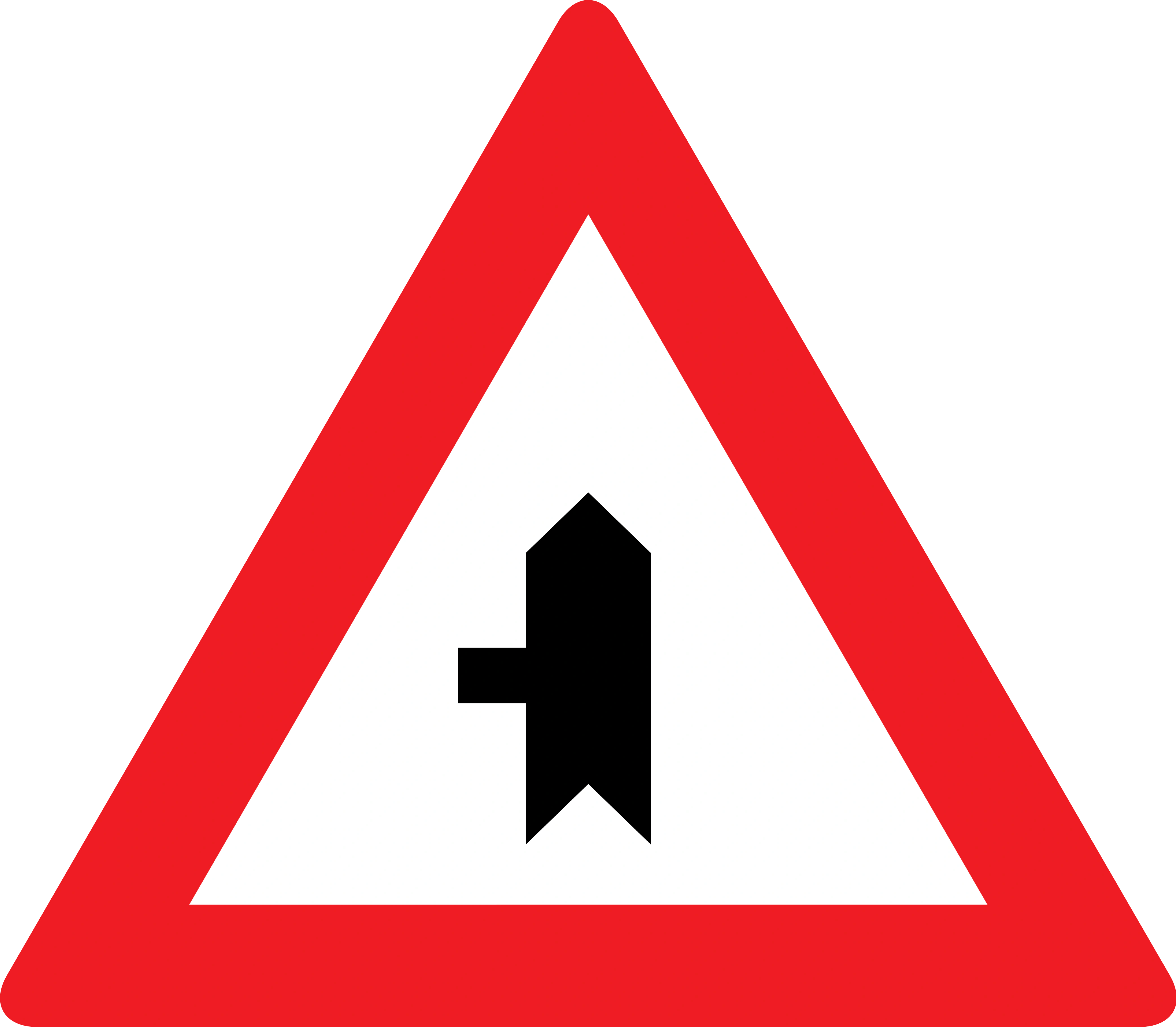
Warning: Junction with Priority Approaching from the Left!
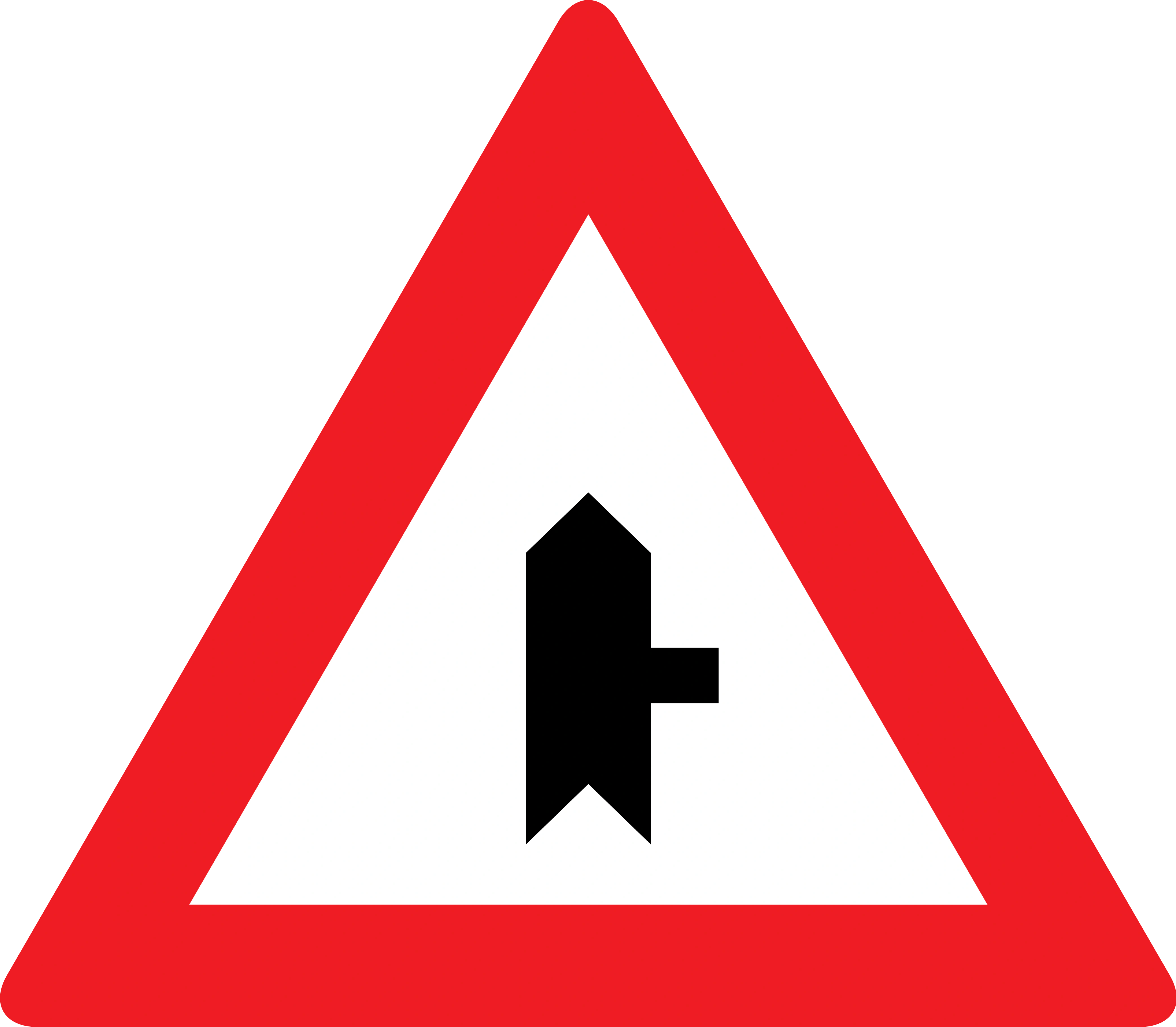
Prepare for junctions with priority to the right using the 5aR warning sign.
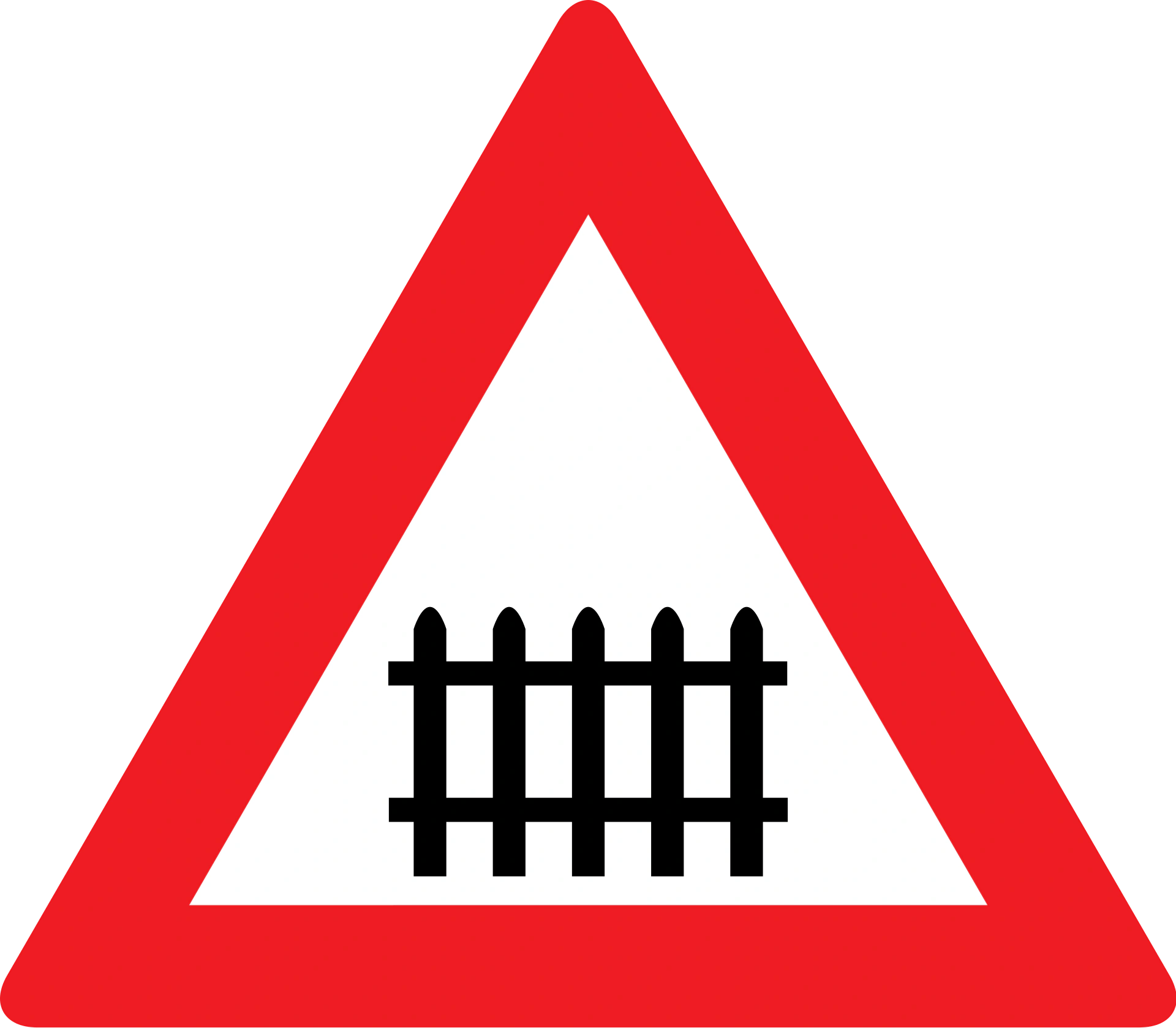
Understand the Austrian Sign 6a: Level Crossing with Barriers Ahead
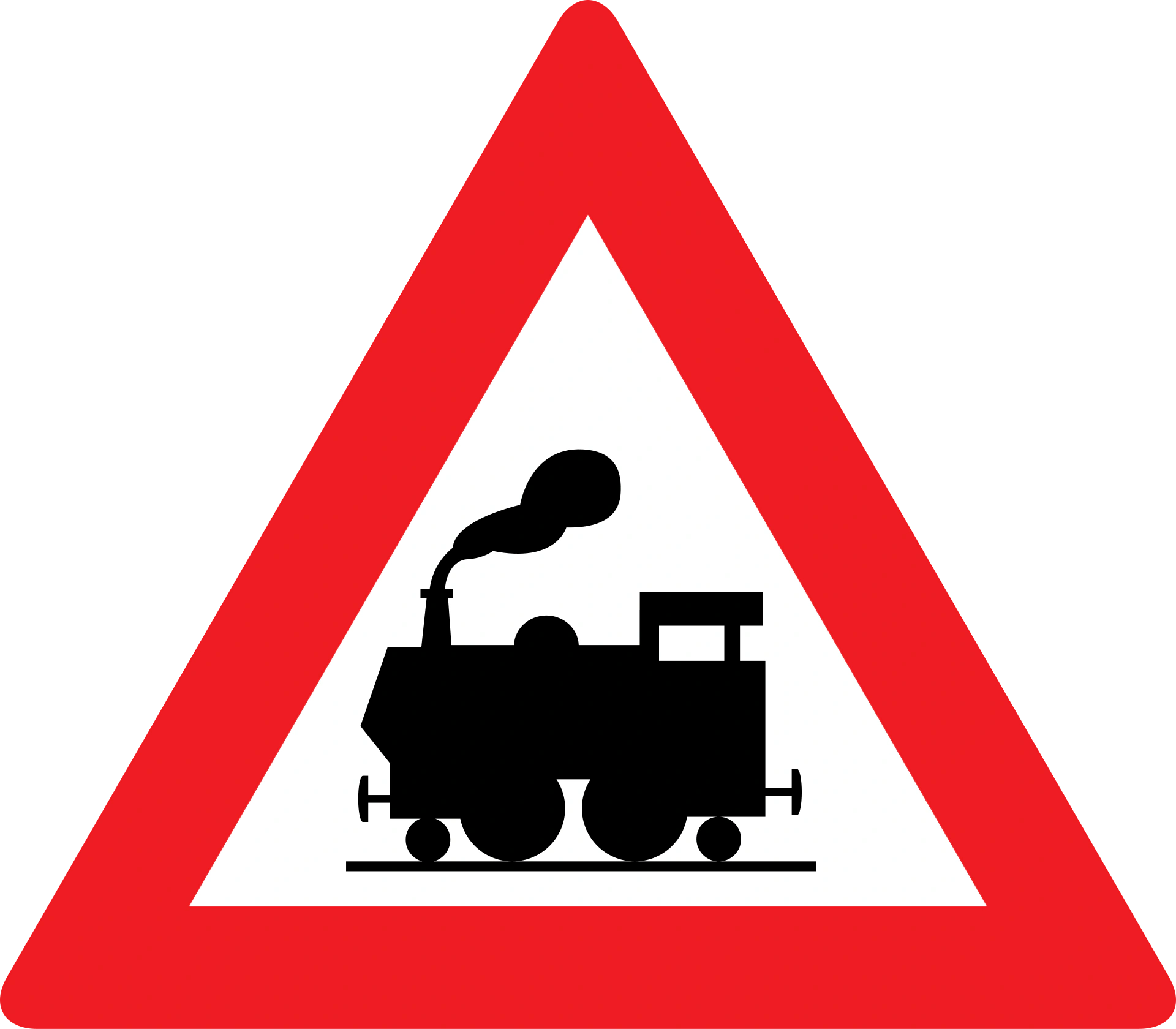
Prepare for Level Crossings Without Barriers with Sign 6b

Understand the 6c Level Crossing Mark (Left) Sign

Warning: Level Crossing Ahead – 80 Meters Further on the Right!

Advance Warning of Level Crossing Approx. 160m Ahead

Advance Warning of a Level Crossing Ahead: Mark on the Right at 160m
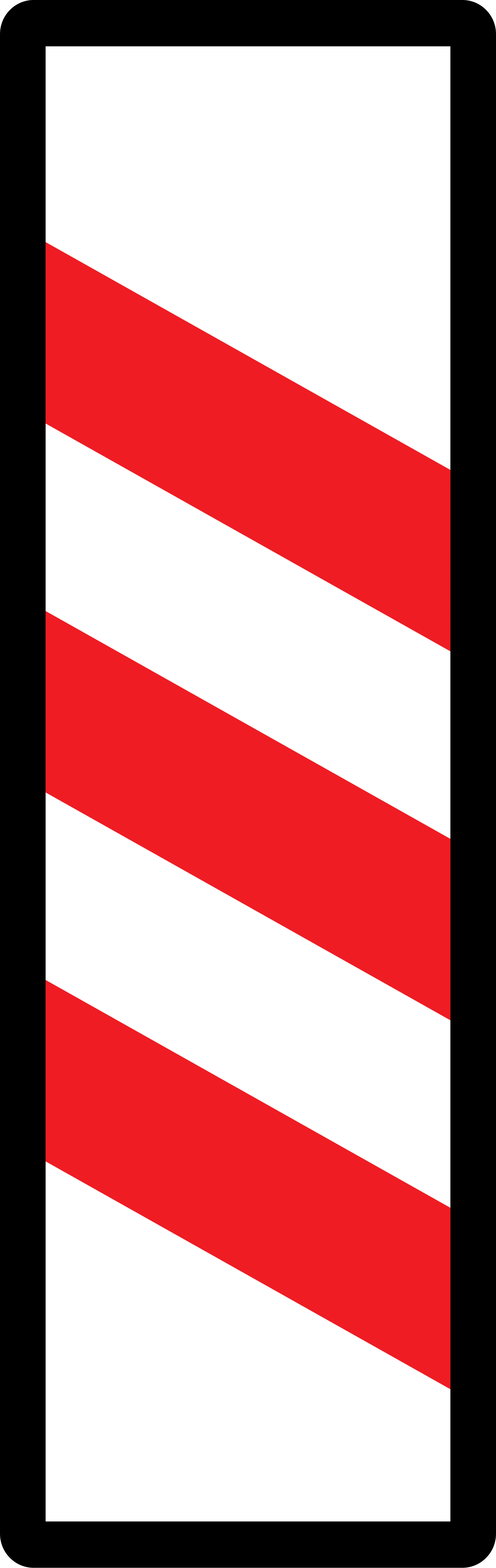
Advance Warning: Level Crossing Ahead (Approx. 240m)
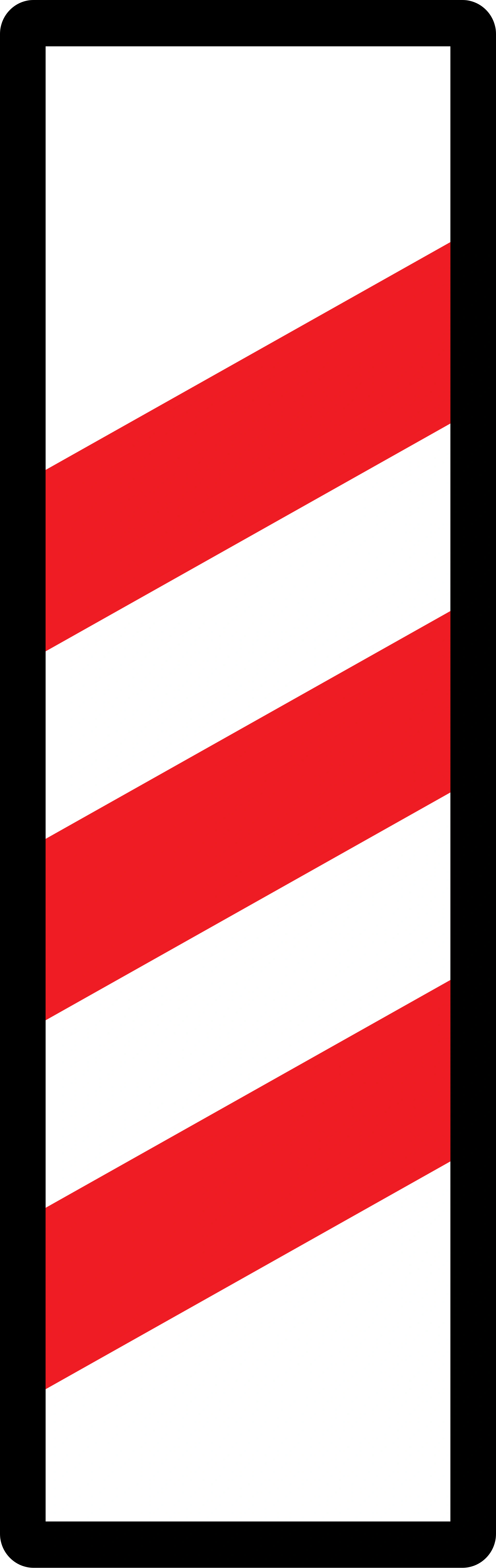
Advance Warning of a Level Crossing to Your Right
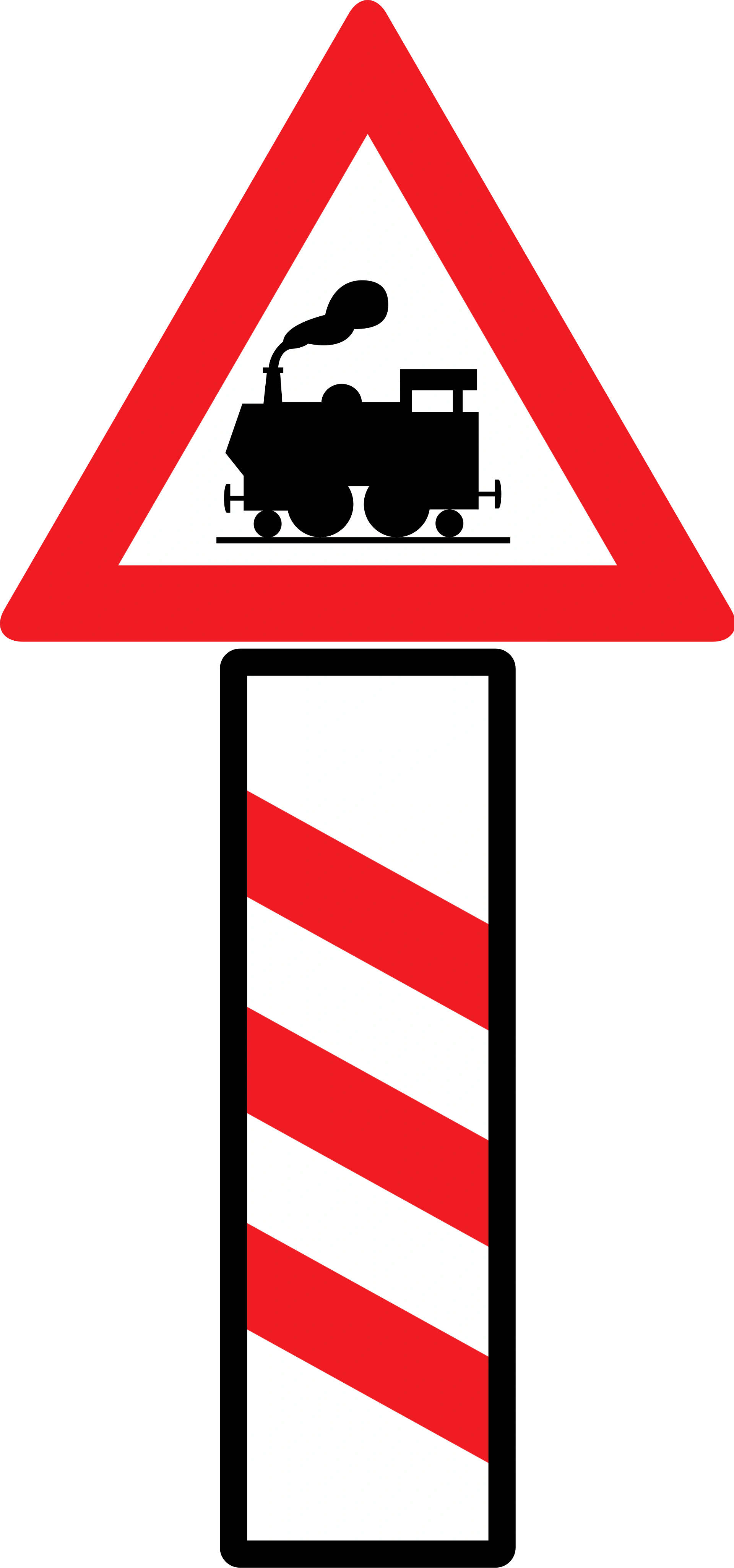
Prepare for Level Crossings Without Barriers with This Advance Warning Sign
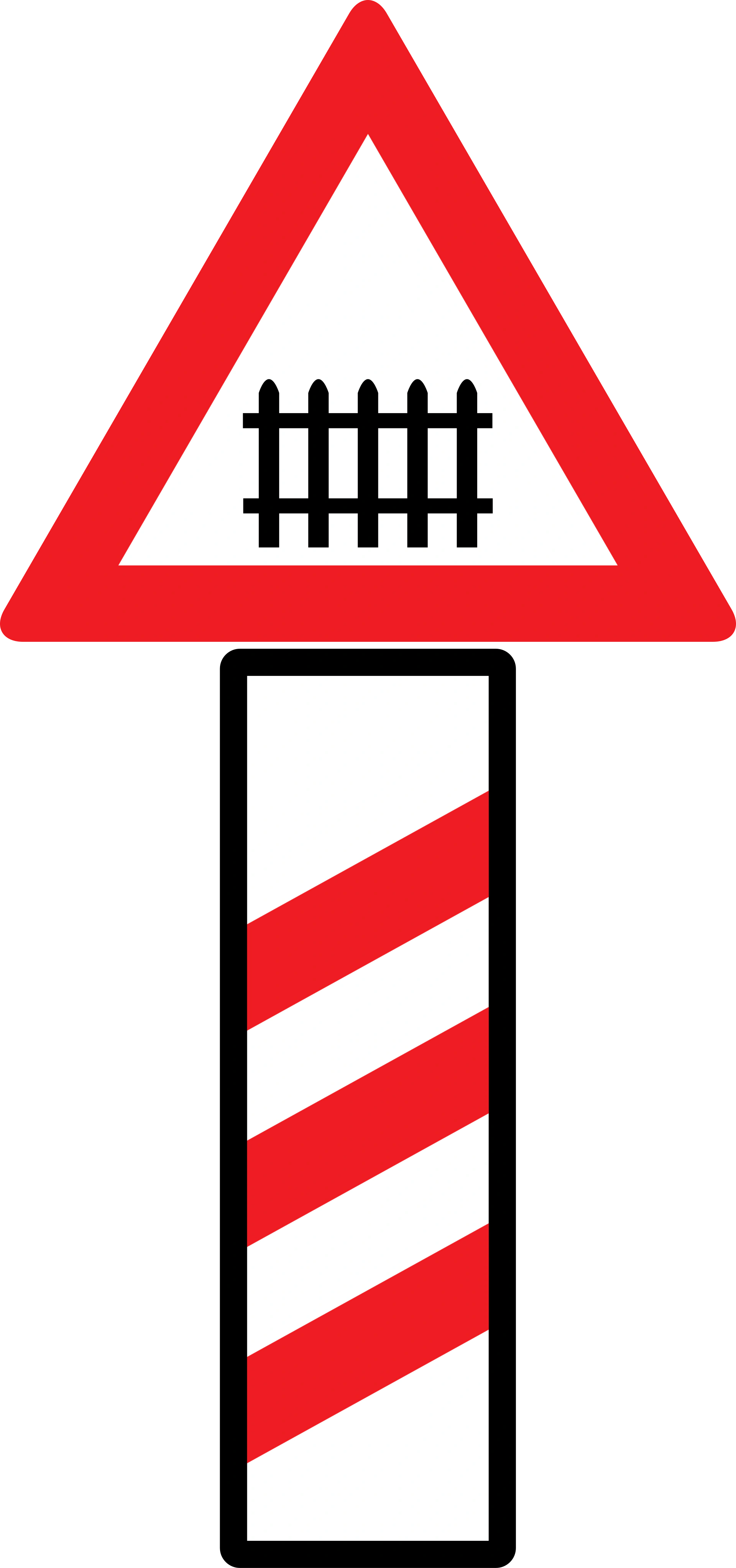
Advance Warning of a Level Crossing with Barrier Ahead
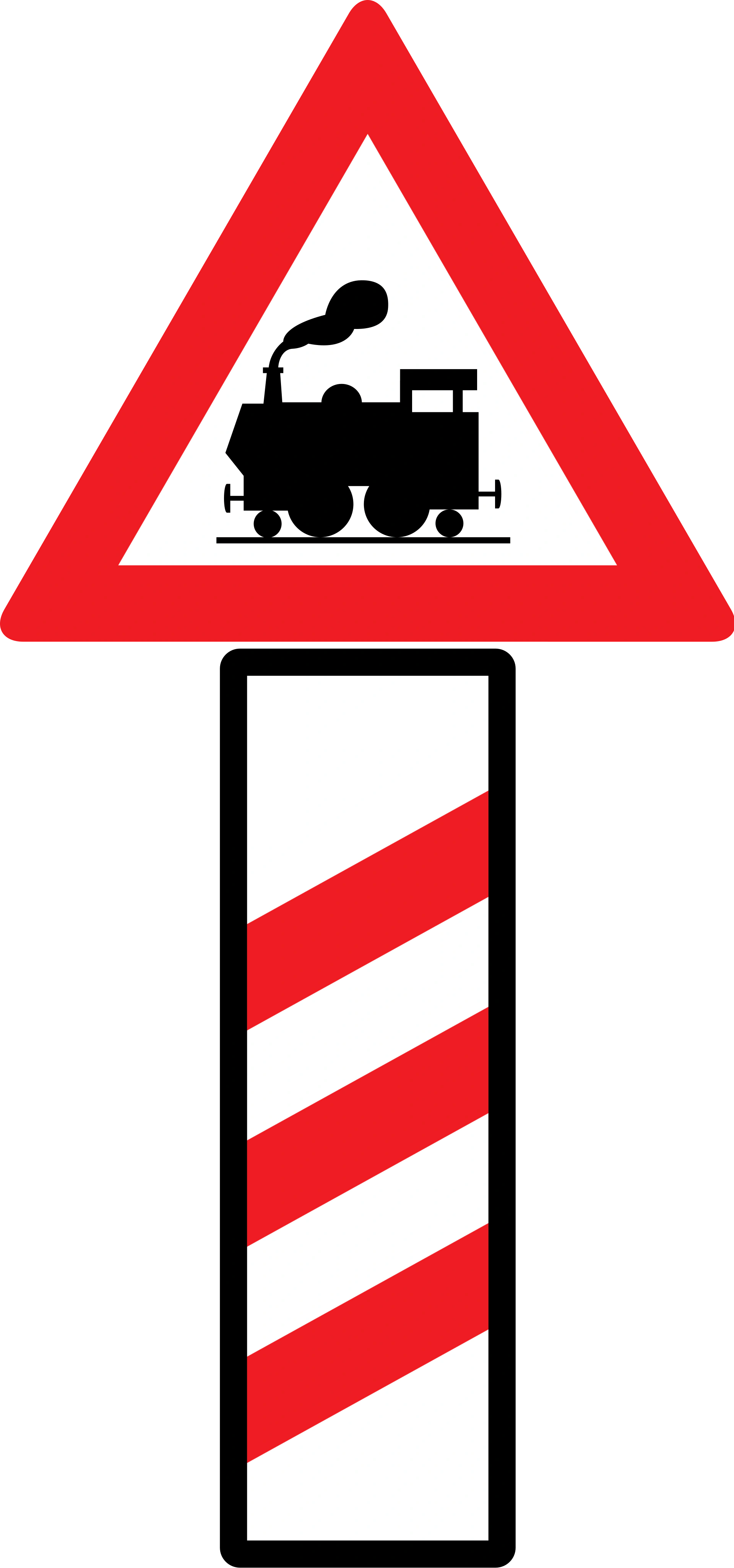
Advance Warning of a Level Crossing Without Barrier
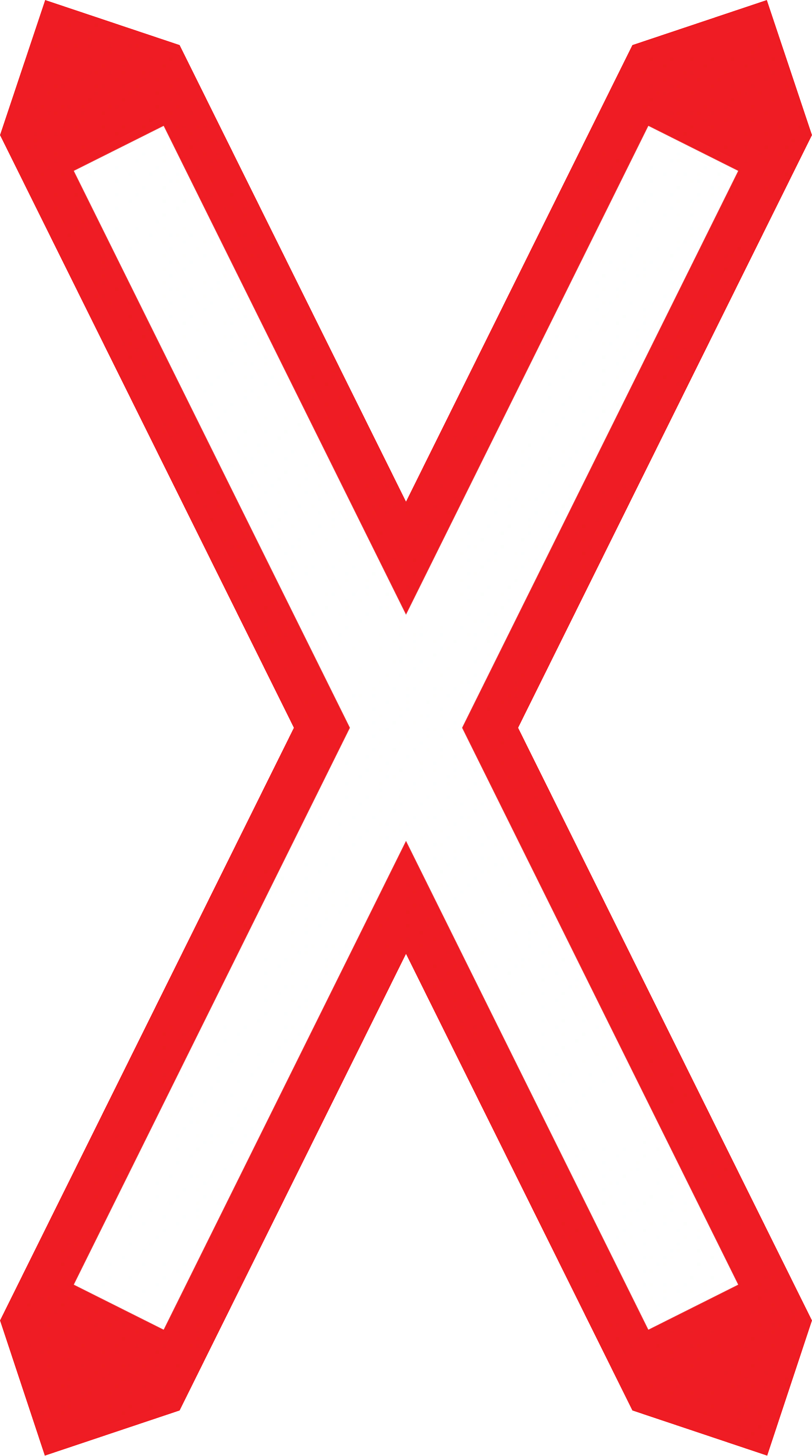
Prepare for a Single-Track Level Crossing with the 6d Warning Sign
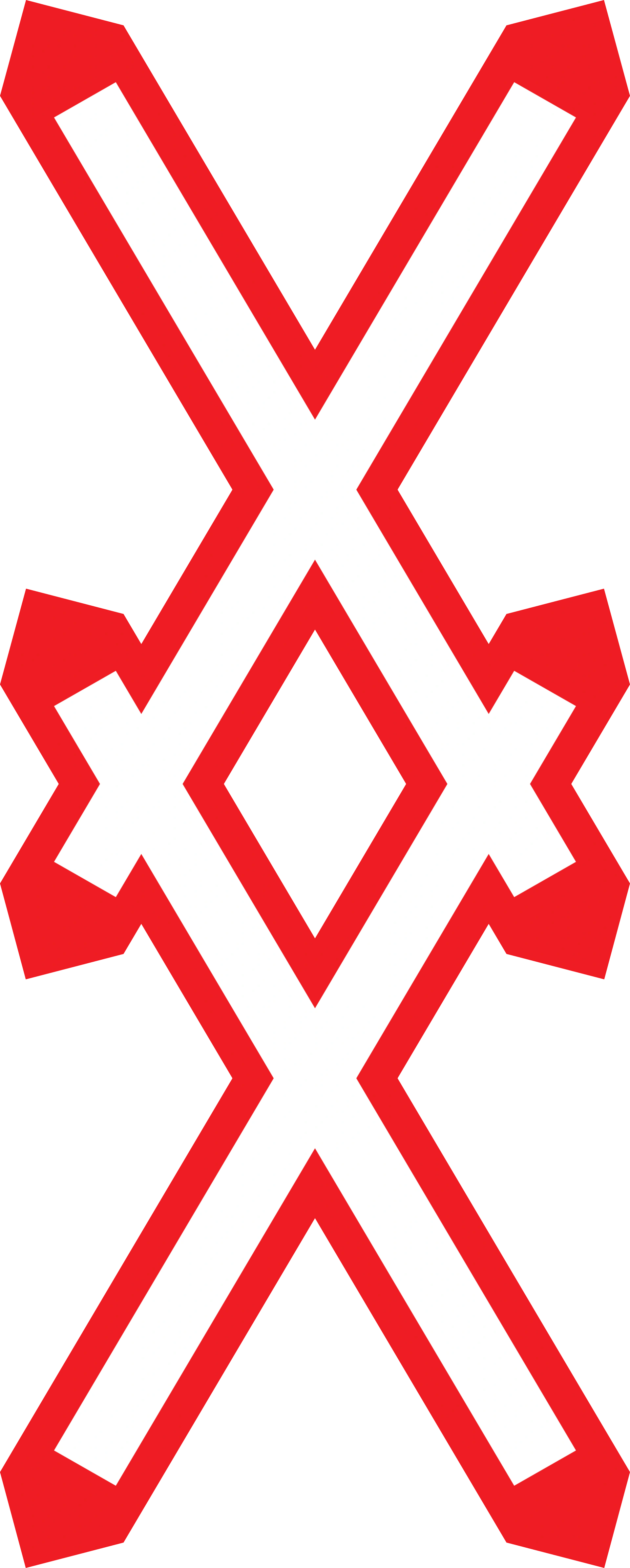
Prepare for Multitrack Level Crossings with the 6d Andreaskreuz Warning Sign
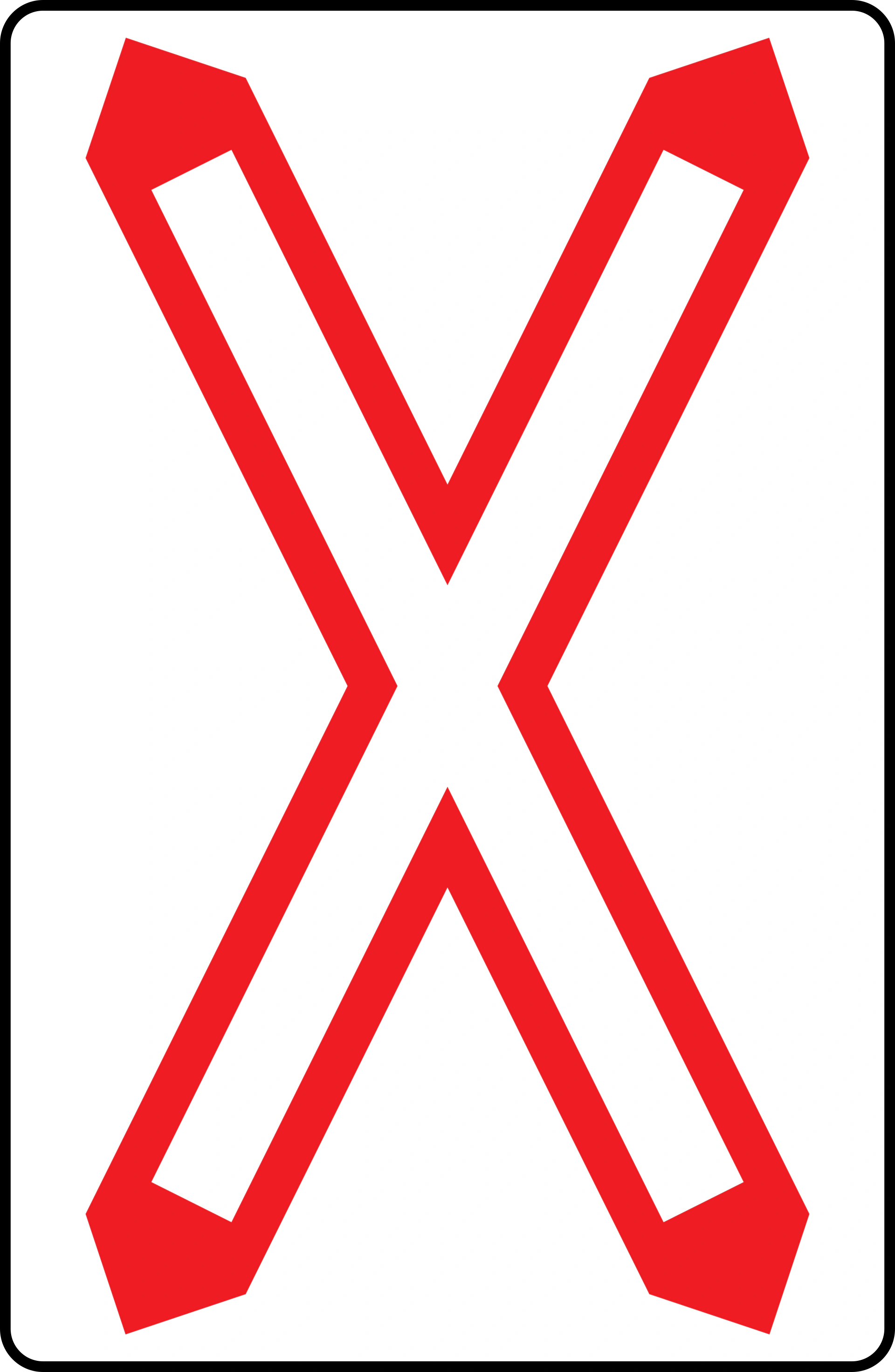
Advance Warning: Prepare for a Single-Track Level Crossing with the Andreaskreuz
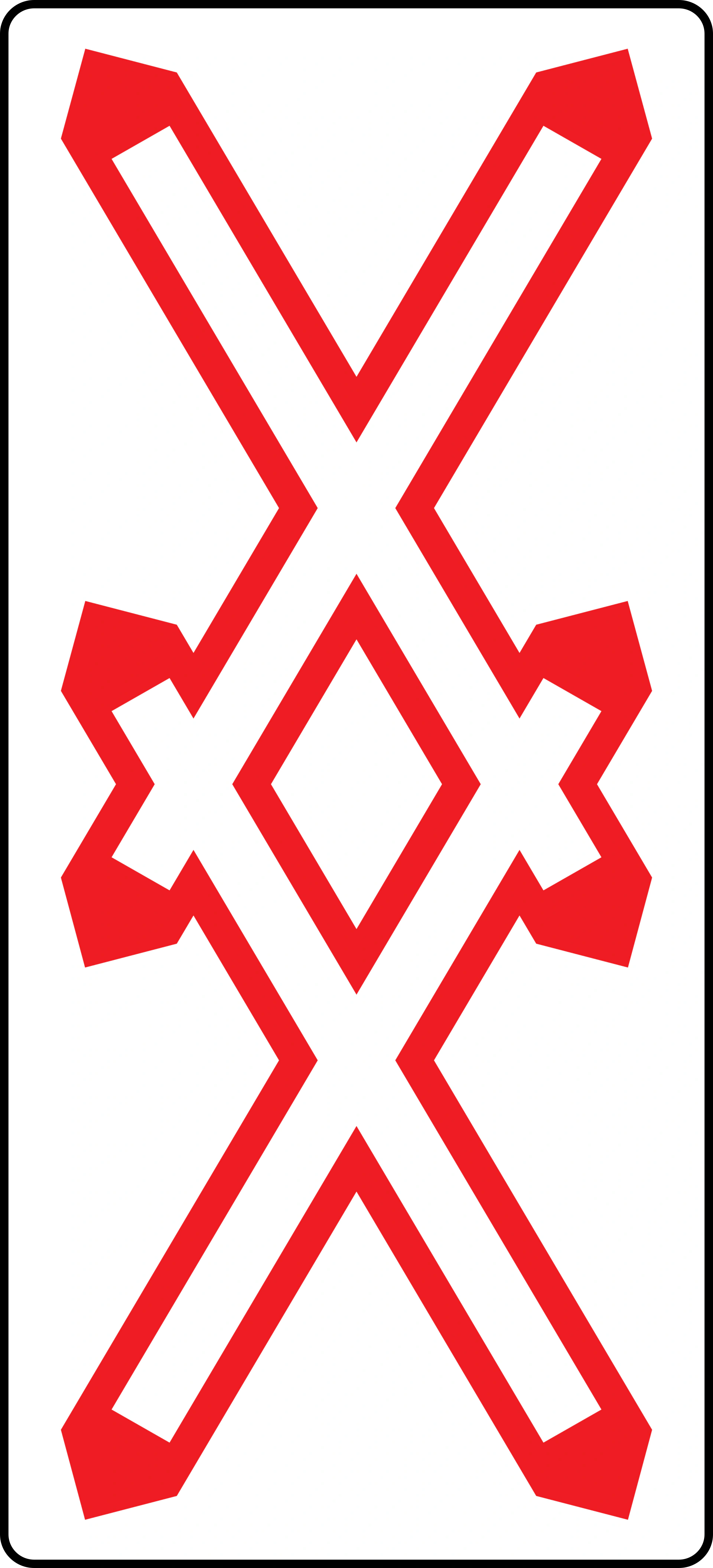
Warning: Multiple Railway Tracks Ahead at Level Crossing
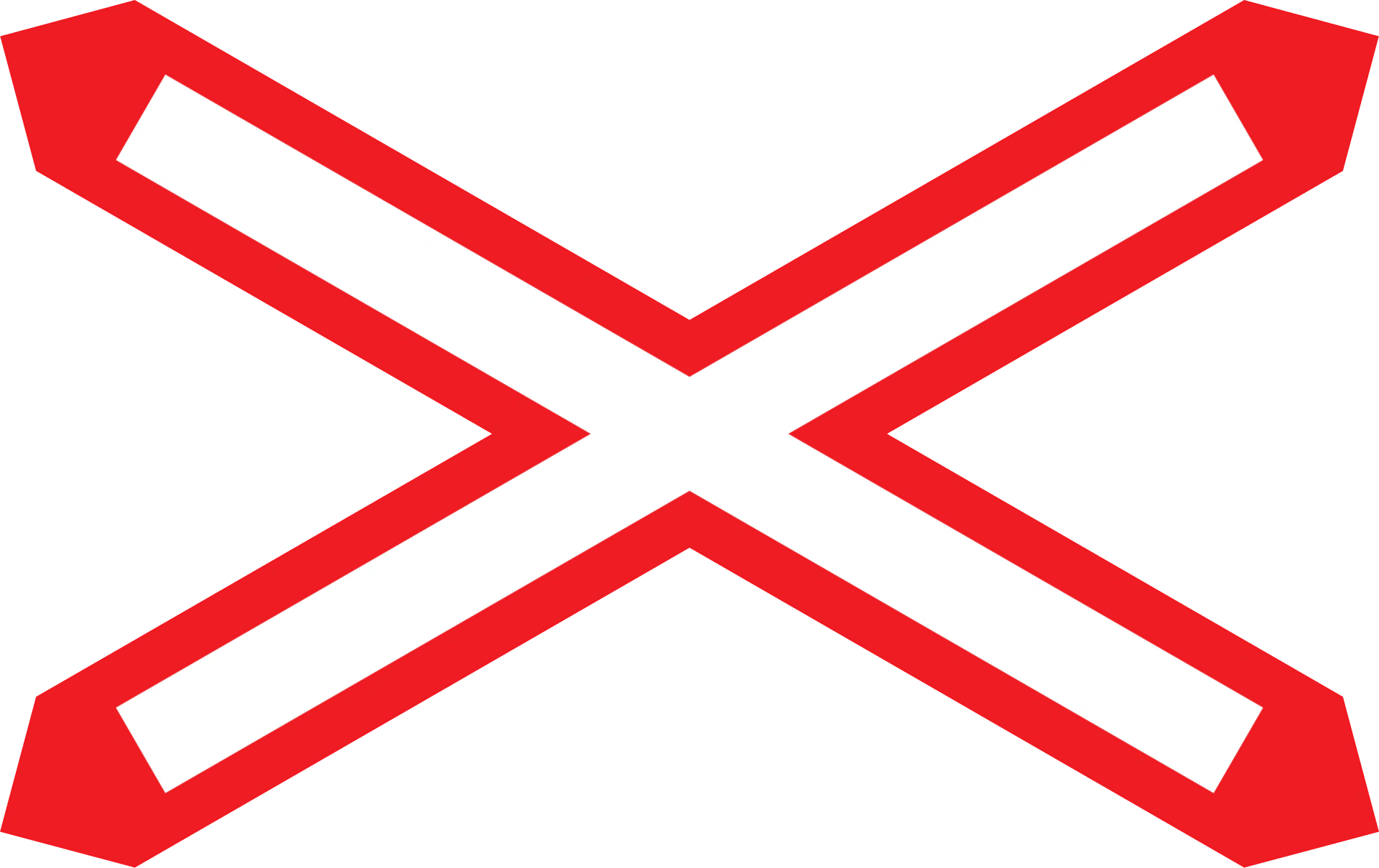
Advance Warning of an Andreas Cross (Level Crossing)
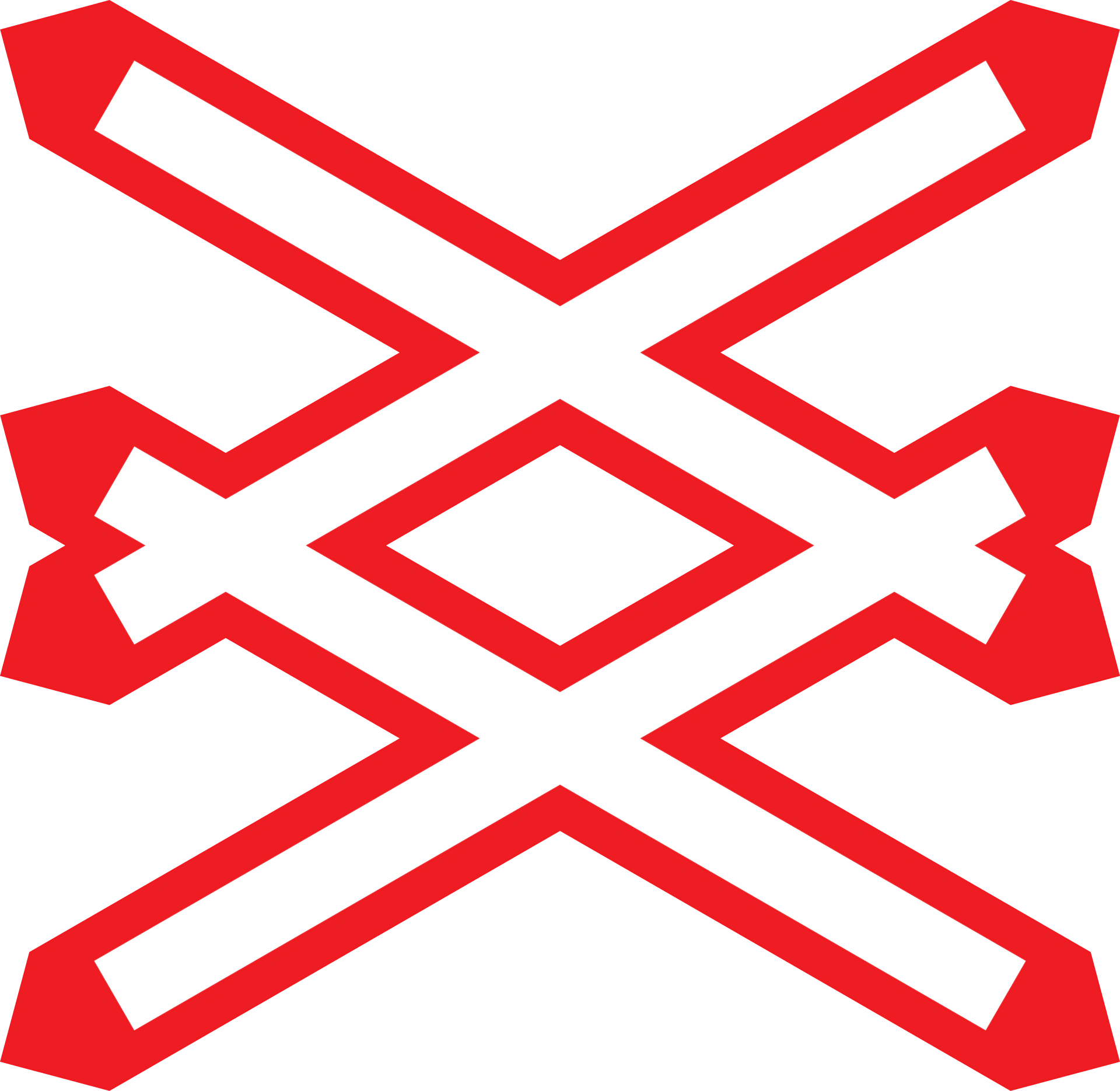
Prepare for the Andreaskreuz (sideward) warning sign: advance notice of a level crossing.
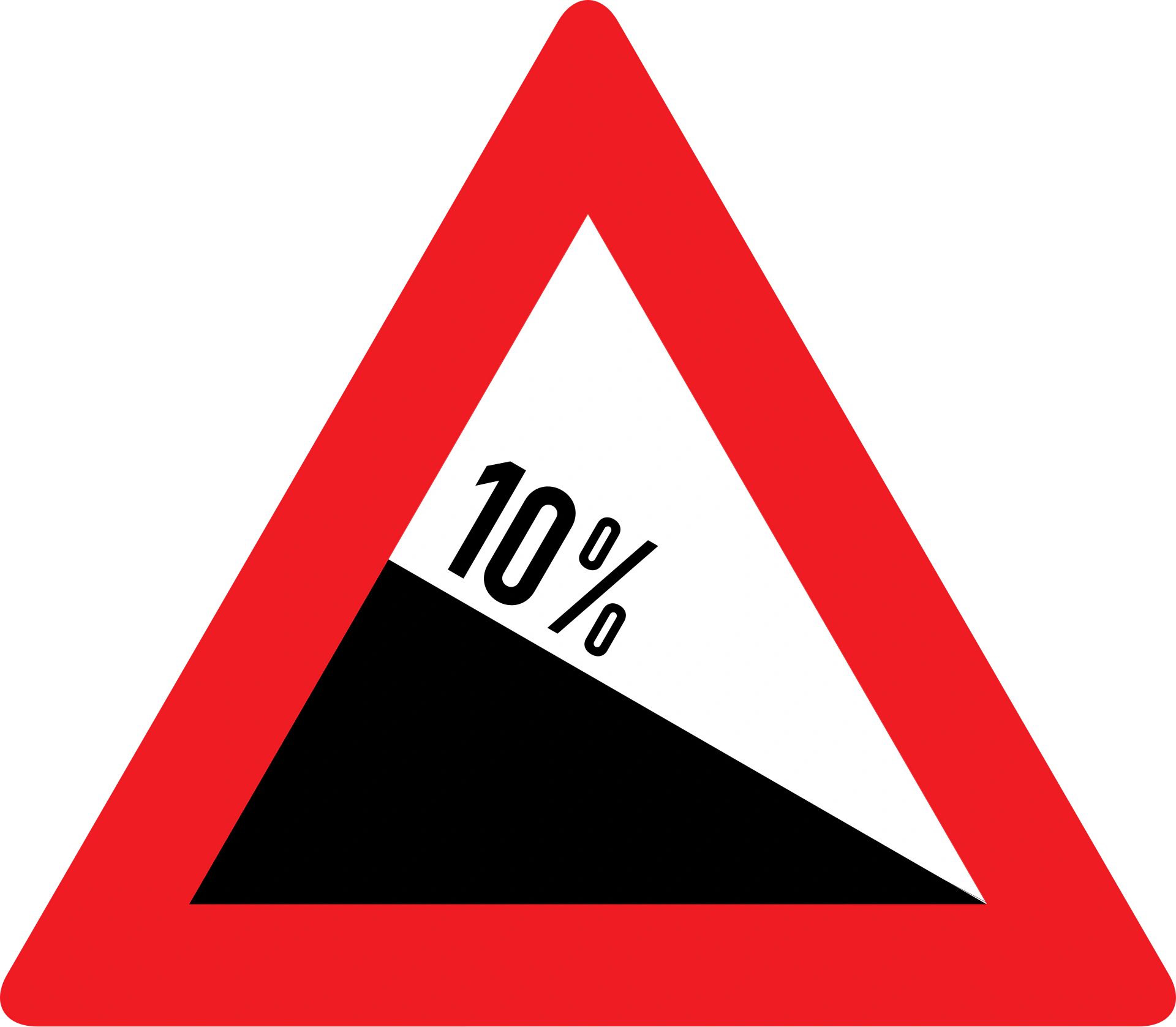
Beware of steep downhill sections with Sign 7
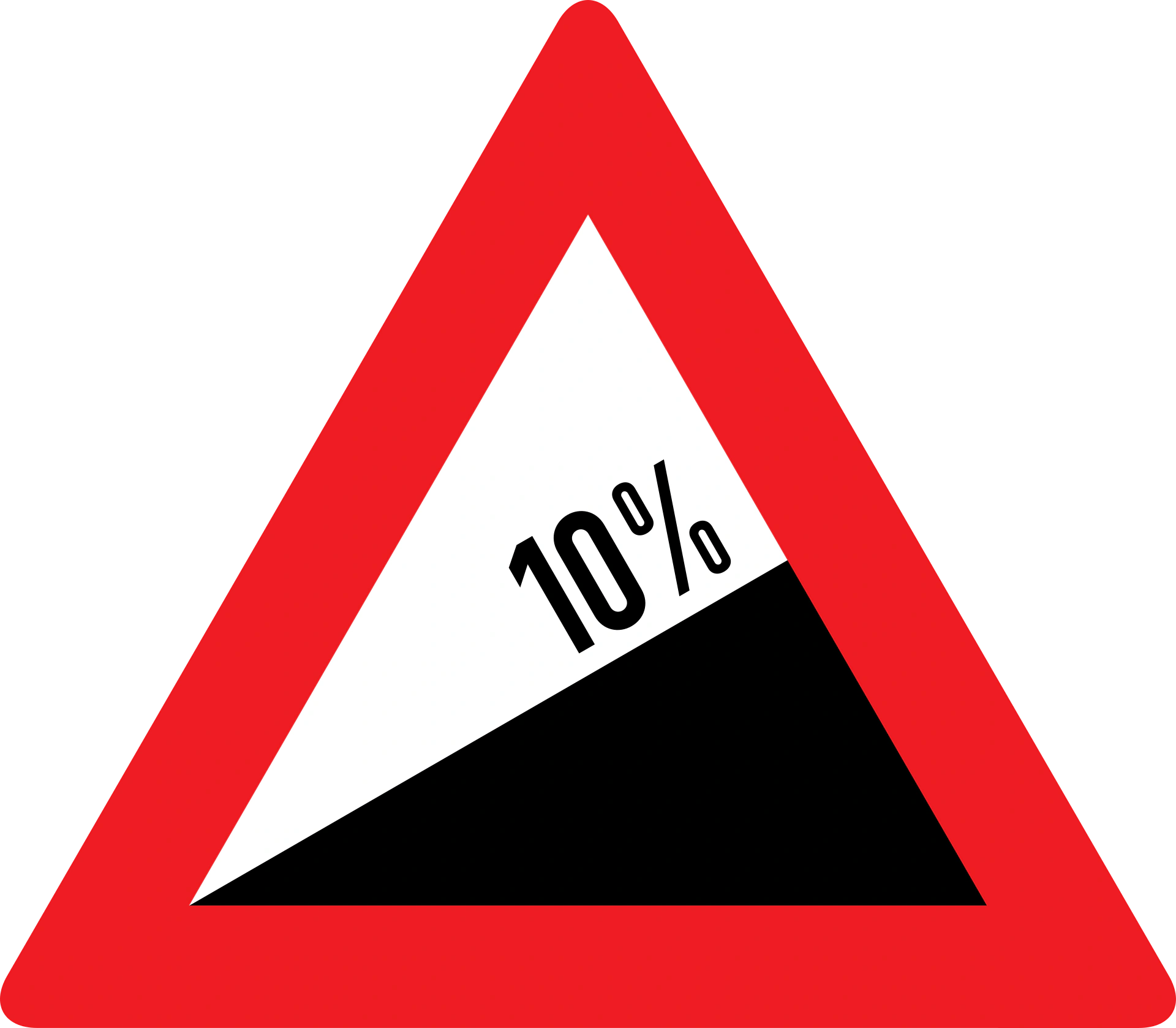
Prepare for steep inclines with the 'Steep Hill Upwards' warning sign (7a).
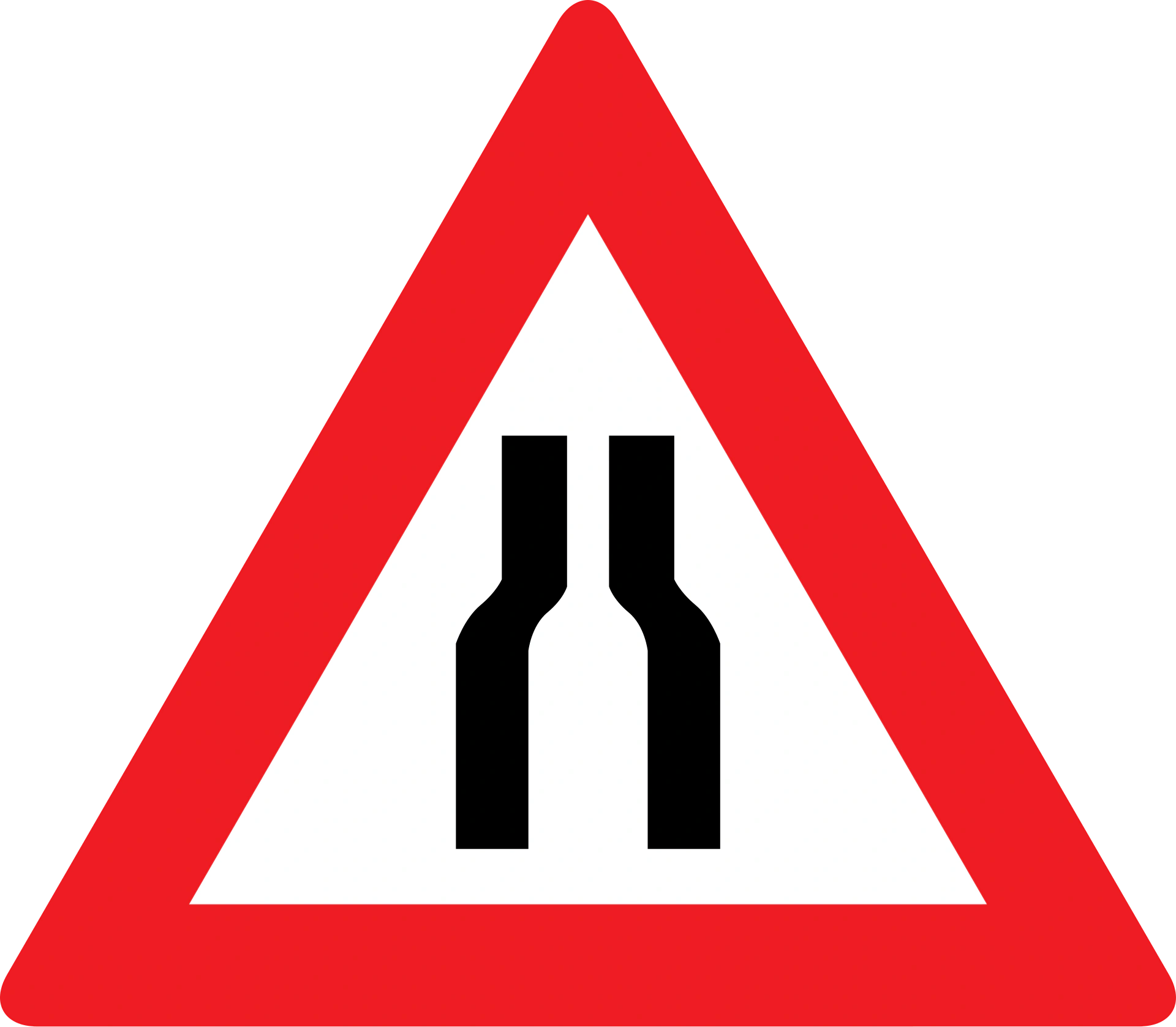
Prepare for a Road Narrows on Both Sides warning sign (8a)
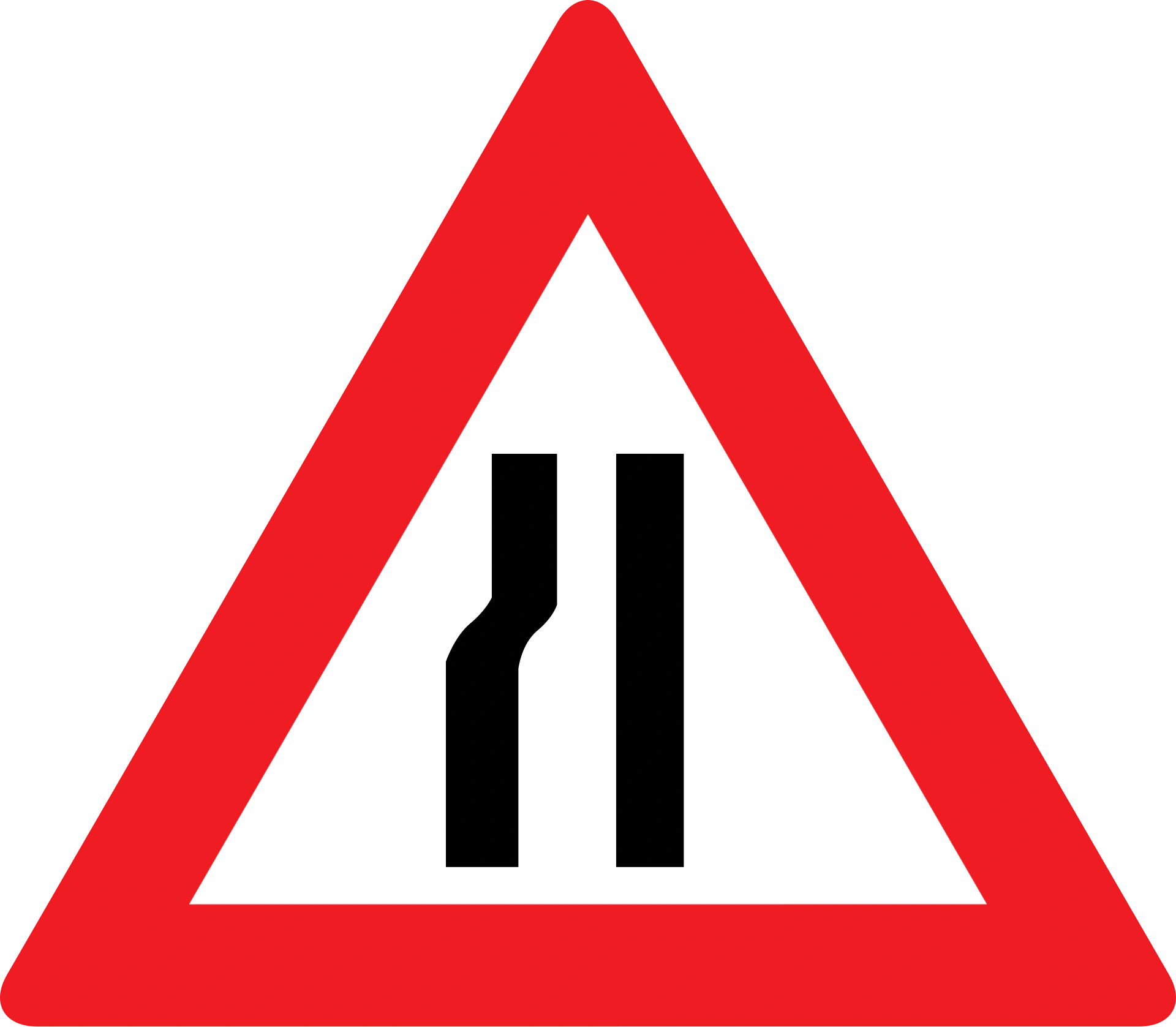
Warning: Road Narrows on the Left Side Ahead!
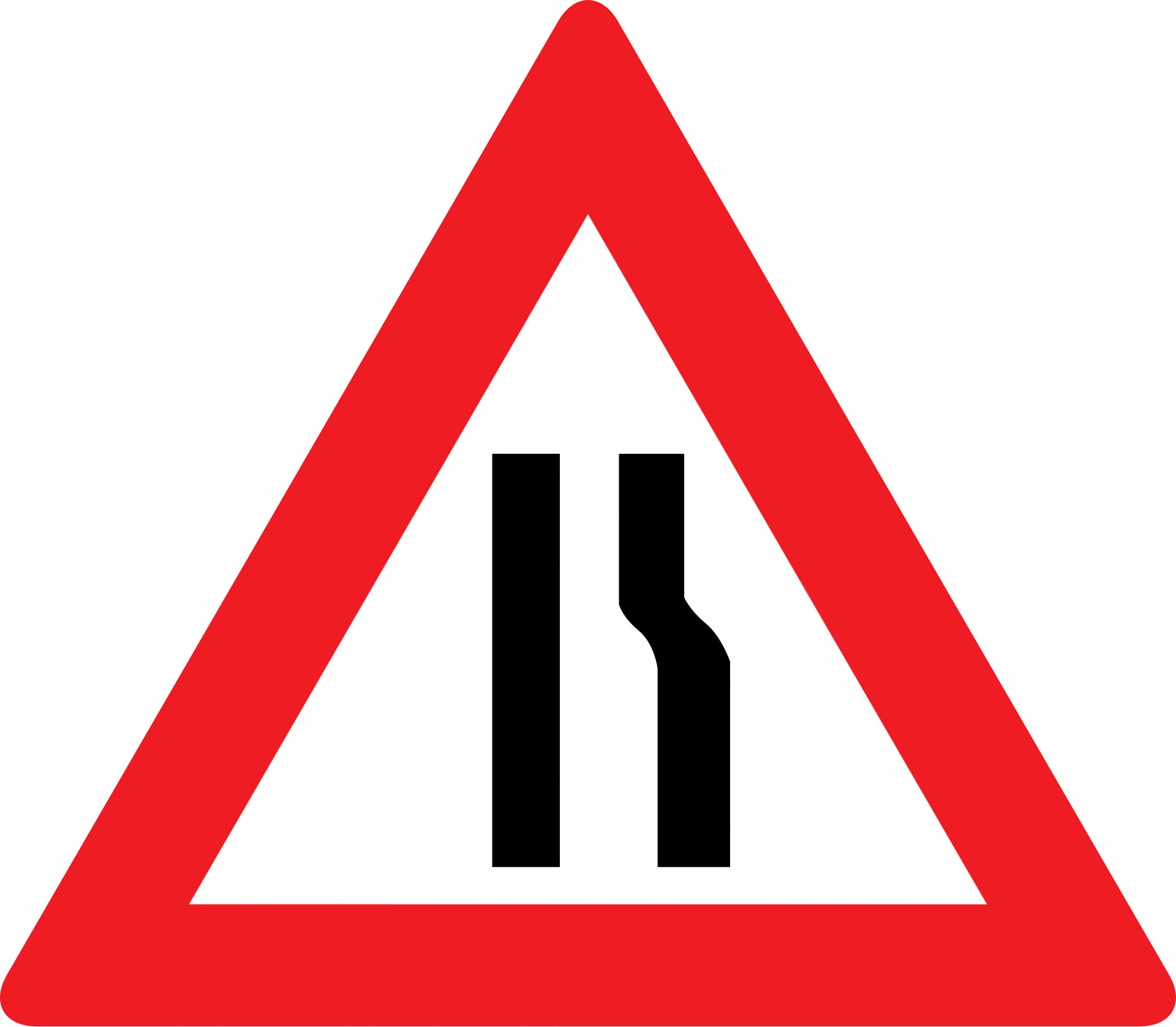
Understand the 'Road Narrows from Right Side' warning sign (8c).
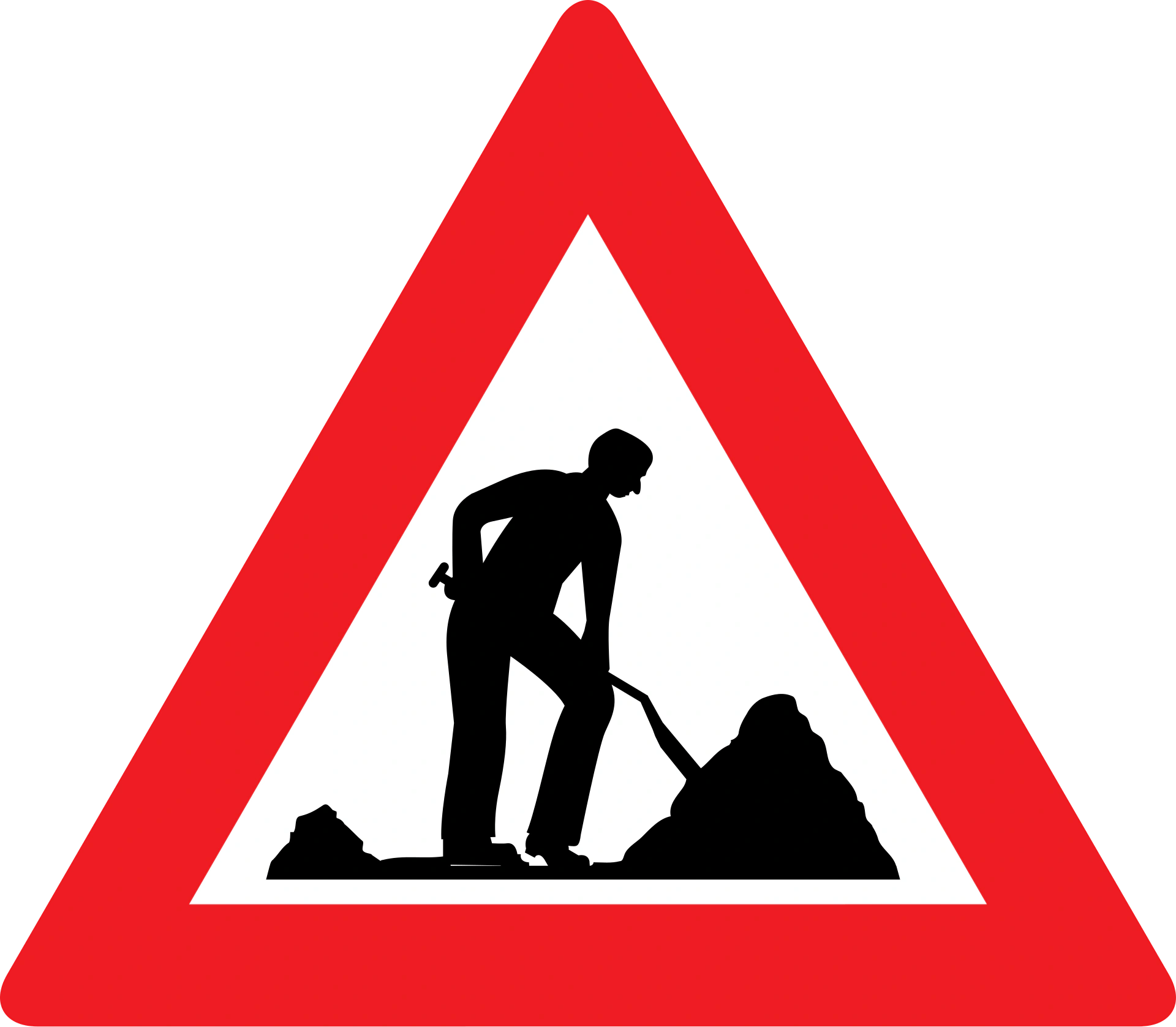
Sign 9: Road Works ahead – Prepare for potential hazards on the road.

Beware of the Slippery Road ahead with this Austrian warning sign!
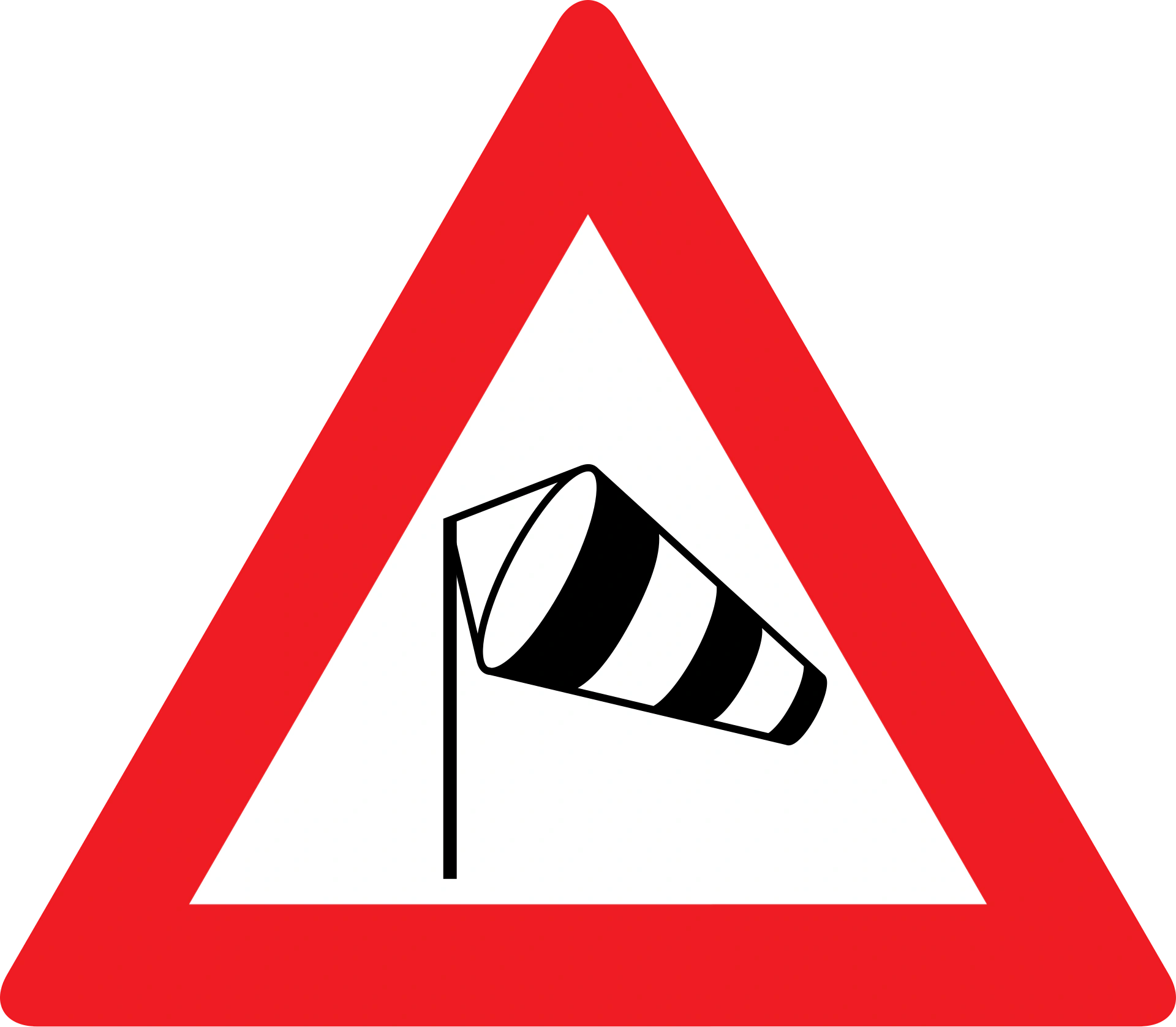
Prepare for strong crosswinds with the 10a warning sign.
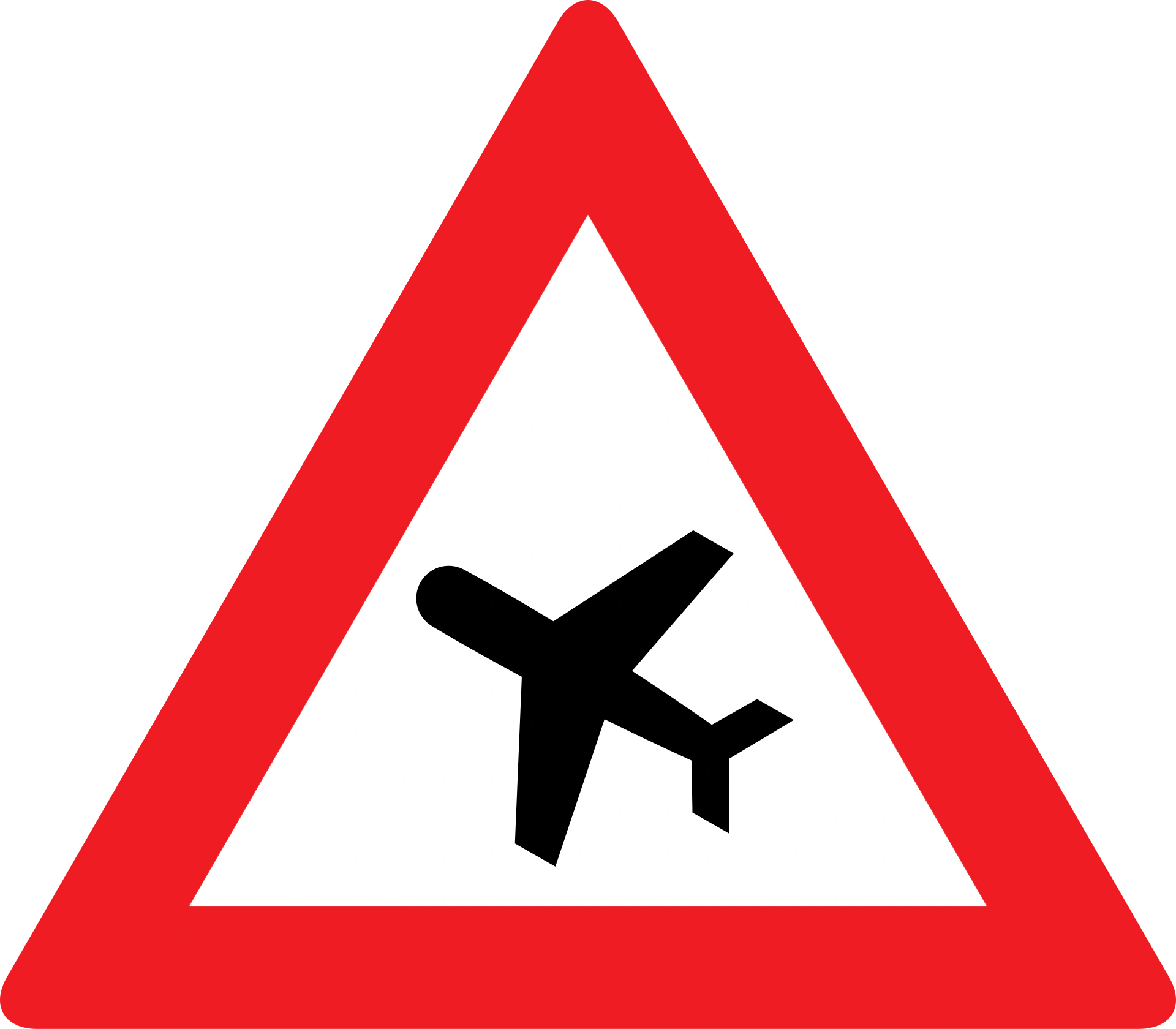
Warning: Be prepared for low-flying aircraft with the 10c danger sign.
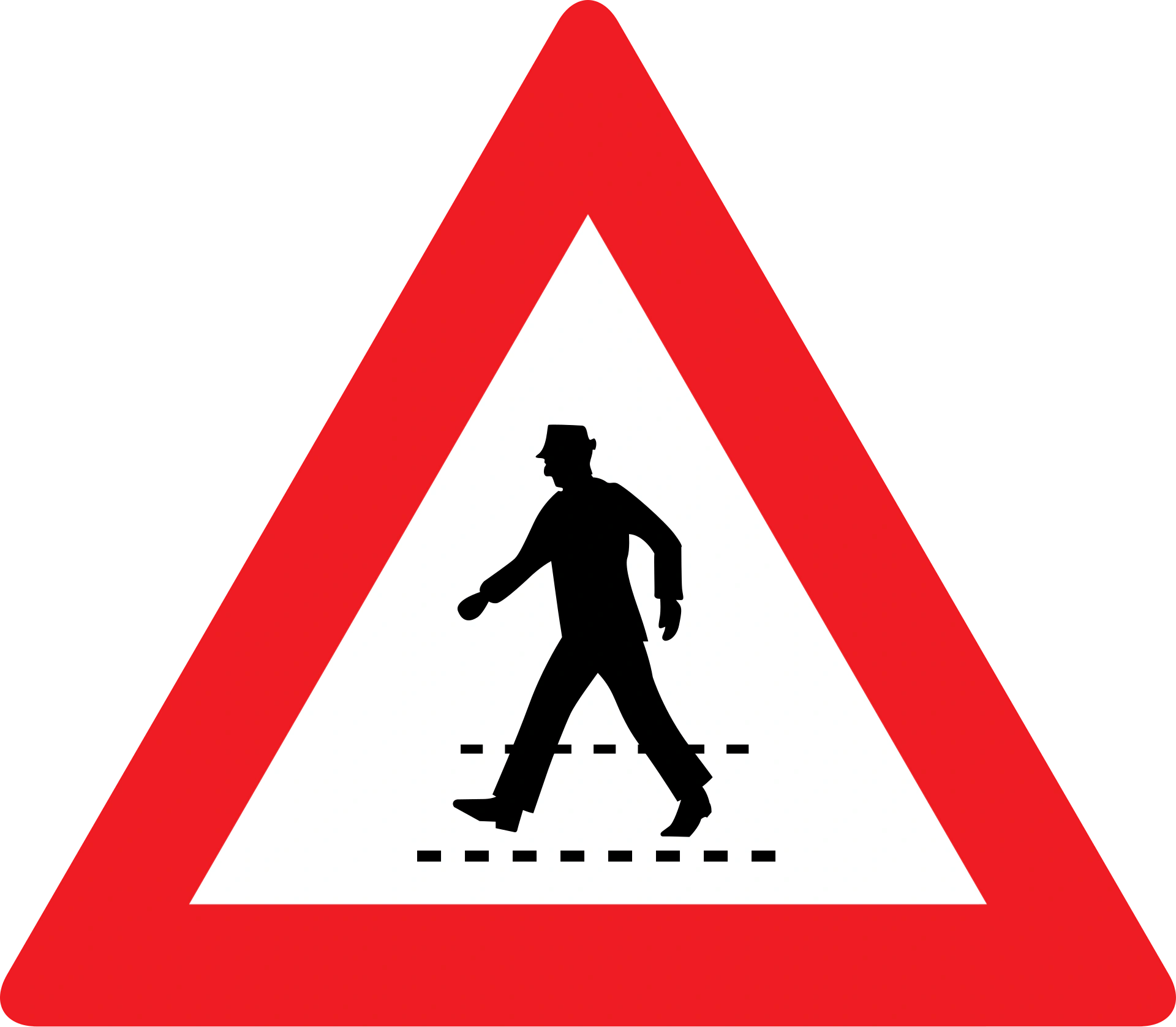
Prepare for Pedestrian Crossings with Warning Sign 11
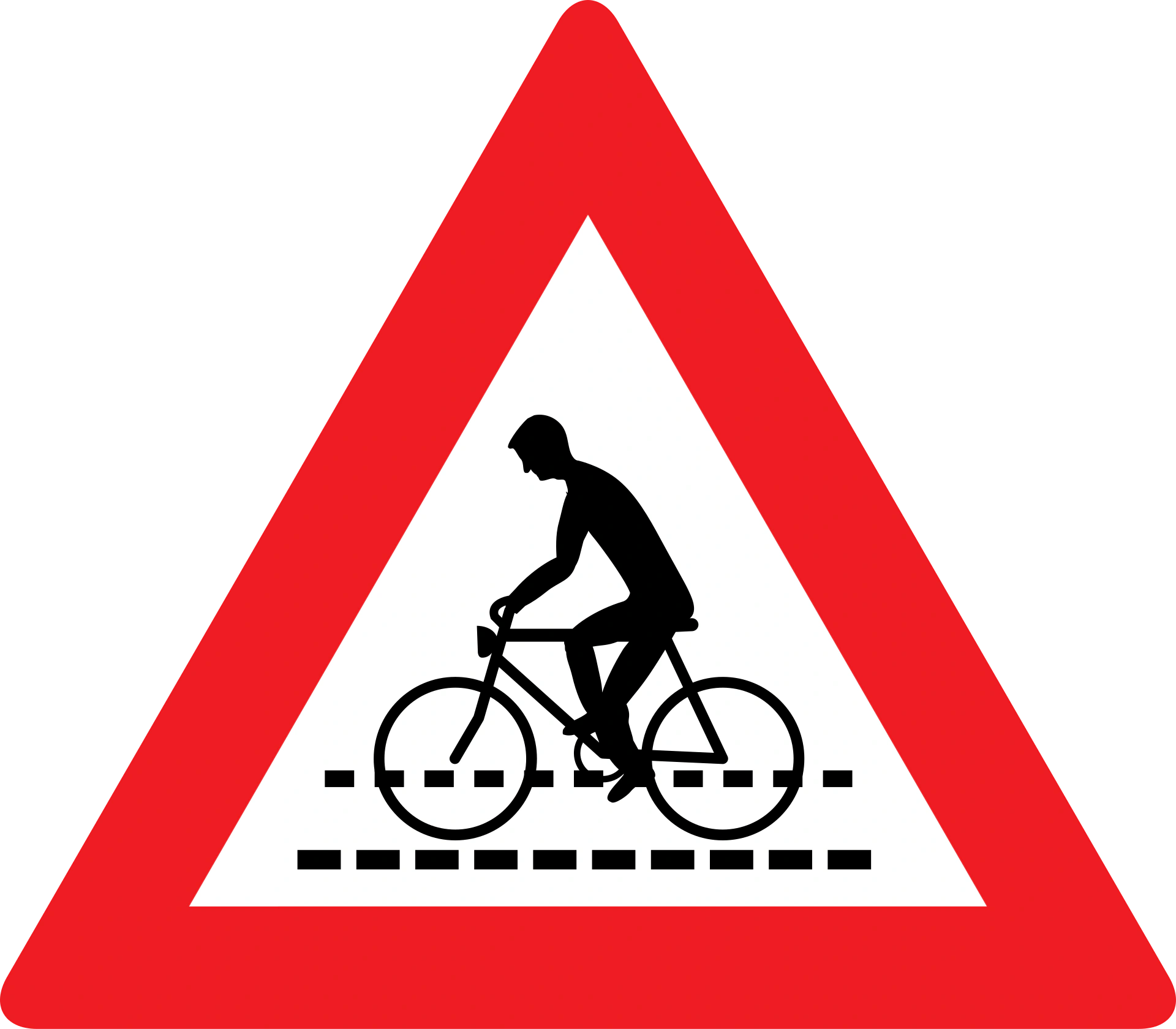
Watch out for cyclists crossing the road with the 11a warning sign!
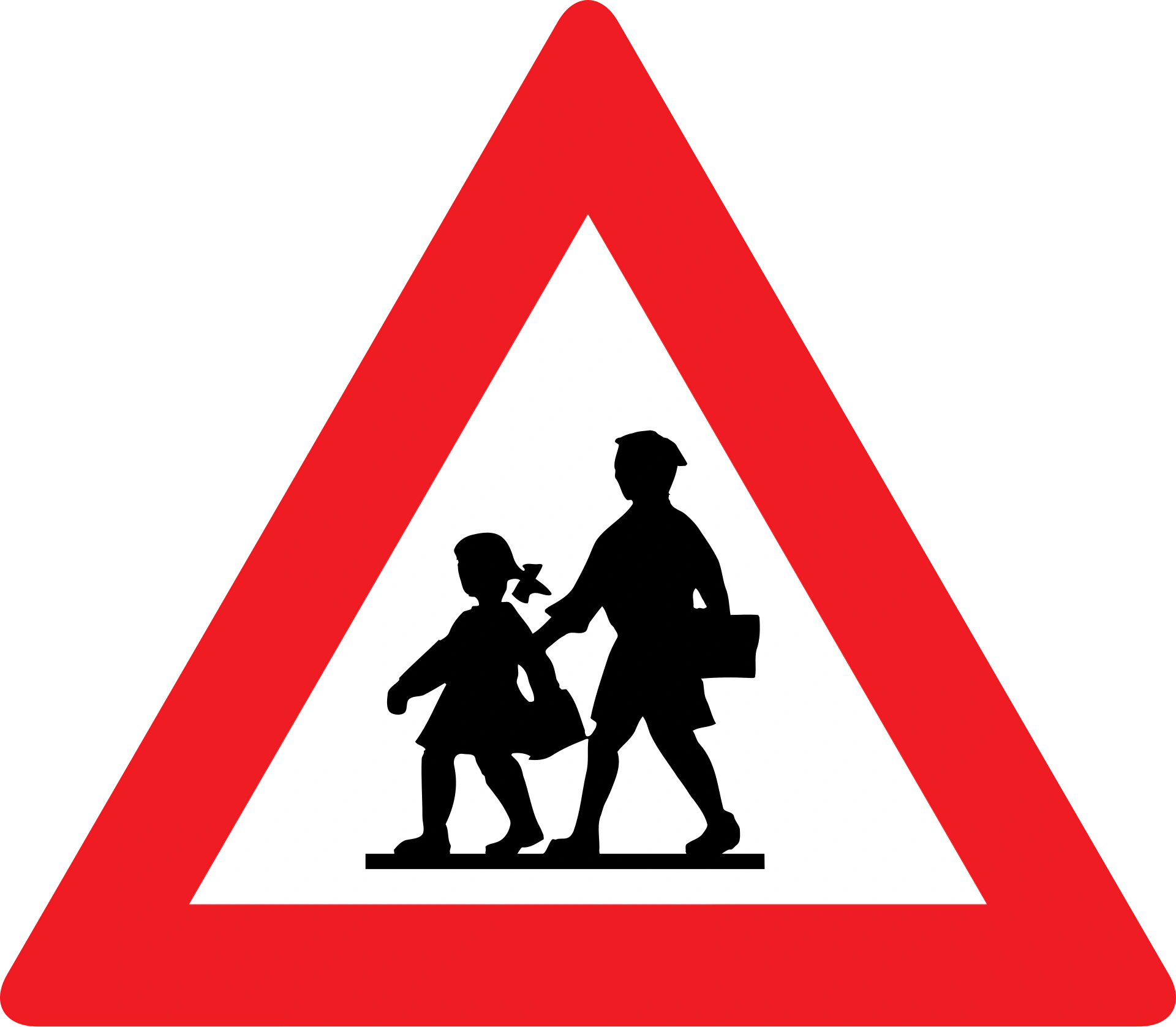
Watch out for Children with Austrian Warning Sign 12!
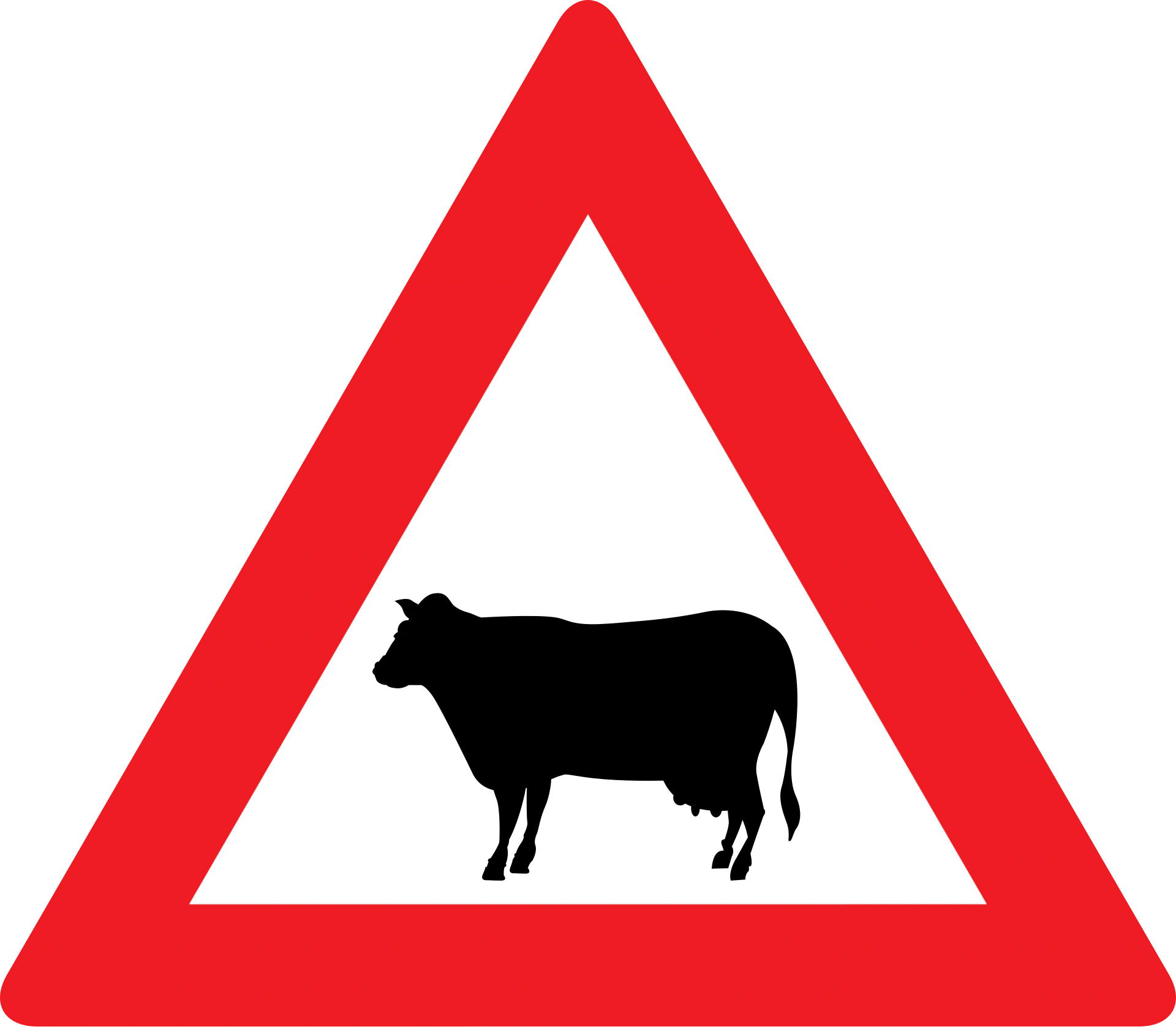
Watch out for Animals (cow) with Austrian Sign 13a!
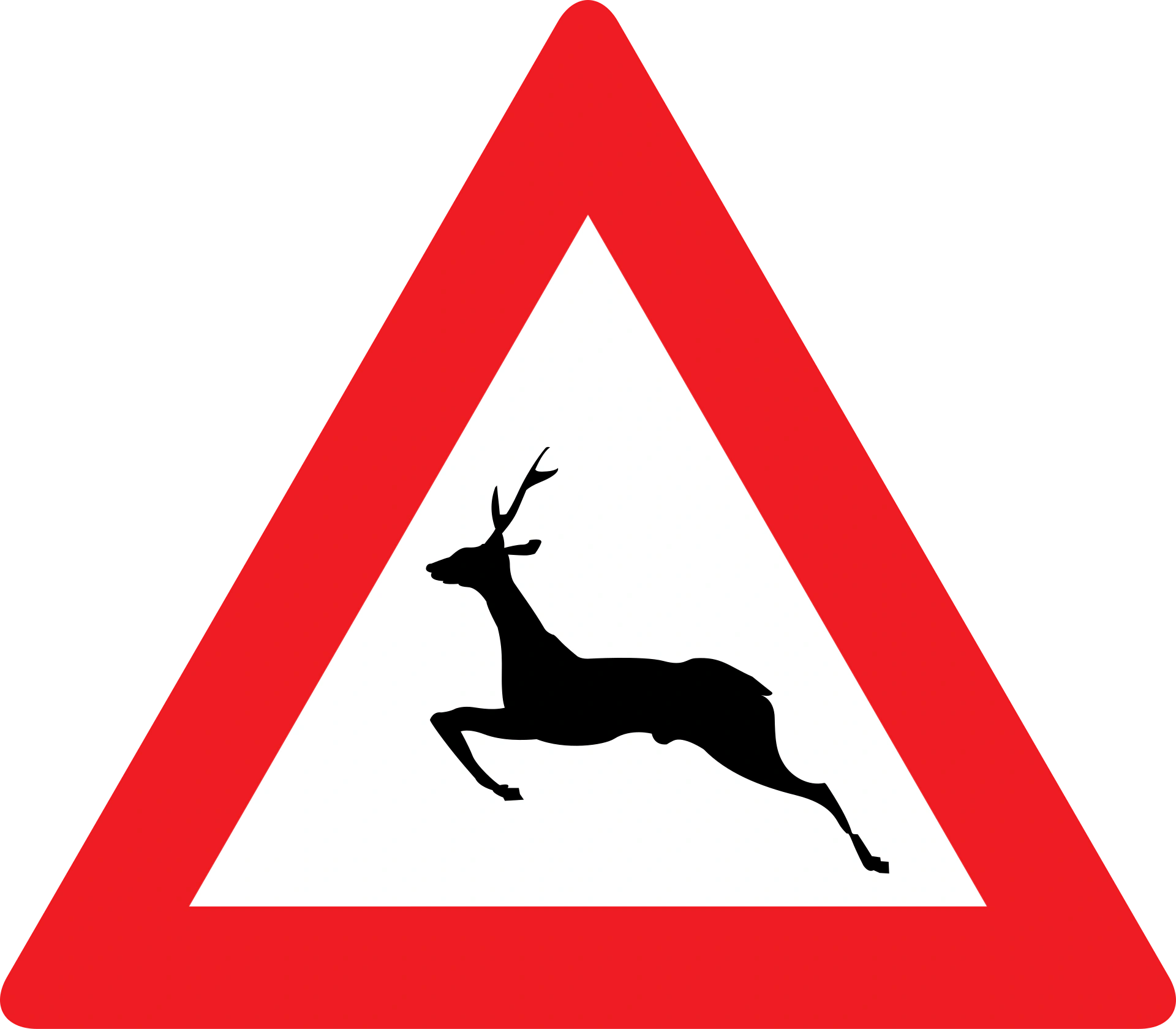
Watch out for animals, especially deer, with the 13b warning sign!
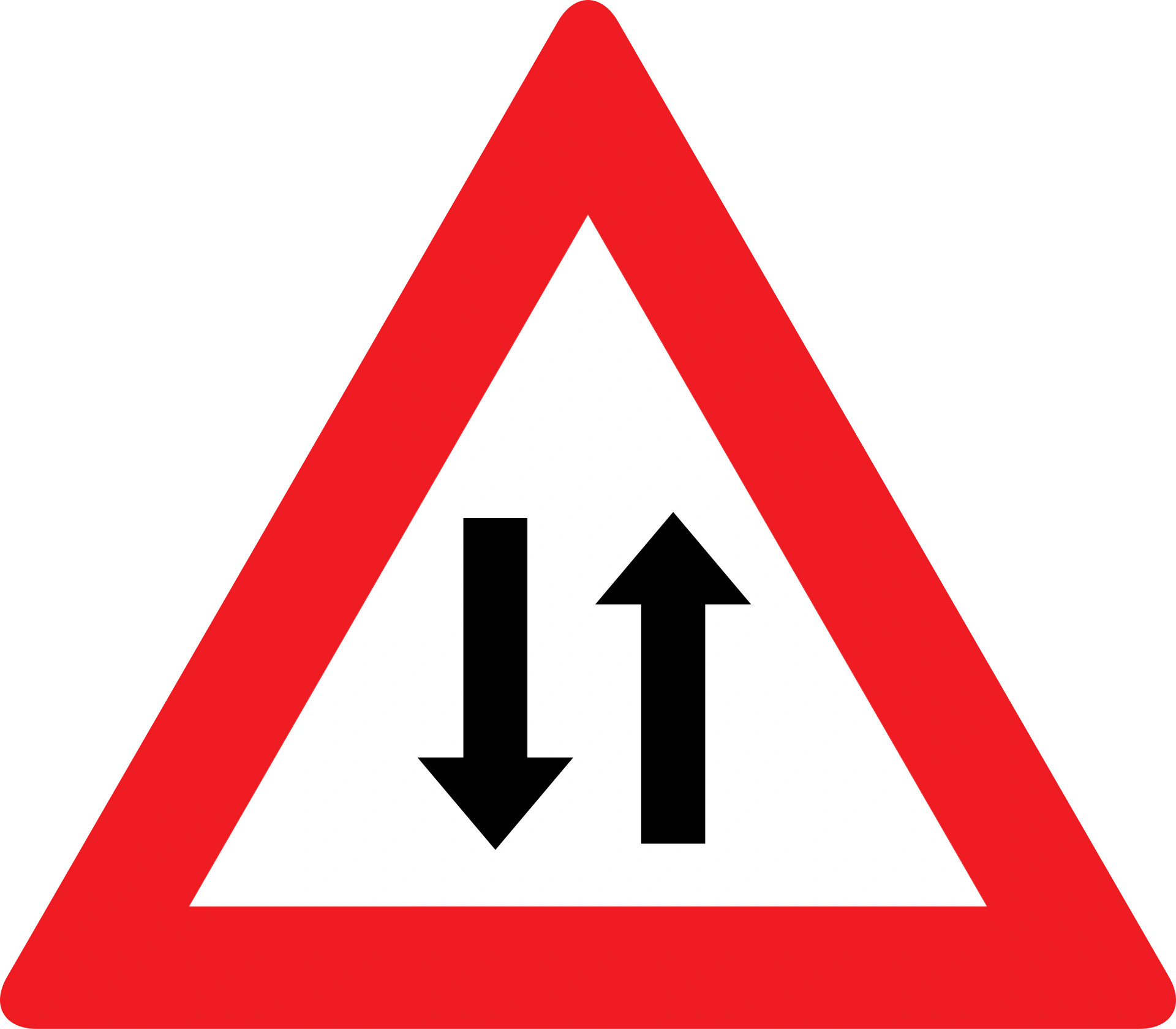
Prepare for Two-way Traffic Ahead with Austrian Warning Sign 14
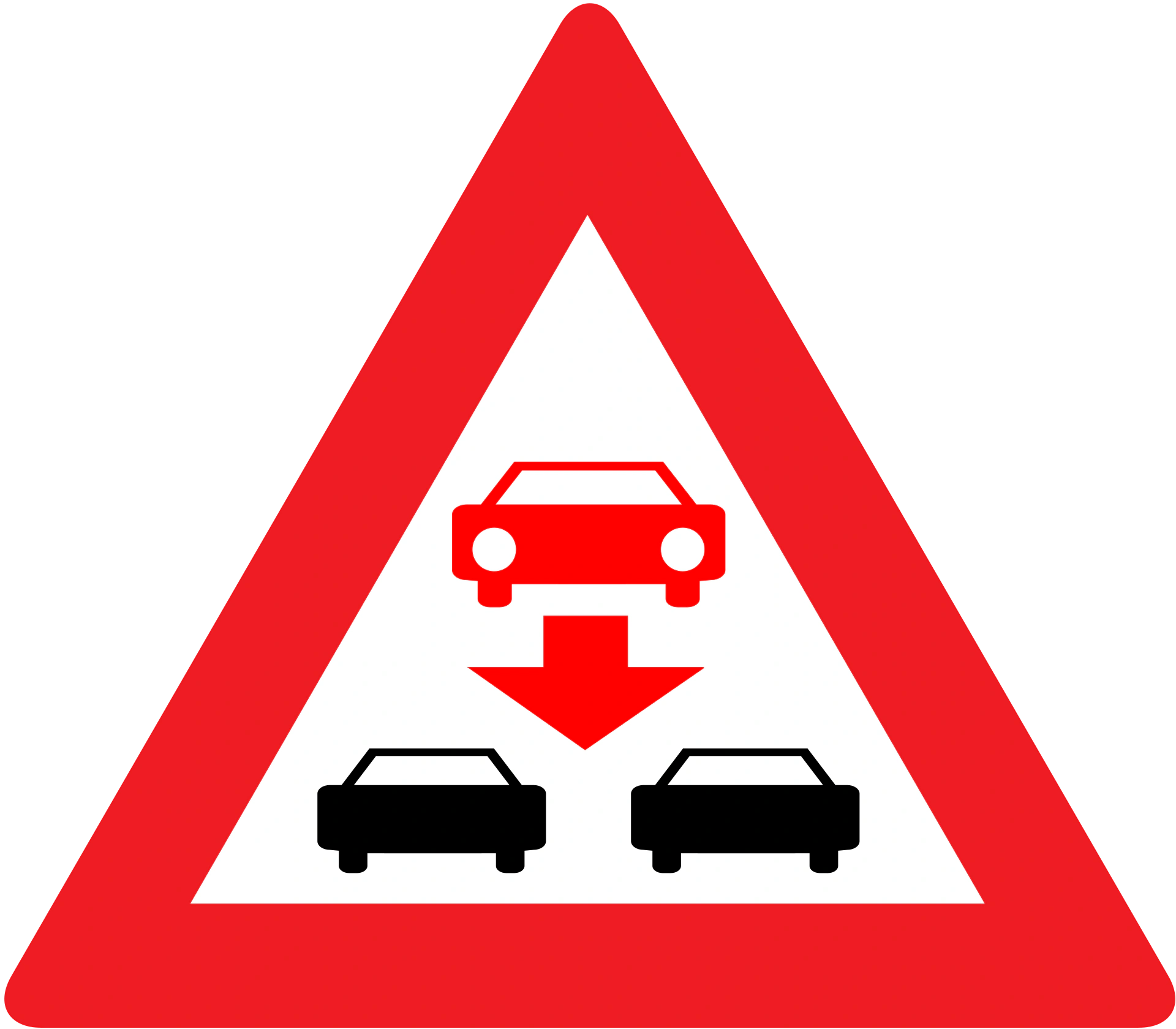
Warning: Motorists Driving Against Traffic Ahead on Motorway!
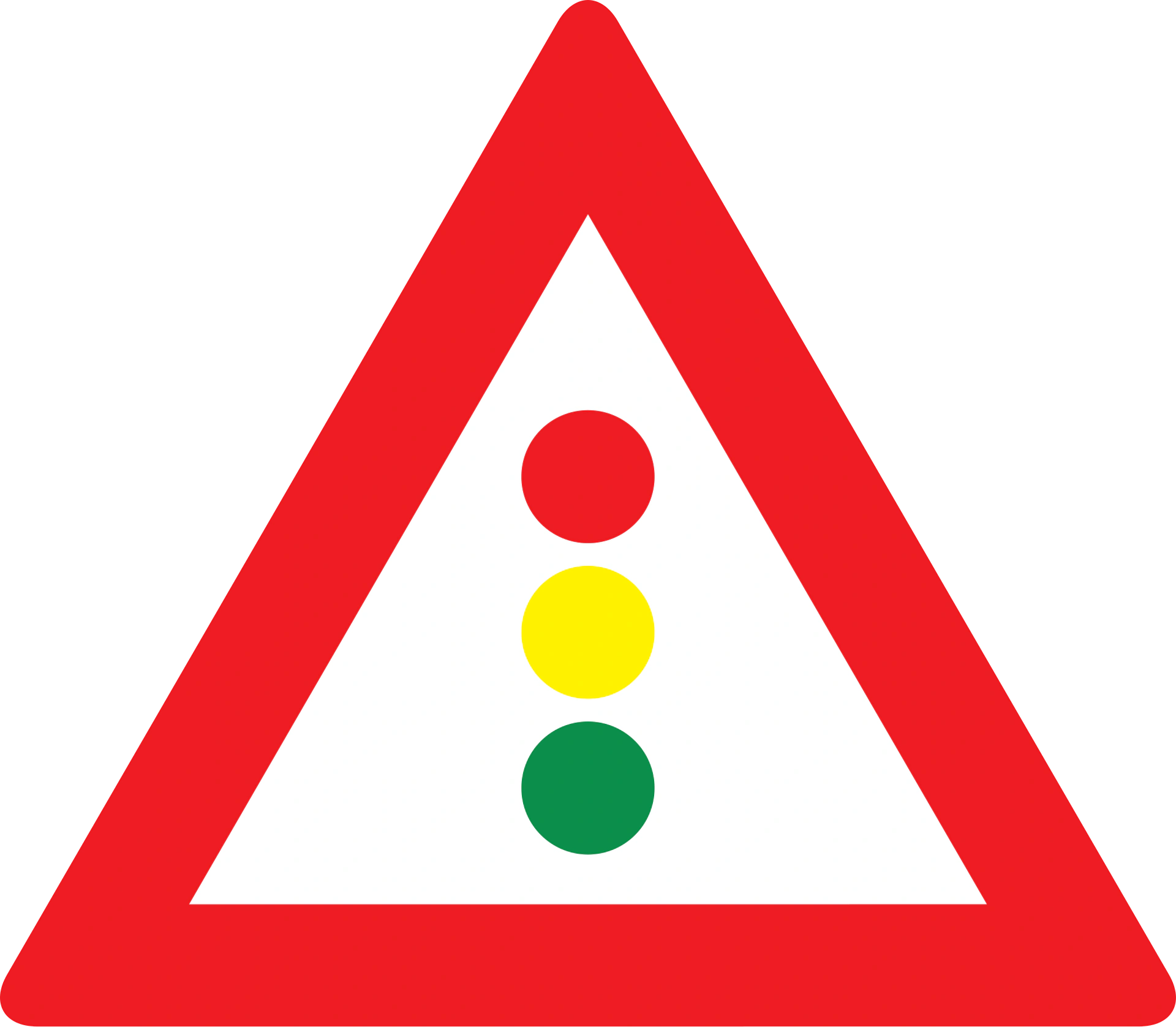
Prepare for upcoming traffic signals with this early warning sign.
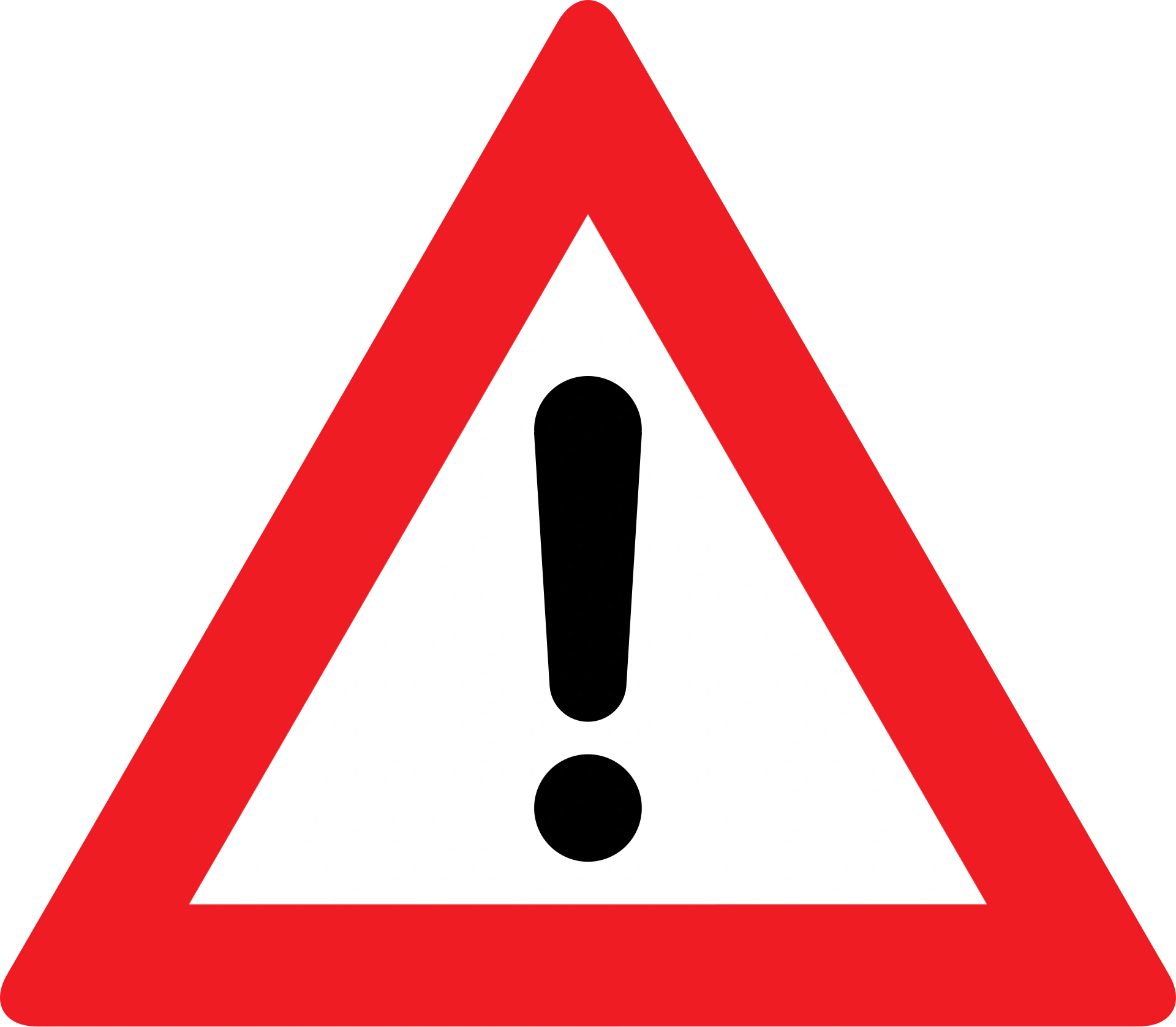
Prepare for the unexpected with the 'Other Dangers' warning sign (Sign 16)
Clear answers to common questions about the Austrian Danger Signs road sign category. Use this FAQ to review tricky rules, understand how these signs appear in exam scenarios, and remove confusion that often leads to mistakes in the Austrian driving theory exam in Austria.
The main purpose of Austrian danger signs is to alert drivers to potential hazards ahead. They provide advance notice of situations like sharp bends, level crossings, road works, or the presence of vulnerable road users like children or animals. This warning allows drivers to reduce speed, increase their observation, and prepare to react safely, thereby preventing accidents and ensuring smoother traffic flow.
Many danger signs, particularly those for level crossings, are accompanied by distance markers. These are typically supplementary plates indicating the distance in metres (e.g., 80m, 160m, 240m) to the hazard. For other signs like bends or junctions, the distance can vary, but they are always placed sufficiently in advance to allow drivers to respond safely. Always be prepared to encounter the hazard soon after seeing the warning sign.
A level crossing with barriers (sign 6a) has a physical barrier that closes to stop traffic when a train is approaching. A level crossing without barriers (sign 6b) does not have a physical barrier, meaning drivers must be extra cautious and rely on their own observation, often supplemented by flashing red lights and audible warnings, to ensure it is safe to cross. In both cases, especially without barriers, you must always stop and wait if a train is approaching.
If you encounter multiple danger signs grouped together, it indicates a complex or particularly hazardous section of road. You should treat each sign seriously and adapt your driving accordingly. For instance, you might see a sign for a dangerous curve followed by one warning of a slippery road. This means you need to reduce speed significantly, perhaps even before the curve, and be prepared for reduced grip. Always err on the side of caution when multiple warnings are present.
While these are primarily warning signs, the danger they indicate requires a specific response. You are not prohibited from driving, but the signs indicate a situation that demands increased attention and appropriate speed adjustments for safety. Failing to react appropriately to a danger sign, leading to an accident, could result in liability. Therefore, they must be treated as essential instructions for safe driving.
After reviewing road sign categories, deepen your understanding by taking a practice test focused on Austrian road signs. Challenge yourself with exam-like questions to pinpoint areas for further study and fully prepare for your official driving theory exam.
Explore Road Sign Categories