
This mandatory traffic sign, code 17a-c, signifies the end of a previous requirement that applied exclusively to cycles and pedestrians. When you see this sign, it means the designated track or path for these road users is no longer exclusively theirs, and normal traffic rules apply onwards, or the next traffic sign or road marking will dictate further actions. Always pay attention to the immediate road layout, lane markings, and any supplementary panels to understand the current situation and how to proceed safely and legally.
Master the meaning of the "End of Track only for cycles & pedestrians" sign (17a-c) to correctly navigate situations where previous mandatory instructions cease. This key element of theory test revision ensures you understand when specific path requirements end and general road rules resume, aiding in accurate road sign interpretation.
This Austrian mandatory sign requires a specific action rather than merely giving information. It may prescribe direction, lane choice, path use, minimum speed, snow chains, or a particular manoeuvre. Drivers should match the sign to the correct lane and road layout, then check markings, panels, and end signs to understand how long the instruction remains in force. Official catalogue code: 17a-c.
The "End of Track only for cycles & pedestrians" sign marks where the previous mandatory requirement no longer applies. Continue under the next sign, marking, or general road rule. Catalogue code 17a-c.
Get clear, practical answers to the most common questions about the 17a-c - End of Track only for cycles & pedestrians road sign. Learn how the sign works, what rules it represents, and how it affects real driving situations. This FAQ strengthens your understanding and supports accurate decision making for the Austrian driving theory exam in Austria.
Sign 17a-c indicates that a specific mandatory rule or designated path for cycles and pedestrians has concluded. You should no longer treat that specific track as being exclusively for them, and proceed according to the next sign, marking, or general traffic rule.
Upon seeing sign 17a-c, you should understand that the previous restriction is lifted. Continue driving normally, but remain alert for any subsequent signs, lane markings, or traffic signals that might provide new instructions or indicate the upcoming road layout. Always check your surroundings and road markings carefully.
The primary thing to avoid is assuming the restriction has ended completely without looking for further information. While this sign lifts a previous restriction for cycles and pedestrians, you must not assume you can enter that area without caution if it's not safe or permitted by other signs or rules. Also, do not choose a different movement than what subsequent signs or markings require.
A common mistake is not understanding that this sign is an 'end' sign. Learners might confuse it with a sign that *introduces* a restriction. It’s crucial to remember it signifies the *cessation* of a prior rule. Another trap is failing to look ahead for the *next* instruction after seeing sign 17a-c, as the situation is often immediately followed by new guidance.
No, not necessarily. Sign 17a-c only confirms that a *specific* previous restriction for cycles and pedestrians has ended. You must still adhere to all other traffic signs, road markings, and general traffic laws. Always look ahead for the next sign or marking that will guide your behaviour.
A clear reference image of the 17a-c - End of Track only for cycles & pedestrians road sign used in Austria.
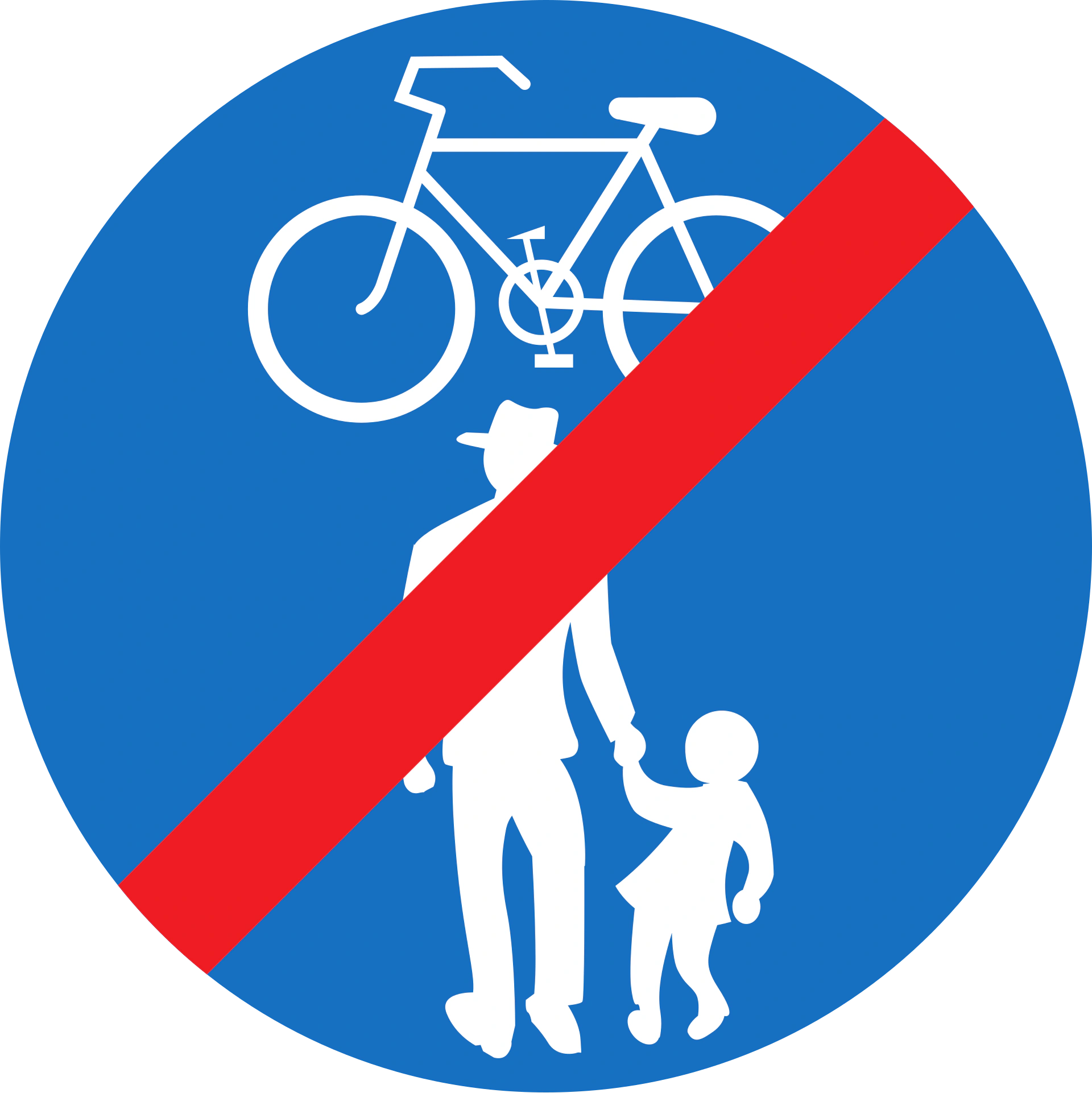
The 17a-c - End of Track only for cycles & pedestrians road sign may also be known by these alternative names or terms.
The 17a-c - End of Track only for cycles & pedestrians road sign is part of the Austrian Mandatory Signs category, which groups together signs with similar rules and functions.
Understanding the subtle differences between similar road signs is crucial for accurate theory test revision. Comparing signs like 'End of Track only for cycles & pedestrians' helps reinforce correct recognition and prevent confusion during your driving theory exam preparation.

Mandatory: You Must Follow the Lane on the Left Side!

Mandatory Direction: You Must Follow the Lane on the Right

You Must Turn Left: Understanding the Mandatory Left Direction Sign

Mandatory Direction: You Must Turn Right Here!

Mandatory Direction: You MUST Go Straight Ahead!

Mandatory Turn Left: You Must Follow This Direction

Mandatory Direction: You Must Turn Left or Go Straight Ahead
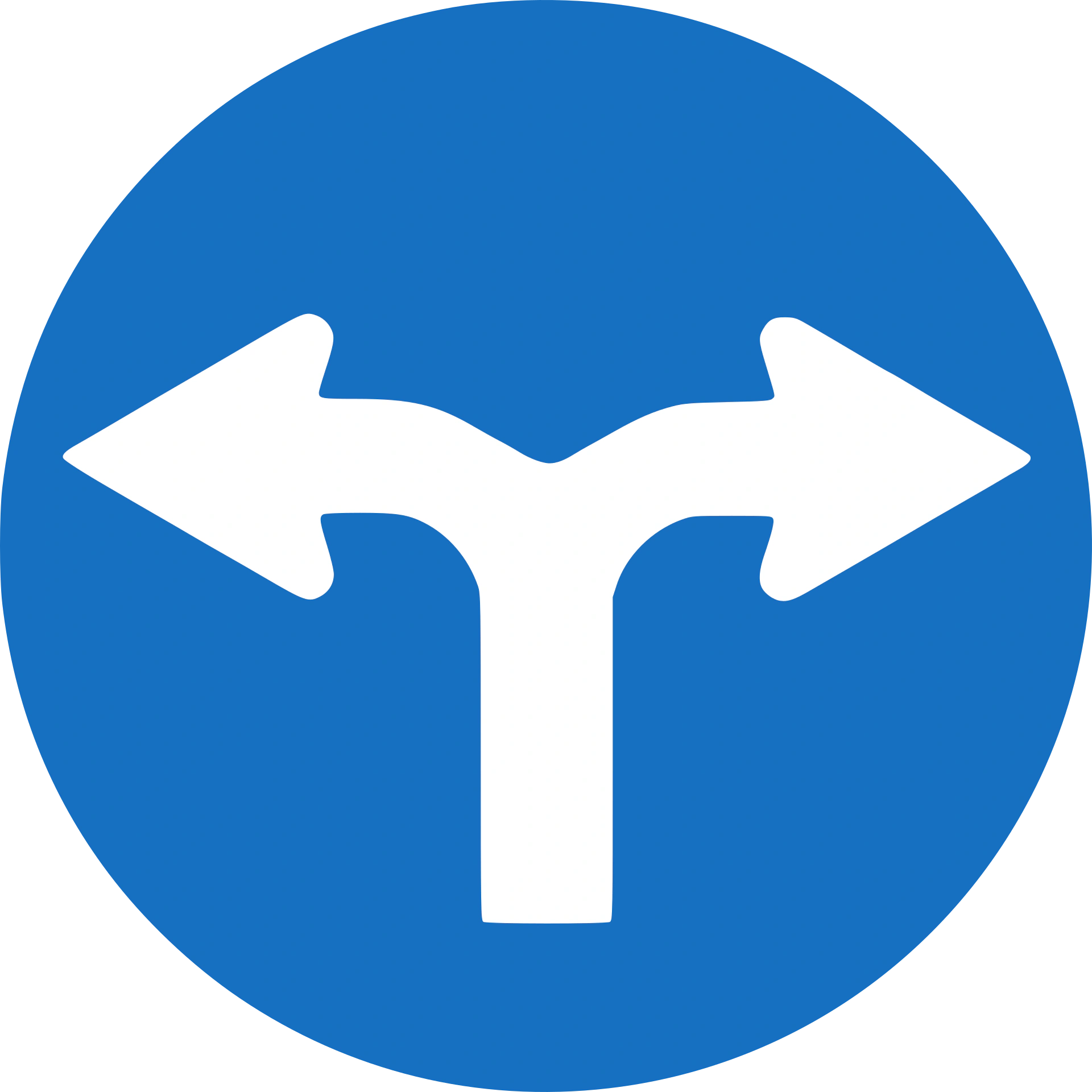
Mandatory Direction: You Must Turn Left or Right Here
Deepen your knowledge by connecting visual sign recognition with official Austrian traffic rules and local road procedures. Review these related practice sets and legal definitions to ensure you are fully prepared for your theory test.
Navigate Complex Austrian Lane Scenarios Like a Pro and Ace Your Exam!
Understanding how to correctly load your vehicle and respect dimension limits is a fundamental part of the Austrian theory exam and practical driving safety. This guide covers the specific legal thresholds for load projection, the necessary safety markings for oversized items, and the vehicle dimension limits defined in the KFG that every driver must know to avoid fines and dangerous situations on the road.
Master the nuances of Austrian road signs: don't let a small detail lead to a big mistake on your exam.
Driving a caravan in Austria involves strict adherence to unique traffic legislation, including specific speed limits that differ significantly from standard passenger car rules. This guide breaks down the essential requirements for trailer weights, registration, and the mandatory use of extended mirrors to ensure you meet all legal standards and avoid potential fines or test errors. You will learn the necessary distinctions for towing combinations that are vital for both your practical safety and your success in the Austrian driving theory exam.
This Austrian mandatory sign requires a specific action rather than merely giving information. It may prescribe direction, lane choice, path use, minimum speed, snow chains, or a particular manoeuvre. Drivers should match the sign to the correct lane and road layout, then check markings, panels, and end signs to understand how long the instruction remains in force. Official catalogue code: 17a--d.
This Austrian mandatory sign requires a specific action rather than merely giving information. It may prescribe direction, lane choice, path use, minimum speed, snow chains, or a particular manoeuvre. Drivers should match the sign to the correct lane and road layout, then check markings, panels, and end signs to understand how long the instruction remains in force. Official catalogue code: 17a.
After reviewing the full list of Austrian road signs, test your recognition skills with targeted practice questions. Explore signs by category to reinforce specific areas of knowledge, ensuring you're fully prepared for the driving theory exam and confident in recognizing any sign on the road.
All Austrian Road Signs List