The Austrian 'End of Two-Way Traffic' sign (7-end-two-way) is an informational traffic sign that alerts you to a change in the road's configuration. It signifies that the section of road ahead will no longer have traffic travelling in opposite directions. This sign helps you plan your route and lane choices, but it does not override any other traffic regulations like speed limits or priority rules.
This informational sign signifies the end of two-way traffic, crucial for planning your route and lane choices in Austria. Understanding this road sign meaning is vital for your theory test revision and safe driving.
This Austrian informational sign helps drivers plan route, lane choice, service use, road type, stopping, parking, zone behaviour, or facility access. It does not override separate prohibitions, priority signs, traffic lights, speed limits, or road markings. For learning, explain both what the sign identifies and what driving choice it helps prepare. Official catalogue code: 7-end-two-way.
The "End of two-way traffic" sign provides official road information about end of two-way traffic, a facility, road type, route, zone, lane arrangement, or destination. Use it for planning without ignoring separate rules. Catalogue code 7-end-two-way.
Get clear, practical answers to the most common questions about the 7-end-two-way - End of two-way traffic road sign. Learn how the sign works, what rules it represents, and how it affects real driving situations. This FAQ strengthens your understanding and supports accurate decision making for the Austrian driving theory exam in Austria.
This informational sign indicates that the road ahead is no longer a two-way street. Traffic will either be travelling in one direction only, or the road layout is changing significantly, meaning you won't encounter oncoming traffic from the opposite lane.
When you see the 7-end-two-way sign, you should mentally prepare for a change in traffic flow. Use this information for route and lane planning, but always remain attentive to other signs, traffic lights, and road markings that provide specific instructions or restrictions.
This is an informational sign, not a prohibition sign. However, you must not treat it as permission to disregard other binding rules. Always adhere to speed limits, priority signs, and traffic signals. Additionally, avoid making sudden manoeuvres simply because you saw this sign late; read and react to road information proactively.
A common trap is assuming this sign grants new permissions or removes existing rules. Learners might mistakenly think it signals the end of a speed limit or a priority situation. Remember, it simply informs about the road's configuration, and all other traffic laws remain in effect unless indicated otherwise by separate signs or signals.
You'll typically see this sign when transitioning from a road where traffic flows in both directions to a road that is one-way, or when entering a zone where lane arrangements change. It's useful for planning lane changes or anticipating how the road will be used ahead.
A clear reference image of the 7-end-two-way - End of two-way traffic road sign used in Austria.

The 7-end-two-way - End of two-way traffic road sign may also be known by these alternative names or terms.
The 7-end-two-way - End of two-way traffic road sign is part of the Austrian Informational Signs category, which groups together signs with similar rules and functions.
Reviewing similar road signs, like the 'End of two-way traffic' sign alongside others, sharpens your sign recognition skills for theory test revision. Practising traffic sign comparison helps prevent confusion and ensures you master Austrian road rules.
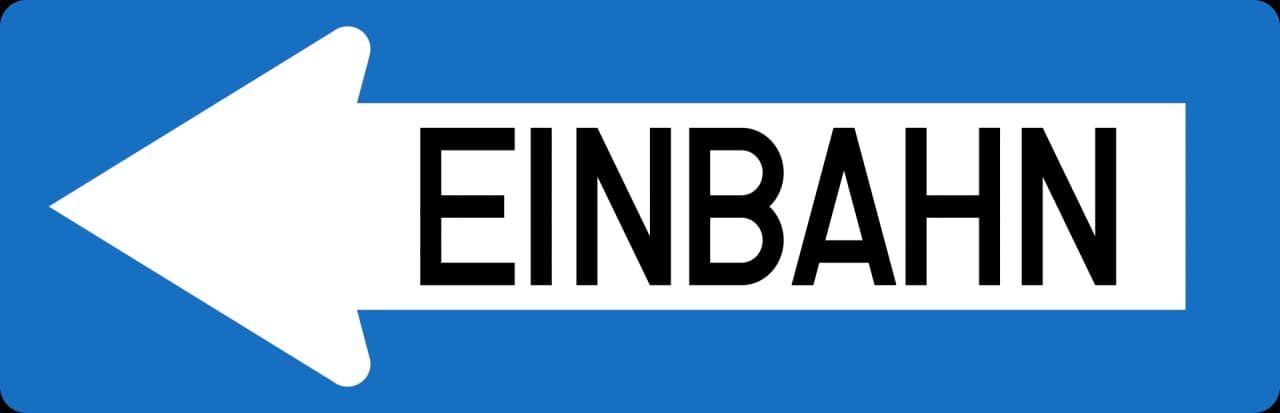
Understand the 'One-Way Traffic (Left)' Informational Sign in Austria
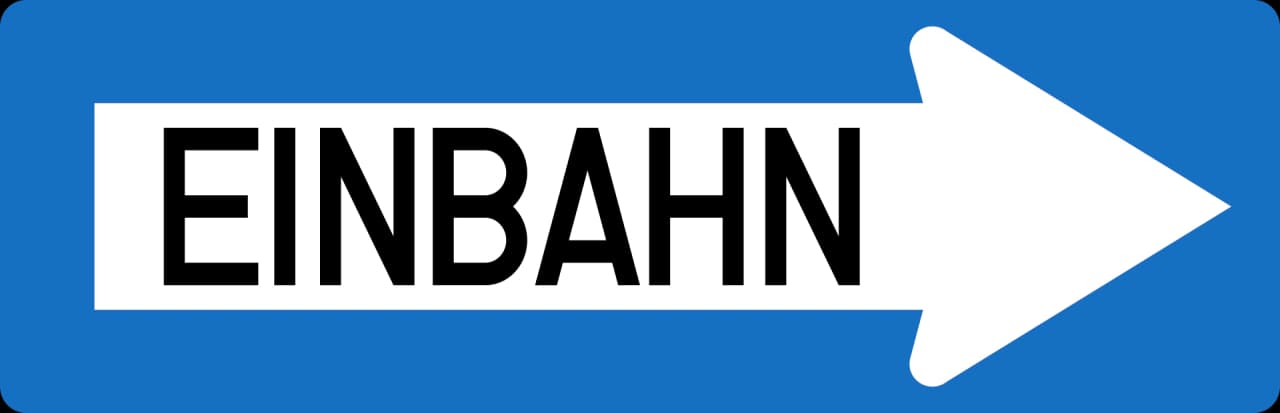
Understand the 'One-way Traffic (Right)' Informational Sign

This sign indicates tram turning movements on red or yellow traffic lights.

The 'No Through Road' (Dead End) sign: Plan your route ahead!

Understand the Austrian 'Street Lights Not On Whole Night' Informational Sign
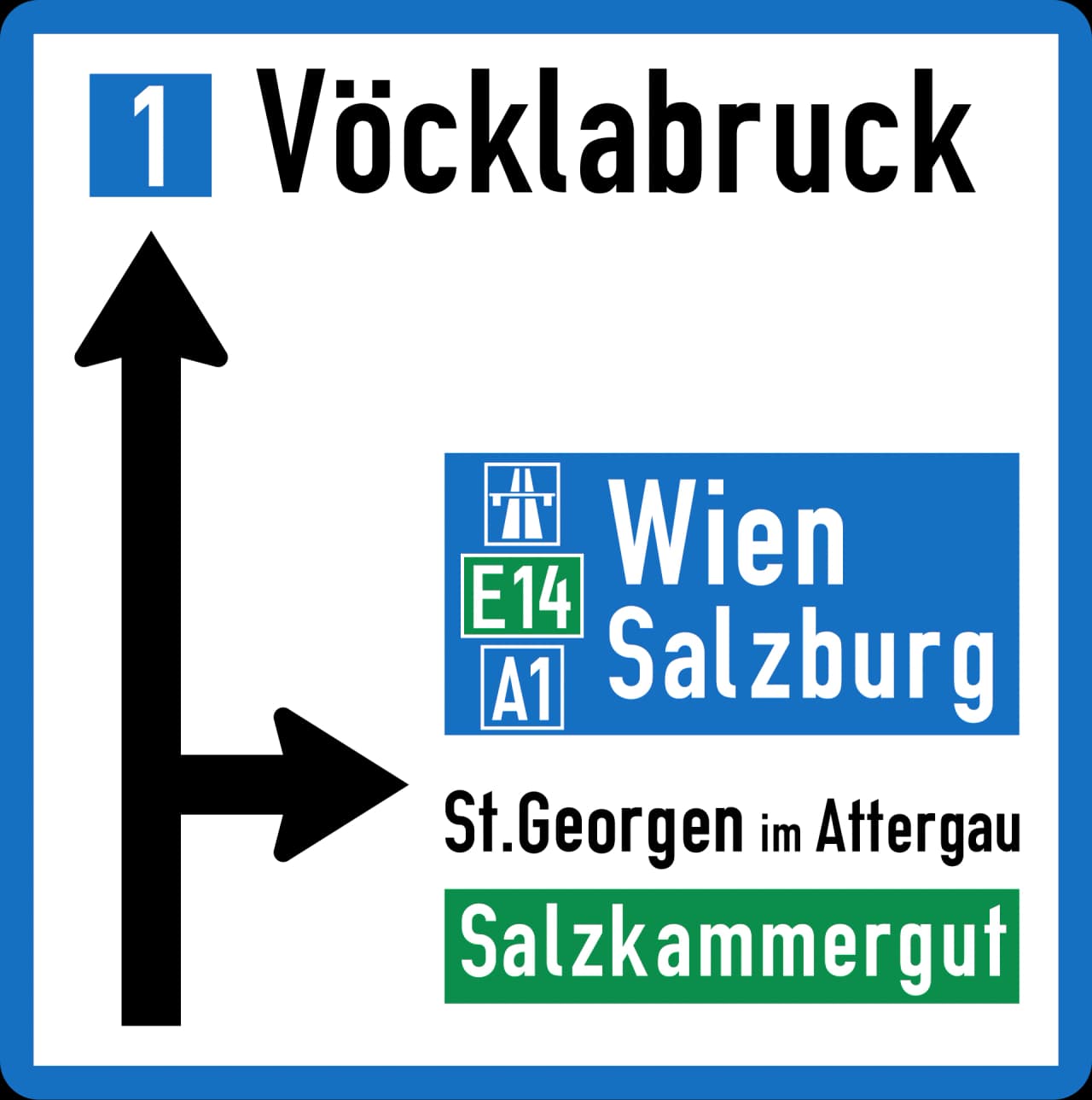
The 13a Direction Sign: Your Guide to Route and Facility Planning
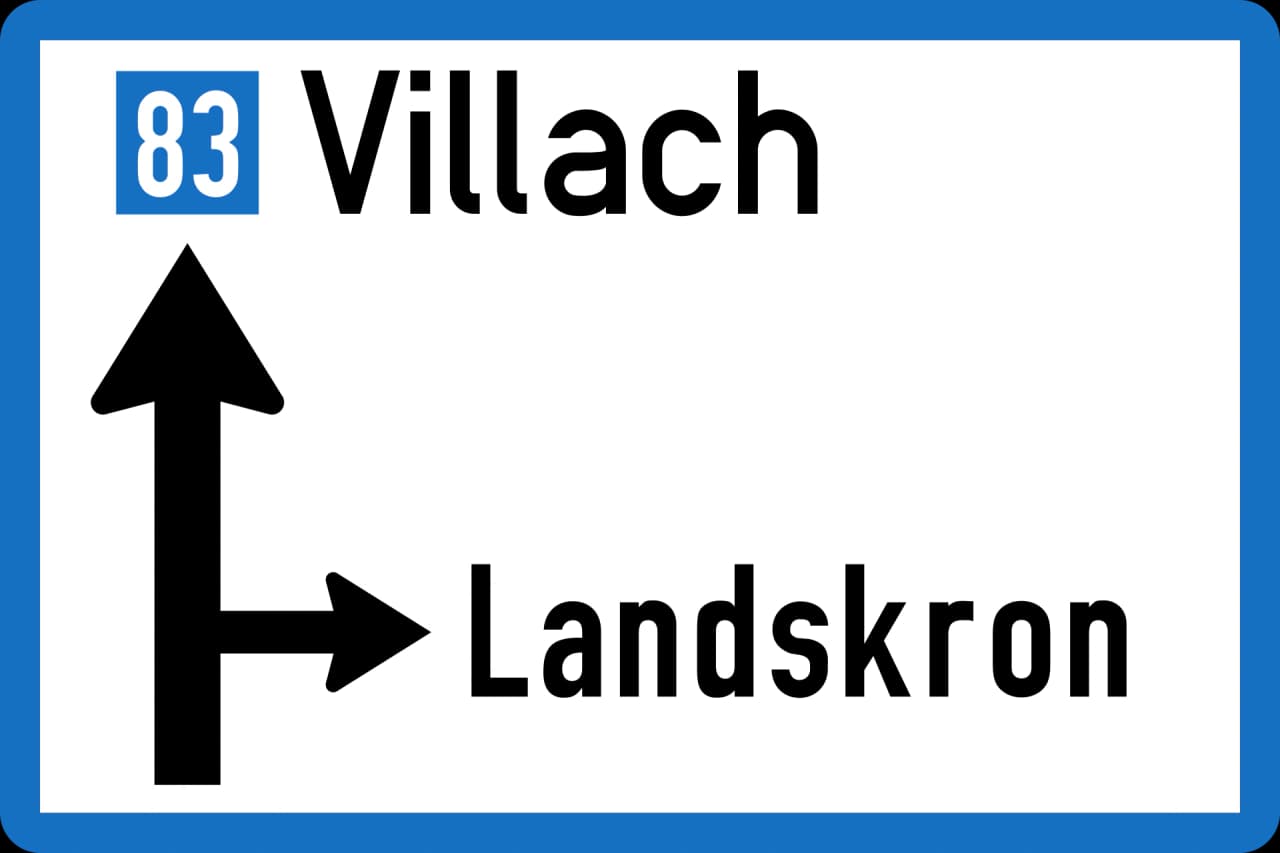
Plan your route ahead with the 13a Direction Sign for Austrian roads.
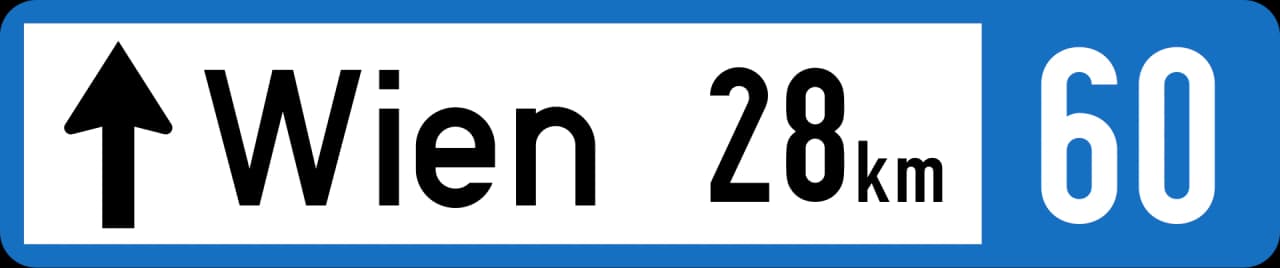
The 13b-direction sign provides essential information for route and lane planning.
After reviewing the full list of Austrian road signs, test your recognition skills with targeted practice questions. Explore signs by category to reinforce specific areas of knowledge, ensuring you're fully prepared for the driving theory exam and confident in recognizing any sign on the road.
All Austrian Road Signs List