
This Austrian informational sign (code 12) indicates that street lights in the area are not illuminated throughout the entire night. While it provides information for route and lane planning, it's crucial to remember that this sign does not override any other traffic rules. Always pay attention to regulatory signs, traffic signals, and road markings for binding instructions, and use this sign to help you anticipate potential visibility changes on your route.
This sign informs drivers about street lights not functioning all night, crucial for navigating conditions and making safe decisions. Master its meaning for your Austrian driving theory test preparation and understand its road sign explanation.
This Austrian informational sign helps drivers plan route, lane choice, service use, road type, stopping, parking, zone behaviour, or facility access. It does not override separate prohibitions, priority signs, traffic lights, speed limits, or road markings. For learning, explain both what the sign identifies and what driving choice it helps prepare. Official catalogue code: 12-street-lights-not-turned-whole-night.
The "Street lights that are not turned on for the whole night" sign provides official road information about street lights that are not turned on for the whole night, a facility, road type, route, zone, lane arrangement, or destination. Use it for planning without ignoring separate rules. Catalogue code 12-street-lights-not-turned-whole-night.
Get clear, practical answers to the most common questions about the 12-street-lights-not-turned-whole-night - Street lights that are not turned on for the whole night road sign. Learn how the sign works, what rules it represents, and how it affects real driving situations. This FAQ strengthens your understanding and supports accurate decision making for the Austrian driving theory exam in Austria.
This sign (code 12) informs you that the street lighting in the area is not active all night. It's an informational sign to help you plan your journey, but it doesn't change any traffic rules you must follow.
You should use this information for your route planning, perhaps anticipating reduced visibility in certain sections. However, you must continue to observe all other traffic signs, signals, and road markings, as they dictate your mandatory actions.
Absolutely not. This is a critical point for the theory test. Informational signs like this one provide extra context but never permit you to disregard regulatory signs, priority rules, traffic lights, or speed limits.
Yes, avoid making sudden manoeuvres as a reaction to this information if you've only just noticed it. Plan ahead and maintain awareness, and never treat an informational sign as a reason to break other traffic laws.
This sign itself doesn't regulate parking or stopping. You can use the information for planning purposes related to visibility, but any decisions about stopping or parking must comply with separate parking signs and regulations in the area.
A clear reference image of the 12-street-lights-not-turned-whole-night - Street lights that are not turned on for the whole night road sign used in Austria.

The 12-street-lights-not-turned-whole-night - Street lights that are not turned on for the whole night road sign may also be known by these alternative names or terms.
The 12-street-lights-not-turned-whole-night - Street lights that are not turned on for the whole night road sign is part of the Austrian Informational Signs category, which groups together signs with similar rules and functions.
Comparing signs like 'Street lights not on all night' with others helps cement your understanding and improve recall for the Austrian theory test. Sharpen your traffic sign recognition by studying these related visual cues for better exam preparation.

Understand the 'One-Way Traffic (Left)' Informational Sign in Austria
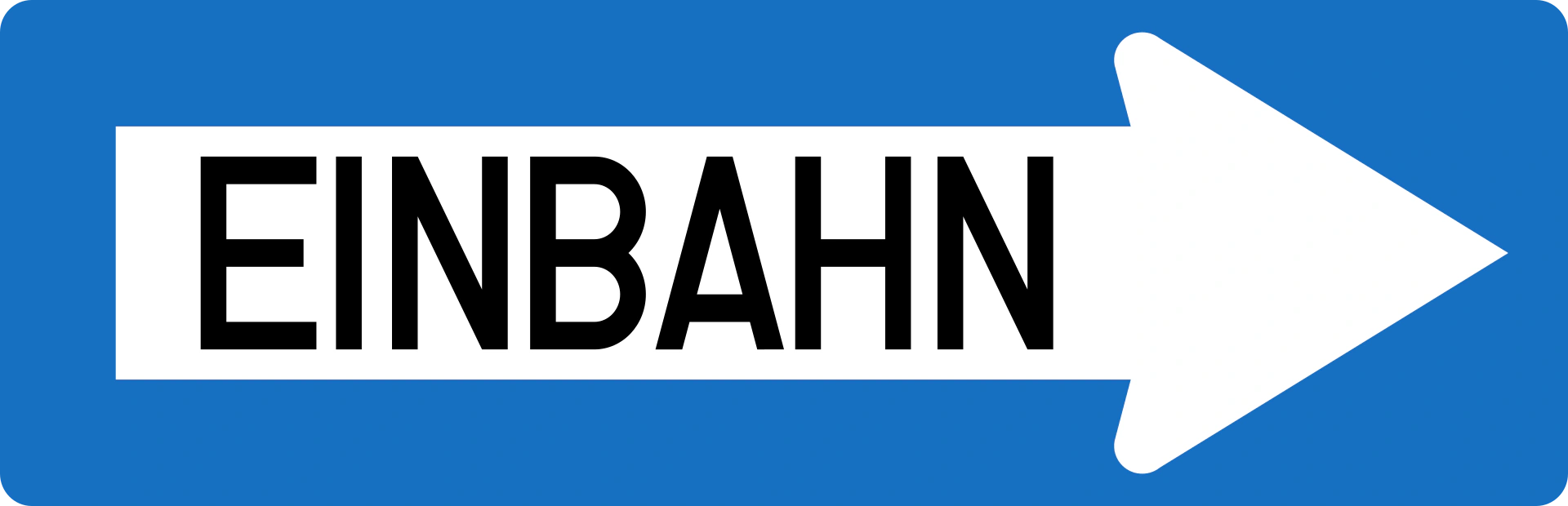
Understand the 'One-way Traffic (Right)' Informational Sign

This sign indicates tram turning movements on red or yellow traffic lights.
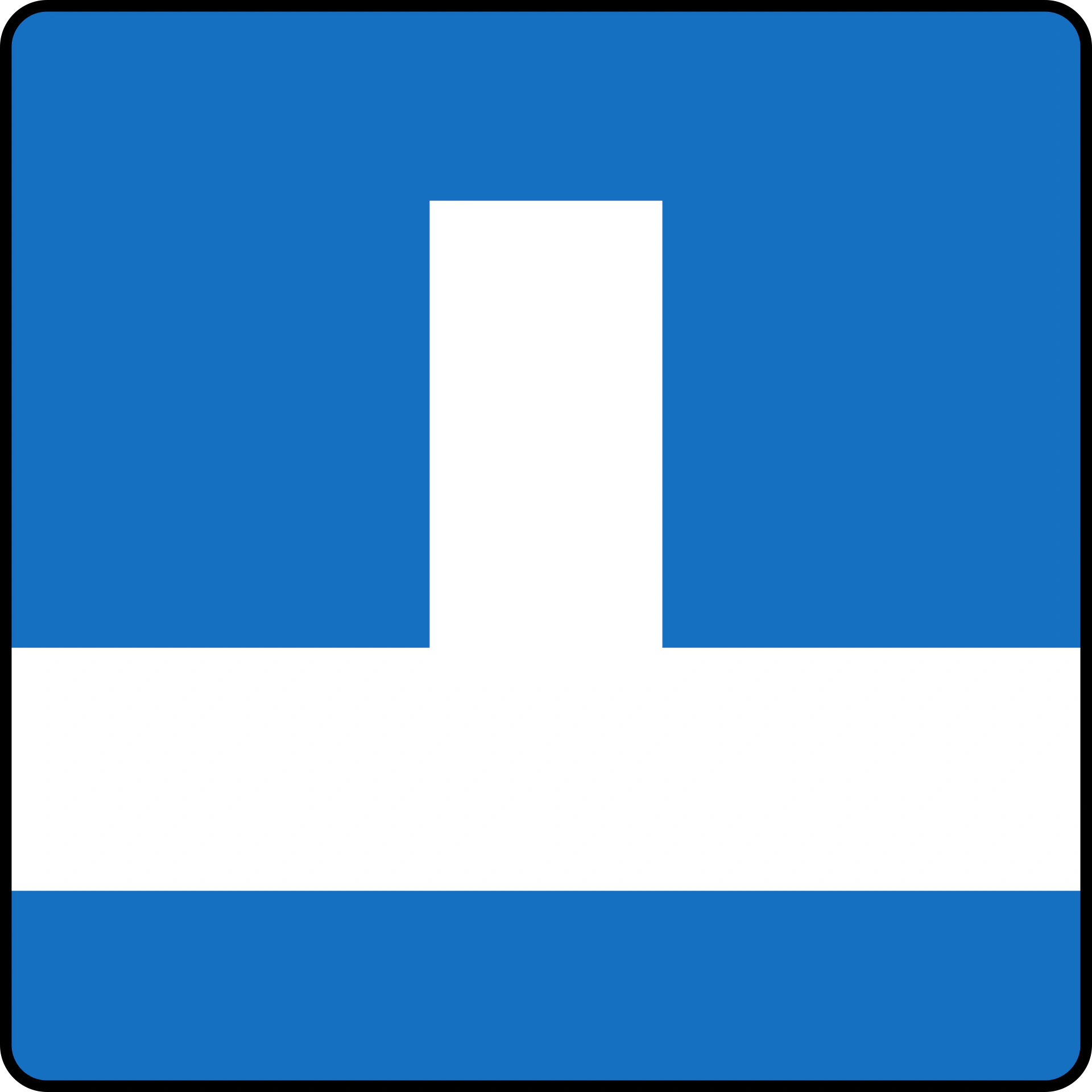
The 'No Through Road' (Dead End) sign: Plan your route ahead!
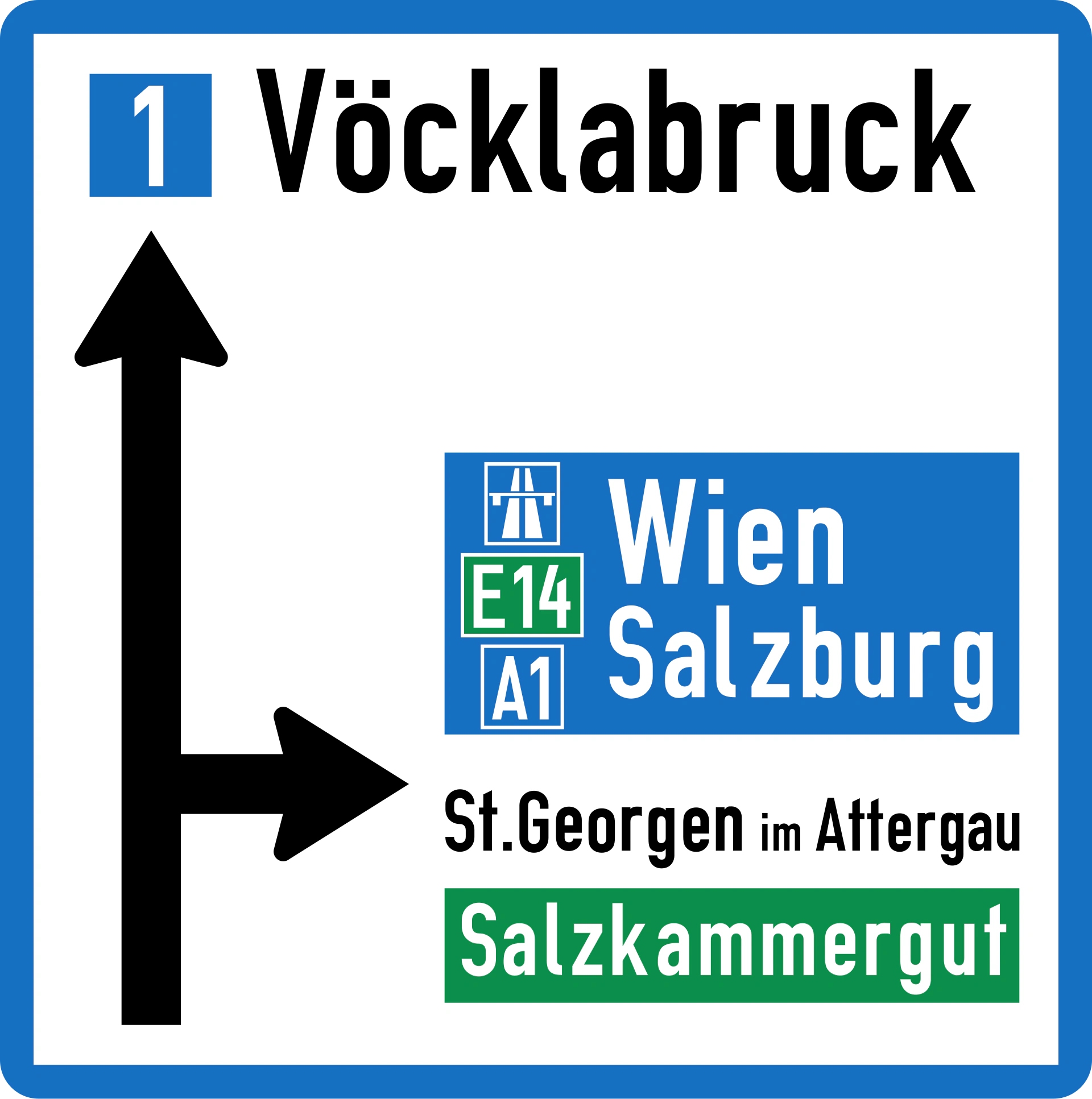
The 13a Direction Sign: Your Guide to Route and Facility Planning
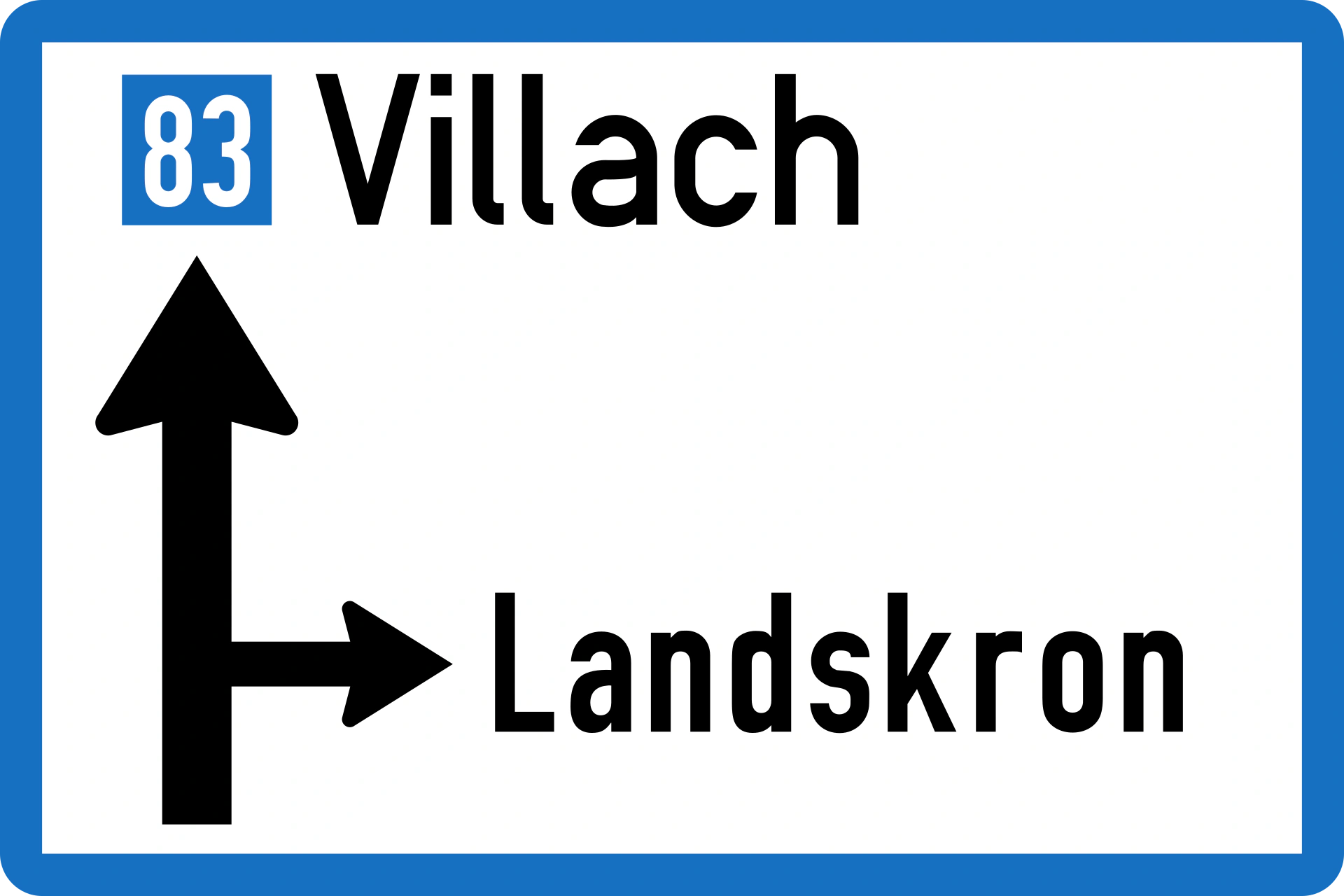
Plan your route ahead with the 13a Direction Sign for Austrian roads.
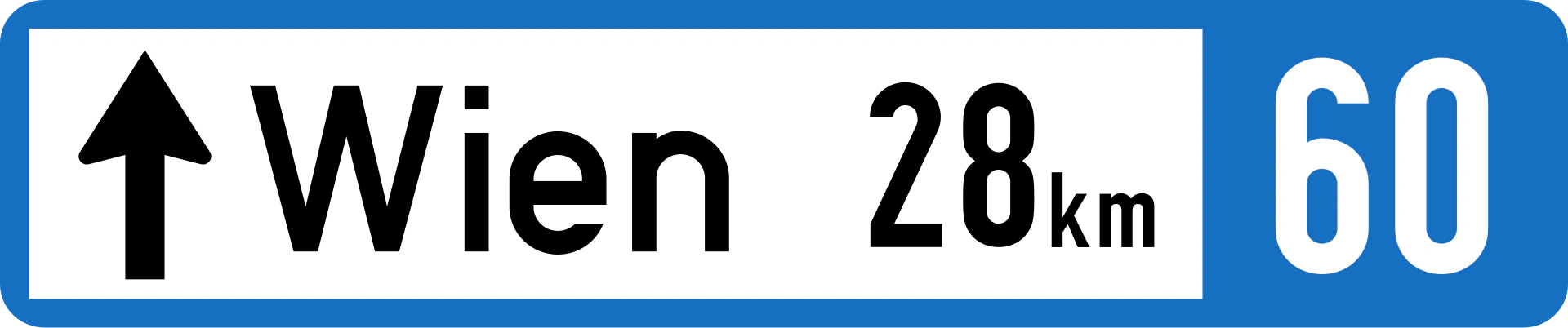
The 13b-direction sign provides essential information for route and lane planning.
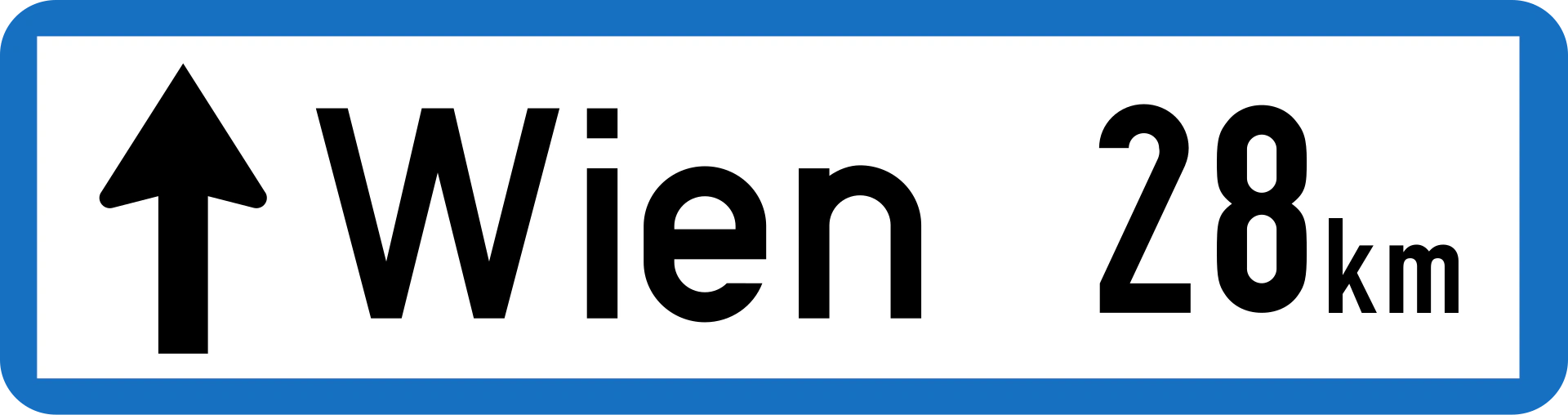
Understand the 13b-direction-2 Direction Sign for Route Planning in Austria.
Deepen your knowledge by connecting visual sign recognition with official Austrian traffic rules and local road procedures. Review these related practice sets and legal definitions to ensure you are fully prepared for your theory test.
In Austria, Fußgängerzonen are primarily for pedestrians, with vehicle access strictly controlled by §76a of the StVO. This article breaks down the general prohibition, the specific conditions under which vehicles, including delivery vans and resident vehicles, may enter, and the mandatory 'Schrittgeschwindigkeit' (walking pace) requirement. Mastering these nuanced rules is essential for both safe driving practice and success in the Austrian driving theory test.
Driving a caravan in Austria involves strict adherence to unique traffic legislation, including specific speed limits that differ significantly from standard passenger car rules. This guide breaks down the essential requirements for trailer weights, registration, and the mandatory use of extended mirrors to ensure you meet all legal standards and avoid potential fines or test errors. You will learn the necessary distinctions for towing combinations that are vital for both your practical safety and your success in the Austrian driving theory exam.
Master Austrian Tunnel Rules for a Secure Drive and Exam Pass
Master the nuances of Austrian road signs: don't let a small detail lead to a big mistake on your exam.
This Austrian informational sign helps drivers plan route, lane choice, service use, road type, stopping, parking, zone behaviour, or facility access. It does not override separate prohibitions, priority signs, traffic lights, speed limits, or road markings. For learning, explain both what the sign identifies and what driving choice it helps prepare. Official catalogue code: 14a-direction-upcoming-junction-motorway-motorroad.
This Austrian informational sign helps drivers plan route, lane choice, service use, road type, stopping, parking, zone behaviour, or facility access. It does not override separate prohibitions, priority signs, traffic lights, speed limits, or road markings. For learning, explain both what the sign identifies and what driving choice it helps prepare. Official catalogue code: 16b.
After reviewing the full list of Austrian road signs, test your recognition skills with targeted practice questions. Explore signs by category to reinforce specific areas of knowledge, ensuring you're fully prepared for the driving theory exam and confident in recognizing any sign on the road.
All Austrian Road Signs List