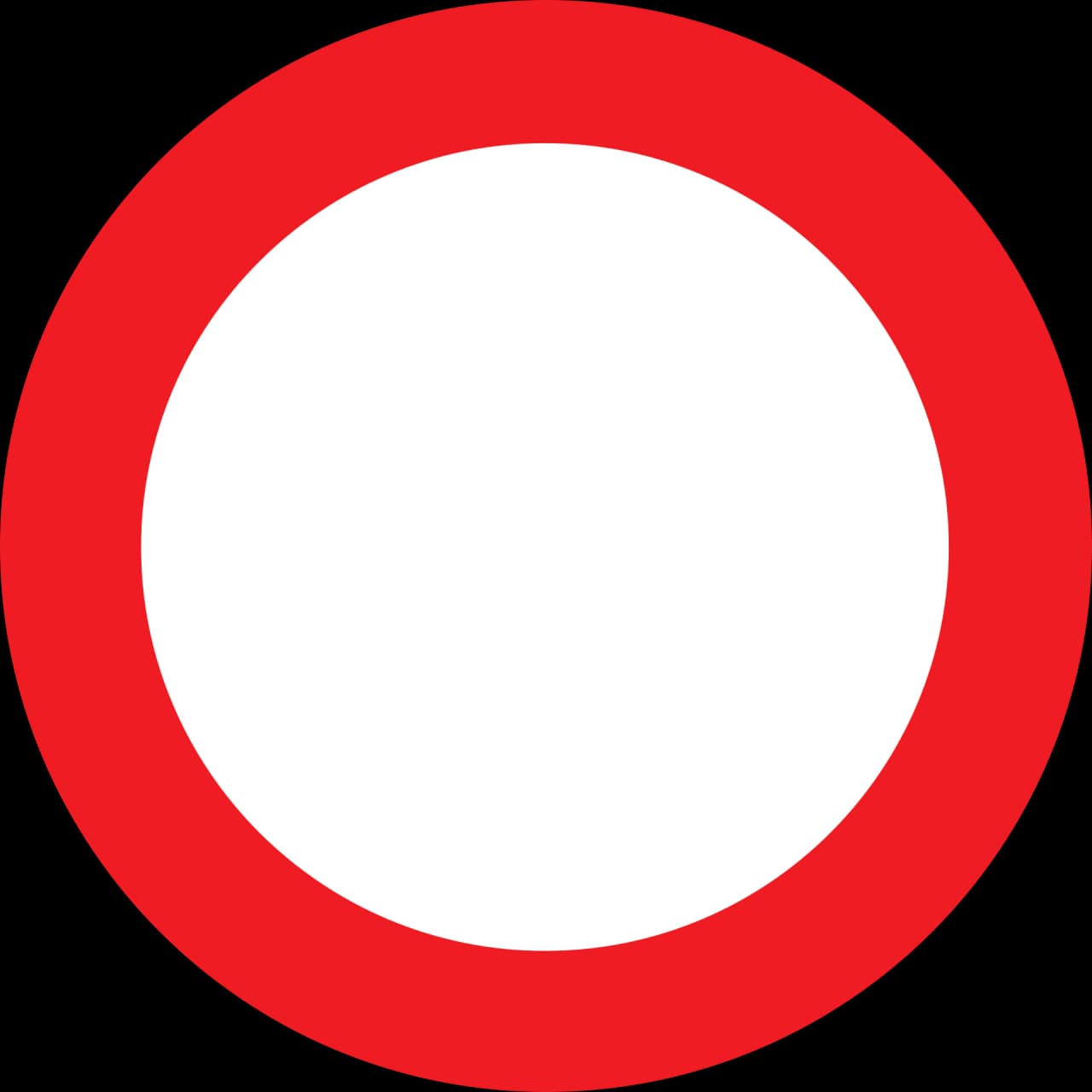
The 'No Power-Driven Vehicles' sign (catalogue code 6c) is a prohibitory traffic sign that restricts certain movements or vehicle types from proceeding. It's crucial to interpret this sign correctly based on its placement and any additional information panels. Always check if the restriction applies to your specific vehicle and intended action, such as driving, stopping, or parking, and adjust your route or behaviour accordingly to ensure road safety and compliance with Austrian traffic rules.
Master the meaning of the Austrian prohibitory sign '6c - No power-driven vehicles' to ensure compliance and pass your theory test. This explanation focuses on why this specific restriction is crucial for traffic safety and your driving knowledge revision.
This Austrian prohibitory sign creates a binding restriction. It can control access, turns, overtaking, vehicle category, load, dimension, speed, stopping, parking, horn use, riding, or pedestrian access. Correct interpretation means checking whether the rule applies to your vehicle and intended action, then choosing a compliant route or manoeuvre before passing the sign. Official catalogue code: 6c-no-power-driven-vehicles.
The "No power-driven vehicles" sign sets a binding prohibition or restriction for the movement, vehicle category, stopping action, parking action, dimension, or load shown. Catalogue code 6c-no-power-driven-vehicles.
Get clear, practical answers to the most common questions about the 6c-no-power-driven-vehicles - No power-driven vehicles road sign. Learn how the sign works, what rules it represents, and how it affects real driving situations. This FAQ strengthens your understanding and supports accurate decision making for the Austrian driving theory exam in Austria.
The 'No Power-Driven Vehicles' sign (6c) prohibits certain power-driven vehicles from entering or using the road or area ahead. The exact prohibition depends on what is specified by the sign's placement and any supplementary panels, but it fundamentally means that vehicles with engines are restricted.
No, the sign specifically targets 'power-driven vehicles'. This generally refers to vehicles propelled by an engine, such as cars, motorcycles, and lorries. Depending on context or additional signs, it might also apply to specific sub-categories or exclude certain types like bicycles or electric scooters if they are not considered 'power-driven' in that specific legal interpretation. Always check for any clarifying panels.
If you see the 'No Power-Driven Vehicles' sign, you must first determine if your vehicle falls under the prohibition. If it does, you are not allowed to proceed past the sign into the restricted area or perform the prohibited action. You should stop, turn back, or choose an alternative route that complies with traffic regulations.
Yes, non-power-driven vehicles, such as bicycles or animal-drawn vehicles, may still be permitted unless a specific sign states otherwise. Additionally, exceptions might be indicated on supplementary panels attached to the sign. It is essential to look for any additional information that clarifies which vehicles are affected or exempted.
A common exam trap is assuming the sign applies to all vehicles or failing to notice supplementary panels that might specify exceptions or further restrictions. Learners might also mistakenly believe it's a general warning rather than a strict prohibition, leading to incorrect answers about proceeding or turning.
A clear reference image of the 6c-no-power-driven-vehicles - No power-driven vehicles road sign used in Austria.

The 6c-no-power-driven-vehicles - No power-driven vehicles road sign may also be known by these alternative names or terms.
The 6c-no-power-driven-vehicles - No power-driven vehicles road sign is part of the Austrian Prohibitory Signs category, which groups together signs with similar rules and functions.
Comparing signs like 'No power-driven vehicles' with similar prohibitory signs sharpens your recall and prevents common mistakes during theory test revision. Effective traffic sign comparison helps you identify distinctions crucial for Austrian road rules and passing your exam.
What does the 'Closed to all vehicles in both directions' sign mean?

Master the Speed Limit (Allowed Maximum Speed) Road Sign in Austria
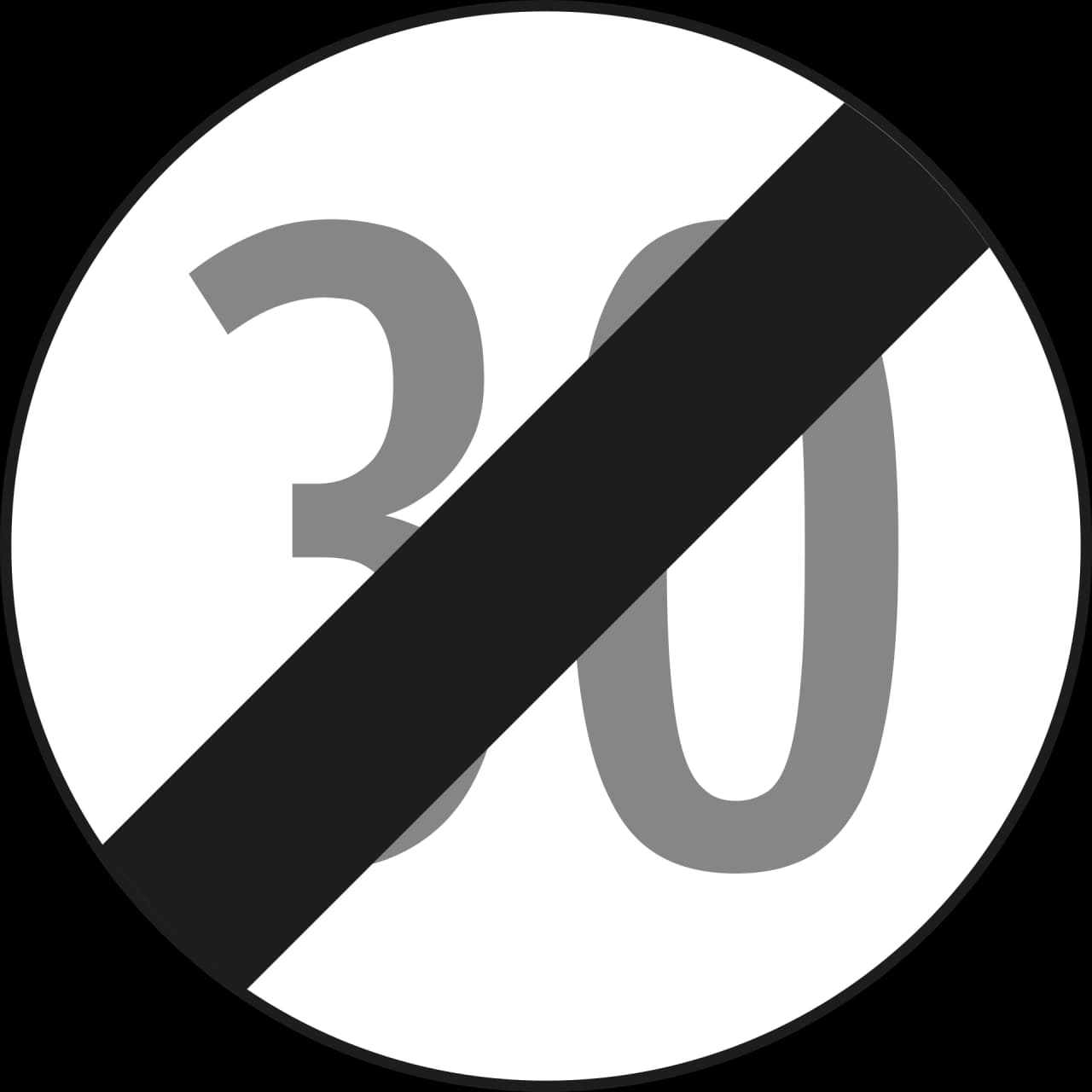
End of Speed Limit Sign: What to Do Next

This sign signals the end of previous restrictions on overtaking and speed.
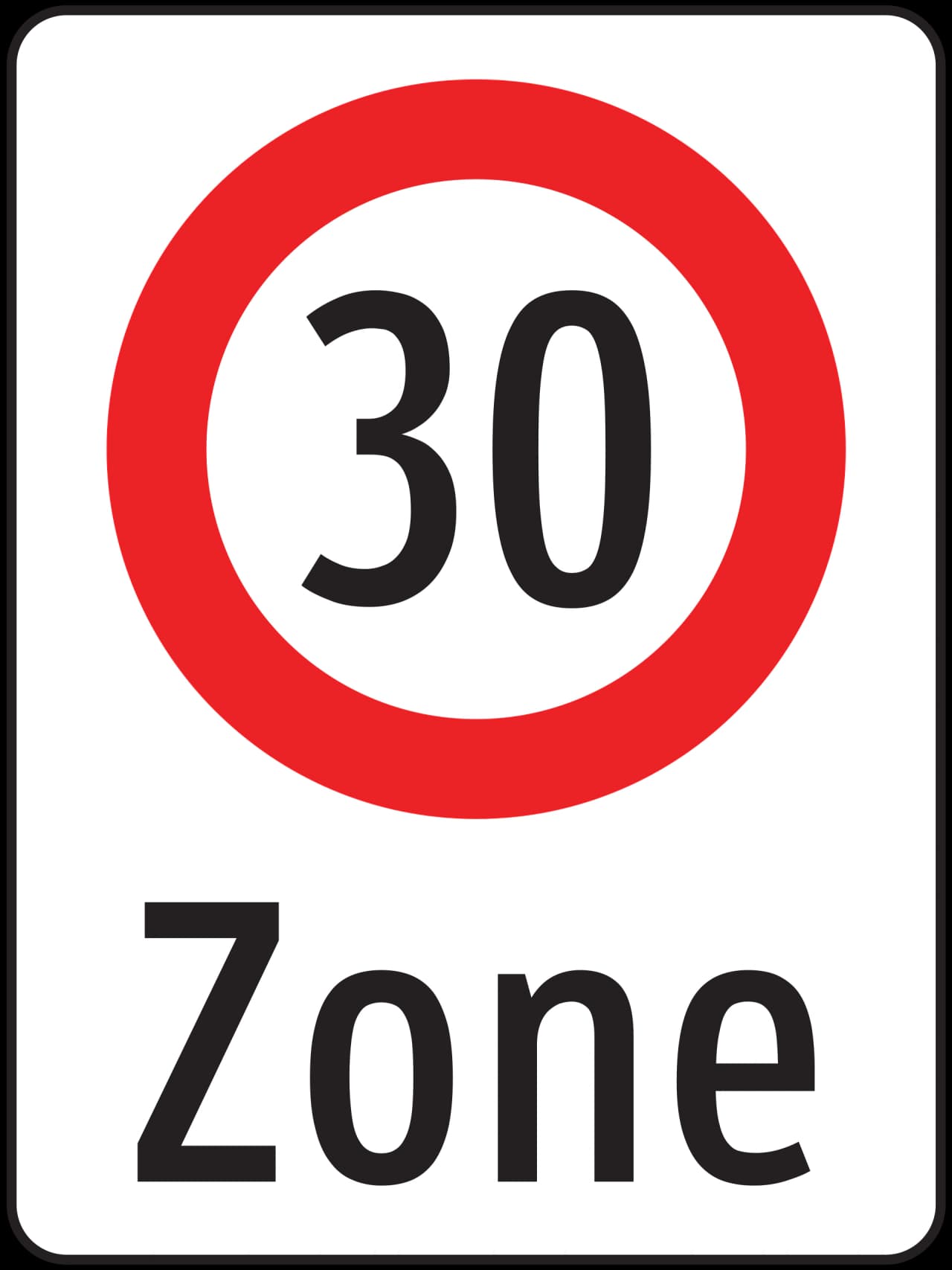
Understand the Zone Limitation Sign (11a-zone-limitation) in Austria
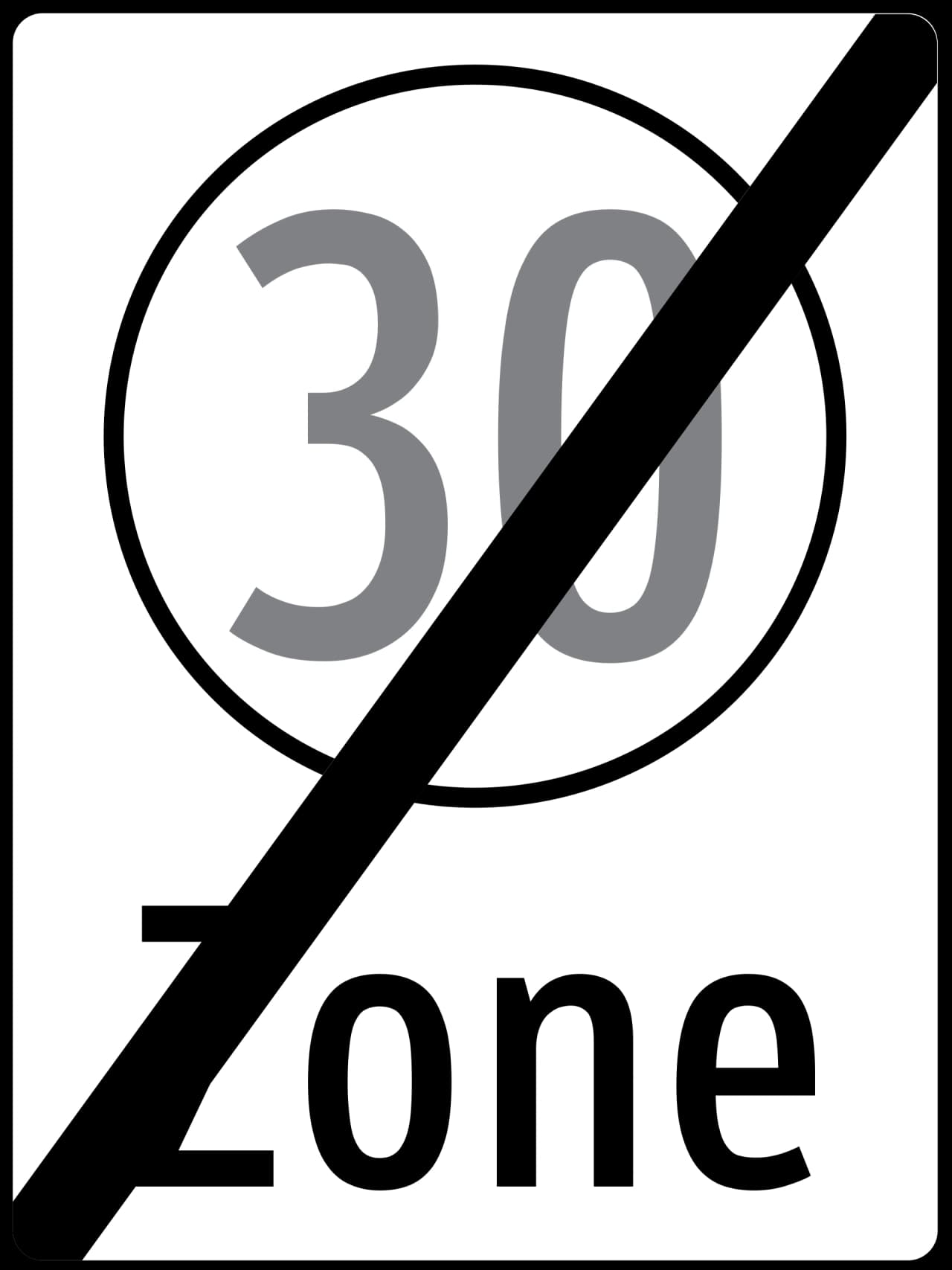
You've Reached the End of the Restricted Zone: Sign 11b Explained
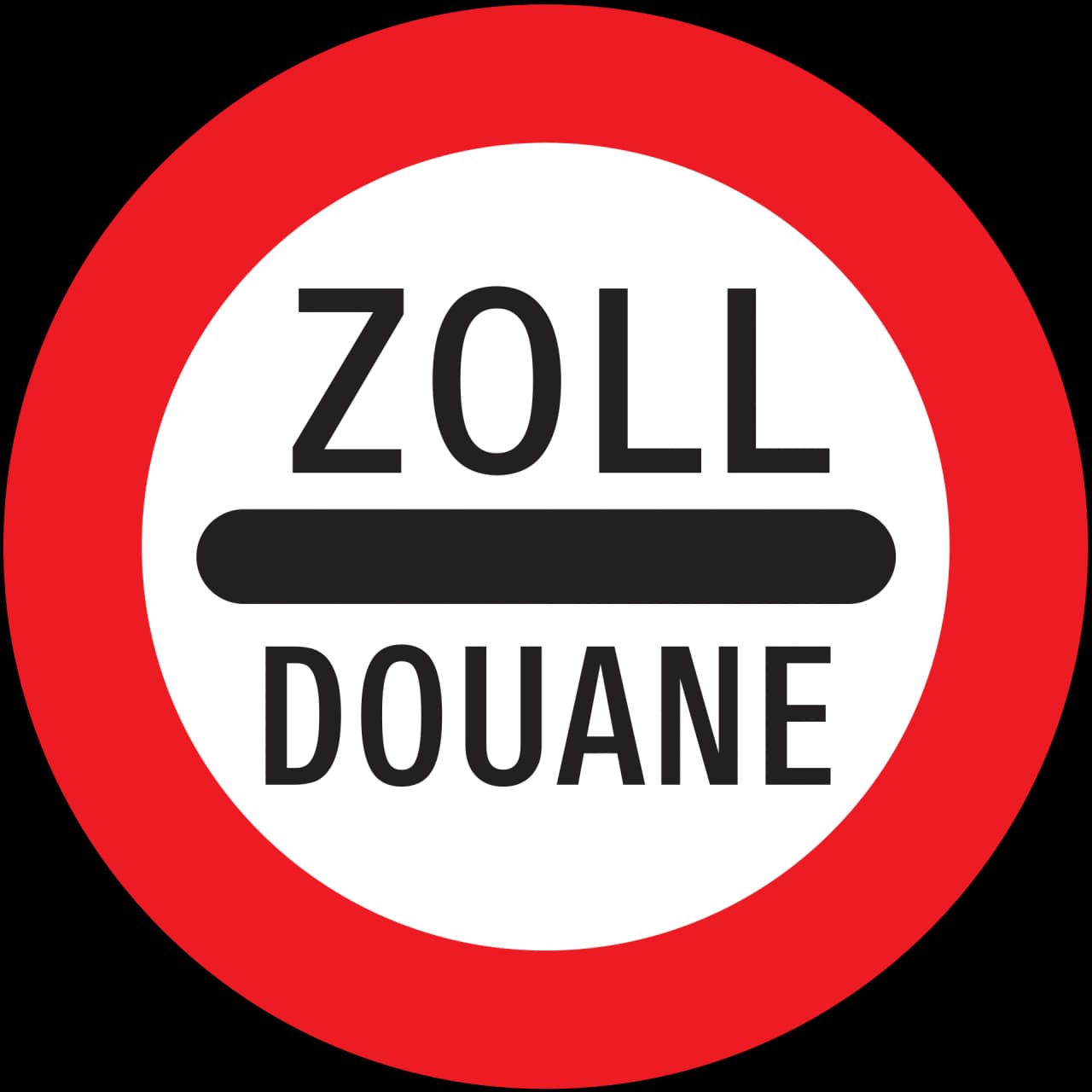
Understand the 'Stop for Customs' Sign (12-stop-customs)

Understand the 13a No Parking Road Sign in Austria
After reviewing the full list of Austrian road signs, test your recognition skills with targeted practice questions. Explore signs by category to reinforce specific areas of knowledge, ensuring you're fully prepared for the driving theory exam and confident in recognizing any sign on the road.
All Austrian Road Signs List