
The 'Beginning of a short-term parking zone' sign (catalogue code 13d) indicates a mandatory restriction that begins at this point. Pay close attention to what the sign prohibits or restricts, as it applies to your vehicle type, intended action, or load. You must comply with this restriction from the moment you see the sign.
Master the 'Beginning of Short-Term Parking Zone' sign (13d) to navigate Austrian parking rules correctly. This essential traffic sign explanation is vital for your theory test revision and understanding official parking prohibitions.
This Austrian prohibitory sign creates a binding restriction. It can control access, turns, overtaking, vehicle category, load, dimension, speed, stopping, parking, horn use, riding, or pedestrian access. Correct interpretation means checking whether the rule applies to your vehicle and intended action, then choosing a compliant route or manoeuvre before passing the sign. Official catalogue code: 13d.
The "Beginning of a short-term parking zone" sign sets a binding prohibition or restriction for the movement, vehicle category, stopping action, parking action, dimension, or load shown. Catalogue code 13d.
Get clear, practical answers to the most common questions about the 13d - Beginning of a short-term parking zone road sign. Learn how the sign works, what rules it represents, and how it affects real driving situations. This FAQ strengthens your understanding and supports accurate decision making for the Austrian driving theory exam in Austria.
This sign, which is a prohibitory sign, imposes a restriction on movement, vehicle category, stopping, parking, dimensions, or load starting from its location. You must not proceed if the prohibition applies to your vehicle or planned manoeuvre. Always check the specific restriction indicated, as it can vary.
Upon seeing the 'Beginning of a short-term parking zone' sign, you must assess if the restriction applies to your vehicle and your intended action, such as parking or stopping. If it does, you must comply with the restriction from the sign's position onwards. Never rely on habit or local familiarity; always adhere to the posted rule.
If you are unsure whether the 13d sign's restriction applies to you, it's safest to assume it does and adjust your driving accordingly. Look for any additional panels below the sign that might provide more specific details. When in doubt, particularly regarding parking or stopping, it's better to find a compliant location before reaching the zone.
In the theory test, pay attention to questions that ask about the exact starting point of the restriction indicated by the 13d sign. You might also be tested on understanding what specific types of vehicles or actions are affected by such zone restrictions. Always consider the sign's context with road markings and other traffic controls.
A clear reference image of the 13d - Beginning of a short-term parking zone road sign used in Austria.
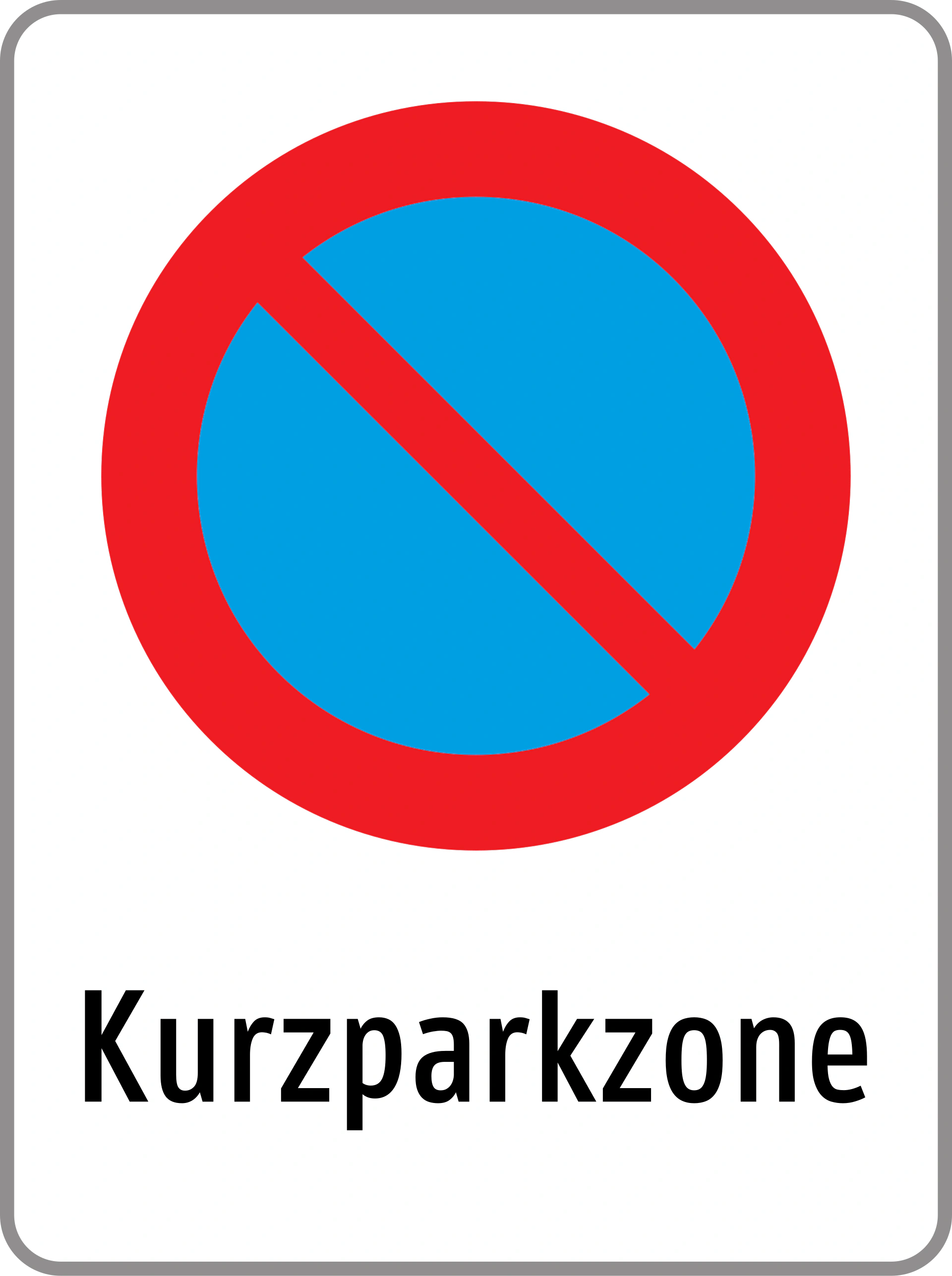
The 13d - Beginning of a short-term parking zone road sign may also be known by these alternative names or terms.
The 13d - Beginning of a short-term parking zone road sign is part of the Austrian Prohibitory Signs category, which groups together signs with similar rules and functions.
Master Austrian road signs by comparing similar ones, like different parking restrictions. Understanding distinctions aids recall and reduces errors for your theory test revision. Practice your traffic sign comparison and sign recognition skills to navigate Austria's roads confidently.

What does the 'Closed to all vehicles in both directions' sign mean?
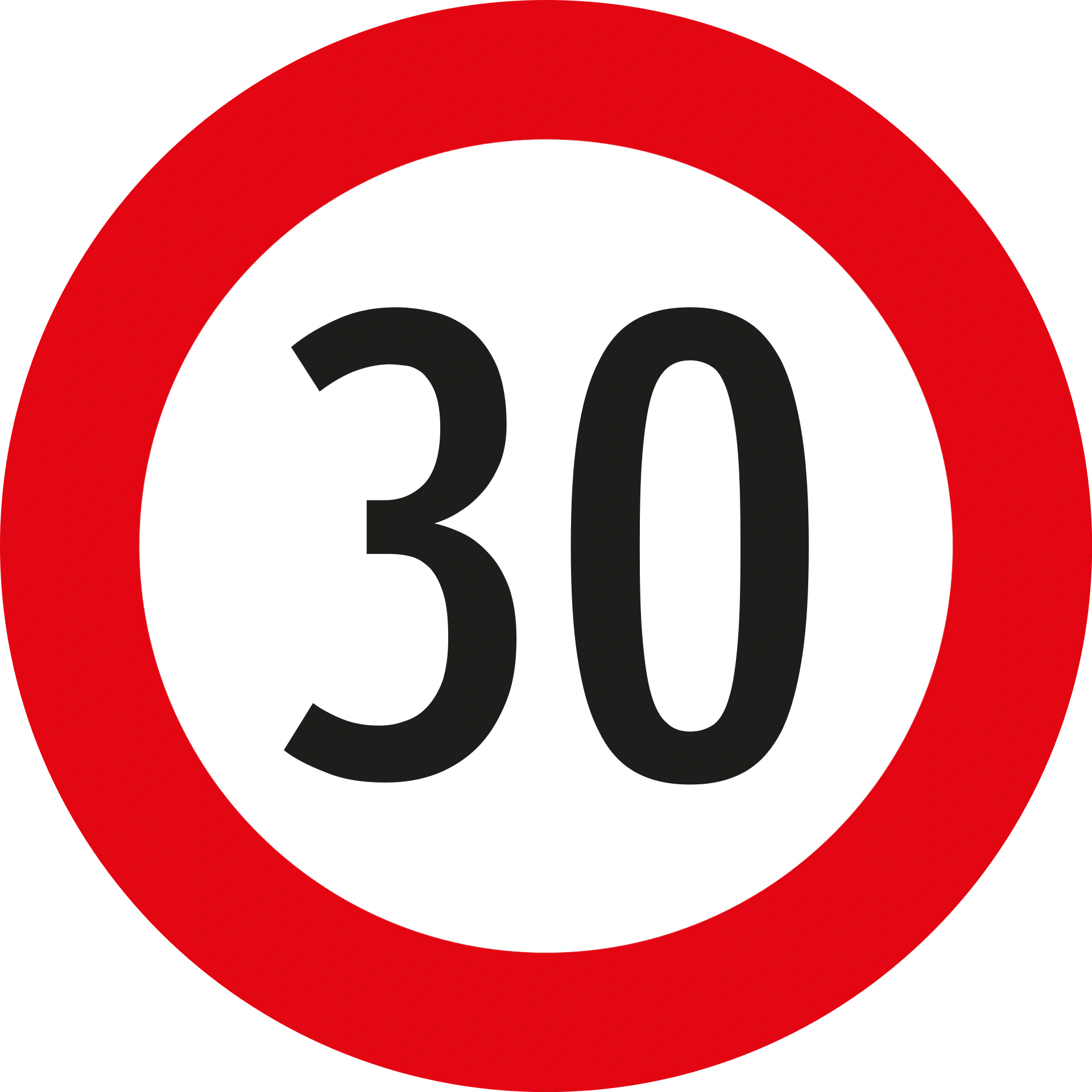
Master the Speed Limit (Allowed Maximum Speed) Road Sign in Austria

End of Speed Limit Sign: What to Do Next

This sign signals the end of previous restrictions on overtaking and speed.
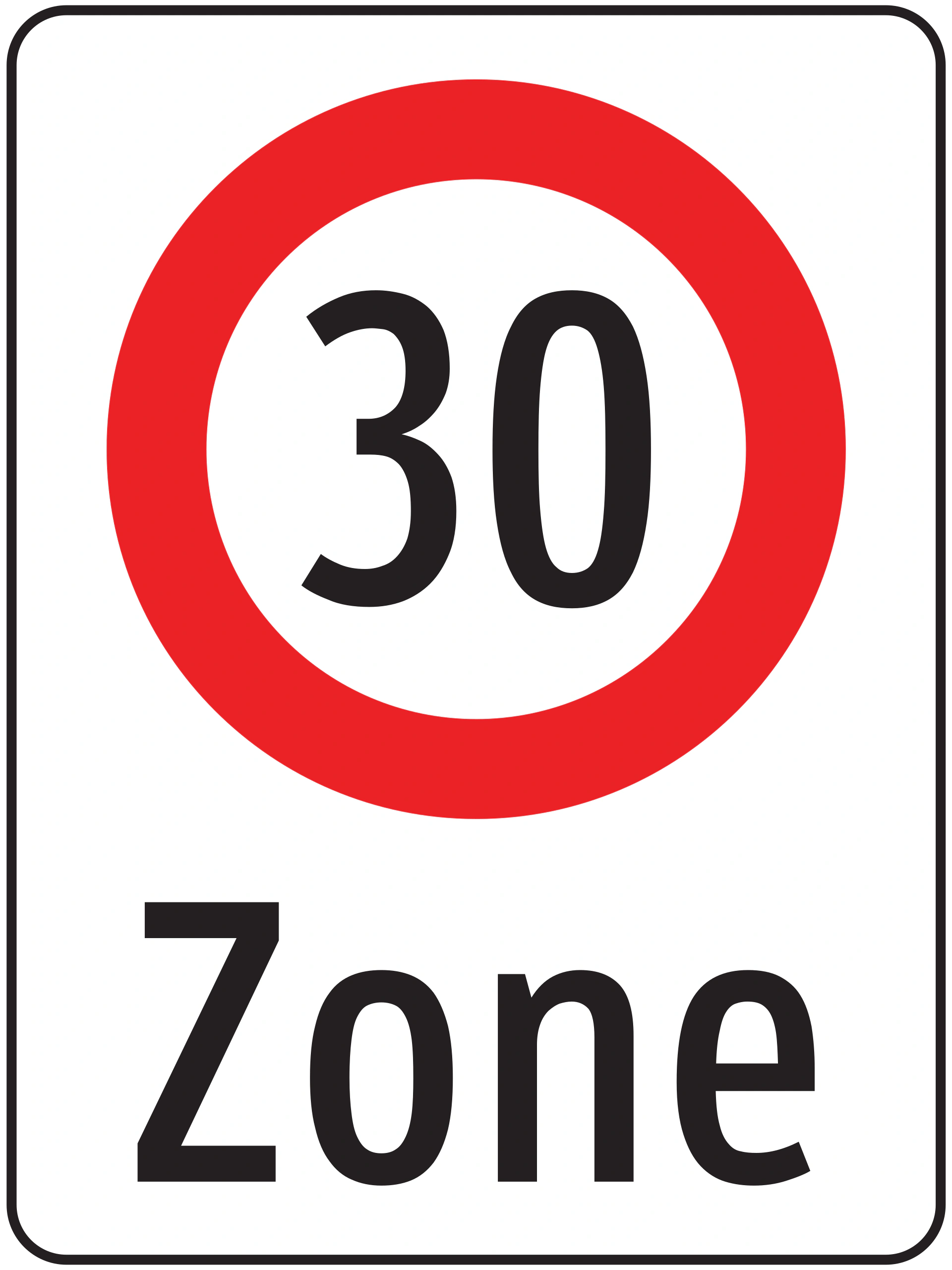
Understand the Zone Limitation Sign (11a-zone-limitation) in Austria
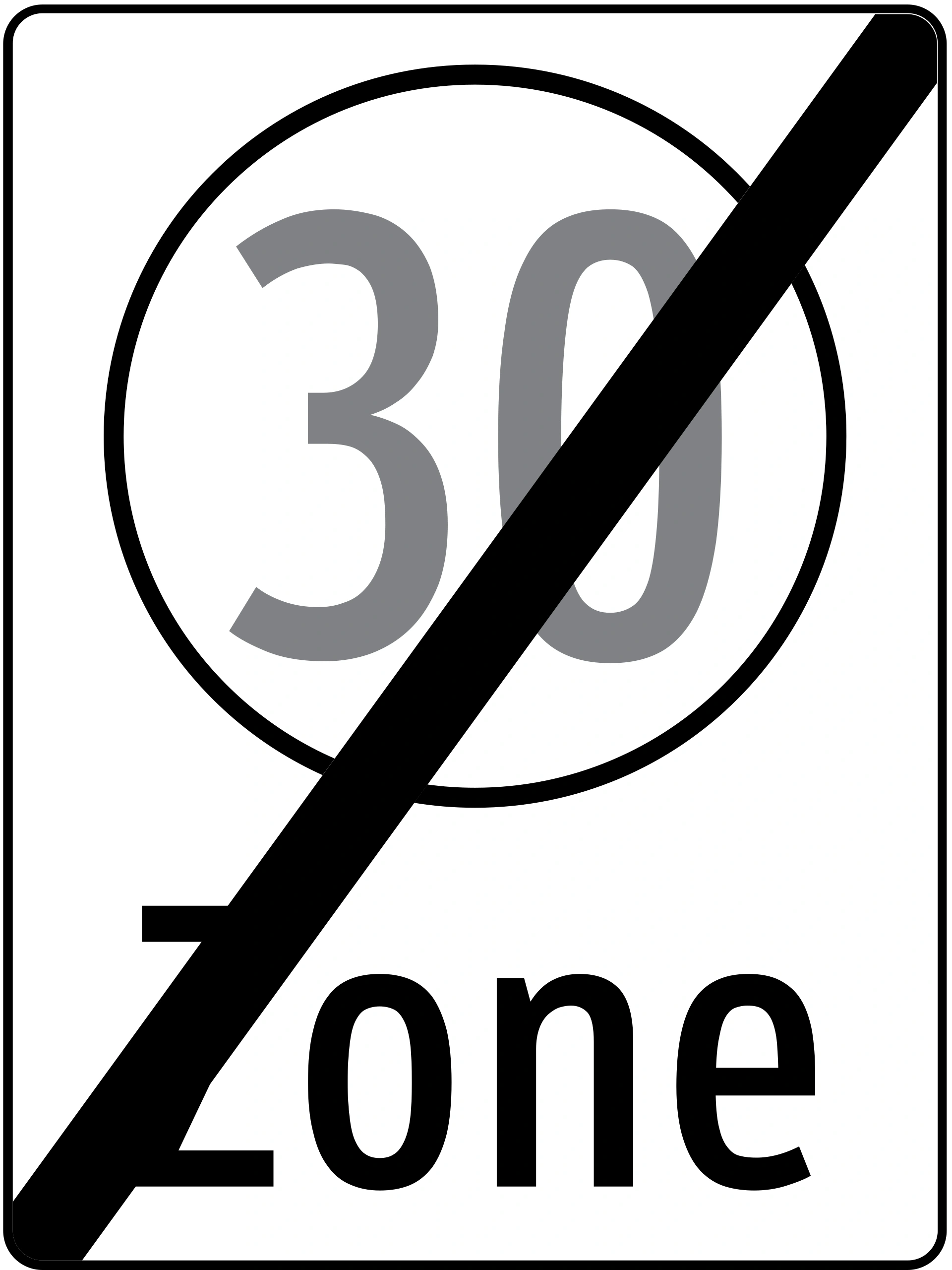
You've Reached the End of the Restricted Zone: Sign 11b Explained
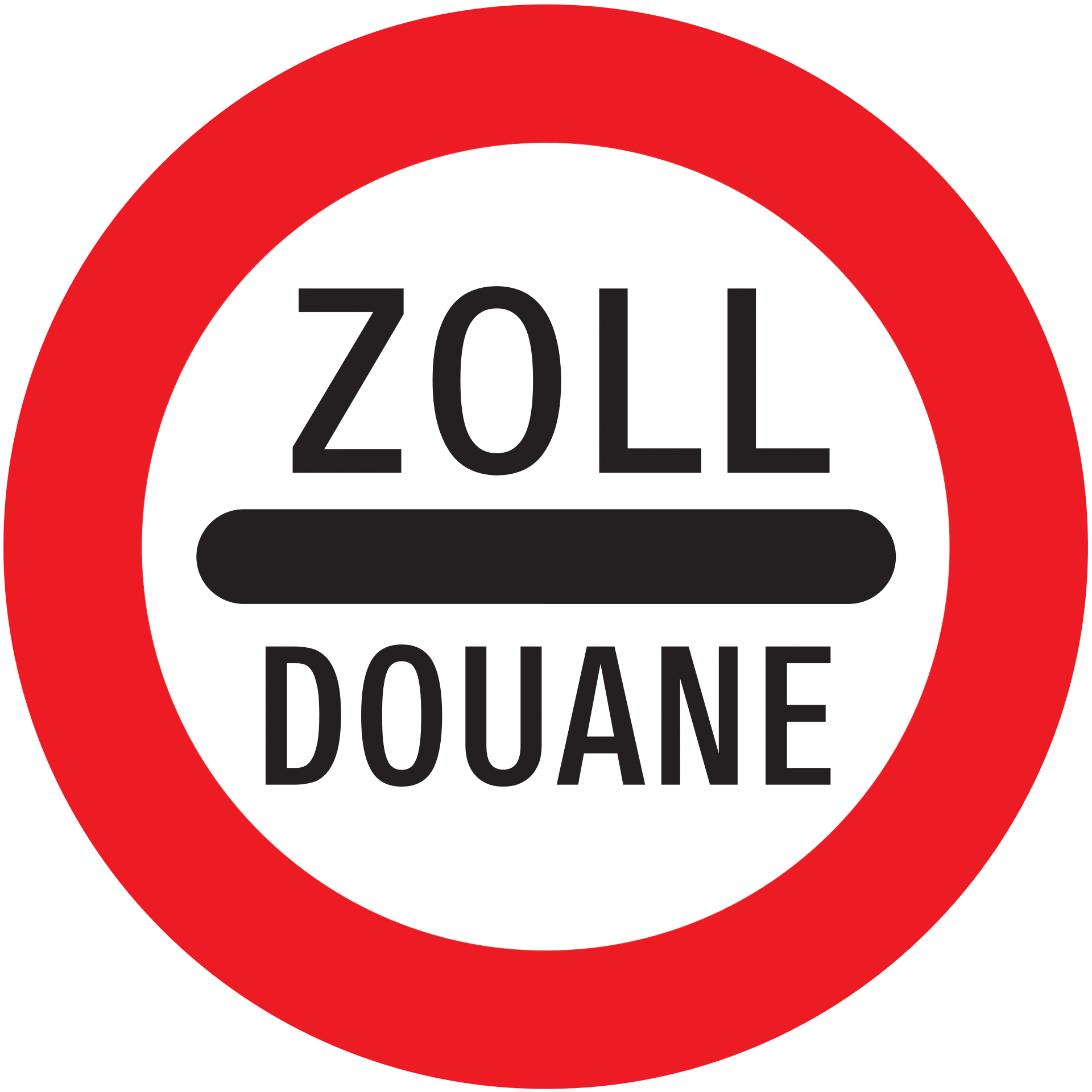
Understand the 'Stop for Customs' Sign (12-stop-customs)

Understand the 13a No Parking Road Sign in Austria
Deepen your knowledge by connecting visual sign recognition with official Austrian traffic rules and local road procedures. Review these related practice sets and legal definitions to ensure you are fully prepared for your theory test.
Master the nuances of Austrian road signs: don't let a small detail lead to a big mistake on your exam.
Ensure a Clear View and Safe Driving in Austrian Winter Conditions.
Electric vehicle adoption is growing across Austria, and understanding the legal framework surrounding their use is essential for every driver. This guide clarifies that zero-emission vehicles are not exempt from the standard Autobahnvignette and examines the reality of bus lane access in urban areas like Vienna. You will gain a clear grasp of official charging standards and how EV-specific legislation fits into the broader context of Austrian traffic law.
Navigating roundabouts in Austria requires a precise understanding of how the Road Traffic Act (StVO) applies to cyclists in different infrastructure configurations. You will learn the difference between cyclists on the main carriageway and those using specialized cycle lanes, as well as the critical steps for checking blind spots before exiting to prevent collisions. This guide helps you translate complex legal requirements into practical, exam-ready knowledge.
This Austrian prohibitory sign creates a binding restriction. It can control access, turns, overtaking, vehicle category, load, dimension, speed, stopping, parking, horn use, riding, or pedestrian access. Correct interpretation means checking whether the rule applies to your vehicle and intended action, then choosing a compliant route or manoeuvre before passing the sign. Official catalogue code: 6d-no-power-driven-vehicles-drawing-trailer.
This Austrian prohibitory sign creates a binding restriction. It can control access, turns, overtaking, vehicle category, load, dimension, speed, stopping, parking, horn use, riding, or pedestrian access. Correct interpretation means checking whether the rule applies to your vehicle and intended action, then choosing a compliant route or manoeuvre before passing the sign. Official catalogue code: 7a-no-lorries-having-weight-exceeding-tonnes.
After reviewing the full list of Austrian road signs, test your recognition skills with targeted practice questions. Explore signs by category to reinforce specific areas of knowledge, ensuring you're fully prepared for the driving theory exam and confident in recognizing any sign on the road.
All Austrian Road Signs List