
As a learner driver, you are subject to lower alcohol limits than general road users, a critical rule designed to protect you and others on the road. This guide outlines the legal blood alcohol thresholds and explains how enforcement works during roadside checks, accidents, or traffic offences.
Article content overview
Understanding the legal requirements regarding alcohol and drug consumption is a fundamental part of your preparation for the Driver Theory Test in Ireland. As a learner permit holder, you are held to a much higher standard of responsibility compared to other road users. This strict approach is designed to keep you and the public safe, ensuring that inexperienced drivers do not compromise their reactions or judgement behind the wheel.
In Ireland, the Road Safety Authority (RSA) and An Garda Síochána enforce a strict blood alcohol concentration (BAC) threshold. While the standard limit for many drivers is 50mg of alcohol per 100ml of blood, learner drivers, newly qualified drivers, and professional drivers are subject to a much lower limit of 20mg of alcohol per 100ml of blood.
This significantly lower limit is effectively a "near-zero" tolerance policy. Because of how the body processes alcohol, it is difficult to determine exactly how much alcohol will keep you under this threshold, as factors like weight, gender, metabolism, and food intake can vary the results. Therefore, the safest and only recommended approach for anyone holding a learner permit is to abstain from alcohol entirely before driving.
Attempting to calculate your own alcohol level is dangerous and illegal. Because the limit for learner drivers is so low, even one drink can push you over the legal threshold, leading to severe penalties including the potential loss of your learner permit.
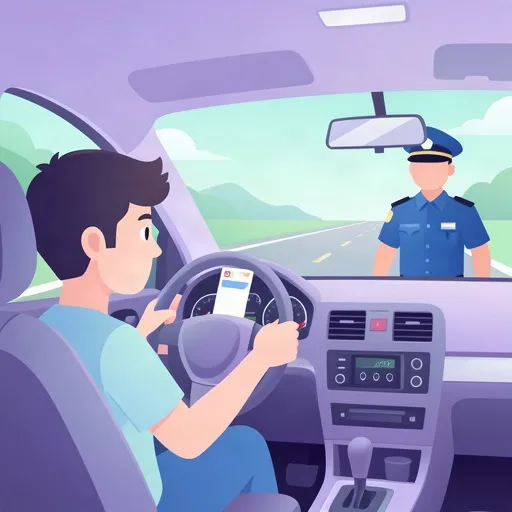
An Garda Síochána has comprehensive powers to ensure road safety across the country. They utilize Mandatory Impairment Testing (MIT) checkpoints, where officers can stop any driver to test for the presence of alcohol or drugs. These checkpoints are part of a broader strategy to reduce road collisions and fatalities.
Beyond planned checkpoints, you are also subject to testing in the following scenarios:
If you are found to be over the legal limit, you face arrest and will be required to provide further breath, blood, or urine samples at a Garda station. The legal consequences for drink driving are severe, including heavy fines, penalty points, and potential disqualification from driving, which would hinder your progress toward obtaining a full driving licence.
The theory exam often tests your understanding of how substances affect your ability to control a vehicle. Alcohol and drugs impact your coordination, reaction times, peripheral vision, and decision-making capabilities. For a learner driver, who is still developing the necessary skills to handle common road situations like roundabouts, junctions, and motorway driving, even slight impairment can be catastrophic.
When preparing for your test, ensure you understand that these laws apply whether you are driving a car, a motorcycle, or any other vehicle covered by your permit. The responsibility rests entirely on you to remain fit to drive at all times.
Many learners ask if there is a "safe" amount of alcohol they can consume before a short drive. The answer provided by official guidance is always no. Because the 20mg limit is so restrictive, the risk of misjudging your intake is far too high. Additionally, learners should be aware that certain prescription and over-the-counter medications can also impair driving ability. If you are taking medication, always consult your GP or pharmacist about whether it is safe to drive.
This article explains the strict 20mg blood alcohol concentration limit that applies to learner permit holders and newly qualified drivers in Ireland, which is substantially lower than the 50mg limit for other drivers. An Garda Síochána enforces these rules through Mandatory Impairment Testing at checkpoints, following collisions, during traffic offences, or when officers have reasonable suspicion of impairment. The consequences for exceeding the limit include arrest, fines, penalty points, and potential disqualification from driving. The RSA guidance recommends complete abstinence from alcohol before driving as the only safe approach, given how difficult it is to calculate exactly how much alcohol will keep you under this near-zero threshold.
A short set of high-value points that capture the most important ideas from this article.
Learner permit holders in Ireland must adhere to a 20mg BAC limit, which is significantly lower than the standard 50mg limit for experienced drivers
This 20mg threshold represents a near-zero tolerance policy, making it unsafe to calculate how much alcohol can be consumed before driving
An Garda Síochána can conduct Mandatory Impairment Testing (MIT) at checkpoints, after collisions, during traffic stops, or when impairment is suspected
Driving over the legal alcohol limit as a learner driver can result in arrest, fines, penalty points, and potential disqualification from obtaining a full licence
Even slight impairment from alcohol or drugs significantly affects coordination, reaction times, and decision-making for inexperienced drivers
The learner driver alcohol limit is 20mg per 100ml of blood compared to 50mg for other drivers
The safest approach for any learner driver is to abstain from alcohol entirely before driving
Mandatory Impairment Testing applies whether you are stopped at a checkpoint, involved in a collision, or suspected of impairment
Prescription and over-the-counter medications can also cause impairment and affect your ability to drive
The 20mg limit applies to all vehicles covered by your learner permit including cars and motorcycles
Believing that one drink is safe when the 20mg limit is so restrictive that even a small amount can exceed it
Assuming you can accurately calculate your own BAC based on weight or food intake before driving
Thinking that impairment testing only happens at planned checkpoints rather than during any traffic stop or after an accident
Overlooking that certain medications (prescription or over-the-counter) can impair driving ability
Confusing the learner driver limit with the standard driver limit when studying for the theory test
Article content overview
A short set of high-value points that capture the most important ideas from this article.
Learner permit holders in Ireland must adhere to a 20mg BAC limit, which is significantly lower than the standard 50mg limit for experienced drivers
This 20mg threshold represents a near-zero tolerance policy, making it unsafe to calculate how much alcohol can be consumed before driving
An Garda Síochána can conduct Mandatory Impairment Testing (MIT) at checkpoints, after collisions, during traffic stops, or when impairment is suspected
Driving over the legal alcohol limit as a learner driver can result in arrest, fines, penalty points, and potential disqualification from obtaining a full licence
Even slight impairment from alcohol or drugs significantly affects coordination, reaction times, and decision-making for inexperienced drivers
The learner driver alcohol limit is 20mg per 100ml of blood compared to 50mg for other drivers
The safest approach for any learner driver is to abstain from alcohol entirely before driving
Mandatory Impairment Testing applies whether you are stopped at a checkpoint, involved in a collision, or suspected of impairment
Prescription and over-the-counter medications can also cause impairment and affect your ability to drive
The 20mg limit applies to all vehicles covered by your learner permit including cars and motorcycles
Believing that one drink is safe when the 20mg limit is so restrictive that even a small amount can exceed it
Assuming you can accurately calculate your own BAC based on weight or food intake before driving
Thinking that impairment testing only happens at planned checkpoints rather than during any traffic stop or after an accident
Overlooking that certain medications (prescription or over-the-counter) can impair driving ability
Confusing the learner driver limit with the standard driver limit when studying for the theory test
Explore related topics, search based questions, and concepts that learners often look up when studying Learner Driver Alcohol Limits. These themes reflect real search intent and help you understand how this topic connects to wider driving theory knowledge in Ireland.
Find clear and practical answers to common questions learners often have about Learner Driver Alcohol Limits. This section helps explain difficult points, remove confusion, and reinforce the key driving theory concepts that matter for learners in Ireland.
Learner drivers and newly qualified drivers must not exceed 20mg of alcohol per 100ml of blood.
While learners and newly qualified drivers are limited to 20mg/100ml, all other drivers are limited to 50mg/100ml.
Yes, An Garda Síochána has the power to conduct Mandatory Impairment Testing at the roadside, including at checkpoints, following traffic offences, or at the scene of a crash.
Exceeding the legal limit is a criminal offence that leads to arrest, further testing at a Garda station, and severe legal consequences including potential disqualification.
After searching, continue your DTT preparation by exploring related articles, practicing questions, or reviewing specific road sign categories. Deepen your understanding of Irish road rules and ensure you're fully prepared for your Driver Theory Test.