
This lesson explores the essential standards of professional conduct and service quality required for Category D and D1 passenger vehicle drivers. By mastering these principles, you will be prepared to uphold the safety, comfort, and reputation of the public transport sector as defined by RSA guidelines. This knowledge is crucial for both passing your theory test and ensuring a high-quality service in your future career.

Lesson content overview
A professional bus or coach driver is the face of the public passenger transport sector. Every day, your actions, attitude, and driving style directly influence the safety, comfort, and overall experience of dozens—sometimes hundreds—of passengers. In Ireland, obtaining a Category D or D1 passenger vehicle licence is about more than just mastering the mechanical controls of a large vehicle; it requires a commitment to high service standards, strict regulatory compliance, and inclusive passenger care.
This lesson details the operational standards, social responsibilities, and legal obligations required to maintain professional conduct and deliver top-tier service quality. By mastering these principles, you will ensure a safe, reliable, and accessible transport network that upholds the reputation of the passenger transport industry.
Operating a large passenger vehicle carrying up to dozens of passengers places an immense public responsibility on a driver. Unlike freight transport, passenger transport involves dynamic human interactions, varying physical needs, and direct accountability for human lives.
Professional conduct is the consistent display of courteous, respectful, and responsible behaviour towards passengers, other road users, and your operator. It is a core component of your professional identity and is evaluated during both the Irish Driver Theory Test and the practical Driver CPC (Certificate of Professional Competence) assessments.
A professional driver understands that their behaviour:
Service quality refers to the delivery of a safe, punctual, comfortable, and clean travel experience. It is measured not just by arriving at a destination, but by how that destination is reached. High service standards are key to the commercial viability of passenger transport operators and support national social inclusion policies by ensuring that vulnerable individuals feel safe and valued while traveling.
To maintain high standards, a driver must understand and integrate several core principles into their daily routine. These principles guide decision-making, especially during high-stress situations such as traffic delays, passenger disputes, or adverse weather conditions.
Drivers face daily stressors, including heavy urban traffic, scheduling pressures, and challenging passenger behaviours. Allowing frustration to dictate your driving decisions can lead to aggressive driving, erratic braking, or speeding, which directly compromises passenger safety.
The application of cognitive and physical techniques to maintain a calm, focused, and rational state of mind under pressure, preventing emotional responses from affecting driving safety.
When confronted with aggressive or impatient road users:
Punctuality builds passenger confidence and ensures the reliable flow of the transport network. However, a professional driver must never prioritize a schedule over road safety or legal requirements.
Safety Over Schedule: You must never speed, run amber/red lights, or bypass safe boarding procedures to make up for lost time. If you are running late due to traffic or weather, accept the delay, maintain safe driving practices, and communicate the delay to your control centre or passengers when it is safe to do so.
Greeting passengers politely and answering queries clearly sets a positive tone for the entire journey. This is particularly important on tourist coaches or regional routes where passengers may be unfamiliar with the area.
When communicating:
Providing safe, dignified, and reliable transport for disabled individuals is not just a marker of high service quality; it is a strict legal requirement. Under Irish equality legislation and EU passenger rights regulations, drivers must provide reasonable assistance to ensure all passengers can access the service.
In Ireland, the Equal Status Acts 2000–2018 prohibit discrimination in the provision of services, including public transport, on various grounds, including disability. Drivers are legally obligated to assist passengers with reduced mobility (PRMs) and to ensure that wheelchair spaces and priority seating are made available to those who need them.
To support passengers with physical disabilities, you must be fully competent in operating your vehicle’s accessibility features, such as low-floor kneeling systems, manual or electric boarding ramps, and wheelchair securement mechanisms.
Assess and Position: Align the vehicle close to the kerb at the designated bus stop, ensuring there are no physical obstructions (like bins or poles) that could block the ramp.
Lower and Deploy: Activate the vehicle's kneeling suspension if equipped, then deploy the wheelchair ramp safely, ensuring it rests securely on a stable flat surface.
Welcome and Guide: Allow the passenger to board. If they require assistance, offer it politely, but respect their autonomy and follow their guidance on how best to assist them.
Secure the Wheelchair: Ensure the wheelchair is positioned in the dedicated bay, facing rearward against the backrest or padded barrier, with the wheelchair brakes firmly applied. If the vehicle is equipped with anchor straps and a passenger restraint belt, secure them carefully.
Confirm Readiness: Check that the passenger is comfortable and secure before stowing the ramp, raising the suspension, and gently pulling away from the stop.
Not all disabilities are physical or visible. Passengers may have sensory impairments, learning difficulties, or conditions like dementia.
A professional Category D driver must operate within a strict legal framework designed to protect the public, the passenger, and the driver.
Drivers of public service passenger vehicles must comply with the conditions of their PSV driver licence, which is monitored by the National Transport Authority (NTA) and An Garda Síochána. Unprofessional conduct, including using abusive language, refusing fares without a valid safety reason, or operating an unroadworthy vehicle, can lead to the immediate suspension or revocation of your PSV licence.
Maintaining professional conduct requires a driver to be alert, healthy, and free from fatigue. Fatigue impairs cognitive function, slows reaction times, and increases irritability, directly degrading both safety and service quality.
You must strictly adhere to EU Driver Hours Regulations, which dictate maximum driving times and mandatory rest periods.
After a cumulative driving period of 4.5 hours, a driver must take an uninterrupted break of at least 45 minutes, unless they take a rest period. This break can be split into a 15-minute break followed by a 30-minute break distributed over the driving period.
Real-world passenger transport involves navigating unpredictable environments. Below, we examine common scenarios where professional conduct and service quality are tested.
Every action a driver takes behind the wheel triggers a chain of events that impacts safety, passenger satisfaction, and legal standing.
[Driver Adheres to Conduct Standards]
    └───> Reduced passenger anxiety & smooth ride
    └───> Enhanced public trust in passenger transport
    └───> Minimal driver distraction & lower collision risk

[Driver Violates Conduct Standards]
    └───> Impatient driving & sudden braking
    └───> Increased passenger complaints & legal liability
    └───> Elevated stress levels, leading to critical driving errors
To succeed as a Category D professional driver in Ireland, keep these core lessons at the forefront of your daily operations:
This lesson covers the professional standards required for Category D passenger transport drivers in Ireland, emphasizing that safety is non-negotiable and must never be sacrificed for schedule adherence. Key legal frameworks include the Equal Status Acts requiring accessibility assistance, EU Driver Hours regulations mandating breaks after 4.5 hours of driving, and NTA-monitored PSV licence conditions. Drivers must master wheelchair boarding and securing procedures, manage passenger communication politely, and maintain composure under pressure. The content prepares learners for both theory test scenarios and real-world professional driving responsibilities while upholding public trust in the transport sector.
A short set of high-value points that capture the most important learning from this lesson.
Safety must always take priority over schedules—never speed or bypass safe procedures to stay on time.
Professional drivers are legally required under the Equal Status Acts to assist passengers with reduced mobility and operate accessibility equipment properly.
Emotional composure is a safety requirement; aggressive or retaliatory responses to traffic situations directly increase collision risk.
Punctuality matters, but drivers must communicate delays professionally and never compromise passenger or road safety for the timetable.
Driver conduct directly shapes public trust in the transport sector—polite interactions and clean service standards support both reputation and passenger uptake.
Explore all units and lessons included in this driving theory course.
EU Driver Hours Regulations require a 45-minute break after 4.5 hours of cumulative driving, which can be split into 15-minute and 30-minute segments.
The Equal Status Acts 2000–2018 prohibit discrimination in public transport access and mandate reasonable accommodation for disabled passengers.
Wheelchair passengers must be secured facing rearward with brakes applied and anchor straps fastened before departure.
PSV driver licence conditions are monitored by the NTA and An Garda Síochána; professional misconduct can lead to immediate suspension or revocation.
Driver CPC (Certificate of Professional Competence) is a mandatory qualification that must be maintained alongside the theory and practical driving tests.
Forcing a vehicle into traffic or accelerating aggressively to make up running time, endangering boarding passengers and road users.
Failing to operate wheelchair ramps or securement equipment correctly, creating safety risks for passengers with reduced mobility.
Engaging in verbal disputes with aggressive or intoxicated passengers instead of remaining calm and contacting a supervisor or Gardaí.
Maintaining normal speed in adverse weather conditions rather than reducing speed and doubling the following distance.
Allowing frustration from traffic delays or passenger complaints to affect driving decisions and emotional state.
Lesson content overview
A short set of high-value points that capture the most important learning from this lesson.
Safety must always take priority over schedules—never speed or bypass safe procedures to stay on time.
Professional drivers are legally required under the Equal Status Acts to assist passengers with reduced mobility and operate accessibility equipment properly.
Emotional composure is a safety requirement; aggressive or retaliatory responses to traffic situations directly increase collision risk.
Punctuality matters, but drivers must communicate delays professionally and never compromise passenger or road safety for the timetable.
Driver conduct directly shapes public trust in the transport sector—polite interactions and clean service standards support both reputation and passenger uptake.
Explore all units and lessons included in this driving theory course.
EU Driver Hours Regulations require a 45-minute break after 4.5 hours of cumulative driving, which can be split into 15-minute and 30-minute segments.
The Equal Status Acts 2000–2018 prohibit discrimination in public transport access and mandate reasonable accommodation for disabled passengers.
Wheelchair passengers must be secured facing rearward with brakes applied and anchor straps fastened before departure.
PSV driver licence conditions are monitored by the NTA and An Garda Síochána; professional misconduct can lead to immediate suspension or revocation.
Driver CPC (Certificate of Professional Competence) is a mandatory qualification that must be maintained alongside the theory and practical driving tests.
Forcing a vehicle into traffic or accelerating aggressively to make up running time, endangering boarding passengers and road users.
Failing to operate wheelchair ramps or securement equipment correctly, creating safety risks for passengers with reduced mobility.
Engaging in verbal disputes with aggressive or intoxicated passengers instead of remaining calm and contacting a supervisor or Gardaí.
Maintaining normal speed in adverse weather conditions rather than reducing speed and doubling the following distance.
Allowing frustration from traffic delays or passenger complaints to affect driving decisions and emotional state.
Explore search topics learners often look for when studying Maintaining Professional Conduct and Service Quality. These topics reflect common questions about road rules, driving situations, safety guidance, and lesson level theory preparation for learners in Ireland.
Browse additional driving theory lessons that cover connected traffic rules, road signs, and common driving situations related to this topic. Improve your understanding of how different rules interact across everyday traffic scenarios.
Learn the legal requirements for driving limits, mandatory breaks, and weekly rest periods for commercial passenger vehicle drivers. Understanding these regulations is critical for managing fatigue and ensuring compliance with Irish and EU law while operating Category D vehicles on public roads.

Operating long-distance intercity services requires meticulous journey planning to satisfy passenger comfort and comply with driver rest regulations. This lesson covers schedule coordination, planning convenient rest stop locations, and managing driver alertness over extended periods. Drivers will learn to perform intermediate safety checks on passenger comfort systems during journey breaks.

The regulatory framework in Ireland imposes strict standards of operation, dimension limits, and speed boundaries on heavy passenger fleets. This lesson reviews vehicle registration tax context, commercial operator licensing laws, and mandatory annual vehicle roadworthiness testing. By understanding these statutory regulations, drivers avoid severe legal infractions and maintain their professional driving credentials.
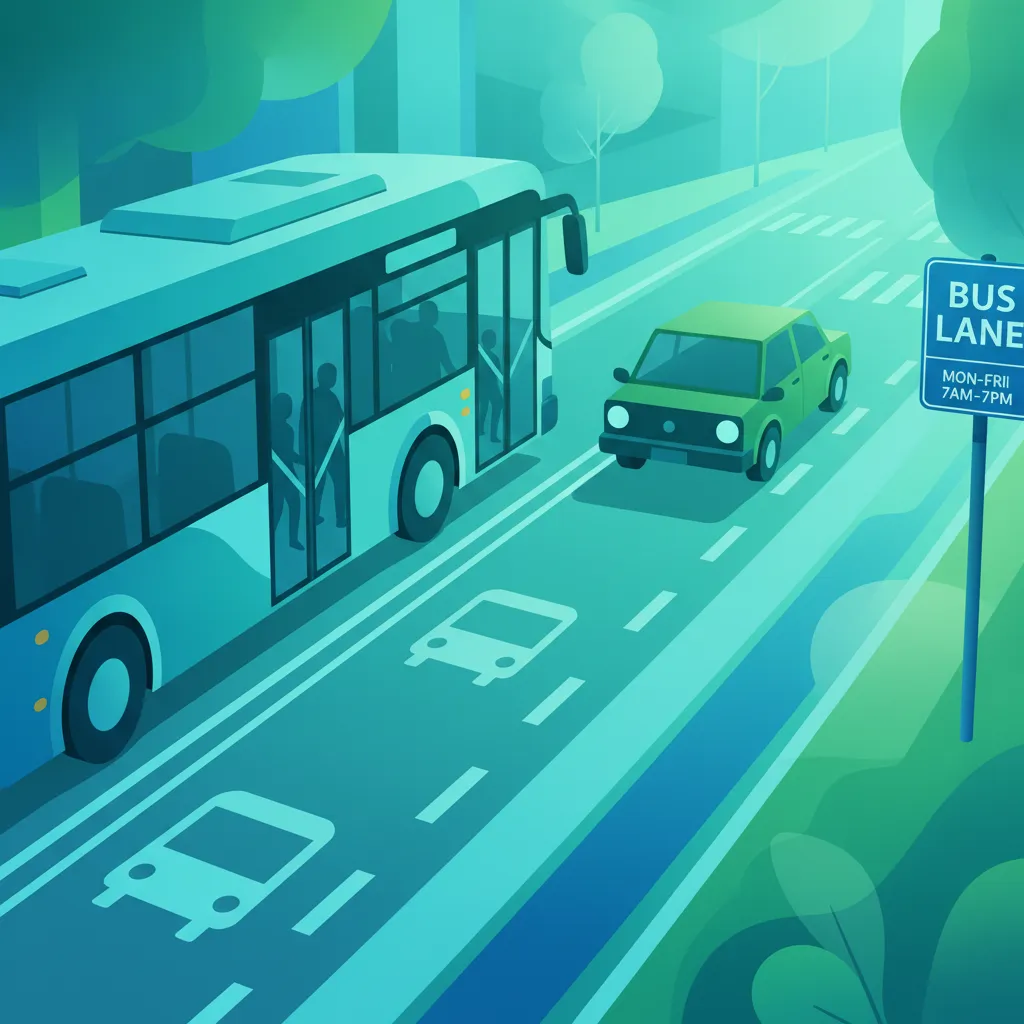
This lesson details the legal operations allowed within Irish bus lanes, including active hours, non-permitted traffic types, and exceptions. Drivers will learn safe approach trajectories for public transport stops, maintaining legal clearance, and navigating curbside hazards safely. The material highlights compliance with local bylaws to guarantee steady, uninterrupted traffic flow and passenger convenience.

This lesson examines the physiology of sleep deprivation and the absolute safety risks associated with commercial driver fatigue. It outlines the specific European Union and Irish tachograph regulations governing daily driving limits, mandatory break times, and weekly rest periods. Drivers will learn to properly record work and rest logs, spot warning signs of cognitive tiredness, and apply healthy sleep hygiene.
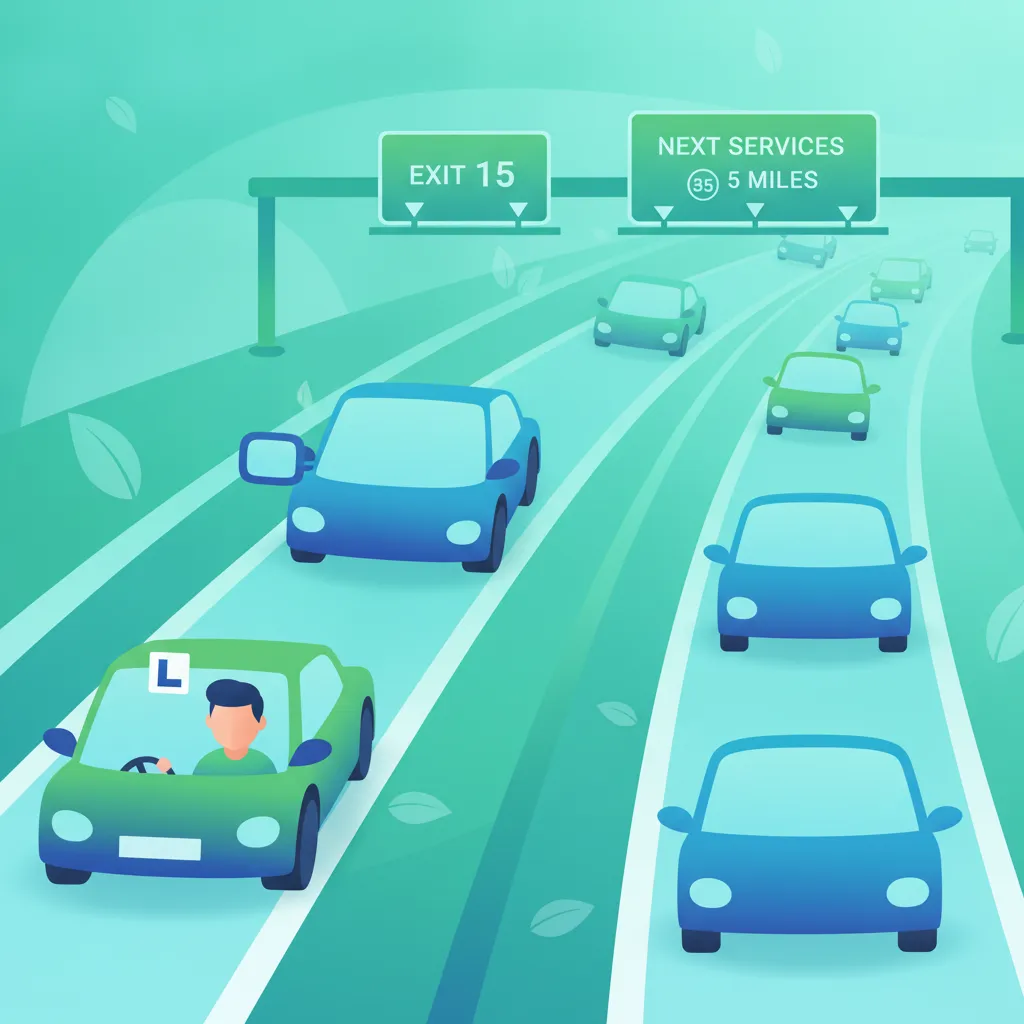
Motorway transport requires consistent forward planning, strict speed restriction compliance, and clear mirror checks before exiting lanes. This lesson details the rules of joining and leaving motorways, navigating toll plazas safely, and managing breakdowns on the hard shoulder. Drivers will learn to balance high-speed travel with passenger stability, ensuring a comfortable, secure ride.

Speed management requires adjusting vehicle velocity to suit current weather, passenger load, and the specific limits of Irish roads. This lesson details speed restrictions for buses and minibuses on motorways, national routes, and built-up areas throughout Ireland. It highlights the driver obligation to prioritize passenger safety over schedule delays by maintaining appropriate speeds.

Developing strong route-planning skills is vital for ensuring passenger services remain highly punctual, fuel-efficient, and structurally safe. This lesson teaches drivers to interpret complex timetables, identify standard rest areas, and assess route risks, such as narrow rural lanes. Drivers will also learn how to establish alternative detour plans when confronted with traffic gridlocks or road closures.

This lesson explores the essential differences between D1, D, D1E, and DE licence categories under Irish road traffic legislation. It covers the medical fitness standards, age requirements, and national driver licensing service procedures necessary to qualify for passenger vehicle operation. By detailing these regulatory expectations, drivers gain a thorough understanding of their legal limitations and licensing pathways.

Driving large vehicles through dense city traffic requires outstanding lane discipline, spatial awareness, and consistent patience. This lesson teaches drivers how to utilize public bus corridors, manage tight yellow box intersections, and handle narrow city streets. It focuses on predicting traffic pattern shifts to maintain service timetables while minimizing fuel waste and driver stress.
Understand the legal framework for assisting passengers with reduced mobility and hidden disabilities on Irish public transport. This guide covers the safe operation of accessibility equipment, including wheelchair ramps and securement systems, as well as driver responsibilities under the Equal Status Acts to ensure inclusive service for all passengers.

Transporting passengers with mobility impairments, children, or elderly citizens requires specialised communication skills and physical driving adjustments. This lesson reviews safe boarding techniques, wheelchair-accessible vehicle setups, and best practices for supporting passengers with hidden disabilities. It highlights the importance of empathy, patience, and maintaining professional dignity during passenger transport.

Passenger boarding and exiting periods represent a highly critical operational window where slip and fall injuries frequently occur. This lesson outlines safe door opening procedures, the deployment of mechanical boarding steps, and proper handrail holding instructions. Drivers will learn to supervise passenger flow, ensuring passengers clear the immediate exit area before the bus begins moving.

Standing passengers face heightened safety risks due to sudden changes in bus velocity, turning forces, or abrupt stops. This lesson covers maximum standing capacity regulations, correct passenger distribution, and the importance of active handrail utilization. Drivers will learn how to adjust their braking and acceleration patterns to prevent slips, trips, and falls among standing occupants.
Find clear answers to common questions learners have about Maintaining Professional Conduct and Service Quality. Learn how the lesson is structured, which driving theory objectives it supports, and how it fits into the overall learning path of units and curriculum progression in Ireland. These explanations help you understand key concepts, lesson flow, and exam focused study goals.
Passenger transport is a service-based profession where safety and reputation are paramount. The theory test includes these questions to ensure drivers understand that their behavior affects not just the vehicle's operation, but also the physical and emotional well-being of their passengers.
You must always remain calm and professional. Avoid confrontation, prioritize the safety of the vehicle and other passengers, and follow the specific communication protocols or alarm procedures defined by your employer and the Rules of the Road.
Yes, as a professional driver, you have a duty of care to provide equal access. This includes correctly operating ramps, securing wheelchairs, and providing assistance to those with reduced mobility, which is a common topic in the Irish Category D theory exam.
Yes, punctuality is a key component of service quality. In the theory test, you may encounter questions regarding the importance of timetabling, as poor punctuality disrupts the entire network and can lead to safety risks when drivers feel pressured to speed to make up time.
Use the practice question search tool to pinpoint specific topics, road signs, or rules you need to master for your official Driver Theory Test. Refine your study strategy and ensure comprehensive preparation for all aspects of the Irish driving exam. Start your focused revision now and build confidence for your learner permit test.