
This lesson explores the complexities of operating long-distance passenger services under Irish regulations. You will learn how to balance strict driving and rest time rules with the necessity of passenger comfort during extended journeys.

Lesson content overview
Operating a long-distance intercity bus or coach service in Ireland requires far more than excellent vehicle handling skills. For professional drivers holding Category D and D1 licences, long-distance transport is a highly regulated, logistically complex task. It demands meticulous journey planning, strict compliance with driver hours and tachograph rules, and a constant focus on passenger safety and comfort over hours on the road.
This lesson explores how to manage long-distance passenger services effectively. It covers route planning, compliance with Irish and EU driver rest regulations, performing intermediate comfort and safety checks, and maintaining scheduling coordination. Mastering these skills is essential for passing your Irish Driver Theory Test and achieving success as a professional passenger transport operator.
Journey planning is the systematic process of organizing your routes, schedules, and rest stops before your vehicle ever departs the depot. For long-distance intercity routes—such as a scheduled service from Dublin to Cork, or Galway to Belfast—journey planning ensures safety, efficiency, and compliance.
When planning a route, you must select roads that can safely accommodate a large Category D vehicle. Factors such as bridge heights, weight restrictions, narrow rural roads, and low-hanging trees must be evaluated in advance.
Time allocation must be realistic. Professional drivers must resist the urge to create overly optimistic timetables. Your journey plan must account for:
You cannot simply stop a large passenger coach anywhere. Rest stops must be pre-planned at locations that offer:
The proactive process of determining the most safe, efficient, and legally compliant route, timetable, and rest locations for a passenger transport service.
Fatigue is one of the leading causes of serious collisions on motorways and rural routes. To protect drivers and passengers, Ireland enforces strict EU driver hours rules (Regulation EC No 561/2006). These regulations are legally binding, and compliance is monitored via the vehicle's digital tachograph.
Legal Penalties and Safety Risks: Failing to adhere to driver hours regulations can lead to severe fines, penalty points, and the suspension of your professional Driver CPC (Certificate of Professional Competence). More importantly, driving while fatigued puts lives at risk.
Professional Category D drivers must commit the following key limits and rest requirements to memory:
First Driving Period: Drive for 2 hours and 30 minutes from Dublin towards a major service terminal.
First Split Break: Stop for a 15-minute break. Stretch, check the coach cabin, and rest.
Second Driving Period: Drive for another 2 hours, reaching the 4.5-hour total driving limit.
Second Split Break: Take a mandatory 30-minute break. This completes the 45-minute total rest requirement.
Final Driving Period: Complete the remaining portion of your route safely while remaining fully alert.
A common mistake made by inexperienced drivers is attempting to "push through" congestion to maintain a schedule, planning to take a longer break later. This is a serious legal violation. If traffic delays cause you to approach your 4.5-hour driving limit, you must pull into a safe stopping place as soon as possible, even if it is not your scheduled stop.
Long-distance travel places a high demand on both the driver and the vehicle’s mechanical and environmental control systems. When passengers are confined to a vehicle for several hours, their physical comfort directly impacts their safety, behavior, and overall satisfaction.
During scheduled journey breaks, professional drivers must execute intermediate checks to ensure all passenger systems remain fully functional and compliant with safety guidelines.
The Heating, Ventilation, and Air Conditioning (HVAC) system is critical to driver alertness and passenger comfort.
Every intermediate stop is an opportunity to perform a brief but thorough inspection of the vehicle's interior:
A successful long-distance passenger service relies on the seamless alignment of driver schedules, vehicle availability, and clear customer communication.
[Journey Planning] ---> [Tachograph & Rest Compliance] ---> [Punctual Service]
         \                                                   /
          \---> [Real-Time Passenger Communication] --------/
On exceptionally long routes, or routes with tight turnaround times, operators must employ driver changeovers. This involves exchanging drivers at a designated intermediate point so that the incoming driver (who has a clean rest record) can take over the vehicle.
This coordination requires precise timing:
Punctuality is a core element of professional service, but safety must never be sacrificed to maintain a timetable. If unexpected delays occur (due to road collisions, roadworks, or severe weather):
The demands of long-distance driving change dramatically depending on the road environment and external conditions.
On major Irish motorways (like the M1, M7, or M8), the driving task is monotonous. The main hazard is highway hypnosis and micro-sleeps. Sticking strictly to your scheduled rest stops and keeping the driver's window or air vent slightly open can help maintain alertness.
Conversely, long-distance rural routes (such as regional R-roads or national N-roads in the West of Ireland) demand high physical activity. You will navigate tight bends, narrow bridges, and share the road with agricultural vehicles and vulnerable road users. This increases mental fatigue, which means you may need to take more frequent, shorter breaks within your legal driving allocation to maintain high cognitive performance.
A fully loaded 53-seater coach handles very differently from an empty vehicle. Under full capacity:
To help you prepare for your Category D Driver Theory Test, review these central principles:
Imagine you are driving a scheduled service from Dublin to Galway. Due to a major traffic collision on the M6 near Athlone, you are diverted onto local roads. The delay adds 50 minutes to your travel time. Your digital tachograph shows you have now been driving for 4 hours and 15 minutes, and you are still 30 minutes away from your scheduled rest destination in Galway.
This lesson covers the professional management of long-distance intercity coach services under Irish and EU regulations. Key focus areas include mandatory driver hours limits (9 hours daily maximum, 4.5 hours before a 45-minute break), proper tachograph usage, and strategic journey planning that accounts for traffic patterns, weather, and passenger boarding times. Learners must understand split break rules (15 + 30 minutes), daily rest requirements (minimum 11 hours), and the legal consequences of non-compliance including fines and Driver CPC suspension. The lesson also addresses practical intermediate checks during rest stops—verifying HVAC functionality, clearing emergency exits, and inspecting seat belts—along with schedule coordination during driver changeovers. Environmental considerations vary between monotonous motorway driving (highway hypnosis risk) and demanding rural routes requiring heightened hazard awareness.
A short set of high-value points that capture the most important learning from this lesson.
EU Regulation EC No 561/2006 sets legally binding limits: maximum 9 hours daily driving (10 hours twice weekly), with mandatory 45-minute breaks after 4.5 hours of driving
Mandatory 45-minute breaks can be split into 15 minutes followed by 30 minutes, distributed across the 4.5-hour driving period
Daily rest periods must be at least 11 consecutive hours (reducible to 9 hours no more than three times between weekly rests)
Professional drivers must stop immediately when reaching 4.5 hours of driving, regardless of schedule pressure, and cannot push through to a later planned stop
HVAC systems should maintain cabin temperature between 18°C and 21°C to prevent driver drowsiness and passenger discomfort
Explore all units and lessons included in this driving theory course.
After 4.5 hours cumulative driving: stop for 45 minutes (or 15 + 30 minute split)
Daily rest minimum is 11 hours; reduced rest to 9 hours is permitted but limited
Tachograph must be accurately recorded; changeover drivers need their digital driver card ready
Full passenger loads increase braking distances significantly; double following distance
Highway hypnosis risk on motorways requires window vents or fresh air circulation
Attempting to 'push through' congestion to maintain schedule, planning to take a longer break later instead of stopping when 4.5-hour limit is reached
Failing to account for traffic bottlenecks (M50 Dublin, Jack Lynch Tunnel Cork) when creating realistic timetables
Not performing intermediate cabin checks during breaks: blocked emergency exits, damaged seat belts, or inoperative HVAC
Reducing rest below the 9-hour minimum without tracking frequency of reductions across the week
Failing to inform passengers promptly of delays via PA system, causing anxiety and pressure on driver to speed
Lesson content overview
A short set of high-value points that capture the most important learning from this lesson.
EU Regulation EC No 561/2006 sets legally binding limits: maximum 9 hours daily driving (10 hours twice weekly), with mandatory 45-minute breaks after 4.5 hours of driving
Mandatory 45-minute breaks can be split into 15 minutes followed by 30 minutes, distributed across the 4.5-hour driving period
Daily rest periods must be at least 11 consecutive hours (reducible to 9 hours no more than three times between weekly rests)
Professional drivers must stop immediately when reaching 4.5 hours of driving, regardless of schedule pressure, and cannot push through to a later planned stop
HVAC systems should maintain cabin temperature between 18°C and 21°C to prevent driver drowsiness and passenger discomfort
Explore all units and lessons included in this driving theory course.
After 4.5 hours cumulative driving: stop for 45 minutes (or 15 + 30 minute split)
Daily rest minimum is 11 hours; reduced rest to 9 hours is permitted but limited
Tachograph must be accurately recorded; changeover drivers need their digital driver card ready
Full passenger loads increase braking distances significantly; double following distance
Highway hypnosis risk on motorways requires window vents or fresh air circulation
Attempting to 'push through' congestion to maintain schedule, planning to take a longer break later instead of stopping when 4.5-hour limit is reached
Failing to account for traffic bottlenecks (M50 Dublin, Jack Lynch Tunnel Cork) when creating realistic timetables
Not performing intermediate cabin checks during breaks: blocked emergency exits, damaged seat belts, or inoperative HVAC
Reducing rest below the 9-hour minimum without tracking frequency of reductions across the week
Failing to inform passengers promptly of delays via PA system, causing anxiety and pressure on driver to speed
Explore search topics learners often look for when studying Managing Long-Distance Passenger Services. These topics reflect common questions about road rules, driving situations, safety guidance, and lesson level theory preparation for learners in Ireland.
Browse additional driving theory lessons that cover connected traffic rules, road signs, and common driving situations related to this topic. Improve your understanding of how different rules interact across everyday traffic scenarios.
Learn the legal requirements for daily driving limits, mandatory rest periods, and tachograph compliance for professional Category D drivers in Ireland. This guide explains how to structure your driving day to maintain legal standards and avoid penalties while operating passenger transport services safely.

This lesson examines the physiology of sleep deprivation and the absolute safety risks associated with commercial driver fatigue. It outlines the specific European Union and Irish tachograph regulations governing daily driving limits, mandatory break times, and weekly rest periods. Drivers will learn to properly record work and rest logs, spot warning signs of cognitive tiredness, and apply healthy sleep hygiene.
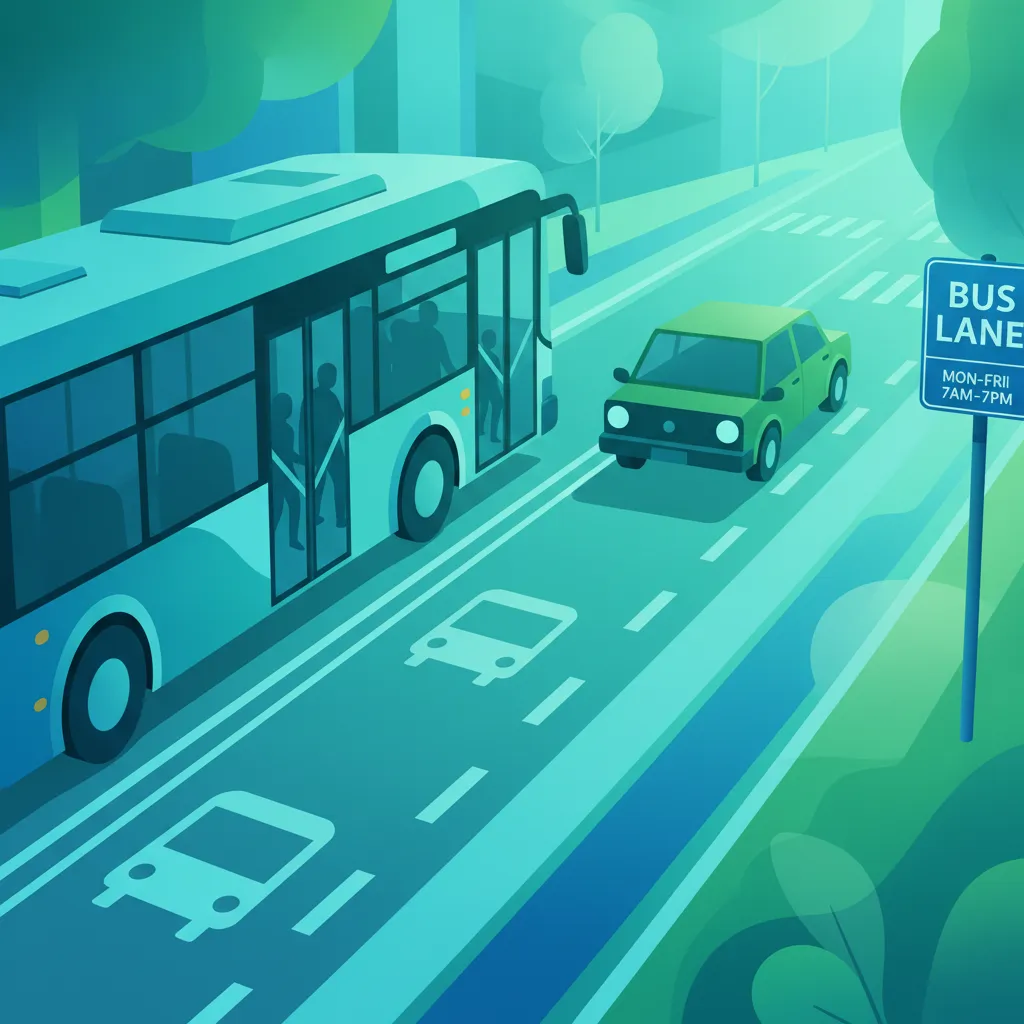
This lesson details the legal operations allowed within Irish bus lanes, including active hours, non-permitted traffic types, and exceptions. Drivers will learn safe approach trajectories for public transport stops, maintaining legal clearance, and navigating curbside hazards safely. The material highlights compliance with local bylaws to guarantee steady, uninterrupted traffic flow and passenger convenience.
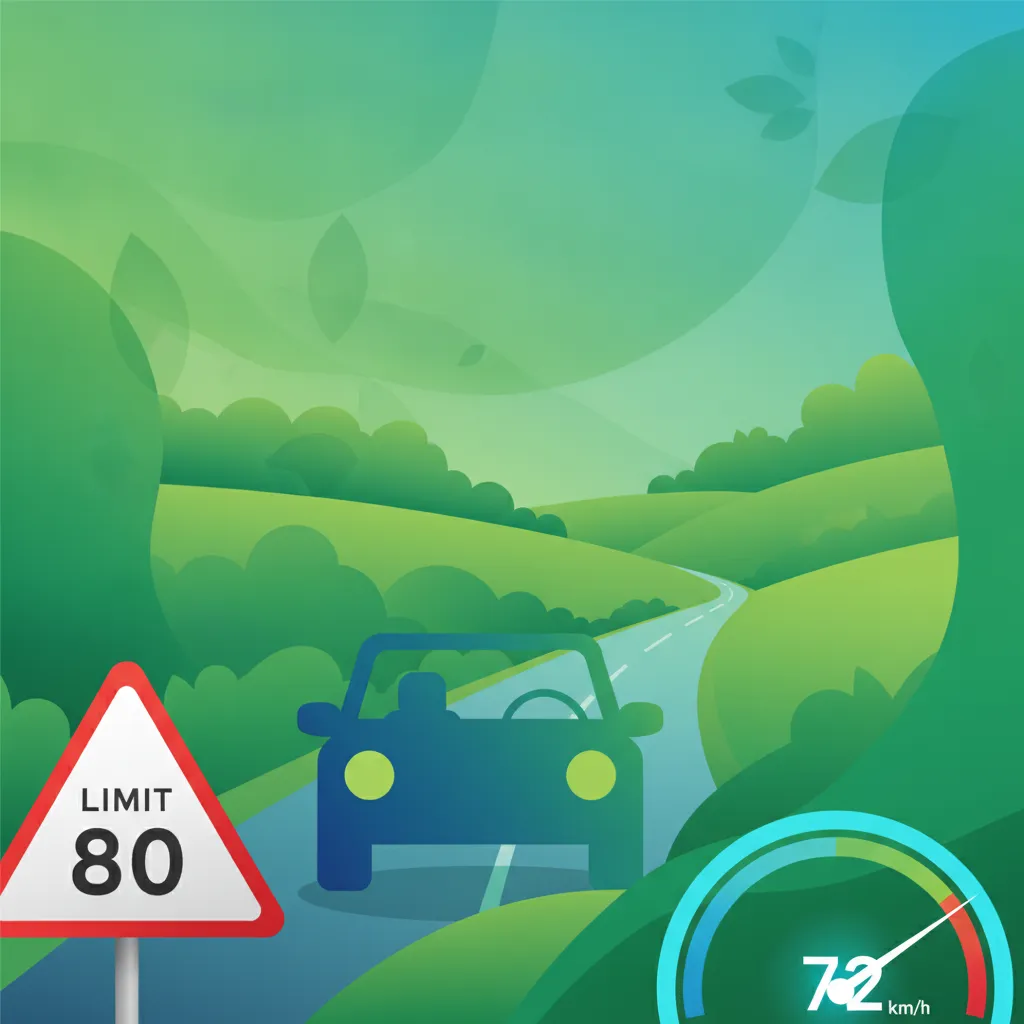
Speed management requires adjusting vehicle velocity to suit current weather, passenger load, and the specific limits of Irish roads. This lesson details speed restrictions for buses and minibuses on motorways, national routes, and built-up areas throughout Ireland. It highlights the driver obligation to prioritize passenger safety over schedule delays by maintaining appropriate speeds.

The regulatory framework in Ireland imposes strict standards of operation, dimension limits, and speed boundaries on heavy passenger fleets. This lesson reviews vehicle registration tax context, commercial operator licensing laws, and mandatory annual vehicle roadworthiness testing. By understanding these statutory regulations, drivers avoid severe legal infractions and maintain their professional driving credentials.

Driver fatigue and visual distractions are major contributors to commercial passenger vehicle accidents on national transport networks. This lesson explores the physiological indicators of drowsiness, the benefits of healthy sleep habits, and strategies for avoiding digital distractions. It emphasizes strict compliance with professional driver hours to maintain alertness and safe operations.
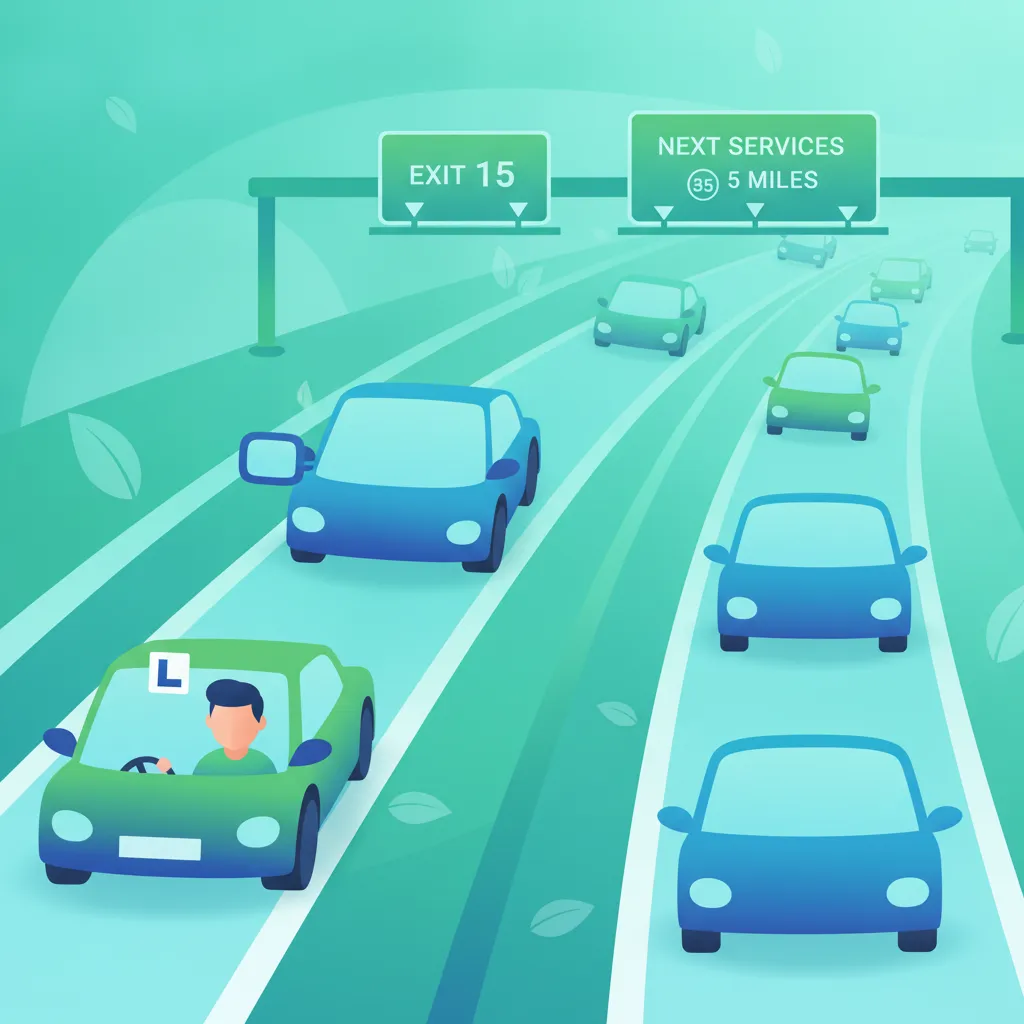
Motorway transport requires consistent forward planning, strict speed restriction compliance, and clear mirror checks before exiting lanes. This lesson details the rules of joining and leaving motorways, navigating toll plazas safely, and managing breakdowns on the hard shoulder. Drivers will learn to balance high-speed travel with passenger stability, ensuring a comfortable, secure ride.

Violating passenger transport laws can lead to severe operator penalties, heavy fines, and the immediate suspension of driving privileges. This lesson examines common operational infractions, including tachograph violations, overloading offences, and driving with defective tires. Drivers will understand their personal legal liabilities under Irish legislation, supporting long-term safety compliance.

This lesson details the specific classifications for goods vehicles including Category C, C1, CE, and C1E in Ireland. It explains the core eligibility requirements, necessary medical fitness evaluations, and the sequential steps for theory and practical testing. Professional drivers will also understand when the Driver Certificate of Professional Competence is legally mandatory.

When emergencies strike, a passenger driver must remain perfectly calm and execute structured emergency procedures to protect human life. This lesson outlines safety protocols for roadside breakdowns, engine fire isolation, and handling acute passenger medical emergencies. Drivers will learn how to secure the accident scene and report incidents to emergency services as required by Irish law.

School zones and pedestrian crossings require high driver alertness and strict compliance with local speed limits in Ireland. This lesson details the legal rules of zebra and pelican crossings, explaining driver requirements when amber warning beacons are flashing. Drivers will study safety procedures for dropping off or picking up children, preventing common blind-spot accidents near schools.
Understand how vehicle weight, passenger distribution, and cargo placement impact the handling and braking performance of large coaches. This lesson details the physics of stopping distances and stability for Category D vehicles to help you ensure passenger safety during long-distance journeys on various road types.

As passenger numbers change throughout a service shift, a heavy vehicle suspension, center of gravity, and steering responsiveness adapt dynamically. This lesson covers load balancing, the physical risks of overloading, and how uneven weight distribution compromises stability during turns. Drivers will learn to perform regular axle weight assessments to comply with Irish transport safety rules.

The physical scale of a coach or bus generates significant momentum that demands extensive space to bring the vehicle to a safe stop. This lesson explains vehicle weight mechanics, the physics of kinetic energy, and how center of gravity affects chassis stability during stops. Drivers will learn to assess braking capacity, accounting for wet road conditions and high passenger counts.

This lesson explains the physical principles of weight distribution and axle overloading on heavy commercial vehicles. It examines how a high centre of gravity increases tipping risks during cornering and alters overall braking effectiveness. Drivers will discover methods for positioning cargo to distribute weight evenly, ensuring optimal steering control and stable vehicle dynamics.
Find clear answers to common questions learners have about Managing Long-Distance Passenger Services. Learn how the lesson is structured, which driving theory objectives it supports, and how it fits into the overall learning path of units and curriculum progression in Ireland. These explanations help you understand key concepts, lesson flow, and exam focused study goals.
Proper planning ensures you remain compliant with legal driving and rest time regulations, preventing fatigue-related incidents and ensuring that passengers receive scheduled breaks.
During stops, you should verify passenger safety systems, check that luggage compartments are secure, and ensure the vehicle interior is clean and comfortable for the next leg of the trip.
Yes, all professional bus drivers must adhere to strict EU and Irish regulations regarding driving time, breaks, and daily rest periods to prevent fatigue and ensure road safety.
The test often features scenarios where you must identify signs of fatigue or choose the correct action to mitigate it, as it is a leading cause of collisions for commercial drivers.
Use the practice question search tool to pinpoint specific topics, road signs, or rules you need to master for your official Driver Theory Test. Refine your study strategy and ensure comprehensive preparation for all aspects of the Irish driving exam. Start your focused revision now and build confidence for your learner permit test.