
The C4e sign, officially 'Trânsito proibido a peões, a animais e a veículos que não sejam automóveis ou motociclos', is a prohibitory traffic sign in Portugal. It clearly indicates that access is forbidden to pedestrians, animals, and vehicles other than automobiles or motorcycles with an engine capacity over 50 cm³. You must not enter this road with any of the prohibited road users or vehicles and should seek an alternative route.
This C4e prohibitory sign indicates a restricted access zone, banning pedestrians, animals, and vehicles other than cars or motorcycles. Mastering its meaning is crucial for your Portuguese driving theory test preparation and safe road navigation.
C4e - Trânsito proibido a peões, a animais e a veículos que não sejam automóveis ou motociclos (Trânsito proibido a peões, a animais e a veículos que não sejam automóveis ou motociclos) belongs to the Portuguese prohibitory signs category in the Regulamento de Sinalização do Trânsito. It normally uses the red-bordered regulatory style associated with restrictions, limits, bans, or cancellation of a previous restriction. The official wording is: trânsito proibido a peões, a animais e a veículos que não sejam automóveis ou motociclos: indicação de acesso interdito a peões, animais e veículos que não sejam automóveis nem motociclos com cilindrada superior a 50 cm3. It creates a binding restriction from the point where it applies and normally continues until it is ended, replaced, or limited. For theory preparation, connect the sign to a concrete driving decision: where to look, when to slow, whether to stop or yield, which route or lane to choose, and whether any panel changes the scope of the rule. On the road, interpret it together with markings, traffic lights, police directions, temporary works signs, and any additional panel placed with it. A strong exam answer explains both recognition and behaviour: not only what the sign is called, but what a safe and lawful driver must do next.
C4e - Trânsito proibido a peões, a animais e a veículos que não sejam automóveis ou motociclos (Trânsito proibido a peões, a animais e a veículos que não sejam automóveis ou motociclos) means that the driver must understand and apply this official Portuguese instruction: trânsito proibido a peões, a animais e a veículos que não sejam automóveis ou motociclos: indicação de acesso interdito a peões, animais e veículos que não sejam automóveis nem motociclos com cilindrada superior a 50 cm3. In practical terms, you should not enter or use the road with the vehicle or road-user category covered by the prohibition, and choose a lawful alternative route.
Get clear, practical answers to the most common questions about the C4e - C4e - Trânsito proibido a peões, a animais e a veículos que não sejam automóveis ou motociclos (Trânsito proibido a peões, a animais e a veículos que não sejam automóveis ou motociclos) road sign. Learn how the sign works, what rules it represents, and how it affects real driving situations. This FAQ strengthens your understanding and supports accurate decision making for the Portuguese driving theory exam in Portugal.
The C4e sign prohibits pedestrians and animals from entering the road. It also forbids vehicles that are not automobiles or motorcycles with an engine capacity greater than 50 cm³ from entering. This means you cannot proceed with these road users or vehicle types.
Only automobiles and motorcycles with an engine capacity exceeding 50 cm³ are permitted to use the road where the C4e sign is displayed. If your vehicle or road-user category falls outside these allowed types, you must not proceed.
If you encounter the C4e sign and your vehicle is not an automobile or a motorcycle with an engine capacity over 50 cm³, you must not enter the road. You need to find a lawful alternative route to reach your destination safely and legally.
The C4e sign creates a binding restriction from the point it is placed and usually continues until an 'end of prohibition' sign is encountered. However, always check for any additional panels placed with the C4e sign, as these can modify the scope of the prohibition, specifying certain times or vehicle types.
The C4e sign is part of Portugal's 'prohibitory signs' category, as defined in the Regulamento de Sinalização do Trânsito. These signs typically feature a red border and indicate restrictions. This specific sign restricts access to certain users and vehicle types on the road ahead.
A clear reference image of the C4e - C4e - Trânsito proibido a peões, a animais e a veículos que não sejam automóveis ou motociclos (Trânsito proibido a peões, a animais e a veículos que não sejam automóveis ou motociclos) road sign used in Portugal.
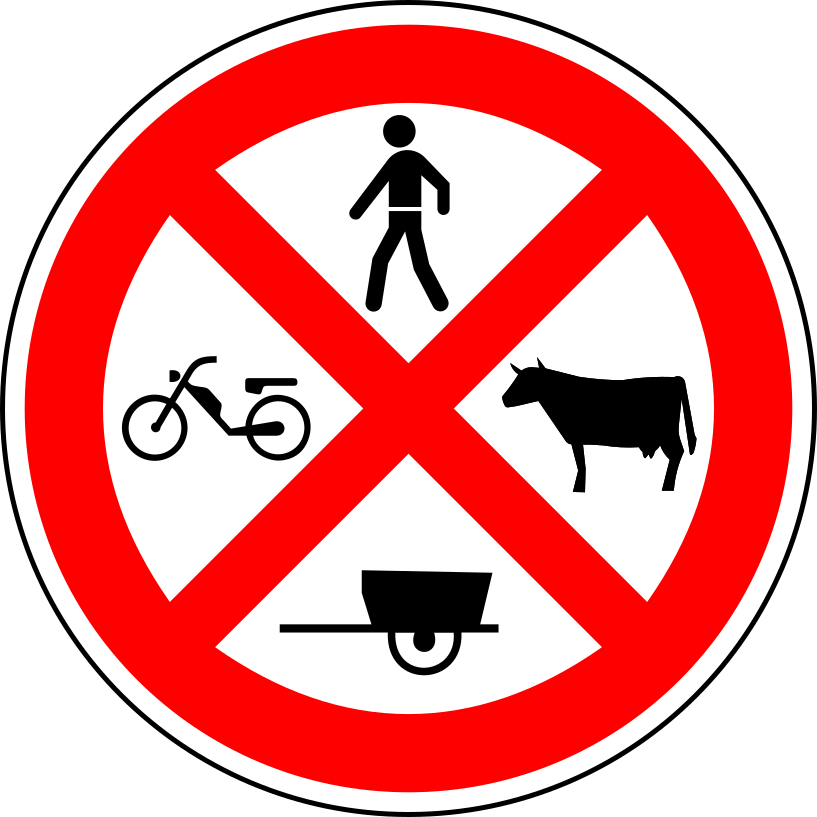
The C4e - C4e - Trânsito proibido a peões, a animais e a veículos que não sejam automóveis ou motociclos (Trânsito proibido a peões, a animais e a veículos que não sejam automóveis ou motociclos) road sign may also be known by these alternative names or terms.
The C4e - C4e - Trânsito proibido a peões, a animais e a veículos que não sejam automóveis ou motociclos (Trânsito proibido a peões, a animais e a veículos que não sejam automóveis ou motociclos) road sign is part of the Prohibitory Signs category, which groups together signs with similar rules and functions.
Studying related road signs side-by-side enhances recognition and memory, reducing mistakes on your Portuguese theory test. Master sign recognition and traffic sign comparison for effective exam preparation.

Understand the C1 'Sentido Proibido' (No Entry) Road Sign

C10: Maintain Minimum Distance from Vehicle Ahead

No Right Turn Ahead: Understanding Portugal's C11a Prohibition Sign

Understand the C11b 'No Left Turn' Road Sign in Portugal

C12 Sign: No U-Turns Allowed Ahead

Obey the Maximum Speed Limit Indicated by the C13 Sign

The C14a 'No Overtaking' Sign Means You Must Not Overtake Most Vehicles
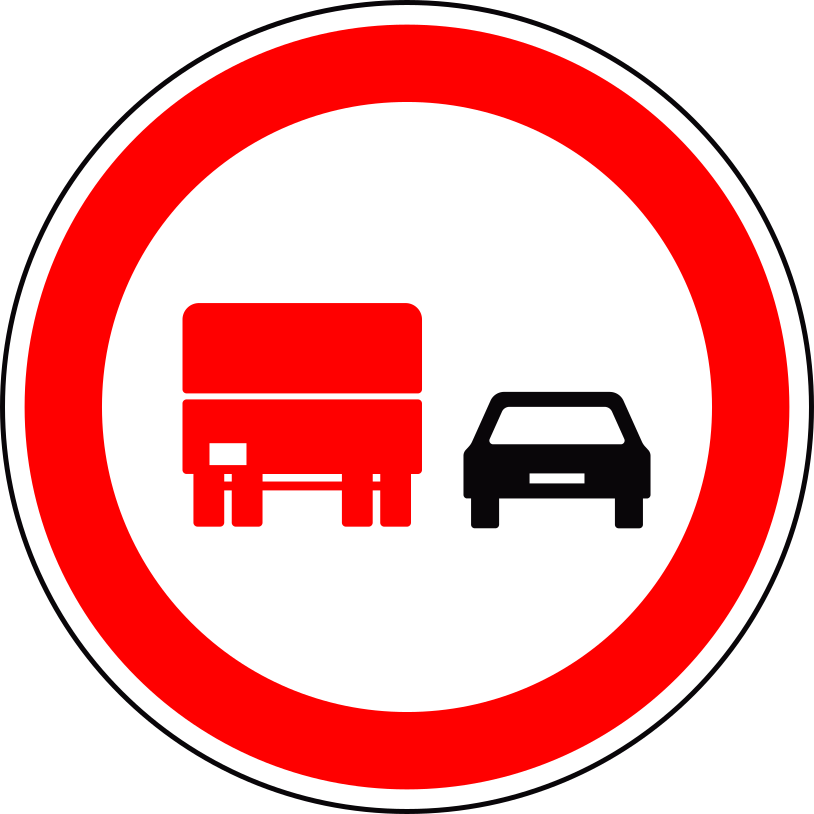
Learn the C14b Road Sign: No Overtaking for Heavy Vehicles
Deepen your understanding of these specific signals through curated theory topics and official IMT exam practice sets. Mastering these road signs ensures you can confidently navigate real-world traffic scenarios and pass your Portuguese theory test.
Know the essentials to provide initial aid and potentially save a life at a roadside emergency.
Renting a car in Portugal requires more than just a valid driver's license; you must understand the specific insurance obligations and local road rules to avoid unexpected liabilities. This guide clarifies the distinction between mandatory and optional coverage, the administrative costs associated with electronic tolls, and the legal responsibilities every foreign driver assumes on Portuguese roads. Mastering these basics will prepare you for a smooth journey while keeping your travel within the bounds of the Código da Estrada.
Following a road accident in Portugal, understanding and acting upon the signs of shock in a victim is paramount. This article details the key symptoms to look for and the essential steps for providing immediate care as required by Portuguese traffic law. Mastering this knowledge is vital for both safe driving practice and passing your IMT theory exam.
Understand your critical legal obligations after a road accident in Portugal.
C4b - Trânsito proibido a automóveis de mercadorias e a veículos a motor com reboque (Trânsito proibido a automóveis de mercadorias e a veículos a motor com reboque) belongs to the Portuguese prohibitory signs category in the Regulamento de Sinalização do Trânsito. It normally uses the red-bordered regulatory style associated with restrictions, limits, bans, or cancellation of a previous restriction. The official wording is: trânsito proibido a automóveis de mercadorias e a veículos a motor com reboque: indicação de acesso interdito a automóveis de mercadorias, bem como a veículos a motor com reboque. It creates a binding restriction from the point where it applies and normally continues until it is ended, replaced, or limited. For theory preparation, connect the sign to a concrete driving decision: where to look, when to slow, whether to stop or yield, which route or lane to choose, and whether any panel changes the scope of the rule. On the road, interpret it together with markings, traffic lights, police directions, temporary works signs, and any additional panel placed with it. A strong exam answer explains both recognition and behaviour: not only what the sign is called, but what a safe and lawful driver must do next.
C4c - Trânsito proibido a automóveis, a motociclos e a veículos de tracção animal (Trânsito proibido a automóveis, a motociclos e a veículos de tracção animal) belongs to the Portuguese prohibitory signs category in the Regulamento de Sinalização do Trânsito. It normally uses the red-bordered regulatory style associated with restrictions, limits, bans, or cancellation of a previous restriction. The official wording is: trânsito proibido a automóveis, a motociclos e a veículos de tracção animal: indicação de acesso interdito a automóveis, a motociclos e a veículos de tracção animal. It creates a binding restriction from the point where it applies and normally continues until it is ended, replaced, or limited. For theory preparation, connect the sign to a concrete driving decision: where to look, when to slow, whether to stop or yield, which route or lane to choose, and whether any panel changes the scope of the rule. On the road, interpret it together with markings, traffic lights, police directions, temporary works signs, and any additional panel placed with it. A strong exam answer explains both recognition and behaviour: not only what the sign is called, but what a safe and lawful driver must do next.
After reviewing the full list, explore signs by specific categories such as warning, regulatory, or informational to deepen your understanding. Practise recognizing signs in context and prepare effectively for your Portuguese driving licence theory test.
All Portuguese Road Signs List