This lesson introduces the specific legal framework for Category AM vehicles in Ireland, covering mopeds and light quadricycles. Understanding these classifications is the vital first step in your journey toward obtaining your learner permit and becoming a responsible road user.

Lesson content overview
Acquiring a Category AM licence is the first step for many road users in Ireland seeking personal, motorized mobility. Whether you intend to ride a classic petrol moped, a modern electric scooter, or operate a light microcar, you must operate within a strict legal framework. This framework is governed by both Irish national legislation and European Union harmonized standards.
Understanding the precise scope, physical limitations, and operational boundaries of Category AM is not just a requirement for passing your Irish Driving Theory Test; it is a foundational safety pillar. This lesson explores the legal definitions of Category AM vehicles, the age requirements for riders, vehicle compliance rules, and the physical environments where these vehicles are legally permitted to operate.
In Ireland and across the European Union, driving licences are divided into standardized categories to ensure that drivers only operate vehicles they are trained and physically qualified to handle.
A specific driving licence category that authorizes the holder to operate mopeds, low-performance three-wheeled vehicles, and light quadricycles with a maximum design speed of no more than 45 km/h.
This classification separates low-powered, speed-restricted commuter vehicles from faster, heavier motorbikes (such as those in Categories A1, A2, and A) and standard passenger cars (Category B). Keeping these categories distinct prevents under-experienced or underage riders from operating high-velocity machinery on public roads.
For a two-wheeled or three-wheeled vehicle to be legally classified under Category AM, it must meet strict engineering limitations.
The legal definition of a moped includes the following strict thresholds:
If a scooter or moped exceeds any of these parameters—even by a tiny margin (for example, a 51cc engine or a design speed of 50 km/h)—it is legally reclassified as a motorcycle. Operating such a vehicle on a Category AM licence constitutes the serious offense of driving without a valid licence.
A lesser-known but highly important component of the Category AM licence is the authorization to drive light quadricycles. These are four-wheeled vehicles (often resembling very small city cars or microcars) that meet specific mass and power criteria.
A four-wheeled motor vehicle (L6e category) with an unladen mass of not more than 425 kg, a maximum design speed of 45 km/h, and an engine capacity not exceeding 50cc (for petrol engines) or a power output not exceeding 4 kW (for electric or diesel engines).
To legally drive a light quadricycle with a Category AM licence, the vehicle must comply with these technical limitations:
These vehicles provide weather-protected mobility for operators who do not hold a full Category B car licence. However, they are subject to the exact same speed and route restrictions as two-wheeled mopeds.
To legally operate a Category AM vehicle on Irish public roads, you must meet the minimum age requirements and successfully complete the graded licensing pathway established by the Road Safety Authority (RSA).
In Ireland, the absolute minimum age to hold a Category AM Learner Permit or Full Licence is 16 years old.
This age limit is carefully chosen to balance young people's need for independent mobility with their developmental capacity for risk assessment. At 16, riders are deemed to have developed the spatial awareness, reaction times, and cognitive maturity necessary to share the road safely with larger, faster vehicles.
You cannot apply for a Category AM Learner Permit, take the theory test, or begin practical training on public roads before your 16th birthday. Operating any motorized vehicle on public roads before this age is a severe violation of Irish traffic law.
Obtaining your full Category AM licence involves a sequential legal process designed to ensure you possess both theoretical knowledge and practical handling skills:
Pass the Driver Theory Test: You must sit and pass the official Irish Driver Theory Test specifically for Category AM/Work Vehicles. This establishes your knowledge of road signs, traffic laws, and safety regulations.
Obtain a Learner Permit: After passing the theory test and securing a physical report if required, you must apply to the National Driver Licence Service (NDLS) for your Category AM Learner Permit.
Complete Initial Basic Training (IBT): Before you can ride on public roads, even on a Learner Permit, you must complete a mandatory 16-hour Initial Basic Training (IBT) course with an RSA-approved instructor. This course covers personal protective equipment, basic machine control, and road riding skills.
Pass the Practical Driving Test: After holding your Learner Permit for at least six months and completing your IBT, you can apply for the practical RSA driving test. Passing this test awards you a full, unrestricted Category AM licence.
Category AM vehicles are designed for short-distance, low-speed transport. Because of their limited top speed (45 km/h), they are highly vulnerable in high-speed traffic environments. Consequently, Irish law restricts where they can be legally driven.
Category AM vehicles are fully permitted on:
On these routes, riders must position themselves safely in the flow of traffic, maintaining a defensive lane position to prevent larger vehicles from squeezing past dangerously in the same lane.
It is strictly illegal to operate a Category AM vehicle—whether a 50cc moped or a light quadricycle—on any motorway (designated by an "M" prefix, such as the M50, M1, or M8) or on roads governed by motorway regulations.
The reasons for this absolute ban are rooted in physics and collision dynamics:
Entering a motorway on a moped is an automatic road traffic offense. It carries severe penalties, including immediate fines, penalty points, and potentially court-ordered driving disqualifications.
To preserve the safety standards of the Category AM class, vehicles must remain strictly within their manufacturer-specified design configurations.
A common, highly dangerous, and illegal practice among some young riders is "de-restricting" a 50cc moped. De-restriction involves removing mechanical or electronic speed limiters (such as exhaust restrictor plates or digital CDI speed limiters) to allow the moped to exceed its legal 45 km/h design limit.
If you de-restrict an AM vehicle:
Light quadricycles and mopeds have very low maximum payload capacities. Overloading a light quadricycle by carrying heavy cargo or extra passengers beyond its rated limit causes several dangerous mechanical issues:
Driving a low-powered vehicle requires a highly proactive, defensive mindset. Because your speed is capped at 45 km/h, you cannot rely on acceleration to escape tight or dangerous situations.
Because of their lightweight construction and smaller tyre contact patches, Category AM vehicles are highly sensitive to adverse weather conditions:
While Category AM operators are themselves vulnerable road users, they also share the responsibility of protecting others.
To ensure absolute compliance with Irish law and to pass your theory examination, memorize these exact limits:
| Technical / Legal Attribute | Moped Limit | Light Quadricycle Limit |
|---|---|---|
| Max Engine Capacity (Petrol) | 50cc | 50cc |
| Max Power Output (Electric/Other) | 4 kW | 4 kW |
| Maximum Design Speed | 45 km/h | 45 km/h |
| Maximum Unladen Mass | N/A | 425 kg |
| Minimum Legal Age | 16 Years | 16 Years |
| Motorway Access | Strictly Prohibited | Strictly Prohibited |
| Initial Basic Training (IBT) | Mandatory | Mandatory |
Explore all units and lessons included in this driving theory course.
Lesson content overview
Explore all units and lessons included in this driving theory course.
Explore search topics learners often look for when studying Understanding Category AM and Its Scope. These topics reflect common questions about road rules, driving situations, safety guidance, and lesson level theory preparation for learners in Ireland.
Browse additional driving theory lessons that cover connected traffic rules, road signs, and common driving situations related to this topic. Improve your understanding of how different rules interact across everyday traffic scenarios.
Learn the essential components of the Irish Initial Basic Training course and the mandatory safety protocols for moped and light quadricycle riders. This guide explains the legal training pathway and protective measures necessary for operating small vehicles safely on public roads as a learner permit holder.

This lesson details the statutory rules governing learner permit holders, including compulsory safety gear and vehicle roadworthiness standards. Riders must understand the requirement for high-visibility clothing, functioning warning devices, and compliance with the official Rules of the Road. Safe riding habits are established by strictly adhering to these RSA standards.
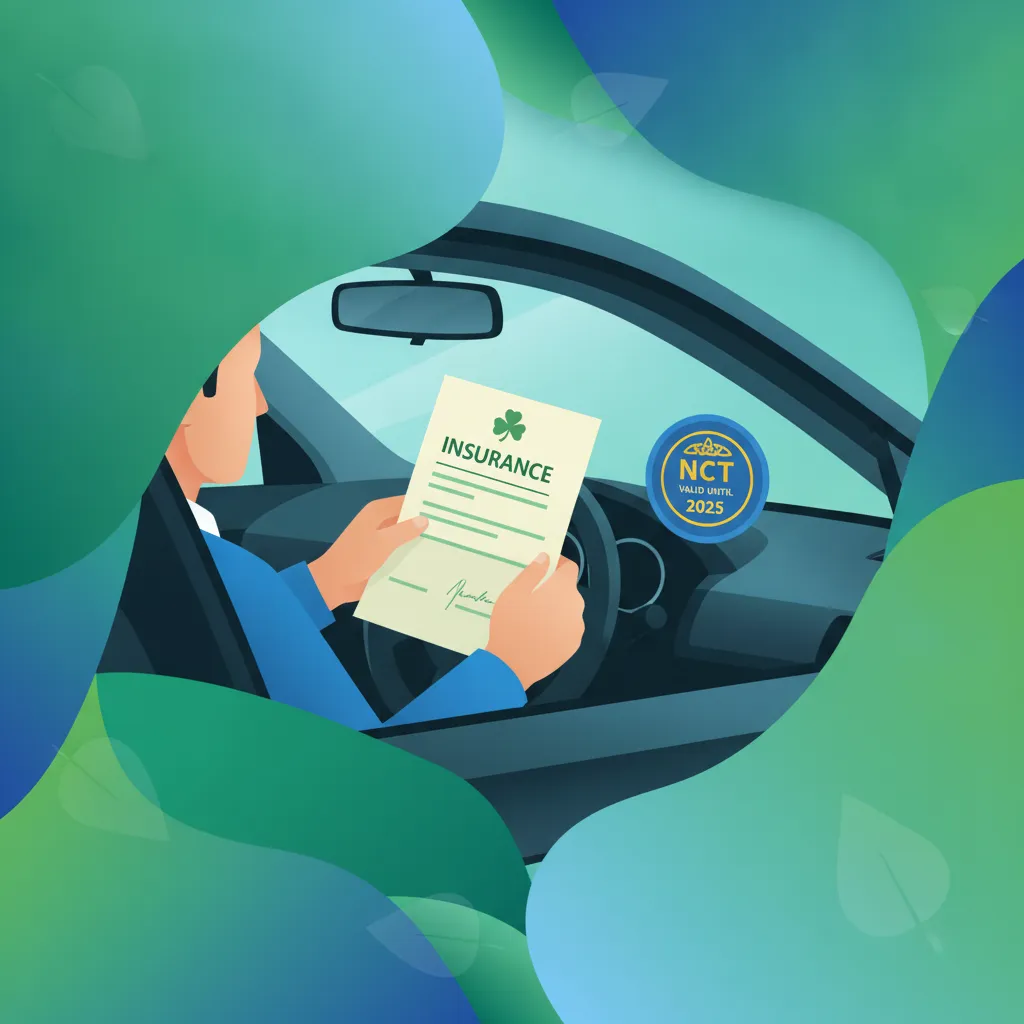
This lesson details the legal requirements for motorcycle insurance under Irish law, emphasizing the absolute necessity of holding valid third-party cover. It outlines the rider's responsibility to maintain their motorcycle in a completely roadworthy condition, focusing on critical safety components like tyres, brakes, and lights. Learners will examine how mechanical failures and non-compliance with maintenance standards compromise legal eligibility and safety.
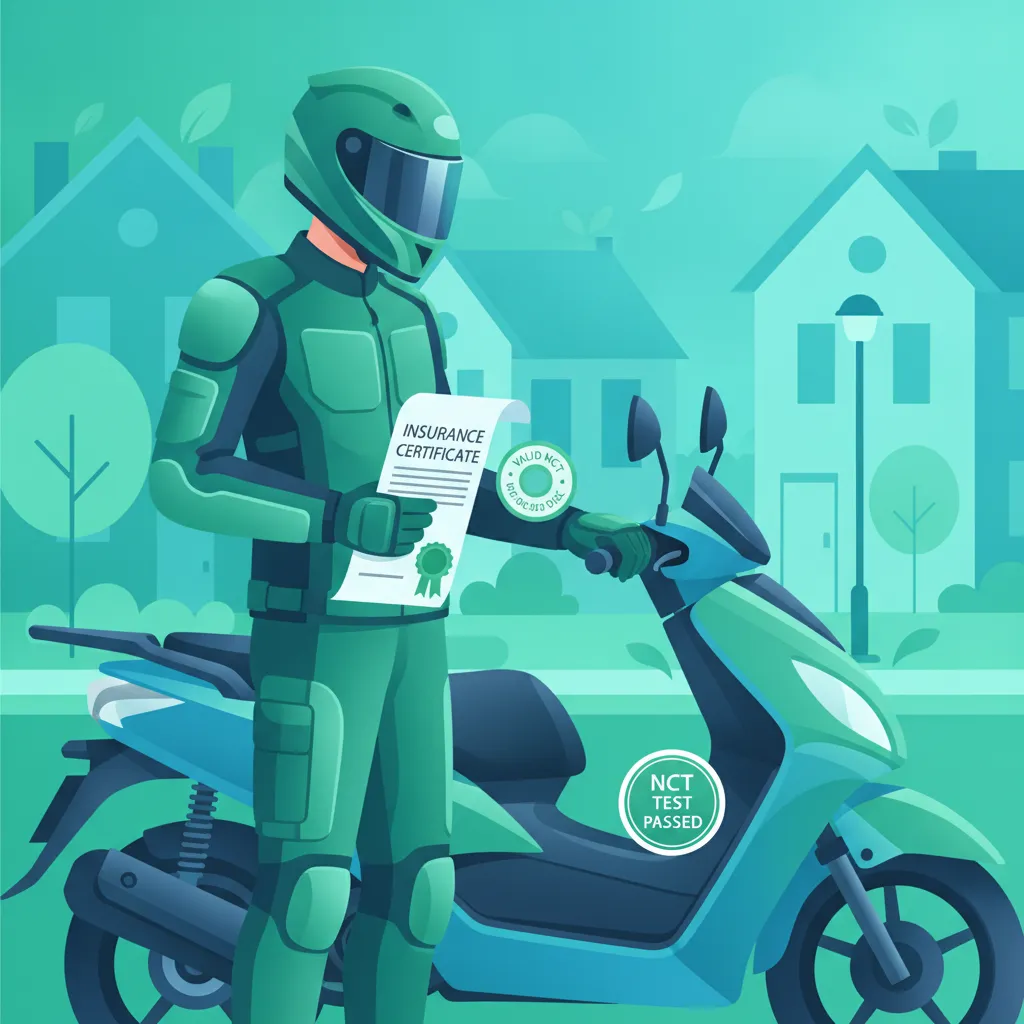
This lesson explains the compulsory insurance requirements for operating a moped or light quadricycle on public Irish roads. It clarifies that while Category AM vehicles are exempt from the National Car Test, they must still be registered and taxed. Learners will study third-party liability limits and the legal penalties associated with driving uninsured.
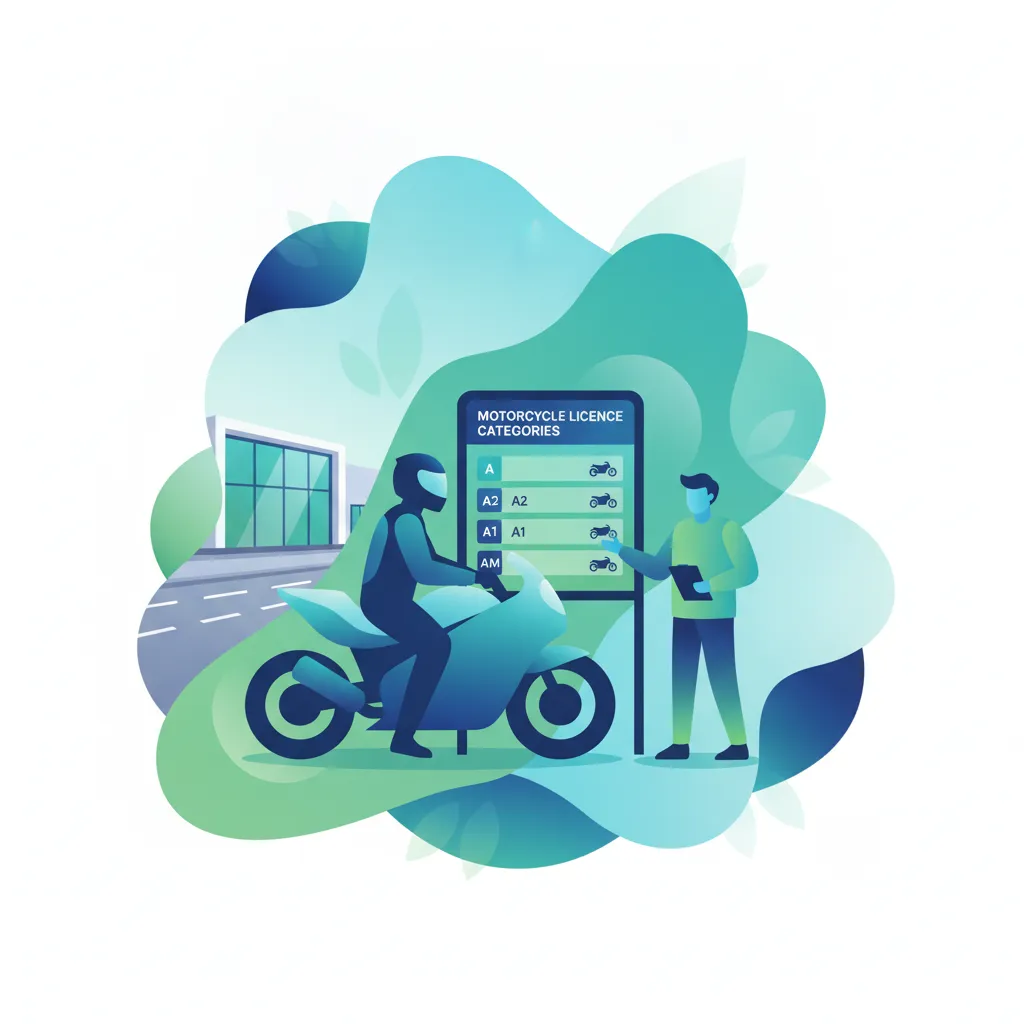
This lesson covers the specific parameters defining the A1, A2, and Category A motorcycle licences in Ireland, including age thresholds and engine limits. It outlines the progressive access route and the direct entry requirements defined by the Road Safety Authority. Motorcyclists will understand how the power-to-weight ratio dictates which vehicles they are legally permitted to operate with their specific permit.

This lesson focuses on the critical techniques required to ride safely during severe rain or heavy fog in Ireland. It teaches riders how to handle aquaplaning risks, use headlights correctly, and significantly increase their following distances. Adapting speed to visibility ensures that riders can brake safely when road conditions deteriorate.
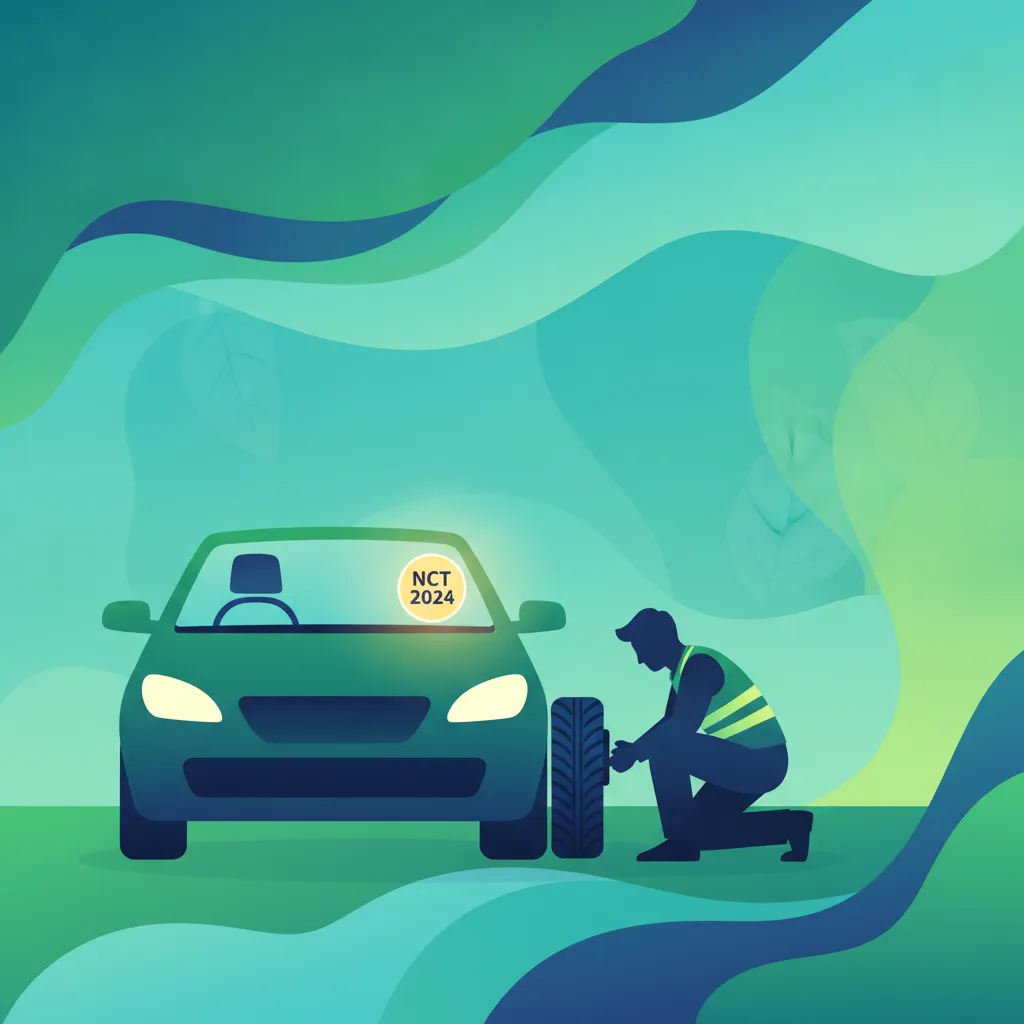
This lesson guides learners through the essential pre-ride safety checklist for mopeds and light quadricycles. It explains how to check tyre tread, brake responsiveness, functional lighting, and mirror alignment before starting any journey. Maintaining these components ensures vehicle compliance and minimizes the risk of mechanical failure on Irish roads.
This lesson details the use of daytime running lights to raise a rider's profile during daylight hours on Irish roads. It discusses the installation guidelines, legal restrictions, and safety benefits of auxiliary lighting systems on mopeds. Special care must be taken to prevent dazzling oncoming traffic while ensuring the vehicle remains highly recognizable.

This lesson describes the legal obligations regarding motorcycle helmets in Ireland, detailing safety certifications like ECE 22.05 or 22.06. It explains the differences between full-face, modular, and open-face helmets, emphasizing how impact absorption protects the head. Motorcyclists will learn how to verify a secure chin-strap fit and inspect helmets for structural damage after any minor drop.
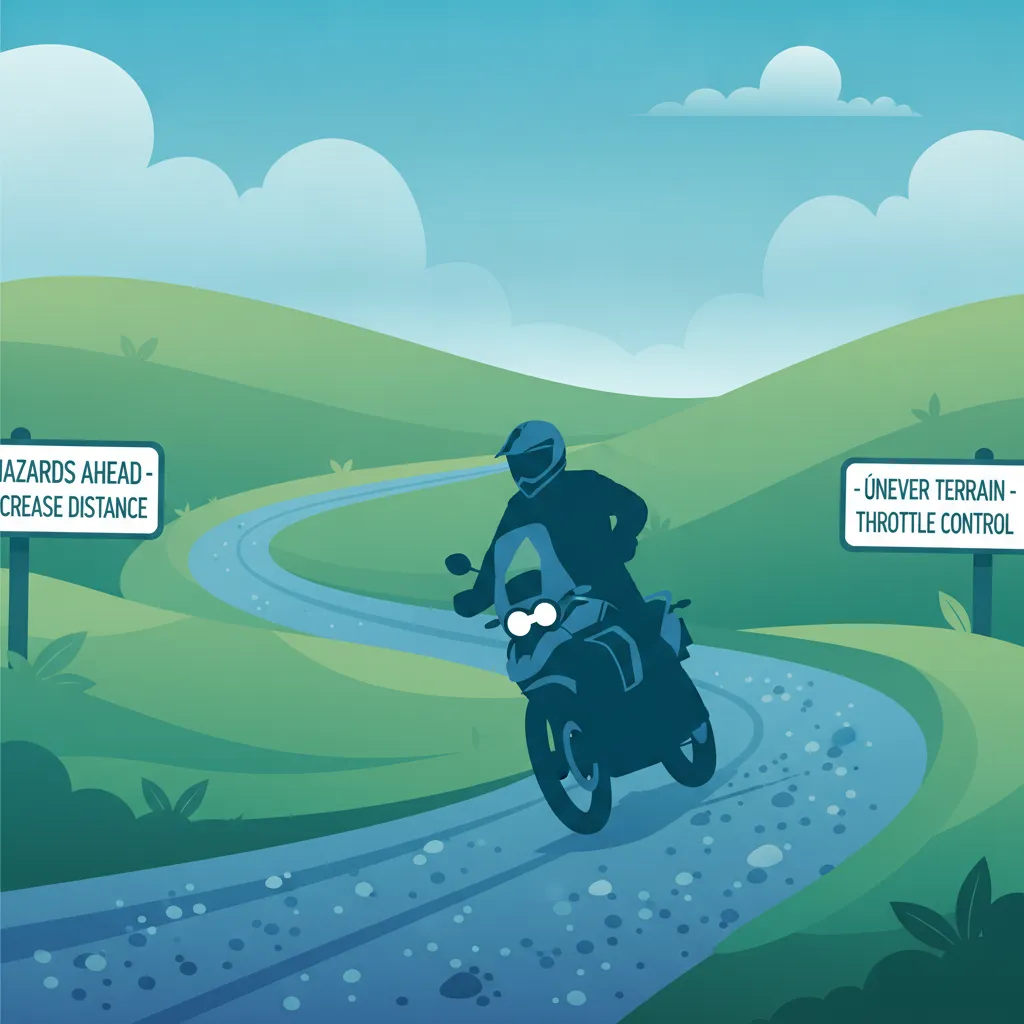
This lesson focuses on riding techniques suited for gravel, loose surfaces, and rural roads. Learners will understand how to maintain stability, adjust braking and cornering approaches, and anticipate hazards such as potholes and farm vehicles, following RSA guidance for safe riding in the Irish countryside.

Learner drivers in Ireland must adhere to strict operational rules, including the compulsory display of red L-plates and driving under qualified supervision. This lesson outlines your specific duties as a learner, the legal definitions of an accompanying experienced driver, and the elevated safety margins you must maintain on the road. Failing to comply with these learner regulations carries serious legal penalties and delays your progression to a full driving licence.
Understand the legal definitions of Category AM vehicle limits and the consequences of illegal modifications such as de-restriction. This lesson explains how internal combustion and electric power limits are enforced to ensure that moped and quadricycle operators remain compliant with Irish and EU vehicle safety standards.
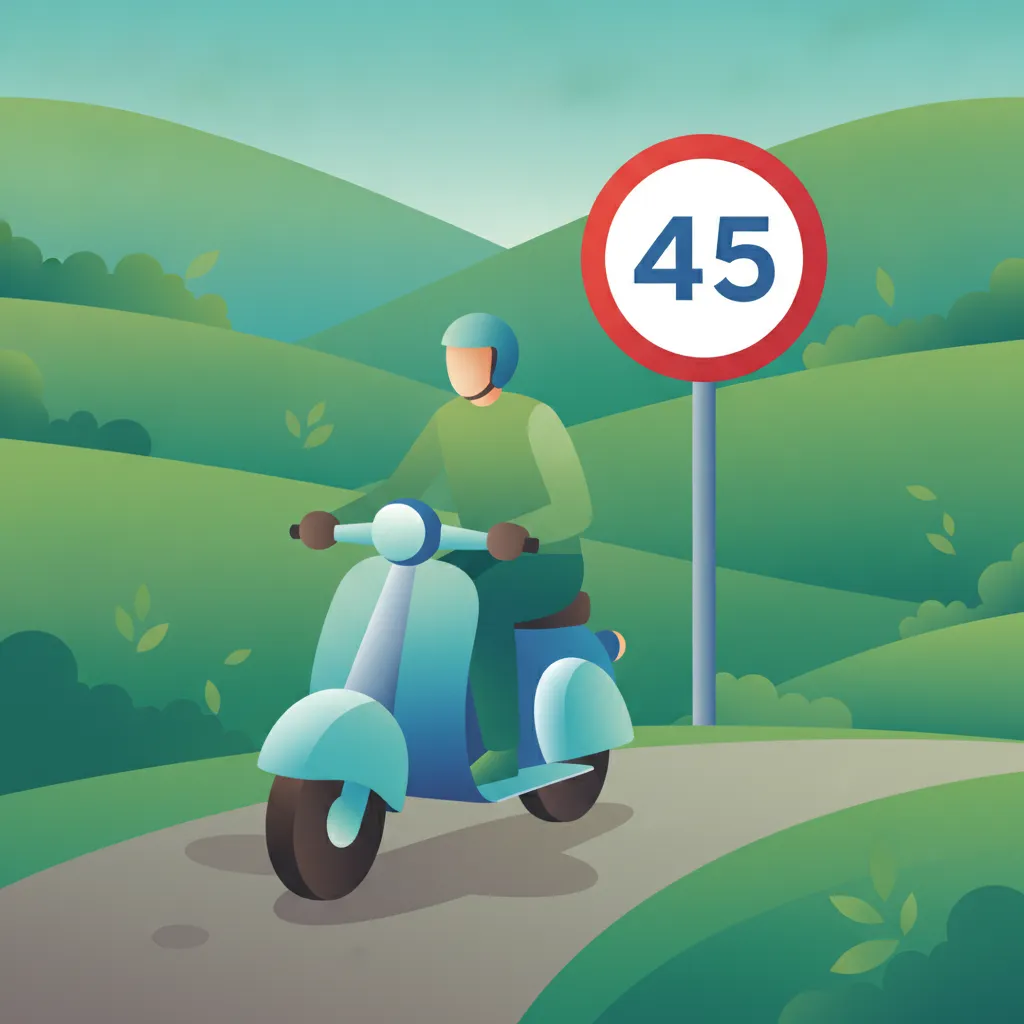
This lesson outlines the legal speed limits governing mopeds and light quadricycles in various Irish environments, including urban centers and school zones. It clarifies why Category AM vehicles are strictly prohibited from driving on motorways due to safety and speed disparities. Riders will also study the legal penalties, including fines and points, for speeding.
This lesson explains the compulsory insurance requirements for operating a moped or light quadricycle on public Irish roads. It clarifies that while Category AM vehicles are exempt from the National Car Test, they must still be registered and taxed. Learners will study third-party liability limits and the legal penalties associated with driving uninsured.
Find clear answers to common questions learners have about Understanding Category AM and Its Scope. Learn how the lesson is structured, which driving theory objectives it supports, and how it fits into the overall learning path of units and curriculum progression in Ireland. These explanations help you understand key concepts, lesson flow, and exam focused study goals.
Category AM covers mopeds with an engine capacity not exceeding 50cc and a design speed not exceeding 45km/h, as well as light quadricycles with a limited power output and speed.
In Ireland, the minimum age required to apply for a learner permit for Category AM is 16 years old.
No, Category AM vehicles are not permitted on motorways in Ireland due to their design speed and power limitations, which do not meet the requirements for high-speed traffic.
No, Category AM is strictly for mopeds and light quadricycles. Larger motorcycles fall under different categories, such as A1, A2, or A, depending on their engine power and displacement.
Use the practice question search tool to pinpoint specific topics, road signs, or rules you need to master for your official Driver Theory Test. Refine your study strategy and ensure comprehensive preparation for all aspects of the Irish driving exam. Start your focused revision now and build confidence for your learner permit test.