
This lesson details the specific legal requirements and safety duties for learner drivers in Ireland. You will learn the correct way to display L-plates and the responsibilities of your accompanying qualified driver to ensure full legal compliance while preparing for your test.
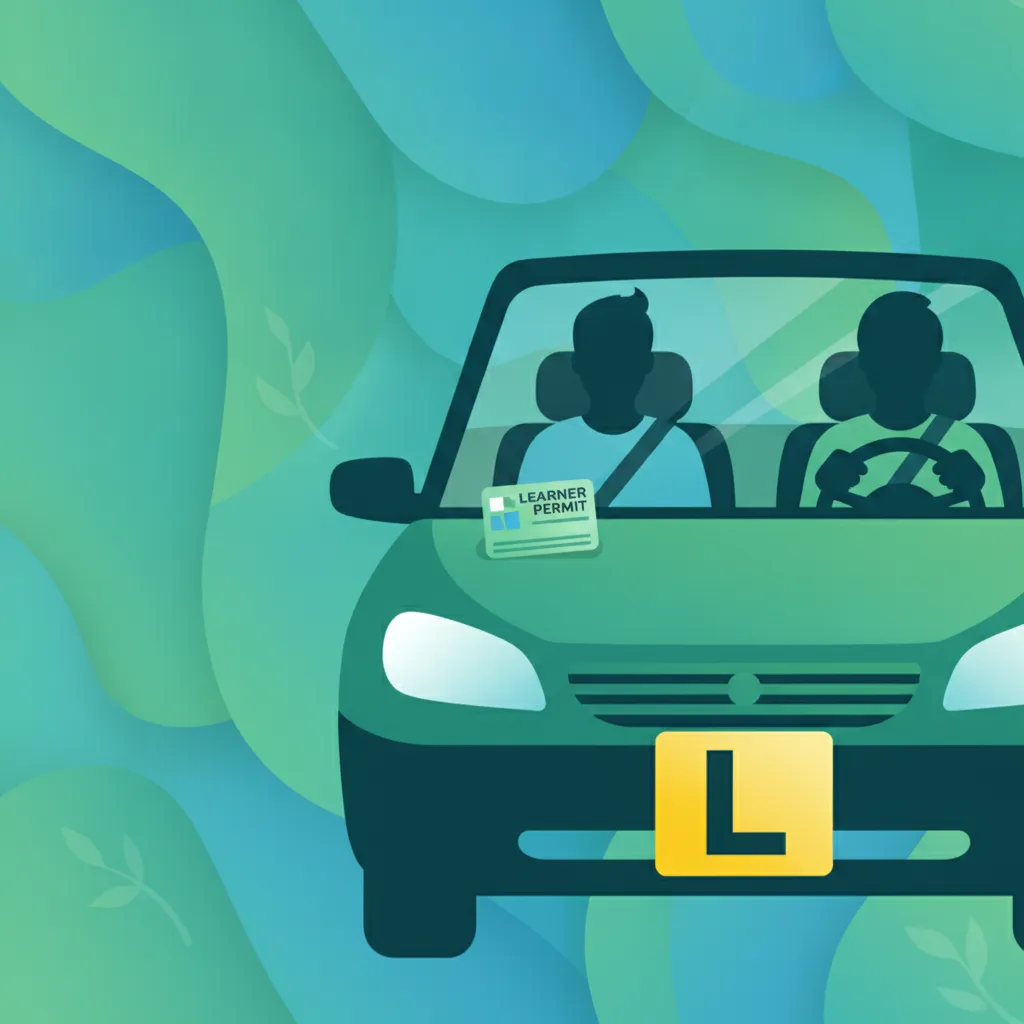
Lesson content overview
Acquiring a Category B learner permit in Ireland is the first step toward gaining a full driving licence. However, a learner permit is not a full licence; it is a restrictive legal document that carries a heightened duty of care. Because learner drivers lack on-road experience, Irish road traffic legislation imposes strict operational rules to protect both the learner and other road users.
Failing to comply with these regulations does not merely delay your progression to a full licence—it can result in heavy fines, vehicle impoundment, penalty points, and immediate driving bans. This lesson details your legal obligations as a learner driver in Ireland, the criteria for your accompanying driver, vehicle requirements, and the safety margins you must maintain.
In Ireland, it is a strict legal requirement under the Road Traffic Licensing Regulations that any driver operating a vehicle under a learner permit must display red L-plates on the vehicle. This informs other road users of your novice status, prompting them to exercise extra caution, maintain a safer following distance, and anticipate potential mistakes.
L-plates must meet precise physical and visual standards. Hand-drawn or non-standard plates are illegal and can result in penalties.
The "Temporary Plate" Fallacy: You cannot remove L-plates because you are driving in low-traffic areas or at night. Furthermore, if a fully licensed driver takes over the driving of your car, the law does not strictly require them to remove the L-plates, but the plates must be displayed the moment you return to the driver's seat.
Driving a vehicle without displaying L-plates is a specific road traffic offence. If you are stopped by An Garda Síochána (the Irish police) without them, you face an immediate fixed-charge fine and penalty points.
One of the most critical legal requirements for a learner permit holder in Ireland is the requirement to be accompanied at all times by a qualified driver.
Driving a vehicle while holding a Category B learner permit without being accompanied by a qualified driver is a serious criminal offence under Irish law, carrying severe penalties for both the driver and the vehicle owner.
Not just any licensed driver can accompany a learner. To legally supervise a learner driver in Ireland, the accompanying driver must meet the following strict criteria:
Verify that your supervisor has held their full Category B licence for a minimum of 2 consecutive years.
Confirm that their licence is currently valid and they do not have an active driving disqualification.
Ensure they are sitting in the front passenger seat next to you before you start the engine.
Confirm they are fully alert and free from the influence of intoxicants.
Under the Clancy Amendment (introduced to the Road Traffic Act), Gardaí have the power to stop and immediately seize and impound any vehicle driven by an unaccompanied learner driver.
Additionally, the law allows for the prosecution of the vehicle's owner if they knowingly permit an unaccompanied learner to drive their car. This means that if you borrow a parent’s or friend's car and drive it unaccompanied, both you and the car owner face prosecution, fines, and penalty points.
Learner permit holders are restricted from certain high-risk road environments to allow them to build core driving competencies in lower-speed, controlled settings.
Under Irish road traffic regulations, learner permit holders are strictly prohibited from driving on motorways.
Even if you are accompanied by an ADI (Approved Driving Instructor) or a highly experienced qualified driver, you are not legally permitted to enter a motorway under any circumstances. You must wait until you have successfully passed your practical driving test and obtained a full driving licence before you can drive on an Irish motorway.
While there are no specific "learner-only" reduced speed limits on national or regional roads (learners must obey the posted speed limits), you must always adapt your speed to suit your level of experience, the road design, and current traffic conditions.
Learners should actively manage their speed using these principles:
As a learner driver, your main focus must be on vehicle control and observation. Minimising inside-the-car distractions is essential for your safety.
A learner driver holding a Category B permit may carry passengers, but only under the strict condition that the mandatory, qualified accompanying driver is seated in the front passenger seat. Any other passengers must ride in the rear seats.
You cannot carry passengers if you do not have your qualified supervisor in the front seat. Additionally, you are legally prohibited from carrying passengers for hire or reward (such as operating an informal taxi service).
Before you turn the key in the ignition, you must ensure the vehicle is fully roadworthy and legally compliant. Operating an illegal or defective vehicle carries severe consequences for your permit and future licence prospects.
Ireland enforces some of the strictest drink-driving and drug-driving laws in Europe, with a zero-tolerance approach specifically targeted at learner, novice, and professional drivers.
The legal BAC limits in Ireland are divided into two distinct tiers:
For a learner driver, a limit of 20mg is effectively a zero-tolerance limit. Consuming even a tiny fraction of an alcoholic drink, or eating certain foods containing alcohol, can push your BAC over this limit.
Furthermore, you can still be over the legal limit the morning after consuming alcohol. The safest and only legal approach is to never consume any alcohol before driving.
It is an offence to drive under the influence of any drug (including illegal drugs and certain prescription or over-the-counter medications) that impairs your ability to control the vehicle. Gardaí regularly conduct roadside drug testing using saliva swabs to detect substances such as cannabis, cocaine, opiates, and benzodiazepines.
If you are taking prescription medication, always check the packaging for warning symbols and consult your doctor or pharmacist to ensure it is safe to drive.
To encourage safe driving habits early, the Irish penalty points system is significantly stricter for learner and novice drivers than for experienced drivers.
While a fully licensed experienced driver can accumulate up to 12 penalty points before facing an automatic six-month driving disqualification, the threshold for learner permit holders is much lower.
Reduced Disqualification Limit: A learner permit holder will be automatically disqualified from driving for six months if they accumulate 7 penalty points. These points carry over to your first full licence.
| Offence | Penalty Points (on payment of fine) | Court Penalties (if contested and convicted) |
|---|---|---|
| Driving Unaccompanied | 2 Penalty Points | Up to 4 Penalty Points and increased fines |
| Failure to Display L-plates | 2 Penalty Points | Up to 4 Penalty Points and increased fines |
| Driving on a Motorway | 1 to 3 Penalty Points | Court fine and increased points |
| Speeding Offences | 3 Penalty Points | 5 Penalty Points and increased court fines |
| Using a Mobile Phone | 3 Penalty Points | 5 Penalty Points and court prosecution |
If your vehicle is seized under the Clancy Amendment for driving unaccompanied, you must also pay a substantial release fee to recover the vehicle from the Garda pound, in addition to paying any court-mandated fines.
Because you do not yet have the muscle memory and observational speed of an experienced driver, you must build wider safety margins into your daily driving.
Maintaining an appropriate gap between your vehicle and the vehicle ahead is your primary defence against rear-end collisions.
As a learner, you must display extra caution around vulnerable road users, such as pedestrians, cyclists, motorcyclists, and horse riders.
To progress safely and legally from a learner permit to a full Category B driving licence in Ireland, you must commit to these core principles:
This lesson covers the essential legal duties and responsibilities for Irish learner drivers holding a Category B permit, including mandatory L-plate specifications and placement, the strict criteria for an accompanying qualified driver, motorway prohibition, and vehicle compliance requirements. It emphasises the strict 20mg/100ml BAC limit for learners, the reduced penalty points threshold of 7 points for automatic disqualification, and the severe consequences under the Clancy Amendment for unaccompanied driving. The lesson also provides practical safety guidance on maintaining appropriate following distances and sharing the road with vulnerable users, making it directly relevant for passing the Driver Theory Test and building safe driving habits.
A short set of high-value points that capture the most important learning from this lesson.
L-plates must be red 'L' on white square background, minimum 15cm x 15cm with the letter 'L' at least 10.2cm tall, displayed at front and rear of vehicle
Your supervising driver must hold a full Category B licence for at least 2 consecutive years and sit in the front passenger seat at all times
Learner drivers face a strict 20mg/100ml Blood Alcohol Concentration limit, effectively a zero-tolerance approach
Learner permit holders are legally prohibited from driving on motorways, regardless of supervision by an ADI or experienced driver
Accumulating 7 penalty points as a learner driver triggers an automatic 6-month driving ban
Explore all units and lessons included in this driving theory course.
The Clancy Amendment allows Gardaí to seize and impound vehicles driven by unaccompanied learners and prosecute the vehicle owner
Novice drivers with 'N' plates (within their first 2 years of a full licence) do NOT qualify as accompanying drivers
L-plates must remain displayed at all times while you are driving, even in low-traffic areas or at night
When overtaking cyclists, maintain at least 1 metre clearance in zones up to 50 km/h and 1.5 metres in higher speed zones
Following distance should be 2 seconds in dry conditions, 4 seconds in wet conditions, and 10+ seconds in icy or snowy conditions
Believing L-plates can be removed when driving in quiet areas or during night-time; they must always be displayed
Assuming any licensed driver can supervise; only those with 2+ years of a full Category B licence qualify
Thinking motorway driving is permitted with a supervising ADI; it remains illegal for all learner permit holders
Underestimating how long alcohol stays in your system; you can still be over the 20mg limit the morning after drinking
Confusing novice 'N' plate drivers with qualified supervisors; they are not eligible to accompany learners
Lesson content overview
A short set of high-value points that capture the most important learning from this lesson.
L-plates must be red 'L' on white square background, minimum 15cm x 15cm with the letter 'L' at least 10.2cm tall, displayed at front and rear of vehicle
Your supervising driver must hold a full Category B licence for at least 2 consecutive years and sit in the front passenger seat at all times
Learner drivers face a strict 20mg/100ml Blood Alcohol Concentration limit, effectively a zero-tolerance approach
Learner permit holders are legally prohibited from driving on motorways, regardless of supervision by an ADI or experienced driver
Accumulating 7 penalty points as a learner driver triggers an automatic 6-month driving ban
Explore all units and lessons included in this driving theory course.
The Clancy Amendment allows Gardaí to seize and impound vehicles driven by unaccompanied learners and prosecute the vehicle owner
Novice drivers with 'N' plates (within their first 2 years of a full licence) do NOT qualify as accompanying drivers
L-plates must remain displayed at all times while you are driving, even in low-traffic areas or at night
When overtaking cyclists, maintain at least 1 metre clearance in zones up to 50 km/h and 1.5 metres in higher speed zones
Following distance should be 2 seconds in dry conditions, 4 seconds in wet conditions, and 10+ seconds in icy or snowy conditions
Believing L-plates can be removed when driving in quiet areas or during night-time; they must always be displayed
Assuming any licensed driver can supervise; only those with 2+ years of a full Category B licence qualify
Thinking motorway driving is permitted with a supervising ADI; it remains illegal for all learner permit holders
Underestimating how long alcohol stays in your system; you can still be over the 20mg limit the morning after drinking
Confusing novice 'N' plate drivers with qualified supervisors; they are not eligible to accompany learners
Explore search topics learners often look for when studying Roles and Responsibilities of a Learner Driver. These topics reflect common questions about road rules, driving situations, safety guidance, and lesson level theory preparation for learners in Ireland.
Browse additional driving theory lessons that cover connected traffic rules, road signs, and common driving situations related to this topic. Improve your understanding of how different rules interact across everyday traffic scenarios.
Understand how the Irish penalty points system impacts learner and full licence holders. This lesson explains the legal thresholds for disqualification, the consequences of common motoring offences, and the role of An Garda Síochána in enforcing road safety regulations under the Road Traffic Acts.

The Irish penalty points system is designed to deter unsafe driving practices by recording points against a driver's record for specific traffic violations. This lesson explains how points are accumulated, the lower threshold applied to learner and novice drivers, and the consequences of reaching the suspension limit. You will also learn about the role of the Garda Síochána in enforcing these road traffic laws and the financial impact points have on your insurance.
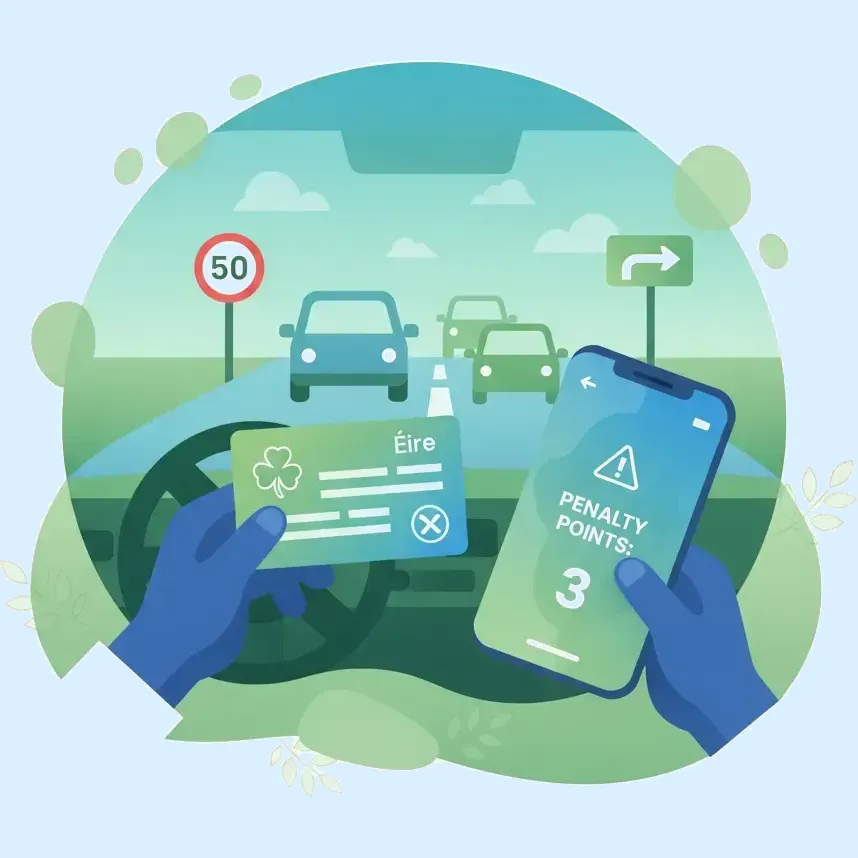
This lesson details the structure of the Irish penalty point system and its implications for novice Category AM riders. It highlights the specific traffic violations that trigger points and the thresholds that result in automatic disqualification. Learners will understand the process of moving from a learner permit to a full driving licence safely.
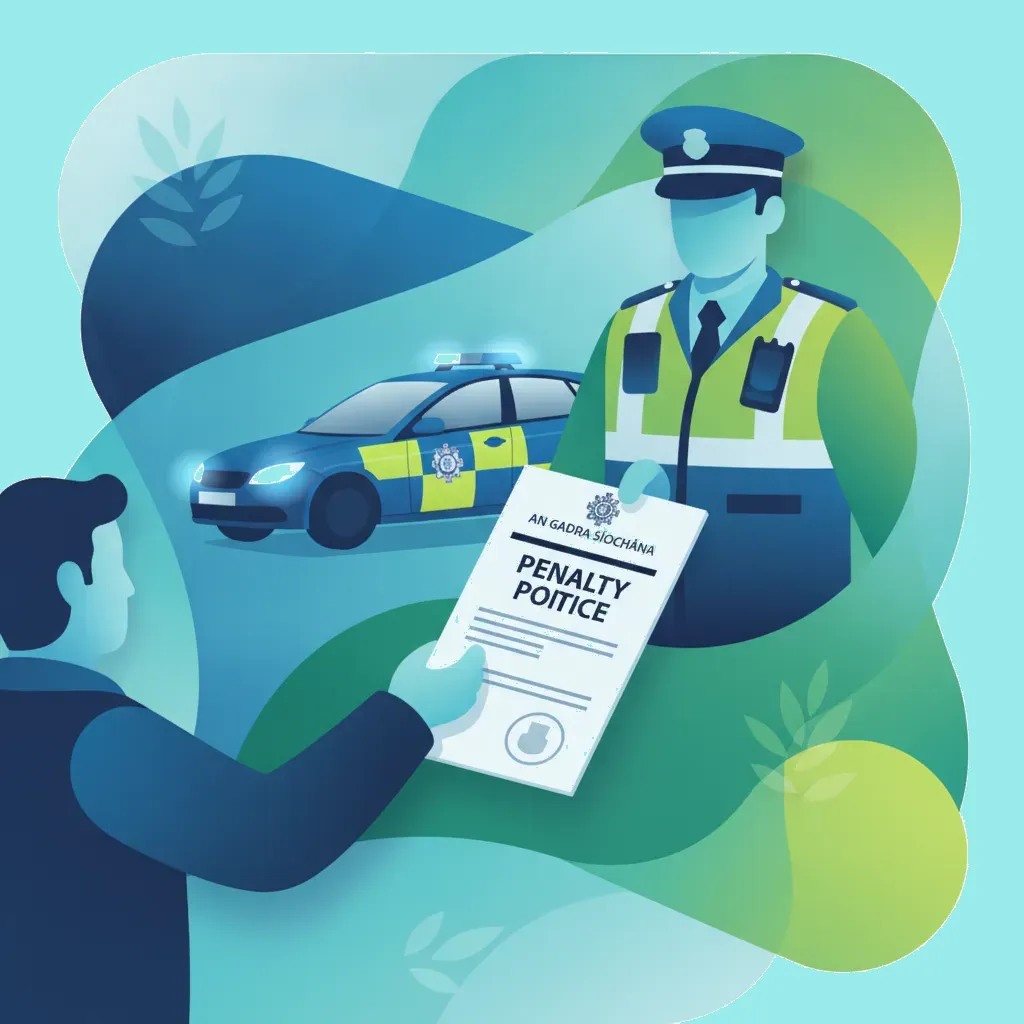
Violating Irish traffic laws triggers a structured enforcement process, starting with fixed charge notices and ending in severe court-ordered bans. This lesson details the roles of the Garda Síochána and the National Car Testing Service in enforcing safety regulations on roads. You will learn how fines are paid, how penalty points are formally added to your NDLS record, and the legal consequences of driving while disqualified.
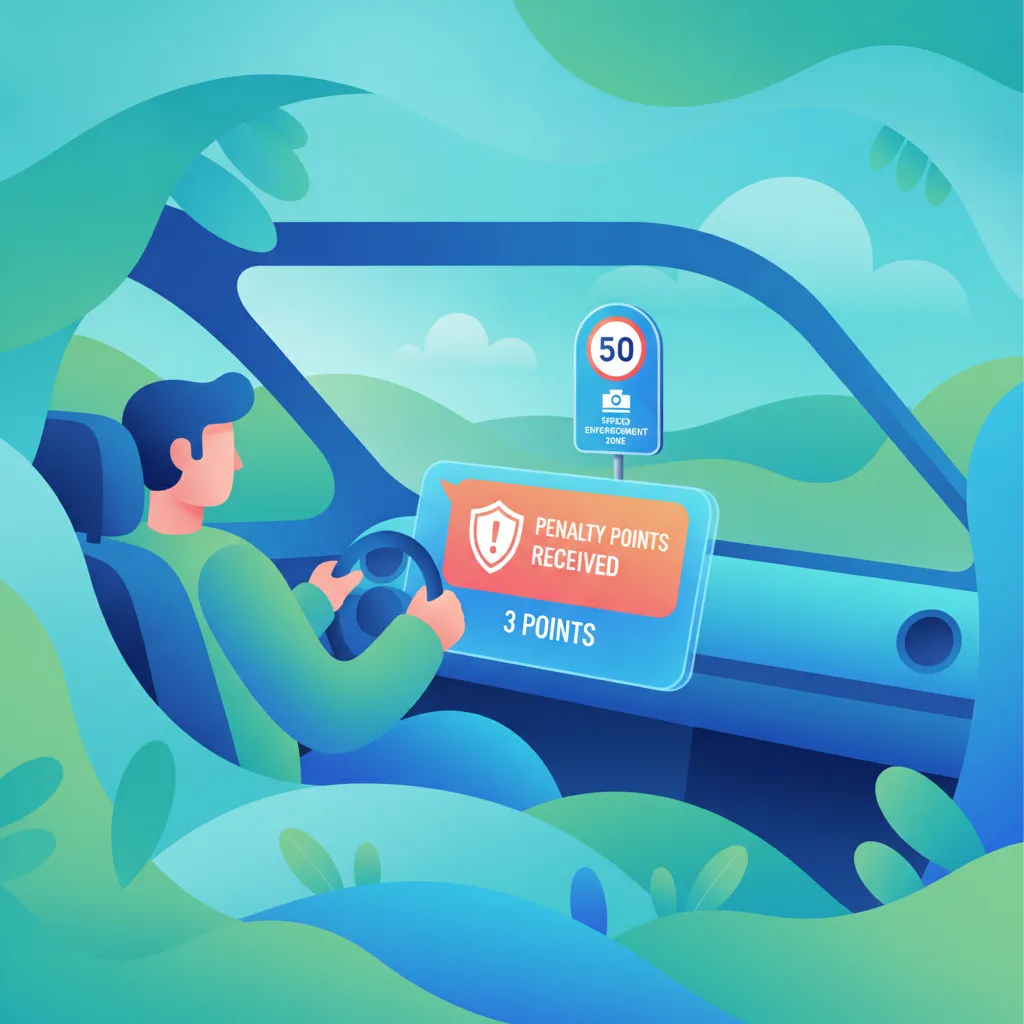
This lesson provides a comprehensive overview of the Irish penalty point system and how traffic offences are monitored by An Garda Síochána. It details the accumulation limits that trigger automatic licence suspension, with a focus on special lower thresholds for learner drivers. Learners will explore common traffic violations, such as speeding and reckless riding, which carry statutory point penalties.
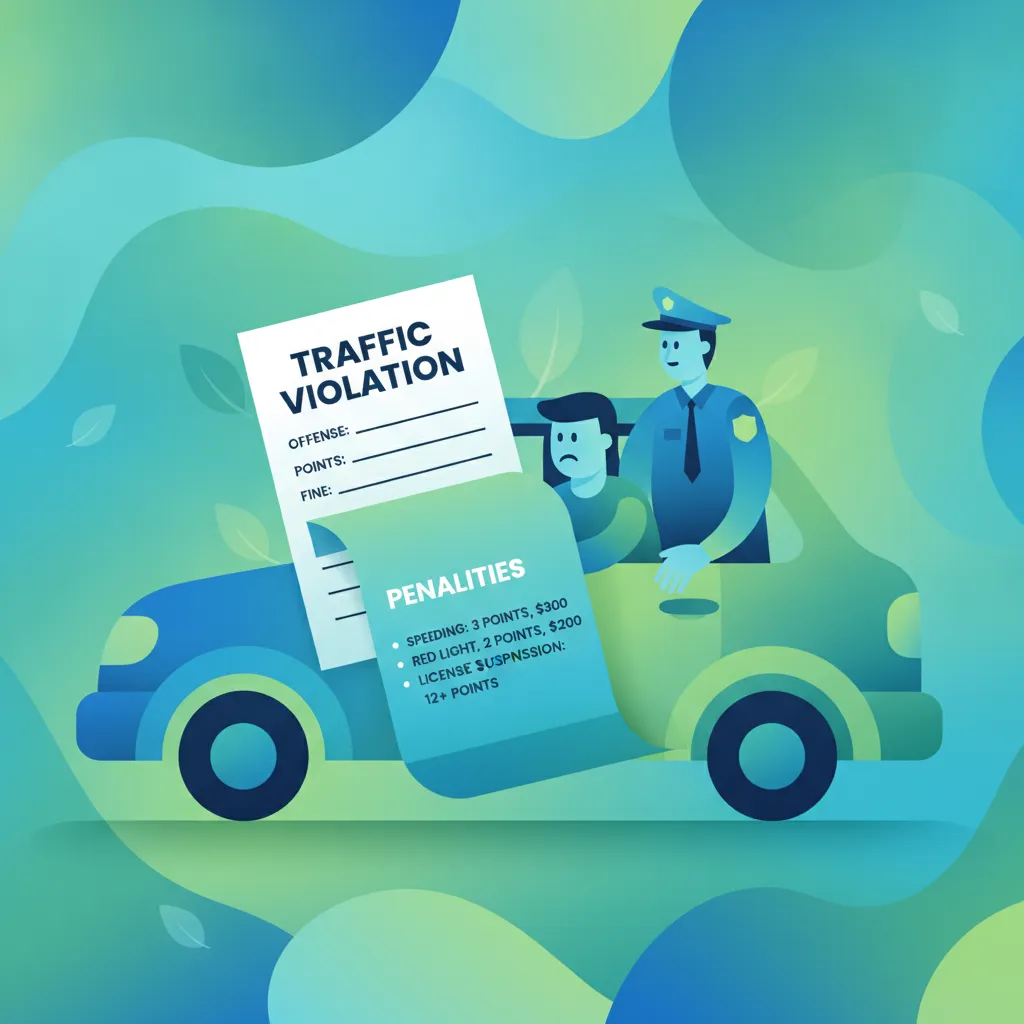
This lesson details the legal consequences of failing to adhere to the Irish Rules of the Road as a Category AM rider. It explains the structure of financial fines, penalty points, and situations that trigger immediate license suspension or disqualification. Understanding these severe penalties emphasizes the importance of consistent compliance and safe road use.
Operating commercial passenger vehicles requires strict adherence to Irish road laws to prevent heavy fines, penalty points, or disqualification. This lesson outlines the primary motoring offences, the mechanics of the Irish penalty points system, and active enforcement by An Garda Síochána. Drivers will learn the serious operational and professional consequences of non-compliance, encouraging long-term safe driving habits.
This lesson details the legal consequences of non-compliance with Irish road traffic laws, focusing on fixed charge notices, fines, and court prosecutions. It explains how persistent traffic violations can lead to mandatory licence disqualification, vehicle seizure, and soaring insurance premiums. Motorcyclists will learn about the serious long-term impact that a criminal driving record has on employment.
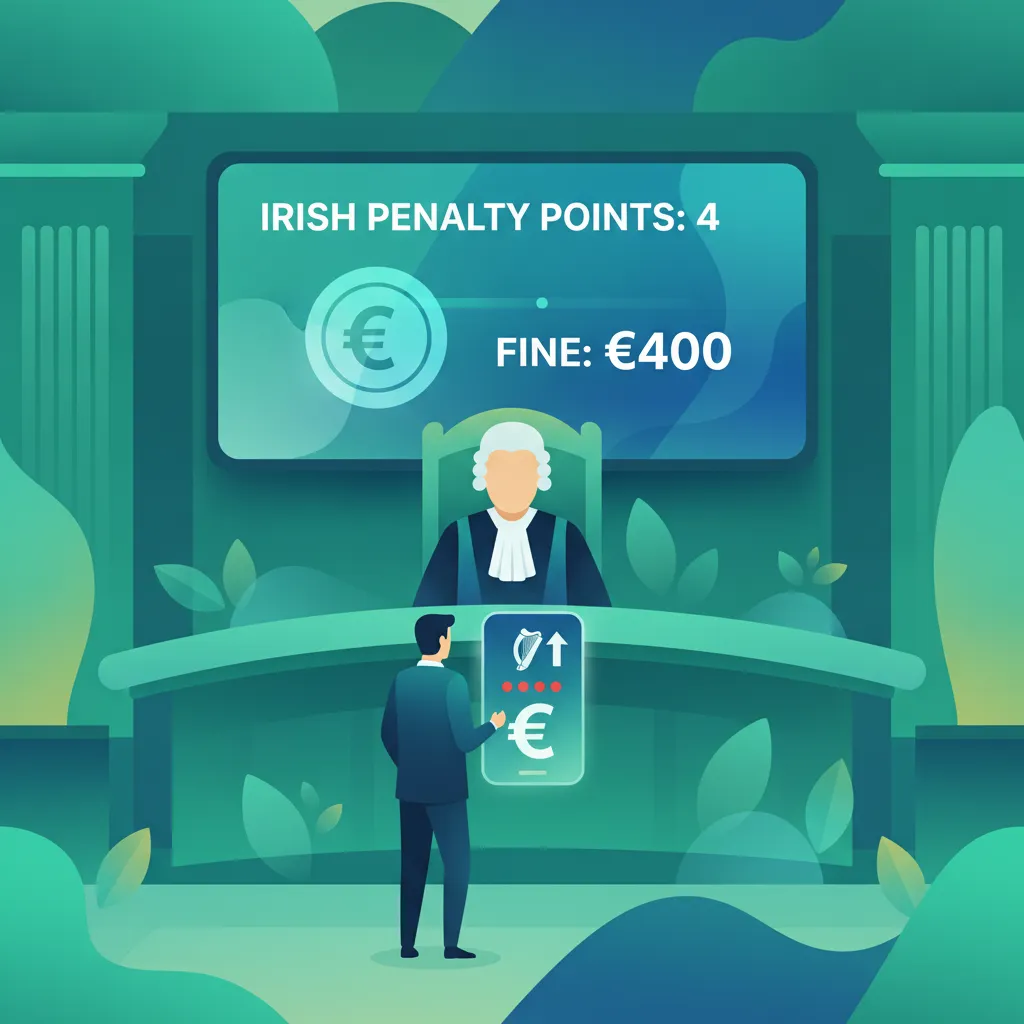
Violating passenger transport laws can lead to severe operator penalties, heavy fines, and the immediate suspension of driving privileges. This lesson examines common operational infractions, including tachograph violations, overloading offences, and driving with defective tires. Drivers will understand their personal legal liabilities under Irish legislation, supporting long-term safety compliance.
Learn to identify and respond to potential dangers on Irish roads before they become incidents. This lesson covers key defensive driving principles, including how to manage following distances, adjust speed for weather conditions, and anticipate the actions of vulnerable road users to improve overall vehicle control.
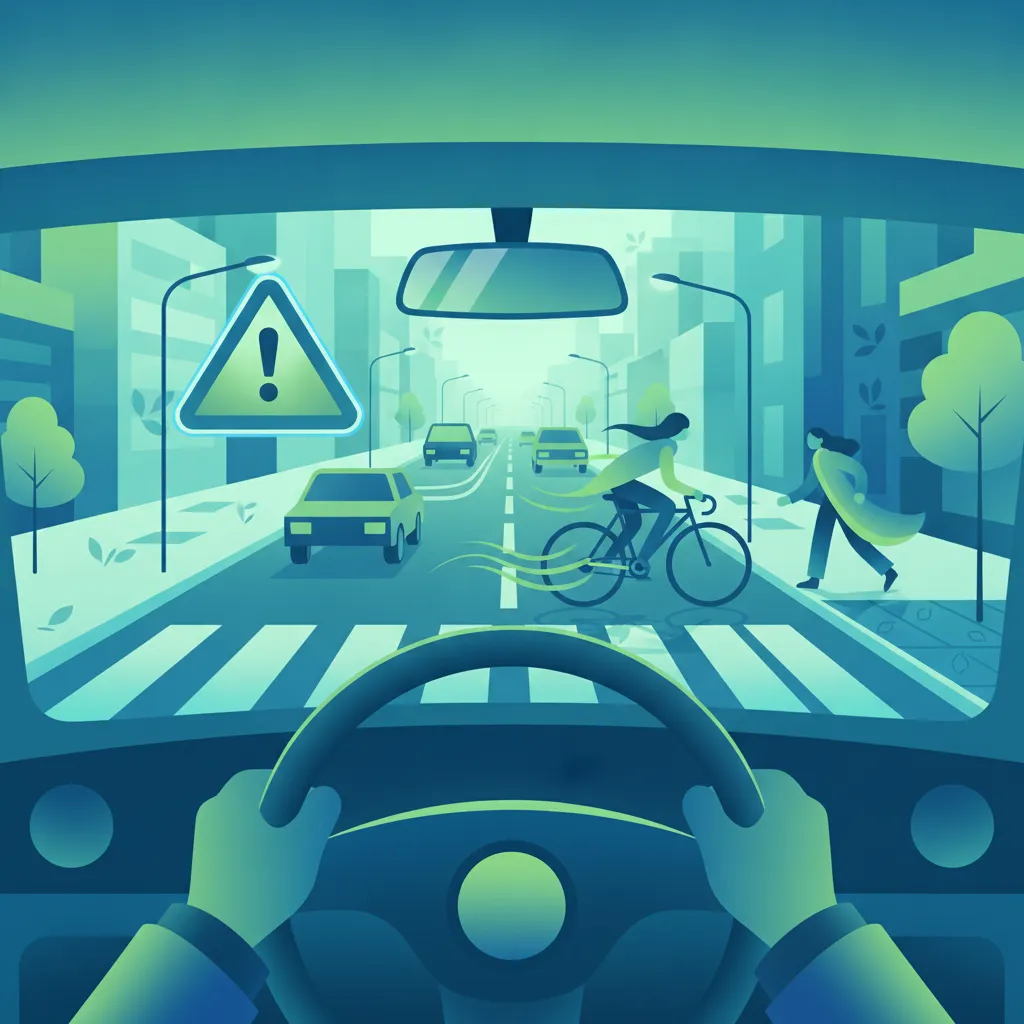
Proactive hazard perception involves constantly scanning the road ahead to identify potential dangers before they turn into actual emergencies. This lesson covers active scanning techniques, helping you look far ahead, check mirrors regularly, and identify subtle risk clues such as exhaust smoke from parked cars or children playing near kerbs. Anticipating these developments gives you the time to adjust speed and position safely.

Heavy vehicles require continuous visual scanning to identify small or slow-moving road users who may enter the path of travel. This lesson explores the typical behaviors of young children, elderly pedestrians, and visually impaired road users. Drivers will build strong hazard perception skills to anticipate sudden movements, ensuring they can brake safely and avoid serious accidents.

Irish rural roads are often narrow, winding, and bordered by high hedges, presenting unique hazards compared to urban streets. This lesson focuses on scanning for hidden hazards such as slow-moving farm machinery, mud on the road surface, and loose livestock. You will learn how to adjust your speed before entering blind bends, sound your horn at blind crests, and safely share the road with local agricultural traffic.
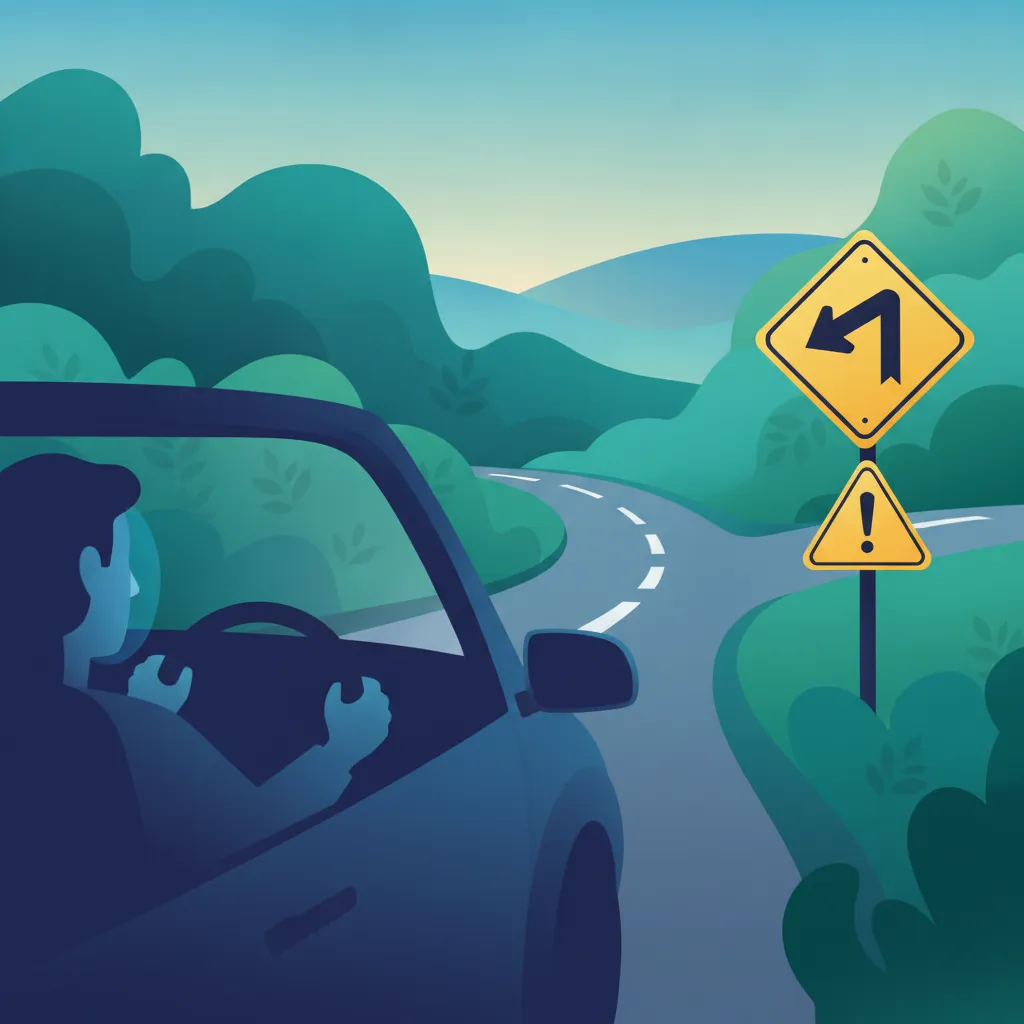
Warning signs in Ireland are typically diamond-shaped with yellow backgrounds and black symbols, indicating potential dangers on the road ahead. This lesson details signs for upcoming sharp bends, narrow roads, steep hills, pedestrian activity, and animal hazards. Learning to spot these warning indicators early allows you to reduce speed safely and adjust your vehicle positioning before encountering the hazard itself.

This lesson highlights the importance of smooth throttle adjustments for maintaining traction and stability on a moped. It teaches riders how to anticipate potential road hazards early, reducing the need for sudden emergency braking. Developing strong observation habits allows riders to adjust their speed smoothly and respond safely to traffic changes.
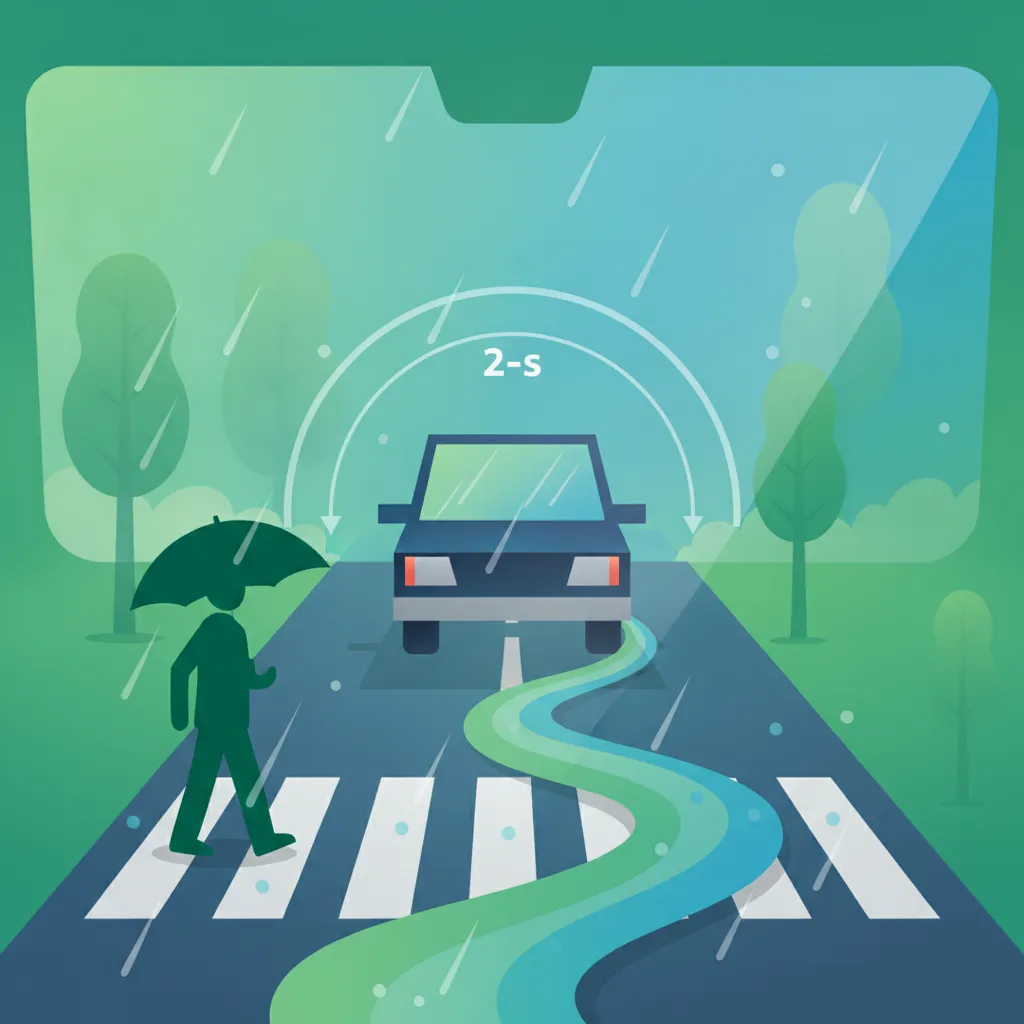
Maintaining an extensive buffer zone ahead of a large passenger vehicle is critical to ensuring enough space for emergency maneuvers. This lesson teaches the time-gap method, detailing how following distances must double on wet roads or increase with full passenger loads. It builds hazard anticipation skills, teaching drivers to read distant traffic cues and react early to hazards.
This lesson covers the strategic aspects of journey management, emphasizing the safety benefits of proactive route planning and weather checks. It teaches riders how to select safer roads, avoid high-congestion zones during rush hour, and schedule regular rest intervals. Motorcyclists will learn to pack essential tools, emergency contacts, and spare safety gear to remain prepared for any roadside situation.

This lesson teaches how to cultivate a proactive defensive riding mindset, focusing on situational awareness and constant hazard scanning. It describes the system of motorcycle control, encouraging riders to anticipate potential mistakes from other drivers, pedestrians, and cyclists. Motorcyclists will learn to position themselves defensively, leaving clear escape routes in all driving environments.

Driving at night presents severe challenges due to reduced visibility, driver fatigue, and headlight glare from oncoming vehicles. This lesson teaches you how to manage your headlights, use road edge markers to steer through dark curves, and look away from oncoming bright lights. You will learn to drive within the range of your headlights and remain highly alert for pedestrians or cyclists not wearing reflective gear.
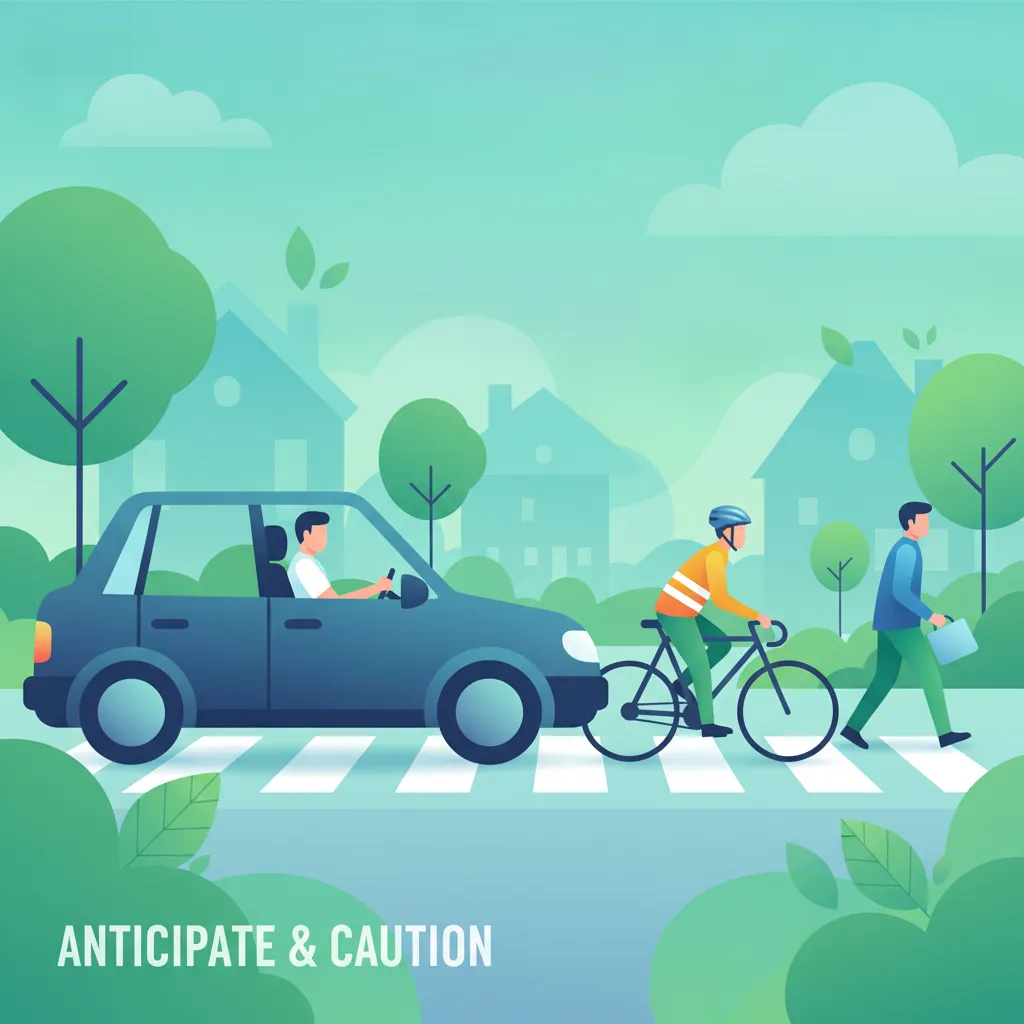
Safeguarding vulnerable road users requires more than simple obedience to traffic signs; it demands a defensive driving mindset. This lesson summarizes safe practices, including scanning far ahead in urban areas, keeping massive safety margins in wet weather, and executing thorough blind spot checks before reversing. By anticipating the unpredictable movements of others, you can prevent accidents and support a safe road culture.
Find clear answers to common questions learners have about Roles and Responsibilities of a Learner Driver. Learn how the lesson is structured, which driving theory objectives it supports, and how it fits into the overall learning path of units and curriculum progression in Ireland. These explanations help you understand key concepts, lesson flow, and exam focused study goals.
The accompanying driver must hold a full valid driving licence for the category of vehicle you are driving (Category B) and must have held that licence for a continuous period of at least two years.
You must display L-plates clearly on the front and the rear of the vehicle. They should be red on a white background and be clearly visible to other road users at all times while you are driving.
No. Under Irish law, learner permit holders are strictly prohibited from driving on motorways, regardless of whether they are accompanied by a qualified driver.
Driving without the proper display of L-plates is a breach of your learner permit conditions. This can lead to penalty points, fines, and potentially further legal action or disqualification.
Use the practice question search tool to pinpoint specific topics, road signs, or rules you need to master for your official Driver Theory Test. Refine your study strategy and ensure comprehensive preparation for all aspects of the Irish driving exam. Start your focused revision now and build confidence for your learner permit test.