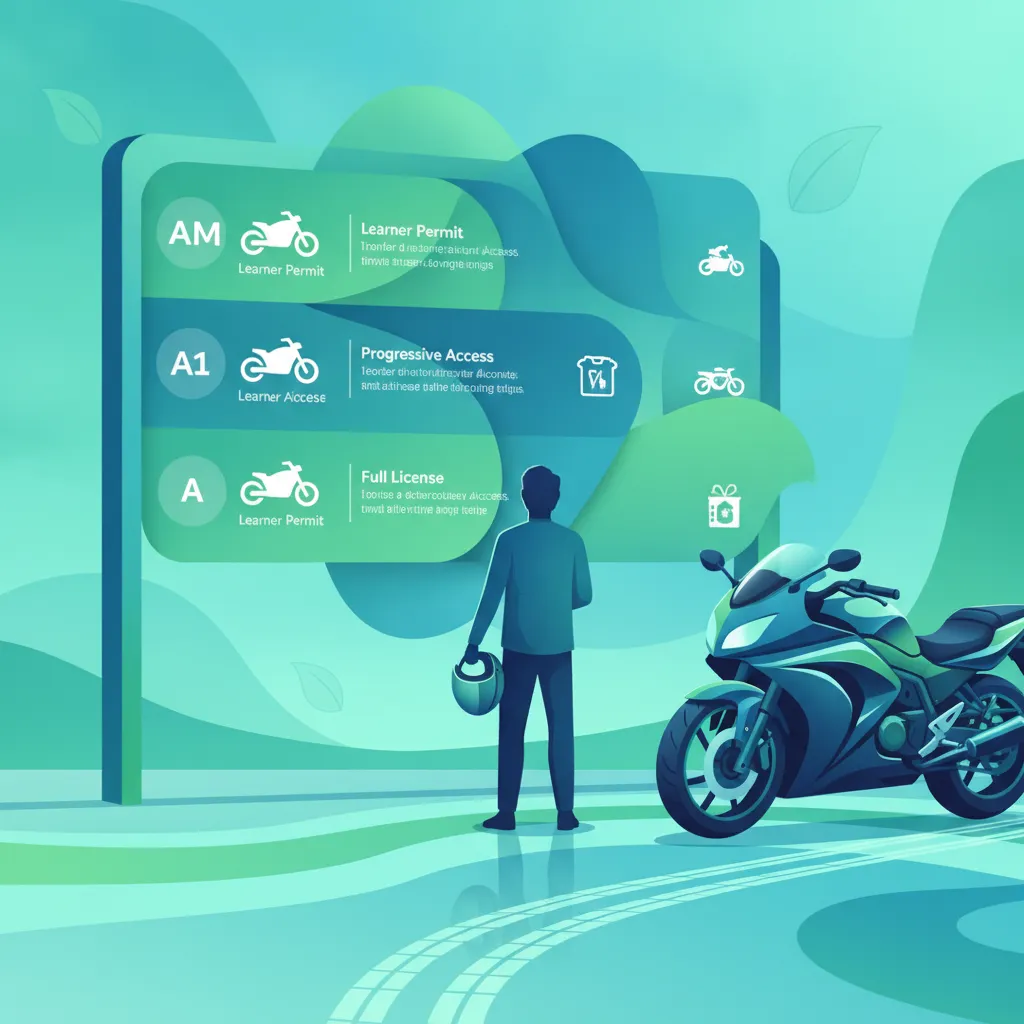
This lesson provides the foundational knowledge required for the Category A motorcycle family in Ireland. It explores the specific legal thresholds and power-to-weight ratios for A1, A2, and A licences, helping you understand which vehicles you are permitted to ride before you step into the test centre.
Lesson content overview
To ride a motorcycle on public roads in Ireland, you must understand the graduated licensing system managed by the Road Safety Authority (RSA). This system is designed with a clear safety objective: to ensure that riders gain sufficient experience on lighter, less powerful motorcycles before progressing to high-performance machines.
By tying licence categories to age, engine capacity, power output, and power-to-weight ratios, the Irish licensing framework reduces the risk of serious accidents among younger or less experienced riders. This lesson covers the definitions, technical parameters, and legal pathways for the A1, A2, and Category A motorcycle licences in Ireland.
Before looking at individual licence categories, you must understand the three technical metrics that define which motorcycles you are legally permitted to ride. Law enforcement and the RSA use these limits to classify vehicles.
Measured in cubic centimetres (cc), this represents the total volume of the engine's cylinders. While historically the primary way to classify motorcycles, engine capacity alone is no longer sufficient to determine licence compliance because modern engineering allows small engines to produce high power.
Measured in Kilowatts (kW), this represents the maximum power the engine can deliver. For context, 1 kW is roughly equal to 1.34 horsepower (hp). Power limits prevent inexperienced riders from operating bikes that can accelerate too quickly for their hazard-perception and vehicle-control skills.
Measured in Kilowatts per kilogram (kW/kg), this is the most critical safety metric. It is calculated by dividing the motorcycle’s power output by its kerb weight (mass of the vehicle in running order).
The ratio of a motorcycle's power output (in kW) to its unladen mass (in kg). It determines the vehicle's real-world acceleration and performance capabilities, preventing highly lightweight bikes from having disproportionately fast acceleration.
If a motorcycle is extremely light, even a moderate power output can make it dangerously fast. The power-to-weight ratio limits prevent manufacturers or riders from stripping weight off a motorcycle to bypass power restrictions.
The Category A1 licence is the entry-point category for younger riders and those seeking light, fuel-efficient transportation, typically in urban environments.
To legally operate a vehicle under a Category A1 licence, the motorcycle must meet all of the following conditions:
A1-category motorcycles are ideal for commuting and low-speed urban environments. They are lighter, highly maneuverable, and easier to control, making them excellent training tools for developing physical rider skills like balance, clutch control, and road positioning.
The Common 125 cc Trap: Many learner riders assume that any 125 cc motorcycle is legal on an A1 licence. This is incorrect. Some high-performance, two-stroke 125 cc motorcycles produce over 20 kW of power, and highly lightweight sports 125 cc models can easily exceed the 0.1 kW/kg power-to-weight ratio. You must check both the kW output and the kW/kg ratio on the vehicle's registration certificate (V5C equivalent) before riding.
The Category A2 licence is designed for intermediate riders. It allows access to mid-range motorcycles suitable for highway speeds, commuting, and longer journeys, while still enforcing limits that prevent riders from handling super-sports machines.
To legally operate a vehicle under a Category A2 licence, the motorcycle must meet the following criteria:
The "double its power" or derivation rule is a critical anti-tampering and safety measure. Under Irish law, you cannot take a high-powered superbike (for example, a 100 kW sports bike), mechanically restrict it down to 35 kW, and ride it on an A2 licence.
The original, unrestricted manufacturer version of the motorcycle must not exceed 70 kW. This rule ensures that the frame, brakes, suspension, and overall weight of the bike are balanced for mid-range power outputs, preventing riders from managing heavy, complex chassis designed for track-level performance.
A Category A licence is a full, unrestricted motorcycle licence. Holders of this licence can ride any motorcycle of any engine capacity, weight, or power output on public roads, including high-performance superbikes and heavy touring motorcycles.
Ireland provides two distinct training and licensing pathways to ensure that riders who operate high-powered machinery are qualified to do so safely. These pathways are known as Progressive Access and Direct Entry.
Progressive access rewards real-world riding experience. It allows younger riders to ride high-powered bikes earlier by proving their competence over time on lower-powered machines.
Obtain Category A2: At age 18 or older, complete the required driver theory test, complete your initial rider training, and pass your practical driving test on an A2 motorcycle.
Gain Experience: Ride on your full Category A2 licence for a minimum of two consecutive years. This develops muscle memory, hazard perception, and defensive riding habits.
Upgrade to Category A: At age 20 (having held the A2 licence for 2 years), you can progress to a full Category A licence by completing a specific practical training progression module or passing an additional practical driving test on a Category A motorcycle.
The Direct Entry route is designed for mature riders who did not complete the progressive tiers at an earlier age. Because these riders lack years of structured on-road motorcycle experience, they must meet a higher minimum age threshold.
Age Requirement: You must be at least 24 years of age.
Theory Test: Pass the Category A motorcycle driver theory test.
Compulsory Basic Training: Complete the mandatory initial training syllabus. In Ireland, this is officially known as Initial Basic Training (IBT), which provides foundational training in machine handling, road positioning, and defensive riding.
Practical Test: Pass the official RSA practical driving test on a representative Category A motorcycle (producing at least 50 kW and weighing at least 175 kg).
Before practicing on public roads, all learner riders must obtain a learner permit. While riding on a learner permit, you are subject to strict conditions designed to keep you and other road users safe.
A learner rider must only ride a motorcycle that is compatible with the specific category of learner permit they hold. These are referred to as Learner Allowance Motorcycles (LAM).
Your training motorcycle must meet the exact engine size, power output, and power-to-weight ratios of your permit category. The vehicle specifications must be verifiable, and you are not permitted to carry a passenger or ride on motorways while on a learner permit.
Navigating the legal limits of motorcycle licensing can be complex. Below are several critical edge cases and common mistakes made by riders in Ireland.
A common violation is riding a motorcycle that has been restricted to 35 kW but lacks the official, certified restriction paperwork, or where the restriction was done improperly. If the restriction kit is removed or is not officially certified on the registration document, the motorcycle is legally treated as an unrestricted Category A bike. If an A2 rider is caught riding it, they can be prosecuted for driving without a licence and driving without insurance.
Learner permit holders (A1, A2, or A) are strictly prohibited from carrying pillion passengers. This rule remains in place regardless of the engine size or the rider's age. Only fully licensed riders who have passed their practical driving test for that specific category may carry a passenger.
Some modern electric motorcycles or highly tuned two-stroke bikes have low overall weights. A motorcycle might have a legal power output of only 11 kW (seemingly A1 compliant) but weigh only 80 kg. Because exceeds the A1 limit of , this bike cannot be ridden on an A1 permit, even though its engine equivalents are small.
The table below summarizes the key differences between the three main motorcycle licence categories in Ireland:
| Licence Category | Minimum Age | Maximum Engine Capacity | Maximum Power Output | Maximum Power-to-Weight Ratio | Special Conditions |
|---|---|---|---|---|---|
| A1 | 16 Years | 125 cc | 11 kW (14.7 hp) | 0.1 kW/kg | Suitable for light urban bikes. |
| A2 | 18 Years | No limit | 35 kW (47 hp) | 0.2 kW/kg | Must not be derived from a bike > 70 kW. |
| Category A | 20 (Progressive) 24 (Direct Entry) | No limit | No limit | No limit | Unrestricted access to all motorcycles. |
The RSA's graduated licensing structure is grounded in safety research. Motorcycles require a high degree of physical coordination, balance, and cognitive split-attention processing.
High-powered motorcycles accelerate rapidly. This reduces the time a rider has to identify a hazard, evaluate risks, and execute defensive maneuvers. By restricting younger, less experienced riders to lower-powered bikes, the system:
Understanding these categories ensures you remain fully legal, properly insured, and matched with a motorcycle that fits your level of training and cognitive experience on Irish roads.
This lesson covers the three-tiered Irish motorcycle licence system managed by the RSA: A1 for light motorcycles up to 125cc with strict power limits for riders aged 16+, A2 for mid-range bikes up to 35 kW with the critical derivation rule for riders aged 18+, and unrestricted Category A achievable at age 20 via progressive access or age 24 via direct entry. The power-to-weight ratio is the most important metric for compliance because it prevents riders from legally operating lightweight but high-accelerating motorcycles. Understanding these specifications is essential for passing the Driver Theory Test and for choosing a legally compliant motorcycle that matches your licence category, keeping you safe and insured on Irish roads.
A short set of high-value points that capture the most important learning from this lesson.
A1 licence permits motorcycles up to 125cc with maximum 11 kW power and 0.1 kW/kg ratio; riders must be at least 16 years old
A2 licence allows motorcycles up to 35 kW with 0.2 kW/kg ratio and must not be derived from a bike exceeding 70 kW original power
Category A licence is unrestricted but requires age 20 with progressive access (after holding A2 for 2 years) or age 24 via direct entry
The power-to-weight ratio (kW/kg) is the most critical safety metric because it prevents lightweight bikes with high power from bypassing restrictions
All learner permit holders cannot carry passengers or ride on motorways regardless of their licence category
Explore all units and lessons included in this driving theory course.
Not all 125cc motorcycles are legal for A1 riders; some high-performance two-stroke models exceed the 11 kW and 0.1 kW/kg limits
The derivation rule means an A2 rider cannot legally ride a superbike that was restricted from 100 kW to 35 kW because the original exceeded 70 kW
Power-to-weight ratio is calculated by dividing power output (kW) by kerb weight (kg); always verify both figures on the registration document
Progressive access allows Category A at age 20 after holding A2 for 2 years; direct entry requires age 24 and full testing on a bike producing at least 50 kW
Learner Allowance Motorcycles (LAM) must meet exact specifications for your permit category and have verifiable documentation
Assuming any 125cc motorcycle is legal for A1 riders without checking actual power output and power-to-weight ratio
Believing that a mechanically restricted high-powered superbike is legal for A2 if the restriction kit is not officially certified on the registration document
Overlooking the power-to-weight ratio on lightweight motorcycles that may appear compliant based on engine size alone
Attempting to carry passengers on a learner permit, which is prohibited regardless of the rider's age or experience
Confusing the two pathways to Category A; progressive access requires holding A2 for 2 years before upgrading at age 20, not simply being 20 years old
Lesson content overview
A short set of high-value points that capture the most important learning from this lesson.
A1 licence permits motorcycles up to 125cc with maximum 11 kW power and 0.1 kW/kg ratio; riders must be at least 16 years old
A2 licence allows motorcycles up to 35 kW with 0.2 kW/kg ratio and must not be derived from a bike exceeding 70 kW original power
Category A licence is unrestricted but requires age 20 with progressive access (after holding A2 for 2 years) or age 24 via direct entry
The power-to-weight ratio (kW/kg) is the most critical safety metric because it prevents lightweight bikes with high power from bypassing restrictions
All learner permit holders cannot carry passengers or ride on motorways regardless of their licence category
Explore all units and lessons included in this driving theory course.
Not all 125cc motorcycles are legal for A1 riders; some high-performance two-stroke models exceed the 11 kW and 0.1 kW/kg limits
The derivation rule means an A2 rider cannot legally ride a superbike that was restricted from 100 kW to 35 kW because the original exceeded 70 kW
Power-to-weight ratio is calculated by dividing power output (kW) by kerb weight (kg); always verify both figures on the registration document
Progressive access allows Category A at age 20 after holding A2 for 2 years; direct entry requires age 24 and full testing on a bike producing at least 50 kW
Learner Allowance Motorcycles (LAM) must meet exact specifications for your permit category and have verifiable documentation
Assuming any 125cc motorcycle is legal for A1 riders without checking actual power output and power-to-weight ratio
Believing that a mechanically restricted high-powered superbike is legal for A2 if the restriction kit is not officially certified on the registration document
Overlooking the power-to-weight ratio on lightweight motorcycles that may appear compliant based on engine size alone
Attempting to carry passengers on a learner permit, which is prohibited regardless of the rider's age or experience
Confusing the two pathways to Category A; progressive access requires holding A2 for 2 years before upgrading at age 20, not simply being 20 years old
Explore search topics learners often look for when studying Overview of Irish Motorcycle Licences. These topics reflect common questions about road rules, driving situations, safety guidance, and lesson level theory preparation for learners in Ireland.
Browse additional driving theory lessons that cover connected traffic rules, road signs, and common driving situations related to this topic. Improve your understanding of how different rules interact across everyday traffic scenarios.
Learn about the legal obligations for Irish motorcyclists, including insurance requirements, roadworthiness standards, and the implications of the penalty point system. This lesson provides an overview of your responsibilities as a permit holder and a fully licensed rider according to official Road Safety Authority standards.
This lesson explains the foundational legal obligations of motorcyclists under Irish road traffic legislation and the official Rules of the Road. It covers mandatory compliance with speed limits, correct signalling protocols, and strict adherence to lane discipline and right-of-way laws. Riders will gain a comprehensive understanding of the legal consequences and safety risks associated with traffic violations.
This lesson details the legal requirements for motorcycle insurance under Irish law, emphasizing the absolute necessity of holding valid third-party cover. It outlines the rider's responsibility to maintain their motorcycle in a completely roadworthy condition, focusing on critical safety components like tyres, brakes, and lights. Learners will examine how mechanical failures and non-compliance with maintenance standards compromise legal eligibility and safety.

This lesson details the legal consequences of non-compliance with Irish road traffic laws, focusing on fixed charge notices, fines, and court prosecutions. It explains how persistent traffic violations can lead to mandatory licence disqualification, vehicle seizure, and soaring insurance premiums. Motorcyclists will learn about the serious long-term impact that a criminal driving record has on employment.

This lesson explains the compulsory insurance requirements for operating a moped or light quadricycle on public Irish roads. It clarifies that while Category AM vehicles are exempt from the National Car Test, they must still be registered and taxed. Learners will study third-party liability limits and the legal penalties associated with driving uninsured.

This lesson details the statutory rules governing learner permit holders, including compulsory safety gear and vehicle roadworthiness standards. Riders must understand the requirement for high-visibility clothing, functioning warning devices, and compliance with the official Rules of the Road. Safe riding habits are established by strictly adhering to these RSA standards.
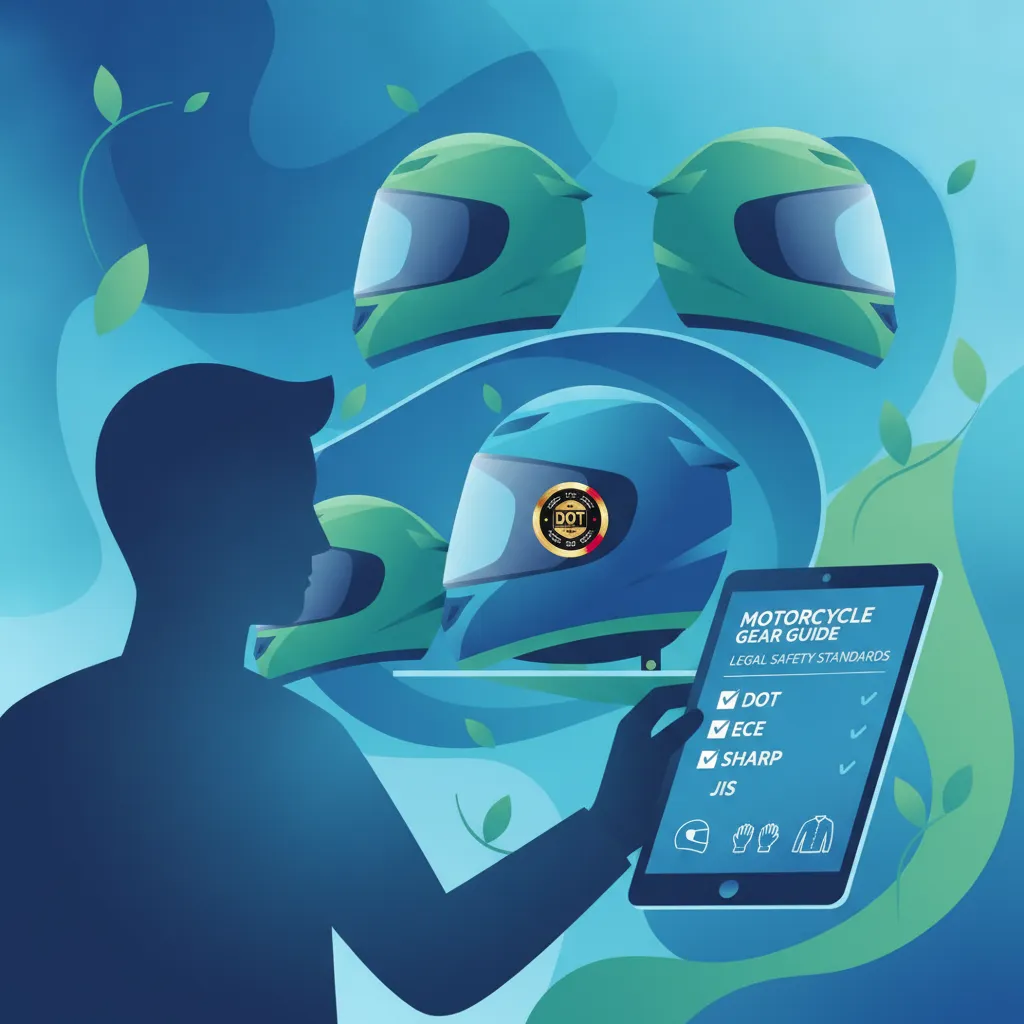
This lesson describes the legal obligations regarding motorcycle helmets in Ireland, detailing safety certifications like ECE 22.05 or 22.06. It explains the differences between full-face, modular, and open-face helmets, emphasizing how impact absorption protects the head. Motorcyclists will learn how to verify a secure chin-strap fit and inspect helmets for structural damage after any minor drop.

This lesson covers the rules governing zebra, pelican, and toucan pedestrian crossings, focusing on driver obligations and rider safety. It details how to interact safely with cyclists, personal mobility devices, and pedestrians in busy urban sectors. Motorcyclists will learn to scan pavement edges, yield right-of-way, and maintain safe overtaking distances when passing slower road users.

This lesson identifies prevalent risky behaviours among motorcyclists, including speeding, tailgating, and reckless riding under the influence of alcohol or drugs. Learners will understand the associated penalties, legal implications, and the impact of fatigue and peer pressure on decision-making, following RSA and Irish legal frameworks.
Understand the core principles of rider attitude and safe road behaviour within the Irish driving theory framework. This lesson explores how mindset influences risk perception, hazard awareness, and defensive riding habits, helping you transition from a learner permit holder to a competent and responsible road user.

This lesson analyzes the crucial role of rider attitude, mental focus, and psychological factors in preventing motorcycle collisions on Irish roads. It addresses how overconfidence, fatigue, and peer pressure can negatively impact a rider's decision-making process and elevate risk levels. Motorcyclists will explore strategies to maintain a defensive mindset, exercise patience, and practice active situational awareness under all traffic conditions.

This lesson teaches how to cultivate a proactive defensive riding mindset, focusing on situational awareness and constant hazard scanning. It describes the system of motorcycle control, encouraging riders to anticipate potential mistakes from other drivers, pedestrians, and cyclists. Motorcyclists will learn to position themselves defensively, leaving clear escape routes in all driving environments.
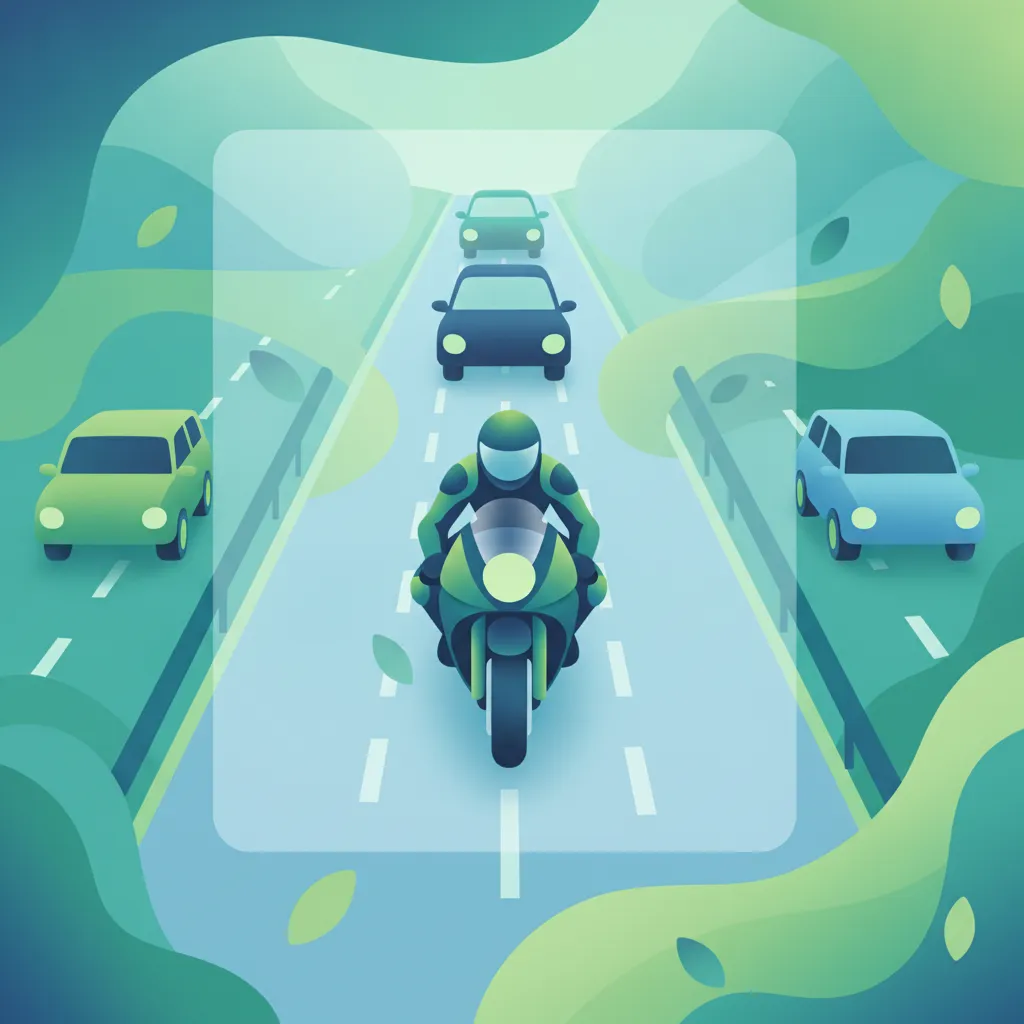
This lesson teaches riders how to create and preserve a protective safety envelope around their motorcycle under various traffic densities. It explains the two-second rule for dry conditions and how to expand this buffer zone in adverse weather or heavy traffic. Motorcyclists will learn to manage tailgaters by gradually increasing their following distance from the vehicle ahead to prevent sudden braking.
This lesson identifies prevalent risky behaviours among motorcyclists, including speeding, tailgating, and reckless riding under the influence of alcohol or drugs. Learners will understand the associated penalties, legal implications, and the impact of fatigue and peer pressure on decision-making, following RSA and Irish legal frameworks.

This lesson teaches riders how to actively identify and eliminate blind spots through proper mirror adjustment and physical shoulder checks. It explains the concept of a safety cushion, which represents the defensive space maintained around the moped at all times. Managing these zones ensures adequate reaction time and mitigates the impact of sudden braking.

This lesson highlights the importance of smooth throttle adjustments for maintaining traction and stability on a moped. It teaches riders how to anticipate potential road hazards early, reducing the need for sudden emergency braking. Developing strong observation habits allows riders to adjust their speed smoothly and respond safely to traffic changes.
This lesson covers the strategic aspects of journey management, emphasizing the safety benefits of proactive route planning and weather checks. It teaches riders how to select safer roads, avoid high-congestion zones during rush hour, and schedule regular rest intervals. Motorcyclists will learn to pack essential tools, emergency contacts, and spare safety gear to remain prepared for any roadside situation.

This lesson provides actionable strategies for Category AM riders to remain visible, focusing on lane positioning and eye contact. It teaches how to avoid riding in the blind spots of larger vehicles and how to signal early and clearly. Cultivating a proactive attitude toward road visibility helps prevent collisions and builds mutual respect on Irish roads.
This lesson covers the causes of front and rear-wheel skids and teaches the correct physical responses to regain control and stability. It describes how to recover from lockups caused by excessive braking or sudden downshifts on low-traction surfaces. Motorcyclists will learn how to react calmly during sudden deceleration events, maintaining straight-line stability under extreme pressure.

This lesson explains how correct body position, lean angle, and speed selection combine to ensure safe and stable cornering on winding roads. It teaches the proper use of eye focus, looking through the turn toward the intended exit path to stabilize steering. Motorcyclists will learn to select appropriate entry lines and manage their throttle smoothly to maintain suspension stability.
Find clear answers to common questions learners have about Overview of Irish Motorcycle Licences. Learn how the lesson is structured, which driving theory objectives it supports, and how it fits into the overall learning path of units and curriculum progression in Ireland. These explanations help you understand key concepts, lesson flow, and exam focused study goals.
These categories are based on engine power and power-to-weight ratios. A1 is the entry-level for light motorcycles, A2 covers mid-range motorcycles, and Category A is the full, unrestricted motorcycle licence.
No, your learner permit restricts you to the specific category you have applied for. You must adhere strictly to the engine power limits defined for your permit category to remain legally compliant.
The progressive access route allows you to move to a higher category licence after holding your current licence for a set period and completing the required training or testing, rather than waiting for age-based direct entry.
Yes, the theory test often includes questions on these limits. You should know the specific kilowatt (kW) thresholds for A1 and A2 categories as defined by the Road Safety Authority.
Use the practice question search tool to pinpoint specific topics, road signs, or rules you need to master for your official Driver Theory Test. Refine your study strategy and ensure comprehensive preparation for all aspects of the Irish driving exam. Start your focused revision now and build confidence for your learner permit test.