This lesson explores the essential care, communication, and safety procedures required when transporting vulnerable passengers in Category D vehicles. You will learn how to properly assist passengers with disabilities, manage the specific needs of children and the elderly, and maintain professional dignity while ensuring vehicle safety. This knowledge is vital for both your theory exam success and your ongoing professional responsibilities as a bus or coach driver.
Lesson content overview
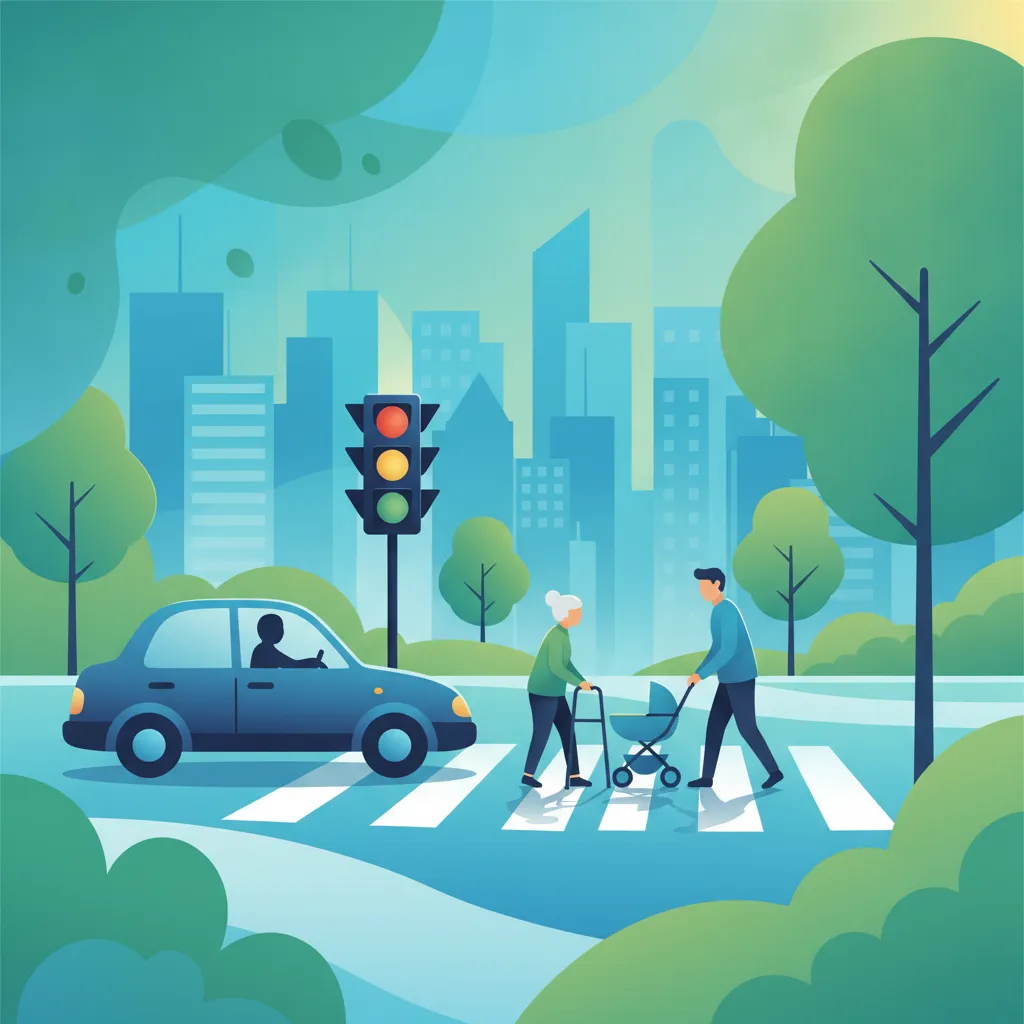
Operating a passenger vehicle, such as a large bus (Category D) or a minibus (Category D1) in Ireland, involves far more than physical vehicle handling. As a professional driver, your core duty is the safe, comfortable, and dignified transport of all passengers. Among those you will carry, vulnerable passengers—specifically children, elderly citizens, and individuals with physical, sensory, or cognitive disabilities—require specialized care, communication, and physical adjustments to your driving style.
The Road Safety Authority (RSA) emphasizes that transport services must be inclusive, accessible, and safe. Understanding how to interact with vulnerable passengers is not only a matter of legal compliance but also a foundational element of professional driver conduct. This lesson covers safe boarding techniques, wheelchair-accessible vehicle setups, hidden disabilities, and the physical principles of passenger safety.
To provide a high-quality service, professional drivers must anchor their daily operations in several fundamental principles. These principles help mitigate the inherent risks of passenger transport and ensure that all individuals are treated with equal respect.
Every passenger has a right to travel safely without feeling like a burden to the driver or other passengers. Empathy is the practical tool that allows you to anticipate needs and understand the anxiety or physical difficulty a passenger might experience. Professional conduct means maintaining a calm, reassuring demeanor, even during peak-hour delays, and communicating without patronizing or rushing anyone.
The moments when passengers enter (board) and exit (alight) the vehicle are when they are most exposed to physical hazards, such as slips, trips, and falls. Ensuring the vehicle is securely parked close to the kerb, deploying boarding aids properly, and checking that passengers are safely seated before moving are critical steps to prevent accidents.
Modern Category D vehicles are equipped with specialized features to assist passengers with reduced mobility. These include:
As a professional driver, you must verify that all accessibility features are fully functional during your daily walk-around check before entering service.
Children present unique safety and behavioral challenges on public passenger vehicles. Because they are still developing their cognitive and physical skills, they are less aware of traffic dangers and can behave unpredictably.
When operating school transport services or general public routes, you must distinguish between supervised and unaccompanied children:
Children must remain seated at all times while the vehicle is in motion. Moving around the bus can lead to severe injuries during sudden braking or turning maneuvers.
Safety Alert: Children must never be allowed to play with or stand near emergency exit doors, hammers, or vehicle controls. A child pulling an emergency door release while the bus is at speed can cause a catastrophic accident.
When instructing children on safety rules, use clear, simple language and a calm, authoritative but non-threatening tone.
The practice of managing passenger behavior, particularly noise levels and movement, to ensure the driver can maintain undivided attention on the road ahead.
The elderly population in Ireland relies heavily on public and community transport to maintain independence. Aging can bring a combination of physical, sensory, and cognitive changes that require driver awareness and patience.
When carrying elderly passengers, your physical driving style must adapt. Harsh acceleration, sharp cornering, and abrupt braking can easily throw an older passenger off balance, even if they are attempting to hold onto handrails.
Always wait until an elderly passenger is completely seated before releasing the handbrake and pulling away from a bus stop. When preparing to stop, do not decelerate sharply; give passengers ample time to prepare for alighting without forcing them to stand while the bus is still moving at speed.
Under Irish equality legislation (such as the Equal Status Acts), transport operators must make reasonable accommodations for disabled passengers. Disabilities can be physical, sensory, or cognitive, and each requires a tailored professional approach.
The driver is responsible for deploying the ramp and ensuring the wheelchair is safely secured in the designated space.
Position the Vehicle: Pull up parallel and as close to the kerb as possible. Lower the kneeling suspension if equipped.
Deploy the Ramp: Activate the automatic ramp or manually deploy it, ensuring the end rests stably on a flat, non-slip section of the pavement.
Clear the Space: Ensure the designated wheelchair bay is clear of other passengers, luggage, or pushchairs.
Supervise or Assist Boarding: Guide the passenger up the ramp. If assisting physically, ensure you maintain proper manual handling posture to avoid personal injury.
Position and Secure: The wheelchair must be positioned facing backward against the padded backrest. Apply the wheelchair's brakes.
Use Wheelchair Securing Belts: If the vehicle is equipped with specific restraint belts, secure them to the designated floor anchor points and the wheelchair frame to prevent movement.
Physics of Unsecured Loads: In a collision or emergency braking event at 50 km/h, an unsecured wheelchair and occupant will continue moving forward with immense momentum, posing a fatal threat to both themselves and other passengers. Proper securement is non-negotiable.
Many disabilities are not immediately obvious to an observer. Conditions such as autism spectrum disorders, chronic pain, brain injuries, dementia, and post-traumatic stress disorder (PTSD) can significantly impact a person's ability to travel comfortably on public transport.
In Ireland, many passengers with hidden disabilities use the Sunflower Lanyard or carry assistance cards to discreetly indicate they may require extra time, patience, or assistance.
As a professional driver, look out for subtle signs of distress or difficulty, such as:
If a passenger appears overwhelmed or anxious, offer assistance quietly and privately. Avoid drawing unnecessary attention to them. If the vehicle is crowded, try to ensure they have access to a quieter seat, away from the engine noise or crowded exit doors.
Professional passenger carriage is strictly regulated in Ireland. Violating these rules can lead to severe penalties, loss of your Driver CPC (Certificate of Professional Competence), and prosecution under equality and safety laws.
Drivers must actively assist mobility-impaired passengers in boarding and alighting. You must remain with the ramp until the passenger is safely on or off the vehicle. Leaving a ramp unattended while a passenger is using it constitutes a major safety violation.
Seats designated as "Priority Seats" (usually located near the front doors with clear signage) must be kept free for passengers with disabilities, elderly passengers, pregnant women, or those with temporary injuries. While general passengers may sit there when the bus is empty, you must politely request that they yield these seats if a vulnerable passenger boards.
The designated wheelchair space on a bus is legally reserved for wheelchair users. While pushchairs or folded luggage may sometimes occupy this space when empty, they must be folded or relocated immediately if a wheelchair user wishes to board. The wheelchair user has absolute priority over this space.
Your physical control of a Category D or D1 vehicle must adapt dynamically to protect your vulnerable passengers under changing external conditions.
Low light levels make it harder for visually impaired passengers to see steps. Ensure your vehicle's interior step lights and entryway spotlights are switched on. When boarding or alighting at night, position the bus so that passengers step onto a well-lit area of the pavement rather than into dark shadows.
During busy commuter periods, overcrowding can create a hazardous environment for vulnerable passengers. Do not allow passengers to stand in the designated wheelchair space, stairwells, or ahead of the driver’s cab barrier. Ensure that the movement of boarding and alighting passengers does not push or jostle children or elderly occupants.
To succeed in your Irish Driver Theory Test and daily operations, you must be familiar with the following key terms:
Transporting vulnerable passengers successfully relies on a combination of mechanical safety systems (ramps, belts, suspension) and human factors (patience, smooth driving, clear communication). By understanding the physical challenges faced by children, the elderly, and those with visible or hidden disabilities, you can adjust your driving and passenger management to prevent injuries, reduce anxiety, and ensure a safe journey for all.
Explore all units and lessons included in this driving theory course.
Lesson content overview
Explore all units and lessons included in this driving theory course.
Explore search topics learners often look for when studying Interaction with Children, Elderly and Disabled Passengers. These topics reflect common questions about road rules, driving situations, safety guidance, and lesson level theory preparation for learners in Ireland.
Browse additional driving theory lessons that cover connected traffic rules, road signs, and common driving situations related to this topic. Improve your understanding of how different rules interact across everyday traffic scenarios.
Learn the essential safety procedures for approaching bus stops and assisting passengers during boarding and alighting. This guide covers legal requirements for using kneeling suspension, deploying ramps, and ensuring passenger safety during vehicle entry and exit to prevent common accidents in urban and rural environments.

Passenger boarding and exiting periods represent a highly critical operational window where slip and fall injuries frequently occur. This lesson outlines safe door opening procedures, the deployment of mechanical boarding steps, and proper handrail holding instructions. Drivers will learn to supervise passenger flow, ensuring passengers clear the immediate exit area before the bus begins moving.
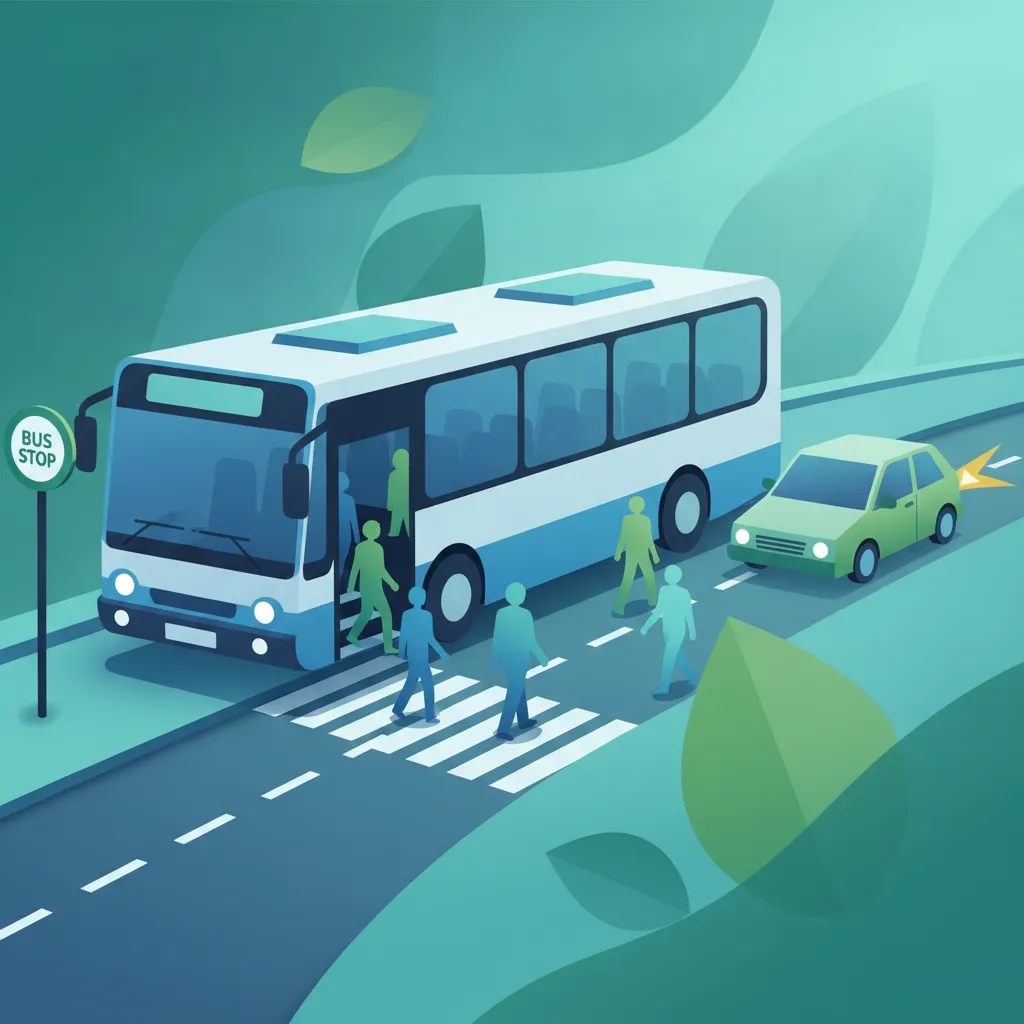
Approaching and exiting a public bus stop requires strategic signaling, careful speed management, and clean alignment with the passenger curb. This lesson teaches drivers how to read oncoming curb hazards, position the vehicle parallel to the curb, and leave safe exit clearances. Drivers will learn to safely integrate back into urban traffic flow while prioritizing passenger stability and comfort.
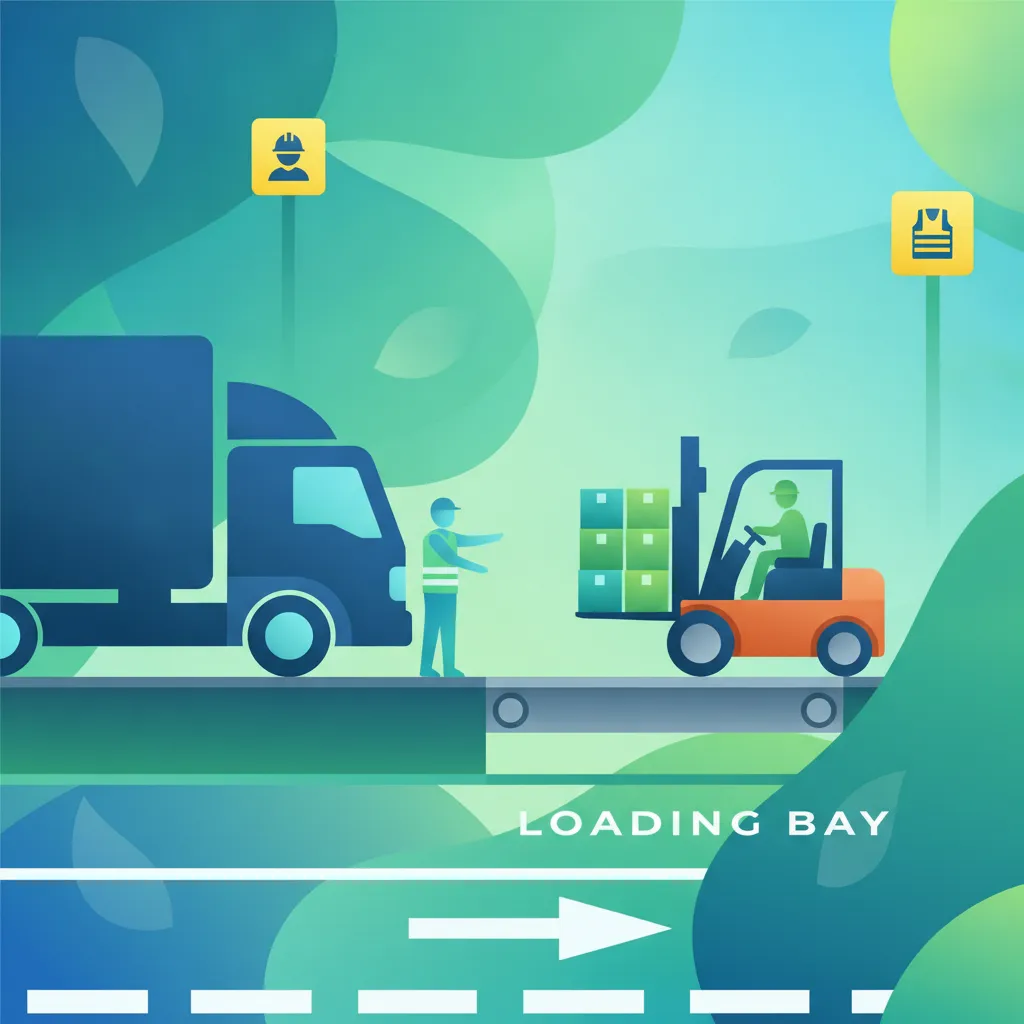
Entering busy coach terminals and motorway service stations requires slow speeds and close monitoring of passenger walking paths. This lesson addresses safe parking bay entry, utilizing public facilities during breaks, and coordinating with terminal dispatchers. Drivers will learn safety rules for securing the vehicle, ensuring passenger boarding areas remain free of physical hazards.

Bus stops often intersect with designated bicycle lanes and busy walking pathways, creating high-risk conflict areas for drivers. This lesson trains drivers to check blind spots for oncoming cyclists before pulling into or exiting public stop bays. It emphasizes yielding right-of-way to passengers crossing the road, preventing collision risks in active urban transport hubs.

Bus terminals and central transport hubs are highly congested environments with dense pedestrian traffic and tight vehicle maneuver spaces. This lesson addresses terminal speed limits, reversing protocols, passenger queue management, and the coordination of scheduled departures. Drivers will learn how to navigate passenger platforms safely without causing service delays or compromising safety.
Standing passengers face heightened safety risks due to sudden changes in bus velocity, turning forces, or abrupt stops. This lesson covers maximum standing capacity regulations, correct passenger distribution, and the importance of active handrail utilization. Drivers will learn how to adjust their braking and acceleration patterns to prevent slips, trips, and falls among standing occupants.

Sudden or jerky vehicle movements can cause immediate discomfort or direct physical injuries to onboard passengers, particularly standing occupants. This lesson teaches progressive throttle control, gradual gear shifts, and smooth steering inputs that stabilize the heavy vehicle body. Drivers will master the technique of progressive braking to ensure comfortable, safe slowing actions at junctions.

Maintaining cabin discipline is critical for preventing driver distractions and ensuring passenger transit remains completely safe and comfortable. This lesson teaches conflict resolution, proactive de-escalation techniques, and the roles of specialized escorts on school or medical transport. Drivers will learn to assess security threats on board and apply the appropriate response protocols under Irish laws.
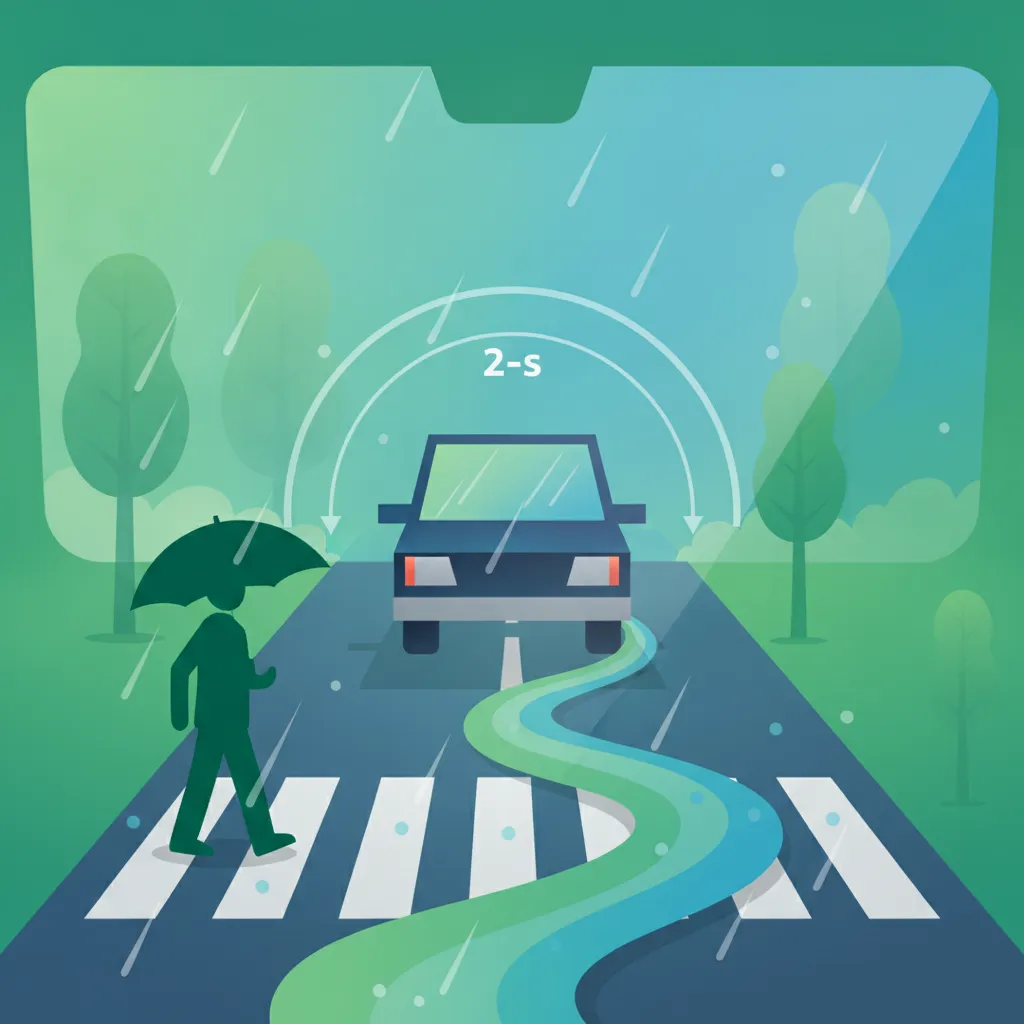
Maintaining an extensive buffer zone ahead of a large passenger vehicle is critical to ensuring enough space for emergency maneuvers. This lesson teaches the time-gap method, detailing how following distances must double on wet roads or increase with full passenger loads. It builds hazard anticipation skills, teaching drivers to read distant traffic cues and react early to hazards.
Clear and concise driver-to-passenger communication improves travel safety, maintains order, and fosters a positive public transit experience. This lesson outlines correct signal timing, clear vocal announcements, and the legal placement of bilingual Irish and English signs inside vehicles. It trains drivers in effective emergency broadcasting and provides guidelines on delivering routine operational delays calmly.
Understand the professional responsibilities of a bus driver regarding passenger behavior management and emergency preparedness. This guide explores strategies for preventing distractions, ensuring proper seating, managing emergency exits, and maintaining a secure environment for passengers during both routine and challenging traffic conditions.
Standing passengers face heightened safety risks due to sudden changes in bus velocity, turning forces, or abrupt stops. This lesson covers maximum standing capacity regulations, correct passenger distribution, and the importance of active handrail utilization. Drivers will learn how to adjust their braking and acceleration patterns to prevent slips, trips, and falls among standing occupants.
Passenger boarding and exiting periods represent a highly critical operational window where slip and fall injuries frequently occur. This lesson outlines safe door opening procedures, the deployment of mechanical boarding steps, and proper handrail holding instructions. Drivers will learn to supervise passenger flow, ensuring passengers clear the immediate exit area before the bus begins moving.
Maintaining high levels of passenger satisfaction requires proactive management of the vehicle internal environment and driving style. This lesson teaches drivers how to control internal heating and ventilation systems, minimize harsh vibrations, and communicate route updates professionally. By optimizing passenger comfort, drivers prevent travel anxiety, reduce motion sickness, and deliver high-quality public service.

Evacuating a coach or bus requires quick, decisive leadership, structured directions, and full use of onboard emergency exits. This lesson details the exact location and operation of emergency glass-breakers, roof hatches, and manual door release systems. Drivers will study crowd management techniques to prevent panic, ensuring all passengers gather at a safe distance from the vehicle.
Sudden or jerky vehicle movements can cause immediate discomfort or direct physical injuries to onboard passengers, particularly standing occupants. This lesson teaches progressive throttle control, gradual gear shifts, and smooth steering inputs that stabilize the heavy vehicle body. Drivers will master the technique of progressive braking to ensure comfortable, safe slowing actions at junctions.
Maintaining cabin discipline is critical for preventing driver distractions and ensuring passenger transit remains completely safe and comfortable. This lesson teaches conflict resolution, proactive de-escalation techniques, and the roles of specialized escorts on school or medical transport. Drivers will learn to assess security threats on board and apply the appropriate response protocols under Irish laws.
Find clear answers to common questions learners have about Interaction with Children, Elderly and Disabled Passengers. Learn how the lesson is structured, which driving theory objectives it supports, and how it fits into the overall learning path of units and curriculum progression in Ireland. These explanations help you understand key concepts, lesson flow, and exam focused study goals.
Your main priority is safety and dignity. Ensure the vehicle is properly positioned at the curb, the ramp or lift is deployed correctly, and the wheelchair is secured using approved restraint systems before the vehicle moves.
While rules may vary by local operator policies, professional drivers must remain vigilant. Always monitor children carefully, ensure they are seated safely, and provide assistance if they need help navigating the bus or alighting at their stop.
Use clear, patient, and respectful language. If a passenger indicates they have a disability that is not immediately visible, listen carefully to their needs and provide any reasonable assistance required to make their journey safe and comfortable.
Yes. The Irish Driver Theory Test for Category D frequently assesses your understanding of legal requirements regarding accessibility, the operation of safety equipment for disabled passengers, and your duty of care to all road users and passengers.
Use the practice question search tool to pinpoint specific topics, road signs, or rules you need to master for your official Driver Theory Test. Refine your study strategy and ensure comprehensive preparation for all aspects of the Irish driving exam. Start your focused revision now and build confidence for your learner permit test.