
This lesson guides you through the complexities of navigating busy bus terminals and motorway service areas in Ireland. You will learn how to maintain safety during breaks, manage low-speed maneuvers, and coordinate effectively with dispatchers to keep passengers and pedestrians safe.
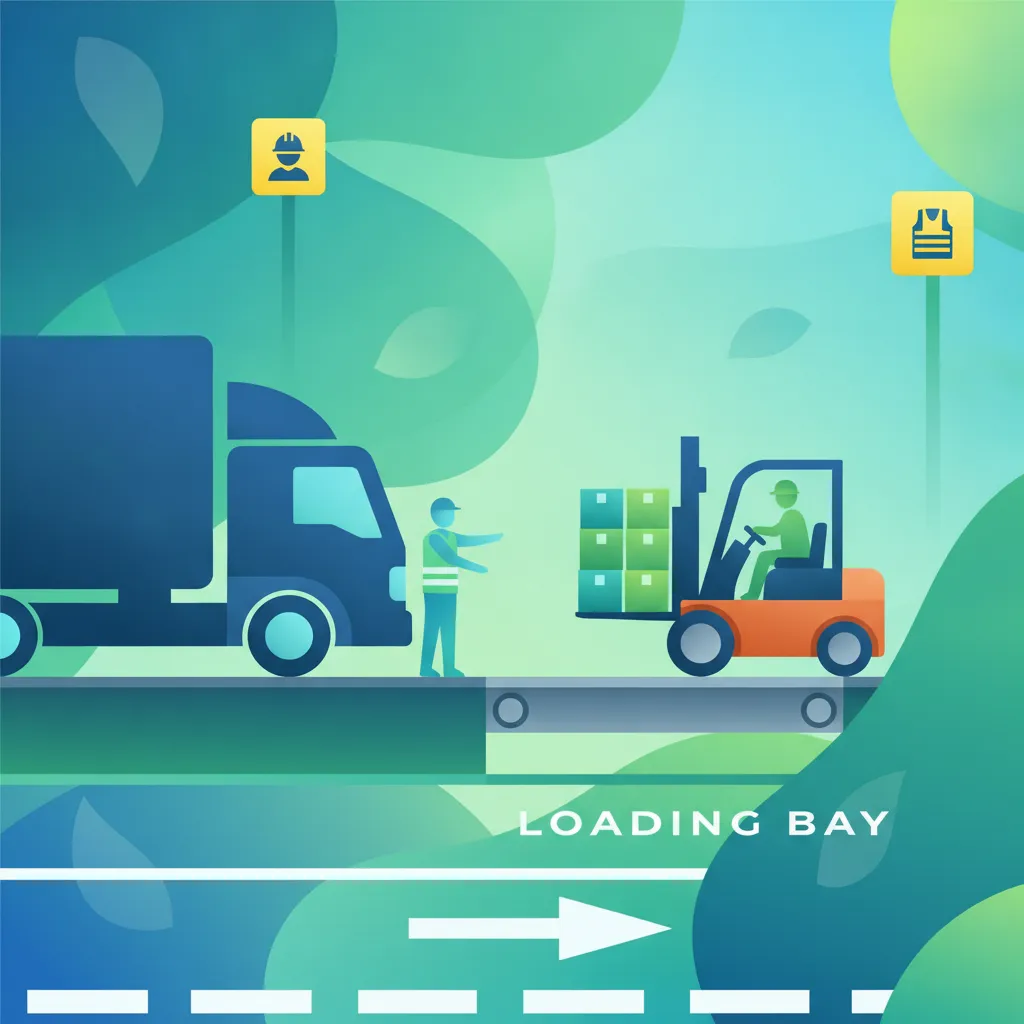
Lesson content overview
Navigating coach terminals, bus stations, and motorway service areas represents one of the most demanding aspects of driving a Category D or D1 passenger vehicle. While open-road driving requires high-speed vigilance, terminal and service area operations demand a masterclass in low-speed control, spatial awareness, and acute pedestrian observation. These areas are complex, high-density environments where large vehicles, smaller passenger cars, and vulnerable pedestrians intersect in confined spaces.
For professional drivers preparing for the Irish Driver Theory Test Category D, understanding how to manage these zones safely is vital. It ensures not only compliance with the official Rules of the Road and Road Safety Authority (RSA) guidelines but also the preservation of passenger welfare and vehicle security.
Coach terminals and motorway service stations are unique operational ecosystems. Unlike standard roadways, these environments lack uniform traffic flows. You will routinely encounter pedestrians carrying heavy luggage, children running toward amenities, distracted drivers parking passenger cars, and other heavy commercial vehicles reversing or maneuvering into tight berths.
The underlying logic of safe terminal operation is simple: assume the unexpected will happen. Because pedestrians in these zones are often focused on their travel schedules, locating facilities, or managing luggage, their situational awareness is severely compromised. As a professional driver, the responsibility of preventing collisions rests entirely with you.
The single most effective tool a passenger vehicle driver has to mitigate risk in a terminal or service area is controlled speed. When entering these off-road facilities, standard road speeds must be discarded immediately in favour of a highly controlled approach.
A highly restricted operational speed, typically between 5 km/h and 8 km/h, which matches the pace of a fast walk. Operating at this speed minimizes vehicle kinetic energy, allowing for an instantaneous stop if a hazard appears in the vehicle's path.
Operating a fully loaded coach at a walking pace dramatically alters your stopping distance. A vehicle weighing upwards of 18 tonnes requires significant braking force even at low speeds. By maintaining a speed of 5 to 8 km/h:
Reduce Speed Early: Decelerate well before the terminal or service area entrance. Shift down to a low gear (or allow the automatic transmission to select the appropriate low-speed ratio) to utilize engine braking.
Deactivate Distractions: Turn off any internal radio or public address systems. Open the driver's side window slightly to improve your ability to hear external sounds, such as reversing alarms, dispatcher whistles, or pedestrian shouts.
Select Dipped Beams: Ensure your headlights are set to dipped beams. Never use high beams or fog lights within terminal buildings or service bays, as this can blind dispatchers, other drivers, and pedestrians.
Scan from Far to Near: Continually sweep your eyes across the driving path, focusing specifically on blind spots created by parked vehicles, structural pillars, and terminal doorways.
The area immediately surrounding your vehicle during boarding and alighting is known as the Passenger Safety Zone. Managing this zone is a critical duty for any professional passenger vehicle driver.
Passengers are highly vulnerable when they are in the transition phase between the terminal building and the coach. To prevent slips, trips, falls, or catastrophic contact with a moving vehicle, drivers must adhere to strict spatial and operational rules.
Before opening the vehicle doors to allow passengers to board or alight, you must conduct a rapid but thorough visual risk assessment of the immediate platform area.
Under Irish road safety standards and passenger transport regulations, passenger doors must remain securely closed until the vehicle has come to a complete stop, the parking brake has been fully applied, and the surrounding area has been verified as safe.
Critical Safety Rule: Passengers must only enter or exit the vehicle through the designated passenger passenger doors. Never permit passengers to use emergency exits, driver-side cab doors, or rear luggage access doors for boarding or alighting, as these doors often open directly into active traffic lanes or severe blind spots.
Furthermore, you must never permit the vehicle to move—even by a few centimetres—while passengers are actively crossing between the coach and the terminal platform. If a passenger drops an item or hesitates while stepping down, any movement of the vehicle could lead to them falling under the wheels.
In busy municipal and inter-city terminals, orderly traffic movement is maintained by terminal dispatchers and marshalling staff. Successful coordination with these professionals prevents gridlock, reduces boarding delays, and minimizes the risk of low-speed collisions.
[Driver Enters Terminal]
       │
       ▼
[Establish Visual Contact with Dispatcher]
       │
       ▼
[Interpret Hand/Wand Signals]
       │
       ▼
[Acknowledge Signal (Standard Hand Gesture)]
       │
       ▼
[Execute Slow Maneuver into Assigned Bay]
Drivers must treat terminal dispatchers with the same authority as police officers or traffic wardens within the terminal boundaries.
Whether you are stopping for a brief five-minute passenger drop-off or taking a scheduled 45-minute break at an Irish motorway service area (such as those along the M1, M4, or M8), securing your vehicle is a non-negotiable professional standard. Unsecured commercial vehicles pose a severe public safety risk due to the potential for rolling or unauthorized access.
Bring the Vehicle to a Full Stop: Ensure the coach is completely stationary and parallel within the lines of the designated coach berth.
Engage the Parking Brake: Apply the handbrake (parking brake) fully. Confirm that the dashboard warning light illuminates, indicating the air-operated spring brakes have locked the wheels.
Neutralize the Transmission: Place the gearbox in Neutral (N) or Park (P) depending on the vehicle transmission type.
Shut Down the Engine: Switch off the ignition to prevent unnecessary idling, which reduces environmental emissions and prevents mechanical wear. Remove the master key or isolator key if leaving the driver’s cab.
Activate Secondary Safety Systems: If parked on an incline within a service area, turn the front wheels toward the curb or terminal wall as an added precaution against brake failure, and use wheel chocks if required by company policy.
Secure the Passenger Compartment: Ensure all windows are closed. Lock the passenger doors and the driver’s cab door before leaving the immediate vicinity of the vehicle.
While you are away from the vehicle utilizing public facilities, the coach remains your responsibility. Leaving a coach unlocked or with the engine idling is a serious regulatory violation. An unattended, running vehicle invites theft, vandalism, or accidental operation by passengers or trespassers. Always perform a quick exterior walk-around to verify that all luggage locker doors are locked shut before walking away.
Under EU tachograph and driving hours regulations, professional drivers must take mandatory rest periods. Motorway service areas and terminal lounges are designed to facilitate these breaks, allowing you to rest, hydrate, and maintain your physical well-being.
Utilizing designated facilities directly supports safe road operations by combating driver fatigue. When planning a stop:
The rules for operating in terminals and service areas must be dynamically adapted based on weather, time of day, and passenger demographics.
Rain, frost, sleet, or snow dramatically increase hazards within concrete terminal environments.
Operating in terminals at night introduces severe visibility challenges.
Always monitor the terminal environment for vulnerable road users, including children, elderly passengers, and individuals with visual or mobility impairments.
Understanding where other drivers fail can help you avoid making the same high-risk errors. The table below outlines the most common operational errors in terminal zones, their consequences, and how to prevent them.
| Violation / Error | Potential Consequence | Corrective Professional Action |
|---|---|---|
| Excessive Speed on Entry | Pedestrian collision; inability to stop for low clearance. | Reduce speed to a walking pace (5-8 km/h) before passing the terminal gates. |
| Blocking Passenger Pathways | Trip hazards; passengers forced to walk into live traffic lanes. | Park precisely within designated bay markings; keep doorways completely clear of obstructions. |
| Ignoring Dispatcher Signals | Gridlock; side-swipe collisions with other maneuvering coaches. | Maintain constant visual contact with terminal staff and obey all hand signals. |
| Failure to Secure Vehicle | Rollaway accidents; vehicle theft; regulatory fines. | Always apply the parking brake, shut down the engine, and lock all doors when leaving the vehicle. |
| Improper Door Management | Passengers falling from moving vehicle; opening door into a pillar. | Only open doors when completely stationary; ensure the exit path is free of hazards. |
| Reversing Without Clear Path | Crushing pedestrians or striking structural terminal columns. | Check all mirrors and blind spots; utilize terminal dispatchers as physical spotters. |
| Leaving Engine Idling | Excessive environmental pollution; noise disturbance in enclosed bays. | Turn off the ignition immediately once parked in a terminal bay. |
Operating a Category D passenger vehicle within terminals and service areas requires a high level of professional discipline. By maintaining a slow, controlled walking pace, ensuring passenger safety zones are clear, coordinating seamlessly with terminal staff, and securing your vehicle thoroughly at every stop, you protect your passengers, the public, and your professional standing.
Remember, a professional driver’s journey is not judged solely by how safely they cruise on the motorway, but by the precision and care they demonstrate when bringing their vehicle to a stop at the terminal gate.
Operating a Category D vehicle in Irish coach terminals and motorway service areas demands controlled low-speed maneuvering at walking pace (5-8 km/h) to manage the risks posed by distracted pedestrians in high-density environments. Drivers must follow strict door management protocols, securing the vehicle completely before leaving and maintaining clear Passenger Safety Zones during boarding and alighting. Coordination with terminal dispatchers through standardised hand signals is mandatory, and vehicle securing procedures including parking brake application, engine shutdown, and door locking must be completed at every stop. Weather and visibility conditions require adaptive speed reduction, and reversing maneuvers should always utilise physical spotters when available.
A short set of high-value points that capture the most important learning from this lesson.
Maintain a walking pace of 5-8 km/h when entering terminals to allow immediate stopping if pedestrians step into your path
Passenger doors must only open when the vehicle is fully stopped with the parking brake applied and the boarding area verified clear
Always establish visual contact with terminal dispatchers and await their hand signal before proceeding into parking bays
Before leaving the vehicle, apply the parking brake, neutralise the transmission, shut down the engine, and lock all doors
Passenger Safety Zone must be free of luggage, debris, pooling water, and obstructions before opening doors
Explore all units and lessons included in this driving theory course.
Walking pace (5-8 km/h) keeps a fully loaded coach's kinetic energy low enough for an instantaneous safe stop
Only designated passenger doors are used for boarding; emergency and luggage doors open into active traffic lanes
Acknowledge dispatcher signals with a clear hand gesture or headlight flash before executing any maneuver
Wheel chocks and curb-facing wheels provide secondary protection on inclines when parking brakes alone may fail
Pedestrians in terminals are distracted; they focus on luggage, schedules, and facilities rather than oncoming vehicles
Entering terminal gates at normal road speeds instead of reducing to walking pace immediately
Opening passenger doors before verifying the boarding platform is clear of hazards like puddles, ice, or dropped luggage
Proceeding into a bay without confirming dispatcher signals, leading to conflicts with other maneuvering vehicles
Leaving the engine idling or failing to fully apply the parking brake before walking away from the vehicle
Assuming pedestrians have seen the coach and will yield; professional drivers must assume pedestrians are unaware
Lesson content overview
A short set of high-value points that capture the most important learning from this lesson.
Maintain a walking pace of 5-8 km/h when entering terminals to allow immediate stopping if pedestrians step into your path
Passenger doors must only open when the vehicle is fully stopped with the parking brake applied and the boarding area verified clear
Always establish visual contact with terminal dispatchers and await their hand signal before proceeding into parking bays
Before leaving the vehicle, apply the parking brake, neutralise the transmission, shut down the engine, and lock all doors
Passenger Safety Zone must be free of luggage, debris, pooling water, and obstructions before opening doors
Explore all units and lessons included in this driving theory course.
Walking pace (5-8 km/h) keeps a fully loaded coach's kinetic energy low enough for an instantaneous safe stop
Only designated passenger doors are used for boarding; emergency and luggage doors open into active traffic lanes
Acknowledge dispatcher signals with a clear hand gesture or headlight flash before executing any maneuver
Wheel chocks and curb-facing wheels provide secondary protection on inclines when parking brakes alone may fail
Pedestrians in terminals are distracted; they focus on luggage, schedules, and facilities rather than oncoming vehicles
Entering terminal gates at normal road speeds instead of reducing to walking pace immediately
Opening passenger doors before verifying the boarding platform is clear of hazards like puddles, ice, or dropped luggage
Proceeding into a bay without confirming dispatcher signals, leading to conflicts with other maneuvering vehicles
Leaving the engine idling or failing to fully apply the parking brake before walking away from the vehicle
Assuming pedestrians have seen the coach and will yield; professional drivers must assume pedestrians are unaware
Explore search topics learners often look for when studying Terminal and Service Area Operations. These topics reflect common questions about road rules, driving situations, safety guidance, and lesson level theory preparation for learners in Ireland.
Browse additional driving theory lessons that cover connected traffic rules, road signs, and common driving situations related to this topic. Improve your understanding of how different rules interact across everyday traffic scenarios.
Learn the essential techniques for controlling a Category D vehicle in tight environments. This guide explains how to manage tail-swing, monitor blind spots, and use spotters effectively to prevent low-speed collisions when navigating restricted urban spaces and terminal areas according to Irish road safety standards.

Driving a coach through narrow urban streets or historic Irish town centers demands precise spatial judgment and low speed control. This lesson covers turning radii, rear tail-swing physics, and managing overhangs when navigating around tight, permanent obstacles. Drivers will learn to assess clearance gaps accurately, reducing damage risks to the vehicle exterior and public infrastructure.

Sudden or jerky vehicle movements can cause immediate discomfort or direct physical injuries to onboard passengers, particularly standing occupants. This lesson teaches progressive throttle control, gradual gear shifts, and smooth steering inputs that stabilize the heavy vehicle body. Drivers will master the technique of progressive braking to ensure comfortable, safe slowing actions at junctions.

This lesson addresses the mechanical dynamics of turning long-wheelbase and articulated commercial vehicles at intersections, junctions, and roundabouts. It covers the necessity of deep cornering lines, early mirror checks, and correct signaling to warn vulnerable road users of wide turn maneuvers. Drivers will learn how to minimize rear cut-in and ensure the entire vehicle clears urban obstacles safely.

The length of a commercial passenger vehicle creates a wide rear-wheel track offset, requiring drivers to swing wide during tight turns. This lesson teaches cornering mechanics, mirror adjustment guidelines, and how to check blind spots for cyclists on the inside lane. Drivers will master intersection control, preventing collisions with stationary street furniture or curbs.
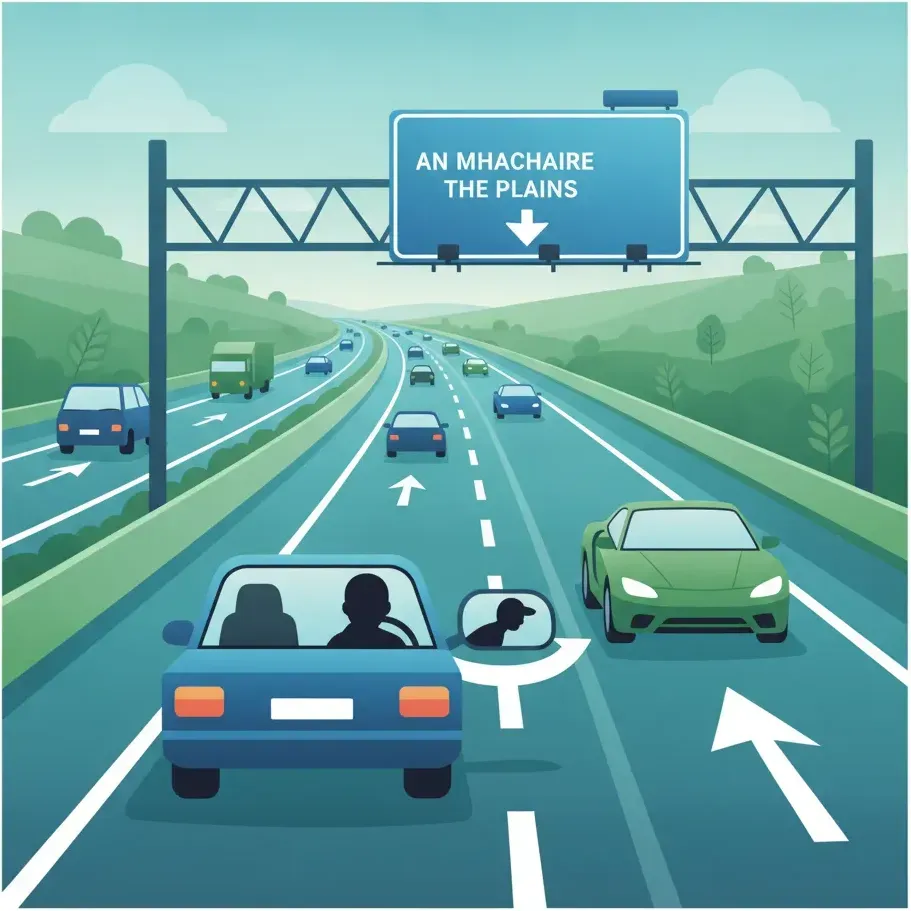
Merging a long, heavy passenger vehicle onto high-speed motorways requires matching the traffic speed within the limited length of slip lanes. This lesson covers signal timing, safe lane-merging gaps, and maintaining control during overtaking maneuvers on national routes. Drivers will learn to prioritize passenger comfort and vehicle stability, preventing sudden weight shifts during lane entries.
Reversing a large passenger vehicle is a high-risk maneuver that must be avoided whenever possible or performed with extreme caution. This lesson teaches correct mirror alignment, the use of rear cameras, and establishing clear hand signals with an external spotter. Drivers will study safety protocols for backing into passenger bays, ensuring all blind zones remain completely clear.
Large passenger vehicles must maintain consistent lane positioning to prevent side-swipe incidents and sustain smooth urban traffic patterns. This lesson covers standard lane selection rules, safe overtaking procedures, and how to use designated public transit corridors correctly. Drivers will learn the importance of checking mirrors continuously and planning lane changes well in advance.
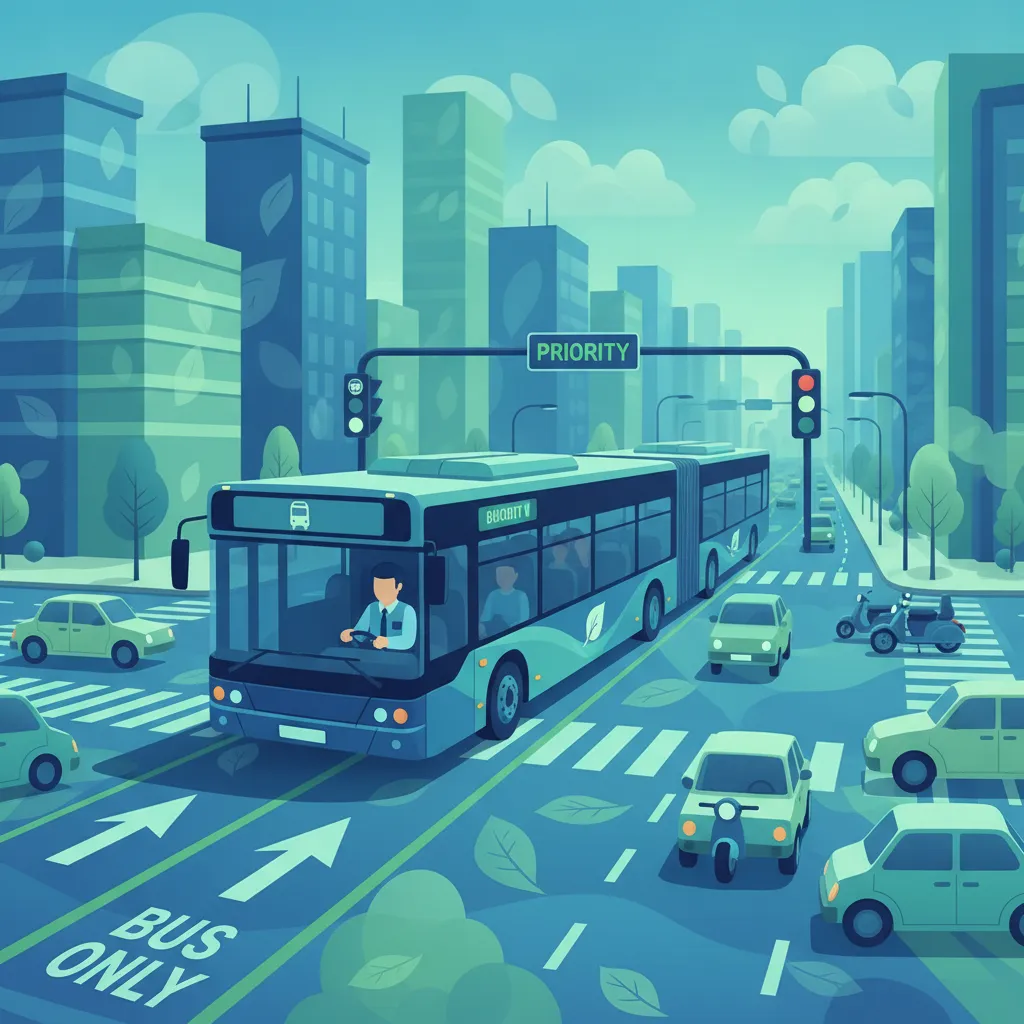
Driving large vehicles through dense city traffic requires outstanding lane discipline, spatial awareness, and consistent patience. This lesson teaches drivers how to utilize public bus corridors, manage tight yellow box intersections, and handle narrow city streets. It focuses on predicting traffic pattern shifts to maintain service timetables while minimizing fuel waste and driver stress.
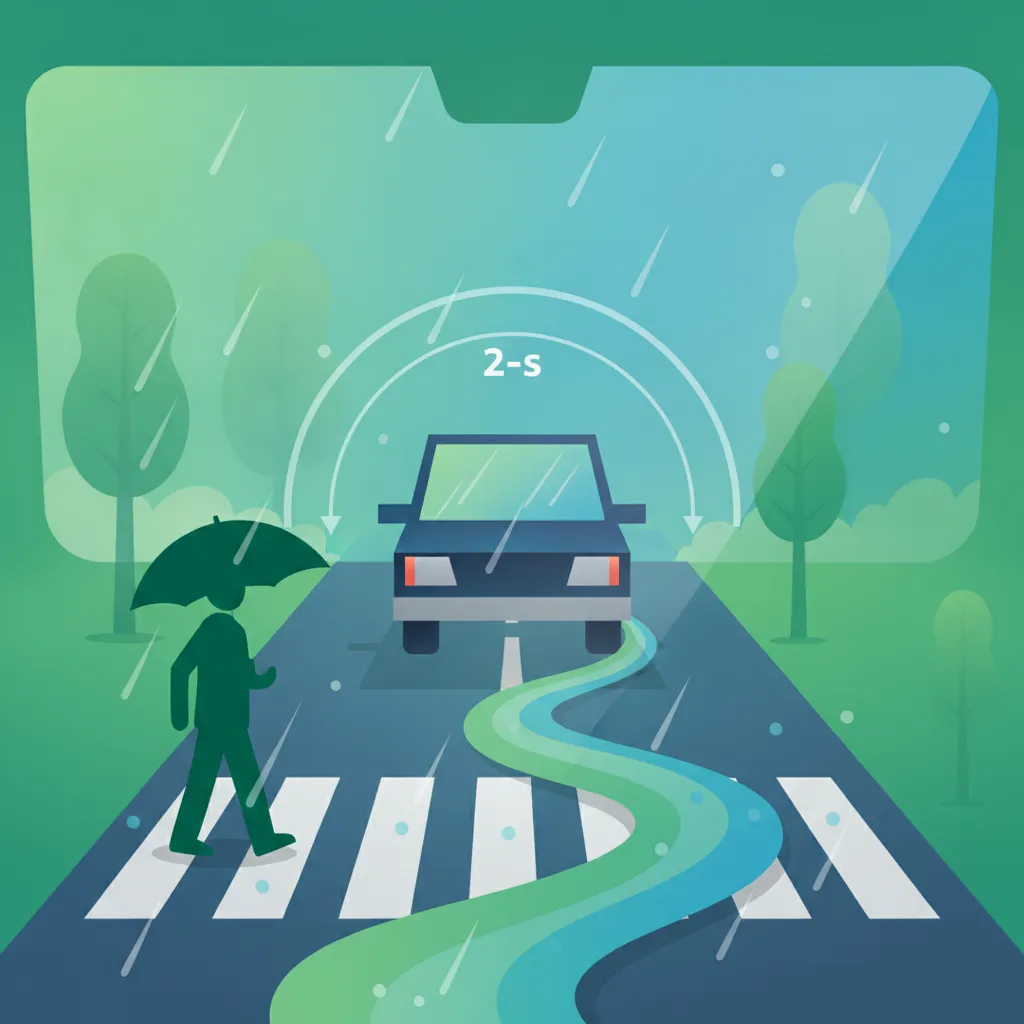
Maintaining an extensive buffer zone ahead of a large passenger vehicle is critical to ensuring enough space for emergency maneuvers. This lesson teaches the time-gap method, detailing how following distances must double on wet roads or increase with full passenger loads. It builds hazard anticipation skills, teaching drivers to read distant traffic cues and react early to hazards.
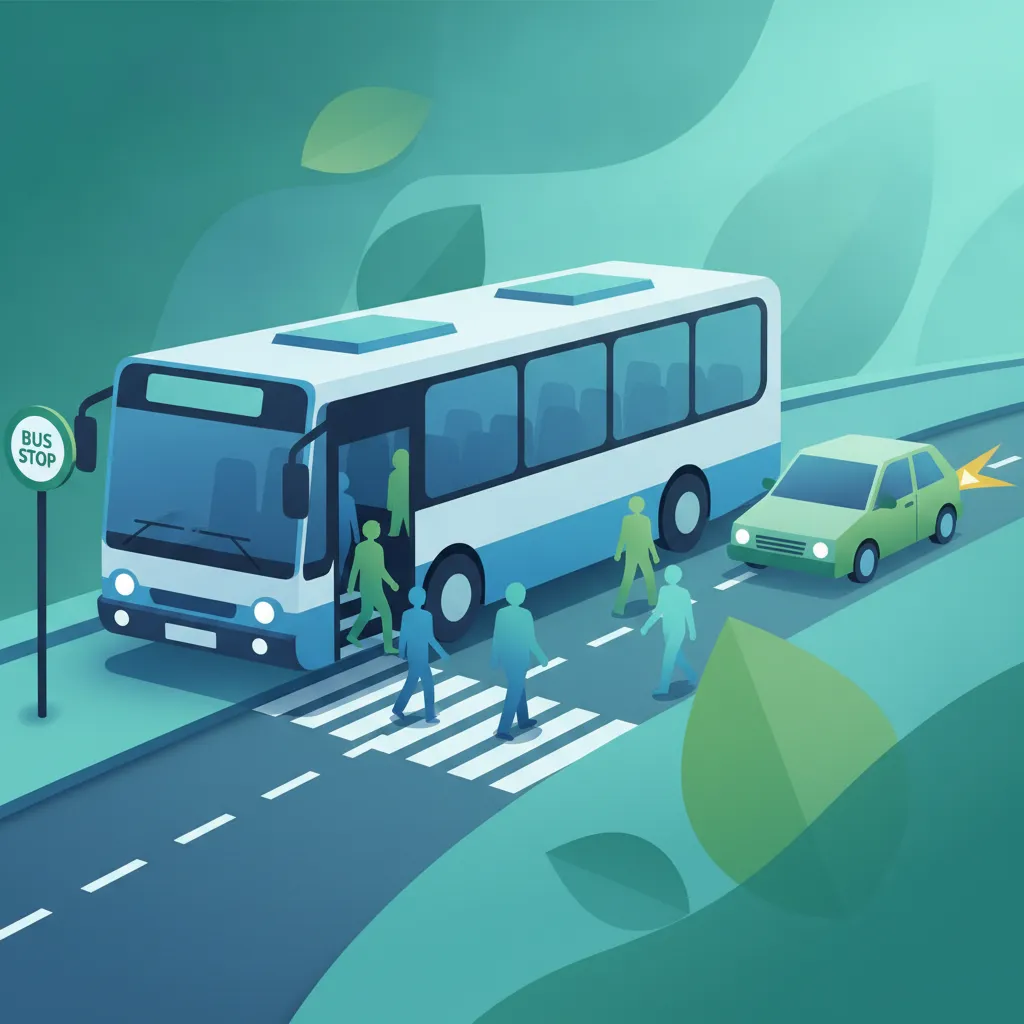
Approaching and exiting a public bus stop requires strategic signaling, careful speed management, and clean alignment with the passenger curb. This lesson teaches drivers how to read oncoming curb hazards, position the vehicle parallel to the curb, and leave safe exit clearances. Drivers will learn to safely integrate back into urban traffic flow while prioritizing passenger stability and comfort.
Understand the challenges of navigating buses through high-density urban zones. This lesson details how to safely interact with pedestrians, cyclists, and other road users at bus stops and in city traffic while complying with official Road Safety Authority guidelines for professional passenger transport.
Driving large vehicles through dense city traffic requires outstanding lane discipline, spatial awareness, and consistent patience. This lesson teaches drivers how to utilize public bus corridors, manage tight yellow box intersections, and handle narrow city streets. It focuses on predicting traffic pattern shifts to maintain service timetables while minimizing fuel waste and driver stress.
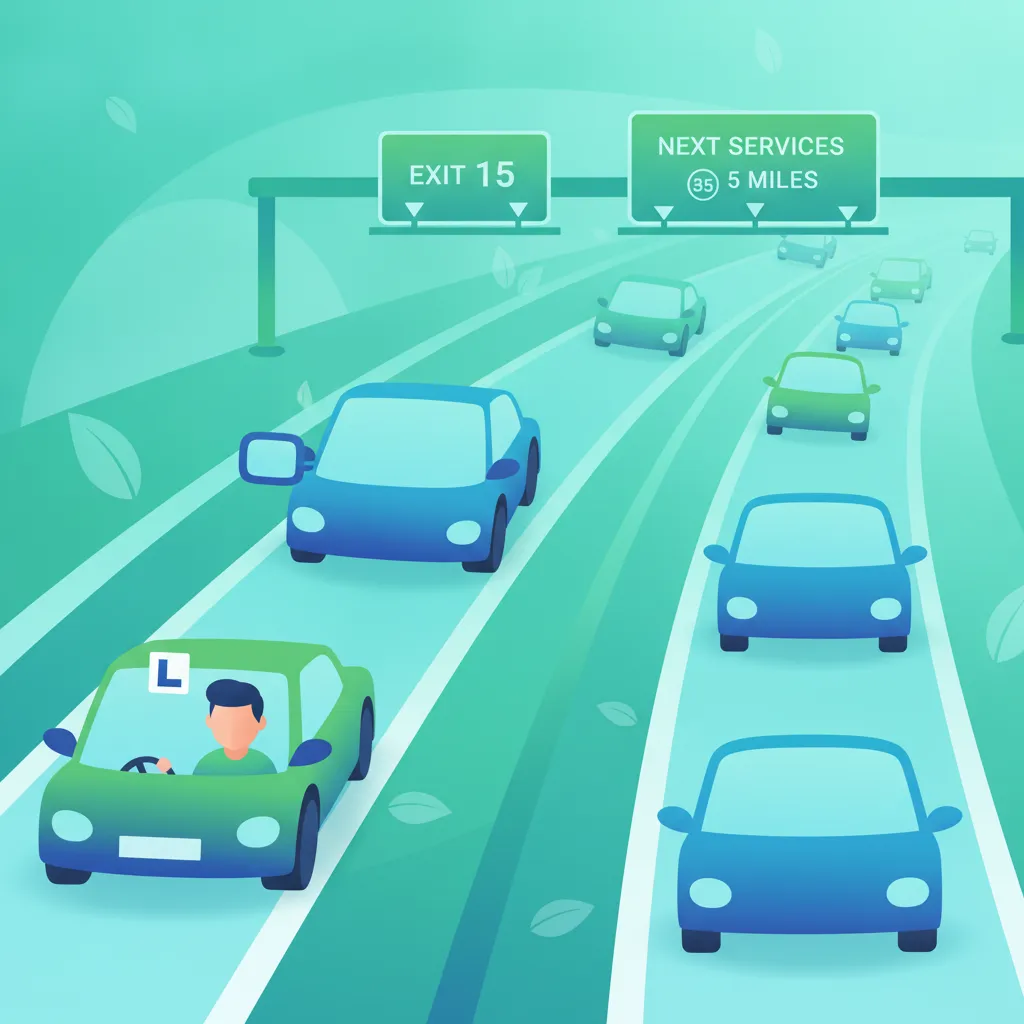
Motorway transport requires consistent forward planning, strict speed restriction compliance, and clear mirror checks before exiting lanes. This lesson details the rules of joining and leaving motorways, navigating toll plazas safely, and managing breakdowns on the hard shoulder. Drivers will learn to balance high-speed travel with passenger stability, ensuring a comfortable, secure ride.
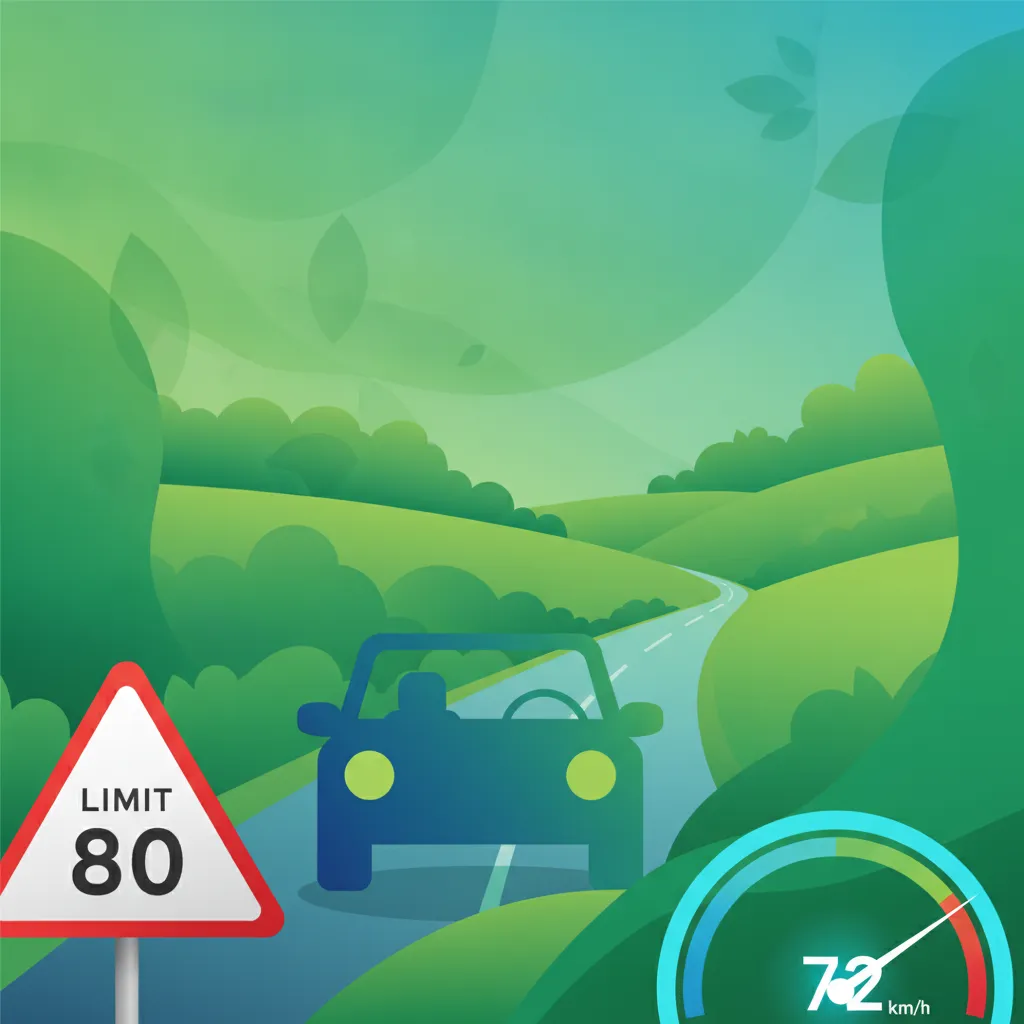
Speed management requires adjusting vehicle velocity to suit current weather, passenger load, and the specific limits of Irish roads. This lesson details speed restrictions for buses and minibuses on motorways, national routes, and built-up areas throughout Ireland. It highlights the driver obligation to prioritize passenger safety over schedule delays by maintaining appropriate speeds.
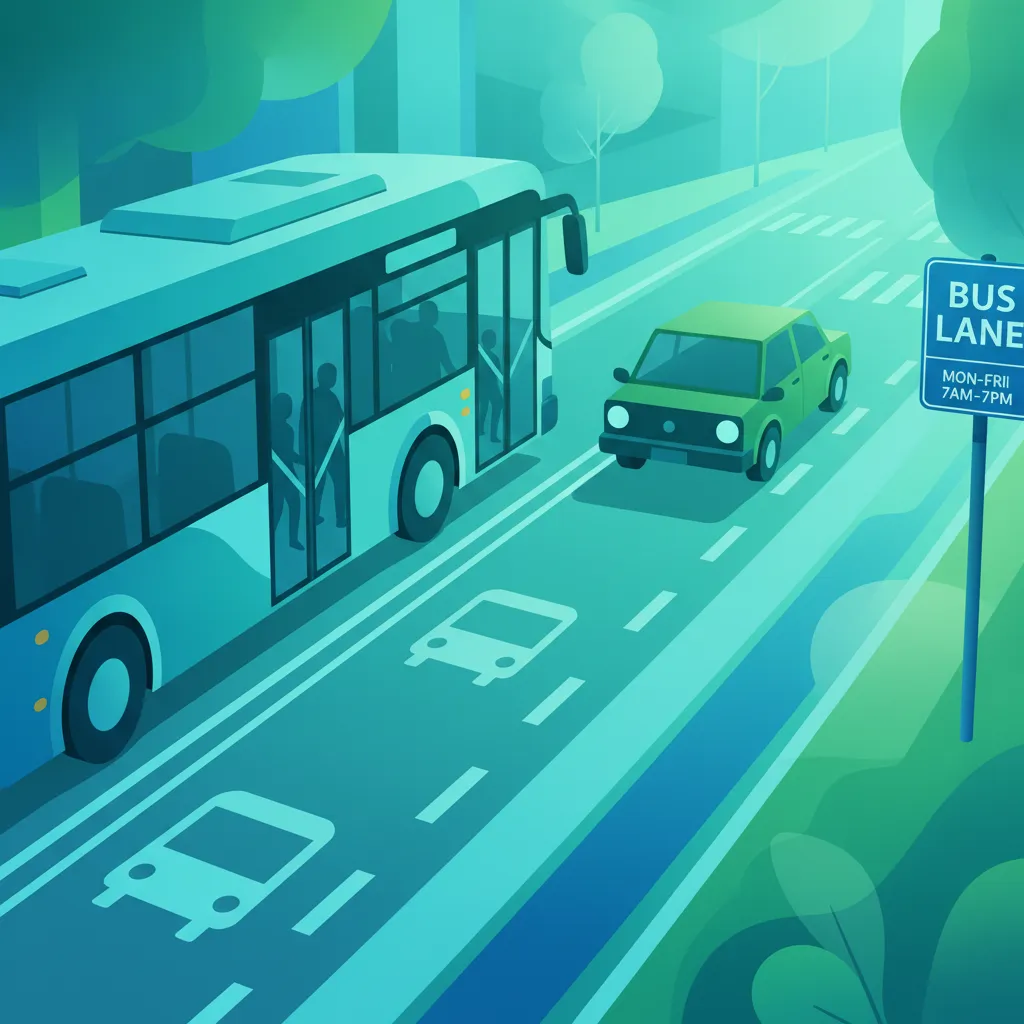
This lesson details the legal operations allowed within Irish bus lanes, including active hours, non-permitted traffic types, and exceptions. Drivers will learn safe approach trajectories for public transport stops, maintaining legal clearance, and navigating curbside hazards safely. The material highlights compliance with local bylaws to guarantee steady, uninterrupted traffic flow and passenger convenience.
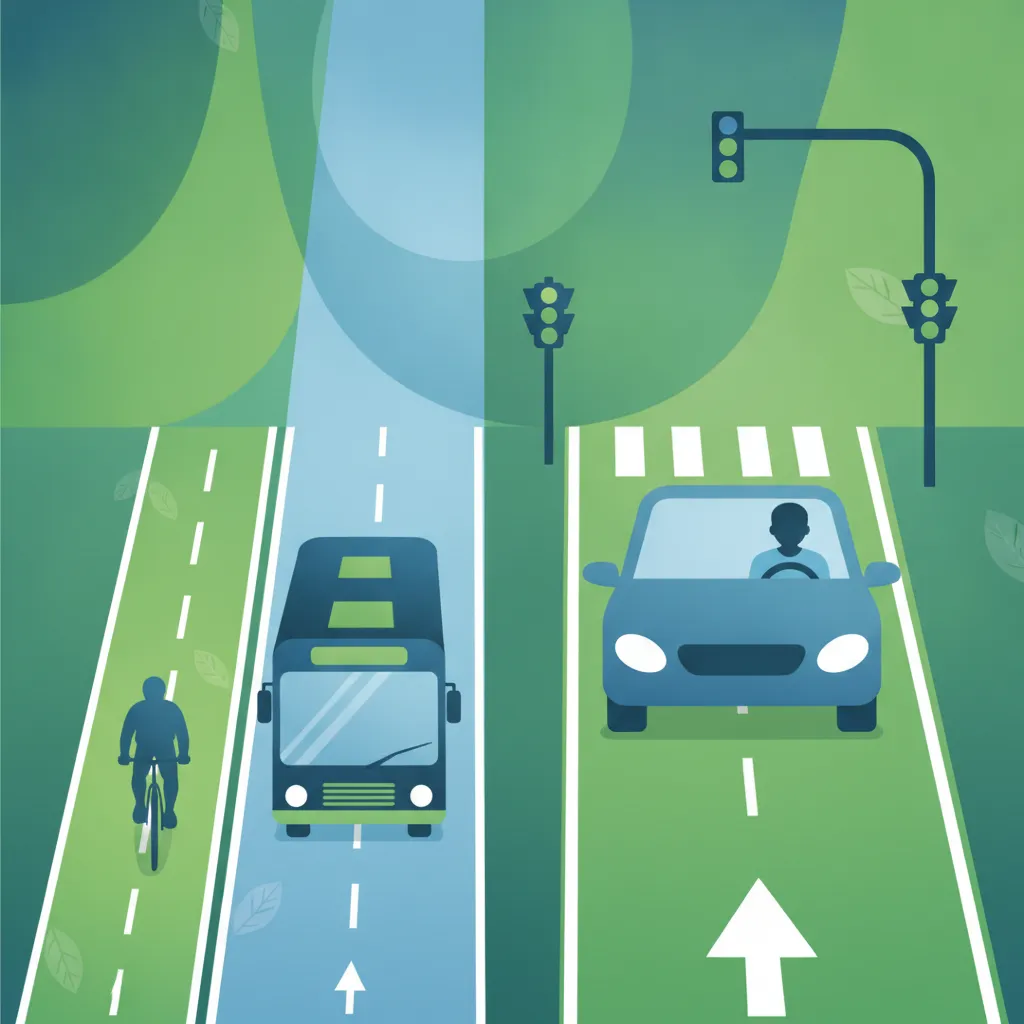
Bus lanes and cycle tracks are designed to encourage public transport and safe active travel in congested urban areas. This lesson explores the differences between with-flow and contra-flow bus lanes, detailing the restricted operating hours during which other vehicles are banned. You will understand when taxi drivers or emergency vehicles can use these lanes, and how to avoid costly traffic violations and safety risks.
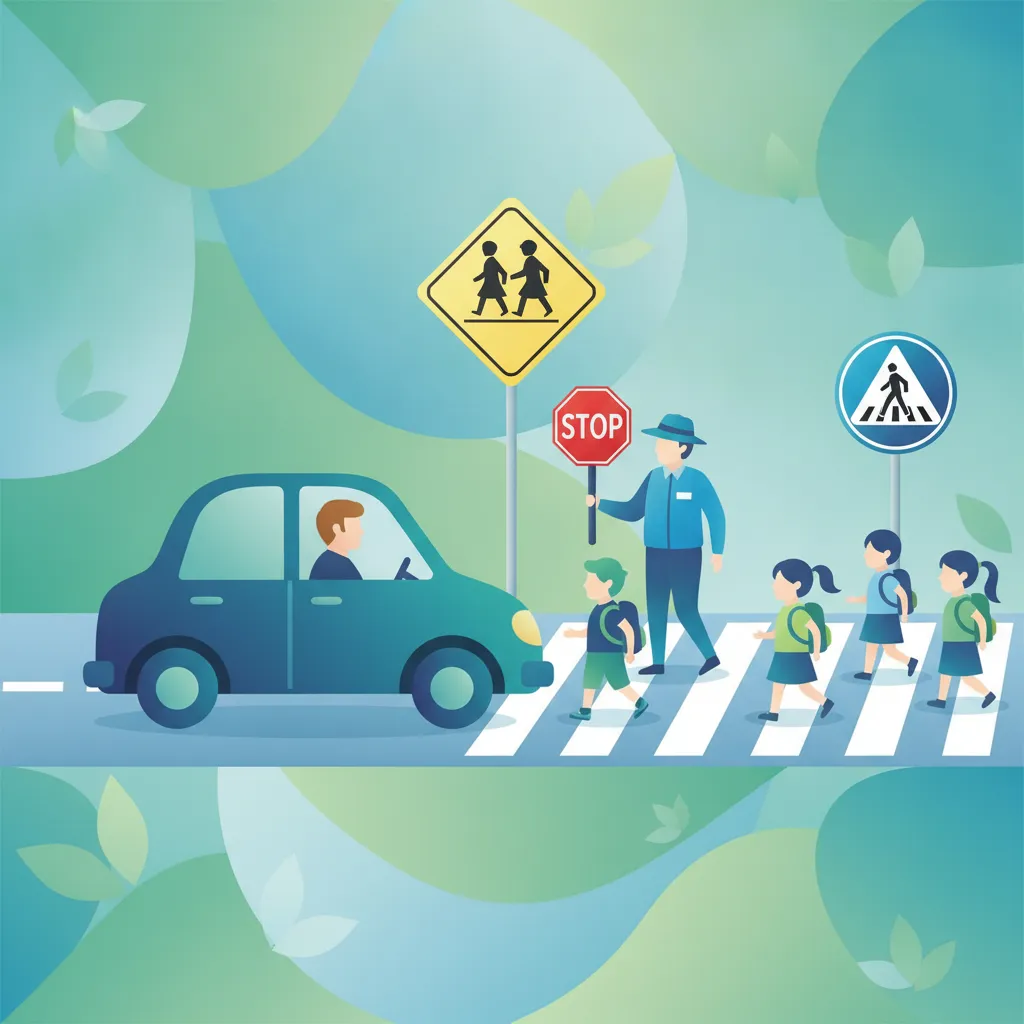
School zones and pedestrian crossings require high driver alertness and strict compliance with local speed limits in Ireland. This lesson details the legal rules of zebra and pelican crossings, explaining driver requirements when amber warning beacons are flashing. Drivers will study safety procedures for dropping off or picking up children, preventing common blind-spot accidents near schools.

Motorcycles and bicycles are often hidden from view in the large blind spots of passenger buses and coaches during turns. This lesson covers safe lateral clearances when overtaking cyclists, recognizing advanced stop lines, and sharing narrow lanes. Drivers will understand how to signal clearly, giving riders enough room to navigate safely near busy public transit corridors.
Large passenger vehicles must maintain consistent lane positioning to prevent side-swipe incidents and sustain smooth urban traffic patterns. This lesson covers standard lane selection rules, safe overtaking procedures, and how to use designated public transit corridors correctly. Drivers will learn the importance of checking mirrors continuously and planning lane changes well in advance.

Bus stops often intersect with designated bicycle lanes and busy walking pathways, creating high-risk conflict areas for drivers. This lesson trains drivers to check blind spots for oncoming cyclists before pulling into or exiting public stop bays. It emphasizes yielding right-of-way to passengers crossing the road, preventing collision risks in active urban transport hubs.
Merging a long, heavy passenger vehicle onto high-speed motorways requires matching the traffic speed within the limited length of slip lanes. This lesson covers signal timing, safe lane-merging gaps, and maintaining control during overtaking maneuvers on national routes. Drivers will learn to prioritize passenger comfort and vehicle stability, preventing sudden weight shifts during lane entries.
Find clear answers to common questions learners have about Terminal and Service Area Operations. Learn how the lesson is structured, which driving theory objectives it supports, and how it fits into the overall learning path of units and curriculum progression in Ireland. These explanations help you understand key concepts, lesson flow, and exam focused study goals.
Always maintain a very low, controlled speed and keep a constant watch for pedestrians who may be crossing between or behind stationary coaches.
Yes. You must ensure the parking brake is fully engaged, the engine is off, and the vehicle is secure before leaving the cabin to assist passengers or take a break.
Follow the specific traffic signaling and guidance provided by terminal staff. If you are unsure of your bay allocation, stop in a safe area and request clarification rather than attempting a risky maneuver.
Passenger safety is paramount. The test includes these questions to ensure drivers understand that their duty of care extends beyond the road and includes safe interaction with passengers in terminals and service stations.
Use the practice question search tool to pinpoint specific topics, road signs, or rules you need to master for your official Driver Theory Test. Refine your study strategy and ensure comprehensive preparation for all aspects of the Irish driving exam. Start your focused revision now and build confidence for your learner permit test.