This lesson details the specific legal and regulatory framework governing the operation of Category D and D1 passenger vehicles in Ireland. You will examine the mandatory requirements for commercial operators, weight and dimension limits, and the critical importance of regular vehicle roadworthiness testing to ensure passenger safety.

Lesson content overview
Explore all units and lessons included in this driving theory course.
Lesson content overview
Explore all units and lessons included in this driving theory course.
Explore search topics learners often look for when studying Passenger Vehicle Specific Regulations. These topics reflect common questions about road rules, driving situations, safety guidance, and lesson level theory preparation for learners in Ireland.
Browse additional driving theory lessons that cover connected traffic rules, road signs, and common driving situations related to this topic. Improve your understanding of how different rules interact across everyday traffic scenarios.
Learn the legal and professional standards required for operating buses and coaches in Ireland. This lesson covers duty of care to passengers, managing public trust, and maintaining the expected conduct standards as required by the Road Safety Authority for professional drivers under the CPC framework.

This lesson delivers a detailed analysis of the legal and moral duty of care that passenger vehicle operators hold in Ireland. Drivers will learn to manage risk effectively, establishing a proactive safety culture that prioritizes vulnerable occupants and external road users. It covers practical methods for protecting passengers during transit, accelerating smoothly, and maneuvering safely in high-risk zones.

A driver's daily actions directly impact the safety, customer experience, and overall reputation of the public passenger transport sector. This lesson covers key elements of service quality, including punctuality, polite passenger interactions, and supporting disabled individuals. Drivers will learn to maintain a professional, calm demeanor during challenging shifts, ensuring high service standards.
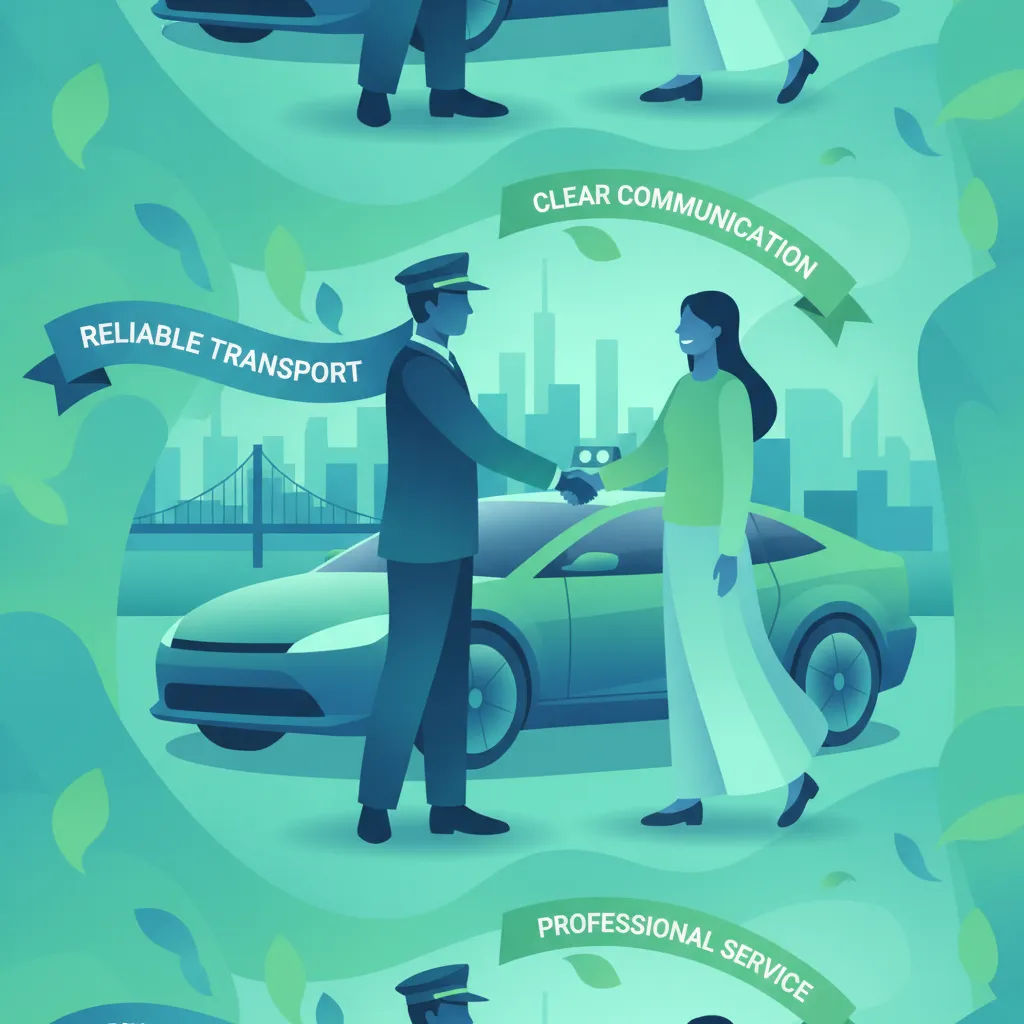
Professionalism in passenger transport is vital for maintaining public confidence and representing the service industry positively on Irish roads. This lesson addresses the high standard of driver behavior, customer relations, and ethical obligations expected of coach and bus operators. It helps drivers develop a professional mindset, focusing on safe driving practices that preserve passenger comfort and ensure public trust.
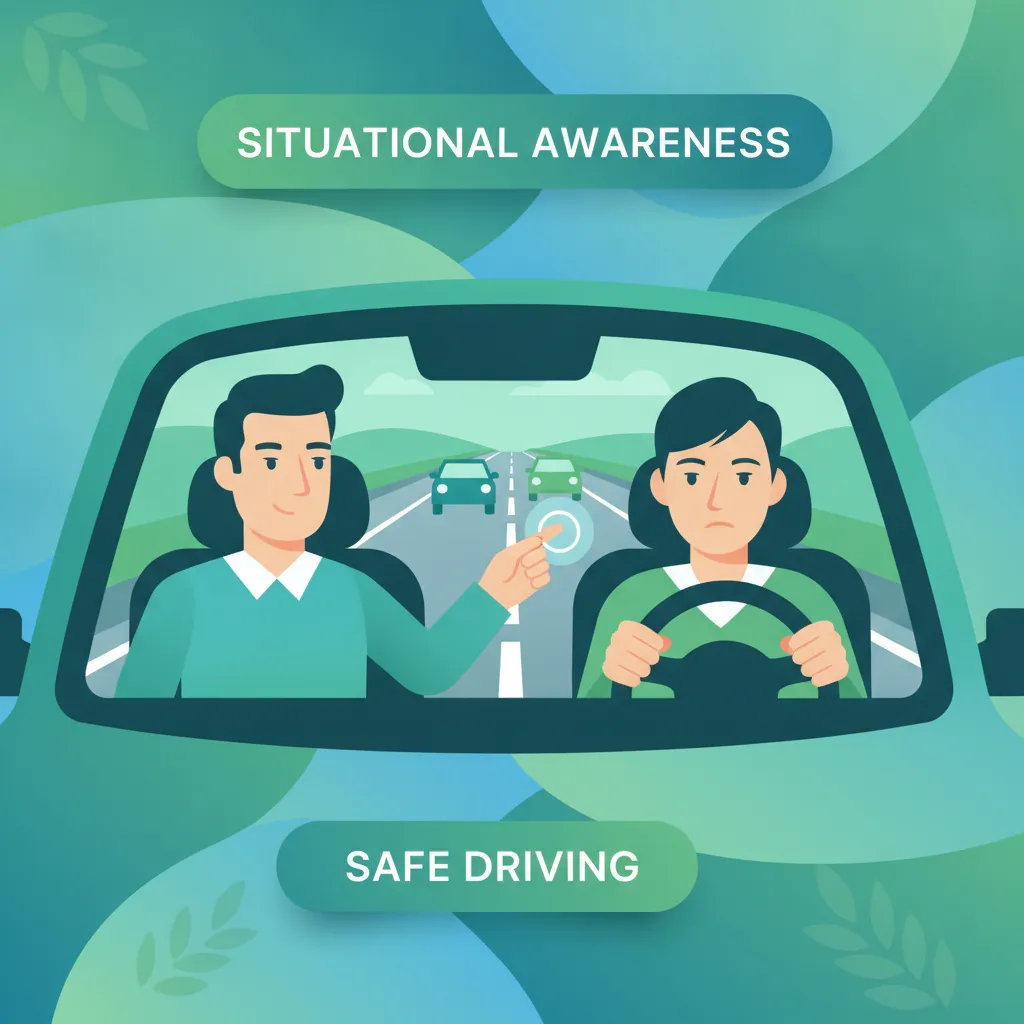
This lesson reinforces the moral, ethical, and legal expectations of commercial drivers on the Irish public road network. It highlights the most frequent compliance violations, including weight infractions, speed, and incorrect logging, which result in heavy operator fines. By embracing a positive safety culture, professional drivers preserve their career standing, safeguard their licences, and protect all citizens.
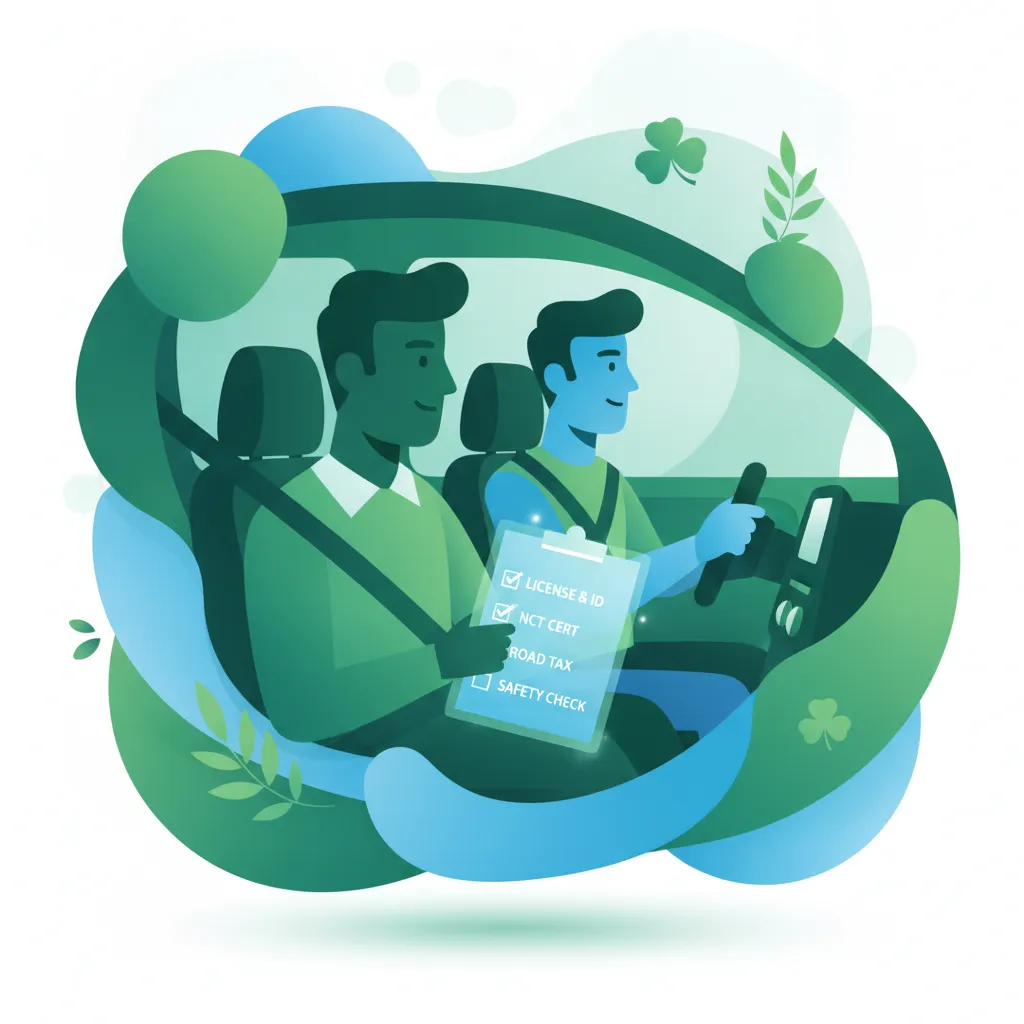
This lesson defines the professional duties and high duty of care that drivers must maintain while operating commercial heavy vehicles. It details the legal responsibilities regarding ongoing vehicle fitness, safe cargo securement, and statutory load limits under Irish legislation. Drivers will learn the consequences of neglecting these safety standards under the Irish Road Traffic Act.

Maintaining cabin discipline is critical for preventing driver distractions and ensuring passenger transit remains completely safe and comfortable. This lesson teaches conflict resolution, proactive de-escalation techniques, and the roles of specialized escorts on school or medical transport. Drivers will learn to assess security threats on board and apply the appropriate response protocols under Irish laws.

Violating passenger transport laws can lead to severe operator penalties, heavy fines, and the immediate suspension of driving privileges. This lesson examines common operational infractions, including tachograph violations, overloading offences, and driving with defective tires. Drivers will understand their personal legal liabilities under Irish legislation, supporting long-term safety compliance.

When emergencies strike, a passenger driver must remain perfectly calm and execute structured emergency procedures to protect human life. This lesson outlines safety protocols for roadside breakdowns, engine fire isolation, and handling acute passenger medical emergencies. Drivers will learn how to secure the accident scene and report incidents to emergency services as required by Irish law.
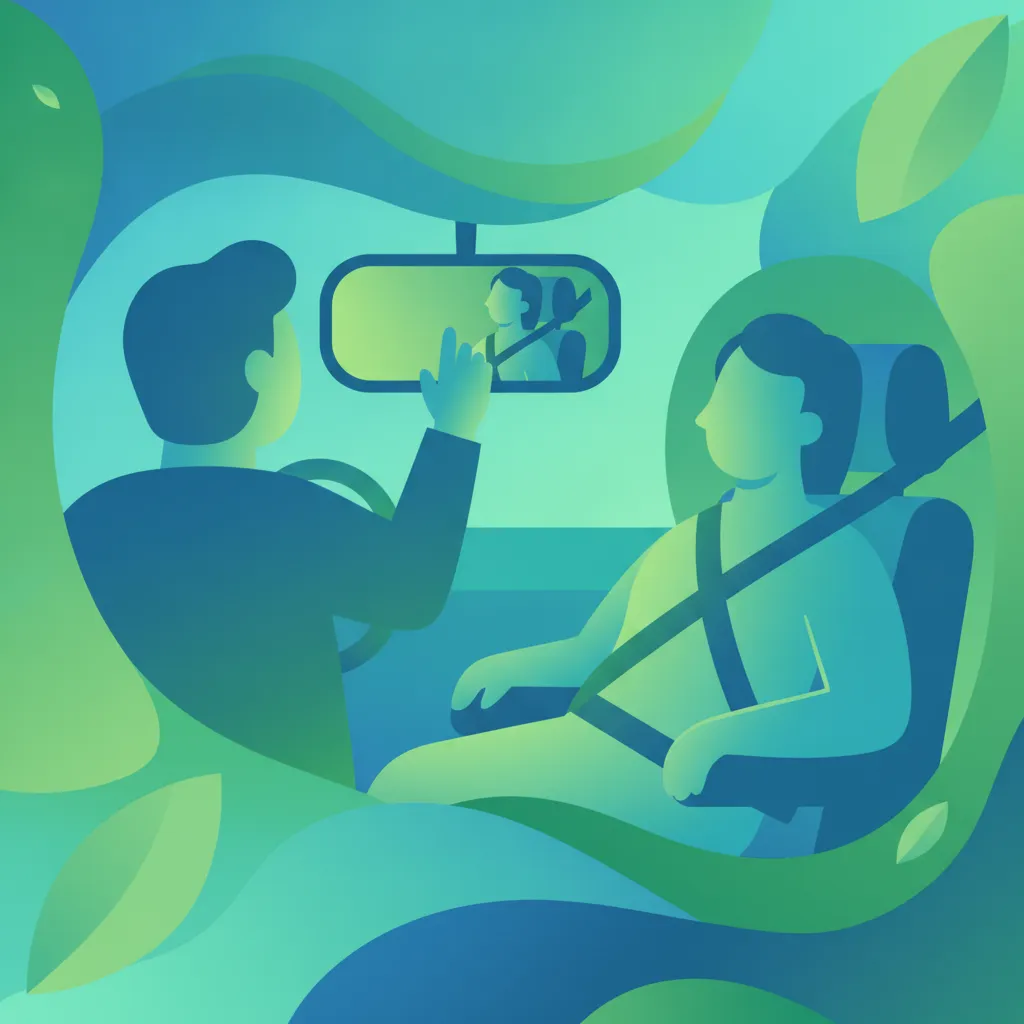
Maintaining high levels of passenger satisfaction requires proactive management of the vehicle internal environment and driving style. This lesson teaches drivers how to control internal heating and ventilation systems, minimize harsh vibrations, and communicate route updates professionally. By optimizing passenger comfort, drivers prevent travel anxiety, reduce motion sickness, and deliver high-quality public service.

Drivers bear the legal responsibility of ensuring that all passengers under seventeen years of age are properly secured in the vehicle. This lesson covers Ireland's strict seatbelt laws and the requirement to use an EU-approved child restraint system appropriate for the child's height and weight. You will learn how to locate ISOFIX anchorage points, fit child seats correctly, and deactivate passenger airbags when using rear-facing seats.
Understand the mandatory safety equipment required for buses and coaches in Ireland, including fire suppression, emergency exits, and passenger accessibility features. This guide explains the legal requirements for onboard safety gear and the correct procedures for managing passenger evacuation during emergency situations on the road.

Evacuating a coach or bus requires quick, decisive leadership, structured directions, and full use of onboard emergency exits. This lesson details the exact location and operation of emergency glass-breakers, roof hatches, and manual door release systems. Drivers will study crowd management techniques to prevent panic, ensuring all passengers gather at a safe distance from the vehicle.

Passenger boarding and exiting periods represent a highly critical operational window where slip and fall injuries frequently occur. This lesson outlines safe door opening procedures, the deployment of mechanical boarding steps, and proper handrail holding instructions. Drivers will learn to supervise passenger flow, ensuring passengers clear the immediate exit area before the bus begins moving.
When emergencies strike, a passenger driver must remain perfectly calm and execute structured emergency procedures to protect human life. This lesson outlines safety protocols for roadside breakdowns, engine fire isolation, and handling acute passenger medical emergencies. Drivers will learn how to secure the accident scene and report incidents to emergency services as required by Irish law.
Find clear answers to common questions learners have about Passenger Vehicle Specific Regulations. Learn how the lesson is structured, which driving theory objectives it supports, and how it fits into the overall learning path of units and curriculum progression in Ireland. These explanations help you understand key concepts, lesson flow, and exam focused study goals.
A Category D licence allows you to drive buses designed to carry more than 8 passengers in addition to the driver. The D1 category is specifically for smaller buses designed to carry more than 8 but no more than 16 passengers, with a maximum length not exceeding 8 metres.
In Ireland, commercial passenger vehicles must undergo regular roadworthiness testing to ensure they remain safe for public use. The frequency depends on the age and type of the vehicle, as specified by RSA guidelines.
Yes. Exceeding vehicle weight or dimension limits on Irish roads can lead to severe legal consequences, including fines, penalty points, and potential disqualification from operating passenger services.
While a Category D licence allows you to drive any bus, you must still adhere to specific local road restrictions, including weight and height limits for certain urban routes or bridge crossings, regardless of your licence class.
Use the practice question search tool to pinpoint specific topics, road signs, or rules you need to master for your official Driver Theory Test. Refine your study strategy and ensure comprehensive preparation for all aspects of the Irish driving exam. Start your focused revision now and build confidence for your learner permit test.