
This lesson provides an in-depth look at regulatory and warning signs crucial for operating large passenger vehicles in Ireland. By mastering these specific road signs, you will be better prepared to navigate complex urban routes and avoid costly regulatory violations during your daily operations.
Lesson content overview
Operating a large passenger vehicle, such as a city bus or a long-distance coach, carries a high level of responsibility. Because of their size, weight, and the vulnerable nature of their passengers, these vehicles are subject to specialized traffic management rules and unique road signage.
Under the Irish Driver Theory Test Category D Passenger Vehicles curriculum, mastering these signs is not merely a requirement for passing your theory test—it is a critical day-to-day operational safety standard. This guide provides an in-depth analysis of the regulatory, warning, and information signs that direct passenger transport vehicles across Ireland.
For Category D and D1 licence holders, road signs are legally binding commands rather than general suggestions. Under the Irish Road Traffic Acts, failing to obey regulatory signs can lead to severe penalties, including heavy fines, penalty points, and court appearances.
Because passenger vehicles are large and have unique stop-start operational requirements, traffic management systems use signs to balance passenger safety, public transport efficiency, and infrastructure protection. Drivers must instantly recognize and correctly interpret these indicators under all driving conditions.
A clearway is a section of road where stopping or parking is strictly prohibited during its active hours. Clearways are designated to prevent traffic congestion on arterial routes, particularly during peak commuting hours.
Many novice drivers assume that private coaches or school buses can stop briefly on a clearway to drop off a passenger if they keep the engine running or use hazard warning lights. This is illegal. Hazard lights do not exempt a vehicle from clearway regulations. The only permissible stops are for emergencies, breakdowns, or when directed by a member of An Garda Síochána.
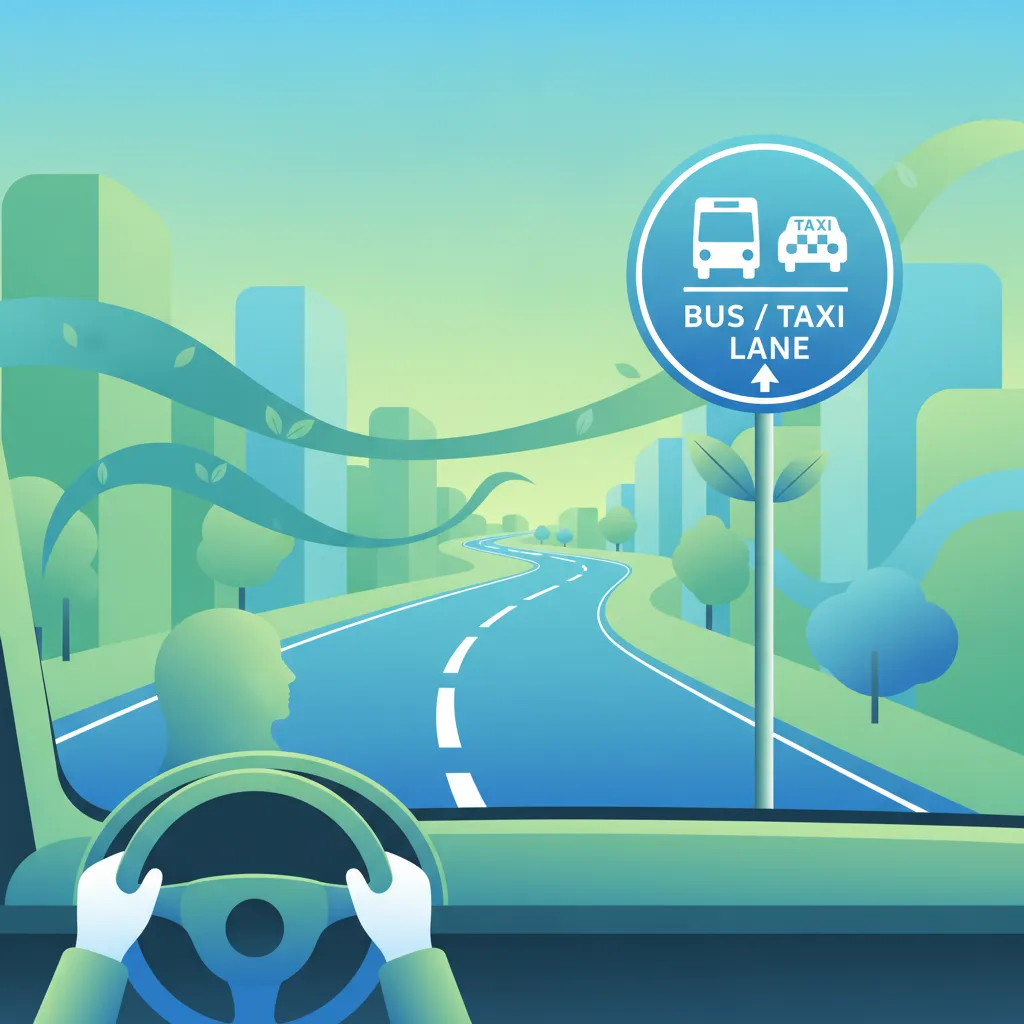
Bus lanes and corridors are dedicated parts of the road network designed to prioritize public transport, minimize journey times, and encourage sustainable commuting. Category D drivers must understand when they are authorized to use these lanes and how to interact with other road users within them.
Safety Tip: When driving a bus in a shared bus lane, you must maintain heightened awareness of cyclists. Due to the width of Category D vehicles, always allow ample room when overtaking cyclists within a bus corridor, and check your left-side blind spots before pulling in.
One of the most critical responsibilities of a professional coach or double-decker bus driver is knowing the exact dimensions of their vehicle. Bridge strikes are high-risk incidents that cause severe infrastructure damage, passenger injuries, and catastrophic structural failure of the vehicle.
Buses and coaches are among the heaviest vehicles on Irish roads. Roads, stone bridges, and urban cul-de-sacs are often structurally protected by maximum weight restrictions.
The total weight of the vehicle, including its structure, passengers, cargo, fuel, and driver, when fully loaded and operating on the public road.
Category D drivers frequently operate school transport services or drive routes that pass directly through residential and school areas. Children are highly vulnerable road users, and their behavior can be unpredictable.
School zones are marked by highly visible signage, often accompanied by twin flashing amber beacons that operate during school drop-off and pick-up hours.
Due to their long wheelbase and wide turning radius, passenger vehicles require extra physical space when negotiating roundabouts. This physical reality is managed using specific lane markings and traffic signs.
When a bus turns, the rear wheels follow a shorter path than the front wheels. This is known as "rear-wheel cut-in" or "off-tracking". Additionally, the front corner of the bus overhangs and sweeps a wider path (front overhang).
Approach and Observation: Identify roundabout lane indicators early. Look for signs indicating lanes reserved for long or heavy vehicles.
Positioning: Position your vehicle to allow for the swept path. This may require taking a wider line on entry or straddling two lanes if lanes are narrow, provided it is safe to do so.
Signalling: Signal early and clearly to inform smaller vehicles of your intended path, especially if your vehicle's physical size requires you to briefly occupy parts of adjacent lanes.
Mirror Management: Continuously monitor your left and right mirrors to ensure smaller vehicles or cyclists do not attempt to squeeze into the space beside your bus.
Road signs must be interpreted differently depending on weather conditions, the time of day, and vehicle loading states.
In heavy rain, fog, or falling snow, your ability to read signs at a distance is significantly reduced.
The weight and height of your passenger vehicle are dynamic:
Ignoring passenger-vehicle-specific road signs carries strict legal consequences under Irish traffic law.
To ensure you are fully prepared for your Irish Driver Theory Test, continue studying the legal rules governing passenger vehicle routes, stops, and passenger safety.
To test your knowledge on traffic signs, clearway rules, and height restrictions for Category D vehicles, practice with our dedicated mock exam sets.
This lesson covers essential road signage for Category D passenger vehicle operators in Ireland, focusing on clearway rules, bus lane types, and height and weight restrictions. Drivers must understand that clearway signs create strict no-stopping zones except at official bus stops, while bus lanes come in with-flow and contra-flow varieties with different operational hours and access rules. Height clearance awareness is critical for preventing bridge strikes, which carry severe legal consequences including court appearances and licence suspension. School zone beacons require immediate speed reduction and heightened vigilance around children, and roundabout navigation demands special attention to the swept path phenomenon caused by large vehicle dimensions. Mastering these signs is essential for both RSA theory test success and professional operational safety.
A short set of high-value points that capture the most important learning from this lesson.
Clearway signs prohibit all stops during active hours; only official designated bus stops exempt drivers from this rule
With-flow bus lanes operate in the same direction as traffic and are open to all outside hours; contra-flow bus lanes run opposite to traffic and are strictly regulated 24/7
Height restriction signs are legally binding—drivers must know their total vehicle height including roof equipment and maintain a safety margin due to road resurfacing
Weight restriction signs apply to actual Gross Vehicle Weight (GVW) including passengers, fuel, and luggage at that moment
School zone beacons require immediate speed reduction to the indicated limit, typically 30 km/h, and heightened awareness of unpredictable child behaviour
Explore all units and lessons included in this driving theory course.
Hazard lights do not exempt a vehicle from clearway regulations—only genuine emergencies or Garda direction permit stopping
Double-decker buses have an exceptionally high centre of gravity; routes must be pre-planned to avoid low bridges, stone arches, and railway crossings
A fully loaded 53-seater coach weighs significantly more than an empty one, affecting braking distance and weight restriction compliance
When turning a bus, the rear wheels follow a shorter path than the front wheels (rear-wheel cut-in) and the front corner overhangs wider (front overhang)
Bridge strikes are treated as dangerous driving in Ireland and can result in court appearances, licence suspension, and CPC revocation
Assuming private coaches or school buses can briefly stop on clearways with hazard lights to drop passengers—this is illegal
Relying solely on standard GPS navigation, which may route heavy vehicles under low bridges without warning
Forgetting that air suspension systems can alter vehicle height, potentially affecting clearance under structures
Attempting to overtake other vehicles or cyclists within a school zone during beacon activation, even if the bus is stationary
Entering contra-flow bus lanes believing the restriction only applies during certain hours—contra-flow lanes are typically 24-hour restrictions
Lesson content overview
A short set of high-value points that capture the most important learning from this lesson.
Clearway signs prohibit all stops during active hours; only official designated bus stops exempt drivers from this rule
With-flow bus lanes operate in the same direction as traffic and are open to all outside hours; contra-flow bus lanes run opposite to traffic and are strictly regulated 24/7
Height restriction signs are legally binding—drivers must know their total vehicle height including roof equipment and maintain a safety margin due to road resurfacing
Weight restriction signs apply to actual Gross Vehicle Weight (GVW) including passengers, fuel, and luggage at that moment
School zone beacons require immediate speed reduction to the indicated limit, typically 30 km/h, and heightened awareness of unpredictable child behaviour
Explore all units and lessons included in this driving theory course.
Hazard lights do not exempt a vehicle from clearway regulations—only genuine emergencies or Garda direction permit stopping
Double-decker buses have an exceptionally high centre of gravity; routes must be pre-planned to avoid low bridges, stone arches, and railway crossings
A fully loaded 53-seater coach weighs significantly more than an empty one, affecting braking distance and weight restriction compliance
When turning a bus, the rear wheels follow a shorter path than the front wheels (rear-wheel cut-in) and the front corner overhangs wider (front overhang)
Bridge strikes are treated as dangerous driving in Ireland and can result in court appearances, licence suspension, and CPC revocation
Assuming private coaches or school buses can briefly stop on clearways with hazard lights to drop passengers—this is illegal
Relying solely on standard GPS navigation, which may route heavy vehicles under low bridges without warning
Forgetting that air suspension systems can alter vehicle height, potentially affecting clearance under structures
Attempting to overtake other vehicles or cyclists within a school zone during beacon activation, even if the bus is stationary
Entering contra-flow bus lanes believing the restriction only applies during certain hours—contra-flow lanes are typically 24-hour restrictions
Explore search topics learners often look for when studying Road Signs Specific to Passenger Vehicles. These topics reflect common questions about road rules, driving situations, safety guidance, and lesson level theory preparation for learners in Ireland.
Browse additional driving theory lessons that cover connected traffic rules, road signs, and common driving situations related to this topic. Improve your understanding of how different rules interact across everyday traffic scenarios.
Understand the physical requirements for turning, reversing, and navigating narrow spaces with large buses or coaches. Learn how to manage rear-wheel cut-in and front overhang to safely negotiate roundabouts and tight intersections while maintaining vehicle control according to Irish road safety standards.

This lesson addresses the mechanical dynamics of turning long-wheelbase and articulated commercial vehicles at intersections, junctions, and roundabouts. It covers the necessity of deep cornering lines, early mirror checks, and correct signaling to warn vulnerable road users of wide turn maneuvers. Drivers will learn how to minimize rear cut-in and ensure the entire vehicle clears urban obstacles safely.

Driving a coach through narrow urban streets or historic Irish town centers demands precise spatial judgment and low speed control. This lesson covers turning radii, rear tail-swing physics, and managing overhangs when navigating around tight, permanent obstacles. Drivers will learn to assess clearance gaps accurately, reducing damage risks to the vehicle exterior and public infrastructure.

The length of a commercial passenger vehicle creates a wide rear-wheel track offset, requiring drivers to swing wide during tight turns. This lesson teaches cornering mechanics, mirror adjustment guidelines, and how to check blind spots for cyclists on the inside lane. Drivers will master intersection control, preventing collisions with stationary street furniture or curbs.

This lesson provides a comprehensive guide to reversing large vehicles and backing trailer setups safely into loading docks and industrial bays. It analyzes the mechanical physics of trailer articulation, steering inputs, and how to utilize modern backup cameras, mirrors, and assistants. Drivers will examine critical safety protocols, including visual checks and slow-speed controls, to avoid collisions with fixed objects.

This lesson focuses on the physical mechanics of long-wheelbase and articulated vehicles when executing turns in restricted spaces. It explains concepts like swept path, rear overhang, and turning circles, which must be accounted for to prevent side-swiping collisions. Drivers will discover strategic route-planning techniques to avoid congested urban layouts and unsuitable rural corridors.
Large passenger vehicles must maintain consistent lane positioning to prevent side-swipe incidents and sustain smooth urban traffic patterns. This lesson covers standard lane selection rules, safe overtaking procedures, and how to use designated public transit corridors correctly. Drivers will learn the importance of checking mirrors continuously and planning lane changes well in advance.
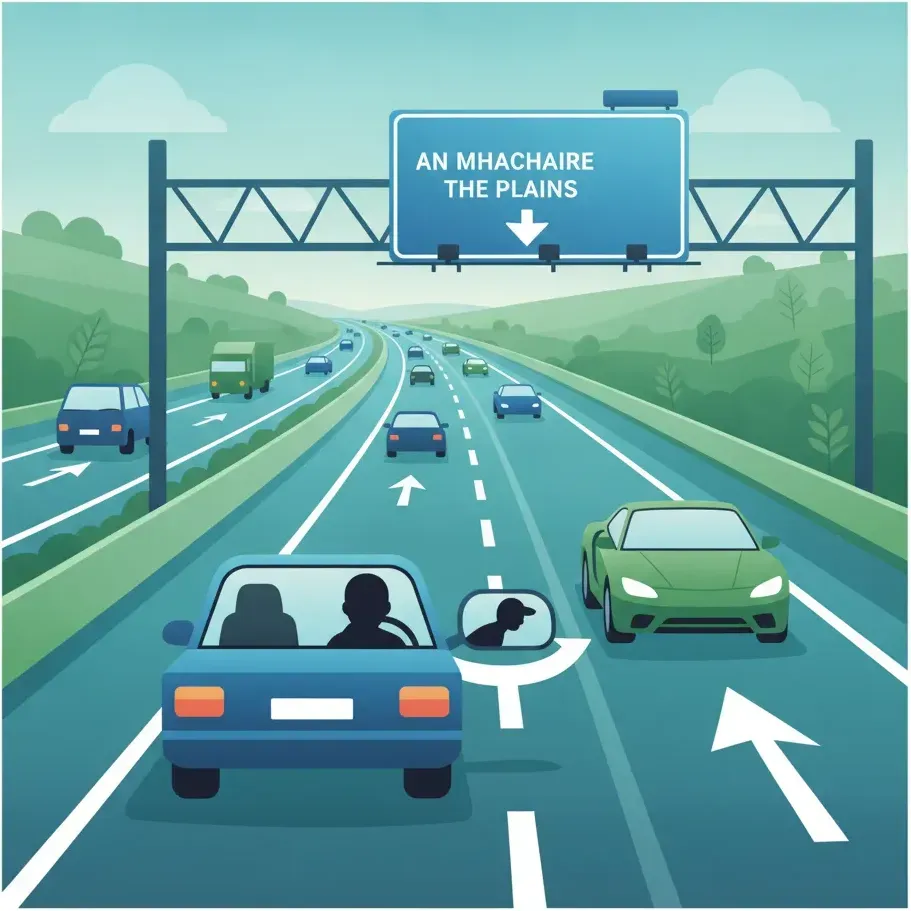
Merging a long, heavy passenger vehicle onto high-speed motorways requires matching the traffic speed within the limited length of slip lanes. This lesson covers signal timing, safe lane-merging gaps, and maintaining control during overtaking maneuvers on national routes. Drivers will learn to prioritize passenger comfort and vehicle stability, preventing sudden weight shifts during lane entries.

This lesson outlines the legal and safety requirements for maintaining proper lane discipline on multi-lane roads, roundabouts, and motorways in Ireland. It teaches drivers how to account for lane width, manage trailer off-tracking, and position the cab to prevent encroachment on neighboring lanes. Drivers will master safe lane-changing strategies, signaling protocols, and traffic merging techniques.
Reversing a large passenger vehicle is a high-risk maneuver that must be avoided whenever possible or performed with extreme caution. This lesson teaches correct mirror alignment, the use of rear cameras, and establishing clear hand signals with an external spotter. Drivers will study safety protocols for backing into passenger bays, ensuring all blind zones remain completely clear.
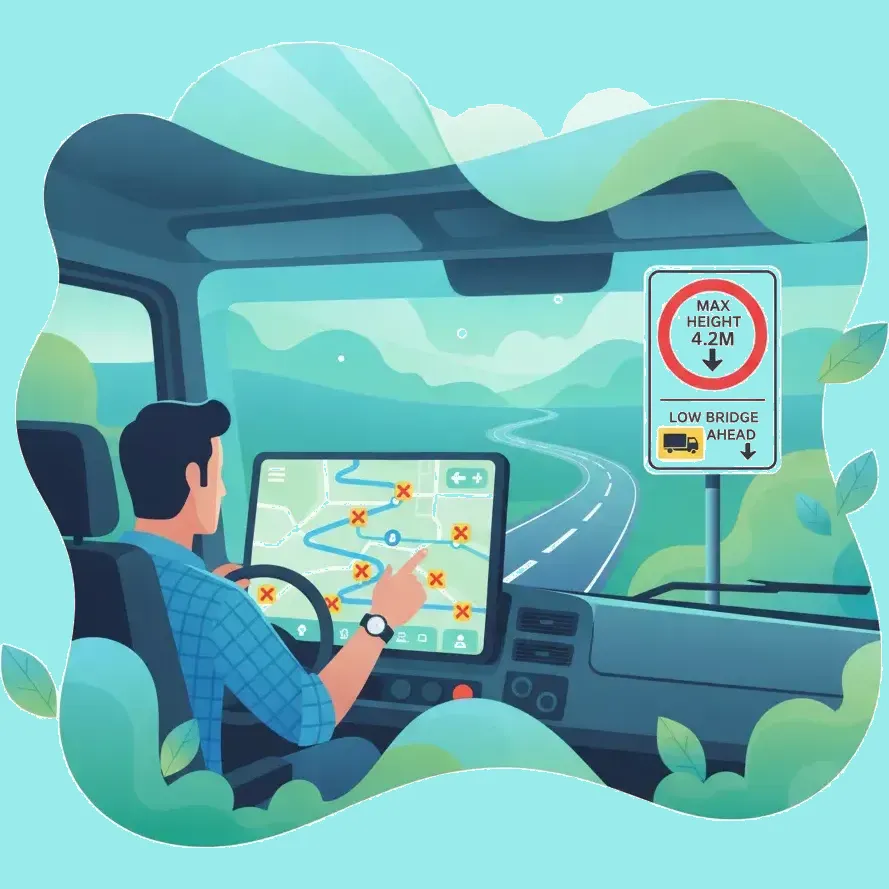
This lesson teaches professional drivers how to systematically map out travel routes that are compatible with heavy vehicle dimensions. It covers the limitations of consumer-grade GPS systems and emphasizes the use of specialized truck navigation systems that account for low bridges and load restrictions. Drivers will also learn to plan for congestion, access timing regulations, and proper entrance paths into commercial zones.
Explore the regulations governing bus lanes, clearways, and safe interaction with vulnerable road users in city environments. This guide explains how to prioritize passenger safety while operating large vehicles in busy urban zones, helping you understand official Irish traffic flow management and bus corridor protocols.
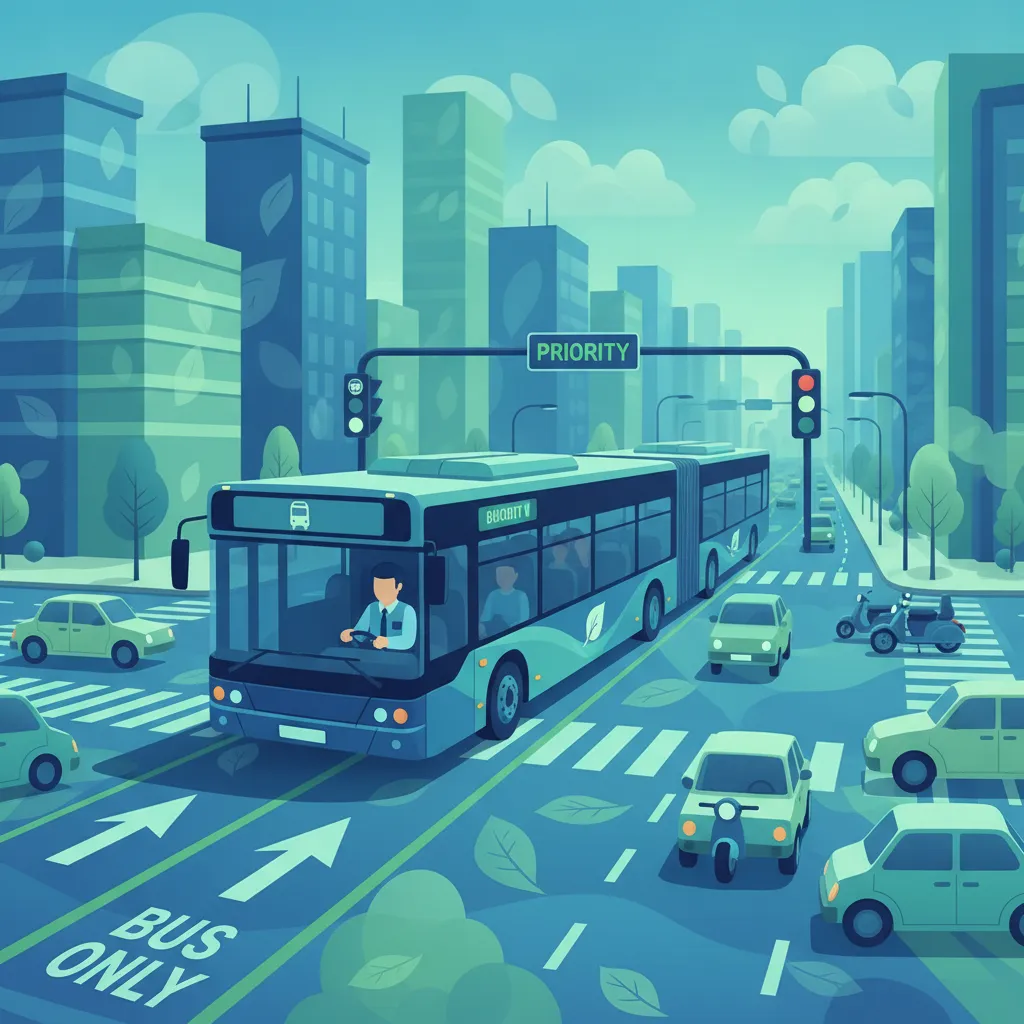
Driving large vehicles through dense city traffic requires outstanding lane discipline, spatial awareness, and consistent patience. This lesson teaches drivers how to utilize public bus corridors, manage tight yellow box intersections, and handle narrow city streets. It focuses on predicting traffic pattern shifts to maintain service timetables while minimizing fuel waste and driver stress.
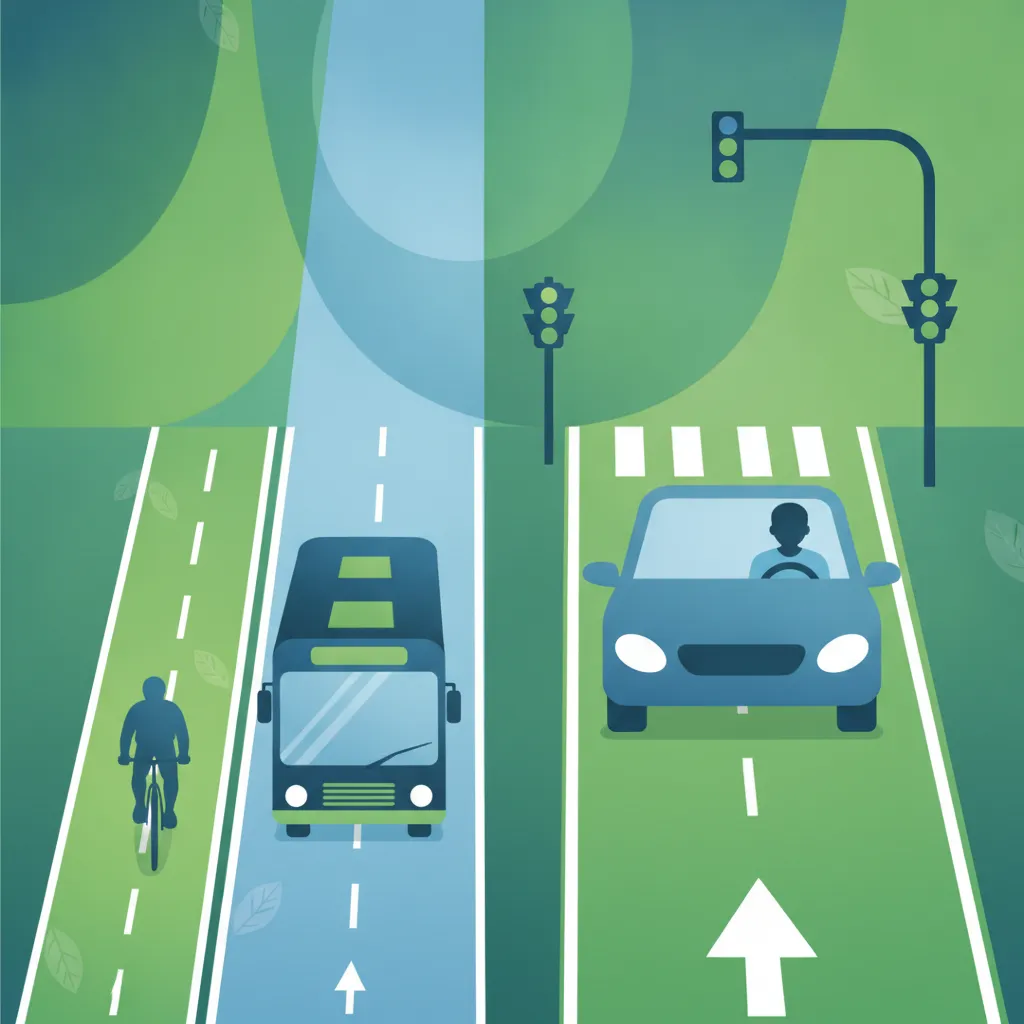
Bus lanes and cycle tracks are designed to encourage public transport and safe active travel in congested urban areas. This lesson explores the differences between with-flow and contra-flow bus lanes, detailing the restricted operating hours during which other vehicles are banned. You will understand when taxi drivers or emergency vehicles can use these lanes, and how to avoid costly traffic violations and safety risks.
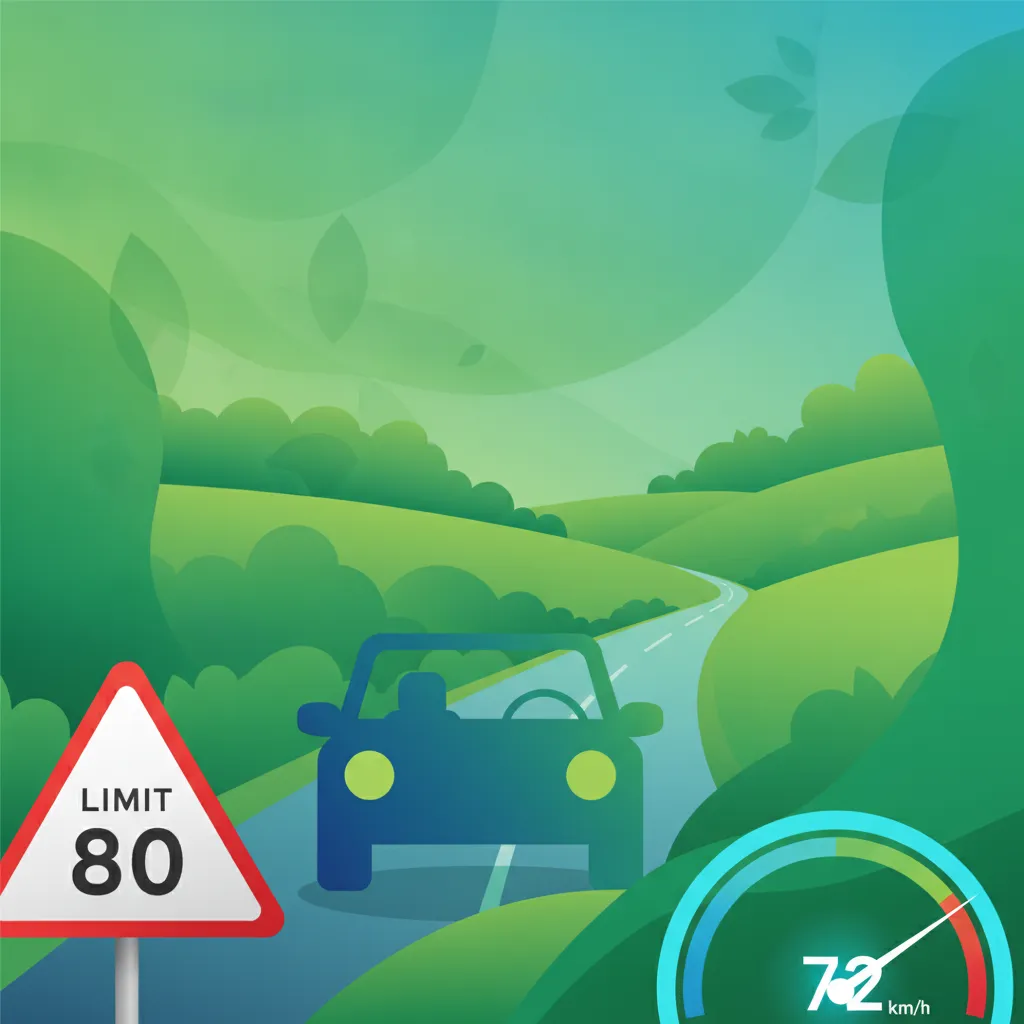
Speed management requires adjusting vehicle velocity to suit current weather, passenger load, and the specific limits of Irish roads. This lesson details speed restrictions for buses and minibuses on motorways, national routes, and built-up areas throughout Ireland. It highlights the driver obligation to prioritize passenger safety over schedule delays by maintaining appropriate speeds.
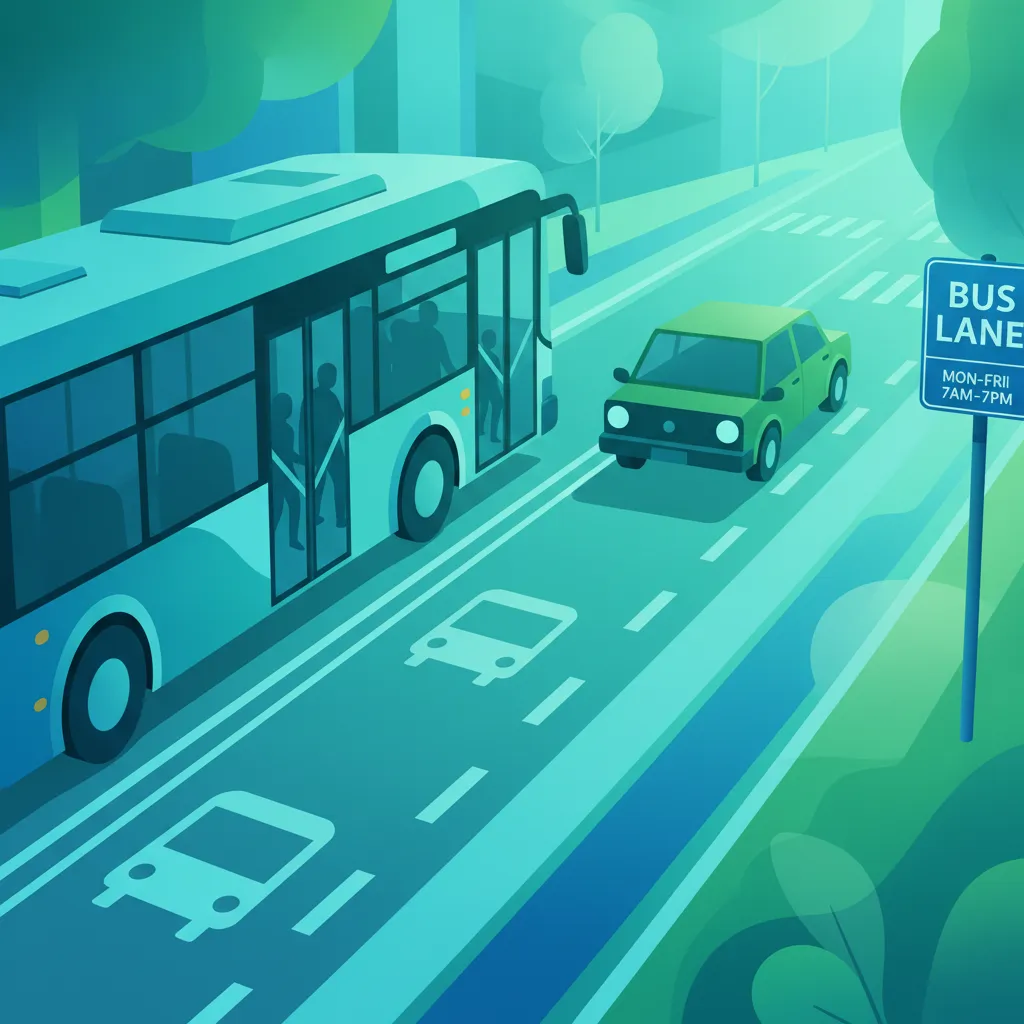
This lesson details the legal operations allowed within Irish bus lanes, including active hours, non-permitted traffic types, and exceptions. Drivers will learn safe approach trajectories for public transport stops, maintaining legal clearance, and navigating curbside hazards safely. The material highlights compliance with local bylaws to guarantee steady, uninterrupted traffic flow and passenger convenience.
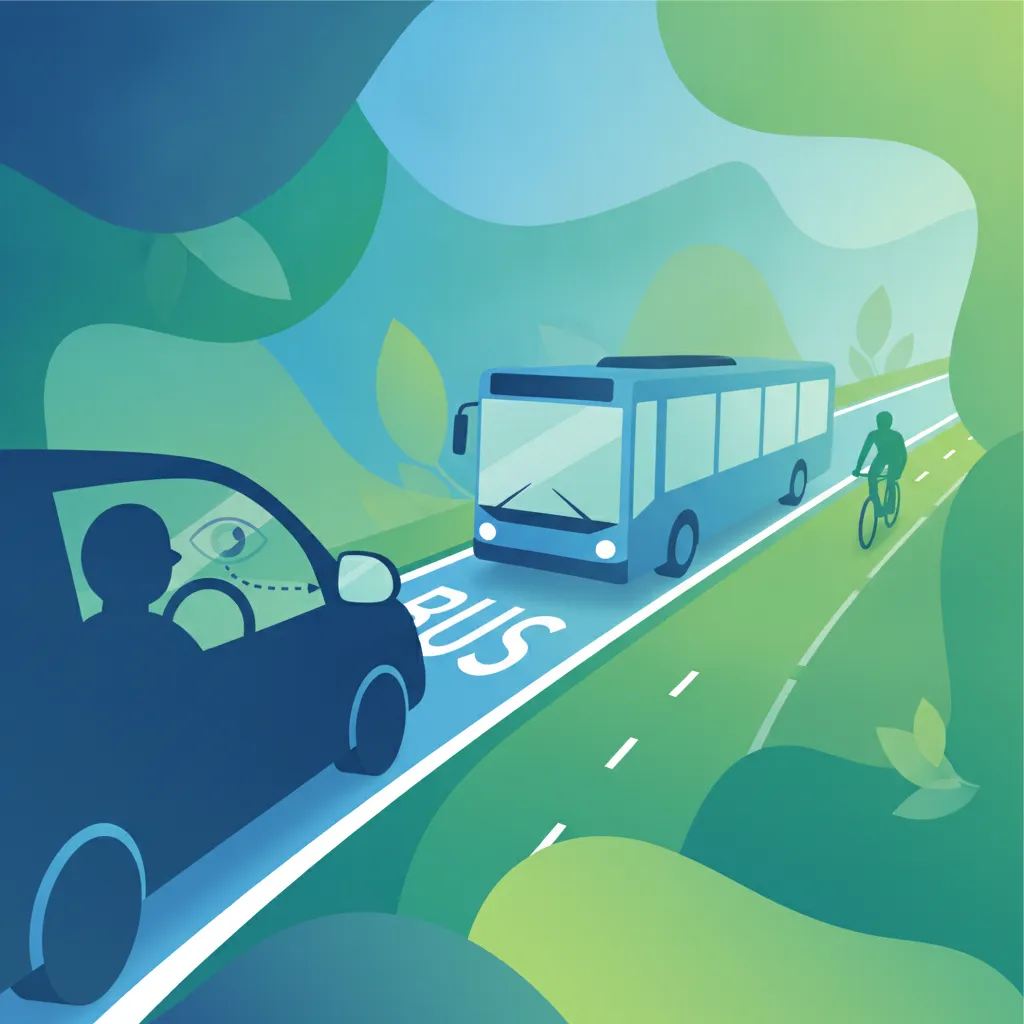
This lesson clarifies the legal regulations surrounding bus lanes and cycle lanes in Ireland, highlighting when motorcycles are permitted to enter them. It outlines how to cross these lanes safely when turning left, and how to scan for cyclists approaching from behind. Riders will learn to respect lane markings, observe signposted operational hours, and avoid blocking designated public transit lanes.
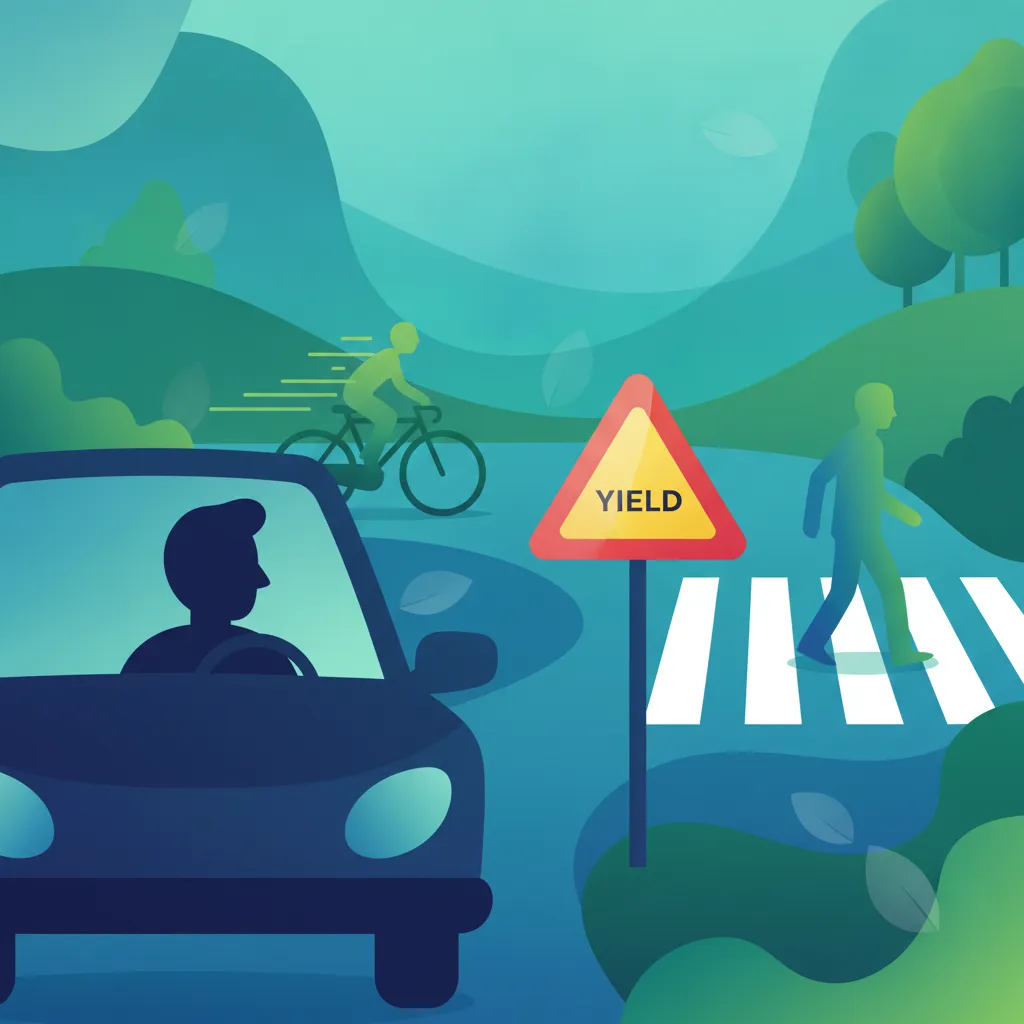
This lesson covers the absolute rules of priority that regulate junctions, roundabouts, and pedestrian crossings in Ireland. It teaches riders when they must yield, who has right-of-way, and how to read Stop and Yield signs correctly. Understanding these priority hierarchies prevents collisions and maintains orderly, predictable movement at busy junctions.
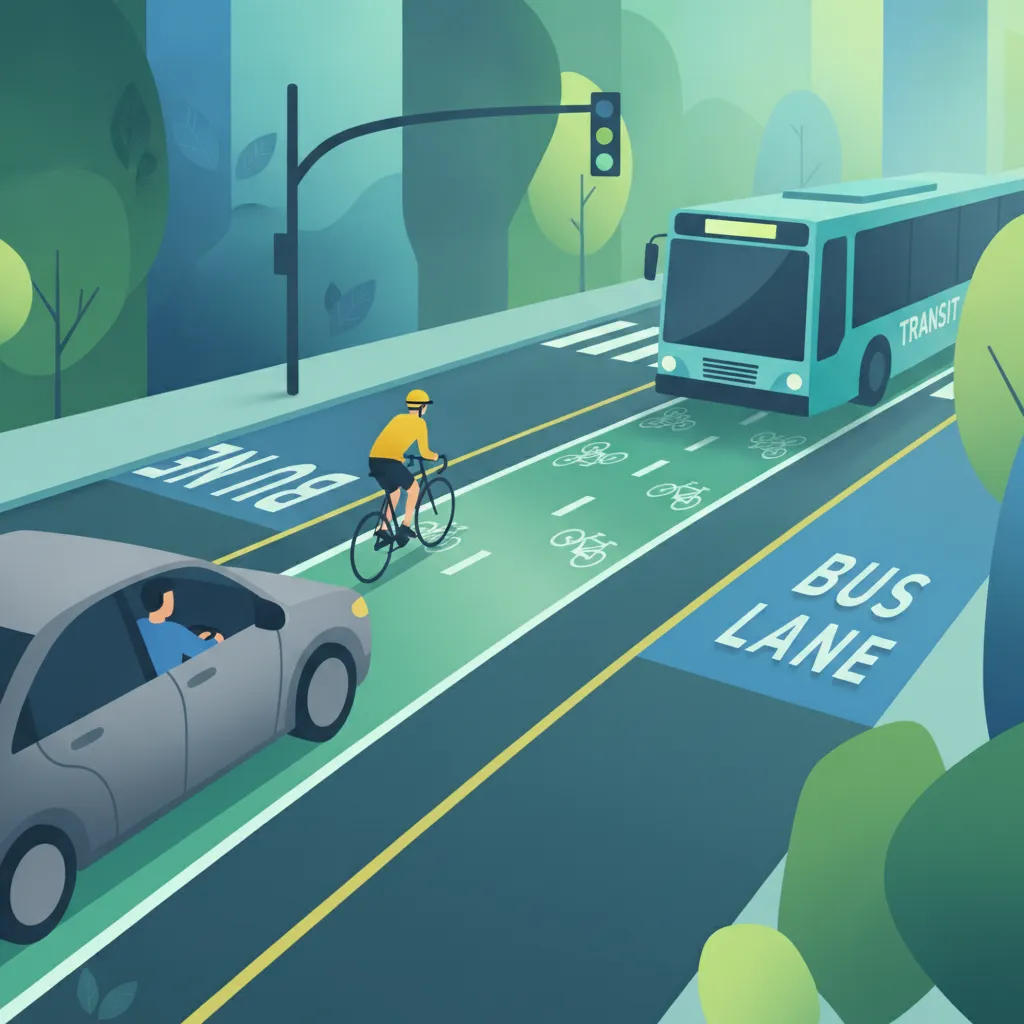
This lesson investigates the specific laws regulating bus and cycle lanes on Irish municipal streets. It clarifies the operational hours of restricted lanes and explains whether Category AM vehicles are allowed access. Understanding these boundaries ensures riders avoid severe penalty fines and share space safely with public transport and cyclists.
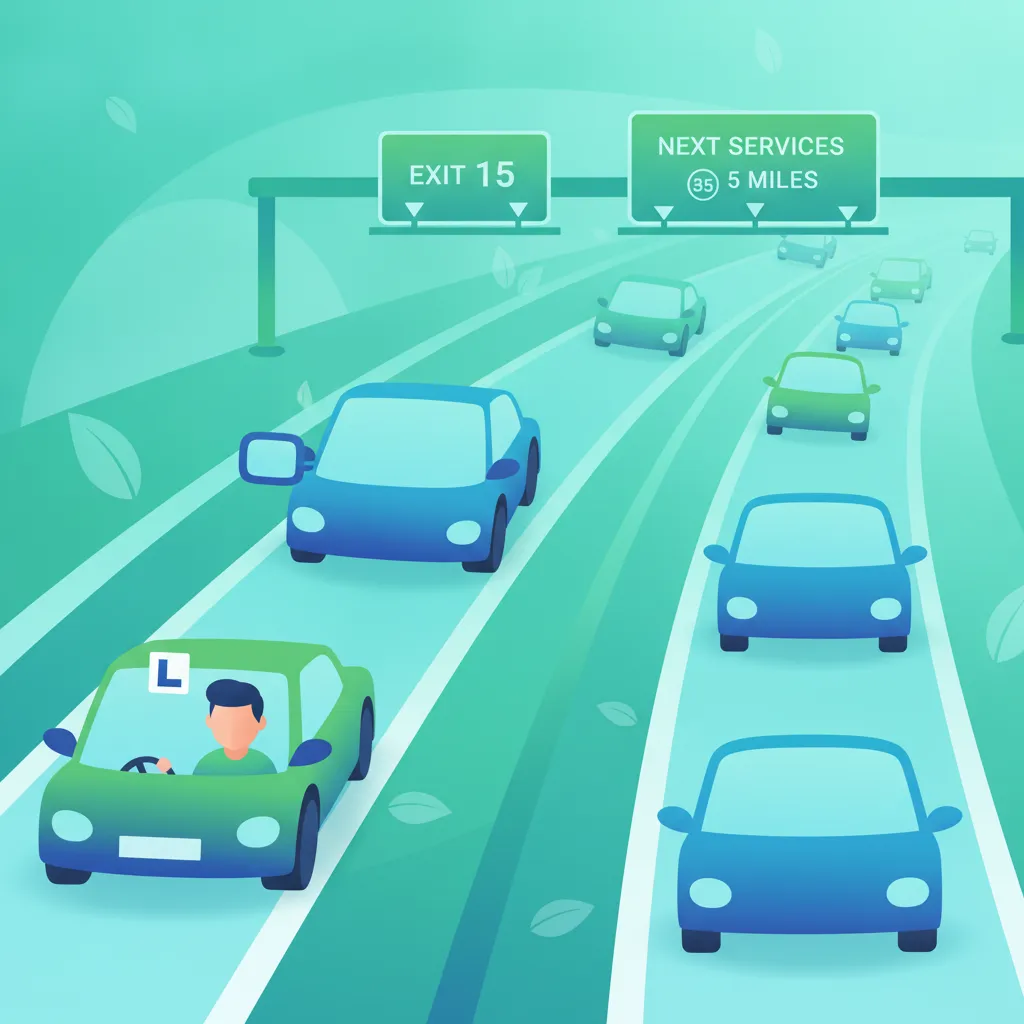
Motorway transport requires consistent forward planning, strict speed restriction compliance, and clear mirror checks before exiting lanes. This lesson details the rules of joining and leaving motorways, navigating toll plazas safely, and managing breakdowns on the hard shoulder. Drivers will learn to balance high-speed travel with passenger stability, ensuring a comfortable, secure ride.
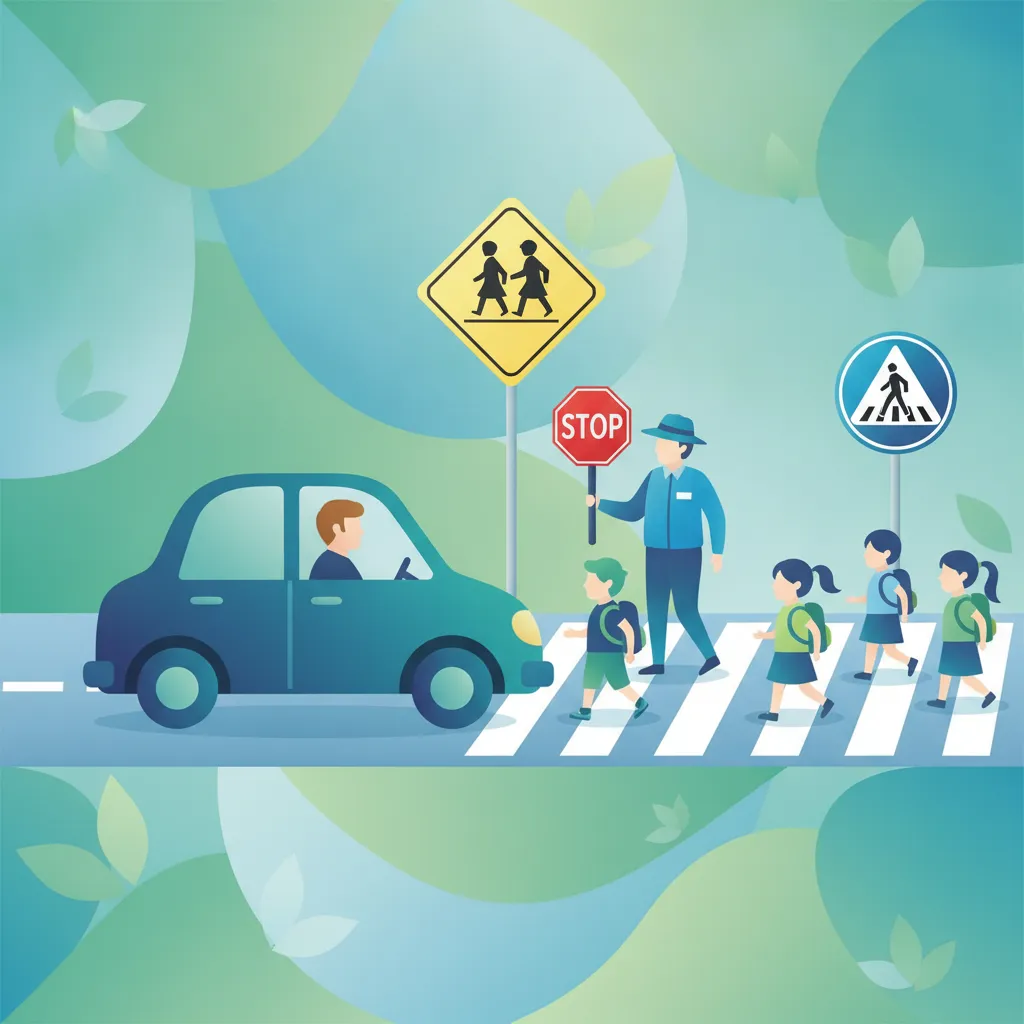
School zones and pedestrian crossings require high driver alertness and strict compliance with local speed limits in Ireland. This lesson details the legal rules of zebra and pelican crossings, explaining driver requirements when amber warning beacons are flashing. Drivers will study safety procedures for dropping off or picking up children, preventing common blind-spot accidents near schools.
Large passenger vehicles must maintain consistent lane positioning to prevent side-swipe incidents and sustain smooth urban traffic patterns. This lesson covers standard lane selection rules, safe overtaking procedures, and how to use designated public transit corridors correctly. Drivers will learn the importance of checking mirrors continuously and planning lane changes well in advance.
Find clear answers to common questions learners have about Road Signs Specific to Passenger Vehicles. Learn how the lesson is structured, which driving theory objectives it supports, and how it fits into the overall learning path of units and curriculum progression in Ireland. These explanations help you understand key concepts, lesson flow, and exam focused study goals.
No. Bus lanes are specifically reserved for public service vehicles and, in some cases, cyclists or taxis. You must observe the specific signs and road markings at the entry of these corridors to confirm if your vehicle is permitted to enter.
Unlike smaller passenger cars, buses and coaches are tall vehicles. Hitting a low bridge or tunnel can lead to catastrophic accidents and vehicle damage. Identifying these signs early is a critical safety requirement in your theory exam and professional practice.
Weight restriction signs dictate whether a road or bridge can support the load of a heavy vehicle. Ignoring these signs can lead to severe safety risks and immediate legal penalties, making this a core topic for your test preparation.
Yes, the Irish Driver Theory Test often uses imagery of real signs found on Irish roads. You must be able to recognize these instantly and understand the specific restriction or warning they convey for a passenger vehicle.
Use the practice question search tool to pinpoint specific topics, road signs, or rules you need to master for your official Driver Theory Test. Refine your study strategy and ensure comprehensive preparation for all aspects of the Irish driving exam. Start your focused revision now and build confidence for your learner permit test.